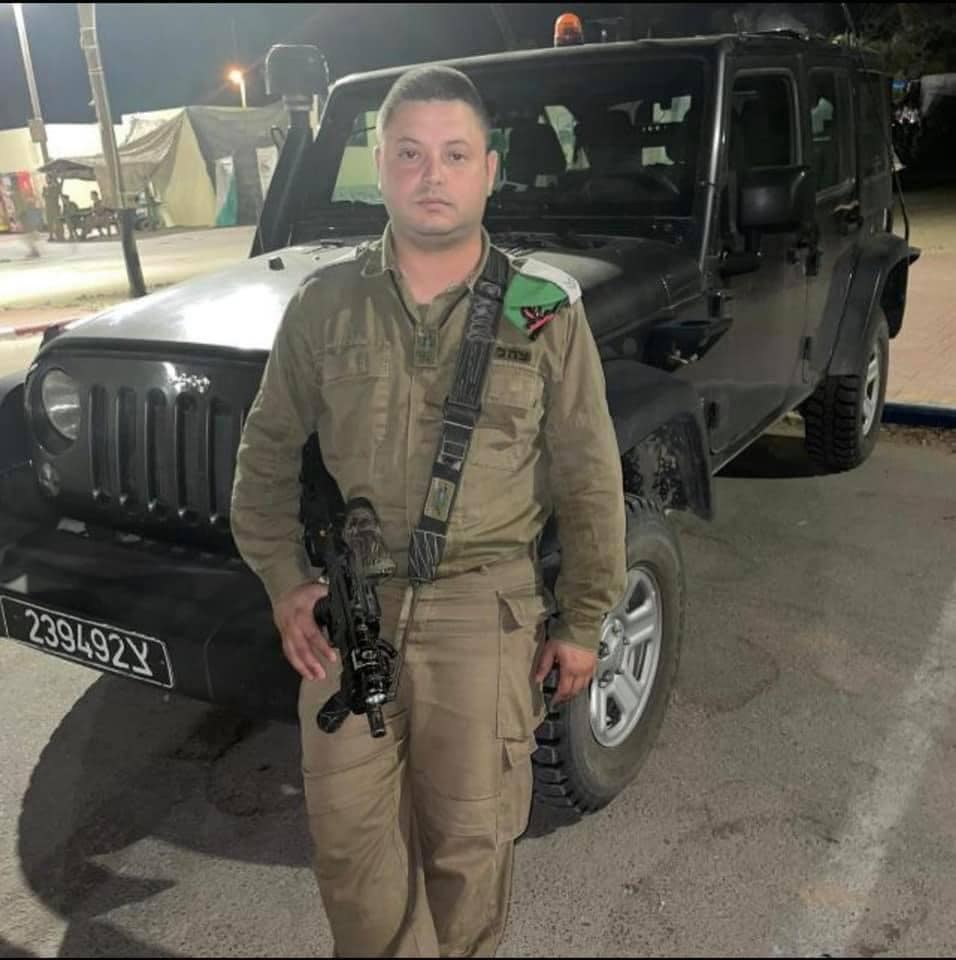
The story
On the morning of July twenty-sixth, nineteen eighty-nine, Ziyad drew his first breath in Zarzir, a Bedouin village nestled in the verdant Jezreel Valley, at the foot of the Lower Galilee. The air that day carried the scent of dry summer earth, mingled with the ancient aroma of bonfires, the chirping of birds accompanying the day, and the murmurs of life rising from the sleepy village homes, not yet fully awakened to the rising sun’s warmth. He was born to Nawal and Moussa, and immediately upon his birth, stories of a glorious past, of guardians and people of the land, wove into his life. His name, Ziyad, was not a random choice, but an anchor embedded in him from his beginning, a legacy passed down through generations. His great-grandfather, a man of valor and the land, was a close friend of Alexander Zaid, the legendary pioneer who guarded the valley’s lands even before the state’s establishment. It was after him that baby Ziyad was named, carrying on his soft shoulders the expectation and pride of continuing a lineage of guardians. The stories of Alexander Zaid, of his figure mounted on his horse, rifle in hand, watching over every tree and every path, became an inseparable part of evening conversations in the Mazareeb family home, whispered to the children as tales of heroism, not just a distant past, but a future command.
The home where Ziyad grew up was warm and vibrant, filled with sounds of laughter and conversation, the aromas of traditional dishes rising from the kitchen, and the quiet, respectful sounds of prayers. His parents, Nawal and Moussa, instilled in him and his siblings, Kifah, Imran, and Hussam, a deep-rooted education based on values of respect, mutual aid, and a profound connection to the land and community. In the morning, the house would awaken with the call of the muezzin, immediately followed by the sounds of breakfast preparation – fresh pita baked on the saj, local labneh, olives, and olive oil from the surrounding trees. Young Ziyad loved to sit at the long table, listening to the adults’ conversations, absorbing their wisdom and their stories about village life, the seasons, and the challenges between man and his land. He learned from his parents the importance of humility, the power of giving, and the beauty of connecting to tradition, not merely as an observance, but as a way of life that defines who you are and your place in the world. Even then, a spark of love for humanity and nature began to flicker within him, a spark that, over the years, developed into a burning flame, illuminating his path and touching everyone he met.
Ziyad spent his childhood and adolescence in the schools of Zarzir, modest but spirited educational institutions where he studied alongside his village peers and close friends. Beyond textbooks, his real school was the fields and hills surrounding the village. He would go out with his friends, his small feet treading the dirt paths, learning to identify wild plants, the tracks of wild animals – foxes, jackals, wild boars – the rhythm of the earth’s breath after rain, and the waymarkers left by passing shepherds. He developed a sharp eye and a keen ear, an ability to observe beyond what was visible, a kind of internal instinct that connected him to the wild and quiet environment alike. His captivating smile, which would become his trademark over the years, began to blossom even in those days, a light and natural smile that opened doors and softened hearts. He was known as a polite, well-mannered child who always knew how to be cheerful, whether with adults or his peers. He was not a quiet or solitary child, but one who attracted people, thanks to his simple and sincere good heart, and his ability to see the good in every person and every situation. These qualities, instilled in him in childhood, were the pillars upon which his unique personality was built, evolving over the years, making him the deeply rooted, principled, and humble man he became.
As he grew older, his understanding that his destiny was linked to the land and its protection strengthened. The stories of Alexander Zaid were no longer just childhood legends, but a call to action, a living inspiration. He saw the importance of agricultural work, the connection between physical labor and the fruits of the earth, and the need to protect all of it. He did not speak in terms of "holiness," but in terms of "home," "livelihood," and "security." When his young hands touched the damp soil of the nearby kibbutz, when he volunteered to help with harvesting or other agricultural tasks in the early morning hours, he felt deep satisfaction. He loved the roar of the tractor’s engine shaking the earth, the smell of fertilizer mixed with morning dew, the pleasant fatigue at the end of a day’s work in the sun. He understood that guarding the land was not just a matter of borders, but a matter of life, of community, of creation. This was the natural path for him, the way he could express his deep love for nature and humanity, his developed sense of justice, and his intense desire to contribute and help. When he came of age and it was time to enlist, the choice was clear: he would not only serve in the IDF, but would choose a role that would connect him directly to his calling – to be a guardian.
On November twenty-seventh, nineteen ninety-seven, young Ziyad, eighteen years old, stood at the threshold of the recruitment office. The hinterland of Zarzir, the village where he was born and raised, seemed small and distant from there, but his heart was full of anticipation and determination. He already knew exactly what he wanted to be: a tracker. No longer just a boy who identified tracks in the fields, but a skilled soldier whose sharp eyes and keen ears would become a real tool of defense. He enlisted in the Border Defense Corps, a role tailor-made for him, one that allowed him to fulfill his deep connection to the land and his commitment to the state’s security. The training as a tracker was intense and challenging. Long days and cold nights, crawling on his belly in dusty training areas, learning to identify the subtle difference between the tracks of an innocent shepherd and a faint sign of hostile infiltration. He learned to read the terrain as if it were an open book; every stone, every broken branch, every change in the soil’s color – all told a story. He learned to feel the wind’s direction not just on his skin, but in his soul, to know where it carried scents and sounds, and to analyze the movement of sand and dust. His commanders quickly recognized his natural talent, his endless patience, and the sharp eye that saw details others missed. He excelled not only in his professionalism but also in the good spirit he brought with him, in the smile that never left his face, even in the toughest moments, and in his ability to instill optimism in his comrades. He served in the Southern Territorial Brigade of the Gaza Division, an area that was always sensitive and challenging, a border that demanded unceasing vigilance and exceptional skill.
Ziyad’s vision did not end with regular service alone. He saw the IDF not just as a place to serve, but as a way of life, a continuous calling. After his release from regular service, he gave up many other opportunities and decided to continue in the standing army as a tracker, out of a deep choice to dedicate his life to serving the state and defending Israel’s security. He knew that this was where he could fulfill himself best, guard the borders, and protect the settlements and their residents. His role as a tracker in the Southern Brigade was critical. He was the "eyes" of the force, the one who found infiltrators, smugglers, and thieves, even before they could cause harm. He loved a challenge, the constant struggle between the person trying to evade and nature leaving its tracks. Often, in the late hours of the night, when the stars lit up the Negev sky, he would be called for an alert. The jeep’s engine would sputter to life, then roar down the road, crossing sand dunes and dirt paths, his focus entirely on the mission. With a small headlamp, he would read the ground, identify footprints, direction of movement, the smallest details that could lead him to the infiltrators. His successes, many captures of thieves in the field, were not just personal victories, but an expression of his deep commitment to community security and the livelihood of the farmers in the area. He was a professional tracker, a household name in the corps, whom everyone who knew him knew they could trust implicitly.
One of the special projects he participated in, and which was dear to his heart, was the "Joint Venture." This was an innovative initiative by the Southern Command and the Gaza Strip settlements, designed to eradicate agricultural crime that plagued the area. Thefts of equipment, crops, and livestock were a real national scourge, and farmers suffered heavy damages. Ziyad, who understood the deep connection to the land and livelihood, saw this project as an opportunity to connect his military world with the civilian world, and to be a guardian in the broadest sense of the word, just like his great-grandfather. He was an active partner in its establishment, in meetings with farmers, explaining working methods, and leading tracker teams in the field. He vividly remembered the first meeting with the farmers, when they all stood in an open field, surrounded by vegetable crops and open fields. The sun blazed, and the air was filled with the smell of warm earth. When asked his name, he simply replied, "Ziyad. Like Alexander Zaid, that guardian," and added a captivating smile. "My great-grandfather was his friend. I am continuing the path." At that moment, an immediate connection was formed, a sense of shared destiny, transcending language or cultural differences. He not only helped catch thieves but built bridges of trust and security between the army and the agricultural community, proving again and again that love of humanity and nature are not just slogans, but a practical way of life.
Beyond the uniform and the tracks in the earth, Ziyad’s life was rich with love and family warmth. He married Marwa, a strong and supportive woman who was a full partner in his path and dreams. Their wedding was a joyful and moving event in Zarzir, attended by family, friends, and colleagues from the army, all celebrating their love and the beginning of their shared journey. Afterward, two small treasures came into the world, changing his life completely: a daughter named Ian, and a son named Moussa, named after his father. Ziyad became an exemplary father, a loving and devoted family man, whose entire world revolved around his children and wife. He was not a father who merely provided needs, but one who was present, who participated, who played, who educated. When he returned home from the army after long days of activity, he never came empty-handed. He would enter the door, tired but with a wide smile, and immediately the joyful shouts of the children running towards him would be heard. From his military bag, which carried a faint scent of field smoke and sweat, he would pull out small gifts, bags of sweets, simple toys, that made Ian and Moussa’s eyes sparkle with happiness. He would get down on his knees with them, play ball in the yard, read them bedtime stories in his deep, caressing voice, and teach them the important values of love for humanity and nature, just as he had learned from his father.
Ziyad dreamed of a better future for his children, a future of peace, security, and opportunities. He spoke to them about the importance of studies, about their dreams, and how proud he was of them. Even when he was on long operations in the south, far from home, he made sure to talk to his family every day. The phone calls were an anchor for him, short moments of quiet and connection in the midst of operational chaos. He would call Marwa, hear the children’s voices in the background, ask how their day went, tell them a short story about something he saw or heard, and promise to return soon. His voice was always calm and confident, even when his heart was worried. He didn’t want to burden them with the worries of war, but only to give them a sense of stability and love. Marwa would tell him about Ian’s lessons, about Moussa’s mischief, about the normal and peaceful life of the home, a life he worked so hard to protect. These moments, of short but deep phone calls, were the engine that drove him to continue, to fight, and to keep his smile, even when it was difficult.
Among those around him, Ziyad was a beloved and admired figure. He was known as a deeply rooted, principled, and humble man, always ready to lend a helping hand, without asking for anything in return. He never disappointed anyone who asked him for help, whether it was a friend whose car broke down on the side of the road, a neighbor who needed help with household chores, or a colleague in the army looking for a listening ear. He was a people person, who truly and sincerely loved others, and saw them as brothers. His captivating smile, which was always present, would open every heart, and he had a special way of making people feel comfortable and safe in his presence. He treated everyone with good spirits, cheerfully, politely, and courteously, whether it was a senior commander, a junior soldier, or just a passerby he met by chance. Yossi Hadad, his commander and close friend, loved him dearly, as did all the commanders and soldiers who served alongside him. Yossi called him "brother," and regarded him as someone from whom he learned a great deal, despite being his commander. He saw him not only as a fighter and a professional tracker, but also as an educator, a leader, and an exemplary family man. In Zarzir, he was a pillar of the community, participating in events, assisting needy families, and always being there for everyone. He was a symbol of the successful integration between Bedouin-Israeli identity, between tradition and modernity, between love of the land and commitment to the state.
And then came that cursed Saturday, the 22nd of Tishrei, Simchat Torah 5784, October 7th, 2023. It was six-thirty in the morning, and the quiet of the festive morning was suddenly shattered by a massive barrage of rockets launched by the Hamas terrorist organization from the Gaza Strip. Ziyad was at home, enjoying quiet moments with his family, when the disturbing sirens suddenly blared. His phone began to vibrate frantically, WhatsApp messages poured in from command groups, calls for immediate mobilization. The first images that began to stream in, of terrorists infiltrating communities, of civilians murdered in their homes, were incomprehensible. The horror was beyond imagination. Ziyad immediately understood the gravity of the hour, the immediate danger hovering over their home and the entire country. He hugged Marwa, Ian, and Moussa, a strong, quick embrace, full of love and worry, and ran out of the house, leaving behind the warmth and security of his family, into the unknown. The road to the base was full of tension, blocked roads, calls for help. With every moment, it became clearer and clearer that this was not just another escalation, but a real war, a war for their very existence.
Ziyad and his unit, the trackers of the Southern Territorial Brigade, were among the first to respond. They were rushed into the inferno, directly to the battle zones in the Gaza envelope. The air was thick with the smell of burning, black smoke rose from burning homes, and incessant gunfire filled the air. Ziyad, with his extensive experience as a tracker, was invaluable in these critical moments. His sharp eyes scanned the area, identifying tracks of infiltrating terrorists, directions of movement, possible ambush locations. He led the forces, amidst the chaos and confusion, pointing out hidden dangers, and saving many lives. He fought valiantly, defending communities, evacuating the wounded, clearing areas. The sights were unbearable – bodies of innocent civilians, children, women, elderly, brutally murdered beyond description. But Ziyad did not break. He pushed forward, with uncompromising determination, driven by his belief in the righteousness of his path and the need to protect his home and his people. He was not there for grand words or glory, but for the act itself, to save lives, to fight evil. After the first shocking days of fighting in the Gaza envelope, as Israel began its counter-offensive into the Gaza Strip, Ziyad and his unit were among the first forces to penetrate, into the deep and complex campaign in the heart of enemy territory.
The fighting in the Gaza Strip was completely different. It was prolonged, demanding, involving fighting in built-up areas, in tunnels, against an enemy hiding within a civilian population. Ziyad continued to fulfill his role as a tracker in the Southern Territorial Brigade, bringing his unique skills to bear even in these difficult conditions. He identified disguised tunnel entrances, tracks of terrorists within the tangle of ruins, and was critical in locating terrorist infrastructure. For long days he was cut off from home, surrounded by dust, smoke, and sounds of battle, but he never for a moment forgot his family. On June fifth, 2024, the day before his fall, he managed to find a moment of quiet to call home. His voice sounded tired, but full of love. "Take care of yourselves," he told Marwa and the children, like a quiet testament, "when I come back we'll have fun, we'll play together and go wherever you want." He promised them trips, games, moments of family happiness, dreams and hopes for a future he would never fulfill. Marwa listened, her heart fearful, but she tried to sound strong for him. The children, Ian and Moussa, spoke to him with longing, telling him about drawings they had made, about games they had played, awaiting the return of their heroic father. He ended the call with a virtual kiss, and with a deep feeling of love and longing, expressed in these last farewell words.
The next day, June sixth, 2024, Ziyad participated in an operational activity in the southern Gaza Strip, near the Kerem Shalom area. The force he fought with moved cautiously, scanning the area, with the tension in the air palpable. Suddenly, heavy gunfire erupted. Terrorists opened fire on the force, apparently in another attempt to infiltrate the Gaza envelope communities. Within seconds, the quiet was shattered, and the area became a bloody battlefield. Ziyad, with his sharpened senses as a tracker, identified the source of the fire and the immediate danger to his fellow fighters. Without hesitation, out of an instinct of a leader and guardian, he leaped forward, into the heart of the fire. He acted quickly and decisively, protecting his comrades, pointing out enemy positions, providing covering fire, and enabling them to take cover and act effectively. He knew that every second was critical, that every action could save lives. He charged, firing and maneuvering, blocking the deadly fire with his body, thereby saving the lives of his comrades. In these moments of supreme heroism, he was fatally wounded. Master Sergeant Ziyad Mazareeb, thirty-four years old at his death, fell in battle, as a hero, defending his comrades and the land he loved so much.
The news of his fall reached Zarzir like a thunderclap, striking his family and community with unimaginable cruelty. Marwa, Ian, and Moussa were left with a promise that would never be fulfilled, and with a huge void in their lives. Ziyad’s deep, caressing voice would no longer be heard on phone calls, his warm hands would no longer embrace his children, and his captivating smile would no longer light up their faces. The entire village mourned the loss of its beloved son, the hero who protected everyone. He was laid to rest in the Mazareeb cemetery, on the land of the village where he was born and raised, the land he loved so much and defended until his last breath. The Mazareeb family and the Guamis family, his neighbors and friends, all came to accompany him on his last journey, with tears in their eyes and broken hearts. After his fall, he was posthumously promoted to the rank of Senior Master Sergeant, a token of appreciation for his dedication and supreme heroism.
The eulogy by Yossi Hadad, his commander and friend, echoed the sense of loss and immense appreciation: "You were the best person in the world. Brother, friend, neighbor, heroic fighter, professional tracker, educator, and exemplary family man. Always smiling and treating everyone with good spirits. Cheerful, polite, and well-mannered. I loved your captivating smile. The commanders, soldiers, and friends loved you and still do." These words, sincere and poignant, described Ziyad exactly as he was – a pillar of kindness, courage, and dedication. Ziyad Mazareeb’s legacy lives on and will continue to live in the hearts of those who knew him, and in the story of heroism he left behind. Ian and Moussa will grow up, and their father will be for them a symbol of courage, love, and commitment. They will tell his story, about the tracker who guarded the land and the people, just like Alexander Zaid after whom he was named. Ziyad Mazareeb was a bridge between worlds, between tradition and future, between protecting the small home in Zarzir and protecting the great home of Israel. He left behind a deep imprint of humanity, professionalism, and heroism, and his memory, of a warm and smiling man, deeply rooted and principled, will continue to resonate and inspire future generations, as a living testament to the strength of the Israeli spirit, a spirit of revival, of defense, and of unconditional love. He fell as a hero, but his life story is a story of a full life, of endless giving, and of pure Israeli pride. May his memory be a blessing.
Moments of a life
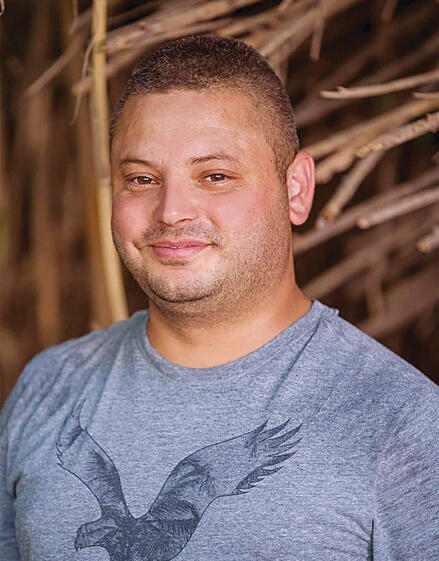
All photographs · 1
In the media
Articles
Social posts
Memorial sites
- Zaid Mazarib
יזכור — משרד הביטחון
- Commemoration
קידום — העמותה לקידום חיילים בדואים
Stories told about them
According to Yizkor, Zaid was named after Alexander Zaid, who had been his great-grandfather’s friend. Even during extended service in the south, he maintained daily contact with his family and helped combat agricultural theft.
Guy Fattal described a meeting with Zaid on the eve of his death, in which Zaid explained tracking and the importance of knowing the terrain. At the end of the conversation, the photographer asked him to pass on his regards to a relative who had served with him.
Life & service
Service
- Rank
- Sergeant major
- Honours
- Posthumously Promoted
- Battle Location
- Southern Gaza Strip
Family
- Father
- Musa
- Mother
- Noel
Burial
Cemetery
Mazarib
Tributes & remembrance
He was always smiling
Source:ישראל היום
Read the Hebrew original
הוא היה חייכן תמיד
Today, the village of Zarzir lost a fighter, a resident, a friend, and a family member.
Source:ישראל היום
Read the Hebrew original
כפר זרזיר היום איבדה לוחם, תושב, חבר, ובן משפחה.
A brave and daring fighter
Source:ישראל היום
Read the Hebrew original
לוחם אמיץ ונועז
Just a few weeks ago, I was sitting with Zaid at his home, drinking coffee together.
Source:ynet
Read the Hebrew original
לפני כמה שבועות עוד ישבתי עם זייד בביתו ושתינו קפה יחד.
We lost a wonderful, humble man; everyone loved him
Source:ynet
Read the Hebrew original
איבדנו אדם נהדר, צנוע, כולם אהבו אותו
I loved your captivating smile.
Source:יזכור
Read the Hebrew original
אהבתי את החיוך הכובש שלך.
Zaid, thank you for fighting for us and sacrificing your life for the entire people of Israel.
Source:LinkedIn
Read the Hebrew original
זייד תודה שנלחמת למעננו והקרבת את חייך עבור עם ישראל כולו.
He asked me to help his wife find a job at the Ministry of Education.
Source:LinkedIn
Read the Hebrew original
הוא ביקש שאעזור לאשתו למצוא עבודה במשרד החינוך.
Remembrance Day addresses
יום הזיכרון לחללי מערכות ישראל התשפ"ה – 2025
בכל יום שעובר, אזכור יותר! אזכור, את אלו שיצאו עימי לקרב ולא שבו, ולהם אין מי ידמה ומי ישווה. אזכור, שהכאב לא יעבור לעולם, והזמן, הוא לא מרפה ולא מרפא. אזכור, את שיברון הלב הגובר ואת הבית שבוער. אזכור, את צדקת הדרך, ואשבע שוב, שמה שהיה לא יהיה יותר. אזכור, שיותר מכל דבר אחר – אני חסר! ביום הזה, אני נתקף געגוע לדמותם, לחיתוך דיבורם, לחיוכם, ומדליק נר לזיכרון דרכם ומורשתם!
משרד הביטחון
אגף משפחות, הנצחה ומורשת
יום הזיכרון לחללי מערכות ישראל התשפ"ה – 2025
בכאב, בהצדעה ובתקווה אני מתכבד להדליק נר זיכרון זה. השנה, כשאנו נלחמים במלחמה ארוכה, רב זירתית וצודקת, הזיכרון נושא משמעות עמוקה. ביום זה נעצור ונתייחד עם זכרם של טובי בנינו ובנותינו שנפלו בהגנה על המדינה. מורשתם היא המצפן שמתווה את דרכינו, והיא המעניקה לנו כוח להמשיך ולהגן על מדינת ישראל ותושביה. משפחות יקרות, אנו מרכינים ראשנו ומתחייבים שנעמוד לצידכן תמיד. יהי זכר הנופלים ברוך.
אלוף דדו בר כליפא
ראש אגף כוח האדם, צה"ל
יום הזיכרון לחללי מערכות ישראל התשפ"ה – 2025
בשעה שאנו זוכרים את גודל תרומתם ועומק מסירות נפשם של טובי בנינו ובנותינו, נופלי מערכות ישראל לדורותיהן, ממשיכים צה"ל וכוחות הביטחון במימוש המשימה למענה לחמו ועבורה נפלו: הכרעת אויבינו מדרום, מצפון, ביהודה ובשומרון, וגם בזירות רחוקות יותר. בהערכה רבה ובגאווה אדירה אנו מרכינים ראש בפני הנופלים והנופלות, מאמצים את משפחותיהם אל לבנו, וממשיכים במשימה להבטחת קיומה של ישראל לדורי דורות. יחד נעשה ונצליח.
רב אלוף אייל זמיר
הרמטכ"ל, צה"ל
יום הזיכרון לחללי מערכות ישראל התשפ"ד – 2024
כאשר דגלינו מורדים לחצי התורן וראשינו מורכנים לזכר הנופלים והנופלות במערכות ישראל, ממשיכים לוחמי צה"ל ומפקדיו בלחימה בדרום, בצפון, ביהודה ובשומרון ובזירות נוספות. על כל דור מוטלת המשימה של הגנת העם והארץ – משימה שאף פעם אינה פוסקת. נצדיע בגעגוע ובגאווה לנופלים ולנופלות, נחבק את משפחותיהם, ונמשיך ברוח הציווי שהותירו לנו. עם ישראל חי.
רב ניצב יעקב שבתאי
המפקח הכללי, משטרת ישראל
יום הזיכרון לחללי מערכות ישראל התשפ"ד – 2024
אחיי הנופלים, כל נר הוא זיכרון יחיד ומיוחד, על חיים שהיו ואינם, געגוע שנצרב עמוק בלב, עולם ומלואו. הנרות כולם הם זיכרון של אומה כי לעולם לא עוד, בשורת הציונות וקוממיות ישראל. זיכרון כי הדרך לעם חופשי בארצנו עוברת דרך מסדר הנופלים. אור הנר יזכיר לנו את מסירות נפשכם להציל חיים, להגן על הבית. הנרות מסמנים לנו נתיב גבורה ערכי מחייב שאנו מצווים ללכת לאורו. נמשיך להילחם ולהוסיף אור מתוך אמונה בנצח ישראל.
יואב גלנט
שר הביטחון
יום הזיכרון לחללי מערכות ישראל התשפ"ד – 2024
בהצדעה ובכאב, בשם צה"ל כולו, אני מדליק נר זיכרון. בעיצומה של מלחמה, הזכרון נושא משמעות יום-יומית, שעבר והווה מתלכדים בה. לאורם של הנופלים נמשיך לצעוד, חיילי הסדיר והמילואים. לאורם של הנופלים נמשיך להגן על ארצנו ועל מולדתנו, גם כשהמחיר כבד. להבת-הזכרון תבער בנו בעודנו ממשיכים להלחם ונזכור את הנופלים ואת אומץ ליבם. משפחות יקרות, צה"ל מרכין היום ראש, מצדיע לכן וכואב איתכן. יהי זכר הנופלים ברוך.
אלוף יניב עשור
ראש אגף כוח האדם, צה"ל
יום הזיכרון לחללי מערכות ישראל התשפ"ד – 2024
בהוקרה, בגאווה ובכאב שאין לו סוף, אני מתכבד להדליק נר לזכרם של הנופלים והנופלות במערכות ישראל. סיפור חייהם בארץ הזאת, מסכת שירותם, גבורתם והקרבתם – הם סיפורה של הארץ הזאת, אך גם סיפור המחיר הכבד שהיא תובעת מאוהביה. מחויבותנו לזכר הנופלים ולדרך שהותירו לנו ניצבת תמיד לנגד עינינו. את המשימה שלא זכו להשלים, משלימים כיום, וישלימו, אנשי כוחות הביטחון, הממשיכים בדרכם ולאורם. יהי זכרם של הנופלים ברוך.
משרד הביטחון
אגף משפחות, הנצחה ומורשת
יום הזיכרון לחללי מערכות ישראל התשפ"ד – 2024
בחרדת קודש אני מתכבד להדליק נר לזכרם של חללי מערכות ישראל, חברנו שנפלו, מראשית היציאה מהחומות ולאורך כל שנות עצמאותנו המדינית והציונית, מהווים תמרור זיכרון לדרך חיינו ולמחוייבות הלאומית להנצחת זכרם. דרכם נותרה דרכנו ומורשתם נר להמשך עשייתנו. יהי זכרם ברוך!
בני גנץ
שר הביטחון
יום הזיכרון לחללי מערכות ישראל
נזכור אותם, כולנו יחד. כל אחד ואחת מהם, מדי יום ביומו, והיום ביתר שאת, כך – לנצח. "כי מדי דברי בו זכור אזכרנו עוד"
משרד הביטחון
אגף משפחות, הנצחה ומורשת