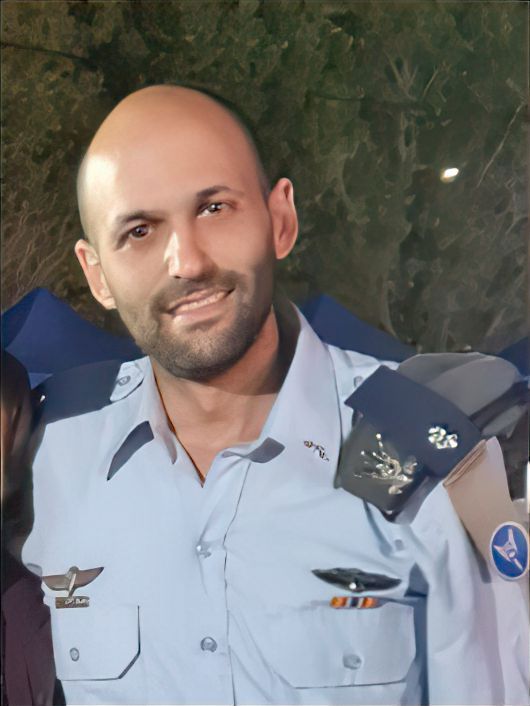
The story
In a spacious home, nestled in the vibrant greenery of Ofra, amidst the Benjamin hills whose colors shifted with the seasons—a vivid green after the rains, a golden brown in summer—Yitzhar was born on the 24th of Sivan, 5747, corresponding to June 21, 1987. The house was more than just a structure of stone and concrete; it was a bustling nest, filled with laughter and the gentle commotion of seven children. Leah and Yona Shimon, his parents, built it not only with their hands but with their spirit, imbued with love and a sense of mission that permeated every corner. Yitzhar was the youngest of them all—Rina, Idit, Einav, Shimrit, Alon, and Oshrat were already there before him, a large and cohesive group of siblings who surrounded him from the moment he entered the world with protection and curiosity. He was "everyone's little one," absorbing from them the warmth and security that shaped his character from the very beginning. In those early years, mornings in Ofra always began with the scent of fresh coffee mingling with the aroma of damp earth, and the sounds of preparations for a new day. Little Yitzhar would wake to the conversations of his older siblings around the kitchen table, piling plates with milk and cornflakes, rushing off to school or to friends. As a tender child, he would find his place in his mother's lap, or trail after his father into the yard, where Yona tended the garden, explaining every branch and leaf, planting in little Yitzhar the love for roots, for the earth, for life that springs from hard work.
He grew into a curious child, with large, sparkling eyes that scanned the world around him with a penetrating gaze, and a generous smile that won everyone over. "A brave and confident child"—that's how they described him, and this courage was not merely an absence of fear, but stemmed from a strong inner sense of capability and certainty. When he climbed the fig tree in the yard, higher than any of his siblings, his parents would watch him from below with a mixture of anxiety and pride, knowing that the heart beating in their youngest son was the heart of an explorer, of a pioneer. He wasn't afraid to try new things, whether it was learning to ride a bicycle without training wheels before others his age, or organizing boisterous soccer games in the neighborhood field, igniting his friends and setting the pace. He knew how to gather friends around him, to be the natural leader, but never out of pushiness, rather from a genuine talent for listening, understanding, and gently pushing forward. When many friends gathered at their house, the home was noisier than ever, filled with conversations, laughter, and the smell of cookies his mother Leah would bake. Yitzhar would sit in the center, attentive to stories, participating in discussions, even then showing a genuine interest in people and what motivated them.
Yitzhar spent his early years at the elementary school in Ofra with distinction, not only in his studies but also in forming deep social connections. He was a bright student, who loved to learn and understand, but above all, he loved the breaks, the games, the open time where he could run, jump, and create. When he moved to junior high in Beit El, he crossed the physical boundaries of Ofra, opening his world to new friends, new teachers, and new challenges. Adolescence began, and he faced it with the same determination and confidence that characterized him from childhood. He was an athletic teenager, a nature lover who enjoyed hiking, and always with a book in hand or engaged in a deep discussion with a friend. The love for the land, for nature, for open spaces, instilled in him by his father, grew and strengthened. He would wander through the fields, knowing every path, every rock, every plant, feeling a deep sense of belonging to the place where he grew up.
But not only joy and optimism filled his childhood and teenage years. When Yitzhar was in eighth grade, a heavy shadow fell upon the home and community. His cousin, Pini Cohen, an officer in the Givati Brigade, fell in battle in Gaza. It was a severe blow, an event that left a deep mark on Yitzhar's tender soul. He remembered the funeral, the crowds, the tormented faces of family members, the heavy silence that descended upon Ofra. He saw the pain, the sacrifice, the terrible price of security. The figure of Pini, the heroic officer, became a model, not only of military valor, but of responsibility, of devotion. Yitzhar didn't talk about it much, but this event seeped in, shaped his worldview, and instilled in him the deep understanding that life is not to be taken for granted, and that this land must be fought for and protected. He saw his family's determination to cope with the loss, the way the community rallied to support, and also the way pain transformed into strength, into a deeper commitment.
By the time he reached high school in Neve Samuel, he was already a well-formed young man, with clear principles and a strong desire to contribute. He excelled in his studies, but his focus was always beyond the classroom walls. He was involved in social activities, in heated debates with friends and teachers about current affairs, and always sought ways to influence, to lead. He wouldn't settle for a simple answer to a question, but delved into its roots, its implications, its broader meaning. He loved to travel throughout the country, to learn its history, the people who live in it, the complex blend of tradition and modernity. He would return home full of stories, his eyes burning with enthusiasm, sharing with his parents and siblings the sights and experiences he had gathered.
The next stage in Yitzhar's natural path was the 'Bnei David' pre-military academy in Eli. There, amidst the mind-expanding desert landscapes, and among friends who shared his strong desire to serve and influence, his deep connection to the values of people, land, and state intensified. The academy was not just a framework for studies, but a crucible for personality, a place where inner boundaries, beliefs, and the ability to cope with physical and mental difficulties were tested. Yitzhar found his natural place there. He listened, learned, trained, and most importantly, transformed his desire to contribute into a tangible reality. He loved the long discussions late into the night, the in-depth learning, the grueling navigation treks in the field, where he had to rely on himself and his friends, finding the way even when visibility was zero and exhaustion threatened to overwhelm him. He learned what true friendship was, what leadership stemming from personal example meant, and what deep commitment to the collective entailed. The experience at the academy strengthened his conviction that his destiny was to serve in an elite unit, to contribute the maximum, just as his cousin Pini had done. There was no doubt among his family and friends—Yitzhar was destined for great things.
When the time came to enlist, no one was surprised. Yitzhar, with his quiet confidence and the burning determination in his eyes, aimed for the elite units, and there, from a variety of options, he chose Shaldag. He went through the grueling tryouts, the rigorous selections, with a small smile of determination on his lips, and with an uncompromising belief in his abilities. He didn't talk about the difficulties, but about the goals, about the unique spirit of the unit, about the people he met. He found a second home in Shaldag, another family of brothers-in-arms, people who shared the same set of values and the same willingness to sacrifice. He became a combat soldier, and later an officer, "an admired officer and a beloved fighter." Beloved not only because of his exceptional operational skills, but because of his humanity. He was attentive to his soldiers, caring for each and every one of them as if they were his younger siblings. He knew how to identify their pressures, their fears, their desires, and he was there for them, with a kind word, with wise advice, and with a personal example that left no room for doubt. He led with humility, with the understanding that command was first and foremost an immense responsibility, and not just authority. He was the first to run forward, the last to return, and that's what made him a natural leader, one whom his soldiers would follow with their eyes closed. He underwent complex training, participated in classified operations, and became an integral part of the country's security core.
But Yitzhar's life wasn't just uniforms and battles. Alongside his demanding military service, he built his personal life, out of that same inner completeness and belief in love and family. He met Zohar, and it was an immediate, deep connection, one that felt destined to be. Zohar, with her wide smile and warm eyes, completed him, gave him rest, peace, the true home he always longed to return to. Together they built a warm and loving nest, first in the community of Eshchar, and then in their new home, where they dreamed of raising a family. Their home was always open to friends, to family, to spontaneous gatherings. The scent of Zohar's cooking would mingle with deep conversations about life, about future plans, about past experiences. Yitzhar would sit and listen, completely present in the moment, putting aside the pressures of the army, and focusing on the people around him. He loved the quiet of the evening, after the workday was over, to sit with Zohar on the balcony, drink a cup of tea, and talk about everything and nothing, just being together.
The greatest happiness in their lives came with the birth of their children, Ba'ari and Harel. Yitzhar, the tough fighter and admired commander, became a soft and loving father, whose eyes sparkled with joy every time little Ba'ari called out "Abba!", or when little Harel climbed onto his lap looking for a hug. He was an active, involved father, unafraid to get dirty in the mud during soccer games with the children, or to spend hours assembling complex puzzles. He would tell them bedtime stories, inventing entire worlds of heroes and knights, and instilling in them the same values of courage, truth, and love of the land that shaped his life. He taught them to hike in nature, to recognize the trees, the flowers, the animals, to feel the earth beneath their feet. Fridays were sacred to the family, with festive Shabbat meals where all the extended family would gather, laughing, singing, telling stories. Yitzhar would sit at the head of the table, surrounded by love, feeling the completeness, the deep meaning of his life. He was not just a fighter; he was an anchor, a family man, a community member, a person whose presence filled the space around him with warmth and goodness.
Even when he was already a Major in the reserves, a platoon commander in the Shaldag unit, his sense of mission never wavered for a moment. He continued to train, to stay fit, to be ready for any call. He knew that despite his full civilian life, he would always have a place on the front lines, a role in defending the home. He always made sure to maintain contact with his soldiers, even those who had been discharged, and was a mentor, a listening ear, and a father figure to them. They would call him for advice on military and life matters, and Yitzhar was always there, available, with wise counsel and an encouraging smile. He was a rare combination of a warm and humane person, and a tough and uncompromising commander when it came to professionalism and security.
And then came the most terrible morning of all, October 7, 2023. The quiet Shabbat, the Simchat Torah holiday, was abruptly shattered. Yitzhar and Zohar were sleeping in their home in Eshchar when the sirens began to tear through the silence. Immediately after, the initial, vague reports of terrorist infiltration arrived. Even before they fully grasped the magnitude of the disaster, Yitzhar was already alert, tense, understanding that something serious was happening. WhatsApp messages began to flow, first in friend groups, then in unit groups. Disturbing images, horrifying videos, reports of massacres in the kibbutzim and communities near the Gaza border. His heart ached, his stomach churned, and his mind began to work feverishly. He knew this was the moment of truth, the moment he had trained for his entire life.
He approached Zohar, her face pale, her hands trembling. "I have to go," he said in a quiet but resolute voice, "I am called to duty." Zohar looked at him with tearful eyes, understanding that there was no argument, that this was part of who he was, part of his destiny. They embraced in a long, strong hug, one that carried a thousand words of love and anxiety. The children were still asleep, and Yitzhar bent over them, kissed their soft foreheads, whispered words of love, trying to absorb the warmth of their closeness, the innocence that was about to be broken. He knew he was going into the unknown, into hell, but he didn't question it for a moment. He quickly packed a small bag, checked his equipment, and in the moment before he left, sent a final WhatsApp message to the family group, a short message, "Love you all. Staying safe." And then, with that quiet determination that characterized him, he got into the car and drove south, into the inferno.
The drive south was a nightmare. Convoys of military vehicles sped by, accompanied by ambulances returning north. Explosions echoed in the distance, and black smoke rose from the horizon. Yitzhar, along with his platoon's soldiers, quickly arrived in the Gaza envelope area, into an incomprehensible chaos. Their first mission was Kibbutz Be'eri, one of the epicenters of the horror. They entered the burning kibbutz, filled with bodies, screams, the smell of smoke and blood. Terrorists were still roaming between the houses, firing in all directions, barricading themselves. Yitzhar led his soldiers resolutely, under heavy fire, from house to house, freeing hostages, evacuating wounded, neutralizing terrorists. He didn't think about personal danger, only about the mission, about saving lives. He crawled through bushes, broke down locked doors, and ordered his soldiers to act quickly, decisively, while maintaining composure under unimaginable pressure. He saw sights he would never forget – families murdered in their beds, burnt children, atrocities that cannot be described in words. But Yitzhar did not let despair overcome him. He became a fighting machine, a calm and precise commander, who made fateful decisions in fractions of a second, saving many lives. He fought from the morning of October 7th in Be'eri, long hours, entire days, until he liberated the kibbutz and its people from the Hamas terrorists.
After the fierce battle in Be'eri, with the smells and sights etched in his soul, Yitzhar did not rest. He continued to fight deep within the Gaza Strip. He led his soldiers through tunnels, booby-trapped houses, in daily encounters with terrorists. He was always at the forefront, an example and model of courage, professionalism, and concern for his soldiers. He knew how to talk to them, to calm them, to strengthen their spirits even in the most difficult moments. "We are here for them," he would say, referring to the citizens of Israel, to the families at home, "we have no choice but to win."
But despite the victories and rescues, Yitzhar carried a heavy burden in his heart. A few weeks after the massacre in Be'eri, during a brief lull in the fighting, he did something extraordinary, something few are capable of. Together with his soldiers, he visited the Be'eri community, who were then staying by the Dead Sea. He stood before the survivors, before the broken families, his blue eyes filled with pain, and in a trembling voice, he apologized. "We are sorry we couldn't save more," he said. "We did everything in our power, but it wasn't enough." These words, spoken by a decorated fighter, a commander who had risked his life again and again, echoed in the room. It was not an apology of failure, but of deep responsibility, of incomprehensible empathy, of boundless humility. He felt the pain of the survivors as if it were his own, and took upon himself the burden of the impossible. His words touched everyone's hearts, embraced the wounded, and testified to the depth of his soul, to his being an extraordinary person, one who, beyond ranks and roles, was first and foremost a human being.
The fighting in Gaza continued, and Yitzhar was also wounded. A bullet struck his leg during one of the encounters. He was evacuated to the hospital, underwent surgery, and began a rehabilitation process. But his spirit was not broken. He was impatient, pressing the doctors and physiotherapists, demanding to return to the fighting as quickly as possible. "My friends are there," he said repeatedly, "I have to be with them. I can't leave them alone." He didn't wait for a full recovery. Even before he was completely rehabilitated, out of an uncompromising sense of mission, he insisted on returning to the front, to his soldiers, to the mission. He returned to battle still limping slightly, with pain accompanying him, but his spirit was stronger than ever. He knew that every day, every hour, every soldier, was critical in this war.
On the 21st of Shevat, 5784, January 31, 2024, a few months after the outbreak of the war, at the age of 36, Major (res.) Yitzhar Hoffman fell in battle. He was leading his soldiers in an operational activity in the northern Gaza Strip, in the heart of Gaza City, in an area where the tunnels were deep and the enemy elusive. His platoon encountered a cell of terrorists. The battle was short and brutal. Yitzhar, as was his custom, was at the forefront of the force, leading, protecting his soldiers. He fought with supreme bravery, eliminated several terrorists, and through his professional and determined conduct, saved many lives among his soldiers. But in that encounter, as he stood at the head, a terrorist's bullet found its way to him. He fell on the spot. His last moments were filled with courage and determination to protect his friends, his people, his home.
The bitter news reached Zohar and the children, his parents and siblings, like a bolt from the blue, shaking the ground of Ofra and everyone who knew and loved him. The bustling home, which had always been full of laughter and joy, was filled with heavy mourning. Yitzhar was laid to rest in the military cemetery on Mount Herzl, alongside the nation's greats, a place of fitting honor for a man whose entire life was a journey of giving, of courage, of love for humanity and love for his homeland. Thousands accompanied him on his final journey, a living and breathing testament to his immense impact on the lives of so many.
He left behind Zohar, the love of his life, with their two young children, Ba'ari and Harel, who will carry his memory and legacy. He left behind heartbroken parents, shocked brothers and sisters, but also filled with pride for the way their son and brother lived and fell. Yitzhar Hoffman, may his memory be a blessing, is not merely the name of a fallen soldier. He is a life story, the story of a man, a mischievous boy from Ofra, a curious teenager, a brave fighter, an admired commander, a loving father, and a devoted community member. His heroism was not only in the moment of his fall, but in every single day of his life—in his choices, in his values, in his ability to see the other, in his boundless responsibility. He was who he was, a person who acted out of a deep belief in goodness, justice, and the duty to protect the home. He was an anchor of stability and courage, who inspired hope in everyone he met. His name, Yitzhar, will remain etched not only on a gravestone, but in the hearts of his family, his friends, his soldiers, and all the people of Israel. He is an inseparable part of the renewed story of the War of Revival, a story of human heroism, of sacrifice for future generations, of an unconquerable spirit. His legacy, which is a legacy of love, courage, humility, and devotion, will continue to illuminate our path, and will serve as an eternal reminder that "where are there still people like Major (res.) Yitzhar Hoffman?"—people who dedicated their entire being to life, to family, and to the state. May his memory be blessed.
Moments of a life
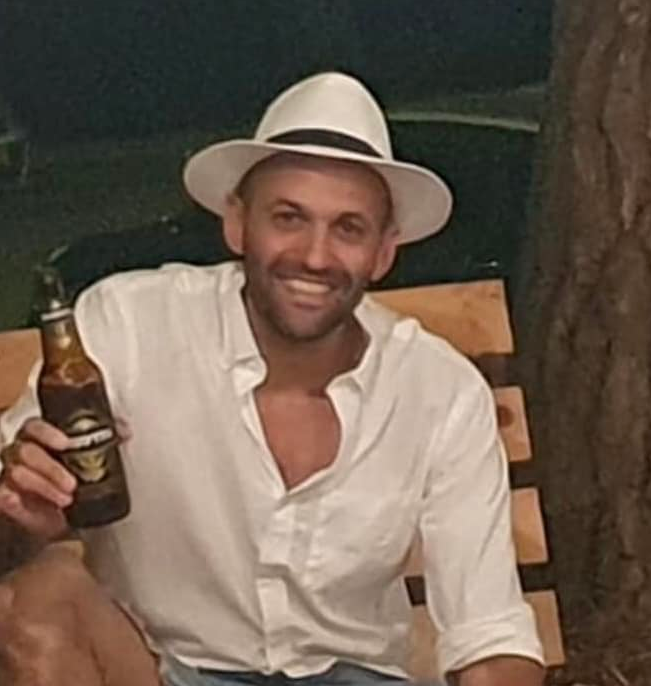
All photographs · 15
Videos and links
In the media
Articles
- Turn Our Eulogies to Dance
Lubavitch International ·
- Yitzhar Hoffman (1987-2024)
The Times of Israel Blogs / Elkana Bar Eitan ·
- Yitzhar Hoffman, may God avenge his blood, laid to rest: “I will raise the children with joy”
כל רגע
- Zohar Hoffman on her husband Yitzhar, of blessed memory: “When he took a bullet in the leg, he got up to wash dishes” | Arutz Sheva
www.inn.co.il
- Reserve Major Yitzhar Hoffman Laid to Rest | Israel Hayom
www.israelhayom.co.il
- A eulogy I wrote in memory of my good friend Major (res.) Yitzhar Hoffman, of blessed memory
yitzhar. hoffman
Yitzhar, my beloved brother, the one I looked up to.
True to your name, you were clear and pure.
A golden son, a devoted brother, a loving husband, a caring and proud father, a soulmate, a professional fighter made… | Yiftach Gur Arye | 120 comments
www.linkedin.com
Videos
www.youtube.com
Podcasts
- Episode 18 – Our Yitzhar
www.buzzsprout.com ·
- 40. In Memory of Major Yitzhar Hoffman — With Einav Hoffman and Officer M.
זה הקול בראש / מקס קפלנסקי / Podbean ·
Memorial sites
- Yizkor – Major Yitzhar Hoffman
משרד הביטחון — יזכור
- Yitzhar Hoffman — OH YitzharHoffman
אות.חיים
Memorial projects
Eshchar’s community podcast dedicated episode 18, “Our Yitzhar,” to his memory on 5 May 2024, with Zohar, his sister Oshrat and his brother-in-law Muli. Only the episode description was examined.
The film “Memories of Yitzhar” is presented on YouTube as a film screened at the thirty-day memorial event at the National Library in Jerusalem. The page’s title and meta description were checked; the film was not viewed.
Ot.Hayim produced a font named OH YitzharHoffman based on his handwriting, designed by Bilha Pe'er. No determination is made here regarding a license to use the media or font.
Stories told about them
According to the Lubavitch article, on February 2 Hanan Ben Ari sang at the shiva house in memory of Yitzhar, a father of two young children. The article describes the widow’s and parents’ response to the singing; this is not an independent transcription of a performance.
Elkana Bar Eitan said that his family and the Hoffman family moved to Eshhar in the same week and became close. The families shared Shabbat meals, and he and Yitzhar went on bicycle rides around the community.
Zohar said Yitzhar presented his injury as an ordinary event and even stood up to wash dishes after being wounded in the leg. She said she learned many of the stories of his heroism only after his death.
Yiftah Gur Aryeh described traveling together to Moshe Leiter’s funeral and conversations about Yitzhar’s family, the community in Eshhar and the company. In his eulogy, he pledged that the team members would stand by his family.
Life & service
Service
- Rank
- Major (res.)
- Unit
- Shaldag Unit
- Service Type
- Reserve Forces
- Battle Location
- Northern Gaza Strip
Family
- Father
- Yona Shimon
- Mother
- Leah
Burial
Tributes & remembrance
יהי זכרך ברוך גיבור ישראל
תהא נשמתם צרורה בצרור החיים
קצין שהוא מלח הארץ ודמות לחיקויי יהי זכרו ברוך אמן
אוהב אותך לנצח
השם יקום דמך
יוחאי , מעולם לא נפגשנו ,זכיתי לשמוע מאמך על חייך , גיבור ישראל איש משפחה מסור לוחם אמיץ. אין מילים בפי להודות לך על האומץ והגבורה . יהי זכרך ברוך
חבר מאשחר שפשוט נזכר, כואב ומתגעגע
קהילת אשחר מתגעגעת אליך יהי זכרך ברוך
נוח בשלום אח
ת.נ.צ.ב.ה
הייתה לי הזכות לשרת איתך אחי.
נוח על משכבך בשלום. הלוואי ונהיה ראויים להקרבה שלך.
תודה שהגנת על המדינה ועלינו יצהר.
תהיה חקוק בליבנו לעד.
כאב שלא נותן מנוח..
מצדיע לך מפקד יקר .
הובלת את הצוות שלך בדבקות לשלמות וחדורי אמונה .
בבית הספר המורה עדי כהן סיפרה לנו עליו ואני חושב שהוא ממש דמות השראה בשביל כל האנשים והילדים הסיפור שלו מאוד ריגש אותי
יהי זכרו לנצח ברוך ותהא נשמתו צרורה בצרור החיים. לנצח בשרשרת גיבורי ישראל לדור דור.
אתה בלב של כולנו. נזכור.
אנחנו מדליקים נר זה לזכרו של יצהר הופמן ז"ל, שנפל בעת שירותו בצה"ל.
נר זה מסמל את האור שיצהר הפיץ בחייו אור של אהבה, של מסירות, של אומץ.
במותו ציווה לנו את החיים, ובזכרו אנו מחויבים להמשיך ולפעול לטובת הארץ והחברה שכה אהב.
יהי זכרו ברוך.
יהיא זיכרו ברוך
יהי זכרו ברוך. אמיץ ענו גבור ישראל. במותו העניק חיים לעם ישראל.
יהי זכרו ברוך לעד
נזכור אותך תמיד בלבנו.
גיבור שבזכותו חיים הרבה אנשים
גיבור
גיבור ישראלי אמיתי.
תודה על ההקרבה.
יהי זכרו ברוך.
האיש והאגדה שידע להתנצל בפני תושבי בארי במלון בים המלח.
סליחתו התקבלה ע"י התושבים.
שמו של בנו בכורו , בארי
איזה צירוף מצמרר
מקשיבה לסיפורו וגדלות נפשו . מי יתן וישמש כמגדלור לעולמי עד
יהי זכרו ברוך
מלח הארץ.
דוגמא ומופת.
יהי זכרו ברוך
שנהיה ראויים
כל כך חסר אך גם כל כך נוכח, מתגעגעים וכואבים
דמותך תמשיך להיות מגדלור לכולנו
רס״ן יצהר הופמן ז״ל, שנהרג בעזה, לא היה רק לוחם עז נפש שהציל עשרות אנשים בשבעה באוקטובר, לא רק איש אציל שהגיע לבקש סליחה מאנשי קיבוץ בארי על שלא הצליח להציל יותר מהם. הוא לא היה רק מפקד נערץ שחזר ללחום בחמאס גם אחרי שחטף כדור ברגלו.
הוא היה גם בעל, ואב, ובן, וחבר. והוא היה אחד מהאנשים שעזרו לחלום שלנו - על הבניין החדש של הספרייה הלאומית - לקרום עור וגידים.
יצהר הופמן היה מהנדס ביצוע מטעם חברת אלקטרה בניה, החברה הקבלנית שהקימה את הבניין החדש.
באותה מקצועיות, באותם יושר ומסירות, באותה אהבה ותשוקה לעשיית הטוב, דאג יצהר שכל דבר שהיה באחריותו יתבצע על הצד הטוב ביותר.
זיעת כפיו ורוחו נמצאים כעת גם בכתלים ובחללים של הבניין החדש שלנו. יהיה זכרו ברוך.
יצהר הופמן ז״ל,
היה מפקד נערץ ולוחם בשלדג. בתחילת המלחמה נפצע מירי ברגל, ואיך שהגיע לבית החולים דרש לחזור להלחם. יצהר הוא בעלה של זוהר, אבא של בארי והראל, חבר טוב ואדם אהוב. הי״ד 💔
He would get them ready for school; he would put on songs so we could dance with the children
Source:www.inn.co.il
Read the Hebrew original
הוא היה מכין אותם לבית ספר, הוא היה שם שירים כדי שנרקוד עם הילדים
A leader, a fighter, a commander, courageous, wise, sensitive, and attentive to each individual.
Source:www.inn.co.il
Read the Hebrew original
מנהיג, לוחם, מפקד, עז נפש, חכם, רגיש ודואג לפרט.
I will raise those dearest to us, and tell them what Dad loved and what Dad would be doing now.
Source:כל רגע
Read the Hebrew original
אגדל את היקרים לנו מכל, אספר להם מה אבא אהב ומה אבא היה עושה עכשיו.
I want to thank you for the 36 years the Holy One, blessed be He, granted us. You were amazing.
Source:www.kore.co.il
Read the Hebrew original
אני רוצה להגיד לך תודה על 36 שנים שהקב"ה זיכה אותנו. היית מדהים.
My little brother, my hero, you wanted unity among our people so much.
Source:www.kore.co.il
Read the Hebrew original
אחי הקטן והגיבור, כל כך רצית אחדות בעם שלנו.
Being around Yitzhar made me want to be a better person and push my limits.
Source:The Times of Israel Blogs
You were true to your name — pure and unblemished.
Source:www.linkedin.com
Read the Hebrew original
כשמך כך היית - זך וטהור.
Remembrance Day addresses
יום הזיכרון לחללי מערכות ישראל התשפ"ה – 2025
בכל יום שעובר, אזכור יותר! אזכור, את אלו שיצאו עימי לקרב ולא שבו, ולהם אין מי ידמה ומי ישווה. אזכור, שהכאב לא יעבור לעולם, והזמן, הוא לא מרפה ולא מרפא. אזכור, את שיברון הלב הגובר ואת הבית שבוער. אזכור, את צדקת הדרך, ואשבע שוב, שמה שהיה לא יהיה יותר. אזכור, שיותר מכל דבר אחר – אני חסר! ביום הזה, אני נתקף געגוע לדמותם, לחיתוך דיבורם, לחיוכם, ומדליק נר לזיכרון דרכם ומורשתם!
משרד הביטחון
אגף משפחות, הנצחה ומורשת
יום הזיכרון לחללי מערכות ישראל התשפ"ה – 2025
בכאב, בהצדעה ובתקווה אני מתכבד להדליק נר זיכרון זה. השנה, כשאנו נלחמים במלחמה ארוכה, רב זירתית וצודקת, הזיכרון נושא משמעות עמוקה. ביום זה נעצור ונתייחד עם זכרם של טובי בנינו ובנותינו שנפלו בהגנה על המדינה. מורשתם היא המצפן שמתווה את דרכינו, והיא המעניקה לנו כוח להמשיך ולהגן על מדינת ישראל ותושביה. משפחות יקרות, אנו מרכינים ראשנו ומתחייבים שנעמוד לצידכן תמיד. יהי זכר הנופלים ברוך.
אלוף דדו בר כליפא
ראש אגף כוח האדם, צה"ל
יום הזיכרון לחללי מערכות ישראל התשפ"ה – 2025
בשעה שאנו זוכרים את גודל תרומתם ועומק מסירות נפשם של טובי בנינו ובנותינו, נופלי מערכות ישראל לדורותיהן, ממשיכים צה"ל וכוחות הביטחון במימוש המשימה למענה לחמו ועבורה נפלו: הכרעת אויבינו מדרום, מצפון, ביהודה ובשומרון, וגם בזירות רחוקות יותר. בהערכה רבה ובגאווה אדירה אנו מרכינים ראש בפני הנופלים והנופלות, מאמצים את משפחותיהם אל לבנו, וממשיכים במשימה להבטחת קיומה של ישראל לדורי דורות. יחד נעשה ונצליח.
רב אלוף אייל זמיר
הרמטכ"ל, צה"ל
יום הזיכרון לחללי מערכות ישראל התשפ"ד – 2024
כאשר דגלינו מורדים לחצי התורן וראשינו מורכנים לזכר הנופלים והנופלות במערכות ישראל, ממשיכים לוחמי צה"ל ומפקדיו בלחימה בדרום, בצפון, ביהודה ובשומרון ובזירות נוספות. על כל דור מוטלת המשימה של הגנת העם והארץ – משימה שאף פעם אינה פוסקת. נצדיע בגעגוע ובגאווה לנופלים ולנופלות, נחבק את משפחותיהם, ונמשיך ברוח הציווי שהותירו לנו. עם ישראל חי.
רב ניצב יעקב שבתאי
המפקח הכללי, משטרת ישראל
יום הזיכרון לחללי מערכות ישראל התשפ"ד – 2024
אחיי הנופלים, כל נר הוא זיכרון יחיד ומיוחד, על חיים שהיו ואינם, געגוע שנצרב עמוק בלב, עולם ומלואו. הנרות כולם הם זיכרון של אומה כי לעולם לא עוד, בשורת הציונות וקוממיות ישראל. זיכרון כי הדרך לעם חופשי בארצנו עוברת דרך מסדר הנופלים. אור הנר יזכיר לנו את מסירות נפשכם להציל חיים, להגן על הבית. הנרות מסמנים לנו נתיב גבורה ערכי מחייב שאנו מצווים ללכת לאורו. נמשיך להילחם ולהוסיף אור מתוך אמונה בנצח ישראל.
יואב גלנט
שר הביטחון
יום הזיכרון לחללי מערכות ישראל התשפ"ד – 2024
בהצדעה ובכאב, בשם צה"ל כולו, אני מדליק נר זיכרון. בעיצומה של מלחמה, הזכרון נושא משמעות יום-יומית, שעבר והווה מתלכדים בה. לאורם של הנופלים נמשיך לצעוד, חיילי הסדיר והמילואים. לאורם של הנופלים נמשיך להגן על ארצנו ועל מולדתנו, גם כשהמחיר כבד. להבת-הזכרון תבער בנו בעודנו ממשיכים להלחם ונזכור את הנופלים ואת אומץ ליבם. משפחות יקרות, צה"ל מרכין היום ראש, מצדיע לכן וכואב איתכן. יהי זכר הנופלים ברוך.
אלוף יניב עשור
ראש אגף כוח האדם, צה"ל
יום הזיכרון לחללי מערכות ישראל התשפ"ד – 2024
בהוקרה, בגאווה ובכאב שאין לו סוף, אני מתכבד להדליק נר לזכרם של הנופלים והנופלות במערכות ישראל. סיפור חייהם בארץ הזאת, מסכת שירותם, גבורתם והקרבתם – הם סיפורה של הארץ הזאת, אך גם סיפור המחיר הכבד שהיא תובעת מאוהביה. מחויבותנו לזכר הנופלים ולדרך שהותירו לנו ניצבת תמיד לנגד עינינו. את המשימה שלא זכו להשלים, משלימים כיום, וישלימו, אנשי כוחות הביטחון, הממשיכים בדרכם ולאורם. יהי זכרם של הנופלים ברוך.
משרד הביטחון
אגף משפחות, הנצחה ומורשת
יום הזיכרון לחללי מערכות ישראל התשפ"ד – 2024
בחרדת קודש אני מתכבד להדליק נר לזכרם של חללי מערכות ישראל, חברנו שנפלו, מראשית היציאה מהחומות ולאורך כל שנות עצמאותנו המדינית והציונית, מהווים תמרור זיכרון לדרך חיינו ולמחוייבות הלאומית להנצחת זכרם. דרכם נותרה דרכנו ומורשתם נר להמשך עשייתנו. יהי זכרם ברוך!
בני גנץ
שר הביטחון
יום הזיכרון לחללי מערכות ישראל
נזכור אותם, כולנו יחד. כל אחד ואחת מהם, מדי יום ביומו, והיום ביתר שאת, כך – לנצח. "כי מדי דברי בו זכור אזכרנו עוד"
משרד הביטחון
אגף משפחות, הנצחה ומורשת