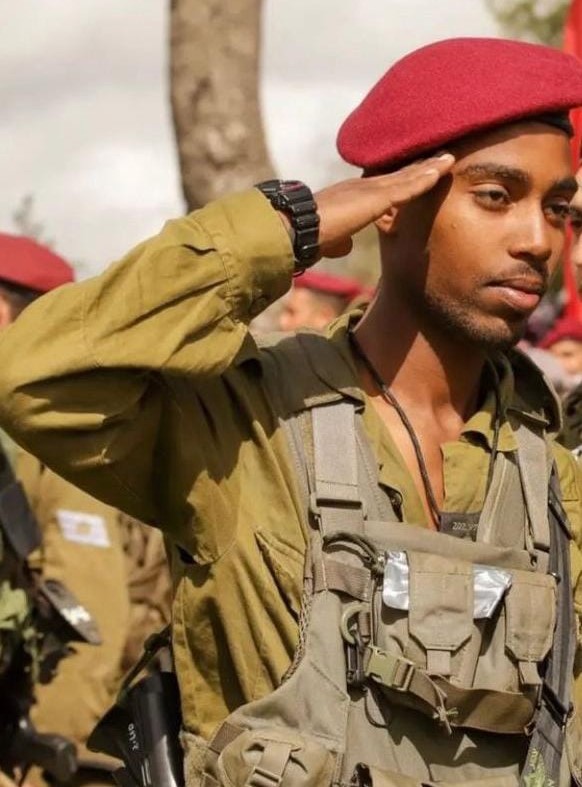
The story
In Jerusalem, on a cold day, the 4th of January 2002, the 20th of Tevet 5762, Yonatan Yitzhak Samo was born, the eldest son of Ayelet and Moshe. Their home in Karmei Tzur, a warm communal settlement in the heart of Gush Etzion, filled with new light. When his large, beautiful eyes first opened to the world, they already held a spark of curiosity and innocence, waiting to discover all that life had to offer. Yonatan grew up in a home where the constant aroma of home-cooked food mingled with the sounds of children's laughter and deep conversations around the Shabbat table. His parents, Moshe the lawyer and Ayelet, surrounded him with love and raised him on values of action, giving, and commitment—values that became deeply ingrained in him from childhood and formed the guiding thread of his short, full life. As the eldest, an older brother to Ba’ari, Lavi, Tamar, and Ahinoam, he quickly learned to take on responsibility, to be an example, to watch over and care for his siblings. The voices of his younger siblings were a constant soundtrack to his life; calls of "Yonatan, come see!" or "Yonatan, help me!" accompanied him throughout the day, and he, with his wide, reassuring smile, always found time to listen, advise, and play with them, as if nothing else in the world was more urgent.
The child Yonatan was innocent in the purest sense of the word—a clean worldview, an open heart, and a readiness to believe in good. He was naturally kind; small gestures of help for those in need, a kind word for those struggling, were an integral part of his character. Many memories remain from those early days in Karmei Tzur: walking to kindergarten in the morning, his small fingers clutching his mother's, curiously observing the orange autumn leaves scattered on the paths, or climbing the fig tree in the yard, his hands getting sticky from the fruit's juice, and shouts of joy when he managed to pick the ripest fig. He distinctly remembered his second name, Yitzhak, a name his parents gave him that became a kind of secret identity, a part of him he was fiercely protective of and took responsibility for. When he introduced himself, he always made sure to say "Yonatan Yitzhak," as if the double name held a promise of something greater, deeper. Perhaps even then, in his childhood, he felt the meaning of "laughter" (Tzchok) embedded in the name, the pure joy he sought to spread around him, and the "give" (Ten) in his first name, which hinted at endless generosity.
His elementary school years in Karmei Tzur were full of activity. Yonatan was a smart and gifted child, not only in academics, where he excelled with relative ease, but also in his ability to see things from different angles, to understand people, and to connect with them. He was a natural leader, not through forcefulness but through quiet charisma and personal example. When he played soccer with his friends on the dusty village field, he wasn't the one who shouted the loudest, but the one who knew how to pass the ball at the right time, to encourage those who missed, and to celebrate a goal as if the entire team had scored together. Friendship was a supreme value for him. Each of his friends felt that they were his best friend, a feeling Yonatan created throughout his life thanks to his ability to truly listen, give honest advice, and simply be there, in good times and in difficult moments. He didn't need many words to express his care; a look in his big eyes, a wide smile, a touch on the shoulder—all these said more than any speech.
With the transition to middle school and high school, Yonatan left Karmei Tzur to study at a yeshiva in Kiryat Arba, and later at the "Neve Shmuel" yeshiva in Efrat. The move wasn't easy, but Yonatan, a lively and active teenager, saw it as a new opportunity. He quickly integrated, made new friends, and stood out with his optimistic approach to life. Unlike many of his peers, he never complained about difficulties. If he encountered a challenge in his studies, he would sit and delve deep until he understood. If a social conflict arose, he would approach it directly, clarifying things with patience and honesty, always seeking a path to reconciliation. He saw difficulty as part of the journey, a lesson to be learned, rather than an insurmountable obstacle. "Every problem has a solution," he used to say, and his wide smile would instill hope even in the most skeptical hearts.
Beyond his studies, Yonatan loved to travel. He utilized every free moment to discover hidden corners of Israel, whether on challenging off-road trips with friends in the Negev wadis, or on walking tours through the ancient paths of Jerusalem or the green North. He loved the feeling of freedom, the wind on his face, the smell of the earth after rain, and the view from a mountaintop. Every trip was an adventure for him, an opportunity to learn, experience, and connect. But his love for travel wasn't limited to the country's borders; he also loved to travel abroad, to experience new cultures, meet different people, and see the world through fresh eyes. He returned from every journey with fascinating stories, breathtaking landscape photos, and new insights about life and his place in the world.
Alongside his studies and travels, Yonatan was very active in the "Bnei Akiva" youth movement. He led groups of younger children, serving as a role model, an older brother, a listening ear, and a source of inspiration. He not only taught them about Zionist and religious values but also instilled in them self-confidence, the ability to work in a team, and the importance of mutual aid. He planned creative activities, led boisterous games, sat with them for honest discussions, and managed to convey the most important messages through experience and fun. "The most important thing is to be good people," he would tell his trainees, "and remember that even when it's tough, there's always a reason to smile." Beyond Bnei Akiva, he volunteered in many other frameworks, always out of a genuine desire to contribute, help, and improve. Whether it was assisting the elderly, collecting food for the needy, or organizing activities for children with special needs, Yonatan saw every act of volunteering as a mission, a way to express his love for humanity and society.
Upon completing high school, Yonatan stood at a significant crossroads in his life—military service. But before enlisting, he chose to study at the "Aderet" pre-military academy at the Kfar Silver branch. This academy, known for its unique model bringing together religious and secular individuals, captivated Yonatan. He saw it as an opportunity to bridge gaps, meet people from all walks of Israeli society, and engage in deep conversations about identity, values, and the future of the state. He quickly integrated, wasn't afraid to express his opinions, but also knew how to listen with respect and tolerance to views different from his own. In the kitchen, during shared meals, or in late-night conversations around the campfire, he formed deep connections with friends from across the political and social spectrum, broadening his horizons. He learned there not only about the history of the Jewish people and security challenges but primarily about the power of unity, the importance of inclusion, and the ability of such diverse people to find common ground and a single purpose. This period further sharpened his sense of belonging and commitment to the people of Israel in all its diversity.
Leading up to his enlistment, Yonatan was screened for military intelligence, a field that required sharp thinking, high analytical ability, and a systemic view—qualities he certainly possessed. He passed the screenings successfully, but his heart pulled him in a different direction. He insisted on serving meaningful military service as a combat soldier, specifically in the paratroopers. The decision wasn't easy, and his family and friends tried to understand why he was giving up a more prestigious and safer path. But Yonatan knew exactly what he wanted. He saw his uncles and cousins, paratrooper combat soldiers, and drew inspiration from them. He didn't want to be behind a desk; he wanted to be in the field, to feel the earth beneath his feet, to bear the physical and mental burden, to be part of the spearhead, to defend his country in the most active and direct way. He wanted to feel the closeness, the camaraderie, the physical and mental challenge of combat. "I want to feel like I'm making a difference," he once told his father, "not just thinking about it, but actually doing it." And with his characteristic determination, he indeed enlisted in the Paratroopers Brigade.
On August 12, 2021, Yonatan reported to the induction center, filled with anticipation and determination. The sharp smell of fuel in the buses, the crowdedness of the induction base, the commotion of the young recruits—all these were part of the experience that transformed him from a boy to a soldier. He underwent grueling basic training, where every muscle in his body was stretched to its limit, and every brain cell underwent intensive training. The long runs with a stretcher on his back, the mud crawls, the endless shooting drills where gunpowder dust penetrated every pore—all these were difficult, but he went through them with his wide smile, encouraging his friends, pulling them forward in moments of breakdown. He learned about discipline, teamwork, the ability to push yourself beyond what you thought possible, and the deep camaraderie that forms among combat soldiers. Afterward, he served as a regular combat soldier in Battalion 202 of the Paratroopers Brigade, and quickly stood out for his abilities, responsibility, and natural leadership.
It wasn't long before Yonatan was promoted to squad commander (M.K.) of recruits. He found his calling in this role. His father, Moshe, spoke of him with pride: "Yonatan was an M.K. of recruits. One of his defining characteristics was action—fewer words and more deeds. The title of his commander's notebook was 'Results, Not Excuses'." He wasn't a commander who shouted and gave orders from afar, but one who was first for every mission, who led by personal example, who was willing to get dirty and work harder than everyone else. When a recruit struggled on a march, Yonatan would walk beside him, offering his shoulder for support, telling a joke to ease the tension, or simply staying silent and giving him the strength to finish. He didn't tolerate excuses, not out of harshness but out of belief in everyone's ability to achieve the goals they set for themselves. He demanded excellence but also knew how to give infinite trust and support.
He was a central figure in the company. When morale was low, when fatigue threatened to overwhelm the soldiers, Yonatan was the one who lifted the first, smiling his famous smile and reminding everyone of their purpose. He was an expert at "seeing the soldiers who aren't seen," as his father described it. Not just the prominent, the strong, or those who demand attention, but also the quieter, more introverted ones, those who tend to blend into the background. He was there for them, offering help, a conversation, or just a personal greeting that made them feel seen and important. If a recruit looked worried, Yonatan would approach him aside, gently ask, "Is everything okay, brother? Is something bothering you?" and listen patiently, non-judgmentally, trying to find a way to help. He built deep trust with his soldiers, who admired him not only as a commander but also as a person, as a friend. He was the commander everyone wanted by their side, the one who knew how to demand but also knew how to give his all.
That Shabbat, the 22nd of Tishrei, Simchat Torah 5784, October 7, 2023, began with Yonatan on military duty in the southern Hebron Hills. A quiet holiday morning, which instantly turned into an unimaginable nightmare. At 6:30 AM, the tranquility was shattered by massive rocket and missile fire from the Gaza Strip. Yonatan and his comrades immediately understood that something extraordinary was happening. WhatsApp messages began to pour in, first in confusion, then in horror. Reports of terrorists infiltrating, of a massacre in the surrounding communities, of a nature party that turned into a bloodbath. Yonatan's phone vibrated incessantly, calls of "Scramble!" echoed in the air. Within moments, he and his soldiers were already on their way south, into the inferno. There was no time to say goodbye, no time to process. Just to run, organize, and rush into the unknown.
First, Yonatan was scrambled to Sderot, a city under relentless attack, where he was first exposed to the horrific sights. Empty streets, damaged houses, sounds of gunfire and explosions in the background. From there, he continued to Kibbutzim Kfar Aza and Be'eri, names that became symbols of the massacre and the most terrible harm to civilians since the establishment of the state. He served in a critical role as the control and command (Shovist) of the company commander's forward command post (HAPAK), the operational brain of the force on the ground. This was a mission of immense responsibility—he was responsible for navigating forces within the chaos, coordinating them, and transmitting vital information in real-time. On a small screen, surrounded by radio shouts and the noises of war, he navigated the forces, identified targets, directed fire, and ensured that every soldier knew where they were, where they needed to move, and what their mission was. He fought with the first force, the one that broke in, into the inferno, to save lives and clear the communities of terrorists. He saw the most difficult sights imaginable: burnt houses, civilian bodies, children. The bitter smell of smoke and blood was etched into his memory. But he did not break. He continued to function with incredible composure, focused on the mission, fighting with uncompromising determination to defend his people and his home.
The weeks that followed that black day were a month of incessant fighting. Yonatan and his soldiers went deep into the Gaza Strip, aiming to clear the area of terror nests and restore security. On November 8, 2023, during an operational activity of Battalion 202 soldiers in the Sheikh Ajlin area of the northern Gaza Strip, the forces encountered an ambush by Hamas terrorists. The morning's quiet was torn by sudden and murderous close-range fire. The ground shook with the sound of explosions; the air filled with barrages of gunfire and battle cries. The soldiers responded quickly and decisively. Yonatan, in his role as Shovist, was at the heart of the battle, trying to coordinate forces, identify the source of fire, and direct assistance. "Tank, advance twenty meters to the right! Aircraft, launch an attack on that building!" His voice was sharp and clear, even as bullets whistled over his head. He directed tanks and aircraft, operated in combined forces, sought contact with the terrorists, and took an active part in their elimination.
At the height of the battle, as flames and smoke covered the area, Yonatan was critically wounded. One moment he was functioning at full strength, the next—he collapsed. His comrades rushed to him, gave him initial treatment on the spot, and quickly evacuated him under fire to Beilinson Hospital. There, for two long and painful days, doctors fought for his life with all their might, but his wounds were too severe. On the 26th of Cheshvan 5784, November 10, 2023, the heart of Staff Sergeant Yonatan Yitzhak Samo ceased to beat. He was only twenty-one years old at his death, a young man full of life, smiles, and optimism, who left behind heartbroken parents, two grieving brothers and two sisters, and an immense void in the hearts of all who knew and loved him.
Yonatan was laid to rest in the military cemetery on Mount Herzl in Jerusalem, in a moving ceremony attended by thousands. The skies of Jerusalem wept along with his family, friends, and commanders. On his fresh grave stood the Israeli flag, flowers, and tears. The eulogies described a true hero, a brave warrior, a beloved son, and a loyal friend, but also the smile that never left his face, his large, beautiful eyes, the joy of life that refused to fade even in the most difficult moments.
Even in his final moments, Yonatan continued to give. He was signed on an Adi card, indicating his wish to donate his organs after his death to save lives. His family, with unparalleled nobility of spirit and bravery, fulfilled his wish. His organs were transplanted into six people, giving them a second chance at life. His heart, lungs, liver, and one kidney were transplanted into adults; the second kidney was transplanted into a ten-year-old child, and a liver lobe was transplanted into an eight-month-old baby girl. Yonatan's mother, Ayelet, said tearfully but resolutely: "There was no hesitation at all about donating his organs. That was Yonatan. He did everything with a smile, out of understanding, commitment, and a desire to help. The fact that a part of him will continue to live and help others, there is nothing more uplifting than that. Thanks to him, during the Shiva, many people signed an Adi card, and more will sign." Her words reflected Yonatan's spirit, an endless giving that continued even after his passing.
His father, Moshe, added: "Yonatan was true to his name. His first act of giving was going to war, fighting for the defense of the people and the homeland. The second time, when he had the privilege of bestowing kindness upon six new people, from an eight-month-old baby to a fifty-year-old man... These donations of his are points of light that can illuminate our path in this difficult situation." His words expressed a sense of pride and comfort mixed with immense pain. One of the recipients, who received the gift of life from Yonatan, said with pain and gratitude: "He is a hero of the people of Israel, but he is also my personal hero." The transplant coordinator at Beilinson Hospital summarized it with moving words: "Yonatan fell in defense of the homeland, and his family, as if continuing his name, Yo-natan (Yonatan meaning 'God has given'), gave life to six people in a noble and moving decision."
Yonatan Yitzhak Samo's legacy lives and breathes in each of the six people who received life thanks to him. It lives in the hearts of his parents and siblings, who carry his memory every day. It lives in the stories of heroism told by his friends and commanders about a brave soldier and an exemplary commander. In December 2023, Company A of the Knesset Guard combat unit, responsible for protecting the national parliament, dedicated its morning roll call to Yonatan's memory, a testament and tribute to his bravery and giving. The "Wine & Friends" wine company also produced a red wine in his memory, with his picture and a quote from him on the label, a statement that became a testament: "My brother, they will not take your joy from you." These words, spoken out of deep optimism and a connection to life, echo today as a promise. A promise to preserve joy, life, and the values for which Yonatan fought.
Yonatan Yitzhak Samo, Staff Sergeant in Battalion 202 of the Paratroopers Brigade, was more than just a soldier. He was the eldest son, the older brother, the devoted friend, the inspiring mentor, the admired commander, the person who gave of himself without limits—in his life and in his death. His death left an immense void, but also a glorious legacy of heroism, humanity, and giving. He fell as a hero in the War of Revival, a war for our very existence, for the right to live in this land in security and peace. The story of his life, short but rich, is a painful yet inspiring reminder of the power of the human spirit, the ability of the individual to make an impact, and the precious price we pay for our freedom. Yonatan Yitzhak Samo is etched in the national memory as a symbol of Israeli heroism, an example and role model for future generations, and in his name, we continue to build, to live, and to preserve joy.
Moments of a life
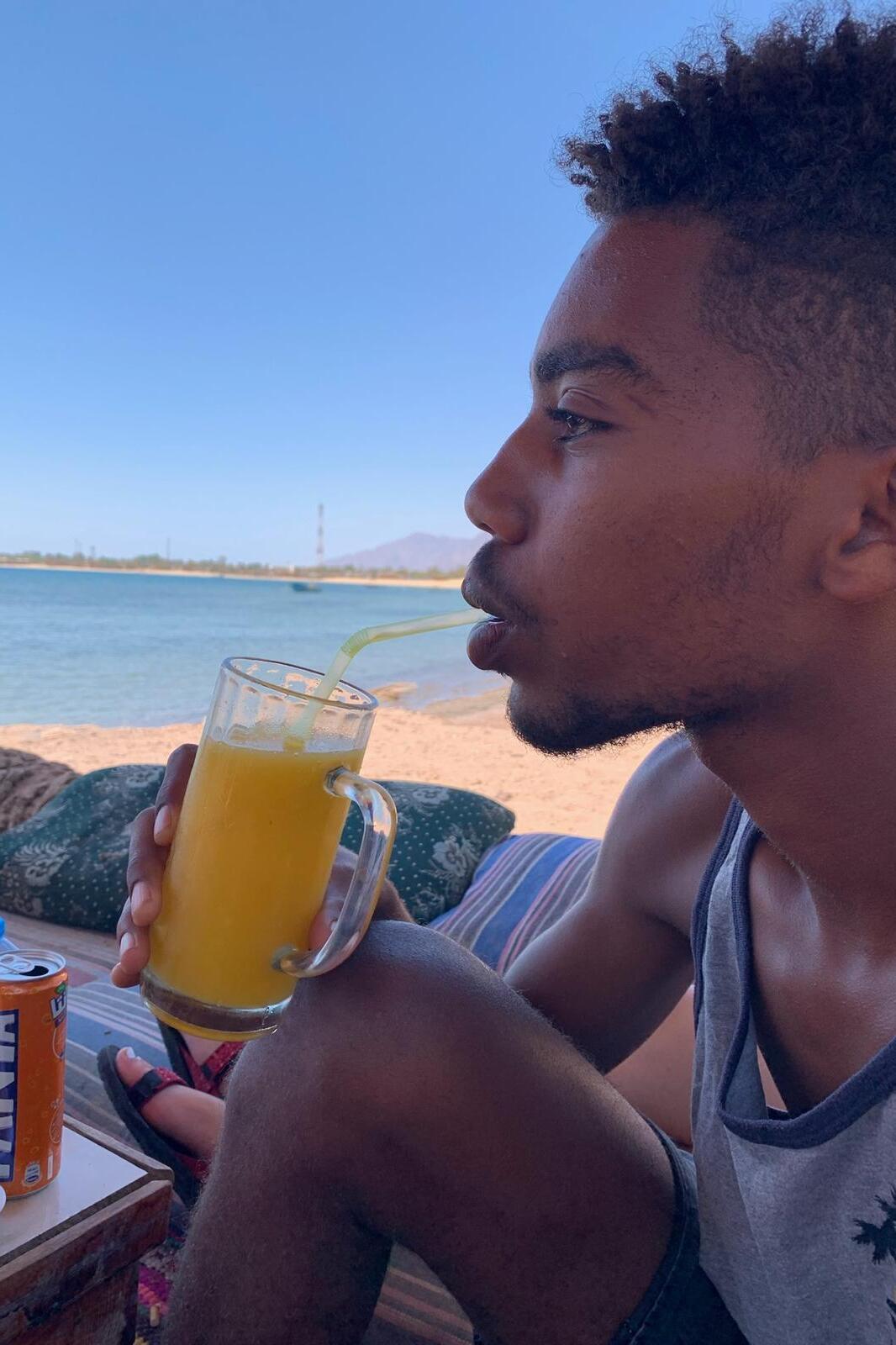
All photographs · 3
In the media
Articles
- Israel needs repair, not a return to normal
The Times of Israel Blogs / Shahar Varon
- Les familles de soldats tombés au front donnent leurs organes pour sauver plus de vies
The Times of Israel français
Memorial sites
- Staff Sergeant Yehonatan Yitzhak Samo
יזכור משרד הביטחון
Memorial projects
Maor Avital from Makif Gimel High School in Beersheba chose to perform “Etzlenu BaGan” in his memory as part of a student memorial project; the link is to the printed article, not a recording.
The family chose to commemorate him through wine as a way to continue his joy for life. His father describes the connection between defending the land, its fruits and the joy of wine.
Stories told about them
Yonatan signed an ADI organ donor card, and his family honored his wishes after his death. His organs were transplanted into six people, including a ten-year-old boy and an eight-month-old baby girl.
On November 20, Ayelet and Moshe met Yaakov Malka, who received their son’s heart, and the doctor let Ayelet listen to its heartbeat with a stethoscope. They also met nine-month-old Tehila, who received a liver lobe, and her mother.
Life & service
Profile
- Date of birth
- January 4, 2002
- Birthplace
- Karmei Tzur
- Date of death
- November 10, 2023
- Hometown
- Karmei Tzur
Service
- Rank
- Staff sergeant
- Battle Location
- Central Gaza Strip
Family
- Father
- Moshe
- Mother
- Ayelet
Burial
Tributes & remembrance
וואו ראיתי תמונה שלו על סטיקר ברחוב ומשהו בפנים השמחות והכומתה האדומה דרשו ממני קצת לחקור על הסיפור פשוט וואו מודל להערצה גיבור ישראל מעריכים???
לנצח אחי
היית בחור משכמך ומעלה תמיד מחייך גם דרך הקושי ויודע לאן פנייך מועדות דרך האתגר תודה רבה לך אחי על החיוכים שהעלת ועל הנשמות שתיקנת אוהב אותך נוח על משכבך בשלום
במותו ציווה לנו את החיים..יהי זכרו ברוך.
אוהבים ומתגעגעים מאודדדדד עד ביאת משיח צידקנו...
יהי זכרך ברוך
יהי זכרו ברוך לעד
למשפחת סמו היקרה,
התרגשנו לראות את הסרטון במהלך השיעור היום.
אנחנו כיתה ח3 מחטיבת הביניים עתיד בכפר יונה משתתפים בצערכם
ומודים ליהונתן על היותו גיבור ישראל ומצדיעים לו.
אחיין יקר יהי זכרך ברוך
למשפחת סמו היקרה,
התרגשנו לראות את הסרטון על גבורתו של יהונתן.
אנחנו משתתפים בצערכם ומצדיעים לו.
יהי זכרו ברוך.
אני בכיתה יב וכל אחד היה צריך ללמוד על חייל ולדבר עליו וליצור קשר עם המשפחה שלו.. אני קראתי ולמדתי על הדמות של יהונתן הי"ד כי לא יכלתי להתעלם מהאדם שהוא היה והקדשתי את השיר פשוט אנשים כשדיברתי עליו כי ממה ששמעתי עליו כל המילים של השיר מדברות ישירות עליו. אני מצטערת שלא יצרתי קשר עם המשפחה אבל מקווה שלפחות יוכלו לקרוא את זה ולדעת שיהונתן משפיע עליי בכל צעד שאני עושה ואני לומדת ממנו כל יום מחדש.
יהי זכרו ברוך
גיבור ישראל. עם ישראל לא ישכח אותך!
לזכרו גיבור ישראל
זוכרים תמיד
גיבור ישראל יהי זכרו ברוך ומנוחתו בגן העדן ונשמתו צרורה בצרור החיים.
נזכור אותך לעד.
אח שלי סיפר לי אליך היית בן אדם גדול מהחיים
תודה שהצלת חיים של אחרים ואתה גיבור
סמו אתה בן אדם שהייתי מאחל לי להיות אוהב חבר יקר ומתגעגע
שנשמתך תהיה בגן עדן בחור עלם ,מלח הארץ. תודה לך על מה שהייתה ועל התרומה שלך. מחזקת את הוריך,אחים שלך וסבים שלך.
שנשמתו תהיה בגן עדן
זוכרים ומוקירים אותך. במותך הצלת חיים רבים. והותרת כאב עצום בלכתך.
עצוב כל כך על החיים שנגדעו
גיבור ישראל ,שנתן את כל כולו לעם ישראל .
יהונתן ,עליך נאמר איפה ישנם עוד אנשים כמו האיש ההוא.
הכרתי אותך כבחור שליו ורגוע אם הרבה קסם אישי .
יהי זכרו ברוך .
לזכרו ולכבודו של יהונתן שבמעשה האצילי ומעורר ההשראה של משפחתו הביא להצלת חייהם של אנשים נוספים , הצילום בו רואים את אימו איילת שומעת את ליבו פועם בגופו של המושתל מרגשת עד דמעות ,הלוואי ותהיה זאת אולי נחמה קטנה .
יהי זכרו ברוך ! גיבור וגיבורה משפחתו
יהי זכרו ברוך.
תהא נשמתך צרורה בצרור החיים. אמן.
יהי זכרו ברוך
יהי זכרו ברוך גיבור ישראל
וואו החיוך והפנים שלך קורעים את הלב מכאב!
הלוואי שמשפחתך וקרובייך לא יחוו יותר כאב וצער ושינוחמו משמיים ויהיו חזקים.
תודה על שהקרבת עצמך למעננו.
יהיה זכרך ברוך לעולמים
This is why we wanted to memorialize Yehonatan with something that brings joy and happiness in life – like wine
Source:The Jerusalem Post
In his death, he saved six people
Source:רשת 13
Read the Hebrew original
במותו הוא הציל שישה בני אדם
After he fell in the war, he donated his organs and saved six more people he didn’t even know
Source:ידיעות הנגב
Read the Hebrew original
לאחר שהוא נפל במלחמה, הוא תרם את איבריו והציל עוד שישה אנשים שהוא בכלל לא הכיר
My little girl has just been reborn, and it is thanks to your son
Source:The Times of Israel français
There was never any hesitation about donating his organs. That was Yehonatan.
Source:יזכור משרד הביטחון
Read the Hebrew original
לא הייתה התלבטות בכלל אם לתרום את איבריו. זה היה יהונתן.
These contributions of his are points of light that can illuminate our path in this difficult situation
Source:יזכור
Read the Hebrew original
התרומות האלה שלו הן נקודות אור שיכולות להאיר לנו את הדרך במצב הלא פשוט
But he is also my personal hero
Source:יזכור
Read the Hebrew original
אבל הוא גם הגיבור האישי שלי
in a noble and moving decision
Source:יזכור
Read the Hebrew original
בהחלטה אצילית ומרגשת
Remembrance Day addresses
יום הזיכרון לחללי מערכות ישראל התשפ"ה – 2025
בכל יום שעובר, אזכור יותר! אזכור, את אלו שיצאו עימי לקרב ולא שבו, ולהם אין מי ידמה ומי ישווה. אזכור, שהכאב לא יעבור לעולם, והזמן, הוא לא מרפה ולא מרפא. אזכור, את שיברון הלב הגובר ואת הבית שבוער. אזכור, את צדקת הדרך, ואשבע שוב, שמה שהיה לא יהיה יותר. אזכור, שיותר מכל דבר אחר – אני חסר! ביום הזה, אני נתקף געגוע לדמותם, לחיתוך דיבורם, לחיוכם, ומדליק נר לזיכרון דרכם ומורשתם!
משרד הביטחון
אגף משפחות, הנצחה ומורשת
יום הזיכרון לחללי מערכות ישראל התשפ"ה – 2025
בכאב, בהצדעה ובתקווה אני מתכבד להדליק נר זיכרון זה. השנה, כשאנו נלחמים במלחמה ארוכה, רב זירתית וצודקת, הזיכרון נושא משמעות עמוקה. ביום זה נעצור ונתייחד עם זכרם של טובי בנינו ובנותינו שנפלו בהגנה על המדינה. מורשתם היא המצפן שמתווה את דרכינו, והיא המעניקה לנו כוח להמשיך ולהגן על מדינת ישראל ותושביה. משפחות יקרות, אנו מרכינים ראשנו ומתחייבים שנעמוד לצידכן תמיד. יהי זכר הנופלים ברוך.
אלוף דדו בר כליפא
ראש אגף כוח האדם, צה"ל
יום הזיכרון לחללי מערכות ישראל התשפ"ה – 2025
בשעה שאנו זוכרים את גודל תרומתם ועומק מסירות נפשם של טובי בנינו ובנותינו, נופלי מערכות ישראל לדורותיהן, ממשיכים צה"ל וכוחות הביטחון במימוש המשימה למענה לחמו ועבורה נפלו: הכרעת אויבינו מדרום, מצפון, ביהודה ובשומרון, וגם בזירות רחוקות יותר. בהערכה רבה ובגאווה אדירה אנו מרכינים ראש בפני הנופלים והנופלות, מאמצים את משפחותיהם אל לבנו, וממשיכים במשימה להבטחת קיומה של ישראל לדורי דורות. יחד נעשה ונצליח.
רב אלוף אייל זמיר
הרמטכ"ל, צה"ל
יום הזיכרון לחללי מערכות ישראל התשפ"ד – 2024
כאשר דגלינו מורדים לחצי התורן וראשינו מורכנים לזכר הנופלים והנופלות במערכות ישראל, ממשיכים לוחמי צה"ל ומפקדיו בלחימה בדרום, בצפון, ביהודה ובשומרון ובזירות נוספות. על כל דור מוטלת המשימה של הגנת העם והארץ – משימה שאף פעם אינה פוסקת. נצדיע בגעגוע ובגאווה לנופלים ולנופלות, נחבק את משפחותיהם, ונמשיך ברוח הציווי שהותירו לנו. עם ישראל חי.
רב ניצב יעקב שבתאי
המפקח הכללי, משטרת ישראל
יום הזיכרון לחללי מערכות ישראל התשפ"ד – 2024
אחיי הנופלים, כל נר הוא זיכרון יחיד ומיוחד, על חיים שהיו ואינם, געגוע שנצרב עמוק בלב, עולם ומלואו. הנרות כולם הם זיכרון של אומה כי לעולם לא עוד, בשורת הציונות וקוממיות ישראל. זיכרון כי הדרך לעם חופשי בארצנו עוברת דרך מסדר הנופלים. אור הנר יזכיר לנו את מסירות נפשכם להציל חיים, להגן על הבית. הנרות מסמנים לנו נתיב גבורה ערכי מחייב שאנו מצווים ללכת לאורו. נמשיך להילחם ולהוסיף אור מתוך אמונה בנצח ישראל.
יואב גלנט
שר הביטחון
יום הזיכרון לחללי מערכות ישראל התשפ"ד – 2024
בהצדעה ובכאב, בשם צה"ל כולו, אני מדליק נר זיכרון. בעיצומה של מלחמה, הזכרון נושא משמעות יום-יומית, שעבר והווה מתלכדים בה. לאורם של הנופלים נמשיך לצעוד, חיילי הסדיר והמילואים. לאורם של הנופלים נמשיך להגן על ארצנו ועל מולדתנו, גם כשהמחיר כבד. להבת-הזכרון תבער בנו בעודנו ממשיכים להלחם ונזכור את הנופלים ואת אומץ ליבם. משפחות יקרות, צה"ל מרכין היום ראש, מצדיע לכן וכואב איתכן. יהי זכר הנופלים ברוך.
אלוף יניב עשור
ראש אגף כוח האדם, צה"ל
יום הזיכרון לחללי מערכות ישראל התשפ"ד – 2024
בהוקרה, בגאווה ובכאב שאין לו סוף, אני מתכבד להדליק נר לזכרם של הנופלים והנופלות במערכות ישראל. סיפור חייהם בארץ הזאת, מסכת שירותם, גבורתם והקרבתם – הם סיפורה של הארץ הזאת, אך גם סיפור המחיר הכבד שהיא תובעת מאוהביה. מחויבותנו לזכר הנופלים ולדרך שהותירו לנו ניצבת תמיד לנגד עינינו. את המשימה שלא זכו להשלים, משלימים כיום, וישלימו, אנשי כוחות הביטחון, הממשיכים בדרכם ולאורם. יהי זכרם של הנופלים ברוך.
משרד הביטחון
אגף משפחות, הנצחה ומורשת
יום הזיכרון לחללי מערכות ישראל התשפ"ד – 2024
בחרדת קודש אני מתכבד להדליק נר לזכרם של חללי מערכות ישראל, חברנו שנפלו, מראשית היציאה מהחומות ולאורך כל שנות עצמאותנו המדינית והציונית, מהווים תמרור זיכרון לדרך חיינו ולמחוייבות הלאומית להנצחת זכרם. דרכם נותרה דרכנו ומורשתם נר להמשך עשייתנו. יהי זכרם ברוך!
בני גנץ
שר הביטחון
יום הזיכרון לחללי מערכות ישראל
נזכור אותם, כולנו יחד. כל אחד ואחת מהם, מדי יום ביומו, והיום ביתר שאת, כך – לנצח. "כי מדי דברי בו זכור אזכרנו עוד"
משרד הביטחון
אגף משפחות, הנצחה ומורשת