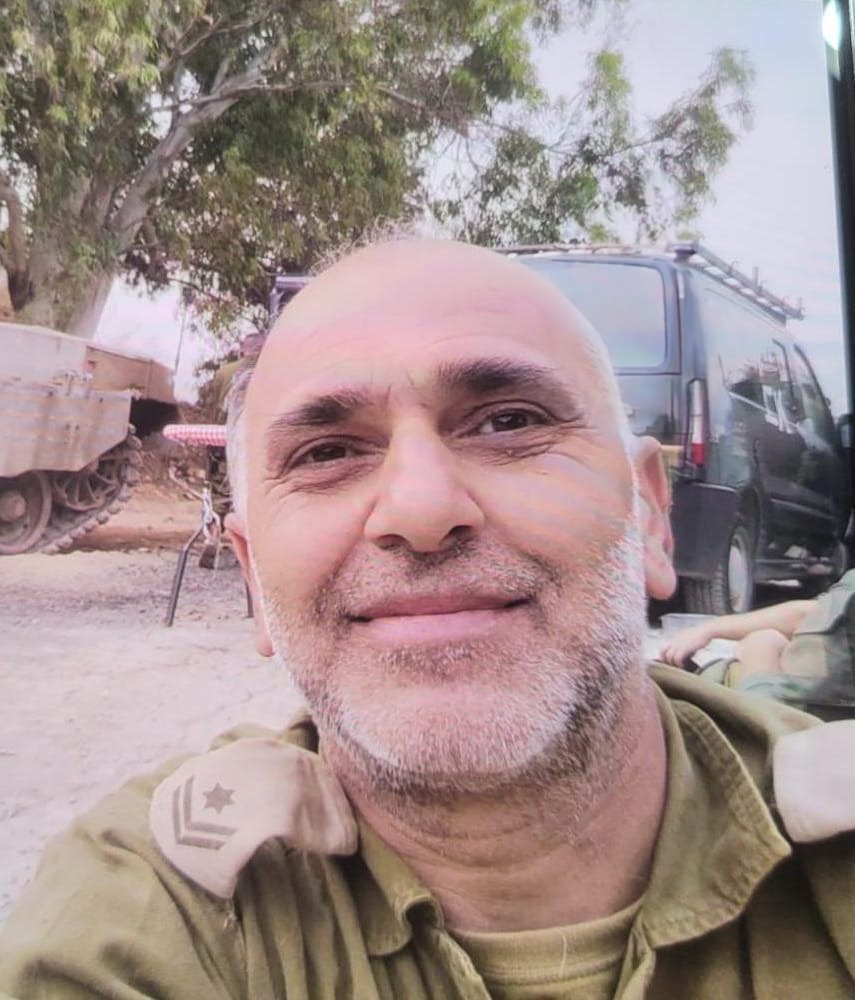
The story
The air in Petah Tikva in the 1970s was thick with the scent of wet earth after rain and the sounds of children at play. Into this setting, on the 27th of July, 1970, on the 23rd of Tammuz, 5730, Yehezkel Azaria was born—the fourth child of Carmela Parha and Salah. He entered a warm family, joining his older sister Rimal and brothers Rahamim and Nissim, and immediately brought with him a spark of life. Their home, bustling with activity and laughter, shaped young Yehezkel’s world. He was not a quiet child; Rimal, his sister, would later remember him as "a handsome child... restless," a description that captured his essence even then. He was full of curiosity, always in motion, drawn to every corner of the house and neighborhood, trying to dismantle and reassemble, to understand how things worked. Salah, his father, a hardworking man, taught him the value of labor and creative hands, while Carmela, his mother, provided him with warmth and security, the emotional embrace that allowed him to flourish. In Petah Tikva, he grew and was educated, between school lessons and long hours spent in the yard, building sandcastles, taking apart old toys to understand their internal mechanisms, or simply running and playing wildly with his friends until dinner time, when Carmela’s voice called him home. Even then, a trait of positive restlessness stood out in him, an intense desire to explore, to touch, to do. He was not the kind of child who sat idly by and waited. If something interested him, he would approach it with full vigor, a sparkle in his eyes and a wide smile.
Years passed, and Yehezkel transformed from a curious child into a daring teenager. He found an outlet for his excess energy and desire to contribute in practical action, volunteering for the Civil Guard in the city. He was there, young and motivated, feeling the Israeli winter wind on his face during night patrols, or the scorching sun on day patrols, with the Civil Guard uniform giving him a sense of belonging and purpose. It was during this volunteering, between radio reports to the center and assisting citizens, that he met Aviva. She was there, part of the system, and between shifts, between a fleeting glance and a shy smile, an initial connection formed between them. It wasn't a connection of many words, but of quiet understanding, of shared path, of supportive presence. Alongside his volunteer work, his golden hands were already beginning to reveal their full power. He was drawn to everything related to electricity and electronics, and the house was filled with wires, disassembled devices, and various tools. There wasn't a broken appliance he didn't try to fix, no technical idea he didn't try to realize. He built small machines, tinkered with old cars and motorcycles he managed to acquire, learning the secrets of engines and electrical systems. The smell of engine oil, the static electricity in the air, the sound of tools clashing against each other—all these were an integral part of his world. He didn't just love to fix; he loved to learn. Every malfunction was a puzzle for him, every device—an opportunity to broaden his horizons. He would spend long hours in a small workshop he set up for himself, trying, failing, fixing, until he succeeded in bringing a silent machine back to life, or creating something out of nothing. This feeling of satisfaction, of the ability to create and repair, was a central part of his personality.
Upon completing his studies, it was only natural for Yehezkel to enlist in the IDF. He chose the Armored Corps, a place where the combination of heavy mechanics, advanced technology, and the need for practical skills perfectly matched his character. He was assigned as a Centurion tank driver, better known as a "Shot." The first encounter with the metallic giant, the smell of diesel, the powerful engine sound, and the roar emanating from the steel tracks moving on the ground—all these thrilled him. He learned the tank like the back of his hand, feeling its movements, its immense power, and its vulnerabilities. He wasn't just a driver; he was an integral part of the machine, understanding every bolt and every connection. His regular service shaped him, honed his technical abilities, and instilled in him discipline and camaraderie. He learned about responsibility, teamwork, and the importance of every detail in a large and complex system. The long hours in the field, under scorching sun or freezing cold, taught him the value of resilience, perseverance, and optimism even in difficult moments. He completed his regular service with insignia on his shoulders and a deep sense of satisfaction.
But military service did not end for Yehezkel with his release from regular duty. He was assigned to Battalion 129 of Brigade 8 and continued to serve in the reserves as a Shot tank driver. Between calls to duty, he and Aviva formalized their relationship and married. They established their home in Petah Tikva, the city where they both grew up. Aviva brought her daughter, Natalie, whom Yehezkel immediately embraced, and together they expanded their family with the birth of two more children—Idan and Ariel. The house in Petah Tikva became the center of his life. Yehezkel was a devoted family man in every fiber of his being. He was a loving, caring, and understanding father. He not only took care of his children's physical needs but was also a true friend to them. He was a listening ear for every matter, advising patiently and wisely, always with a welcoming smile. Idan, his son, would later remember that even when he was already a twenty-five-year-old man, his father would ask him every morning how he felt, a small detail that attested to the depth of their bond and his endless concern. Yehezkel was the anchor of the home, the stable rock everyone knew they could rely on. He made sure they lacked nothing, encouraged them to wake up every morning with renewed energy, to strive for good, to succeed. He instilled confidence and tranquility in every corner and knew how to turn every difficulty into a challenge that could be overcome.
His relatively few hours of leisure, Yehezkel dedicated to another love—nature. He loved the land and its landscapes, the hidden paths, the changing bloom from season to season, the calming silence of the desert against the stormy sea. He passed this love on to his children as well. Family trips became a regular tradition. When they went hiking, Yehezkel would show them the small details, the local flora, animal tracks, the power of the landscape. He would describe the history of the place, tell stories, teaching them to connect with the earth and the quiet. During these hours, with his face tanned by the sun and his laughter echoing in the valley, he was at his best. He was naturally curious, loved to learn and broaden his horizons, and always encouraged his children to strive for knowledge and personal development. He believed that doors open to those who dare to learn, to explore, not to fear the new.
Alongside his family life and work in electricity and electronics, reserve duty continued to play an important role in his life. In the early 2000s, changes occurred in the Armored Corps. Shot tanks were phased out and replaced by more advanced Merkava tanks. This change led many veteran drivers to be released from reserve service, as adapting to a new tank required retraining and effort. But Yehezkel was not willing to give up. He felt a deep sense of belonging to the company, the battalion, the way. He asked to continue, to connect with the new, younger company, and to learn to drive the Merkava tank. Despite his age, which was significantly older than most of the young soldiers, he connected with them with exceptional ease. There was no alienation or generation gap; Yehezkel knew how to talk to everyone, to listen, to laugh, and to give a feeling of a father or an older brother. He quickly became "the father and the heart of the company," a nickname that stuck with him and was spoken by all.
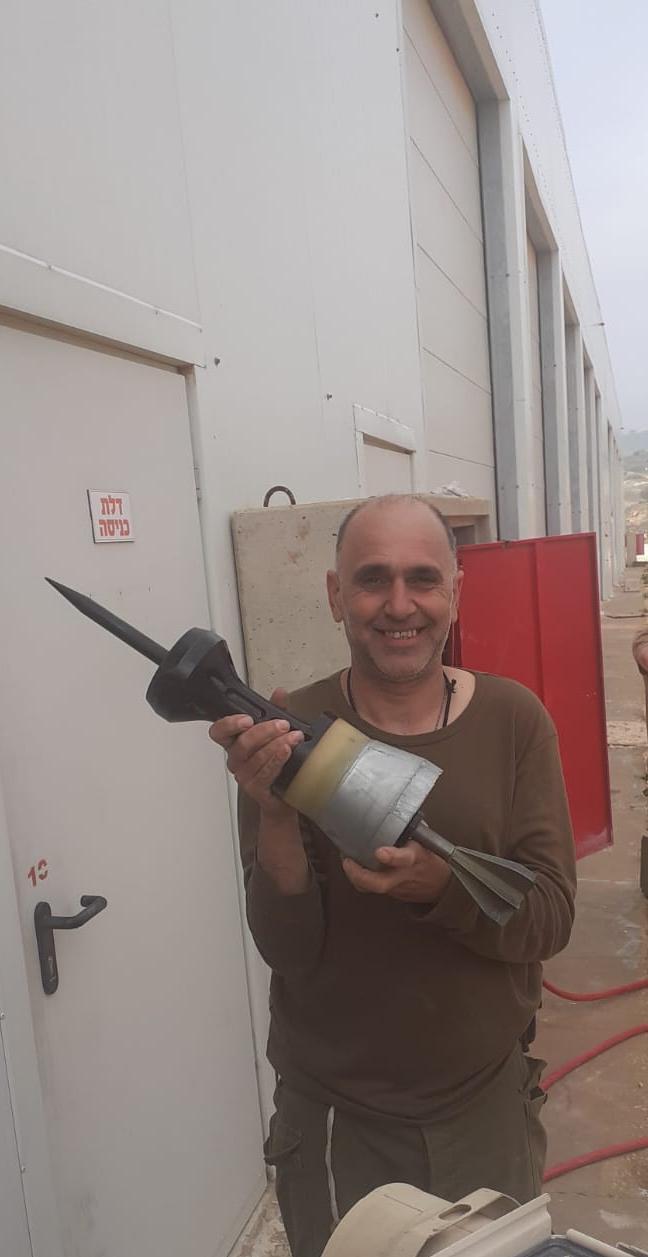
This nickname was not just empty words. Yehezkel was always in motion, always helping. There wasn't a single person in the battalion who didn't know him. He was the first to volunteer for any task others didn't want to do, whether it was complex tank maintenance, repairing broken equipment, or simply helping set up a tent. Thanks to his vast technical knowledge, the golden hands he had developed since childhood, and his talent for improvising solutions, he managed to fix things that were worn out or broken in impossible situations. He knew how to find creative solutions to both simple and complex problems. For example, during one freezing training session in the north, when everyone was shivering from the cold and complaining about the cold water in the showers, Yehezkel didn't despair. He ran between the living quarters, connected pipes, tinkered with old heating elements, and ensured that everyone had hot water for their showers. Another time, when food quickly cooled in the field, he built an improvised electric hot plate to warm the food, which immediately became a pilgrimage site. He also made sure there were enough electrical outlets available to charge the soldiers' phones, an essential commodity in this day and age. Elazar Strauss, his friend in service for nearly 15 years, said of him: "He always helped with anything that was needed, and was always first in everything. He was the veteran in the company and also its heart in every sense of the word. He was a good person, who never complained about anything, and even if there were tasks that weren't fun to perform, he would say 'Let's do it, we'll get angry later.'" He simply lived modestly, simply, both in his personal life and in his military service, and always saw the good in every person. He connected with everyone, whether old or young, religious or secular, without judgment or distinction.
When Yehezkel reached forty, he was no longer obligated to active reserve duty. He could have hung up his uniform and dedicated himself entirely to his family and pursuits. But for Yehezkel, reserve duty was not just an obligation, but a deep sense of mission. He chose to continue volunteering, out of an inner conviction in the need to defend the country. He showed up for every mission he was called to, always with that same optimistic smile, that same willingness to help. He performed his role with unparalleled professionalism and responsibility, and insisted on continuing to serve as a tank driver, a role he loved and felt at home in. His battalion commander later eulogized him: "Azaria, you simply decided to stay with the end of childhood. Over thirty years of regular and reserve service as a professional and fighting tank driver, but you left your heart with the strength of a sweet child." He was "the greatest keeper of faith," loyal to his family, to Aviva and the children who were always in his heart, and loyal to the company. "How many people passed through the company, and Azaria stood guard over the faith. Simply an eternal company anchor." Yehezkel lived by the motto "It is a great mitzvah to be joyful," and he was indeed a joyful and optimistic man in every situation. He never let difficulties and challenges break his spirit, always found the light at the end of the tunnel, and always gave it to those around him. He was a modest person, who never sought fame or recognition, and always acted out of a sincere desire to do good and contribute to society, family, and friends. He was a man of action, of giving, of presence.
And then came that Saturday morning, the 7th of October, 2023, the 22nd of Tishrei, Simchat Torah 5784. It was six-thirty in the morning. Yehezkel, like many others in Israel, woke up to the sound of sirens and initial reports of an unprecedented surprise attack. The Hamas terrorist organization launched a murderous assault from the Gaza Strip, with thousands of terrorists infiltrating Israel by land, sea, and air. Messages on the phone began to flow, reports began to pile up, and the horrifying picture quickly became clear: communities in the Gaza envelope were attacked, civilians murdered in their homes, in their cars, at nature parties. IDF bases were overrun, hundreds were abducted, and homes were destroyed and looted. On this morning, reality changed. War broke out. Yehezkel, with all his experience and years in the security system, immediately understood the gravity of the hour and the national emergency. He did not wait for an official call-up order. He knew exactly what he had to do. With swift but quiet movements, he packed a small bag, gathered the essentials, and when he finished, approached his family. He hugged and kissed each of them one by one, his gaze expressing both determination and concern. "I am going out to defend the country and the people of Israel," he told them, his voice steady. There was no question, no hesitation. It was an internal calling, unassailable, and he answered it immediately.
Since that black morning, Yehezkel did not return home. He reported to his unit and joined the fighting forces. The war, which began in the south, quickly spread to the north, and Yehezkel found himself stationed in Margaliot, a small and exposed outpost on the Lebanese border, which became an active front. Long weeks passed for him there, far from home, from family, from the familiar routine. Days of constant tension, incessant alert, bone-chilling cold, and deep concern. But even there, amidst the chaos and uncertainty, Yehezkel remained Yehezkel. He was the heart of the company, caring for everyone, radiating optimism even when things were difficult. He projected business as usual, telling his family on the phone that the war was tough, but always with a smile, always with a positive spirit. "He was never afraid of anything," his son Idan would testify. He was the anchor there too, in the remote outpost, building heating plates, ensuring hot water, charging phones, fixing every malfunction, and above all—listening, embracing, and strengthening.
A week before his fall, Yehezkel had a brief and moving reunion with his family. They lit Hanukkah candles together, the flickering light of the menorah illuminating their faces, a rare moment of warmth and family amidst the harsh days of war. He hugged them, filled with energy from the encounter, and returned to the outpost. The day before the tragic event, he spoke with them on the phone. His voice was as usual, optimistic, encouraging, full of confidence. No one suspected it would be the last conversation. On the morning of that Saturday, December 16th, a few minutes before his fall, Yehezkel sent his family a "Good morning" message on WhatsApp. A simple, everyday message, full of love. Their reply surely arrived, but it was left unanswered.
On that Saturday, in the afternoon hours, a "Red Alert" warning sounded at the Margaliot outpost. An unmanned aerial vehicle (UAV) had penetrated the sector. It was a different kind of alarm, more tense, signaling an immediate threat. Yehezkel, with his vast experience and deep sense of responsibility, acted instinctively. His first thought was to ensure the safety of others. He ran between the living quarters, making sure everyone was heading to a protected area, urging them on, calling to them. Only after he had confirmed that all the soldiers had exited, that no one was left behind, did he go out himself. He ran, trying to reach a safe place, but did not make it in time. The UAV, carrying explosives, crashed near him. Master Sergeant (res.) Yehezkel Azaria, an armored corps combatant in Battalion 129, Brigade 8, fell during operational activity in the Margaliot area, aged 53. He was killed doing what he loved most—defending the country and the people of Israel, and caring for everyone before thinking of himself.
The terrible news struck the family like a bolt from the blue. Idan, his son, would describe the moment: "When the news reached me, I fell to the floor. I tore my shirt and began to mourn." But alongside the immense pain, alongside the incomprehensible void Yehezkel left behind, there was also a feeling of immense pride. Pride in the man he was, in the way he lived, in the values he instilled. He was laid to rest in the military cemetery in Petah Tikva, the city where he was born, grew up, raised a family, and lived his entire life. The funeral was a mix of sorrow and appreciation, as hundreds of people—family, friends, military personnel—came to pay their last respects. He left behind his wife Aviva, his children Natalie, Idan, and Ariel, a beloved granddaughter, his mother Carmela, his sister Rimal, and his brothers Rahamim and Nissim. After his fall, he was posthumously promoted from Master Sergeant First Class to Master Sergeant Major, a mark of honor and appreciation for his many years of service and his immense contribution.
In the eulogies delivered by his family and commanders, everyone painted the same picture of Yehezkel—a man with a heart of gold, golden hands, and tireless joy and optimism. Idan eulogized him, his voice choked with tears but full of pride: "My beloved father... you had an angel's smile, a hero of Israel. You were killed doing what you loved most—defending the country... You were always upright and steadfast, wrapped in IDF uniform. You felt committed to our land and died a hero. You cared for everyone before you thought of yourself, like the lion you are. You were the heart of the company... You are a perfect grandfather, an amazing father, and the best husband in the world... You taught me what it means to be a real man. To wake up every morning, bite your lip, and do what needs to be done. You were and still are the anchor of the home... You had a heart of gold. Golden hands. Everything you did was done in the best possible way." The battalion commander, his voice trembling, noted: "Our beloved Azaria, yes, our beloved... If you ask in Company H who our beloved is, everyone will roar in unison: Azaria! ... You are the greatest keeper of faith I know. A keeper of faith to your family Aviva and the children always in your heart, a keeper of faith to the company. How many people passed through the company, and Azaria stood guard over the faith. Simply an eternal company anchor... I stand here Azaria officially with the ranks... and salute you. You are an example for me. For all of us." Rimal, his sister, remembered the handsome, restless child who became a figure of glory, with a wide heart and a volunteering spirit, who built an exemplary family with immense investment and endless giving.
The story of Yehezkel Azaria is a story of deep devotion, of love for people and love for the land, of quiet and impactful action. He was immortalized in the story "Azaria's Golden Hands" as part of the "War of Heroes" project, which described his unique skills and talents that served his company and the entire country. His special character, one that combined childlike innocence with uncompromising professionalism, boundless optimism with a supreme sense of responsibility, and a perpetual smile with iron determination, will remain etched in many hearts. Yehezkel Azaria did not seek honor or fame, but simply did what was necessary, always with an open heart and hands ready for action. He was an anchor, both for his family and for his company, and for the entire country. His fall is an immense loss, but his legacy—of unconditional giving, of joy even in the face of challenges, and of deep commitment—will continue to light the way, and be a source of inspiration for future generations, a testament to the spirit of Israeli resurgence.
Moments of a life
All photographs · 2
In the media
Articles
- "Loyal and steadfast, an eternal anchor": Master Warrant Officer (res.) Azaria Yehezkel, of blessed memory, who fell on the Lebanese border, laid to rest | Israel Hayom
ישראל היום ·
- “Whenever he was called up for reserve duty, he rushed to volunteer”: Azaria, 53, killed by a drone
ynet ·
- Warrant Officer Yehezkel Azaria fell during operation in northern Israel
Israel National News ·
Memorial projects
Haim Schreiber wrote the story "Azaria’s Golden Hands" for the collection "A War of Heroes"; according to Yizkor, it describes how he helped the company with his technical talent.
Stories told about them
His sister said he volunteered for the Civil Guard as a teenager and met Aviva there. Even after reaching the service age limit, he continued volunteering for reserve duty and had been with his unit since the start of the war.
Life & service
Profile
- Date of birth
- July 27, 1970
- Birthplace
- Petah Tikva
- Date of death
- December 16, 2023
- Age
- 53
- Hometown
- Petah Tikva
Service
- Rank
- Chief Warrant Officer (res.)
- Service Type
- Reserve Forces
- Honours
- Posthumously Promoted
- Battle Location
- Margaliyot Area
Family
- Father
- Salah
- Mother
- Carmela Pircha
Burial
Tributes & remembrance
נזכור אתכם תמיד
משתתפת בצערכם הכואב
איש שכולו טוב,יהיה זכרך עזריה ברוך
עזריה היקר בעל הלב הענק.
חברי ללימודים.
החיוך שלך לעולם לא ימחק מזכרוני.
נוח על משכבך בשלום
עזריה יהי זכרך ברוך שומעת עליך כל כך הרבה דברים טובים שלא ידעתי אתה גאווה למשפחה
חבר יקר
לב זהב
כ"כ חסר הטלפון לפני כל חג
לשמוע מה שלומי מה שלום המשפחה
עזריה תמיד נזכור אותך
רס"ב עזריה יחזקאל יצא להגן על המולדת ונפל. בן 53 במותו. לא היה חייב, בחר להיות בחזית הלחימה. הייתי בשבעה ונפעמתי מתעצומות הנפש של המשפחה, מאהבת העם והארץ של עזריה. "מעולם הוא לא הפסיד יום מילואים" אמרו בני המשפחה והחברים. הנתינה שלו, לחברים בעבודה, במילואים ולשני הילדים, הייתה ללא גבולות. עזריה היה בגיל שכבר לא חייבים לבוא למילואים, הוא תרם מספיק. זה לא עזר, הוא התעקש להיות ולהגן, לשמור על עם ישראל. יהי זכרו ברוך
יהי זכרם ברוך ומנוחתך עדן
עזריה בן כרמלה וסלח יחזקאל
יהיה זכרך ברוך
ת.נ.צ.ב.ה
יהי זכרו ברוך. איש מלא טוב לב אהבת אדם.
נפל במילוי תפקידו על הגנת העם והמולדת.
כן ירבו כמוך. אנשים שמחים תורמים ואוהבי אדם
ניחומים למשפחה שלא תדעו צער
חבר הזמן לא מרפא כלום
אתה חסר לי בהודעות בשיחות שהיו לנו על הכל תמיד תיהיה בליבי
עזריה היקר, היית חלק בלתי נפרד מחיי
הגעגועים לא פוסקים והמחשבות לא מפסיקות לרוץ
יהי זכרך ברוך איש יקר
יהיה זכרו ברוך
הגעגועים נהיים קשים מיום ליום .
הלב כואב , לא נתפס
הגעגועים מיום ליטם יותר קשים הלב כואב.
לא נתפס אל תדאג נדאג לאישה ולילדים אחי כול הפלוגה הישנה
הכרתי אותך כנער מתבגר היית חבר של אחי היית מגיע לביתנו תמיד שקט מנומס והייתי שמח שאתה החבר של אחי נזכור אותך תמיד
הלב עדיין בוכה ולא מאמין...
שמור עלינו מלמעלה.
אהוב ליבי, אבא שלי
יש לי חור בלב מאז לכתך
אני לא מעכלת שאתה אינך
וכבר עברה שנה ו4 חודשים
מתגעגעת אליך
תודה לך,עזריה היקר,על מסירותך ועל נאמנותך לעמך ולמולדתך.
תודה לך על הגנתך עלינו, עד מסירות נפש!
תנחומים לכל משפחתך היקרה.
יהא זכרך ברוך,גיבור ישראל
איש יקר !
"ואומר לך בדמייך חיי"
לפי הפסוק הזה ילכו כל מוכיריו ומשפחתו ועם ישראל ...
הפיצו רק אור ונתינה ...
מעט אור יגרש חושך גדול !
לזכרך , איש יקר !
יהיה זכרו ברוך מליץ יושר בשמיים על כל עם ישראל
חברנו האהוב עזריה ז"ל. זכינו לשרת איתך במילואים שנים ארוכות. תמיד מחייך, תמיד עוזר לכולם, הלב של הפלוגה. ידי זהב- מתקן כל דבר שזז בכישרון מיוחד.
לעד תחיה בלבבינו
תנחומים למשפחתך האהובה, שתזכרו אותו תמיד עם חיוך. כזה הוא היה.
עזריה היקר. הסבא של הצק"פ.
זכינו להכיר אותך לתקופה קצרה ונכנסת לנו עמוק ללב. אוהבים וזוכרים גדסר אלכסנרוני.
לזיכרו של חברנו היקר והאהוב לגדוד עזריה שנפל השנה על הגבול הצפוני של ארצנו.
תנצב"ה.
השם יקום דמו!
משתתפת בצער המשפחה היקרה. אביבה, אידן ואריאל, אמא כרמלה- לבי איתכם בכאבכם!
יהיה זכרו ברוך
נזכור אותך תמיד, חבר איש יקר ואהוב
לוחם גדוד שיריון 129. נפל בגבול לבנון בגזרת מרגליות
עדיין מתגעגע לחיבוק ולחיוך שלך..
שמור עלינו מלמעלה
לוחם גדוד שיריון 129. נפל במלחמת חרבות ברזל בגבול לבנון
נפל בגבול לבנון בגזרת מרגליות במהלך מלחמת חרבות הברזל
עזריה יקירי.
אני רואה את החיוך שלך איתי כל בוקר.
תמיד איתי ובליבי
You took care of everyone before thinking of yourself, like the lion you are. You were the heart of the company.
Source:ישראל היום
Read the Hebrew original
דאגת לכולם לפני שחשבת על עצמך, כמו האריה שאתה. היית הלב של הפלוגה.
Dad never did reserve duty because he had to; he did it out of love for the people and the country.
Source:קול חי
Read the Hebrew original
אבא אף פעם לא עשה מילואים כי צריך, הוא עשה זאת מאהבת העם והארץ.
Loyal to your family, Aviva and the children always in your heart
Source:ערוץ 7
Read the Hebrew original
שומר אמונים למשפחה אביבה והילדים תמיד בליבך
Yehezkel, where are you going? Who will look after us? Who will care for us?
Source:כל רגע
Read the Hebrew original
יחזקאל לאיפה אתה הולך? מי יטפל בנו? מי ידאג לנו?
You were a steady anchor, someone so loved by every one of the soldiers
Source:כל רגע
Read the Hebrew original
היית עוגן יציב, דמות כה אהובה על כל אחד מהלוחמים
Whenever he was called up for reserve duty, he rushed to volunteer
Source:ynet
Read the Hebrew original
תמיד כשקראו לו למילואים הוא רץ והתנדב
A most precious man with a constant smile, always giving and caring for his friends in the company.
Source:ynet
Read the Hebrew original
איש יקר מכל עם חיוך תמידי, תמיד בנתינה ודאגה לחברים בפלוגה.
Remembrance Day addresses
יום הזיכרון לחללי מערכות ישראל התשפ"ה – 2025
בכל יום שעובר, אזכור יותר! אזכור, את אלו שיצאו עימי לקרב ולא שבו, ולהם אין מי ידמה ומי ישווה. אזכור, שהכאב לא יעבור לעולם, והזמן, הוא לא מרפה ולא מרפא. אזכור, את שיברון הלב הגובר ואת הבית שבוער. אזכור, את צדקת הדרך, ואשבע שוב, שמה שהיה לא יהיה יותר. אזכור, שיותר מכל דבר אחר – אני חסר! ביום הזה, אני נתקף געגוע לדמותם, לחיתוך דיבורם, לחיוכם, ומדליק נר לזיכרון דרכם ומורשתם!
משרד הביטחון
אגף משפחות, הנצחה ומורשת
יום הזיכרון לחללי מערכות ישראל התשפ"ה – 2025
בכאב, בהצדעה ובתקווה אני מתכבד להדליק נר זיכרון זה. השנה, כשאנו נלחמים במלחמה ארוכה, רב זירתית וצודקת, הזיכרון נושא משמעות עמוקה. ביום זה נעצור ונתייחד עם זכרם של טובי בנינו ובנותינו שנפלו בהגנה על המדינה. מורשתם היא המצפן שמתווה את דרכינו, והיא המעניקה לנו כוח להמשיך ולהגן על מדינת ישראל ותושביה. משפחות יקרות, אנו מרכינים ראשנו ומתחייבים שנעמוד לצידכן תמיד. יהי זכר הנופלים ברוך.
אלוף דדו בר כליפא
ראש אגף כוח האדם, צה"ל
יום הזיכרון לחללי מערכות ישראל התשפ"ה – 2025
בשעה שאנו זוכרים את גודל תרומתם ועומק מסירות נפשם של טובי בנינו ובנותינו, נופלי מערכות ישראל לדורותיהן, ממשיכים צה"ל וכוחות הביטחון במימוש המשימה למענה לחמו ועבורה נפלו: הכרעת אויבינו מדרום, מצפון, ביהודה ובשומרון, וגם בזירות רחוקות יותר. בהערכה רבה ובגאווה אדירה אנו מרכינים ראש בפני הנופלים והנופלות, מאמצים את משפחותיהם אל לבנו, וממשיכים במשימה להבטחת קיומה של ישראל לדורי דורות. יחד נעשה ונצליח.
רב אלוף אייל זמיר
הרמטכ"ל, צה"ל
יום הזיכרון לחללי מערכות ישראל התשפ"ד – 2024
כאשר דגלינו מורדים לחצי התורן וראשינו מורכנים לזכר הנופלים והנופלות במערכות ישראל, ממשיכים לוחמי צה"ל ומפקדיו בלחימה בדרום, בצפון, ביהודה ובשומרון ובזירות נוספות. על כל דור מוטלת המשימה של הגנת העם והארץ – משימה שאף פעם אינה פוסקת. נצדיע בגעגוע ובגאווה לנופלים ולנופלות, נחבק את משפחותיהם, ונמשיך ברוח הציווי שהותירו לנו. עם ישראל חי.
רב ניצב יעקב שבתאי
המפקח הכללי, משטרת ישראל
יום הזיכרון לחללי מערכות ישראל התשפ"ד – 2024
אחיי הנופלים, כל נר הוא זיכרון יחיד ומיוחד, על חיים שהיו ואינם, געגוע שנצרב עמוק בלב, עולם ומלואו. הנרות כולם הם זיכרון של אומה כי לעולם לא עוד, בשורת הציונות וקוממיות ישראל. זיכרון כי הדרך לעם חופשי בארצנו עוברת דרך מסדר הנופלים. אור הנר יזכיר לנו את מסירות נפשכם להציל חיים, להגן על הבית. הנרות מסמנים לנו נתיב גבורה ערכי מחייב שאנו מצווים ללכת לאורו. נמשיך להילחם ולהוסיף אור מתוך אמונה בנצח ישראל.
יואב גלנט
שר הביטחון
יום הזיכרון לחללי מערכות ישראל התשפ"ד – 2024
בהצדעה ובכאב, בשם צה"ל כולו, אני מדליק נר זיכרון. בעיצומה של מלחמה, הזכרון נושא משמעות יום-יומית, שעבר והווה מתלכדים בה. לאורם של הנופלים נמשיך לצעוד, חיילי הסדיר והמילואים. לאורם של הנופלים נמשיך להגן על ארצנו ועל מולדתנו, גם כשהמחיר כבד. להבת-הזכרון תבער בנו בעודנו ממשיכים להלחם ונזכור את הנופלים ואת אומץ ליבם. משפחות יקרות, צה"ל מרכין היום ראש, מצדיע לכן וכואב איתכן. יהי זכר הנופלים ברוך.
אלוף יניב עשור
ראש אגף כוח האדם, צה"ל
יום הזיכרון לחללי מערכות ישראל התשפ"ד – 2024
בהוקרה, בגאווה ובכאב שאין לו סוף, אני מתכבד להדליק נר לזכרם של הנופלים והנופלות במערכות ישראל. סיפור חייהם בארץ הזאת, מסכת שירותם, גבורתם והקרבתם – הם סיפורה של הארץ הזאת, אך גם סיפור המחיר הכבד שהיא תובעת מאוהביה. מחויבותנו לזכר הנופלים ולדרך שהותירו לנו ניצבת תמיד לנגד עינינו. את המשימה שלא זכו להשלים, משלימים כיום, וישלימו, אנשי כוחות הביטחון, הממשיכים בדרכם ולאורם. יהי זכרם של הנופלים ברוך.
משרד הביטחון
אגף משפחות, הנצחה ומורשת
יום הזיכרון לחללי מערכות ישראל התשפ"ד – 2024
בחרדת קודש אני מתכבד להדליק נר לזכרם של חללי מערכות ישראל, חברנו שנפלו, מראשית היציאה מהחומות ולאורך כל שנות עצמאותנו המדינית והציונית, מהווים תמרור זיכרון לדרך חיינו ולמחוייבות הלאומית להנצחת זכרם. דרכם נותרה דרכנו ומורשתם נר להמשך עשייתנו. יהי זכרם ברוך!
בני גנץ
שר הביטחון
יום הזיכרון לחללי מערכות ישראל
נזכור אותם, כולנו יחד. כל אחד ואחת מהם, מדי יום ביומו, והיום ביתר שאת, כך – לנצח. "כי מדי דברי בו זכור אזכרנו עוד"
משרד הביטחון
אגף משפחות, הנצחה ומורשת