
The story
In the Netanya home where Yedidya Azugi was born on the 10th of Av, 5762 (July 19, 2002), the Israeli summer sun already flooded the rooms from early morning. It was a warm, embracing sun, painting the light curtains in shades of gold. He was the third child of Dalia and Eliyahu, a brother to Moriah and Yinon, and later Tehila, Emuna, and Shira joined the family, creating a bustling and colorful human tapestry. The Netanya of his childhood was a vibrant city; the scents of the sea and spices carried on the breeze, the sounds of children playing in the nearby garden mingled with car horns and the muffled conversations of neighbors. Yedidya grew up amidst all this, a child who absorbed the city's energy on one hand, and the enveloping warmth of his family on the other. He was a quiet boy, not the type to loudly demand attention, but one whose presence filled the space with a certain tranquility. As he sat on the living room rug, building Lego towers or assembling complex puzzles, one could already see in him the deep concentration and quiet curiosity that characterized him throughout his life. Dalia, his mother, would often observe him from the side, noticing how he delved into his work, how his small, nimble hands disassembled and reassembled, trying to understand the inner mechanism of everything.
When he was twelve, a significant change occurred in the family's life – they left Netanya and moved to the settlement of Revava in Samaria. The transition from the bustling city to the relative quiet of the settlement, facing open landscapes of hills and valleys, was like a deep breath of fresh air. For Yedidya, this move was a deeper connection to his roots, to the land. He didn't particularly miss the crowded city streets; instead, he found solace and space in the hills surrounding Revava. The new house was surrounded by land, and shortly after the move, Yedidya could already be seen spending hours in the yard, observing plants, trying to plant, his hands getting dirty with soil. The move to Revava strengthened the qualities already evident in his childhood: his modesty deepened, his kindness was expressed in his relationship with the new environment, and his inner calm became a real, quiet yet palpable strength that radiated around him. He quickly assimilated into the community and soon became beloved by people, not because he sought popularity, but because of his authenticity and sincerity. His new friends in Revava came to know a trustworthy young man who didn't talk much but whose actions spoke for themselves.
He completed his high school studies at the Yeshiva High School in Elon Moreh, another settlement in the heart of Samaria, imbued with the same spirit of connection to the land and place. There, between Talmud lessons and agricultural studies, between the benches of the study hall and hiking trips in the field, Yedidya revealed himself as a young man deeply connected to the land and Samaria. His teachers and friends described him as a leading and guiding figure, not by force or loud voice, but by personal example. When a difficult task required a volunteer, Yedidya was the first to raise his hand. When a dispute needed calming or a creative solution to a problem was needed, he was the one whose quiet presence allowed everyone to listen and gather around him. He loved hiking in the wadis and hills, the dust that rose from the paths in summer, and the mud that clung to his boots in winter. He learned to identify plants, distinguish between types of rocks, and recognize the local bird songs. For him, Samaria was not just a place of residence; it was an inseparable part of his identity, something that flowed in his veins.
Throughout all this, Yedidya remained a "home boy" in every sense of the word. His connection with his parents, Dalia and Eliyahu, was deep and full of respect. He didn't need to be asked to help; he simply saw what needed to be done and did it. When he returned from the yeshiva, he would put down his bag and immediately ask his mother if she needed help in the kitchen, or his father if there was something to fix in the yard. He had exceptional respect for his grandparents, patiently listening to their stories of the past, asking questions out of genuine interest. His bond with his siblings was close and warm. Yinon, his brother, used to tell how family trips were Yedidya's favorite pastime. Not trips to amusement parks or malls, but hikes, with backpacks, water bottles, and sandwiches, to hidden springs or hilltops with wide panoramic views. He was the one who always insisted everyone come, who made sure no one was left behind, who smiled his wide smile when the whole family was together, laughing and talking under the open sky. Yinon added that Yedidya had a sweet habit – he was always the first to buy gifts for his loved ones, for special occasions and even just because, if he saw something he thought would make someone happy. He was also the first to say thank you, for everything big and small, a word easily forgotten but for him, a true expression of appreciation. His sister Tehila saw him as a role model, not only because of his grand actions, but also because of his daily, quiet, and consistent conduct, which radiated inner strength and truth. She learned from him about diligence, patience, and the importance of listening.
At the end of high school, instead of rushing to enlist, Yedidya chose to continue to the "Etzem" (Atzmona) pre-military academy in Moshav Neve in the south of the country. The transition from the green of Samaria to the yellow sands of the Negev was again a change of scenery, but not a change of spirit. In Neve, in the heart of the desert, Yedidya found an environment that allowed him to deepen his values and connect even more to the Land of Israel, this time through the arid yet powerful soil of the South. His instructors at the academy remembered him as a "charming young man" – an expression that perfectly conveyed his quiet charm, his wide and heartfelt smile that seemed to always be on his face, and his big heart, a heart that held compassion and concern for every person. They noted his tendency "to speak little and do much," a trait already familiar to his family and friends. Yedidya was not a preacher or a slogan-spreader; he simply acted. If he saw a need, he acted. If he saw someone struggling, he went to help. Love of the land, love of the people, and respect for others were not abstract concepts for him, but living principles that guided every step. He volunteered for social activities in the moshav and its surroundings, helped the elderly, participated in agricultural projects, and always did so quietly, without asking for reward or recognition.
On April 7, 2022, the moment he had so eagerly awaited arrived, as he boarded the first bus to the induction center and enlisted in the IDF. He knew exactly where he wanted to go: to the Paratroopers Brigade, a unit that for him symbolized the pinnacle of combat service, physical and mental effort, and the ultimate defense of the land he so loved. He was assigned as a combat soldier in Battalion 101, one of the elite battalions in the brigade. It quickly became clear that his commanders had not erred in their assessment. Yedidya proved to be an exceptionally professional fighter – he quickly absorbed every instruction, performed every task with precision and dedication, and always strived for excellence. His leadership skills, which he had cultivated since his days in Elon Moreh and the academy, also stood out within the rigid military framework. He didn't need to raise his voice to be heard; his quiet and authoritative presence, combined with his ability to understand complex situations and find solutions, quickly earned him the respect of his commanders and the trust of his comrades. His unit friends knew they could always count on him, whether on an operational mission under fire or simply when an empathetic ear or a supportive shoulder was needed.
His progress was swift and natural. He soon went on to a squad commander's course, an essential step on the path to command. In the course, and later as a squad commander, he demonstrated his abilities in a way that stood out above all others. He commanded fresh recruits, teaching them the fundamentals of combat, and led advanced training for more experienced fighters. His command style was unique: he managed to inspire his soldiers with quiet strength. There was no need for him to assert authority – his natural presence and professionalism automatically granted it to him. He treated each and every soldier with sensitivity and care, remembered their names, knew their stories, and saw them first and foremost as human beings, and only then as soldiers in the system. When he commanded a complex exercise, he would explain each stage clearly, ensure everyone understood, and was always there to pick up those who fell, encourage those who struggled, and guide those who needed advice. He knew how to bring out the best in everyone, not by shouting or pressure, but by genuine belief in their abilities.
Beyond his military service and academy, Yedidya also had truly "golden hands." From a young age, he loved to build and repair things, and showed a natural talent for mechanics. He didn't need a guide or an instruction manual; when he sat in front of a broken engine or a damaged device, it seemed he had an intuitive understanding of how things worked. The smell of engine oil, the sound of tools, the cold touch of metal – all these were part of his world. When he bought himself an off-road motorcycle, a natural choice for someone who loved the outdoors so much, he made sure to repair it himself. He would spend long hours in a small garage he set up in the yard, disassembling and reassembling, sanding and screwing, until the motorcycle ran perfectly. It was a process of creation, of deep understanding of the material, and of immense satisfaction from the ability to bring life back to a silent machine.
This ability naturally connected with his immense love for nature and the outdoors. Yedidya was a curious and adventurous person who lived the land with every fiber of his being. He loved to hike the trails of Israel, knowing every hidden corner in Samaria and the Jordan Valley. He knew where the coolest spring was on a hot summer day, where there was a breathtaking panoramic view, and which trail would lead to a place no one had ever trodden. During his army leaves, when he returned home, the first thing he did was put on his outdoor clothes, grab his helmet, and go for a ride on his off-road motorcycle. Sometimes alone, facing the wind and the scenery, lost in thought or simply enjoying pure freedom. Sometimes with a group, with his good friends, as they discovered new trails and routes, hidden springs, and breathtaking views together. For him, it was a way to experience the land, to breathe it, to feel its pulse beneath the wheels of his motorcycle.
He was a true friend, the kind everyone wanted to have. His friends always described him as "the glue that held the group together," the person who was always at the center, not because he talked the most or was the funniest, but because of his unifying presence. He was surrounded by friends he had made at every stage of his life – from his childhood in Netanya, through his youth in Revava and Elon Moreh, at the academy in Atzmona, and to his comrades-in-arms in the Paratroopers. Yedidya found the good in others, even in those who were difficult to find it in, and spread light wherever he went. His smile was infectious, and his quiet, positive nature created an atmosphere of calm and security around him. When he sat with his friends around a bonfire after a long day of riding, he would listen to their stories, offer advice when asked, and always made sure everyone felt included and loved. He knew how to connect different people, bridge gaps, and create a sense of an extended family.
And then came Shabbat, the 22nd of Tishrei, Simchat Torah 5784, October 7, 2023. The morning began as many holiday mornings do in Israel – with relative quiet, a feeling of rest and tranquility. Yedidya was staying with his brother Yinon in Sderot, a city accustomed to red alerts, but not to what was about to happen. At 6:30 AM, the quiet was shattered. This was no ordinary siren; it was an incessant, massive barrage of rockets that covered the sky and turned the air into a continuous thunder. Amidst the missile fire, initial reports of terrorist infiltration began to arrive. Thousands of terrorists, with indescribable cruelty, infiltrated Israel by land, sea, and air, launching a murderous attack on the Gaza envelope communities and the cities of Sderot, Ofakim, and Netivot. They massacred revelers at the nature party near Kibbutzim Re'im and Nir Oz, at IDF bases, and passersby on the roads. Homes were looted, burned, innocent people were murdered with unimaginable brutality, and hundreds of Israelis were abducted to the Gaza Strip. On that terrible morning, a new war broke out in the State of Israel.
Yedidya and Yinon, hearing the gunfire and noticing the movement of the terrorists, did not hesitate for a moment. They understood that this was not another routine security incident. With cold blood and determination, they rushed towards the city's police station, the central point of fighting and organization. Dalia, their mother, worried about her sons, asked them where they were running in such a hurry. "Mom, they need us," Yedidya shouted in response, his voice firm and clear, as he and Yinon were already running at full speed. This short sentence, spoken in a moment of absolute chaos, summarized everything Yedidya was: a man of action, with a deep sense of responsibility, who understood that in the moment of truth there was no room for hesitation – only a need to act.
On their way to the police station, amidst the madness of besieged Sderot, Yedidya and Yinon encountered two young sisters whose parents had been brutally murdered. The girls were shocked, terrified, and helpless. Without a second thought, they acted on an instinct to save. Yinon, the older brother, took the girls under his wing and ran with them to the family home, to a safe place. Yedidya, with indescribable determination, continued alone towards the police station, from which incessant gunfire could be heard. He joined the fighting, fiercely defending the city and its residents. Throughout the day, in the chaos that reigned, Yedidya managed to contact his company commander, and then joined his unit's soldiers, Battalion 101 of the Paratroopers, who were also fighting in the burning Gaza envelope communities. He fought shoulder to shoulder with his comrades, employing all his skills as a fighter and commander, against a threat he had never imagined.
In the following days, as the IDF reorganized and began preparing for the ground maneuver in the Gaza Strip, Yedidya and his unit trained incessantly, honing their capabilities for the challenges ahead. When the ground maneuver began, he entered the Gaza Strip with his unit. For seven long months, under relentless fire and in unbearably difficult combat conditions, Yedidya fought with courage and humility. He moved between various roles: first serving in the company commander's forward command post, a critical role requiring broad vision, composure under pressure, and quick decision-making ability. Later, with the progression of the fighting and operational need, he moved to the role of "transport sergeant" – responsible for evacuating the wounded. This was a role he embraced with all his heart and soul. In his Achzarit, a heavy and armored personnel carrier, he would repeatedly drive deep into the battles, to the most dangerous places, to extract the wounded and provide them with initial medical treatment.
In this role, Yedidya carried out his missions with unparalleled dedication and exceptional professionalism. He managed to significantly shorten evacuation times, thereby saving many lives. He would say assertively and resolutely: "In my Achzarit, a wounded soldier will remain wounded and not deteriorate." This sentence was not just a slogan; it was a promise, a deep commitment to every soldier who entered his Achzarit. He saw before his eyes the wounded, their family, the future they could still have, and was determined to do everything to get them out of the field as quickly and safely as possible. He was there for them, an anchor of stability and security amidst the chaos of battle, instilling hope and providing them with the best possible treatment on the way to the hospital.
Tragically, in early May 2024, he received devastating news – his cousin had fallen in fierce fighting in the Strip. This was a severe blow for him, a painful personal loss amidst the war of attrition that had become his life. Yedidya attended the funeral, met his grieving family members, and shared his deep pain with them. But even in these difficult moments, his sense of mission and responsibility did not wane. Immediately after the funeral, he returned to his friends and to the fighting. None of his unit friends knew or felt that Yedidya had just returned from his cousin's funeral. He did not complain, did not show signs of weakness. He just told them, in a quiet but determined voice, "Come on, there's still work to do," and continued with full force, as if nothing had happened. Personal pain was pushed aside for the sake of the national mission, for the sake of his friends, for the sake of the people of Israel. This was a different kind of heroism, internal, quiet, and powerful.
On May 29, 2024, the 21st of Iyar, 5784, Yedidya was with his team in Jabalia in the northern Gaza Strip, in the midst of intense operational activity. That day, later in the evening, he was supposed to go home for his sister Tehila's engagement party, the exciting event the whole family was looking forward to. He could already imagine the bustling house, the joy in his parents' eyes, the dancing and singing. But just before he packed his belongings, his commander approached him with a personal request: to stay a little longer, so as not to leave the force with only one Achzarit. Yedidya, as was his way, did not hesitate. "Whatever is needed, I will do," he said, his voice resolute and his eyes conveying a clear message – his duty came before everything else. He gave up the emotional family moment, the right to return home, his sister's hug, and chose to stay with his friends, to protect them, to ensure their safety.
At 6:30 PM, as the sun began to set, painting the skies of Gaza in red-orange, Yedidya approached one of the houses in Jabalia with another soldier. Their purpose was to ensure the necessary preparations for their comrades' stay there. It was another routine step, seemingly, in an intense operational activity. But in one second, which felt like an eternity, a powerful explosive device was detonated. The explosion was immense, tearing through the silence and reality. Yedidya Azugi was killed instantly, and his comrade beside him was severely wounded. The life of Staff Sergeant Yedidya Azugi, only twenty-one years old, was cut short, in the heart of the Gaza Strip, entirely dedicated to the defense of his friends and the security of his people. He fell as a hero, in the fullest sense of the word, out of a deep personal choice, out of values of dedication, love of humanity, and love of the land, which guided him every moment of his life.
The news of his fall struck his family, friends, and everyone who knew him like a bolt from the blue. The house in Revava, which had always been full of life and laughter, plunged into deep mourning. Yedidya was laid to rest in the military plot in the Yekir cemetery, among the hills he so loved in Samaria. A huge crowd accompanied him on his final journey; the soil of Samaria absorbed the tears of the mourners and the story of his short but meaningful life. He left behind heartbroken parents, Eliyahu and Dalia, four sisters – Moriah, Tehila, Emuna, and Shira – and one brother, Yinon.
His sister Tehila, whose wedding he gave up to stay with his friends, eulogized him with a voice choked with pain, but full of love and appreciation: "You are my role model. You were and always will be. You are the strongest person I've ever met. You are my hero, how will I get married when you're not here? When you won't see me in a wedding dress? Tell me how, how, how do we even move on? You were always the strong one, who lifted us all up. Now that you're not here, who will lift us up now? Who will teach us to live again? My Didi, my big brother, whom I love most in the whole world. My whole world, my life, my pride. Watch over us from above, watch over Mom and Dad, I love you so much." Tehila's words expressed the depth of their bond, the admiration, and the immense void he left behind. They reflected the shock of losing the family's leader, the quiet and strong pillar.
His brother Yinon, who ran with him under fire in Sderot on the morning of October 7, wrote to him on his birthday, heartbreaking words of longing: "Yedidya, the cake, the family, the friends, we are all waiting for you down here, just for you to arrive and open the door and smile your special smile... Your special smile is etched everywhere in the house, and we are left here with the immense emptiness that only sometimes manages to register in our minds... Forever, my brother, you will remain twenty-one, but forever, my brother, we will always remember you. Happy birthday, my beloved, I miss you." Yinon's words reflected the almost impossible belief that he would still return, the vivid memory of his smile, and the fact that time had stopped at the moment of his fall.
With time, and amidst the unimaginable pain, Yedidya's family and friends began to pick up the pieces and work to commemorate him, to ensure his story would not be forgotten. They established an active Instagram page in his memory, remember_yedidya_azogi, where photos, memories, and various commemorative activities are uploaded. On the first anniversary of his fall, they posted an emotional message expressing the ongoing pain: "A year that the universe stood still. A year that our private world is no longer as it was. A year of endless longing. A year of daily coping. Didi, let us see light, let the world feel you more and more. Send strength and continue to send signs from above. Our hearts burn with longing." These words expressed not only the personal loss but also the hope that his light would continue to illuminate their path.
Additionally, a Facebook page was established in his memory called "With Courage and Humility – Continuing Yedidya," where his friends and admirers continue to share stories, photos, and moments from his life, and preserve his values. Family members also initiated the establishment of a park in Samaria in Yedidya's name, with a moving cornerstone laying ceremony, and a race in his memory – events that combine his love for nature, Samaria, and physical activity. It is a quiet and green place where many can remember him, hike, and feel the connection to the land he so loved.
Aviv, his good friend, initiated "Project Jafas," a touching endeavor in which he refurbished an old IDF jeep, carving Yedidya's personal number and the date of his fall onto it. His friends intend to travel with this jeep on the trails of Israel, exactly as Yedidya loved to do on his off-road motorcycle. The jeep, a symbol of friendship, adventure, and Yedidya's spirit of freedom, will serve as a rolling tribute to his love for the land and the open roads.
Many other initiatives have been established in his memory, testifying to the profound impact he had on those around him: a Gmach (charitable organization) called "Netzach Israel" was founded in his memory, lending equipment for circumcisions, thus continuing his giving and kindness. An observation point was established at a spot he loved to frequent near the high school where he studied, a quiet place overlooking the landscape, where students and friends can gather, remember, and draw inspiration. Game kits and details about Yedidya were distributed along hiking trails and at springs where he loved to hike, so that every hiker will encounter his name and story, and remember the young man who loved the land with every fiber of his being. A special sticker was produced with the inscription "With Courage and Humility" – the values by which Yedidya lived his entire life, which have become a living legacy.
Oriya Bernstein, with friends, wrote, composed, and performed an emotional song in Yedidya's memory, "Every New Day," available online: "It grips me hard and won't let go / I miss the smile that never left your face / To see another beautiful spring with you / I wish you'd promise me that one day the pain will heal. / Every new day I collect memories / Until you return, counting the minutes. / You are the one who in a moment solves everything for me / When I imagine you, I remember that I can / Live as you wished without losing a minute / Always in our hearts, and Mom is here waiting for you. / At every crossroads or street corner / You look at me, close by my side / I need to get used to them talking about you / Because you ran from honor and the spotlights chase you." The song, with its honest and moving words, captures the essence of longing, the attempt to continue living in the light of his memory, and the knowledge that even if his body is gone, his spirit continues to live and influence.
Yedidya is also commemorated at the Paratroopers Memorial near Gedera, among other Israeli heroes who fell in its battles. His name is carved in stone, part of the chain of generations, part of the great story of the nation. But beyond stones and pages, Yedidya Azugi lives in the hearts of his parents, siblings, friends, commanders, and everyone who had the privilege of knowing the modest, kind-hearted young man, with the inner calm that radiated strength. He lives in his determination on October 7, in his dedication as a transport sergeant in the Achzarit, in his sacrifice of his sister's wedding, and in his choice to stay with his friends. He lives every time his friends ride the refurbished jeep on the trails he loved, every time a small child receives circumcision equipment from the Gmach named after him, and every time someone sings the song dedicated to him. His legacy – of courage and humility, of love for the land and humanity, of actions and not just words – continues to burn with an unquenchable flame, and will inspire future generations. Yedidya Azugi, twenty-one years old at his fall, is a hero to us all, the human, authentic, Israeli hero, whose story will be told forever.
Moments of a life
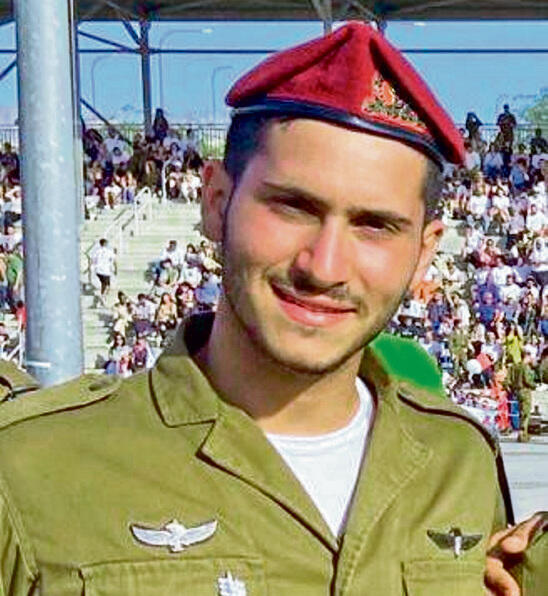
All photographs · 1
In the media
Articles
- Cleared for publication: Two soldiers fell in battle in Gaza
Israel National News ·
- They fell bravely: Israel has lost two more sons
9tv ·
- A huge blow to the town: Staff Sergeant Yedidya Azugi fell in Gaza
Israel National News ·
- You Never Forgot to Update Mom When There Was an Attack
ynet
- Three families, six fallen soldiers: 'We had just begun to process — then it happened again'
ynetnews
Memorial sites
- Staff Sergeant Yedidya Azugi, of blessed memory
גל-עד שומרון
Memorial projects
In July 2024, the family reported a campaign to establish a memorial park in Samaria with pools, lawns, pergolas, and benches; the article describes fundraising and planning, rather than a completed opening.
His friend Aviv initiated the Jeppas project: restoring an old military jeep with his personal service number and date of death; trips are described as a plan rather than events that have taken place.
The Netzach Yisrael equipment lending service for circumcision ceremonies, mentioned on the memorial page in his memory.
Oriya Bernstein wrote the lyrics and music for the song “Every Day Anew” and performs it with his friends in Yedidya’s memory.
Stories told about them
Yinon said that he and Yedidya left his home in Sderot on October 7, heading toward the police station. The two were entrusted with sisters Romi and Lia Suissa, and the girls were cared for at the family home until they were reunited with their relatives.
Yedidya grew up in Netanya and moved with his family to Revava at twelve. According to his brother, he particularly loved family trips and made sure to be the first to buy gifts and thank family members.
Life & service
Service
- Rank
- Staff sergeant
- Battle Location
- Northern Gaza Strip
Family
- Father
- Eliyahu Eli
- Mother
- Dalya
Burial
Tributes & remembrance
"תהיו דידי, פשוט עם חיוך".
ת.נ.צ.ב.ה
רק היום, שנתיים אחרי ה-7.10, התוודעתי לסיפור של ידידיה. סיפור ההצלה המופלא של שתי האחיות בשדרות, ובעיקר הצניעות בה ניחן ידידיה שאפילו לא שיתף את חבריו ללחימה בגבורתו באותו יום. לא ידעתי שידידיה ז׳ל וינון יבדל לחיים ארוכים היו האחים שהצילו את האחיות, ולא ידעתי שידידיה ז״ל נפל בעזה. משפחה יקרה, דעו שסיפורו לא יישכח. אני אזכור את ידידיה ז״ל באשר אלך ואספר הלאה את סיפורו. תנוחמו משמיים
למשפחת אזוגי משתתף בצערכם .היינו בטיול בבאקו אזירביגאן וראינו מדבקה עם הנצחה לזכרו של ידידיה זה רגש אותנו מאד והתפללנו לעילוי נשמתו וברגע הזה ידענו כי אנו מטיילים בזכותו ובזכות כל החיילים הנופלים והפצועים ממדינתנו. יתן לכם השם כח ושלא תדעו צער אמן.
ביקרתי בשדרות ושמעתי את הסיפור מעורר ההשראה בנוגע לאישיות המופלאה שהייתה לאדם הזה ולערכים שבהם הוא דגל.
מי יתן ויהיו עוד אנשים שינהגו בדרך היפה שבה נהגת
ידידיה אני לא באמת מכירה אותך או את מי שהייתה אבל הכנתי שלט עם משפט שלך שכל כך חיבר אותי אליו " אמא . צריכים אותנו "
כשהכנתי אותו מעבירת הסדנא אמרה תעשו קצת גוגל על החיילים האלה אז עשיתי גוגל והתרגשתי כל כך מהסיפור שלך תודה שהגנת על המדינה שלנו ידידיה תודה
אחי אני באמת מתגעגע ואוהב אותך מפקד יקר, אתמול חלמתי עליך, חבל שזה היה רק חלום
יהי זכרך ברוך ושמשפחתך לא תדע יותר צער
לפי מה שקראתי הוא תמיד חשב על האחר, הוא לא חשב על עצמו וגם עם כן אז קודם כל חברים ומשפחה ואחר כך הוא.
יהי זכרו ברוך
מלח הארץ, גיבור ישראל
בזכותך אנחנו כאן.
תודה
יהי זכרו ברוך
יהי זכרו ברוך
יהי זכרו ברוך ת.נ.צ.ב.ה
גיבור ישראל מלאך ששמר על ישראל ושילם בחיו
ידידיה היקר,
אמנם לא הכרתי אותך אישית מלבד פעמים בודדות אבל הזיכרון שלך צרוב בליבי ואין יום שעובר בלי לחשוב עליך ורצון להוקיר , להאיר ולהמשיך את הדרך שלך.
אין יום שעובר ואני לא חושב עליך
לא שוכח את גבאליה הארורה ואני אמשיך את הדרך שלך לנצח
ידידיה ,
אמנם חבר של אחי ולא באמת היינו מתראים הרבה. אבל מספיק מידי פעם לראות אותך עובר עם השלום והחיוך הביישני והצנוע שלך. לשמוע את הסיפורים על שיגעונות הטיולים שלכם וכמה צחוק וכיף היה שם. כמה כואב שמשפחתך והוריך המדהימים חווים זאת כל נשימה. נשמתך איתנו תמיד . תן כוחות אנחנו חייבים
יהי זכרו ברוך
לזכרו של ידידיה אזוגי ז"ל.
שירת לצד בנינו והיה עבורו חבר,לוחם ואדם למופת.דמותו הייתה מוארת באכפתיות וחברות אמיתית.
תמיד היה נכון לעזור.
זכרו יישאר חרוט בלב כולנו.
ליבנו עם משפחתו היקרה.
ידידיה אזוגי היה חבר ילדות שלי, מאוד אהבנו לשחק המון ביחד מתחת לבניין שהיינו ילדים.
ומה שזכור לי מימנו זה ילד חייכן, אוהב, אכפתי, ובלי אנוכיות.
שהייתי לא מסתדר או רב עם הילדים למטה, הוא היה מעודד ומשכין שלום.
ובקיצור הוא היה בנאדם עם לב זהב!
ת.נ.צ.ב.ה
מפקד צנוע ואדיר זכיתי להיות פקוד שלך למדתי ממך המון בזכותך אני מפקד טוב יותר, מתגעגע.
לעילוי נשמתו של גיבור ישראל יהיה זכרו ברוך
הלוואי שהחיוך שלך ימשיך לחיות אצלנו לנצח, הלב נשרף מהכאב והגעגוע
נשמע כמו בן אדם שפספסו לא להכיר.
תודה על מה שעשית עבורנו
תהא נשמתך צרורה בצרור החיים. אמן.
תהא נשמתך צרורה בצרור החיים. אמן.
תהא נשמתך צרורה בצרור החיים. אמן.
דידי, צמד שלי , סמל שלי, נקודת האור שלי בשירות, האיש שלימד אותי מזה ערכים, ומזה ציונות, הייתי איתך מהתחלה עד הסוף , לגמרי הסוף , השארת אותי לבד פגוע ומפורק, אני מתגעגע כלכך אחי ואני אעשה הכל כדאי להנציח אותך , משנה תנין 5 לנצח משולש זהב
with a broad smile and a big heart
Source:Israel National News
You were devoted to your family and friends without boundaries.
Source:Israel National News
He was deeply connected to the outdoors, to nature, to the land, to the place where he grew up.
Source:ישראל היום
Read the Hebrew original
הוא היה מאוד מחובר לשטח, לטבע, לאדמה, למקום שגדל בו.
Always look out for others and their well-being; in the end it comes full circle and returns to us
Source:ערוץ 14
Read the Hebrew original
תמיד להסתכל על האחר שיהיה לו טוב, בסוף זה מתגלגל וחוזר חזרה אלינו
My big brother, I would consult you, ask you questions, and your advice brought me the very best things.
Source:ynet
Read the Hebrew original
אחי הגדול, הייתי מתייעץ איתך, שואל אותך, ומעצותייך יצאו לי הדברים הכי טובים שיש.
Teach us to be united.
Source:ynet
Read the Hebrew original
תלמד אותנו להיות מאוחדים.
You grew up in a wonderful family, deeply rooted and connected to the Torah and Samaria
Source:ynet
Read the Hebrew original
גדלת במשפחה מופלאה, שורשית, מחוברת לתורה ולשומרון
It is so like him to do everything to accomplish the mission
Source:ynet
Read the Hebrew original
כל כך מתאים לו לעשות הכל כדי לעמוד במשימה
You are my role model. You were and always will be.
Source:גל-עד שומרון
Read the Hebrew original
אתה המודל לחיקוי שלי. היית ותמיד תהיה.
A year of endless longing.
Source:גל-עד שומרון
Read the Hebrew original
שנה של געגוע אינסופי.
Yedidya did everything quietly.
Source:ynetnews
Remembrance Day addresses
יום הזיכרון לחללי מערכות ישראל התשפ"ה – 2025
בכל יום שעובר, אזכור יותר! אזכור, את אלו שיצאו עימי לקרב ולא שבו, ולהם אין מי ידמה ומי ישווה. אזכור, שהכאב לא יעבור לעולם, והזמן, הוא לא מרפה ולא מרפא. אזכור, את שיברון הלב הגובר ואת הבית שבוער. אזכור, את צדקת הדרך, ואשבע שוב, שמה שהיה לא יהיה יותר. אזכור, שיותר מכל דבר אחר – אני חסר! ביום הזה, אני נתקף געגוע לדמותם, לחיתוך דיבורם, לחיוכם, ומדליק נר לזיכרון דרכם ומורשתם!
משרד הביטחון
אגף משפחות, הנצחה ומורשת
יום הזיכרון לחללי מערכות ישראל התשפ"ה – 2025
בכאב, בהצדעה ובתקווה אני מתכבד להדליק נר זיכרון זה. השנה, כשאנו נלחמים במלחמה ארוכה, רב זירתית וצודקת, הזיכרון נושא משמעות עמוקה. ביום זה נעצור ונתייחד עם זכרם של טובי בנינו ובנותינו שנפלו בהגנה על המדינה. מורשתם היא המצפן שמתווה את דרכינו, והיא המעניקה לנו כוח להמשיך ולהגן על מדינת ישראל ותושביה. משפחות יקרות, אנו מרכינים ראשנו ומתחייבים שנעמוד לצידכן תמיד. יהי זכר הנופלים ברוך.
אלוף דדו בר כליפא
ראש אגף כוח האדם, צה"ל
יום הזיכרון לחללי מערכות ישראל התשפ"ה – 2025
בשעה שאנו זוכרים את גודל תרומתם ועומק מסירות נפשם של טובי בנינו ובנותינו, נופלי מערכות ישראל לדורותיהן, ממשיכים צה"ל וכוחות הביטחון במימוש המשימה למענה לחמו ועבורה נפלו: הכרעת אויבינו מדרום, מצפון, ביהודה ובשומרון, וגם בזירות רחוקות יותר. בהערכה רבה ובגאווה אדירה אנו מרכינים ראש בפני הנופלים והנופלות, מאמצים את משפחותיהם אל לבנו, וממשיכים במשימה להבטחת קיומה של ישראל לדורי דורות. יחד נעשה ונצליח.
רב אלוף אייל זמיר
הרמטכ"ל, צה"ל
יום הזיכרון לחללי מערכות ישראל התשפ"ד – 2024
כאשר דגלינו מורדים לחצי התורן וראשינו מורכנים לזכר הנופלים והנופלות במערכות ישראל, ממשיכים לוחמי צה"ל ומפקדיו בלחימה בדרום, בצפון, ביהודה ובשומרון ובזירות נוספות. על כל דור מוטלת המשימה של הגנת העם והארץ – משימה שאף פעם אינה פוסקת. נצדיע בגעגוע ובגאווה לנופלים ולנופלות, נחבק את משפחותיהם, ונמשיך ברוח הציווי שהותירו לנו. עם ישראל חי.
רב ניצב יעקב שבתאי
המפקח הכללי, משטרת ישראל
יום הזיכרון לחללי מערכות ישראל התשפ"ד – 2024
אחיי הנופלים, כל נר הוא זיכרון יחיד ומיוחד, על חיים שהיו ואינם, געגוע שנצרב עמוק בלב, עולם ומלואו. הנרות כולם הם זיכרון של אומה כי לעולם לא עוד, בשורת הציונות וקוממיות ישראל. זיכרון כי הדרך לעם חופשי בארצנו עוברת דרך מסדר הנופלים. אור הנר יזכיר לנו את מסירות נפשכם להציל חיים, להגן על הבית. הנרות מסמנים לנו נתיב גבורה ערכי מחייב שאנו מצווים ללכת לאורו. נמשיך להילחם ולהוסיף אור מתוך אמונה בנצח ישראל.
יואב גלנט
שר הביטחון
יום הזיכרון לחללי מערכות ישראל התשפ"ד – 2024
בהצדעה ובכאב, בשם צה"ל כולו, אני מדליק נר זיכרון. בעיצומה של מלחמה, הזכרון נושא משמעות יום-יומית, שעבר והווה מתלכדים בה. לאורם של הנופלים נמשיך לצעוד, חיילי הסדיר והמילואים. לאורם של הנופלים נמשיך להגן על ארצנו ועל מולדתנו, גם כשהמחיר כבד. להבת-הזכרון תבער בנו בעודנו ממשיכים להלחם ונזכור את הנופלים ואת אומץ ליבם. משפחות יקרות, צה"ל מרכין היום ראש, מצדיע לכן וכואב איתכן. יהי זכר הנופלים ברוך.
אלוף יניב עשור
ראש אגף כוח האדם, צה"ל
יום הזיכרון לחללי מערכות ישראל התשפ"ד – 2024
בהוקרה, בגאווה ובכאב שאין לו סוף, אני מתכבד להדליק נר לזכרם של הנופלים והנופלות במערכות ישראל. סיפור חייהם בארץ הזאת, מסכת שירותם, גבורתם והקרבתם – הם סיפורה של הארץ הזאת, אך גם סיפור המחיר הכבד שהיא תובעת מאוהביה. מחויבותנו לזכר הנופלים ולדרך שהותירו לנו ניצבת תמיד לנגד עינינו. את המשימה שלא זכו להשלים, משלימים כיום, וישלימו, אנשי כוחות הביטחון, הממשיכים בדרכם ולאורם. יהי זכרם של הנופלים ברוך.
משרד הביטחון
אגף משפחות, הנצחה ומורשת
יום הזיכרון לחללי מערכות ישראל התשפ"ד – 2024
בחרדת קודש אני מתכבד להדליק נר לזכרם של חללי מערכות ישראל, חברנו שנפלו, מראשית היציאה מהחומות ולאורך כל שנות עצמאותנו המדינית והציונית, מהווים תמרור זיכרון לדרך חיינו ולמחוייבות הלאומית להנצחת זכרם. דרכם נותרה דרכנו ומורשתם נר להמשך עשייתנו. יהי זכרם ברוך!
בני גנץ
שר הביטחון
יום הזיכרון לחללי מערכות ישראל
נזכור אותם, כולנו יחד. כל אחד ואחת מהם, מדי יום ביומו, והיום ביתר שאת, כך – לנצח. "כי מדי דברי בו זכור אזכרנו עוד"
משרד הביטחון
אגף משפחות, הנצחה ומורשת