
The story
On a high hill, overlooking a landscape that unfolded like a vast oil painting, where the snow-capped peak of Mount Hermon gleamed in all its glory, and the green Hula Valley stretched at the foot of the Naftali mountain range, with the Ayun Stream rushing below it, a child was born one Saturday night, on the 8th of Adar Bet, 5763, March 8, 2003. His blue eyes sparkled like stars, and an aura of curiosity and wonder radiated from his entire being. His parents, Ayelet and Ran, named him Tal. He was the twin brother of Ofri and the older brother of Rotem. Their home in Kfar Giladi, the northern kibbutz nestled in the heart of the Galilee, was Tal’s crucible, the place where he absorbed the values of the land, community, and inner peace – a tranquility that accompanied him even in the most turbulent moments of his short but incredibly full life. From his earliest days, Tal was a captivating child; his laughter rang like tiny bells, filling the house and the kibbutz paths with a joyful echo, and his beauty was as natural as that of a wild flower blooming in a field, effortlessly.
His childhood in Kfar Giladi was woven into a dense tapestry of wild nature and a warm community. He was an inseparable part of the "Rimon" group in the kibbutz, a social framework that shaped his identity from the age of three months. Every morning, the rising sun over the Golan Heights illuminated his room, enticing him to go outside, onto the dirt paths, into the kibbutz fields, to the pecan trees that offered generous shade on hot summer days. He loved to run barefoot on the dew-kissed grass in the morning, feeling the cool earth beneath his feet, smelling the scent of the first rain that heralded the arrival of autumn. His teachers remembered him as a pleasant young man, always with a captivating smile on his face, a personal charm that opened every door and heart. He was sharp-minded, unafraid to ask probing questions, to delve deeply into any topic that interested him, and possessed broad knowledge in many fields. He held firm opinions but was always open to listening and discussion, an uncompromising seeker of justice, and always stood by the weak. His classmates loved him dearly, knowing they would always find in him a listening ear, good advice, and a supportive shoulder.
From a young age, Tal displayed the budding signs of natural leadership, one that was not imposed but stemmed from respect and trust. He wasn't the loud leader, but rather the one who listened, thought deeply, and managed to unite people around him through his fairness and wisdom. He represented the youth stratum to the local education council, championed the rights and needs of his peers, and successfully bridged gaps between young people and adults. In high school, he was elected to the student council, where he continued to lead, represent, and work for a better learning and social environment. His leadership skills did not remain confined to the small kibbutz; he represented the entire Upper Galilee within the international "Diller" organization, a prestigious program for outstanding youth. There, he met young people from all corners of the world, learned about different cultures, and honed his ability to influence, collaborate, and form deep connections.
One of the cornerstones of his childhood and youth was the "HaNoar HaOved VeHaLomed" (Working and Studying Youth) movement. As a trainee, Tal was an enthusiastic activist, always making sure to attend meetings, participate in discussions, and ask thought-provoking questions that challenged conventions. He didn’t take things for granted, but explored, wondered, and sought to understand the roots and contexts. As he grew older, he became a counselor in the movement for three years, a role in which he found a deep calling. He specifically chose to guide the "Yarden" group, boys and girls in their Bar Mitzvah year, an age when identity begins to solidify and questions about one's place in the world become more poignant. When asked why he chose this particular age group, he answered firmly that it was important to him that the children in the kibbutz grow up with the same values he himself had – values of mutual aid, love of the land, social justice, and a deep connection to the community. He wanted to ensure that the local spirit and tradition, which he had absorbed from childhood, would continue to pulse within them.
As a counselor, Tal was exceptionally attentive. He wasn't just delivering activities; he was truly and genuinely there for his trainees. He knew how to discern the small nuances, a worried look, a forced smile, a word left unsaid. When one trainee struggled with social difficulties, he not only advised her but initiated a conversation with the entire group, without embarrassing her, and gently helped them understand her situation and formulate coping strategies. His trainees admired him; he was for them not just a counselor, but a source of inspiration, a figure they could trust, share their secrets with, and ask for help. In moments of crisis, he knew how to empower them, remind them of their inner strengths, and help them discover their hidden abilities. He saw immense potential in each and every one of them, and his role, he believed, was to help them realize it. His conversations with them were always deep, sometimes critical, but always respectful and thought-provoking, the kind that remained etched in memory long after they ended.
Tal was a devoted and loving son to his parents, Ayelet and Ran, and a special bond connected him to his brothers. Ofri, his twin brother, often spoke with admiration about Tal’s courage, a courage that was expressed not only in grand actions but also in his ability to stand his ground, express an unpopular opinion, and follow the path he believed in. Rotem, his younger brother, found in Tal not only an older brother but also a mentor, a close friend, and a supportive shoulder. "Tal always knew how to give good advice," Rotem recounted, "even when I didn't want to hear it, I knew it came from a genuine place of caring and wanting what was best for me." He made sure to maintain a warm and continuous relationship with his grandparents, visiting them weekly, listening to their stories, asking about their day, and being attentive to their needs. These visits were not an obligation but moments of fulfillment, of connection to his roots, of learning from life’s wisdom. He also maintained loving, honest, open, and caring conversations with his aunts, uncles, and cousins. At family meals, on shared trips, and in every encounter, Tal always emphasized the importance of family to him. He believed that family was the anchor, the place from which one draws strength, love, and support, and that these connections are essential for the human soul.
After completing high school, Tal chose a path not obvious to many of his peers – a year of service. He volunteered with BINA, an organization dedicated to integrating in-depth study of Jewish sources with significant community contribution. Tal saw this as an opportunity to deepen his understanding of the Jewish value system, not through religious rituals, but through engaging with essence, with Tikkun Olam (repairing the world), and with connecting to people. He volunteered at a school in the "Bat Galim" neighborhood of Haifa, where he taught children of new immigrants – children who came from different countries, with difficult stories, language barriers, and immense cultural gaps. He taught them mathematics, English, Hebrew, and also about Israeli holidays and customs, but not just the dry material. He mentored them, accompanied them, was a listening ear, often dealing with severe personal or family distress alongside their academic difficulties. Tal listened with endless patience, comforted, and was there for them. In one instance, when he discovered that a certain school policy was severely harming one of the girls, he did not hesitate. Contrary to formal rules, he approached the school principal, explained the situation with sensitivity and determination, and managed to bring about a change in the policy, a change that dramatically impacted the girl's life. This year of service, and the communal living with other young people of similar ideals, further shaped his personality, filling him with a deep sense of satisfaction and profound meaning. He understood that this was his way to contribute, to mend, and to be part of something larger.
Growing up with values of love for humanity, love for nature, and a deep connection to the land, and having spent many years hiking the length and breadth of Israel, from the streams of the Galilee to the deserts of the Negev, it was entirely natural that he would choose meaningful military service, one that would allow him to continue contributing to the state and society. Following his years as a youth movement counselor, where he learned about the importance of leadership, responsibility, and teamwork, Tal wanted to join the Nahal Brigade. He saw this brigade as a combination of pioneering values with combat, and felt it was the most suitable place for him. To his delight, he indeed had the privilege of serving as a combat soldier in Battalion 931, Nahal Brigade, a true dream come true.
During basic training, when he was still a young recruit, the commanders held personal interviews and screenings for the fresh recruits. The company commander, a veteran and experienced officer, asked Tal: "What do you have to contribute to us? What do you personally bring to the company?" Tal smiled shyly, a small smile so characteristic of him, and said: "A good friend, does that count?" The company commander, accustomed to confident answers about combat skills or physical abilities, was surprised. But Tal meant every word. Very quickly, he indeed earned deep appreciation from his commanders and comrades in the unit. Not only because he diligently and professionally performed all the drills – crawling in mud, accurate shooting, grueling navigations – but mainly because of the way he helped establish a different atmosphere in the platoon. An atmosphere built on humor, rolling laughter that relieved tension, healthy internal criticism that led to improvements, and alongside all this – genuine mutual responsibility. He was the one who looked out for a friend left alone on guard duty, the one who offered help to a struggling soldier, the one who knew how to bring a smile even in the midst of extreme difficulty.
As a completely ego-free person, with a captivating smile and sharp, cynical humor, Tal easily connected with everyone he met. He didn't need titles or authority to influence. Soon, naturally and without any official appointment, he became the unofficial person in charge of arranging guard shifts, home leave dates, and distributing tasks no one wanted to do – roles that traditionally lead to disputes. But with Tal, it worked. It was clear to everyone that Tal would act completely fairly, prioritize the common good over his personal interests, and find the most just solution. He kept his promise from that company commander conversation: he was a good friend, one who lent a listening ear to every problem, helped in every possible way, and was genuinely interested in the person in front of him. He knew how to ask, "How are you really?", and waited for an honest answer, ready to listen and contain. He was the beating heart of the platoon, the glue that held everyone together.
The morning of October 7, 2023, Simchat Torah, is seared into Israeli consciousness as a black day, a point of no return. Tal, who was on leave at his home in Kfar Giladi, less than two kilometers from the Lebanese border, woke up to the sound of sirens and loud noises that shattered the Galilean quiet he was accustomed to. That morning, the kibbutz was supposed to celebrate "Kibbutz Day" – a celebration commemorating the founding of the kibbutz, a day of joy and community. But instead of joyful shouts, there were sounds of explosions indicating something far more serious. WhatsApp messages began to flow rapidly, bringing vague news of missile and rocket attacks from the south, of terrorist infiltration, of a massacre in the kibbutzim and moshavim surrounding Gaza, of a nature party that turned into a bloodbath. The reality became cruelly clear.
Within a short time, Tal's phone rang. An emergency call-up. He was required to report immediately. With the beginning of the attack, he was deployed to activity in the north, as the fear of the fighting spreading to the northern border was palpable. He left his home, his family, the familiar landscape of the Galilee, and set out into the unknown. Later, as the full extent of the attack in the south became clear, he went south with his battalion, into the inferno. The feelings were mixed – shock, anger, deep sadness, but also an uncompromising determination to defend his home, his people, the values he so deeply believed in. He saw the first images that began to leak, heard the stories, and knew that reality had changed irrevocably.
A week later, on the night before entering the Gaza Strip, standing on the brink of an abyss of uncertainty and danger, Tal called his family. They had already been evacuated from their home in Kfar Giladi, scattered in different places across the country, with bitter worry gnawing at their hearts. In that phone call, quiet yet powerful, Tal did not speak of fear or anxieties. Instead, he expressed a deep sense of gratitude and happiness. He told his parents, Ayelet and Ran, and his brothers, Ofri and Rotem, how grateful and happy he was for the life he had lived. "I am happy for the family I was privileged to belong to," he said, his voice trembling slightly but steady, "and for having the best childhood I could ask for." These words, spoken at such a critical moment, gave his family some comfort, but also shook their hearts with deep apprehension. They understood the meaning of his words, his acceptance of his fate, his recognition of the danger, and the feeling of inner completeness with which he went into battle.
The next morning, as the first rays of sun began to illuminate the eastern horizon, Tal descended with his battalion into the Gaza Strip. This was not just another regular military mission. This was a war for home, for the soul, for the future of the nation. For many long months, he fought with extraordinary courage in a variety of fierce battles. He participated in the conquest of the Shati and Jabalia refugee camps, dense and complex centers of terror, where every corner could hide a trap or an enemy. He fought in the conquest of Force 17 headquarters, a symbol of the terrorist force that threatened Israeli citizens. The fighting was difficult, exhausting, and fraught with dangers. The crowded houses, the narrow alleys, the disguised explosives, the firing from all directions – all created an endless and dangerous battlefield.
During the fighting, Tal’s courage shone through time and again. He often volunteered to be the first to breach homes – the most dangerous mission, where a soldier enters an unknown structure first, exposed to every possible surprise. In these moments, with adrenaline coursing through his veins and his heart pounding, Tal did not hesitate. He knew someone had to do it, and he believed in his ability to protect his friends. In one incident, under heavy fire and in the heart of a battle, Tal saved the lives of five soldiers. He identified an immediate danger, acted with incredible speed and composure, navigating his comrades to safety and neutralizing the threat. In another instance, when a tank crewman was severely wounded by an explosion and bleeding to death, Tal was the first to reach him. He provided life-saving first aid, applying all the knowledge and skills he had acquired, under fire and at personal risk. His quick and precise actions saved the tank crewman's life, demonstrating his deep commitment to human life.
After two months of continuous fighting, Tal returned for his first leave, short and lasting only twenty-four hours. He was tired, but his blue eyes still sparkled with that same inner light. He met his family, and again, instead of complaining about the difficulties or dangers, he reiterated his inner completeness. "I am completely at peace with my life and my choices," he said, looking into his mother's and father's eyes, "including the possibility of being harmed." He did not say this lightly, but out of a deep understanding of reality and the price that might be exacted. He explained to them how important it was for him to protect his father's life, Ran, who at the time was serving in the standby squad on the northern border, defending their home and community. And it was especially important to him, he emphasized, that other children would experience the same peaceful and happy childhood he himself had been privileged to have. He did not speak of revenge or hatred, but of hope, of protection, and of creating a better future for coming generations. He saw himself as a link in a chain, as one who protects the innocent childhood of those who would come after him.
On his phone, a farewell letter was found, which Tal had apparently written before one of the entries into the Strip, or perhaps during the fighting, as he grappled with the most difficult thoughts. The words, simple yet touching, reflected his inner world, his immense love for his family and friends, and his completeness. "If you are reading this, I am probably dead," he wrote, "and I want you to know that I loved you and I am happy for each and every one of you, that you were a part of my life." He expressed uncertainty about his fate, "I don't know what will happen to me there. I will try to protect myself as much as possible," but also conveyed a clear message of resilience and hope, "But if, God forbid, something happens to me, know that you don't need to blame yourselves or stop living your lives..." These words, intended to soften the terrible blow, testified to his greatness of spirit, his ability to think of others even in the most difficult moments. He ended the letter with a sentence that summarized the essence of his life and beliefs: "I am happy for the life I managed to live." It was not fear of death, but gratitude for life, for every moment, for every person, for every experience.
On May 5, 2024, the 27th of Nisan, 5784, after seven months of continuous, arduous, and dangerous fighting, Tal was with his unit at an IDF outpost near Kerem Shalom, right on the border with the Gaza Strip. The tense routine of the outpost, on a hostile border, had been a part of his life for the past seven months. On that day, Tal went to greet two of his friends, a small human moment of camaraderie within a harsh reality. Perhaps it was before they left, or just a short conversation. At that exact moment, without any prior warning, a sudden barrage of rockets and mortar shells was fired from Rafah towards the outpost. The noise was deafening, powerful explosions that shook the earth. From this deadly barrage, Tal and three other soldiers were killed. He fell at only twenty-one years old, in the prime of his life, at the peak of his contributions, with his entire future still ahead of him.
The news of Tal's fall struck Kfar Giladi, his family, his friends, and everyone who knew him with deep shock. He was laid to rest in the military plot of the Kfar Giladi cemetery, at the foot of the Roaring Lion statue, a symbol of heroism and connection to the land. He returned to the land he so loved, to the landscape that shaped him, to the place he called home. After his fall, Tal Shavit was posthumously promoted from the rank of Sergeant to Staff Sergeant, in recognition of his bravery and dedication. During the seven months of fighting, Tal often spoke of the horrors of war. He did not ignore the hardship, the pain, the terrible price it exacted. He longed for its end, and hoped, like many others, for the building of a different reality in the Middle East – a reality of peace, of quiet, of life. He fought for this hope, for a future where children could grow up in tranquility, as he recounted during his short leave.
His father, Ran, eulogized him with a trembling yet firm voice, words that came from a broken heart: "Our Talik, you have returned to the land of the Galilee, facing the Hermon, in the landscape of the home you were so connected to and that we spoke about and taught about so much, and in essence, within everything that Mother and I wanted to instill in you. We never imagined you would be on the front line facing the Hermon. We love you, beloved child, rest in peace." These words, about returning to the familiar landscape, to home, to the values instilled in him, were so precise, so painful. His mother, Ayelet, eulogized him with heartbreaking words that revealed the long and painful journey that led to his birth, and the intensity of the loss: "I waited ten years for you to come, full of treatments and injections, and now you are leaving? Is that it? Have you had enough? And on Holocaust Remembrance Day, no less?! All this drama doesn't suit your modesty. Luckily, you didn't suffer. That it all ended quickly. And how good that you lived a full, innocent, and happy life in your twenty-one years... No one will bring you back to me. Ever. But I truly try, and promise to continue trying until the day I die, to find more and more pieces of love and kindness... to climb threads of hope for a better future. For me and for others. A little each day. In your honor, my beloved son. In honor of this world, to whose earth you return." In her words, Ayelet combined personal pain with a message of continuity, of choosing life, of searching for good and love even from the greatest brokenness.
Tal Shavit's legacy, despite his short life, continues to grow. Kibbutz Kfar Giladi, the home he loved so much, produced a moving video in his memory, available on YouTube. In the film, his peers, his friends from the kibbutz, talk about him, about his smile, his laughter, about the values he grew up with and instilled in his trainees. They speak of the immense impact he had on them, the way he knew how to touch each and every one, and the enormous void he left behind. A field in the Hula Valley, not far from his home, has become a moving memorial site, where the phrase "Tal Shavit Forever" is plowed into the deep earth, alongside a Star of David symbol. These words, etched into black, fertile soil, are a symbol of his deep connection to the land, his contribution, and a memory that will remain etched forever.
Tal's mother, Ayelet, found a way to express her pain and the bravery of her spirit in words. She wrote a deep and moving essay titled "Death Chose to Lodge," an essay that won the Van Leer Prize for 2024 and was published in "Hazman Hazeh" journal. At the award ceremony, the mother delivered words that moved the entire audience: "I had a son. Dark-haired and wise. We called him Tal, and like his name, he was: complete, and fragile, and gleaming in his beauty on the grass. And he was truly here. Not a private fantasy of long years of infertility, nor a national myth of a war that is never enough, but present here, in his own body, in his stature, his laughter, and the way he smiled..." She emphasized the tangible reality of Tal's existence, the full and complete person he was, in contrast to any attempt to turn him into an abstract symbol. She concluded with poignant words about loss and silence: "The earth is not raging. The planet continues its orbit, but in Kfar Giladi and in this beautiful hall in Jerusalem, the absence is very palpable. And the silence speaks the sorrow." Tal Shavit was a complete, fragile, and gleaming person, who lived a full life of giving, love, and commitment. He fell defending his home, the peaceful childhood others would experience, for a better future. His memory, like the ringing of his bells, will echo forever in the hearts of all who knew him, and will serve as a beacon of true Israeli humanity and heroism.
Moments of a life
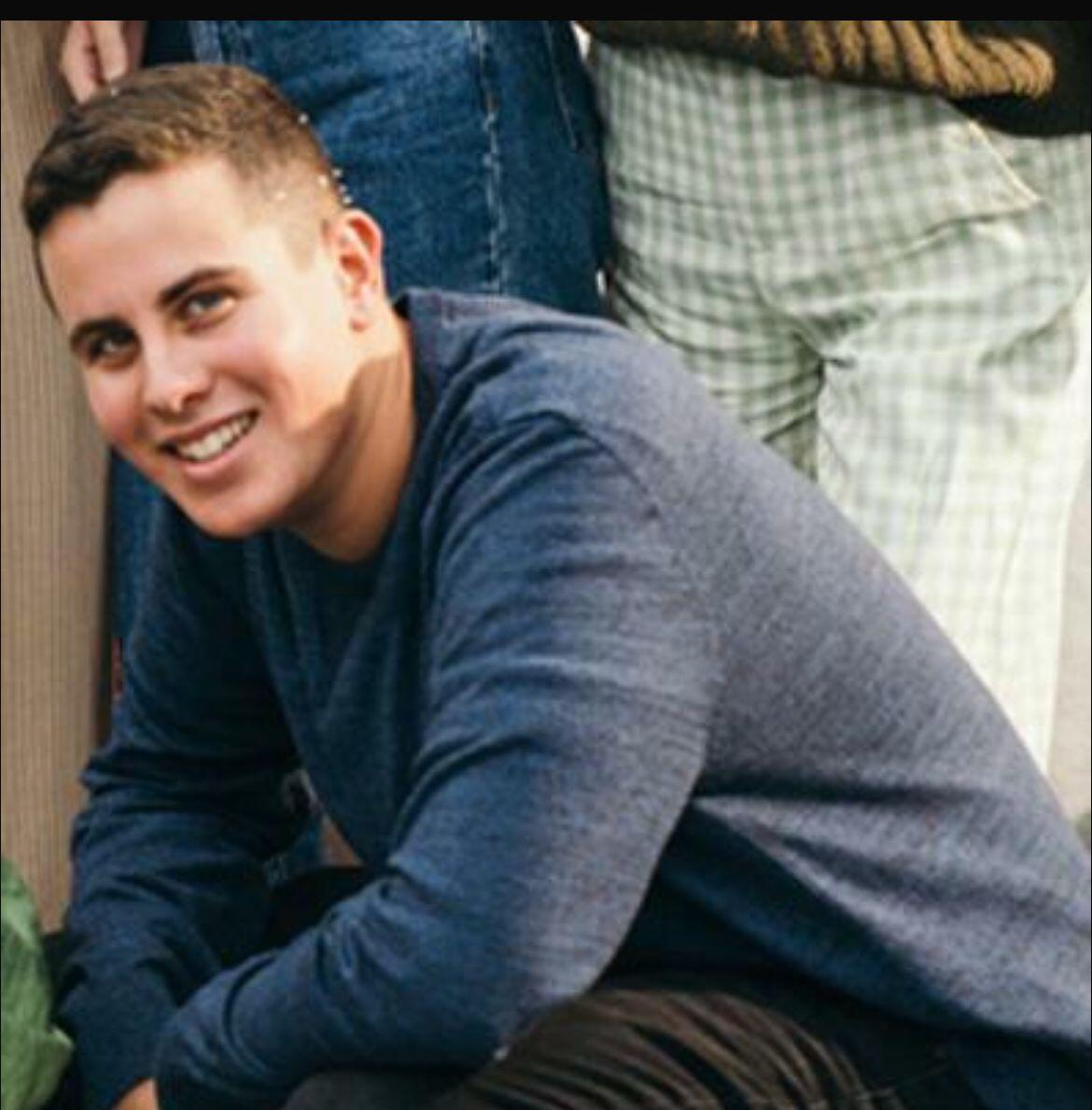
All photographs · 1
In the media
Articles
- On Memorial Day: A Mother's Life After Loss
Davar ·
- Evacuees from Kfar Giladi buried Tal Shavit: “Who believed you would be buried here?”
וואלה ·
- They were killed on Sunday by Hamas rockets; these are the IDF soldiers’ stories
Israel Hayom ·
- Three IDF soldiers killed in mortar attack on Kerem Shalom crossing
STMEGI ·
- Cleared for Publication: Sergeant Michael Rozal Killed in Barrage from Rafah at Kerem Shalom
ynet
- Death stopped for the night
הזמן הזה
Show all (7)
- Tal Shavit
ynet גל-עד
Videos
זיכרון לחיים - אנדרטה דיגיטלית (ע"ר) ·
- Staff Sergeant Tal Shavit, of Blessed Memory — Zikaron LeChaim
זיכרון לחיים / עמותת הנח״ל וחיל החינוך
Podcasts
- "If my child doesn't serve, another child will die along the way"
כאן — גם כן תרבות / Omny.fm
Memorial sites
- Yizkor — Staff Sergeant Tal Shavit
יזכור - משרד הביטחון
Memorial projects
A memorial phrase alongside a Star of David was plowed into a field in the Hula Valley in his memory.
Kibbutz Kfar Giladi produced a memorial video in which members of his age group speak about his character and values; Yizkor notes its availability on YouTube, but the video URL was not verified.
His mother Ayelet Shavit wrote the essay “Death Turned in for the Night,” winner of the 2024 Van Leer Prize for Essay Writing, published in May 2025 in Hazman Hazeh.
The film description on Zikaron LaChaim mentions a hiking trail and lookout points inaugurated in Tal’s memory. The page gives no address or trail name, so no location details were added.
Stories told about them
Evacuees from Kfar Giladi gathered for eulogies at a hotel in Ginosar to reduce the time spent at the cemetery under the Hezbollah threat. His father Ran, commander of the emergency response team, and his friends insisted that the burial take place in daylight.
Eilat wrote that in a conversation before entering combat, Tal said he was at peace with his life and that protecting the place where he grew up mattered to him. During a later home visit, he told her that he had also spoken with his father, brothers and friends, and that the conversations had helped him cope with fear.
Life & service
Profile
- Date of birth
- March 8, 2003
- Birthplace
- Kfar Giladi
- Date of death
- May 5, 2024
- Age
- 21
- Hometown
- Kfar Giladi
Service
- Rank
- Staff sergeant
- Unit
- Nahal Brigade
- Honours
- Posthumously Promoted
- Battle Location
- עוטף עזה
Family
- Father
- Ran
- Mother
- Eilat
Burial
Tributes & remembrance
במותם ציוו לנו חיים!!
אין על החיילים שלנו .
בזכותם אנו חיים במדינת ישראל וממשיכים את המורשת שלנו.
נצח ישראל לא ישקר כל חייל שנמצא פה הוא חלק משרשת גדולה שכבר אינספור שנים עוד מימי התנך מקריבה נפשה בכדי להבטיח את נצח ישראל.
פשוט גיבורים לא משנה כמה אכתוב לא יהיו לי מילים לתאר את כמות הגבורה שבכל אחד מכם מעריכה מאוד.
ומקווה לטוב!!
גיבוריםםםם פשוט עם של גיבורים.
כל עם ישראל זוכר את כולכם עכשיו!
לא הכרתי את טל, לצערי. רק ממה שכתבו כאן - איזה מיוחד לתחושתי בן אדם שידע להיות נוכח.
שינוח בשלום. ולמשפחה בתקווה עם מה שתורם בריאות ונשימה
לאילת, קראתי את המסה שלך במשך כמה ימים, כל פעם קטע, כי כל מילה אצרה בתוכה עולם שלם, עולם של טל ה"נוכח בחייו" ו"היחיד שחזר הביתה". אצור אותו בליבי.
אילת, קראתי בכאב כן את המסה שכתבת, טל באמת נשמע ילד כל כך חד פעמי שלצערי לא זכיתי להכיר. תודה על התובנות המרתקות, שהשפעתן החיובית אל אלו שיכולים להזדהות תהיה נחמתך גם אם מועטה.
אילת יקרה קראתי את המסה שכתבת על האובדן שאין לו שיעור. הלב בוכה אתכם. אין מילים לתאר עד כמה. יהי זכרו של טל ברוך
יהי זיכרך ברוך טל יקר ז"ל
תודה לך גיבור ישראל, מלח הארץ
בזכותך ובזכות יתר חיילי וחיילות צה"ל אנחנו בעורף מרגישים ביטחון!!
עצוב מאוד שכעת הסתיימו חייך. זה לא זמנך להמשיך לעולם הבא. עכשיו זמנך הוא לחיות, ליהנות, לשמוח לצחוק ולרקוד.
תדע שלווה ומנוח ת.נ.צ.ב.ה
תודה לך,טל היקר, על שהגנת עלינו
במחיר ההקרבה הנורא מכל .
תנחומים מלב כואב לכל יקיריך.
יהא זכרך ברוך,גיבור ישראל
זוכרת את החיוך והצחוק שלך
אהוב על כולם
יהי זכרך ברוך
אוהבים אותך טל לנצח תישאר בליבנו
טלטול שבוע הבא האזכרה שלך ואני לא מאמינה שעברה שנה.
אני לא מצליחה להבין שאתה כבר לא פה, שנשארת בגיל 21 ואני גדלתי בשנה.
תמיד אזכור אותך כילד הקסם שהיית, הבן אדם חסר טקט שתמיד יגיד את הדבר הכי מצחיק ברגע הכי לא מתאים. מלאך. מתגעגעת.
יהי זכרו ברוך
החיוך שלו תפס אותי, מרגישה שהוא תמיד פה איתי איכשהו למרות שלא הכרתי אותו אישית. זכות לשמוע עליו ולקרוא אותו
כיתה ה1 מבית הספר שלמדת בו בילדותך, עלי גבעה, מדליקים נר לזכרך. תודה על מי שהיית עבורנו, ילדי כפר גלעדי ועבור כל מה שנתת למדינה שלנו.
היית חניך מדהים, סקרני, אמפתי, חכם ופשוט טוב לב. נתגעגע לעד
טל, תלמיד וילד שלי יקר
נשמתך עזבה את הגוף אך נמצאת איתנו כל הזמן.
נצור בלבי לעולמים
היית ילד חכם, מצחיק, שנון וערכי.
יהי זכרו של טל ברוך
לאיילת ורן וכל משפחת שביט.
קיוויתי שלעולם לא נצטרך להוסיף עוד שם לרשימה הארוכה של משפחות הנופלים בכפר גלעדי.
מחזק אותכם ומחבק אותכם וחושב עליהם ביום הקשה הזה.
שלא תדעו עוד צער לעולם ושתמצאו כוחות להמשיך
שנה עברה ואתה חסר
שנה עברה.....מי מאמין.
מתגעגעים כל כך
תמיד בלב שלנו
מתגעגעים
אוהבת דודה
לוחמי ומפקדי חטיבת הנח״ל
מרכינים ראש ומתייחדים עם זכרם של חללי הנח״ל .
יהי זכרם ברוך!
יהי זכרו ברוך, שנהיה ראויים.
ביום הזיכרון הזה אנו, חיילי ומפקדי גדוד ״שחם״ 931 מרכינים ראש וכואבים את לכתו של אחד מטובינו.
זכרו מלווה אותנו בכל צעד,
דמותו חקוקה בלב הגדוד לנצח.
יהי זכרו ברוך, ונצור בליבנו לעד
ביום הזיכרון הזה אנו, חיילי ומפקדי גדוד ״שחם״ 931 מרכינים ראש וכואבים את לכתו של אחד מטובינו.
זכרו מלווה אותנו בכל צעד,
דמותו חקוקה בלב הגדוד לנצח.
יהי זכרו ברוך, ונצור בליבנו לעד.
"וכשהיא לפתע צריכה
שמישהו ישכב בבוץ בתוך שוחה
לא תאמין איך הם מופיעים
כמו רקפות בין הסלעים ...".
יהי זכרו ברוך.
אחי היקר לא אשכח את הלילות לפני השינה שהצקנו אחד לשני עד שהתחלת לצעוק על כולם סתמו תפה חייבים ללכת לישון
נוח על משכבך בשלום בן דוד יקר שלי גיבור ישראל
טל,ילד יקר מאוד. לא הכרתי אותך,אך הכרתי את שלוש הדורות שלך ,את סבא רבה שימלה, וסבתא רבתה חיילה.את סבתא וסבא שלך,את אימא שלך,את האחים שלה.התארחתי בביתם .משפחה מופלאה.יהי זכרך ברוך.ילד יפה תואר
אזכור את החיוך, את חוש הצדק והשיוויון, את ההנהגה והרצון להשפיע שיהיה יותר טוב, את היכולת להשמיע ביקורת באומץ , עצוב שהלכת מאיתנו, ליבי עם כל אוהבך , משפחתך היקרה, יהיה זכרך מבורך, תודה שהגנת עלינו.
We are here facing Mount Hermon, facing the landscape you loved so much and that we passed on to you.
Source:וואלה
Read the Hebrew original
אנחנו כאן מול החרמון, מול הנוף שאהבת כל כך ושהנחלנו לך.
A wise and warm-hearted kid.
Source:Israel Hayom
The heart is broken.
Source:Israel Hayom
During seven months of fighting, we felt we were accompanying Tal every single day.
Source:וואלה
Read the Hebrew original
בשבעה חודשים של לחימה הרגשנו שאנו מלווים את טל בכל יום יום.
He would have revolted against such talk about him precisely because he was proud of his combat service
Source:Davar
Tal was one of a kind
Source:הזמן הזה
Read the Hebrew original
טל היה חד־פעמי
And how good it is that you lived a full, innocent and happy life in your twenty-one years
Source:יזכור - משרד הביטחון
Read the Hebrew original
וכמה טוב שחיית חיים שלמים, תמימים ושמחים בעשרים ואחת שנותיך
The earth is not shaking. The planet Earth continues on its course
Source:יזכור - משרד הביטחון
Read the Hebrew original
הארץ לא גועשת. כדור הארץ ממשיך במסלולו
Remembrance Day addresses
יום הזיכרון לחללי מערכות ישראל התשפ"ה – 2025
בכל יום שעובר, אזכור יותר! אזכור, את אלו שיצאו עימי לקרב ולא שבו, ולהם אין מי ידמה ומי ישווה. אזכור, שהכאב לא יעבור לעולם, והזמן, הוא לא מרפה ולא מרפא. אזכור, את שיברון הלב הגובר ואת הבית שבוער. אזכור, את צדקת הדרך, ואשבע שוב, שמה שהיה לא יהיה יותר. אזכור, שיותר מכל דבר אחר – אני חסר! ביום הזה, אני נתקף געגוע לדמותם, לחיתוך דיבורם, לחיוכם, ומדליק נר לזיכרון דרכם ומורשתם!
משרד הביטחון
אגף משפחות, הנצחה ומורשת
יום הזיכרון לחללי מערכות ישראל התשפ"ה – 2025
בכאב, בהצדעה ובתקווה אני מתכבד להדליק נר זיכרון זה. השנה, כשאנו נלחמים במלחמה ארוכה, רב זירתית וצודקת, הזיכרון נושא משמעות עמוקה. ביום זה נעצור ונתייחד עם זכרם של טובי בנינו ובנותינו שנפלו בהגנה על המדינה. מורשתם היא המצפן שמתווה את דרכינו, והיא המעניקה לנו כוח להמשיך ולהגן על מדינת ישראל ותושביה. משפחות יקרות, אנו מרכינים ראשנו ומתחייבים שנעמוד לצידכן תמיד. יהי זכר הנופלים ברוך.
אלוף דדו בר כליפא
ראש אגף כוח האדם, צה"ל
יום הזיכרון לחללי מערכות ישראל התשפ"ה – 2025
בשעה שאנו זוכרים את גודל תרומתם ועומק מסירות נפשם של טובי בנינו ובנותינו, נופלי מערכות ישראל לדורותיהן, ממשיכים צה"ל וכוחות הביטחון במימוש המשימה למענה לחמו ועבורה נפלו: הכרעת אויבינו מדרום, מצפון, ביהודה ובשומרון, וגם בזירות רחוקות יותר. בהערכה רבה ובגאווה אדירה אנו מרכינים ראש בפני הנופלים והנופלות, מאמצים את משפחותיהם אל לבנו, וממשיכים במשימה להבטחת קיומה של ישראל לדורי דורות. יחד נעשה ונצליח.
רב אלוף אייל זמיר
הרמטכ"ל, צה"ל
יום הזיכרון לחללי מערכות ישראל התשפ"ד – 2024
כאשר דגלינו מורדים לחצי התורן וראשינו מורכנים לזכר הנופלים והנופלות במערכות ישראל, ממשיכים לוחמי צה"ל ומפקדיו בלחימה בדרום, בצפון, ביהודה ובשומרון ובזירות נוספות. על כל דור מוטלת המשימה של הגנת העם והארץ – משימה שאף פעם אינה פוסקת. נצדיע בגעגוע ובגאווה לנופלים ולנופלות, נחבק את משפחותיהם, ונמשיך ברוח הציווי שהותירו לנו. עם ישראל חי.
רב ניצב יעקב שבתאי
המפקח הכללי, משטרת ישראל
יום הזיכרון לחללי מערכות ישראל התשפ"ד – 2024
אחיי הנופלים, כל נר הוא זיכרון יחיד ומיוחד, על חיים שהיו ואינם, געגוע שנצרב עמוק בלב, עולם ומלואו. הנרות כולם הם זיכרון של אומה כי לעולם לא עוד, בשורת הציונות וקוממיות ישראל. זיכרון כי הדרך לעם חופשי בארצנו עוברת דרך מסדר הנופלים. אור הנר יזכיר לנו את מסירות נפשכם להציל חיים, להגן על הבית. הנרות מסמנים לנו נתיב גבורה ערכי מחייב שאנו מצווים ללכת לאורו. נמשיך להילחם ולהוסיף אור מתוך אמונה בנצח ישראל.
יואב גלנט
שר הביטחון
יום הזיכרון לחללי מערכות ישראל התשפ"ד – 2024
בהצדעה ובכאב, בשם צה"ל כולו, אני מדליק נר זיכרון. בעיצומה של מלחמה, הזכרון נושא משמעות יום-יומית, שעבר והווה מתלכדים בה. לאורם של הנופלים נמשיך לצעוד, חיילי הסדיר והמילואים. לאורם של הנופלים נמשיך להגן על ארצנו ועל מולדתנו, גם כשהמחיר כבד. להבת-הזכרון תבער בנו בעודנו ממשיכים להלחם ונזכור את הנופלים ואת אומץ ליבם. משפחות יקרות, צה"ל מרכין היום ראש, מצדיע לכן וכואב איתכן. יהי זכר הנופלים ברוך.
אלוף יניב עשור
ראש אגף כוח האדם, צה"ל
יום הזיכרון לחללי מערכות ישראל התשפ"ד – 2024
בהוקרה, בגאווה ובכאב שאין לו סוף, אני מתכבד להדליק נר לזכרם של הנופלים והנופלות במערכות ישראל. סיפור חייהם בארץ הזאת, מסכת שירותם, גבורתם והקרבתם – הם סיפורה של הארץ הזאת, אך גם סיפור המחיר הכבד שהיא תובעת מאוהביה. מחויבותנו לזכר הנופלים ולדרך שהותירו לנו ניצבת תמיד לנגד עינינו. את המשימה שלא זכו להשלים, משלימים כיום, וישלימו, אנשי כוחות הביטחון, הממשיכים בדרכם ולאורם. יהי זכרם של הנופלים ברוך.
משרד הביטחון
אגף משפחות, הנצחה ומורשת
יום הזיכרון לחללי מערכות ישראל התשפ"ד – 2024
בחרדת קודש אני מתכבד להדליק נר לזכרם של חללי מערכות ישראל, חברנו שנפלו, מראשית היציאה מהחומות ולאורך כל שנות עצמאותנו המדינית והציונית, מהווים תמרור זיכרון לדרך חיינו ולמחוייבות הלאומית להנצחת זכרם. דרכם נותרה דרכנו ומורשתם נר להמשך עשייתנו. יהי זכרם ברוך!
בני גנץ
שר הביטחון
יום הזיכרון לחללי מערכות ישראל
נזכור אותם, כולנו יחד. כל אחד ואחת מהם, מדי יום ביומו, והיום ביתר שאת, כך – לנצח. "כי מדי דברי בו זכור אזכרנו עוד"
משרד הביטחון
אגף משפחות, הנצחה ומורשת