
The story
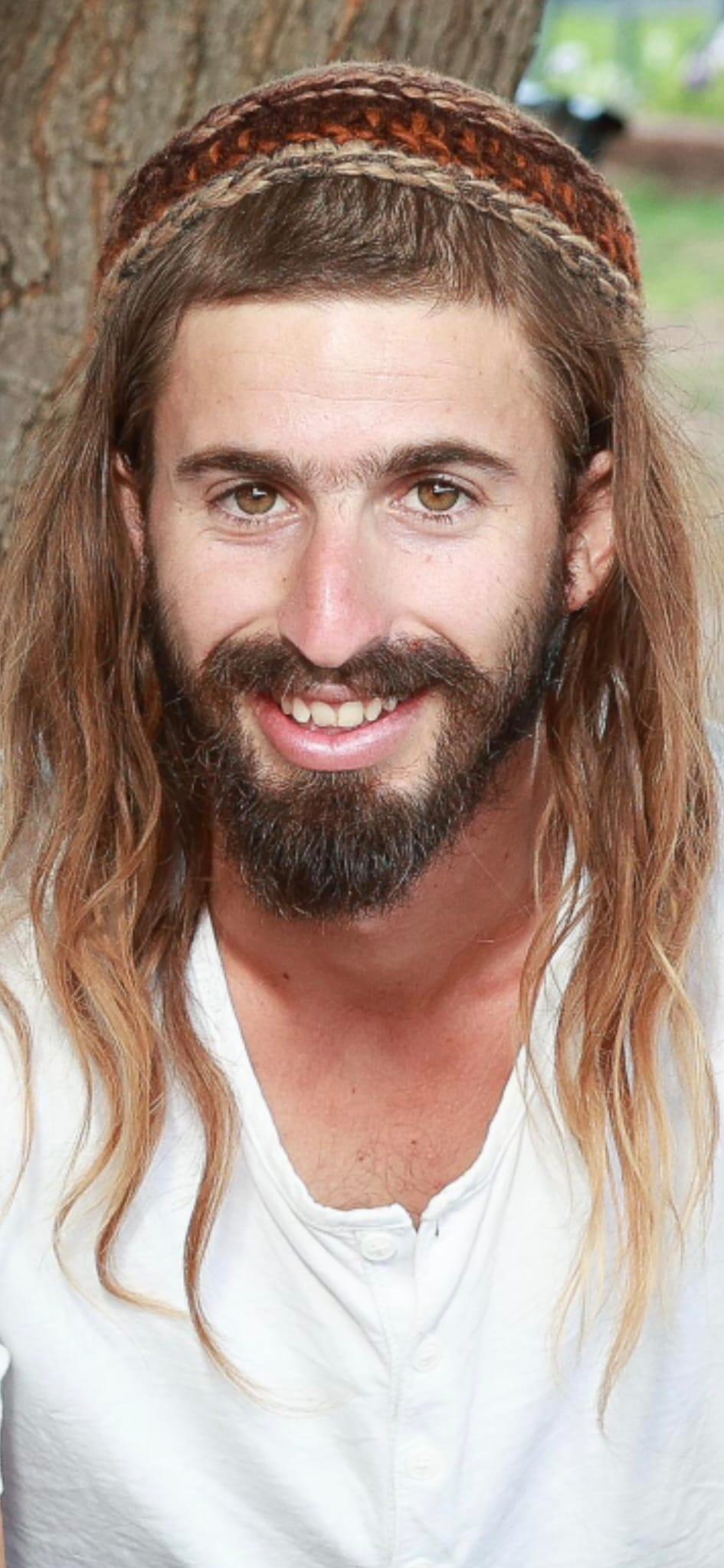
The air in Yitzhar in late summer of the Hebrew year 5762, corresponding to September 2002, was still warm, imbued with the scents of dry earth and sage bushes, when Shuval Ben Natan emerged into the world on the 25th of Elul, September 2nd. He was the eldest son of Shlomit Esther and David Tuvia, and into their small home in the Samarian settlement, he brought a spark of mischievous life and curious eyes. His parents, deeply rooted in their souls and clear in their path, built their home on principles of love for the land and for humanity, filling it with the sounds of study and prayer, but also with rolling laughter and the joyful shouts of children. Shuval grew up within this tapestry, surrounded by the brothers and sisters who followed him – Yigal, Uriya, Raya, Hod, Maayan, and Elchai – a long chain of love and deep connection. The home in Yitzhar was not merely walls and a ceiling, but a living, breathing space of creativity, value-driven discussions, and an abundance of attention to the small details of communal existence. His father, Rabbi Dudu Ben Natan, was already a significant figure, head of the "Pri Ha'aretz" Yeshiva, and his mother, Shlomit, was a pillar of the community, accompanying settlements in the Shomron Regional Council, always knowing how to find the right words and the way to connect people. Within this atmosphere, Shuval absorbed from his childhood a profound sense of belonging to the place, to the land, and to its people.
Even as a small child, Shuval was incredibly sweet, possessing a natural charm that captivated the heart of everyone he met. He was mischievous, but his mischief was always wrapped in a captivating smile and a sparkle of kindness in his eyes. He loved to run through the narrow alleys of Yitzhar, climb the exposed rocks, and explore every hidden corner of the settlement. He had endless stories of small pranks, of cats he chased and fruits he picked from neighbors' trees, always followed by an immediate apology and a hug that made any anger dissipate. His friends loved him dearly; he was the child everyone wanted to be around, the one who would always find a way to bring joy even in difficult moments, and who knew how to turn any simple game into a true adventure. He was educated in the learning institutions of Yitzhar, and even then, he stood out for his ability to absorb knowledge, ask insightful questions, and especially – to see the world through a prism of boundless curiosity. He was not content with superficial answers; he always wanted to understand the 'why' behind things, the root of the matter.
When he reached eighth grade, a significant change occurred in the family's life. They moved from Yitzhar to Rechelim, a nearby settlement that offered a slightly different landscape, more open spaces, and a feeling of a new beginning. The transition wasn't easy, but Shuval, with his unique ability to adapt and forge connections, quickly found his place. He continued his studies at the 'Halutzei Dror' Agricultural Yeshiva, where he was exposed to the world of physical labor and a deep connection to the land. He loved the smell of the damp earth clinging to his hands in the early morning hours, the echoing rumble of the tractor engine as it plowed the fields, and the immense sense of satisfaction at the end of a long day's work under the scorching sun. He was immensely proud of Hebrew labor, not just as an idea, but as a daily practice, a way of life that connected a person to the land, and the past to the future. He learned to identify wild plants, distinguish between different soil types, and understand the cycles of nature. This immersive experience shaped in him a profound sense of responsibility towards the environment and the potential inherent within it.
Afterward, Shuval moved to a Hesder Yeshiva in Safed, where he studied for two years until his enlistment in the IDF. The transition from the green fields of the Shomron to the enchanting stone alleys of Safed was an exciting change. In Safed, he deepened his studies, but also discovered new facets of his soul. The city, with its unique atmosphere, served as fertile ground for his spiritual and personal development. He was a principled, deeply rooted, and devoted young man, filled with an abiding love for the Land of Israel and the people of Israel. This love was not merely theoretical or expressed in slogans; it was ingrained in all his actions and choices. He was deeply connected to his family and the home where he grew up, maintaining a close and steadfast bond with each family member. His sisters always spoke of him as a caring, embracing, and protective older brother. If one of them was crying or sad, he would be the first to approach, hug, listen, and find the comforting words. He was a pillar of support for them, a shoulder to lean on, and a figure who illuminated their path. He would spend hours with his younger siblings, explaining complex things simply, teaching them to play music, or simply laughing with them about childhood silliness. The home in Rechelim, always full of life, was the place where Shuval drew his strength and his unshakeable sense of security.
One of Shuval's main passions was music. He possessed an exceptional musical talent and knew how to play Middle Eastern ethnic instruments like the oud, saz, and santur. His hands danced on the strings, producing deep and moving sounds that filled the space. He would sit for long hours in a quiet corner of the house, or in the yard, his fingers gliding over the dark wooden oud, coaxing out melodies both ancient and new. The sounds would intermingle with the background noises of the home – children's laughter, deep conversations between his parents – creating a unique soundtrack of peace and tranquility. When he played, it seemed as if he detached from the world, completely immersed in the sounds he himself created. Music was a language for him, a way to express deep emotions, to tell stories without words, and to connect people. His friends would gather around him, listening in awe to the tunes that flowed from his hands, sometimes joining in with their own singing or playing. He also deeply loved the land, its mountains and wadis, its springs and streams. This love was not theoretical; it was a physical, tangible love, expressed every time he bought an off-road motorcycle and set out to discover new and unfamiliar places. He would ride for long hours, the air stinging his face, the wind playing in his hair, the motorcycle engine roaring powerfully beneath him, as he navigated winding paths, passing between rocks and ancient oak trees. He would stop by every rare flower, photograph sunsets painting the sky in fiery hues, green fields, or the yellow and orange of fruit-bearing orchards. All these photos, accompanied by a brief story about the place and the feeling, he would lovingly send to his mother, who sat at home, awaiting his return, anxious yet proud.
Another great dream that resided in Shuval's heart was his dream of cultivating a small plot of his own. He planned, with a clear vision, and prepared a plot of land near Rechelim, with a distinct purpose: to plant a fruit orchard there, to establish seating areas for hikers and youth, a place where they could sit, rest, converse, play music, and simply connect with the quiet and nature. He envisioned the young trees growing and bearing fruit, children running between the rows, teenagers sitting around a small bonfire and playing music. It was a dream of creation, of giving, of building a place that would serve as an anchor and a haven of tranquility for others. He would meticulously plan the placement of the trees, the irrigation methods, the specific types of fruits that would best suit the soil and the local environment. He would invest hours of strenuous physical labor in the plot, weeding, preparing the soil, all the while dreaming of the day his vision would transform into a vibrant reality.
Alongside all this, Shuval was also deeply connected to the Temple Mount and Joseph's Tomb, two sites of profound importance to him. This was not an alienated religious attachment, but a deeply personal connection, a feeling of home and roots. There were periods when he would begin the week with prayer on the Temple Mount, ascending at dawn, when the air was still clear and cool, and the sun began to paint Jerusalem in golden hues. He would stand there, breathing in the unique atmosphere, connecting with the ancient history and the eternal feeling of the place. In high school, he began to draw closer to Rabbi Nachman of Breslov, not by renouncing his previous path, but as an addition, a deepening of his inner world. He began reciting the 'Tikkun HaKlali,' ten Psalms, and would travel to Uman in Ukraine for Rosh Hashanah, a journey that became a personal tradition for him. He also greatly loved to immerse and purify himself in natural springs, an experience that connected him deeply to body, soul, and nature. He would seek out hidden springs, immerse himself in the cool waters, and feel a profound sense of renewal and inner cleansing.
Upon his enlistment in the IDF, Shuval volunteered for combat service, a natural choice for a principled and deeply rooted young man like him, who wished to contribute in the most significant way. He served as a combat soldier in 'Kfir,' a brigade known for its intensive operational activity. From the very first moment, Shuval stood out as a leading soldier, full of motivation and zest for life. He was the one who always found a way to encourage his comrades, even during difficult moments of grueling training or challenging field conditions. His smile was infectious, and his ability to find the silver lining even amidst hardship made him a central figure in the company. When they encountered physical or emotional difficulties, Shuval was there, with a kind word, a small joke, or a quiet melody he would strum on the guitar he managed to smuggle into base. He set a personal example, running first, carrying more, complaining less, and always with an unwavering faith in the mission and the comrades by his side. His military service, with its inherent difficulties and challenges, only strengthened his sense of mission and his profound love for the people and the land.
And then, on the morning of Saturday, the 22nd of Tishrei, Simchat Torah 5784, October 7th, 2023, the tranquility shattered. At six-thirty in the morning, the Hamas terrorist organization launched a brutal and unprecedented surprise attack on Israel. Massive barrages of missiles and rockets from the Gaza Strip covered wide areas of the country, and under their cover, thousands of terrorists infiltrated – by land, sea, and air – commencing a murderous assault on the communities surrounding Gaza, on Sderot, Ofakim, and Netivot, on attendees of a nature party near Kibbutzim Re'im and Nir Oz, on IDF bases, and on those traveling on the roads in the area. The terrorists murdered approximately eight hundred civilians in their homes, in their cars, committed grave crimes, abducted hundreds of Israelis to the Gaza Strip, and destroyed, looted, and set fire to homes and property. Hundreds of soldiers, police officers, security forces personnel, and members of local emergency response teams fell in battle. On this morning, the face of the nation changed irrevocably, and a war began.
Shuval, who was then on reserve duty, was immediately called up to the Syrian border, where he was stationed at a Deputy Battalion Commander's command post. But his heart burned within him. He saw the horrific images, heard the harrowing stories, and felt a profound sense of restlessness. He could not bear the thought of sitting in one place while his brothers and sisters fought on another front, inside Gaza. He acted with all his might, with extraordinary determination, to join a maneuvering brigade in the Gaza Strip. He cared deeply about what the people of Israel were enduring, and felt it was crucial for him to be an active participant in the war and in restoring the nation's honor. He believed this was not merely a war over borders, but a war for the soul of the nation, for its values, and for its very future. He made countless phone calls, approached everyone who could help, pushed and insisted, until after much effort, he was attached to the 'Carmeli' Brigade, Battalion 222. His reception was immediate and warm. Upon his arrival, he immediately felt a sense of home, as if he had always been a part of them. "Just please," one of the commanders laughed, "change your red boots to black ones." Shuval smiled, readily swapped his red infantry boots for the black boots of the infantry brigade, and felt himself an integral, vital part of the new force. He quickly found his place, as his good spirit and endless motivation were immediately apparent to everyone.
He participated in IDF operations in the Netzarim Corridor area of the Gaza Strip and in the surrounding neighborhoods, completely immersed in the mission. Shuval was a point-man sharpshooter, consistently leading the force, never hesitating for a moment to lead his comrades and breach homes despite the high risk. He would enter first, step by step, his sharp eyes scanning every corner, his finger on the trigger, meticulously prepared for any scenario. He yearned to eliminate evil, protect the innocent, and free the hostages. His face, usually full of zest for life, was now tense and focused, expressing deep inner resolve and an unwavering sense of purpose. He experienced close-quarters combat, the acrid smell of dust and smoke, the incessant roar of gunfire, and the harsh, devastating sights of destruction. But even amidst the inferno, he managed to maintain his humanity, offering a small, reassuring smile to a tired comrade, a kind word that strengthened everyone's spirits, a testament to his unbreakable character.
After his first tour in Gaza, Shuval planned to move to a farm located in a very strategic position in the north of the country, with the aim of becoming the security officer there. This seemed to him a natural continuation of his contribution, to guard the internal borders of the land, to provide support and security to the settlers and communities. But when he saw that the matter was postponed, and that there was still a pressing need for combat forces in Gaza, he did not hesitate for a moment. He attached himself to Brigade 5 for another tour in Gaza, driven by the same profound sense of responsibility and mission. He simply could not sit idly by, watching from the sidelines, while others fought for the nation's survival.
On the eve of Rosh Hashanah 5785, while Shuval was visiting Uman in Ukraine, as was his custom, he received a call-up order for reserve duty. This time, the mission was clear: the IDF's entry into Lebanon, as part of the ground maneuver on the northern front. This moment, receiving the order far from home, during a holiday meant for spiritual gathering and prayer, was a decisive one. Shuval did not hesitate for a moment. He acted with extraordinary vigor and urgency to return to Israel, to make the long and winding journey from Ukraine to Israel, in order to enter Lebanon with his battalion. "There's no way my battalion will fight without me," he stated firmly and resolutely, his voice echoing his profound conviction. These words, which came directly from his heart, reflected everything he was: absolute loyalty to his comrades, a deep sense of belonging to his unit, and an unwavering faith in the mission. He managed to return in time, join Battalion 222, and be part of the force that entered Lebanon.
Shuval and his comrades fought intensely in southern Lebanon. They moved through difficult, treacherous terrain, between villages and open areas, under constant threat from the enemy. The mission was clear: to inflict severe damage on Hezbollah terrorists and the organization's peripheral infrastructure along the border, with the ultimate aim of enabling the safe return of northern residents to their homes. They were constantly exposed to anti-tank fire, explosive devices, and ambushes. Every step was meticulously calculated, every movement precisely measured. Shuval, as the point-man sharpshooter, led the force with remarkable composure, his eyes sharp, his senses acutely alert to every detail of their surroundings. He understood the critical importance of the mission, the profound fact that every step they took there, far from home, was intended to ensure the safety and security of Israeli citizens. He witnessed the scenes of destruction and the pervasive presence of terrorist infrastructure, and understood the true depth and gravity of the threat they faced.
On Hoshana Rabbah, the 21st of Tishrei 5785, October 23rd, 2024, a day marked by special prayers and the beating of willow branches, Shuval and his comrades stood together as the sun began to rise above the rugged mountains of Lebanon. They prayed, and danced the 'Hoshia Et Amcha' dance, a custom that brought with it human warmth and a profound sense of community even in the heart of enemy territory. Afterward, they set out on another area clearing mission. Shuval, as the point-man sharpshooter, led the force. He walked at the front, his gaze sweeping the treacherous landscape, searching for any sign of suspicion. Suddenly, he discovered a well-camouflaged, double-barreled launcher, ominously aimed at Israeli homes. This was a significant discovery, further concrete evidence of the enemy's malicious intentions. They then continued to advance and discovered a massive warehouse, filled with numerous weapons, all intended for a Hezbollah battalion that had planned to conquer settlements in Israel. These findings, Shuval knew, were conclusive evidence of the necessity of their war, justifying every arduous step and every inherent risk. He felt a certain sense of profound satisfaction, knowing that he and his comrades had succeeded in thwarting massive attacks and protecting the lives of Israeli citizens.
About an hour before the start of the Simchat Torah holiday, Shuval's company was sent to advance to the next point of identification. Shuval, leading the force, walked first, alert and ready, his senses heightened. His sharp eyes scanned the area, and he identified a shaft, a hidden opening in the ground, which could indicate a tunnel or a concealed hideout. He quickly turned and signaled to the commander to stop. This moment, of precise identification and swift, decisive reaction, was a moment of supreme heroism, a moment in which Shuval managed to save countless lives in his own final moments. At that very instant, a powerful explosive device was detonated against the soldiers, its immense force shaking the very ground beneath them. Simultaneously, terrorists hidden in the shaft threw grenades at them. In this deadly encounter, Shuval and three other valiant soldiers fell: Sergeant Major Mordechai Haim Amoyal, Master Sergeant Shmuel Harari, and Staff Sergeant Shlomo Aviad Naiman. Staff Sergeant Shuval Ben Natan, twenty-two years old at his fall, fell in this heroic battle on the 21st of Tishrei 5785. He left behind his grieving parents and six heartbroken brothers and sisters, an entire world shattered into fragments. After his fall, he was posthumously promoted to Staff Sergeant First Class. He was laid to rest in the military cemetery on Mount Herzl in Jerusalem, within the sacred soil of the land he so loved and defended with his very life.
The pain was immense, unfathomable, a gaping wound in the heart of a nation. His parents, brothers and sisters, friends – all were left with a deep, aching void in their hearts. His father, Rabbi Dudu Ben Natan, eulogized him with heartbreaking words that touched the deepest core of Shuval's soul: "You could not bear to sit while others fought. You ascended without fear." He described Shuval's uncompromising determination, his fervent desire to always be on the front lines, to protect his people. His mother, Shlomit, eulogized him with words full of boundless love and profound longing: "You chose this war with all your heart, you wanted to fight and restore revival and honor to the nation... My beloved firstborn son, a child of magic and light and grace and gentleness. We will strive to add your light to the world. We will miss your embrace, your kind words." She spoke of the special, radiant light within him, the gentleness and magic that enveloped him, and his conscious, unwavering choice to go to war, driven by a deep conviction. His grandfather, Rabbi Gideon Binyamin, added: "You were a righteous, special person. Always with a smile, always wanting to help... You wanted to do the maximum for the people of Israel." These words, despite the searing pain, sketched a vivid portrait of Shuval as he truly was: a person of boundless giving, of profound love, and of quiet, uncompromising heroism.
But Shuval did not disappear. His memory and spirit continued to live on, not only in the hearts of his family and friends, but also in many tangible actions that became his enduring legacy. The farm Shuval had planned to move to, the one he envisioned with a thriving fruit orchard and welcoming seating areas for hikers and youth, was established and lovingly named after him – 'Shuval's Farm'. It was the realization of a cherished dream, a vibrant piece of land carrying his profound vision forward. Additionally, his friends established another farm in the northern Shomron, named 'Shuva Israel Farm,' after him and his commander in regular service who fell in battle, Captain Yisrael Yudkin, as a powerful expression of their strong and unforgettable bond. His friends also planted a vineyard in Judea in his memory, as well as many trees in various locations throughout Judea and Samaria, trees that will continue to grow and bear fruit, just as Shuval himself aspired. His brothers and friends, imbued with a spirit of realization and dedication, continued to develop his orchard in Rechelim, tending the trees, watering the earth, and meticulously carrying on his green dream.
For the elevation of Shuval's soul, thousands of copies of the 'Tikkun HaKlali,' the text he so loved and frequently recited, were distributed far and wide. This was a heartfelt way to spread his light, his inner connection, and the profound spiritual legacy he left behind. His friends also built 'Beit Shuval,' a study hall for Torah, prayer, and the love of comrades – a sacred place designed to preserve the values he believed in: diligent study, deep spiritual connection, and unwavering brotherhood. Five children were named after Shuval, carrying his name and memory forward, a new generation growing in his light and embodying his spirit. And many more moving initiatives for his commemoration, both small and large, public and private, continue to take place, testifying to the immense depth of love and appreciation felt for him by all who knew him. His unique melody, the one he strummed on the oud and saz, continues to echo and pulse in the world, a poignant reminder of his magic and his irreplaceable uniqueness. His close connection with many friends, which transcended sectors and opinions, continues to exist, a powerful testament to the extraordinary person he was, to his innate ability to connect hearts, and to the radiant light he brought into the world. Shuval Ben Natan, the warrior from Rechelim, son of the earth and music, was a hero of Israel's revival, a hero who chose life, self-giving, and love, and his story is a tale of human heroism, profound and deeply touching, that will remain etched forever in the annals of time and in the hearts of his people.
Moments of a life
All photographs · 4
In the media
Articles
- Great Pain, Great Light — A Conversation with Rabbi Dudu Ben Natan — Karov Elecha Accessibility tools Enlarge text Reduce text Grayscale High contrast Inverted contrast Light background Highlight links Readable font Reset
קרוב אליך ·
- Reservist eulogized for desire to take revenge against Gazans, setting home on fire to ‘boost morale’
The Times of Israel ·
- Thousands Attended the Funeral of Shuval Ben-Natan, Who Was Killed in a Clash with Terrorists in Lebanon
ynet ·
- Governor of Samaria: 'They slandered fallen soldier terribly'
Israel National News ·
- “You always wanted to do the utmost for the people of Israel”: Sergeant First Class Shuval Ben Natan, of blessed memory, was laid to rest | Israel Hayom
israelhayom.co.il ·
- IDF names 5 fallen soldiers in southern Lebanon battles
Ynetnews ·
Show all (8)
- Five IDF soldiers killed in battle in southern Lebanon
Вести-Ynet ·
- L’armée israélienne annonce la mort de cinq soldats tués lors de combats contre le Hezbollah au Liban
Times of Israel français ·
Songs
Memorial sites
- Yizkor - Staff Sergeant Major Shuval Ben Natan
יזכור – משרד הביטחון
Memorial projects
The song "Beloved of Our Hearts" was released about a year after his death in battle, performed by family friend Baruch Tzuri Noked and his father, Rabbi Dudu Ben Natan, and incorporates passages he wrote during his lifetime.
The Ahalela band dedicated its performance of “Return,” a song by Porat Nov arranged by Ron Hanania, to his memory.
Yizkor documents Havat Shuval, Havat Shuva Yisrael, which also commemorates Yisrael Yudkin, a vineyard in Judea, the continuation of the orchard in Rehelim, and a study hall called Beit Shuval.
Stories told about them
According to Yizkor, Shuval received a reserve call-up order while in Uman for Rosh Hashanah, and worked to return so he could join the battalion in Lebanon. Even before that, he had planned an orchard and seating areas near Rehelim; his brothers and friends continued developing the site after his death.
Life & service
Profile
- Date of birth
- September 2, 2002
- Date of death
- October 23, 2024
- Age
- 22
- Hometown
- Rachalim
Service
- Rank
- Sergeant first class (res.)
- Service Type
- Reserve Forces
- Honours
- Posthumously Promoted
- Battle Location
- South Lebanon
Family
- Father
- David Tuvia
- Mother
- Shlomit Esther
Burial
Tributes & remembrance
· שובאל בן נתן לא היה חייב לבוא לקרב הזה. הוא היה באומן בראש השנה כשקיבל את הצו. היה יכול לשחק אותה ״ראש קטן״ ולהשאר שם. אבל הוא הפך עולמות כדי לחזור לארץ להכנס עם הגדוד שלו ללבנון. כמעט עלה על טיסה בליל ראש השנה, שברגע האחרון התבטלה. ״אין מצב שהגדוד שלי נכנסים בלעדיי״, הוא אמר. היום נפל בגבורתו. ככה נראים הרוגי מלכות.
איזה אור היית למשפחה שלך
רק מכירה אותך דרך סבתא שלך המהממת הרבנית רות. וכמה שהיא מתגעגעת אליך...כמה...
רק מעיד על עוצמת הנוכחות שלך כשהיית
'שובה אלינו בהמון רחמיך'
תחזור יחד עם א-ל המלא רחמים לארצינו הבנויה, כמו שחלמת ונלחמת עליה
· שובאל בן נתן. הי"ד שוביק. נפל היום בקרב . עברו הרבה שנים מאז שזכיתי להיות המחנך שלו פיקח. מתוק. חייכן. אהוב על חבריו. גם כשהיה חי ועושה קצת שטויות זה היה עם קריצה ישרות ודרך ארץ. כל כך כואב לקבל הודעה כזו במוצאי שמחת תורה. ההורים היקרים והטובים שלו. האחים שלו. איך אפשר לנחם.
גיבור ישראל בגוף ובנפש.
תודה על המסירות, תודה על הערכיות, תודה על המסירות הגדולה. בזכות אנשים כמו שובאל יש לנו מדינה לתפארת.
מקווה שאנחנו ראויים. שנה לנפילתו. יהי זכרו ברוך.
· "גדול כים שברנו" משפחת הבוגרים מתעטפת באבל כבד למשמע הבשורות הקשות מנשוא חמישה לוחמי צה"ל נהרגו בקרבות בלבנון במהלך החג, שניים מתוכם בוגרי גדוד "נצח יהודה" רס"ל שובאל בן נתן הי"ד רס"מ שמואל הררי הי"ד
יהי זכרו ברוך אמן
שנישמתו תהיה צרורה בצרור החיים
שובאל
לא מכירה אישית
כואבת את לכתך.
לכו כולכם , קדושים, ותתחננו חקב״ה שיאמר די לצרותינו.
תודה לך,שובאל היקר,
על שהגנת עלינו ונלחמת למעננו במחיר ההקרבה הנורא מכל.
תנחומים מלב כואב לכל אוהביך.
יהא זכרך ברוך,גיבור ישראל .
חיבוק גדול למשפחה היקרה. תודה על הגבורה ועל מסירות הנפש. שנהיה ראויים.
לזכרו של שובאל
בנו של בן דודי
שנפל בקרב בלבנון במלחמת חרבות ברזל
יהי זכרך ברוך
שובאל תמיד תהיה בליבי אח לנשק צוות קלעים לנצח
יהי זכרו ברוך
מתגעגעים בניצחון עמ"י השלם ותקומת עמ"י
שובי, נזכור אותך לנצח.
את החיוך, השמחה, האמונה הברורה הלוהטת והיוקדת.
את הנכונות לעשות מה שצריך בכל שעה ובכל מקום.
פשוט נזכור
שובאל נכדנו האהוב, נפרדת מהעולם עם אמונה וחיוך,לחבלי הארץ המובטחת רצית לשוב,עלתה נשמתך בלבנון מתוך מסירות, כששם שמיים בפיך שגור .אורך בליבנו שמור!
Always with a smile and a willingness to help
Source:israelhayom.co.il
Read the Hebrew original
תמיד עם חיוך ורצון לעזור
You wrapped me in a blanket from every side
Source:israelhayom.co.il
Read the Hebrew original
עטפת אותי בשמיכה מכל הכיוונים
I was your admirer
Source:israelhayom.co.il
Read the Hebrew original
הייתי מעריצה שלך
A boy of magic, light, grace, and gentleness
Source:israelhayom.co.il
Read the Hebrew original
ילד של קסם, אור, חן ועדינות
You always knew your path
Source:israelhayom.co.il
Read the Hebrew original
ידעת תמיד מהי דרכך
You helped us when we needed it
Source:ynet
Read the Hebrew original
עזרת לנו כשהיינו צריכים
You never stopped praying for me
Source:ynet
Read the Hebrew original
לא הפסקת להתפלל עליי
You loved the country so much
Source:ynet
Read the Hebrew original
כל כך אהבת את הארץ
Our beloved brought together so many souls and hearts with his grace and simplicity.
Source:אמס / קול חי
Read the Hebrew original
אהובנו, חיבר בין כל כך הרבה נשמות ולבבות, בחן ובפשטות שלו.
In his memory and for the elevation of his soul, we released this song to express yearning and longing, redemption and comfort
Source:ערוץ 14
Read the Hebrew original
לזכרו ולעילוי נשמתו הוצאנו את השיר הזה לבטא את הכיסופים והגעגועים גאולה ונחמה
You couldn't bear sitting while others were fighting. You went up without fear
Source:יזכור – משרד הביטחון
Read the Hebrew original
לא יכולת לסבול שאתה יושב כשאחרים נלחמים. עלית למעלה בלי פחד
Remembrance Day addresses
יום הזיכרון לחללי מערכות ישראל התשפ"ה – 2025
בכל יום שעובר, אזכור יותר! אזכור, את אלו שיצאו עימי לקרב ולא שבו, ולהם אין מי ידמה ומי ישווה. אזכור, שהכאב לא יעבור לעולם, והזמן, הוא לא מרפה ולא מרפא. אזכור, את שיברון הלב הגובר ואת הבית שבוער. אזכור, את צדקת הדרך, ואשבע שוב, שמה שהיה לא יהיה יותר. אזכור, שיותר מכל דבר אחר – אני חסר! ביום הזה, אני נתקף געגוע לדמותם, לחיתוך דיבורם, לחיוכם, ומדליק נר לזיכרון דרכם ומורשתם!
משרד הביטחון
אגף משפחות, הנצחה ומורשת
יום הזיכרון לחללי מערכות ישראל התשפ"ה – 2025
בכאב, בהצדעה ובתקווה אני מתכבד להדליק נר זיכרון זה. השנה, כשאנו נלחמים במלחמה ארוכה, רב זירתית וצודקת, הזיכרון נושא משמעות עמוקה. ביום זה נעצור ונתייחד עם זכרם של טובי בנינו ובנותינו שנפלו בהגנה על המדינה. מורשתם היא המצפן שמתווה את דרכינו, והיא המעניקה לנו כוח להמשיך ולהגן על מדינת ישראל ותושביה. משפחות יקרות, אנו מרכינים ראשנו ומתחייבים שנעמוד לצידכן תמיד. יהי זכר הנופלים ברוך.
אלוף דדו בר כליפא
ראש אגף כוח האדם, צה"ל
יום הזיכרון לחללי מערכות ישראל התשפ"ה – 2025
בשעה שאנו זוכרים את גודל תרומתם ועומק מסירות נפשם של טובי בנינו ובנותינו, נופלי מערכות ישראל לדורותיהן, ממשיכים צה"ל וכוחות הביטחון במימוש המשימה למענה לחמו ועבורה נפלו: הכרעת אויבינו מדרום, מצפון, ביהודה ובשומרון, וגם בזירות רחוקות יותר. בהערכה רבה ובגאווה אדירה אנו מרכינים ראש בפני הנופלים והנופלות, מאמצים את משפחותיהם אל לבנו, וממשיכים במשימה להבטחת קיומה של ישראל לדורי דורות. יחד נעשה ונצליח.
רב אלוף אייל זמיר
הרמטכ"ל, צה"ל
יום הזיכרון לחללי מערכות ישראל התשפ"ד – 2024
כאשר דגלינו מורדים לחצי התורן וראשינו מורכנים לזכר הנופלים והנופלות במערכות ישראל, ממשיכים לוחמי צה"ל ומפקדיו בלחימה בדרום, בצפון, ביהודה ובשומרון ובזירות נוספות. על כל דור מוטלת המשימה של הגנת העם והארץ – משימה שאף פעם אינה פוסקת. נצדיע בגעגוע ובגאווה לנופלים ולנופלות, נחבק את משפחותיהם, ונמשיך ברוח הציווי שהותירו לנו. עם ישראל חי.
רב ניצב יעקב שבתאי
המפקח הכללי, משטרת ישראל
יום הזיכרון לחללי מערכות ישראל התשפ"ד – 2024
אחיי הנופלים, כל נר הוא זיכרון יחיד ומיוחד, על חיים שהיו ואינם, געגוע שנצרב עמוק בלב, עולם ומלואו. הנרות כולם הם זיכרון של אומה כי לעולם לא עוד, בשורת הציונות וקוממיות ישראל. זיכרון כי הדרך לעם חופשי בארצנו עוברת דרך מסדר הנופלים. אור הנר יזכיר לנו את מסירות נפשכם להציל חיים, להגן על הבית. הנרות מסמנים לנו נתיב גבורה ערכי מחייב שאנו מצווים ללכת לאורו. נמשיך להילחם ולהוסיף אור מתוך אמונה בנצח ישראל.
יואב גלנט
שר הביטחון
יום הזיכרון לחללי מערכות ישראל התשפ"ד – 2024
בהצדעה ובכאב, בשם צה"ל כולו, אני מדליק נר זיכרון. בעיצומה של מלחמה, הזכרון נושא משמעות יום-יומית, שעבר והווה מתלכדים בה. לאורם של הנופלים נמשיך לצעוד, חיילי הסדיר והמילואים. לאורם של הנופלים נמשיך להגן על ארצנו ועל מולדתנו, גם כשהמחיר כבד. להבת-הזכרון תבער בנו בעודנו ממשיכים להלחם ונזכור את הנופלים ואת אומץ ליבם. משפחות יקרות, צה"ל מרכין היום ראש, מצדיע לכן וכואב איתכן. יהי זכר הנופלים ברוך.
אלוף יניב עשור
ראש אגף כוח האדם, צה"ל
יום הזיכרון לחללי מערכות ישראל התשפ"ד – 2024
בהוקרה, בגאווה ובכאב שאין לו סוף, אני מתכבד להדליק נר לזכרם של הנופלים והנופלות במערכות ישראל. סיפור חייהם בארץ הזאת, מסכת שירותם, גבורתם והקרבתם – הם סיפורה של הארץ הזאת, אך גם סיפור המחיר הכבד שהיא תובעת מאוהביה. מחויבותנו לזכר הנופלים ולדרך שהותירו לנו ניצבת תמיד לנגד עינינו. את המשימה שלא זכו להשלים, משלימים כיום, וישלימו, אנשי כוחות הביטחון, הממשיכים בדרכם ולאורם. יהי זכרם של הנופלים ברוך.
משרד הביטחון
אגף משפחות, הנצחה ומורשת
יום הזיכרון לחללי מערכות ישראל התשפ"ד – 2024
בחרדת קודש אני מתכבד להדליק נר לזכרם של חללי מערכות ישראל, חברנו שנפלו, מראשית היציאה מהחומות ולאורך כל שנות עצמאותנו המדינית והציונית, מהווים תמרור זיכרון לדרך חיינו ולמחוייבות הלאומית להנצחת זכרם. דרכם נותרה דרכנו ומורשתם נר להמשך עשייתנו. יהי זכרם ברוך!
בני גנץ
שר הביטחון
יום הזיכרון לחללי מערכות ישראל
נזכור אותם, כולנו יחד. כל אחד ואחת מהם, מדי יום ביומו, והיום ביתר שאת, כך – לנצח. "כי מדי דברי בו זכור אזכרנו עוד"
משרד הביטחון
אגף משפחות, הנצחה ומורשת