- Date of death
- Age
- 20
Light a candle

The story
The air in Efrat, on that autumn morning of the 27th of Elul, 5764 (September 13, 2004), already held a quiet promise. Perhaps it was the scent of wild herbs rising from between the rocks across the road, or the fragrance of dry earth awaiting the first rain, but for Hindy Joyce and Shaul Sherem, it was a morning etched into memory with the taste of a new beginning, of pure, unadulterated joy. Into their modest home, already filled with the sweet laughter of their eldest, Meital, a new baby joined them, a son, who was given the name Shlomo Yakir. The house, previously overflowing with love and anticipation, now expanded to embrace the new light Shlomo brought with him. He was born on a beautiful day, when a golden sun cast the last, lingering rays of summer onto the mountain landscape visible from the nursery window, and the days that followed were painted in shades of soft excitement, the comforting scents of milk and talc, and the gentle murmurs of a mother and father discovering the new, tender faces of happiness.
Shlomo grew up in Efrat, a community that was far more than just a collection of houses – it was a vibrant, embracing, and nurturing collective. From his earliest childhood, even before he could walk steadily, his small feet already knew the dirt paths that wound between the homes, the soft lawns of the public park where he rolled around with cascading laughter alongside other children, and the exposed, sun-warmed rocks that served as natural, imaginative playgrounds. Hindy and Shaul, a warm and loving couple, instilled in their children – Shlomo, Meital, and later Matan and Lahav – fundamental values of mutual respect, a deep love for humanity, and the importance of giving. Conversations around the family dining table, which was always laden with good food and lively chatter, didn't just revolve around what happened at school or kindergarten; they also touched upon deeper questions: about the essence of friendship, the weight of responsibility, and each person's unique place within the wider community. Shlomo was a curious child, with large, bright eyes that always sought to understand, to learn, and to connect disparate pieces of information into a cohesive, complete picture. He wasn't quick to jump to conclusions or offer hasty judgments; instead, he listened attentively, to children and adults alike, absorbing their words with genuine interest before carefully expressing his own opinion. This profound trait of patient listening and unwavering respect for others began to form in him during those formative early years, deeply rooted in the loving and value-driven upbringing he received in his parents' home.
Already in first grade, when Shlomo took his first tentative steps into the formal education system, he met Tal Goren. Tal remembers Shlomo as "pure gold" – a description that, over the years, became a veritable standard, a defining characteristic of his personality. Their friendship was immediate, the kind that feels as natural and essential as breathing. They sat side-by-side on the school bench, doodling together in their workbooks, competing to see who could jump higher on the playground equipment during recess, and sharing small and large secrets about life as it unfolded before them for the very first time. Shlomo, with his quiet smile and kind, understanding eyes, was always the one a friend turned to for help with math homework, or for a patient, listening ear after a playground disagreement with another friend. He was perpetually surrounded by friends, for it was truly rare to find someone who wasn't captivated by his calm charisma and his deeply genuine character. "We called him Shlomi," Tal recounted years later, the memories seeping into his heart with a bittersweet ache. "We met in first grade, and from seventh grade on, we were inseparable, and our bond only grew stronger with each passing year." The transition to middle school, a turbulent period of rapid changes and personal developments, only served to strengthen the connection between them and their other friends in the community. They became "the gang" – a close-knit, cohesive group of boys and girls, of which Shlomo was undeniably "an inseparable part." They spent countless long hours together, playing soccer on the neighborhood field until the sun dipped below the horizon and only the distant streetlights cast long shadows over the pitch, going for leisurely walks on the winding paths surrounding Efrat, wandering contemplatively among the ancient olive trees, and sitting on Friday evenings in backyard gardens, conversing late into the night about life, about their burgeoning future plans, about first loves, and about the grand, ambitious dreams that were then beginning to take concrete shape in their young minds.
As the years passed, Shlomo continued to grow and develop, blossoming beautifully within the warm, supportive framework of his community and family. He attended "Derech Avot" High School – an educational institution that proudly championed ethical and social excellence, in addition to academic achievement. There, in the bustling school hallways and during lively recesses in the sun-drenched yard, Shlomo continued to build and refine his unique personality. He wasn't one of the loud, boisterous students who sought the spotlight, yet his presence was always palpable and profoundly significant. He was the one who truly saw others, even those who lingered on the periphery, and he would extend a helping hand or offer a kind, encouraging word effortlessly, without any pretense. "He was a person of pure gold, he knew how to respect every individual. He always saw the good in everyone," Tal recounted, and in these simple yet profound words lay the entire secret of Shlomo's quiet charm and magnetic personality. He was the kind of person who could sit in comfortable silence, listen with genuine sincerity, and make you feel, in that moment, like you were the only person in the room, that your words truly mattered and held immense weight. He particularly enjoyed history lessons, where he could delve deep into captivating stories of the past and learn about pivotal people and momentous events, and also civics classes, where his innate interest in society and his burgeoning desire to contribute meaningfully found clear expression. He was a responsible and diligent student, who strived for success, not just for his own personal achievement but also out of a heartfelt desire to meet the expectations of his loving parents and dedicated teachers. In the brief moments between classes, he would often notice friends with a worried, anxious look in their eyes, and without hesitation, he would approach them and ask, in his calm, reassuring voice: "Is everything alright? You look a bit stressed." More often than not, he was the one who diffused the tension, offering practical help with studies or simply lending a patient ear, always leaving behind a profound feeling of relief and genuine connection. He didn't need to speak much to make a powerful impact; his mere presence alone was inherently calming and deeply encouraging.
The high school years were also a period of intensifying social connections, deepening the bonds within his cherished circle of friends. The Efrat gang, in which Shlomo was an undeniably central figure, spent countless long hours together, far beyond the confines of school hours. They would regularly meet after school, playing spirited games of basketball in a public garden, or simply sitting on a worn bench beneath the shade of an ancient olive tree, talking openly and honestly about life. "I had soul-searching conversations with him," Tal recalled, his voice tinged with emotion. "He was a person from whom I learned so much – to be patient, to truly connect with people on a deeper level." Shlomo possessed a rare and remarkable ability to see the inherent good in every person, even in those who presented more challenges or were harder to understand. When one of their friends struggled to fit in, or when small disagreements inevitably arose within the group, Shlomo was consistently the one who intervened gently, patiently trying to understand both sides of the issue, and always finding a thoughtful way to bridge the gaps between them. He was a steady, immovable rock, an anchor of calm and unwavering reason amidst the turbulent storms of adolescence. He wasn't afraid to express his own opinions, but he always did so with profound respect, never disparaging or intentionally hurting anyone's feelings. Long, earnest conversations about the future of the country, about the complexities of Israeli society, and about their own place as young people within it, were an inseparable part of their long, balmy summer evenings. Shlomo always emphasized the crucial importance of unity, the profound ability to live together harmoniously despite inherent differences, and the shared responsibility that everyone bore. He was entirely imbued with the spirit of community, with the deep-seated understanding that every individual is an integral part of a larger, intricate tapestry, and that everyone has a vital role to play in the collective effort to build and sustain it.
In those same years, at "Derech Avot" High School, Sergeant Naveh Leshem from the neighboring community of Nokdim also studied. Shlomo and Naveh were in the same grade, sharing the same school hallways, learning from the same teachers, and experiencing that same profound sense of belonging to their shared geographical and communal space. They weren't necessarily close friends, but they knew each other well, living in the same vibrant world of lessons, demanding exams, memorable annual trips, and the ever-present preparations for their impending military enlistment. There was something profoundly poignant, even heartbreaking, in the fact that two graduates from the same cohort, the same grade, from the same cherished region, would ultimately meet their deaths under tragic circumstances, less than a month apart, each in his own courageous way, defending his beloved homeland. It was a cruel and stark lesson in the immense price the younger generation was asked to pay, and in the undeniable, inevitable connection between the individual lives of its citizens and the overarching fate of the nation.
As the date of his military enlistment drew nearer, the air in Efrat was already heavily saturated with the palpable tension of war. October 7th, 2023, had violently shaken the entire country, reverberating even through the quiet, serene community of Efrat. Suddenly, the questions surrounding military service, which until then had been largely theoretical and abstract, became starkly real and painfully immediate. Shlomo, like countless others of his generation, faced enlistment into the IDF at a time when the war was already raging fiercely, and the urgent need for dedicated combat soldiers was both immediate and critically pressing. He didn't hesitate for a moment. He knew his place, he understood his profound role. He saw around him the familiar faces of community members, the older family friends, the reservists who had been called up by emergency orders, the young people who were already serving in the army and bravely fighting on the front lines. He heard the harrowing stories, witnessed the raw pain, and felt an undeniable, burning need to contribute his part, to stand shoulder to shoulder with his people. The conversations at home, which had always been open and honest, now took on a more somber and serious tone. Hindy and Shaul, acutely aware of the dangers that lay ahead, supported their son wholeheartedly but also worried deeply, their hearts heavy with unspoken fears. "Be strong, Shlomo," his mother told him one evening, her voice soft yet firm, as they sat together on the familiar living room sofa, "but always be careful. We're waiting for you here, always." Shlomo replied with a calming, reassuring smile, his eyes meeting hers. "I know, Mom. I'll be fine. I'll do what needs to be done."
On April 7th, 2024, on a beautiful spring day when the flowers bloomed in their full, vibrant glory and nature itself seemed to be renewing its ancient vows, Shlomo Yakir Sherem enlisted in the IDF. This was no ordinary enlistment day. The buses carrying the young recruits to the induction center were not just filled with the usual mix of excitement and apprehension of youth standing at the threshold of a new chapter in their lives; they were also laden with a profound sense of responsibility and an undeniable, shared purpose. Shlomo chose to serve in the Armored Corps. This choice was far from accidental. He was deeply drawn to the immense, formidable power of the tank, to this complex war machine that symbolized both overwhelming strength and unwavering defense. He saw in it a unique opportunity to make a truly significant contribution, to be on the very front lines, to actively defend his people and his land. The journey to the basic training base was relatively quiet, his thoughts racing through his mind – about the cherished home he would leave behind, about his loyal friends, about a beloved if he had one, and about the immense, daunting mission that lay before him. He knew it wouldn't be easy, but he was resolute, his determination unshakeable. He remembered Tal Goren's heartfelt words, who had said of him, "He had so much light to spread," and he yearned to spread that very light even in his military service, among his company mates, within the formidable armored vehicle that would soon become his second home.
Basic training in the Armored Corps was, as expected, immensely challenging. There were countless long hours spent under the scorching sun, grueling physical exercises that pushed the body to its limits, complex and intricate learning of the tank's sophisticated systems, and a strict, unyielding discipline that demanded absolute adherence. Shlomo, with his innate patience and remarkable ability to connect with people, quickly found his footing and his place within this demanding environment. He wasn't one to complain or grumble; on the contrary – he was often the one who encouraged his friends when they struggled, who offered help with learning the difficult material, and who generously shared with them the little good food they managed to bring from home on weekends. He bonded rapidly and deeply with his platoon and crew members, quickly becoming an inseparable, vital part of their unit. The bonds that were forged inside the tank, within that cramped, hot, and intensely stressful space, were profoundly deep and uniquely powerful. They depended on each other implicitly, fulfilling complementary roles, and in doing so, they truly became one seamless unit. He learned to operate the complex systems with precision, to recognize every button and every lever by touch and instinct, and to understand the secret, specialized language of the tank crewmen – the codes, signals, and operational calls that became an inseparable part of their daily existence. He wasn't just a "regular" armored combat soldier; he was an armored combat soldier with a "soul of pure gold," as his friend so aptly described him. He brought with him an unwavering sense of humanity, a deep respect for every person, and the remarkable ability to see the good, the glimmer of hope, even in the most difficult and trying moments. He was a steady, reliable shoulder to lean on, a patient, listening ear for doubts and anxieties, and a calming, reassuring voice amidst the chaos and panic.
After completing his rigorous basic training and advanced training, Shlomo was assigned to Battalion 52, part of the legendary "Iron Tracks" Formation (401). Battalion 52 is one of the most storied and mythical battalions of the Armored Corps, boasting a glorious history of fierce battles and profound heroism. Shlomo was immensely proud to be a part of such an esteemed unit. He quickly settled into an intensive training routine, meticulously designed to prepare the combat soldiers for the harsh realities of real warfare. The arduous treks through the sprawling training areas, the demanding navigation days, the complex and intricate exercises performed with the tanks – all of these experiences strengthened his physical and mental fitness, honing him into a formidable soldier. He learned to work seamlessly as a team, to trust his comrades implicitly, with his eyes closed, and to know, without a shadow of a doubt, that his life depended on them, just as their lives depended on him. He was promoted to Corporal (Rav-Turai), a rank that symbolized not only his steady progress but also his ever-growing responsibility within the unit.
Shlomo's service, as previously mentioned, took place entirely under the pervasive shadow of the "Iron Swords" War – an ongoing, brutally difficult, and utterly exhausting conflict. Every day on base was accompanied by fresh news from the front lines, by heartbreaking stories of fallen soldiers, and by a gnawing feeling that time was rapidly running out, and that everyone's turn to enter the fray would inevitably come. Shlomo and his friends knew, with chilling certainty, that it was only a matter of time until they found themselves deep inside the Gaza Strip, fighting valiantly for the security and very existence of the state. The tension in the air was palpable, thick enough to cut with a knife, yet Shlomo continued to maintain a cautious optimism, an ever-present, calming smile, and his remarkable ability to see the good, the silver lining, even in the most anxious and worrying moments. He would call home frequently, sharing his experiences with his parents and siblings, but always, always trying to reassure them, to promise them that everything was alright, that he was safe. "Don't worry about me, Mom," he would say, his voice sounding noticeably more mature and confident than before. "We are professional, and we look out for each other. I know what I'm doing." He would also send short WhatsApp messages to his friends, to Tal Goren in particular, catching up on their civilian lives, trying desperately to maintain a vital connection with the world outside the uniform, a world he deeply hoped to return to one day. "What's up with the game on Friday?" he would ask, trying to maintain a routine of conversations unrelated to the war, to remember himself as he was, before the uniform, before the conflict.
Towards mid-July 2025, approximately a year and a quarter after his enlistment, Battalion 52 entered a period of intensive operational activity in the northern Gaza Strip. The mission was inherently complex and fraught with danger, forming a crucial part of a broader IDF effort to dismantle terror infrastructure and protect the citizens of Israel. The days leading up to their entry were incredibly tense, the air thick with anticipation and apprehension. Shlomo and his tank crewmates underwent detailed briefings, meticulously checking their formidable vehicles again and again, ensuring that every single system was functioning flawlessly. He managed to call home one last time, a brief and quick conversation, in which he shared a little about his feelings, but primarily focused on reassuring his family members about their well-being. "I love you," he told his mother, his voice quiet but brimming with profound emotion, "I'll call as soon as I can." In his heart, he knew that every entry into such a hostile environment was a gamble, a roll of the dice, but he was utterly determined to do his duty, to protect his friends, and to complete the mission with unwavering resolve. He sent one last WhatsApp message to Tal, perhaps with a small, lighthearted joke, or simply a heartfelt wish for a good week, something to momentarily break the suffocating tension and leave behind a lingering taste of hope.
On the 18th of Tammuz, 5785, July 14th, 2025, in the early morning hours, the tanks of Battalion 52 rumbled deep into the northern Gaza Strip. The air was heavy, thick and oppressive, saturated with dust and the acrid smell of burning. Shlomo, in his assigned role inside the tank, was alert, focused, and fully prepared for whatever lay ahead. The echoing sounds of explosions filled the air, a constant, terrifying symphony, mingling with the powerful roar of the tanks' engines and the short, sharp, highly focused radio calls. The tank compartment was a world unto itself – cramped, hot, and claustrophobic, yet paradoxically also a place of relative security, profound camaraderie, and unwavering mutual responsibility. Every crew member knew their precise role, every movement was meticulously coordinated, every glance conveyed an unspoken message. They advanced slowly, cautiously, scanning the desolate landscape, responding instantly to every perceived threat. Suddenly, in the midst of the fierce, chaotic fighting, an anti-tank missile struck Shlomo's tank with devastating force. The impact was catastrophic, utterly fatal. Within mere seconds, the vibrant life of Sergeant Shlomo Yakir Sherem was tragically cut short; he was just twenty years old when he fell. He fell in battle, bravely defending his people and his cherished homeland with his very body, fulfilling the solemn promise he had made to himself and to his loving family. He didn't hesitate, didn't think twice, acting purely out of a deep-seated sense of mission, an unwavering courage, and a quiet, unassuming heroism that defined his character.
The news of his fall struck Efrat and all of Israel like a sudden, devastating thunderbolt on a clear, unsuspecting day. The IDF, with profound and heartbreaking sorrow, delivered the bitter, agonizing news to Shlomo's family. The warm, loving home in Efrat, where Shlomo had grown up surrounded by affection and joy, was instantly filled with an unbearable, heavy grief. Hindy and Shaul, Meital, Matan, and Lahav – all struggled desperately to comprehend the unimaginable, crushing loss. "How can this be? We just spoke yesterday," his mother murmured, her throat choked with a torrent of tears, her voice barely a whisper. The community in Efrat immediately mobilized, rallying together to offer unwavering support to the grieving family. The council members published a raw, painful eulogy: "Our hearts are with his family in their most difficult hour, and we send our deepest condolences to his parents Shaul and Hindy, his sister, and his two brothers." His loyal friend Tal Goren, upon hearing the devastating news, felt as if a vital part of his own soul had been violently ripped from him. "He was a person of pure gold," he reiterated, his voice thick with emotion, desperately trying to cling to the sweet, cherished memories. "He had so much light to spread, and now he will spread it from the heavens, illuminating our path from above."
Shlomo Yakir Sherem was laid to rest in the military plot of the Kfar Etzion cemetery, in a profoundly moving and sorrowful ceremony, under vast blue skies that seemed to absorb the countless tears shed that day. Thousands accompanied him on his final journey: a sea of friends, family members, commanders and fellow soldiers, residents of Efrat, and indeed, everyone whose heart he had touched in his too-short life. The eulogies, delivered with choked voices and heavy hearts, painted a vivid picture of an extraordinary person, a young man with a heart of pure gold, an untainted soul, and an indomitable spirit of generosity and boundless love. Following his fall, Shlomo was posthumously promoted from the rank of Corporal to Sergeant, in heartfelt recognition of his immense contribution, his unwavering courage, and his ultimate sacrifice. This rank, bestowed upon him after his passing, symbolized not only his dedicated military path but also the profound ethical journey he walked throughout his brief yet incredibly full life.
The enduring legacy of Shlomo Yakir Sherem is not merely a story of military heroism; it is, at its core, a profound narrative of deep, resonant humanity. He left behind an immense, aching void, but also an enduring, brilliant light. This light, which he so generously spread throughout his life, continues to shine brightly through the cherished memories of all who knew and loved him. He is remembered as one who instinctively knew how to respect every individual, who consistently saw the inherent good in every person he encountered, and who, in every moment of his life, earnestly sought to be patient, understanding, and to truly connect with people on a meaningful level. These invaluable qualities, which were lovingly instilled in him in his parents' home in Efrat and subsequently strengthened throughout his childhood and formative youth, made him such an exceptionally special person, truly "pure gold." Shlomo was a living symbol of unwavering dedication to purpose, of a deep, abiding love for the land, and of an unyielding commitment to his family and his community. He was an integral part of Israel's young generation, a generation called to duty at a critical, defining moment in the nation's history, and he met that daunting mission with unparalleled courage and unwavering determination. His death is a painful, searing reminder of the heavy, immeasurable price of our existence here, but it is also a powerful testament to the quiet, everyday human heroism that continues to sustain us, day after day. Shlomo's memory, alongside the memory of all those who fell in the War of Revival, will remain forever etched in the heart of the nation, serving as an eternal symbol of revival and profound Israeli pride, and as an unwavering beacon of love and humanity in a complex world.
Moments of a life
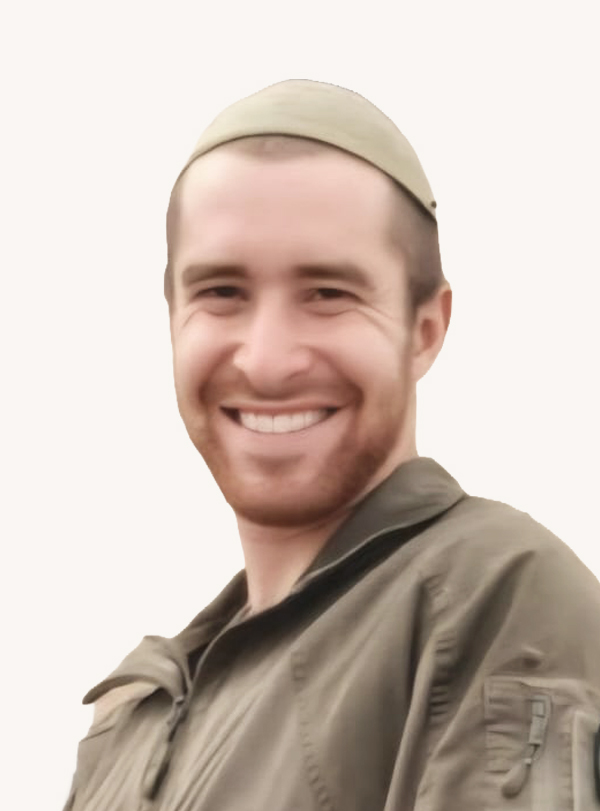
All photographs · 1
In the media
Articles
- The bereaved mother pleads through tears: Help me commemorate my son | Watch
ערוץ 7 ·
- Shlomo Yakir Shrem’s mother at his grave: “Every night I prepared a eulogy for my son”
ישראל היום ·
- Hindy Shrem parts from her son: 'I am bleeding and my heart's on fire'
Israel National News ·
- Parents of Shlomo Shrem Bid Farewell: "Give Us Strength to Endure This Nightmare"
JFeed ·
- IDF investigation reveals three soldiers killed by exploding turret, not missile
The Jerusalem Post ·
- Israel mourns three soldiers killed in tank explosion in northern Gaza
The Jerusalem Post ·
Videos
Memorial sites
- Yizkor — Sergeant Shlomo Yakir Shrem
משרד הביטחון – יזכור
- Siyum Mesechet Yoma – Between Atonement for the Individual and Atonement for the People
Rabbi Dr. Mois Navon
Memorial projects
His parents, Shaul and Hindi, together with his friends and the pre-military academy, seek to establish a yeshiva in the Gaza border region in his memory. This is a campaign to establish it and raise funds, rather than confirmation that the yeshiva has already been established.
A completion of Tractate Yoma and a sermon on Shabbat Vayeshev 5786 were dedicated to his memory. The document was written by Rabbi Dr. Mois Navon and states his name, age and unit.
Wine&Friends and Gush Etzion Winery offer a 2022 vintage red wine in memory of Sergeant Shlomo Yakir Shrem. The product page includes his name, his parents and his story. This is a commercial memorial product; the page examined contains no commitment to donate the proceeds or permission to use the content.
Stories told about them
According to the fundraising article, Shlomi asked his mother’s permission to grow sidelocks so as not to upset her. Friends were sent on his behalf to apologize to the person in charge of the petting zoo for childhood mischief.
His mother said that when he came home tired, he would ask for a list of tasks so he could help. The family had planned a vacation together for the coming Sunday, and his leave had already been approved, but he was killed before he could join them.
After he fell, notes were found in his room and glasses case in which he had written guidance for himself on humility and personal growth. A note about giving and devotion to others was found in the pocket of his uniform.
Life & service
Profile
- Date of birth
- September 13, 2004
- Birthplace
- Efrat
- Date of death
- July 14, 2025
- Age
- 20
Service
- Rank
- Sergeant
- Honours
- Posthumously Promoted
- Battle Location
- North Gaza Strip
Family
- Father
- Shaul
- Mother
- Hindi Joyce
Burial
Tributes & remembrance
שלומי היה חבר שהתגייס איתי ביחד לאותה פלוגת טירונות וצמ״פ (אימון מתקדם) עשינו יחד והתפצלנו בגדוד.
אהבתי לקרוא לו ״שרמקוש״ והוא תמיד חייך.
כי ככה הוא בחור ענב ושקט שתמיד מדבר מדרכי נועם.
תמיד ראשון בכל משימה מהשולית ביותר עד הקשה ביותר תמיד מתנדב לשמור בשעות הכי רעות בלילה
ובנוסף בשעות תש כשכולם רוצים לדבר עם המשפחה.
מסוג האנשים הטהורים שפוגשים רק בצבא באמת נשמה גדולה
לא אשכח אותך חבר
"הצבי ישראל על במותיך חלל איך נפלו גיבורים". מועצה מקומית אפרת Efrat Municipality מודיעה בצער רב על נפילתו בקרב ברצועת עזה של סמל שלמה שרם הי"ד, בנם של שאול והינדי תושבי הרימון. שלומי הוא מתוק אמיתי. ספרא וסייפא. טנקיסט בחטיבה 401 שהתגייס לפני שנה וחצי בתוך סערת המלחמה. משפחתו ותיקה באפרת. ליבנו עם הוריו, אחותו, שני אחיו ומשפחתו המורחבת באבלם הכבד ואנחנו נלווה אותם יד ביד בדרך החדשה והכואבת.
Our hearts are with his family
Source:The Jerusalem Post
both scholar and warrior.
Source:The Jerusalem Post
A difficult evening.
Source:The Jerusalem Post
finest sons
Source:The Jerusalem Post
Heartbreaking disaster.
Source:The Jerusalem Post
May their memory be blessed.
Source:The Jerusalem Post
We were the best of friends.
Source:ישראל היום
Read the Hebrew original
היינו החברים הכי טובים.
He was at peace with his decisions
Source:ישראל היום
Read the Hebrew original
הוא היה שלם עם ההחלטות שלו
The heart cries out and the tears flow.
Source:ישראל היום
Read the Hebrew original
הלב זועק והדמעות זולגות.
A person who says little and does much.
Source:ישראל היום
Read the Hebrew original
אדם שמדבר מעט ועושה הרבה.
You always lent a hand and helped, with modesty
Source:ישראל היום
Read the Hebrew original
תמיד נתת יד ועזרת, בצניעות
You asked me to bring you a list of tasks and never stopped saying thank you.
Source:ynet
Read the Hebrew original
ביקשת שאביא לך רשימת מטלות ולא הפסקת להגיד תודה.
You loved military work; everything you did, you did with joy.
Source:ynet
Read the Hebrew original
אהבת את העשייה הצבאית, כל מה שעשית היה מתוך שמחה.
Shlomi would come home and fill it with light, with his captivating smile and kind eyes. And now that light has gone out
Source:ערוץ 7
Read the Hebrew original
שלומי היה נכנס הביתה וממלא אותו באור עם החיוך הכובש והעיניים הטובות. ועכשיו האור הזה כבה
An angel in human form
Source:ערוץ 7
Read the Hebrew original
מלאך בדמות אדם
You have a pure soul. I will miss your calming presence and our Shabbats together with those comforting words of Torah.
Source:משרד הביטחון – יזכור
Read the Hebrew original
יש לך נשמה טהורה, אתגעגע לנוכחות המרגיעה שלך ולשבתות שלנו ביחד עם דברי התורה המחבקים.
Remembrance Day addresses
יום הזיכרון לחללי מערכות ישראל התשפ"ה – 2025
בכל יום שעובר, אזכור יותר! אזכור, את אלו שיצאו עימי לקרב ולא שבו, ולהם אין מי ידמה ומי ישווה. אזכור, שהכאב לא יעבור לעולם, והזמן, הוא לא מרפה ולא מרפא. אזכור, את שיברון הלב הגובר ואת הבית שבוער. אזכור, את צדקת הדרך, ואשבע שוב, שמה שהיה לא יהיה יותר. אזכור, שיותר מכל דבר אחר – אני חסר! ביום הזה, אני נתקף געגוע לדמותם, לחיתוך דיבורם, לחיוכם, ומדליק נר לזיכרון דרכם ומורשתם!
משרד הביטחון
אגף משפחות, הנצחה ומורשת
יום הזיכרון לחללי מערכות ישראל התשפ"ה – 2025
בכאב, בהצדעה ובתקווה אני מתכבד להדליק נר זיכרון זה. השנה, כשאנו נלחמים במלחמה ארוכה, רב זירתית וצודקת, הזיכרון נושא משמעות עמוקה. ביום זה נעצור ונתייחד עם זכרם של טובי בנינו ובנותינו שנפלו בהגנה על המדינה. מורשתם היא המצפן שמתווה את דרכינו, והיא המעניקה לנו כוח להמשיך ולהגן על מדינת ישראל ותושביה. משפחות יקרות, אנו מרכינים ראשנו ומתחייבים שנעמוד לצידכן תמיד. יהי זכר הנופלים ברוך.
אלוף דדו בר כליפא
ראש אגף כוח האדם, צה"ל
יום הזיכרון לחללי מערכות ישראל התשפ"ה – 2025
בשעה שאנו זוכרים את גודל תרומתם ועומק מסירות נפשם של טובי בנינו ובנותינו, נופלי מערכות ישראל לדורותיהן, ממשיכים צה"ל וכוחות הביטחון במימוש המשימה למענה לחמו ועבורה נפלו: הכרעת אויבינו מדרום, מצפון, ביהודה ובשומרון, וגם בזירות רחוקות יותר. בהערכה רבה ובגאווה אדירה אנו מרכינים ראש בפני הנופלים והנופלות, מאמצים את משפחותיהם אל לבנו, וממשיכים במשימה להבטחת קיומה של ישראל לדורי דורות. יחד נעשה ונצליח.
רב אלוף אייל זמיר
הרמטכ"ל, צה"ל
יום הזיכרון לחללי מערכות ישראל התשפ"ד – 2024
כאשר דגלינו מורדים לחצי התורן וראשינו מורכנים לזכר הנופלים והנופלות במערכות ישראל, ממשיכים לוחמי צה"ל ומפקדיו בלחימה בדרום, בצפון, ביהודה ובשומרון ובזירות נוספות. על כל דור מוטלת המשימה של הגנת העם והארץ – משימה שאף פעם אינה פוסקת. נצדיע בגעגוע ובגאווה לנופלים ולנופלות, נחבק את משפחותיהם, ונמשיך ברוח הציווי שהותירו לנו. עם ישראל חי.
רב ניצב יעקב שבתאי
המפקח הכללי, משטרת ישראל
יום הזיכרון לחללי מערכות ישראל התשפ"ד – 2024
אחיי הנופלים, כל נר הוא זיכרון יחיד ומיוחד, על חיים שהיו ואינם, געגוע שנצרב עמוק בלב, עולם ומלואו. הנרות כולם הם זיכרון של אומה כי לעולם לא עוד, בשורת הציונות וקוממיות ישראל. זיכרון כי הדרך לעם חופשי בארצנו עוברת דרך מסדר הנופלים. אור הנר יזכיר לנו את מסירות נפשכם להציל חיים, להגן על הבית. הנרות מסמנים לנו נתיב גבורה ערכי מחייב שאנו מצווים ללכת לאורו. נמשיך להילחם ולהוסיף אור מתוך אמונה בנצח ישראל.
יואב גלנט
שר הביטחון
יום הזיכרון לחללי מערכות ישראל התשפ"ד – 2024
בהצדעה ובכאב, בשם צה"ל כולו, אני מדליק נר זיכרון. בעיצומה של מלחמה, הזכרון נושא משמעות יום-יומית, שעבר והווה מתלכדים בה. לאורם של הנופלים נמשיך לצעוד, חיילי הסדיר והמילואים. לאורם של הנופלים נמשיך להגן על ארצנו ועל מולדתנו, גם כשהמחיר כבד. להבת-הזכרון תבער בנו בעודנו ממשיכים להלחם ונזכור את הנופלים ואת אומץ ליבם. משפחות יקרות, צה"ל מרכין היום ראש, מצדיע לכן וכואב איתכן. יהי זכר הנופלים ברוך.
אלוף יניב עשור
ראש אגף כוח האדם, צה"ל
יום הזיכרון לחללי מערכות ישראל התשפ"ד – 2024
בהוקרה, בגאווה ובכאב שאין לו סוף, אני מתכבד להדליק נר לזכרם של הנופלים והנופלות במערכות ישראל. סיפור חייהם בארץ הזאת, מסכת שירותם, גבורתם והקרבתם – הם סיפורה של הארץ הזאת, אך גם סיפור המחיר הכבד שהיא תובעת מאוהביה. מחויבותנו לזכר הנופלים ולדרך שהותירו לנו ניצבת תמיד לנגד עינינו. את המשימה שלא זכו להשלים, משלימים כיום, וישלימו, אנשי כוחות הביטחון, הממשיכים בדרכם ולאורם. יהי זכרם של הנופלים ברוך.
משרד הביטחון
אגף משפחות, הנצחה ומורשת
יום הזיכרון לחללי מערכות ישראל התשפ"ד – 2024
בחרדת קודש אני מתכבד להדליק נר לזכרם של חללי מערכות ישראל, חברנו שנפלו, מראשית היציאה מהחומות ולאורך כל שנות עצמאותנו המדינית והציונית, מהווים תמרור זיכרון לדרך חיינו ולמחוייבות הלאומית להנצחת זכרם. דרכם נותרה דרכנו ומורשתם נר להמשך עשייתנו. יהי זכרם ברוך!
בני גנץ
שר הביטחון
יום הזיכרון לחללי מערכות ישראל
נזכור אותם, כולנו יחד. כל אחד ואחת מהם, מדי יום ביומו, והיום ביתר שאת, כך – לנצח. "כי מדי דברי בו זכור אזכרנו עוד"
משרד הביטחון
אגף משפחות, הנצחה ומורשת