
The story
Modiin, a sprawling, young city nestled in the Shephelah hills, almost equidistant from Tel Aviv and Jerusalem, welcomed Shlomo Gortovnik on a grey, late October day in 2002. The house on the quiet street, a quietude that promised a calm future, awaited him, the second son of Sofia and Alexander. Two days earlier, on the 28th of Tishrei, 5763, Shlomo had entered the world, an exciting addition to a family that then consisted of three, with his older brother, Yosef, preparing to embrace his role as big brother, and with the future anticipation of a little sister, Avigail, who would later join them. In Modiin, then in its nascent stages, landscapes of earthworks and construction intertwined with seasonal blooms, and amidst it all, Shlomo began his life’s journey, a quiet and curious child whose large eyes absorbed the world around him with clarity and gentleness.
His childhood years in Modiin were woven with the scents of cool, fresh mornings, with the laughter of children echoing through the new streets, and with the sense of a community being built stone by stone. Shlomo grew into a child who loved to retreat into his inner world, a world rich in imagination, yet also possessing a rare ability to connect with people. He loved books, especially fantasy novels, which were for him a gateway to distant realms where heroes faced immense challenges, where magic and courage intertwined. He would spend long hours immersed between the thick pages of a book, smelling the scent of old paper, absorbing tales of knights and dragons, feeling the tension of the plot course through his veins. He didn't just read; he experienced, he imagined the sights, the sounds, the smells of enchanted forests and ancient castles, and the feelings of the characters—the fear, the hope, the determination. After finishing a book, he would return to reality with a sparkle in his eyes, ready to discuss the meaning of heroic deeds, the morality of difficult choices, and the power of true friendship.
He wasn't content with just written words. Shlomo was also drawn to the world of visual art and cinema. Through movie and television screens, he was exposed to more stories, to captivating visual worlds, and could sit for long hours, enthralled, examining the small details, the camera angles, the facial expressions of the actors. He developed a deep understanding of cinematic language and could analyze scenes and point out hidden layers in the story. His love for art and films made him a fascinating conversationalist, one who could even pique the interest of those not fond of these genres. He knew how to talk about films and books in such a vivid and exciting way that listeners would be swept away, as if they had seen the film or read the book themselves. His sense of humor, often dry and sophisticated, integrated naturally into his conversations, surprising and amusing those around him. It wasn't loud or dominant humor, but rather one that emerged at just the right moments, like a quiet flash of brilliance, leaving behind a spreading smile.
At elementary school and "Ironi Bet Yitzhak Rabin" high school in Modiin, Shlomo was not one of the boisterous students, but rather among the quieter ones. Yet this quietness did not signify indifference, but rather depth. His family and acquaintances saw in him the embodiment of the saying, "Still waters run deep." He didn't need to draw attention; his warmth and the inner light he radiated did the work. He was always there, a listening ear, an understanding smile, a serious yet warm gaze. He was surrounded by friends, not because he was the most popular or the most colorful, but because he was the most authentic, the most loyal, the one who could be trusted. His friends knew they would always receive honest, warm, and supportive advice from him, free of judgment. If someone needed help, Shlomo was there, without hesitation, without expecting anything in return. He could stay for long hours with a friend who needed to talk, listen to their dilemmas, support their decisions, or simply be there for a quiet, comforting presence.
The high school years were a period of consolidation and growth for Shlomo. He continued to cultivate his love for literature and cinema, but also discovered new facets of his personality. Between 2018 and 2021, as a teenager, Shlomo joined "Tzevet Yonatan" (Yonatan's Team), a program that prepares youth for meaningful combat service in the IDF. Joining the team was not self-evident for a boy who loved to retreat into fantasy worlds. But his engagement with books and films about heroism and courage likely fed a deeper need within him, a need to be part of something larger, to contribute, to protect. The training at "Tzevet Yonatan" was tough and challenging. It included long hikes, grueling navigation exercises, intensive physical fitness training, and lessons on values of leadership, mutual responsibility, and giving. Shlomo, with his inner calm and remarkable focus, successfully completed all tasks. He wasn't the loud one or the pushy one, but he was steady, reliable, goal-oriented. When other teenagers complained about the cold or exhaustion, Shlomo would concentrate on the task, look ahead, and quietly find ways to encourage his friends. He discovered his quiet leadership there, one that didn't need headlines or status symbols, but simply existed, stemming from pure kindness and deep responsibility. His teammates saw him as a pillar, an anchor of stability and reliability, someone they could always count on, who would stand by them even in the toughest moments. He became a true friend, one who never judged anyone, who always treated everyone fairly, and who was ready to help without hesitation anyone who needed him.
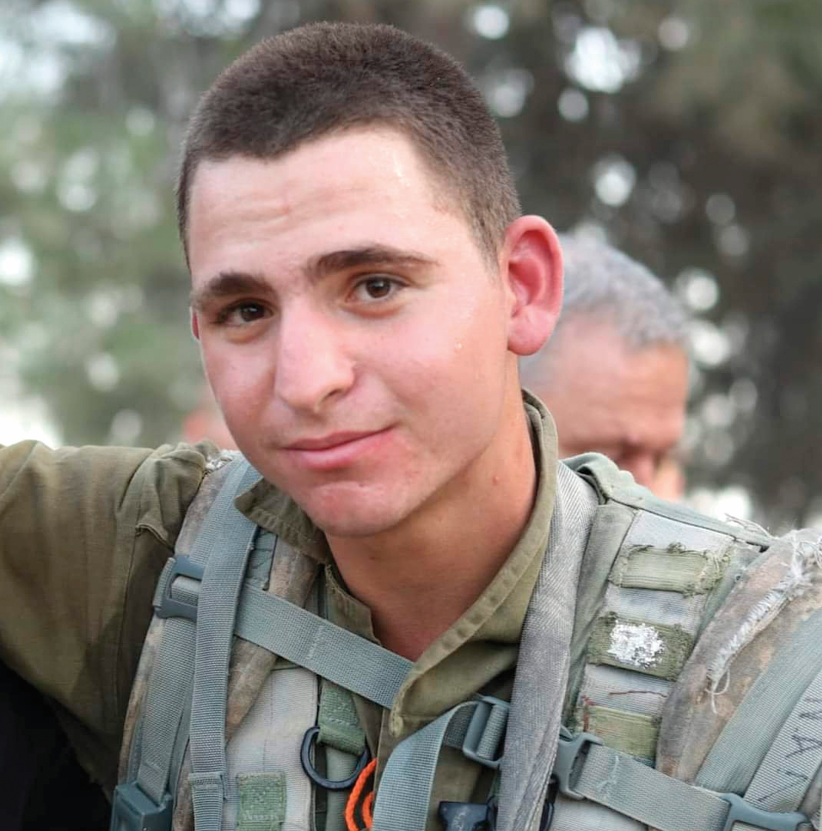
On March 23, 2021, at the age of eighteen and a half, Shlomo enlisted in the IDF. It was a natural step for him, a direct continuation of the values he absorbed at home and in "Tzevet Yonatan." He enlisted in the Armored Corps, a tough and demanding branch, and was trained as a combat medic in Battalion 46 of the "Iron Tracks" Formation (Brigade 401). The choice to be a combat medic surprised no one. Shlomo, with his kindness and sensitivity, found his calling in a role that required him to be in the field, on the front lines, and to care for people. He didn't just love books and movies; he loved people, and he had a deep need to care for them, to alleviate their suffering, to give them hope. The role of a combat medic is one of the most complex and stressful in the army. It requires extensive medical knowledge, composure under fire, the ability to make quick decisions under extreme pressure, and above all – uncompromising humanity. Shlomo excelled in his role. He studied the material thoroughly, practiced medical procedures again and again, and internalized the principles of saving lives. His commanding doctor testified about him without hesitation: "He is the best medic I have ever known." This was not just a compliment, but a recognition of his exceptional professionalism, his unwavering dedication, and his ability to remain clear-headed and sharp even in the most challenging moments.
His battalion mates, tough fighters accustomed to seeing the world through a rifle scope, called him "the humble warrior with a heart of gold." This nickname perfectly captured his essence. He was a fighter, he stood up to difficult tasks, he pushed forward, undeterred, but he did so quietly, without fuss, without seeking glory. His heart was pure gold – kind, sensitive, with a listening ear for everyone. He was the shoulder to cry on, the ear that heard difficulties, the hand that offered help. In the military reality, where there is often a rigid hierarchy, Shlomo managed to create a space of equality and humanity. He judged no one, treated no one differently because of their rank or role, and always gave fair and respectful treatment to all. Yonatan, a close friend, described him as a truly special person, pure, with a big heart, who never judged anyone. "He was a true friend," Yonatan said, "who was always ready to help without hesitation anyone who needed him. Just Shlomo. He was there." Between grueling training and tedious guard duty, Shlomo found a way to breathe life, to remind everyone of their humanity, of the connections that bound them. He would bring his fantasy books to the base, share stories with his friends, or talk to them about new movies he had seen on leave. These conversations, about other worlds, were often a welcome respite from the harsh reality of the army, allowing the young fighters to maintain a connection to who they were before they became fighting machines.
Towards the end of 2023, as his military service neared its end, Shlomo's heart was filled with excitement and plans. He envisioned the big trip abroad, the absolute freedom to wander the world, see new landscapes, meet different cultures, gather experiences that would reshape him. He imagined himself with a backpack, hiking on remote trails, eating exotic street food, photographing beautiful moments. Beyond the trip, his plans were clear and focused. He wanted to study screenwriting. His love for films and stories, which began in his childhood, had solidified into a professional aspiration. He dreamed of writing his own screenplays, creating new worlds, moving and provoking thought through the cinema screen. He saw himself sitting in front of a computer for long hours, building characters, weaving plots, incorporating sharp and moving dialogues. He could talk for hours with his family and friends about film ideas, about characters he had spun in his imagination, about scenes he had envisioned in his head. The future looked bright, full of possibilities, and he was ready to embark, to devour life, to enjoy every moment of freedom and creation.
But life, like an unexpected script, took a cruel turn. On Saturday morning, the 22nd of Tishrei, Simchat Torah 5784, October 7, 2023, at six-thirty, an air raid siren wailed, tearing through the Sabbath quiet. This was not just another routine siren. Something in the air was different, heavier, more menacing. The Hamas terrorist organization launched a massive surprise attack on Israel. Heavy barrages of missiles and rockets were fired from the Gaza Strip towards population centers in the country, and under their cover, thousands of terrorists infiltrated the border – by land, sea, and air. They raided the communities surrounding Gaza, Sderot, Ofakim, and Netivot, massacred revelers at a nature party near Kibbutz Re'im and Nir Oz, attacked IDF bases, and harmed passersby on the roads. The images and testimonies that began to flow were unimaginable: eight hundred civilians murdered in their homes and cars, hundreds of Israelis abducted to the Gaza Strip, homes destroyed, looted, and set on fire. Hundreds of soldiers, police officers, security forces, and local emergency squads fell in battle. In one terrible morning, a war began.
The alert for mobilization came swiftly. Shlomo's phone vibrated urgently, calling him back to his unit. He didn't hesitate for a moment. The atmosphere at home was tense. The sirens continued to wail intermittently, the news reports were unbearable. Shlomo quickly packed his bag, kissing his parents, Alexander and Sofia, and his brother and sister. The farewell was brief, hurried, filled with worry, but also with the understanding that this was his duty. He got into his car, leaving behind his home in Modiin, his dreams of travel and screenplays, and drove into the unknown, to his unit mates, to the service for which he had been trained. In the following days, Shlomo and his unit participated in the clearing operations of the Gaza Envelope area, sweeping area after area, purifying kibbutzim and communities of the remaining terrorists. The sights that unfolded before their eyes were unbearable and left a deep mark. Afterwards, they began intensive training for the anticipated ground fighting in the Gaza Strip. The tension was palpable in the air; the fighters knew what they were heading into, and long hours were dedicated to practice, to memorizing procedures, to strengthening the bonds between team members.
A few weeks later, the order was given. Forces began to enter the Gaza Strip by ground. Shlomo, along with his battalion mates, entered Gaza, into the unknown reality of fighting in built-up areas, in tunnels, against a cruel and invisible enemy. Every step was calculated, every corner checked, every gaze alert. His role as a combat medic was more critical than ever. He knew that the lives of his friends depended on him, on his composure, his skill, and his quick reactions. He carried the heavy medic equipment on his shoulders, but more than anything, he carried the heavy responsibility. The smell of gunpowder, the incessant sounds of gunfire, the shouts of commands – all became an inseparable part of his daily routine. He saw his friends injured, treated them with endless devotion, provided them with life-saving care, and brought them out of the circle of danger. He was there, always there, for them.
On Thursday, November 18, 2023, the 5th of Kislev 5784, Shlomo's battalion embarked on a military operation in Jabalia in the northern Gaza Strip, with the aim of clearing the area of terrorist nests. The battalion launched an attack, and movement through the narrow alleys and dense buildings was slow and dangerous. Shlomo was inside a Namer armored personnel carrier (APC) of the battalion's medical aid station (Tagad) – positioned in the heart of the activity, ready to treat any wounded. Suddenly, without warning, the Namer was caught in a well-planned ambush by terrorists. An anti-tank missile was fired at them, a direct hit. The explosion was horrific, a dull roar that shook the entire vehicle. Thick smoke filled the Namer's interior, and warning lights began to flash urgently. The soldiers inside absorbed the impact, and several of them were wounded.
Amidst the confusion and chaos, amidst the pungent smell of smoke and dust, Shlomo the medic did not lose his composure. The grueling training, the experience he had gained, and his quiet, focused nature, all converged in that moment. He immediately began rescue and treatment operations. He extracted injured soldiers from the damaged Namer, moved them to the nearby open area, and immediately began life-saving medical treatment. He worked quickly, efficiently, determinedly, under incessant fire. He bandaged wounds, stopped bleeding, stabilized the condition of seriously wounded soldiers, all while giving clear instructions to his assisting comrades. He saved lives, one after another, caring for each of them as if they were his younger brother.
But while treating one of his friends, fully concentrated on his sacred mission, another terrorist emerged from the rubble and fired another anti-tank missile. The missile flew rapidly towards the soldiers, and Shlomo, in a flash, with an instinctive understanding of the immediate danger, lunged forward. He blocked the path of the missile with his body. The impact was direct, fatal. Staff Sergeant Shlomo Gortovnik was killed instantly. In this supreme act of heroism, in his final moments, he saved the lives of his teammates. He did not think of himself, only of others. He did not want to die; he wanted to live, to travel, to write, to love, but when required, he chose to protect his friends with his body, at the cost of his life. He was only twenty-one years old when he fell.
The news of Shlomo's fall struck his family in Modiin like a thunderclap on a clear day – his parents Sofia and Alexander, his brother Yosef, and his sister Avigail, and his many friends. The pain was incomprehensible, the shock profound. The child who loved books and films, the humble teenager with a heart of gold, the outstanding medic who saved lives, was no more. The grief was heavy, unbearable. Shlomo was laid to rest in the military plot in the Modiin cemetery, draped in the flag of Israel, accompanied by thousands of people who came to pay their last respects. The heavy silence that pervaded the funeral ceremony echoed Shlomo's quiet nature, but also the silent cry of broken hearts. His parents, brother, and sister stood there, trying to contain the incomprehensible magnitude of the loss, the reality in which their son's great dreams were abruptly cut short.
The legacy of Shlomo Gortovnik, the humble warrior with a heart of gold, continues to live on and illuminate our path. To commemorate his memory and his deeds, a street in Modiin, not far from his childhood home, was dedicated and bears his name. Every time the city's residents pass through this street, they will remember him, his story, his heroism. Shlomo's memory is also preserved on the website of "Tzevet Yonatan," the place where he trained and was forged as a teenager. In January 2025, a special training session was held there in his memory, where other young people, perhaps similar to him in their quiet nature and depth, followed in his footsteps, learned his values, and heard about his heroic act. He is also commemorated on the website of "Ironi Bet Yitzhak Rabin" school where he studied, on the "Memories+" website, and on social networks "X" and Instagram, where his friends and family continue to share stories, photos, and memories of him, keeping the flame of his memory burning.
Shlomo Gortovnik did not get to travel the world, did not get to study screenwriting, did not get to write the stories he wove in his imagination. But he wrote the greatest story, the most human story, the story of boundless giving, of quiet courage, of sacrifice for others. His life story, cut short prematurely, is a testament to the power of the human spirit, to the ability of one person to impact his surroundings so profoundly, to radiate warmth, kindness, and love. He fell as a combat medic, while saving lives, exactly as he lived – focused, dedicated, and willing to sacrifice everything for others. Shlomo Gortovnik is not just a name on a tombstone or a street; he is an inspiration, a living memory of a true hero, whose heroism stemmed from his very humanity, from his big heart, and from his choice to protect his home, his people, and his friends. He is an inseparable part of the story of the rebirth of the State of Israel, a hero we will remember forever.
Moments of a life
All photographs · 2
In the media
Articles
- The Moving Memorial Near the Home of Staff Sergeant Shlomo Grotovnik, of Blessed Memory
mynet מודיעין ·
- IDF Announces The Deaths Of 6 Soldiers, Raising The Death Toll To 57
The Yeshiva World ·
- “He Saved Them”: An Unbelievable Story from One of the Battles in Gaza
ערוץ 14
- A Day to Remember: The Birthdays of Fallen IDF Soldiers in October
ynet
Memorial sites
- Shlomo Gortovnik
הנוער העובד והלומד
- Staff Sergeant Shlomo Gurtovnik
יזכור משרד הביטחון
- Shlomo Gurtovnik — the story behind the memorial jewelry
Yasmin Jewelry
Memorial projects
An uphill street section near his childhood home in Modiin was inaugurated in his memory in March 2024.
Team Yonatan, where he trained in preparation for military service, held a special training session in his memory in January 2025.
Yasmin Jewelry's Shlomo pendant was designed in a frame resembling a film strip, with a figure running against mountains and a sunset. The product page explains that the design relates to his love of cinema and running and his dream of traveling in New Zealand; the homepage link explicitly states that it is in memory of Shlomo Gurtovnik.
Stories told about them
When the battalion aid station’s Namer armored personnel carrier was hit in an ambush in Jabalia, Shlomo treated the wounded soldiers evacuated from it. According to Yizkor, he was struck by another antitank missile while treating them, and by blocking the fire with his body, he saved teammates.
Life & service
Profile
- Date of birth
- October 4, 2002
- Birthplace
- Modiin-Maccabim-Reut
- Date of death
- November 18, 2023
- Age
- 21
- Hometown
- Modiin-Maccabim-Reut
Service
- Rank
- Staff sergeant
- Battle Location
- Gaza Strip
Family
- Father
- Alexander
- Mother
- Sofia
Burial
Cemetery
Intelligence
Tributes & remembrance
במותם ציוו לנו חיים
מנוחתו עדן הי"ד
גיבור אהוב
יהי זכרו ברוך , היה לי את הזכות לשרת איתו
היה בן אדם מדהים עם לב ענק.
יהי זכרו ברוך , היה בן אדם מדהים עם לב ענק היה לי את הזכות לשרת אותו
משתתפים בצערה העמוק של משפחת גורטובניק
על נפיחתו של בנם החכם והיפה
יהי זכרו ברוך
לב זהב וחיוך ענק
אין מספיק מילים שיתארו איזה בן אדם היית..
אוהבת מאוד וזוכרת אותך תמיד וכל הזמן
שלמה , ילדות שלמה היינו יחד, היינו ילדים , צחקנו בכינו רצנו , מה שילדים עושים מה שילדים אוהבים, התבגרנו וגילינו שאנחנו יכולים לעשות יותר ממה שאנחנו חושבים, שלמה היקר אתה בלב שלי ואתה חסר, אני מתגעגע
אוהבים וזוכרים.
שלמה החובש אציל הנפש
״מנהיגות שקטה״
החברים מהנמר המעושן
לעולם לא ישכחו אותך.
אמא של דובי.
העולם בלעדיך חסר
מאמא של דובי,מהנמר שלך
שמעתי עליך המון מכל החברים.
הם יזכרו ויספרו אודותיך תמיד.
חיבוק למשפחתך.
יהי זכרו ברוך,
שלמה לנצח תהיה בלב שלי בחיים לא אשכח את האור שהכנסת איתך לכל מקום שהלכת אוהב אותך לתמיד
יהי זכרו ברוך, לנצח בלב
שלמה חיים שלי הלב הכי גדול גיבור שלנו כמה שאתה חסר כמה שאני מתגעגעת לצחוקים אליך שמור עלינו מלמלא תמיד נזכור אותך מלאך
יהי זכרך ברוך ומנוחתך עדן
יהי זכרו ברוך, שנהיה ראויים.
חיל הרפואה מתייחד עם זכרם של נופליו.
אנו מדליקים נר לזכר כוחות הרפואה שנפלו בעת מילוי תפקידם, במסירות אין קץ ובאהבת האדם.
אנו מרכינים ראש לזכרם, מוקירים את תרומתם ומתחייבים לשאת את מורשתם עמנו, בכל אשר נלך.
כי מדי דברי בו, זכור אזכרנו עוד. (ירמיהו לא)
שלמה אחי אתה חסר
איש יקר ואהוב קשה להאמין שאתה לא פה
תודה לך שלמה על הכל
מקווה שטוב לך שם
אוהב מאוד
יהיה זכרך ברוך
יהי זכרו ברוך.
שלמה, אתה איתנו לנצח, נזכור אותך
תודה לך,שלמה היקר,
על שהגנת עלינו , בגופך ובנשמתך.
כמה כואבת הקרבתך !
תנחומים לכל יקיריך .
יהא זכרך ברוך,גיבור ישראל.
יהי זכרו ברוך
ילד שהוא מלך! תמיד עוזר לכולם ותמיד דואג לכולם, הגדוד לא אותו דבר בלעדייך
נתגעגע אלייך שלמה
בחיים לא אשכח אותך. תודה על מי שהיית. יהי זכרך ברוך
חבר יקר
תמיד כשחושב על שלמה נזכר בחיוך הענק שלו
סולם ערכים הכי גבוה שיש
מודל לחיקוי בשבילי
ערב יום הזיכרון התשפ״ד - 2024
לוחמי ומפקדי חטיבה 401, זוכרים ומזכירים את נופלי החטיבה, לומדים את סיפור חייהם והולכים לאורם.
״הַצְּבִי, יִשְׂרָאֵל, עַל-בָּמוֹתֶיךָ חָלָל אֵיךְ נָפְלוּ גִבּוֹרִים״
לזכרך שלמה, ולכבוד אלכס והמשפחה להם אבקש רק טוב מכאן והלאה, שחיזקו אותי כשבאתי לחזק.
שלמה
היית אדם מדהים, צנוע, בעל סט ערכים מהדרגה הראשונה
לא התראינו הרבה אבל כשהתראינו, תמיד שמחתי לראות אותך ולהתעדכן איתך
אלוהים אכן לוקח את הטובים ביותר
אני אוהב אותך אחי, וכאוב שדווקא אתה הלכת.
Shlomo Gurtovnik, the modest fighter with a heart of gold
Source:מיינט מודיעין
Read the Hebrew original
שלמה גורטובניק הלוחם הצנוע עם לב הזהב
His friends told us they had gotten off lightly thanks to Shlomo
Source:ערוץ 14
Read the Hebrew original
החברים שלו אמרו לנו שיצאו בזול בזכות שלמה
The great warmth he radiated toward us all
Source:ynet
Read the Hebrew original
החום הגדול שהקרין על כולנו
Remembrance Day addresses
יום הזיכרון לחללי מערכות ישראל התשפ"ה – 2025
בכל יום שעובר, אזכור יותר! אזכור, את אלו שיצאו עימי לקרב ולא שבו, ולהם אין מי ידמה ומי ישווה. אזכור, שהכאב לא יעבור לעולם, והזמן, הוא לא מרפה ולא מרפא. אזכור, את שיברון הלב הגובר ואת הבית שבוער. אזכור, את צדקת הדרך, ואשבע שוב, שמה שהיה לא יהיה יותר. אזכור, שיותר מכל דבר אחר – אני חסר! ביום הזה, אני נתקף געגוע לדמותם, לחיתוך דיבורם, לחיוכם, ומדליק נר לזיכרון דרכם ומורשתם!
משרד הביטחון
אגף משפחות, הנצחה ומורשת
יום הזיכרון לחללי מערכות ישראל התשפ"ה – 2025
בכאב, בהצדעה ובתקווה אני מתכבד להדליק נר זיכרון זה. השנה, כשאנו נלחמים במלחמה ארוכה, רב זירתית וצודקת, הזיכרון נושא משמעות עמוקה. ביום זה נעצור ונתייחד עם זכרם של טובי בנינו ובנותינו שנפלו בהגנה על המדינה. מורשתם היא המצפן שמתווה את דרכינו, והיא המעניקה לנו כוח להמשיך ולהגן על מדינת ישראל ותושביה. משפחות יקרות, אנו מרכינים ראשנו ומתחייבים שנעמוד לצידכן תמיד. יהי זכר הנופלים ברוך.
אלוף דדו בר כליפא
ראש אגף כוח האדם, צה"ל
יום הזיכרון לחללי מערכות ישראל התשפ"ה – 2025
בשעה שאנו זוכרים את גודל תרומתם ועומק מסירות נפשם של טובי בנינו ובנותינו, נופלי מערכות ישראל לדורותיהן, ממשיכים צה"ל וכוחות הביטחון במימוש המשימה למענה לחמו ועבורה נפלו: הכרעת אויבינו מדרום, מצפון, ביהודה ובשומרון, וגם בזירות רחוקות יותר. בהערכה רבה ובגאווה אדירה אנו מרכינים ראש בפני הנופלים והנופלות, מאמצים את משפחותיהם אל לבנו, וממשיכים במשימה להבטחת קיומה של ישראל לדורי דורות. יחד נעשה ונצליח.
רב אלוף אייל זמיר
הרמטכ"ל, צה"ל
יום הזיכרון לחללי מערכות ישראל התשפ"ד – 2024
כאשר דגלינו מורדים לחצי התורן וראשינו מורכנים לזכר הנופלים והנופלות במערכות ישראל, ממשיכים לוחמי צה"ל ומפקדיו בלחימה בדרום, בצפון, ביהודה ובשומרון ובזירות נוספות. על כל דור מוטלת המשימה של הגנת העם והארץ – משימה שאף פעם אינה פוסקת. נצדיע בגעגוע ובגאווה לנופלים ולנופלות, נחבק את משפחותיהם, ונמשיך ברוח הציווי שהותירו לנו. עם ישראל חי.
רב ניצב יעקב שבתאי
המפקח הכללי, משטרת ישראל
יום הזיכרון לחללי מערכות ישראל התשפ"ד – 2024
אחיי הנופלים, כל נר הוא זיכרון יחיד ומיוחד, על חיים שהיו ואינם, געגוע שנצרב עמוק בלב, עולם ומלואו. הנרות כולם הם זיכרון של אומה כי לעולם לא עוד, בשורת הציונות וקוממיות ישראל. זיכרון כי הדרך לעם חופשי בארצנו עוברת דרך מסדר הנופלים. אור הנר יזכיר לנו את מסירות נפשכם להציל חיים, להגן על הבית. הנרות מסמנים לנו נתיב גבורה ערכי מחייב שאנו מצווים ללכת לאורו. נמשיך להילחם ולהוסיף אור מתוך אמונה בנצח ישראל.
יואב גלנט
שר הביטחון
יום הזיכרון לחללי מערכות ישראל התשפ"ד – 2024
בהצדעה ובכאב, בשם צה"ל כולו, אני מדליק נר זיכרון. בעיצומה של מלחמה, הזכרון נושא משמעות יום-יומית, שעבר והווה מתלכדים בה. לאורם של הנופלים נמשיך לצעוד, חיילי הסדיר והמילואים. לאורם של הנופלים נמשיך להגן על ארצנו ועל מולדתנו, גם כשהמחיר כבד. להבת-הזכרון תבער בנו בעודנו ממשיכים להלחם ונזכור את הנופלים ואת אומץ ליבם. משפחות יקרות, צה"ל מרכין היום ראש, מצדיע לכן וכואב איתכן. יהי זכר הנופלים ברוך.
אלוף יניב עשור
ראש אגף כוח האדם, צה"ל
יום הזיכרון לחללי מערכות ישראל התשפ"ד – 2024
בהוקרה, בגאווה ובכאב שאין לו סוף, אני מתכבד להדליק נר לזכרם של הנופלים והנופלות במערכות ישראל. סיפור חייהם בארץ הזאת, מסכת שירותם, גבורתם והקרבתם – הם סיפורה של הארץ הזאת, אך גם סיפור המחיר הכבד שהיא תובעת מאוהביה. מחויבותנו לזכר הנופלים ולדרך שהותירו לנו ניצבת תמיד לנגד עינינו. את המשימה שלא זכו להשלים, משלימים כיום, וישלימו, אנשי כוחות הביטחון, הממשיכים בדרכם ולאורם. יהי זכרם של הנופלים ברוך.
משרד הביטחון
אגף משפחות, הנצחה ומורשת
יום הזיכרון לחללי מערכות ישראל התשפ"ד – 2024
בחרדת קודש אני מתכבד להדליק נר לזכרם של חללי מערכות ישראל, חברנו שנפלו, מראשית היציאה מהחומות ולאורך כל שנות עצמאותנו המדינית והציונית, מהווים תמרור זיכרון לדרך חיינו ולמחוייבות הלאומית להנצחת זכרם. דרכם נותרה דרכנו ומורשתם נר להמשך עשייתנו. יהי זכרם ברוך!
בני גנץ
שר הביטחון
יום הזיכרון לחללי מערכות ישראל
נזכור אותם, כולנו יחד. כל אחד ואחת מהם, מדי יום ביומו, והיום ביתר שאת, כך – לנצח. "כי מדי דברי בו זכור אזכרנו עוד"
משרד הביטחון
אגף משפחות, הנצחה ומורשת