The story
In a home embraced by green wheat fields, dripping with the morning dew of the Western Negev, in Kibbutz Alumim, a child named Shahaf was born on the 22nd of Tammuz, 5750, July 15, 1990. He was the second son of Shlomit and Dov, later joined by his brothers Yaakov and Tal, and his younger sister Levona, together forming a warm and vibrant family mosaic. The house, with its simple, airy walls, was always filled with children's laughter, the aroma of fresh Shabbat meals, and the lively discussions that rolled around the dining table. Shahaf grew up steeped in the kibbutz spirit, absorbing its values with his mother's milk, seeing the world through a window that overlooked the open expanses of the Negev, the reddish earth that changed its hues with the seasons, and the vast skies stretching above. He was a curious child whose small feet knew no rest, always eager to explore the hidden corners of the kibbutz, the colorful bougainvillea bushes, the distant smells of the cowshed, and the sounds of tractors plowing the fields at dawn.
From his youth, Shahaf was drawn to the land, to manual labor that demanded patience, precision, and strength. He was a kibbutznik through and through, and agriculture, a central branch of his kibbutz, became an inseparable part of his identity. He didn't just "love the Negev land"; he felt this love with all his senses: the rough touch of his young hands on the cool, damp kibbutz soil at six in the morning, as the sun began to send its first rays over the horizon. He remembered the deep, rhythmic roar of the tractor speeding through the fields, leaving straight, compacted paths behind it, and the profound sense of satisfaction that washed over him at the end of a long day's work under the scorching sun, when he saw the produce laid out in piles, a silent testament to his labor. He learned to recognize every type of soil, the growth rate of different crops, the importance of irrigation systems, and the immense power of nature, which could give and take in one breath. For him, the fields were not just a workplace, but an open space for thought, contemplation, and a deep connection to his roots, to the story of settlement and Zionism that Shahaf absorbed from birth.
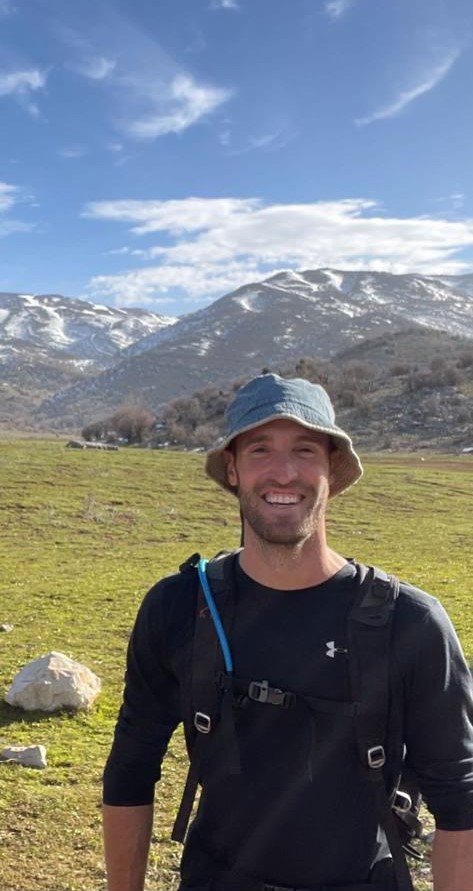
Beyond the fields, Shahaf found solace and joy in the broader nature of the Negev and the proximity of the sea. During the scorching summer months, when the air shimmered above the yellow earth, he would frequently visit Zikim Beach, where the salty wind caressed his face and the warm sand sank between his toes. He always arrived equipped with matkot paddles, and their cheerful clatter echoed along the waterline, mixing with the rustle of the waves. He loved the feeling of freedom and upliftment the sea offered, the infinite expanse that opened before him, and the inner peace he found before nature's immense power. His love for the land was not just a general emotion, but a deep and wondrous knowledge of every path and trail, of every piece of landscape. From a young age, he would hike on foot, absorbing every detail: the sight of desert flowers blooming suddenly after rain, the unique scent of desert plants, the sounds of migratory birds. He displayed remarkable expertise in the knowledge of the land, its history and geography, the roads and highways that crossed it, the hidden springs, and the special plants that adorned its landscapes. Ze'ev Hanoch (Zhabo) Erlich, a renowned scholar of the Land of Israel, was Shahaf's uncle, and in lively family gatherings, they would exchange experiences and information about various hiking trails, with young Shahaf asking sharp questions and absorbing every word with impressive knowledge, as if collecting precious treasures. These dialogues, over spread maps and open travel books, were formative moments that strengthened his immense love for the country's heritage and landscape.
The home in which Shahaf grew up was a stable anchor of love and support. He was a devoted son to his parents, Shlomit and Dov, and a loving brother to his three siblings. Shabbat meals were a regular experience, where the whole family gathered around a table laden with good food, with laughter and conversations intertwining. Shahaf, with his quiet yet dominant presence, was always there, listening, participating, and contributing his share. In his childhood, he spent long hours playing ball with his siblings and friends in the kibbutz yard, always with scraped knees and a wide smile. He learned the importance of a team, the sense of partnership, and the joy of a shared victory. The bond with his brothers and sister was deep and unwavering, a bond of mutual support, help in times of need, and true friendship. Yaakov, Tal, and Levona were for him not just family members, but also partners on the journey, in dreams and experiences. This bond, built on foundations of unconditional love and shared values, accompanied him throughout his life and was one of the pillars of his personality.
Upon completing his high school studies, just before enlisting in the IDF, Shahaf chose to study at the "Arzei HaLevanon" pre-military academy in Ma'ale Efraim. This was a period of significant development, where he combined in-depth studies with many challenging hikes in the landscapes of Judea and Samaria. The studies at the academy broadened his horizons, deepened his understanding of heritage and history, but the hikes were where he truly felt alive. He walked ancient paths, crossed streams, and faced the challenges of nature, surrounded by a group of enthusiastic young people like himself. The desert, with its harsh beauty and infinite silence, spoke to his soul. This was a period when he formulated his worldview, his values, and his path. In the academy's yearbook, he wrote a sentence that perfectly reflected his perspective: "It doesn't matter how many years there are in life, what matters is how much life there is in the years." This sentence, which later became his spiritual testament, symbolized his passion to live every moment to the fullest, to fill his life with experiences, meaning, and incessant action.
In August 2009, filled with motivation and a sense of mission, Shahaf enlisted in the IDF. He chose to serve as a combat soldier in the "Orev" reconnaissance company of the Nahal Brigade, an elite combat unit that demanded high physical and mental capabilities. The training process was challenging, full of grueling marches, exhausting exercises, and complex drills. But Shahaf, with his determination and strong spirit, met every challenge. He completed a combat medic course, which exposed him to another side of military service – the need to provide first aid and save lives under fire. He joined advanced training as a combat medic in a team, and towards his release, thanks to his professionalism and dedication, he served as a company medic (Hofal) in the reconnaissance company. Throughout his service, he stood out as a brave soldier, highly motivated, proactive, and responsible. He was not afraid to express his opinion with his powerful and unique voice, even if it differed from the mainstream, always out of a deep inner conviction in the righteousness of his path.
Beyond his operational and professional skills, Shahaf was very much loved by the soldiers who served with him. He was a central figure who managed to maintain high morale even in the most challenging moments of service. Amidst the pressure of training and operational activity, he would find a way to make those around him laugh, to release tension with a joke or a witty remark. His friends from the Nahal "Orev" reconnaissance company remembered him as someone who taught them to be good to others even when it was difficult, to help even when you yourself needed help, to overcome pain and show strength to empower those around them. "You were a dear friend and a special person not seen every day. We will always remember you," they eulogized him. He was the medic you could trust with your eyes closed, the one who cared for everyone, who asked about their well-being, who checked if someone needed something, and who was the first to lend a hand. His role as a combat medic was not just a job for him, but a way of life, another expression of his natural inclination to help and care. He also volunteered to serve as a medic on the annual trip in memory of the helicopter disaster victims, which demonstrated his deep commitment to memory and community.
Upon completing his military service, Shahaf felt the need to distance himself a little, to experience a different world. He embarked on a long trip to South America, a backpack on his back, and eyes wide open. He hiked in the snowy Andes, wandered through colorful markets, and met people from different cultures. This journey, full of adventures and discoveries, broadened his world, gave him a new perspective on life, and strengthened his sense of independence and ability to cope with the unexpected. It was a period of absolute freedom, where he could devote himself entirely to exploring the world and himself, without limitations or schedules. His brother Tal, who joined him on a shared trip to Nepal, remembered these experiences with deep affection: "I was privileged to experience countless adventures with Shahaf, to hike in the Himalayas, we had quality time as brothers. I am grateful for the privilege of experiencing this trip, of being your brother and living alongside you for 31 years." These trips, whether with family or alone, were for him a way to experience the world directly, to learn and grow.
Upon his return to Israel, enriched by experiences and maturity, Shahaf chose to return to his roots – to the land and water, but this time with a modern and technological approach. He studied Water Technologies Engineering at Sapir Academic College in the Negev, a field that combined his love for nature with the ability to solve practical problems. In his role as a water engineer, he supervised irrigation and field crop (Gadash) work in Kibbutz Alumim. He enjoyed the physical work in nature, planning innovative irrigation systems, checking water pressure in pipes, and ensuring that every plant received its precise water ration. This was a realization of values that guided him: Zionism, settlement in the Negev, and Hebrew labor in agriculture. He saw his work not just as a livelihood, but as a mission, a contribution to building and flourishing the land, a promise that the Negev would continue to bloom and bear fruit.
His love for the Land of Israel was deep and broad, expressed not only in his work and travels but also in his comprehensive knowledge. He knew every path and trail in it, and traveled each of them from a young age, not just for pleasure, but to understand, learn, and experience. He displayed remarkable expertise in the history and geography of the land, able to tell about every site, every crossroads, every hidden spring, and every unique plant. His uncle, Ze'ev Hanoch (Zhabo) Erlich, the scholar of the Land of Israel, was his natural partner in these conversations. Shahaf would sit opposite him, his eyes sparkling, debating historical interpretations, sharing information about new routes he had discovered, or describing a rare plant he had identified. These dialogues were for Shahaf more than just conversations – they were living lessons in love of the land, in delving into its soul, and in an immediate connection to its heritage.
Alongside his work in the fields and his travels, Shahaf also found release and joy in the world of music. He loved Israeli music with all his heart, especially the artists who were the soundtrack of his generation: Berry Sakharof, Ehud Banai, and the rock band "Beit HaBubot." These songs, with their deep lyrics and captivating sounds, accompanied him at work, on drives, and on quiet evenings at home. He would sing them, hum them, and they formed a soundtrack to his life. His sister Levona, when choosing a song in his memory, did not hesitate for a moment: "When we raised the idea of choosing a song, it was clear to me that I would choose a Berry Sakharof song. You always listened to his albums and for years you loved listening to him. I chose to dedicate the song 'Yamin Shel Kayitz' (Summer Days) to you - because you loved summer so much, and I immediately connected to the next line from the song - 'Only if war comes will it bring us home... like after a war, if it comes, it will come...'" Alongside Hebrew songs, he also listened to the songs of the international band "U2," a diversity that testified to the depth and breadth of his taste. Music was for him not just entertainment, but a language, a way to express emotions, connect to experiences, and dream.
Even in adulthood, Shahaf maintained a warm and close daily relationship with his parents and siblings. He was actively involved in their lives, interested, supportive, and encouraging. Shabbat and holiday meals at his parents' home in Alumim were a constant anchor for him, moments of gathering, sharing, and family laughter. He was a perfect uncle to his nephews and nieces, who adored him and begged him to take them on adventures and trips. Shahaf, with endless patience and immense knowledge, would explain places and sites to them, answer all their curious questions, and transmit his love for the land and nature. He was the uncle who was always there to listen, advise, play, and teach. His love was not limited only to his nuclear family; he was also very much loved in his extended family, a central figure who connected everyone, radiating warmth and love.
Beyond his family, Shahaf was a devoted friend, the kind of person everyone would want to have. His friends described him as "a friend everyone would want to have," a person with a big heart, quick to be the first to help, even before being asked. He always volunteered to give someone a ride to the train, took his coworker's children to their classes, and with his sturdy pickup truck, helped friends move belongings and relocate. All this, always with joy and willingness, out of a genuine desire to contribute and help. He expected no return, but acted out of pure kindness. Michal Simon, his friend, wrote: "I take from them (the deep conversations) who you were, who you could have been, and who we need to be, to be worthy of a friend like you." Noa Hollander, his cousin, described him as "a sweet young man, full of love. Love for your siblings, love for your sweet nephews and nieces, love and care for your parents, love for Alumim, the kibbutz where you grew up and continued to work even after you moved to Kfar Aza. Full of love for the sea, for this land and its people, volunteering and helping your friends at every opportunity." He was a figure who connected people, who created community, and who spread optimism and kindness around him.
Sport was an inseparable part of Shahaf's life, a way to express his energy, maintain physical fitness, and also enjoy the company of others. In his childhood, he spent long hours playing ball with his brothers and friends, with basketball being his great love. In his youth, he consistently participated in a basketball club, refining his skills. In adulthood, he continued to play basketball, joined the "Hapoel Kfar Aza" team, and was an active and dominant part of it. But he didn't stop there; he trained with strength exercises in the gym, practiced yoga which contributed to his flexibility and peace of mind, and regularly swam in the kibbutz pool. On Fridays, he would play soccer with friends, with laughter and cheers echoing from afar. But above all, he loved to run. In the early morning hours, even before going to work in the fields, he would go for long runs on the kibbutz paths and between the fields, when the air was still cool and fresh and the rising sun colored the sky in shades of gold and crimson. He engaged in sports according to a structured plan, invested in appropriate equipment, and encouraged his friends to run long distances and maintain physical fitness, serving as a personal example of perseverance and commitment.
But Shahaf didn't just engage in sports for himself. He found a place where he combined his love for running with his deep inclination to help others: he volunteered in the running group of the "Etgarim" (Challenges) association, Be'er Sheva branch. In this capacity, he served as a guide runner for visually impaired people, leading them on routes, guiding them, and serving as additional "eyes" for them. The "Etgarim" association aimed to empower people with disabilities through challenging outdoor sports activities, and Shahaf was a full partner in this vision. These shared runs were a source of immense satisfaction for him, as he saw the joy and achievements of the people he accompanied, the sense of freedom and empowerment they experienced thanks to him. He formed deep connections with the trainees and other volunteers and became an integral part of the "Etgarim" community, which saw him as a role model and a truly special person.
Since completing his regular service, Shahaf never gave up on reserve duty. He continued to serve as a combat soldier in reconnaissance battalion 6408, a reconnaissance battalion composed of Nahal Brigade veterans, within the "Etzioni" Brigade. Even in the reserves, he stood out for his dedication and professionalism. He was an exceptionally devoted team member, always the first to arrive at every activity and the last to leave, ensuring that all tasks were properly executed and equipment was organized. He saw reserve duty as a supreme civic duty, another way to contribute to the country and protect its residents. In his last reserve service, he received a certificate of appreciation as an "outstanding line soldier," further testament to his unwavering commitment and excellent performance. His "Orevnikim," his friends from the reconnaissance company, remembered him as someone who "served his entire life in the Nahal Orev company, both in regular service and in reserves," and as someone who was "a brave combat soldier, a friend. A special person, who always had a smile on his face, and everyone who knew him loved him."
In his late twenties, seeking his place and wanting to establish his own home, Shahaf moved to the nearby Kibbutz Kfar Aza. Although he left his childhood home, he continued to work in agriculture in Kibbutz Alumim, maintaining a close connection to his roots. The move to Kfar Aza was a natural step for him, integrating into another kibbutz community in the Gaza Envelope, a community that lived the life of fields and nature, similar to the kibbutz where he grew up. He joined the "Hapoel Kfar Aza" basketball team as a player and became an integral part of the kibbutz's social fabric, bringing with him his good spirit, his wide smile, and his willingness to contribute. He became a member of the kibbutz's standby squad, a role he naturally took upon himself, out of a deep sense of responsibility for the security of the community in which he chose to live.
Friday, the eve of Simchat Torah 5784, was a day of holiday and joy. Shahaf traveled to Kibbutz Alumim to celebrate the holiday with his beloved family. He participated in the special prayer and the traditional "Hakafot" (circuits) in the kibbutz synagogue, dancing enthusiastically with his young nephews and nieces, his eyes sparkling with joy. The children clung to him, laughing and running around him, and he was the world to them. After the prayer, he arrived at the family holiday meal at his parents' home, which was filled with conversations, laughter, and stories. The smells of fresh cooking filled the house, and the voices of family members merged into a warm, familiar melody. Afterward, he met with friends, shared experiences, and laughed with them into the night. At the end of the gathering, he returned home to Kfar Aza late at night, tired but full of the holiday spirit, with a sense of belonging and security. He did not know that this was the last night he would return home in peace.
On Shabbat, the 22nd of Tishrei, Simchat Torah 5784, October 7, 2023, at six-thirty in the morning, the tranquility shattered into a thousand fragments. The Hamas terrorist organization launched a brutal and unprecedented surprise attack on Israel. The first barrage of rockets fired from the Gaza Strip was the opening signal for a murderous assault. Shahaf, in his home in Kfar Aza, woke up to the wailing sirens. He sent a short message to his friends, announcing that he was entering the safe room in his home, the "mamad," an automatic action that had become a painful routine in the Gaza Envelope communities. But this time, it was different. Fifteen minutes later, at 6:42 AM, the first terrorists landed in Kfar Aza, gliding in on three motorized paragliders, an ominous symbol of the beginning of a merciless killing spree. Shortly thereafter, before seven o'clock, two gates of the kibbutz were breached, and another gate, and in this way, the first wave of dozens of terrorists infiltrated the kibbutz, driving pickup trucks and riding motorcycles. The terrorists began a massacre throughout the kibbutz, shooting indiscriminately, raiding homes, murdering innocent people.
As a member of the standby squad, Shahaf knew well the meaning of the sirens and the breaching of the gates. He was not one to stand by when others were in danger. His fighting spirit, his willingness to protect his friends and his home, propelled him to act. Reports from those tumultuous moments indicate that he left the standby squad, fought the terrorists, and defended the residents of the kibbutz. He was among the first to stand on the front lines, with incredible determination, against terrorist forces superior in number and brutality. Amidst the chaos and madness, Shahaf fought for his home and his friends. He was shot and killed in his home by those brutal terrorists who broke in. Beside him, on the cold floor, they found his Bible, the Book of Books that represented his roots, his values, and his love for the land and tradition. He fell in battle, thirty-three years old at his death, defending with his body all that he believed in. Staff Sergeant Major Shahaf Bergstein, a reservist, fell on the 22nd of Tishrei 5784, October 7, 2023, leaving behind parents, two brothers and a sister, and an immense and painful void. He was laid to rest in the military cemetery in Kiryat Shaul in Tel Aviv, with the Israeli flag flying over his fresh grave. After his fall, he was posthumously promoted to the rank of Advanced Staff Sergeant Major, a reservist, in recognition of his heroism and dedication.
The void Shahaf left was immense, and the pain incomprehensible. His family and friends struggled to process the terrible loss. His brother Yaakov eulogized him with heartbreaking words: "Our Shahaf, tears are falling, and you are missing everywhere, at every event, in every breath. You are not here, and our lives have changed forever. We promise you that slowly but surely we will get up and smile and even be happy, but your absence will forever accompany us." His sister Levona recalled their special bond: "Thank you for being my older brother for 29 years, thank you for always helping and doing everything for me, thank you for the privilege of eating lunch with you almost every day in the dining room." Shlomit, his mother, read over his grave, with a trembling yet firm voice: "In the family puzzle, your parts are missing, unique only to you. New and illuminating parts have been added to the puzzle, but yours will never be completed." Every word was a testament to a full life, to a person who touched so many hearts, and whose absence is felt in every corner.
Shahaf's friends, from the kibbutz and the army, also struggled to come to terms with his passing. Reut, on behalf of the kibbutz generation, eulogized him: "Our Shafi, it's incomprehensible that you're no longer with us. You will always be a part of us, a piece of our childhood. We love and miss you." Michal Simon wrote: "The heavens tore open and cried with us that we won't go to the sea anymore, that we won't be able to invite you for a barbecue anymore, and we won't sit for coffee. I promise to remember everything. The experiences, the conversations and arguments, all the truly deep conversations we had. They seemed important then, but today I understand that they were your gifts to me. I take from them who you were, who you could have been, and who we need to be, to be worthy of a friend like you." Their words reflected his big heart, his generosity, his sense of humor, and his being a pillar for everyone who knew him.
Shahaf's legacy, "It doesn't matter how many years there are in life, what matters is how much life there is in the years," became a testament for his family and friends. They printed this sentence on stickers, and it became a guiding beacon for them. "We take this sentence as a testament from Shahaf," they said, "and hope that despite the immense void and difficulty, we will succeed in putting as much life as possible into our years." Shahaf's memory is commemorated in many ways, like a tree of life sprouting from the earth he loved so much. He is commemorated on the website of the "Orev" Nahal Reconnaissance Company Friends Association and in their Facebook memorial project, which calls to learn from him about the values that guided him in life: love of the land, helping others, and putting much life into the few years he was given. As a military medic, he is also commemorated in the Medical Corps, as a symbol of dedication and professionalism.
Shahaf's family and all who loved him decided to establish an observation point in his memory in the fields of Kibbutz Alumim, a vantage point overlooking the expanses he loved so much, a place where they can connect with his spirit and the landscape that was an inseparable part of him. In the "A Place at the Table" memorial project, a recipe for lasagna, his favorite dish, appears, and a special edition of "Cow Chocolate" intended for the family also bears his memory. His brothers, Yaakov and Tal, decided to run in his memory in the New York Marathon as part of the "Shalva" Association's running team, which assists people with disabilities and their families, thereby continuing Shahaf's path of combining love of sport and giving. Brother Yaakov and his wife Moriah named their fifth son Itai Achia, in Shahaf's memory: "My brother Itai, Shahaf with me, with us. In every path we walk, he will accompany us, with his great light, smile, and values," said the brother, promising that Shahaf's spirit will continue to walk with them. Sister Levona and her husband Gilad named their second daughter Afik Shai, in Shahaf's memory: "An 'afik mayim' (water channel) is a stream created by two things that greatly characterized our Shahaf - earth and water. 'Shai,' an acronym for Shahaf and the 'Yud' of God, both of which will always accompany her," said the parents, weaving his name into their children's names, like a golden thread connecting generations, past, present, and future.
Shahaf Bergstein, of blessed memory, a son of the Negev, a kibbutznik who loved the land, the country, and its people, lived a full and meaningful life, a life where every moment counted. He was a combat soldier, a medic, a farmer, an engineer, an athlete, a volunteer, a brother, a son, an uncle, and a friend. His life story is a story of dedication, love, giving, and heroism. He fell defending his home and his community, embodying the spirit of Israeli resilience, the unwavering determination to protect the homeland. His memory, like the green fields of the Negev, will continue to bloom and bear fruit, and his story will be a beacon of humanity, courage, and patriotism for generations to come.
Moments of a life
All photographs · 1
In the media
Articles
Videos
Memorial sites
- Shahaf Bergstein — Memorial Page
כאן
- Shahaf Bergstein
October7Memorial
- In Memoriam
Sapir College
Memorial projects
The Etgarim group in Be’er Sheva dedicated its participation in the Netivot race in November 2025 to his memory; Ohad Atia, who used to run alongside him, took part in the ten-kilometer race.
His sister-in-law Moriah dedicated a cheese lasagna recipe to him as part of Asif's A Place at the Table.
The Kan page describes plans for a lookout in the fields of Alumim, a family chocolate edition, the siblings’ run with Shalva and names given to nephews and nieces in his memory. The description of the plans does not establish that the lookout has already been completed.
Stories told about them
Shahaf volunteered as a guide runner for visually impaired people with Etgarim in Beersheba. Even after moving to Kfar Aza, he continued working in agriculture in Alumim.
Moria said that Shahaf used to take his nieces and nephews for rides in his pickup through the fields of Alumim, stay for dinner, and help put them to bed. She particularly remembers his excitement about the lasagna she made and his request for the recipe.
Life & service
Profile
Service
- Rank
- Sergeant major (res.)
- Service Type
- Reserve Forces
- Honours
- Posthumously Promoted
Family
- Father
- Dov
- Mother
- Shlomit
Burial
Tributes & remembrance
הלב נשבר לעדכן שמתנדב יקר וותיק שלנו, שחף ברגשטיין, תושב כפר עזה בן 33, נרצח השבוע על ידי מחבלים ויובא למנוחות הערב. שחף התנדב בקבוצת הריצה הליכה בבאר שבע והיה אהוב מאד בקבוצה. יהי זכרו ברוך בתמונה: שחף במירוץ אתגרים 2021 שם ליווה חבר לקוי ראייה. בתגובה הראשונה מודעת האבל
[עדי ס. מתנדבת בממוריז+]
המכללה הטכנולוגית ספיר שחף, ז"ל, צמד אותיות שלא נתפס לי כשאני חושבת על האיש הצעיר והטוב הזה. על הסטודנט שישב בכיתה, עם דרך הנעם המיוחדת, כזו שמיד מזהים. טבולה בקצת ציניות והרבה רצון וכוונות טובות. שחף היה מסוג הסטודנטים שהגיעו למגמת טכנולוגיות מים מתוך מהות. מתוך אהבת הארץ, האדמה והמים. הרבה מכתבים כתבתי כראש מגמה. לא מהסוג הזה, אך תחושת הלב הכואב מחייבת לנסות. שחף עבורי היה סטודנט שמקנה שקט. כזה שיודע לשם מה הוא בא, מבין את האחריות המוטלת עליו. בכל פניה או שיחה שקיימנו, תמיד התנהל בנועם, ביושרה, בגובה העיניים ובהבנה מלאה שיש לנו מטרה משותפת, ואת הדרך הזו אני צועדת יחד איתם עד להצלחה. האמון הזה בי, היה הכוח המניע שלי, ולצד העבודה המקצועית, הקשר האישי שנרקם הוא תוצר לוואי טבעי ומבורך, שנשמר גם אחרי הלימודים לשמחתי. בסוף אוגוסט האחרון שחף יצר איתי קשר לגבי משרה שפירסמתי לבוגרים. שמחתי מאוד לשמוע שהוא מגיש מועמדות. עוד יותר שמחתי לקבל מחברת רימון הודעה שהתקבל. תכננתי לצלצל לברך אותו, התמהמתי ולא הספקתי. בשבת כשהתמונה התבהרה שלחתי הודעה לשאול לשלומך לאור המצב האיום, וכבר לא ענית. עצובה כל כך ההבנה כמה הפסד יש בלכתו של אדם, קודם כל לקרוביו ואוהביו. אחר כך מתרחבים המעגלים, וכולם מרגישים בחוסר. שחף, היתה לי הזכות להכירך וללוות אותך בשנים משמעותיות של התפתחות אישית ומקצועית. היית חלק אינטגרלי ובלתי נפרד מכיתה נפלאה, שנוכחותך בה היתה משמעותית מאוד, וקשה לי לחשוב עליה בלעדיך. אין לי ספק שגם בעולם המים המקצועי ובתפקיד שהיית אמור למלא, חסרונך יורגש. הפסדנו אדם מיוחד, מהטובים. כל כך הרבה חלומות וכל כך הרבה מה לתת, וזה נגדע "ניתנה בידך החירות להיות עצמך, עצמך האמיתי כאן ועכשיו, ודבר לא יוכל לעמוד בדרכך. זהו חוקו של השחף" (ג'ונתן ליווינגסטון השחף, א. צ'כוב) יהי זכרך ברוך מיטל לזכרו של שחף ברגשטיין, ז"ל, בוגר מגמת הנדסאי טכנולוגיות מים, מכללת ספיר. למד בשנים 2018-2021.
[עדי ס. מתנדבת בממוריז+]
נפגשים בשביל ישראל Nifgashim Beshvil Israel שחף ברגשטיין אהובנו היה החובש המיתולוגי במסע 2013. שחף בן עלומים, גר בכפר עזה. בערב שמחת תורה רקד בעלומים עם אחייניו על הכתפיים ולמחרת נרצח כשהיה בהכנה לקראת יציאה לצבא והוא כבר במדים.. זוכרים באהבה ובגעגוע. המצגת נוצרה ע"י עדי גולדברג' מתמונות חברי כל השביל 2013
[עדי ס. מתנדבת בממוריז+]
Shlomit Kamin הספד מהלוויה פשי חבר אהוב ויקר שלי אנחנו מכירים מלידה ולצערי עד לוויה גדלנו יחד בקיבוץ עלומים, הסתובבנו יחד יחפים בשבילי הקיבוץ, טיולים למכתש ולמאגר כמעט כול שבת. גם שהתגייסת לצבא לא באמת נפרדנו, מצאת את עצמך באותו צוות יחד עם רועי. לעיתים שרועי לא היה עונה לי, הייתי מתקשרת אליך והיינו מדברים שלפעמים הייתי שוכחת שבכלל חיפשתי את רועי. גם בשחרור גרנו קרוב, היית דירה מתחתי בצעירים והיינו יושבים כמעט כול ערב והיית מעדכן אותי על החדשות החמות של הקיבוץ. אחרי שחזרנו מהטיול הגדול, אתה היית בדרום אמריקה ורועי ואני מהמזרח, החלטת להישאר בקיבוץ עלומים ואנחנו עברו לכפר עזה. לקראת סוף ה"שנת חופש" שלך בקיבוץ עלומים, התייעצת איתי ודיברנו על מעבר לכפר עזה. שיתפת אותי שאתה חושש לעבור למקום שפחות מוכר לך אבל מהר מאוד נכנסת ללב של כל החבר'ה. תמיד היית בולט בחבר'ה, בחור גבוהה וחתיך עם קול שיישאר איתי לתמיד. תמיד היית אחראי על הציוד של הקנטות, לפרק, להעמיס, לבנות – כל מה שצריך גם בקבוצה של החבר'ה בכפר עזה, אם מישהו היה צריך עזרה, אתה היית קופץ ראשון. תמיד היית שם לעזור, אין מישהו שלא עזרת לו וזה לא משנה במה, אם זה בלהוציא את הכלב, להקפיץ מישהו לרכבת, או להגיע עם טנדר ועגלה ולעזור לעבור דירה וכמובן גם את הדירה שלי. פשי ליווינו אחד את השנייה לאורך כל החיים, בהתלבטויות, ברעיונות, בשיחות שלנו יחד. שיתפתי אותך בקשיים שלי, במחשבות שלי והיית שם בשבילי. כמה ימים לפני שאימי נפטרה באת לקחת אותי לקיבוץ ושיתפתי אותך שאני לא מסוגלת להגיע לקיבוץ. לקחת אותי לדירה שלך בכפר עזה והיית לי לכתף תומכת וחיבוק חם ורק אחרי שנרגעתי לקחת אותי לקיבוץ עלומים וליווית אותי כמעט עד הדלת. תמיד נתת לי ביטחון, הגשתי לידך שאני מוגנת. פשי אני כל כך אוהבת אותך היית משתף אותי על הדייטים שהיו לך ומתייעץ איתי מה להגיד ואיזה הודעה לשלוח. כל כך רציתי שתהיה לך אישה שתכיר את הלב הענק והמדהים שלך. שתהיה לך אישה שאוהבת אותך כמו שאני אוהבת אותך לפני שלושה שבועות עשינו קנטה בים יחד כל החבר'ה, אמרנו בצחוק "זאת הקנטה האחרונה שלנו" כי אנחנו עצלנים ואין יותר ירדה לחוף. לא חשבתי לרגע שזו תהיה באמת הקנטה האחרונה שלנו יחד פשי חבר יקר ואוהב שלי אני רוצה להגיד לך תודה על כל השנים יחד. שליוות אותי ברגעים הקשים וכואבים וגם בצחוקים והשמחה שאפילו היית הנהג שלנו על הטרקטור בחתונה יש לי מלאכים ששמורים עליי מלמעלה ועכשיו גם אתה המלאך השומר שלי אני כבר מתגעגעת, אזכור אותך לתמיד שלומית
לימדת אותנו להיות טובים לאחרים גם כשקשה , לעזור גם כשאתה עצמך צריך עזרה,להתעלות על הכאב ולהראות עוצמות כדי לחזק גם את הסביבה ,היית חבר יקר ואיש מיוחד שלא כל יום רואים. נזכור אותך תמיד
אתה חסר. בכל צו מילואים, בכל ישיבה עם הפלוגה, הדמות שלך תמיד לנגד עיניי
יהי זכרו ברוך
שחף המקסים עם החיוך התמידי על הפנים
נזכור אותך תמיד איש תותח ומתוק
כי רעות שכזאת לעולם
לא תתן את לבנו לשכוח
חיל הרפואה מתייחד עם זכרם של נופליו.
אנו מדליקים נר לזכר כוחות הרפואה שנפלו בעת מילוי תפקידם, במסירות אין קץ ובאהבת האדם.
אנו מרכינים ראש לזכרם, מוקירים את תרומתם ומתחייבים לשאת את מורשתם עמנו, בכל אשר נלך.
כי מדי דברי בו, זכור אזכרנו עוד. (ירמיהו לא)
נזכור אותך לעד.
שחף היקר עדיין לא מעכל שאתה לא איתנו את העובדן הענקי
חיל הרפואה מתייחד עם זכרם של נופליו.
אנו מדליקים נר לזכר כוחות הרפואה שנפלו בעת מילוי תפקידם, במסירות אין קץ ובאהבת האדם.
אנו מרכינים ראש לזכרם, מוקירים את תרומתם ומתחייבים לשאת את מורשתם עמנו, בכל אשר נלך.
כי מדי דברי בו, זכור אזכרנו עוד. (ירמיהו לא)
אני בכיתה ו ואני צריכה לעשות עבודה על נופל אבל המורה שלי נתנה רק יום אחד ושאמרתי לאבא שלי בלי לחשוב פעמיים הוא אמר לי לעשות על שחף
אחרי מותך הכל כך טרי ולא נתפס, גיליתי דברים עליך שלא ידעתי באופן אישי. התנדבת עם לקויי ראיה, היית לוחם סיירת הנח"ל, חבר ודוד נפלא לאחייניך.
גיליתי ששנינו אוהבים את ברי סחרוף.
אדם של חברות, נתינה ואהבת הארץ, כמו שראיתי בך.
הבנתי כמה קצרים היו חייך וכמה איבדנו כחברה.
יהי זכרך ברוך
שפי שלנו, לא נתפס שאתה לא איתנו יותר..
תמיד תהיה חלק מאיתנו, פיסה מהילדות שלנו...
אוהבים ומתגעגעים, רעות מייזל והשכבה מהקיבוץ...
הכרנו מזמן שהייתי בקיבוץ בגרעין נחל לפני 17 שנה, אני זוכרת בעיקר את מבטך שהייתי באה לשמוע את החברה הצעירים מנגנים ומתופפים...
אני לא אשכח אותך לעולם.
אהבה מקודשת בדם
את תשובי בינינו לפרוח
כואבת את מותך, עצוב לי מאוד. חושבת עליך וזוכרת אותך כילד שמח שקל לאהוב.
יהי זיכרו ברוך
I ran a lot with Shahaf, of blessed memory, and he would come especially to see me from Kfar Aza to Be'er Sheva.
Source:וואלה שבע דרום
Read the Hebrew original
עם שחף ז"ל רצתי המון והוא היה מגיע אלי במיוחד מכפר עזה לבאר שבע.
Our Shahaf, the tears flow, and you are missed everywhere, at every occasion, with every breath.
Source:כאן 7.10.360
Read the Hebrew original
שחף שלנו, הדמעות יורדות, ואתה חסר בכל מקום, בכל אירוע, בכל נשימה.
A watercourse is a stream formed by two things that so characterized our Shahaf - earth and water.
Source:כאן
Read the Hebrew original
אפיק מים זהו נחל שנוצר ע"י שני דברים שמאוד אפיינו את שחף שלנו - אדמה ומים.
Every time, on those runs, I felt a very strong connection to him, more than during any other activity
Source:רשת 13
Read the Hebrew original
כל פעם הרגשתי בריצות האלה חיבור מאוד גדול אליו יותר מאשר בילוי אחר
I don't remember ever receiving so many compliments on something I made.
Source:אסיף
Read the Hebrew original
אני לא זוכרת שקיבלתי כל כך הרבה מחמאות על משהו שהכנתי.
Remembrance Day addresses
יום הזיכרון לחללי מערכות ישראל התשפ"ה – 2025
בכל יום שעובר, אזכור יותר! אזכור, את אלו שיצאו עימי לקרב ולא שבו, ולהם אין מי ידמה ומי ישווה. אזכור, שהכאב לא יעבור לעולם, והזמן, הוא לא מרפה ולא מרפא. אזכור, את שיברון הלב הגובר ואת הבית שבוער. אזכור, את צדקת הדרך, ואשבע שוב, שמה שהיה לא יהיה יותר. אזכור, שיותר מכל דבר אחר – אני חסר! ביום הזה, אני נתקף געגוע לדמותם, לחיתוך דיבורם, לחיוכם, ומדליק נר לזיכרון דרכם ומורשתם!
משרד הביטחון
אגף משפחות, הנצחה ומורשת
יום הזיכרון לחללי מערכות ישראל התשפ"ה – 2025
בכאב, בהצדעה ובתקווה אני מתכבד להדליק נר זיכרון זה. השנה, כשאנו נלחמים במלחמה ארוכה, רב זירתית וצודקת, הזיכרון נושא משמעות עמוקה. ביום זה נעצור ונתייחד עם זכרם של טובי בנינו ובנותינו שנפלו בהגנה על המדינה. מורשתם היא המצפן שמתווה את דרכינו, והיא המעניקה לנו כוח להמשיך ולהגן על מדינת ישראל ותושביה. משפחות יקרות, אנו מרכינים ראשנו ומתחייבים שנעמוד לצידכן תמיד. יהי זכר הנופלים ברוך.
אלוף דדו בר כליפא
ראש אגף כוח האדם, צה"ל
יום הזיכרון לחללי מערכות ישראל התשפ"ה – 2025
בשעה שאנו זוכרים את גודל תרומתם ועומק מסירות נפשם של טובי בנינו ובנותינו, נופלי מערכות ישראל לדורותיהן, ממשיכים צה"ל וכוחות הביטחון במימוש המשימה למענה לחמו ועבורה נפלו: הכרעת אויבינו מדרום, מצפון, ביהודה ובשומרון, וגם בזירות רחוקות יותר. בהערכה רבה ובגאווה אדירה אנו מרכינים ראש בפני הנופלים והנופלות, מאמצים את משפחותיהם אל לבנו, וממשיכים במשימה להבטחת קיומה של ישראל לדורי דורות. יחד נעשה ונצליח.
רב אלוף אייל זמיר
הרמטכ"ל, צה"ל
יום הזיכרון לחללי מערכות ישראל התשפ"ד – 2024
כאשר דגלינו מורדים לחצי התורן וראשינו מורכנים לזכר הנופלים והנופלות במערכות ישראל, ממשיכים לוחמי צה"ל ומפקדיו בלחימה בדרום, בצפון, ביהודה ובשומרון ובזירות נוספות. על כל דור מוטלת המשימה של הגנת העם והארץ – משימה שאף פעם אינה פוסקת. נצדיע בגעגוע ובגאווה לנופלים ולנופלות, נחבק את משפחותיהם, ונמשיך ברוח הציווי שהותירו לנו. עם ישראל חי.
רב ניצב יעקב שבתאי
המפקח הכללי, משטרת ישראל
יום הזיכרון לחללי מערכות ישראל התשפ"ד – 2024
אחיי הנופלים, כל נר הוא זיכרון יחיד ומיוחד, על חיים שהיו ואינם, געגוע שנצרב עמוק בלב, עולם ומלואו. הנרות כולם הם זיכרון של אומה כי לעולם לא עוד, בשורת הציונות וקוממיות ישראל. זיכרון כי הדרך לעם חופשי בארצנו עוברת דרך מסדר הנופלים. אור הנר יזכיר לנו את מסירות נפשכם להציל חיים, להגן על הבית. הנרות מסמנים לנו נתיב גבורה ערכי מחייב שאנו מצווים ללכת לאורו. נמשיך להילחם ולהוסיף אור מתוך אמונה בנצח ישראל.
יואב גלנט
שר הביטחון
יום הזיכרון לחללי מערכות ישראל התשפ"ד – 2024
בהצדעה ובכאב, בשם צה"ל כולו, אני מדליק נר זיכרון. בעיצומה של מלחמה, הזכרון נושא משמעות יום-יומית, שעבר והווה מתלכדים בה. לאורם של הנופלים נמשיך לצעוד, חיילי הסדיר והמילואים. לאורם של הנופלים נמשיך להגן על ארצנו ועל מולדתנו, גם כשהמחיר כבד. להבת-הזכרון תבער בנו בעודנו ממשיכים להלחם ונזכור את הנופלים ואת אומץ ליבם. משפחות יקרות, צה"ל מרכין היום ראש, מצדיע לכן וכואב איתכן. יהי זכר הנופלים ברוך.
אלוף יניב עשור
ראש אגף כוח האדם, צה"ל
יום הזיכרון לחללי מערכות ישראל התשפ"ד – 2024
בהוקרה, בגאווה ובכאב שאין לו סוף, אני מתכבד להדליק נר לזכרם של הנופלים והנופלות במערכות ישראל. סיפור חייהם בארץ הזאת, מסכת שירותם, גבורתם והקרבתם – הם סיפורה של הארץ הזאת, אך גם סיפור המחיר הכבד שהיא תובעת מאוהביה. מחויבותנו לזכר הנופלים ולדרך שהותירו לנו ניצבת תמיד לנגד עינינו. את המשימה שלא זכו להשלים, משלימים כיום, וישלימו, אנשי כוחות הביטחון, הממשיכים בדרכם ולאורם. יהי זכרם של הנופלים ברוך.
משרד הביטחון
אגף משפחות, הנצחה ומורשת
יום הזיכרון לחללי מערכות ישראל התשפ"ד – 2024
בחרדת קודש אני מתכבד להדליק נר לזכרם של חללי מערכות ישראל, חברנו שנפלו, מראשית היציאה מהחומות ולאורך כל שנות עצמאותנו המדינית והציונית, מהווים תמרור זיכרון לדרך חיינו ולמחוייבות הלאומית להנצחת זכרם. דרכם נותרה דרכנו ומורשתם נר להמשך עשייתנו. יהי זכרם ברוך!
בני גנץ
שר הביטחון
יום הזיכרון לחללי מערכות ישראל
נזכור אותם, כולנו יחד. כל אחד ואחת מהם, מדי יום ביומו, והיום ביתר שאת, כך – לנצח. "כי מדי דברי בו זכור אזכרנו עוד"
משרד הביטחון
אגף משפחות, הנצחה ומורשת