The story
On the morning of December 5th, 1992, Sagi Golan was born into a wintery Ra’anana, a quiet and embracing city, into the joyful arms of Eti and Gilad, who were already parents to Oz and Lior. The house on the tranquil street, with its small front garden and the familiar aromas of family meals, filled with a new light, a quiet yet profound energy that the third child brought with him. Even in infancy, he displayed an open, attentive eye, as if absorbing every detail of the world before he could express his wonder in words. His parents, looking back, would say that there was always something special about him, a spark of understanding and sensitivity uncharacteristic of his age. At just four years old, a step away from kindergarten, came the official diagnosis – Sagi was gifted. But beyond this title, which rested like an invisible medal around his neck, he stood out for a rare combination of burning intellectual talent, an insatiable curiosity that drove him to ask "why?" and "how?" repeatedly, alongside a deep human sensitivity, one that could detect hidden pain in a fleeting glance or a small joy in a passing remark. He was not a child who flaunted his abilities, but one who used them to better understand the world and the people in it, and always, even when he excelled repeatedly in his studies and in every task he undertook, he maintained a modesty and humility that were woven into the luminous and captivating thread of his personality.
His childhood years unfolded in Ra’anana amidst soccer games in the public garden, the smell of fresh grass after the rain, and the walk to elementary school that Sagi made on foot, his large backpack almost obscuring him. At home, the atmosphere was warm and supportive, full of laughter and conversations around the dinner table. Oz and Lior, his older brother and sister, were role models and playmates, and together they formed a small coalition of support and love. Sagi loved listening to his parents' stories about their childhoods, about family history, and would sit for hours, listening intently, absorbing every word as if it were an important life lesson. He was not only an outstanding student in formal settings but also at home, where he learned the values of respect, giving, and commitment. When he returned from school, instead of rushing to computer games, he would settle into his reading corner, immersed in thick books on history, science, or philosophy, endless journeys into worlds of knowledge. Discussions with his parents on complex topics began at a very young age, and they remembered how he would present well-reasoned arguments, often surprising in their depth, as if an old soul inhabited his young body. He was a child who noticed the small details – the flower growing in a crack in the pavement, a fleeting expression on a friend's face, the unspoken truth behind a word.
As Sagi grew older and became a teenager, his circle of interests expanded, and he was not content with academic excellence alone. He understood that the knowledge he accumulated was not enough if it wasn't applied for the greater good, and he began to seek ways to contribute and act. In high school, when his friends were navigating between classes and exams, Sagi found himself volunteering in several frameworks simultaneously, often without anyone knowing. He would arrive at an elementary school in another city, hours after finishing his own studies, to help struggling children with their math homework, or visit the elderly in a nursing home, listening to their stories, bringing them a smile. Every spare moment was used for the purpose of giving, not out of obligation, but out of a deep belief in the power of social action. He was an ambassador for LEAD – Leadership Reserve for Israel, a prestigious program that recognized his potential. Within this framework, he traveled to meetings and seminars across the country, met with young people from all walks of Israeli society, and learned to appreciate its complexity and beauty. He not only represented himself and Ra’anana but became a bridge between different groups, always with a smile and a kind word, fostering an atmosphere of openness and listening. For his work and the natural leadership that radiated from him, he received the prestigious Ramon Award, a prize presented at a moving ceremony, but he accepted it with his characteristic humility, as if it were just another step on the path, not a peak in itself. Friends recounted how, even when standing on stage receiving the award, his eyes were fixed on the audience, as if searching for the people for whom he had acted, rather than personal recognition.
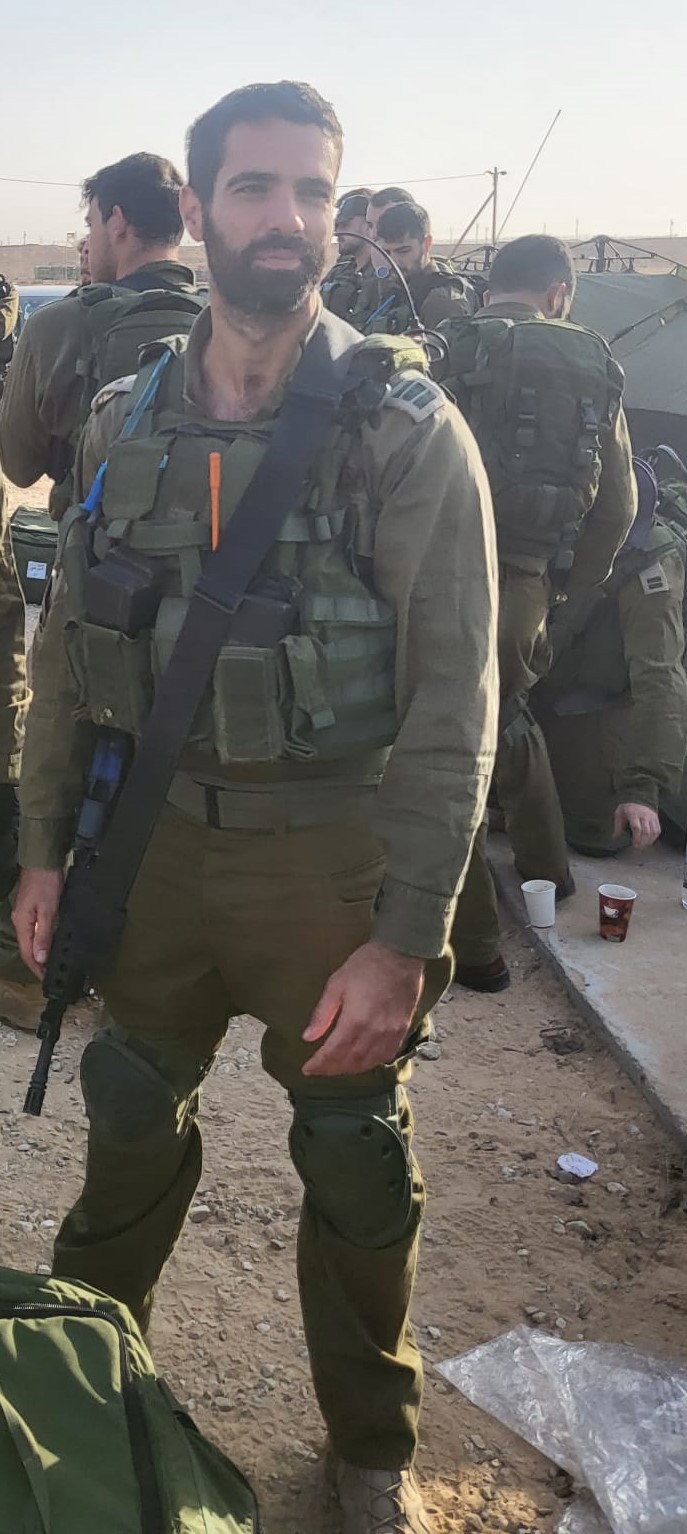
The high school years passed, and with the arrival of enlistment age, Sagi received an offer to join Unit 8200, a prestigious and relatively comfortable path that promised a brilliant future in technology. For many, this was a dream come true, a ticket into the high-tech world even before real life began. But Sagi, who had already completed a significant year of service at the "Kadima" Youth Home in Bat Yam, knew his path was different. That year of service, to which he dedicated his time and energy before enlistment, was a formative experience for him. He worked with at-risk youth, saw firsthand the existential challenges of struggling families, and believed wholeheartedly in the power of giving and the ability to shape the future of young people, to give them hope and tools. At "Kadima," he was not just an instructor; he was an older brother, a listening ear, a source of inspiration. He remembered the smell of the institutional kitchen at the youth home, the rolling laughter of the children in the yard, and the hesitant glances that gradually turned into looks of trust. He taught them mathematics, listened to their personal stories, and, most importantly, gave them a sense of belonging and worth. This experience strengthened his conviction that he must contribute to the country where he was most needed, where the impact would be immediate and tangible, even if it involved risk. He refused the comfortable offer and chose the most combat-oriented path – service as a combat soldier and officer in the Counter-Terrorism Unit, LOTAR.
Sagi's decision was not accepted by everyone. Some of his friends wondered why he was giving up a safe path for uncertainty and risk, but his parents, who knew the depth of his sense of mission, supported him wholeheartedly, even if a slight apprehension lingered in their hearts. Basic training was challenging, physically and mentally. Running with the stretcher on the sands of the Negev, the cold nights in the field, the accumulated fatigue – all these were just a small part of the journey. But Sagi, with his tireless perseverance and determination, excelled in every task. He was not only a disciplined soldier but also a natural leader, one whom his comrades looked to in the midst of hardship and found the strength to continue. He was there for them, offering a kind word, a small joke to relieve the tension, or simply a shoulder to lean on. Very quickly, after distinguishing himself with his professional abilities and leadership qualities, he went to officer's course, and then returned to the LOTAR unit as a commander. As a team leader, Sagi was uncompromisingly professional, demanding the best from himself and his subordinates, yet at the same time, dedicated and beloved. He made sure to know each and every soldier, to attend to their needs, to understand their inner world. He believed that a true commander is one who leads by personal example, who is willing to get his hands dirty and bear the burden alongside his subordinates. Under his command, the team became a small, united, and cohesive family, one that knew how to trust each other implicitly. For his unique work, his exceptional professionalism, and his inspiring leadership, Sagi received the Chief of Staff's Award of Excellence, further proof, if any were needed, of the depth of his commitment and his great talent. At the awards ceremony, when he received the award from the Chief of Staff, his humility again stood out – he did not see it as a personal achievement, but as recognition of teamwork, the spirit of the unit, and the shared mission.
After his release from regular service, Sagi felt a deep need to go out and explore the world, broaden his horizons, and meet new cultures, but also, of course, to continue contributing. He was not just looking for a fun and enjoyable trip, but a journey with meaning. First, he went to Mexico, where he volunteered to help the local community. In the morning, he would find himself with his hands in the damp soil, carefully planting new seedlings, nourishing the earth, learning the secrets of local agriculture. He loved the sense of satisfaction in growing things, the smell of young tomato leaves, the warm sun on his skin, and the knowledge that he was contributing to people's food. In the afternoon, he would move to the field of education, sitting with local children, teaching them English, playing soccer with them, trying to give them tools for a better future. He fell in love with the country's colorfulness, the rhythmic music, and the human warmth of the people. From there, he continued on the "big trip" to South America, a journey that lasted many months, to powerful wild landscapes, bustling cities, and remote villages. He climbed the snow-capped Andes mountains, wandered through the dense rainforests of the Amazon, and danced salsa in the streets of Colombia. Everywhere he went, he was not content just to be a tourist. He sought genuine encounters with locals, learned their language, their customs, their stories. He always found a way to lend a hand, to help, to listen. The journey was an opportunity for him to get to know new worlds, people, and cultures, and to strengthen within him the spirit of giving and love for humanity that always pulsed within him. He returned to Israel with a suitcase full of experiences, stories, and a deeper understanding of the human diversity and cultural richness of the world.
Upon his return to Israel, Sagi pursued academic studies at the Hebrew University of Jerusalem, a city where history and present intertwine in every corner, and the intellectual atmosphere was exactly what he sought. He chose a fascinating triple major: Philosophy, Economics, and Political Science, a combination that reflected his deep interest in the complexity of human society, its structures, the thoughts that shape it, and the forces that drive it. Sagi loved the lively discussions in the university corridors, the challenge of deconstructing complex ideas and reassembling them. He was a curious student, who never compromised on depth, and always sought the connection between theory and reality. Afterwards, he continued to a master's degree in Public Policy, out of a desire to influence society at a systemic level, to understand how to create real and sustainable change. Even during his intensive studies, and even afterwards, he did not abandon his social commitment. He volunteered at the "Paamonim" organization, where he accompanied families facing financial distress. He would visit families' homes in Jerusalem and Herzliya, sit with them around the kitchen table, examining documents, debts, and budgets. He never judged for a moment, but acted with great sensitivity, endless dedication, and a deep belief in human dignity. He not only helped them manage their money but gave them hope, a feeling that they were not alone, and that they were capable of getting out of their difficult situation. He remembered the meetings well, the initial embarrassment of some of the families, which gradually turned into trust and relief. For him, there was no greater satisfaction than seeing a family begin to stand on its own feet again, through its own strength.
In the last years of his life, Sagi entered the high-tech world, a field that many see as a race for money and success, but Sagi, in his unique way, found deep meaning there too. He worked at "TailorMed," a company founded on a social vision, helping patients dealing with severe illnesses and financial difficulties to cope with medical debts. For Sagi, this was not just another office job, but a direct continuation of his life's path, a clear combination of professional excellence with deep social commitment. He sat in front of screens, analyzed data, developed solutions, but knew that in every number and every line of code lay a human story of pain and hope. He saw how his work directly impacted people's lives, enabling them to receive life-saving medical treatment without financial collapse. He loved the intellectual challenge of the work, the technological innovation, but above all, the knowledge that he was part of something big and important, helping to strengthen and assist others even in his career path. In his work, as in all areas of his life, Sagi was a charismatic, funny, and engaging person. He knew how to tell fascinating stories, make those around him laugh with witty jokes, and inspire everyone with his ideas. But beyond that, he was a deep, principled, and compassionate person. He instilled confidence in his colleagues, his team, and his family. At home, with his partner, who was an anchor and stability in his life, he built a shared life full of love, laughter, and dreams for the future. They loved to travel together, spend time with friends and family, dream of their own home and children. Sagi was an esteemed commander, a beloved friend, and a devoted partner, whose life was a continuous sequence of excellence, mission, and love for humanity, until the very last moment.
And then came that Saturday morning, October 7th, 2023. A morning that began like any other ordinary Saturday morning, with the quiet of a holiday, the smell of fresh coffee, and news on the TV running in the background. Sagi and his partner sat together, planning their day, perhaps a short trip, perhaps a meeting with friends. Suddenly, phones began to vibrate incessantly, WhatsApp messages streamed in an endless torrent, and the news on TV took a disturbing turn. Initial reports of terrorists infiltrating, of gunfire, of civilians trapped in their homes. The words "surprise attack" and "war" began to echo in the air. Sagi, who could never stand idly by when danger loomed, read the news and immediately sprang into action. He did not wait for an official call-up order, did not for a moment consider the personal danger. The sense of mission, which had always been ingrained in him, overwhelmed him with an unstoppable force. Within minutes, he put on his uniform, hastily packed his equipment, and left the house, leaving behind his worried but understanding partner. He drove quickly to the base, his heart pounding, thoughts racing through his head – what was happening? Where was he needed? How could he help?
In the afternoon, Sagi arrived with his team at Kibbutz Be'eri, one of the inferno's epicenters. The kibbutz, which until that morning had been a green and tranquil gem, had turned into a burning battlefield, heavy smoke hung in the air, gunshots echoed from all directions, and screams of terror mingled with cries of pain. The sights were unbearable: burned houses, civilian bodies strewn in the streets, and pleas for help from families trapped in their safe rooms. Sagi and his team operated under incessant fire, in complete chaos, at immense risk to their lives. They broke into homes, rescued families from burning safe rooms, fought face-to-face with terrorists hiding in every corner. Amidst a reality of fear and loss, Sagi's voice was a source of calm and reassurance. He spoke to the trapped families with composure, explained what they needed to do, promised them they would be rescued. He was there for them, an anchor of stability in a sea of terror. His presence instilled hope in the darkest moments, when they were sure there was no way out. He carried children in his arms, led elderly people under fire, always at the head of the force, always ensuring that everyone reached a safe place.
As night fell, and darkness covered the kibbutz, making the struggle even more complex and dangerous, another call came in. The unit commander, the late Eli Ginsberg, had encountered a terrorist ambush and needed immediate extraction. Sagi, without hesitation, led the force that set out on the dangerous mission. He knew this was a call of responsibility and commitment, not only to his commander but to the spirit of the entire unit. They advanced cautiously, step by step, in the absolute darkness, trying to evade the terrorists' eyes. Suddenly, they were caught in a close-range ambush. Bullets whistled from all directions, and the battle became brutal and intense. Sagi, who was always at the head of the force, fought with supreme courage, protecting his soldiers, returning fire. In the inferno, on the 23rd of Tishrei 5784, October 8th, 2023, Major Sagi Golan fell in battle, thirty years old at his passing. He fell as a hero, as he lived, protecting others, loyal to his values until his last breath.
The news of Sagi's fall stunned Ra’anana and everyone who knew him. A sharp and incomprehensible pain pierced every heart. He was laid to rest in the military cemetery in Kiryat Shaul, before a long line of family members, friends, subordinates, and commanders, and a huge crowd who came to pay their last respects. A heavy, silent calm enveloped the hill, only the sounds of weeping were heard, witnesses to the great loss. On his tombstone were engraved the words "Major Sagi Golan," a rank to which he was promoted after his fall, in recognition of his heroism and leadership. He left behind a partner, grieving parents – Eti and Gilad, a brother and sister – Oz and Lior, and an entire community that felt the immense void he left. But despite the pain, Sagi's story did not end with his fall. His life, and especially the circumstances of his fall, became a symbol, a beacon of significant social change.
Immediately after his fall, a public struggle began, driven by the desire to recognize Sagi's partner as an equal widower, and in essence, to grant official recognition to all common-law partners of fallen soldiers and IDF casualties. Sagi's story, and the story of his love and his partner, touched many hearts, and their names began to be whispered in the corridors of the Knesset. The struggle bore fruit with surprising speed, leading to the enactment of "Sagi Golan's Law," which passed in the Knesset with broad consensus, almost unanimously, demonstrating rare unity in days of division. The new law officially recognized common-law partners as equal widowers and widows in all respects, granting them all the support and benefits due to married partners. This law not only granted recognition and financial security to dozens of additional bereaved families but expanded the circle of recognition and respect for those who lost their loved ones in the war, and was an important milestone in correcting a historical injustice. This was Sagi's unwritten will – even in his death, he continued to strengthen and assist others, spreading the values of equality, dignity, and compassion that guided him throughout his life.
The legacy of Major Sagi Golan, of blessed memory, lives and breathes. It is deeply rooted in the hearts of his parents, his brother and sister, his partner, his friends, and everyone who had the privilege of knowing him. It is evident in his smile, in the wisdom in his eyes, in the determination that radiated from him. He was a person who embodied the best in humanity: brilliant talent, infinite curiosity, deep human sensitivity, extraordinary courage, and above all – a profound commitment to giving, to Tikkun Olam, and to protecting his home. His life was a continuous sequence of excellence, mission, and love for humanity, until the very last moment when he stood on the front lines, to protect others. Sagi's story, from his childhood in Ra’anana to his last battle in Be'eri, is a story of human heroism, of a constant choice for good, of a person who knew how to combine the personal with the national, the private dream with public commitment. He left behind an immense void, but at the same time, a legacy of hope, of change, and of deep-rooted Israeli pride. Sagi Golan, Major, 30 years old at his passing, will forever be a symbol of the spirit of resurgence, of the Israeli spirit that refuses to surrender, that chooses life, and every day anew, builds and creates a better future. His memory will be etched forever in the nation's memory.
Moments of a life
All photographs · 2
Videos and links
In the media
Articles
- 'I'll march for him': IDF fallen soldier's partner to lead Jerusalem Pride Parade
The Jerusalem Post ·
- Two memorial songs in memory of Sagi Golan
mako ·
- CNN Newsroom transcript, November 10, 2023
CNN ·
- The partner of the fallen soldier, after the historic amendment: “A month later, there is a little justice and meaning”
ynet
Videos
ערוץ כנסת 99 ·
מדע גדול, בקטנה ·
State of Israel ·
שירים בכיכר 2024 ·
GLZ Radio גלצ ·
Herzliya Municipality ·
Podcasts
Social posts
- Oz Golan’s Post
LinkedIn
Memorial sites
- The Eulogy by Gilad, Sagi’s Father, at the Memorial Ceremony Marking Two Years Since His Fall
אתר שגיא גולן ·
- Tzvika’s Memories
אתר שגיא גולן ·
- Zohar’s memories
אתר שגיא גולן ·
- Memories of Dalit
אתר שגיא גולן ·
- A Eulogy for Sagi from Omer, Memorial 2024
אתר שגיא גולן ·
- Sagi Golan
ynet - גל עד
Show all (8)
- Commemoration – Sagi Golan
עמותת שגיא גולן
- Sagi's Path of Life
אתר שגיא גולן
Memorial projects
The podcast Shivyon BaHayim addresses Sagi’s equality laws. The page for episode 1, published on August 9, 2026, describes Omer’s story and the struggle that began after Sagi’s death in action; this documents a new audio project, rather than legally verifying the status of the laws.
According to his father, Hoshen’s “The Social Story — Ripples of Good” program tells high school students about Sagi and his values.
The father described 20 scholarships for an MBA for wounded IDF soldiers and members of the security forces in the Sagi Project at the Hebrew University, and five excellence scholarships at the Federmann School.
His father listed an operations center in Netanya, memorial corners at Keren Or Farm and the youth center in Bat Yam, and an optimism exhibition at the On the Lake Gallery in Ra’anana. These are his father’s reports in a eulogy, without separate verification of implementation.
The Little Big Science nonprofit took part in a science evening in his memory under the Perseid meteor shower, with space lectures and telescope observations. The description published on August 11, 2024, states that the event took place on the Friday preceding publication.
Ahead of the Jerusalem Pride and Tolerance March on May 30, 2024, signs commemorating Sagi with the Israeli and Pride flags were put up, according to The Jerusalem Post. Omer announced he would march with his photograph; the article is an advance announcement and does not verify that the march took place.
Noam Khalifa created “Hayav Lishmor Al Kulam”; Eyal Mazaaki and Ofir Malul wrote the lyrics and music for “Ata Ba Li Baleilot,” inspired by the couple.
The Herzliya municipality published a recording of the “LGBT in Combat” conference in his memory, held on January 3, 2024, at the Herzliya Cinematheque, hosted by Matan Hodorov and in collaboration with LGBT community organizations.
Ivri Lider’s song “Dreams Being Erased” is based on the wedding vows Sagi wrote; it is described on the memorial page with details of the Army Radio and Galgalatz production.
The TaylorMed team established a library at the office in his memory, according to the “Life Path” page on the family website.
Stories told about them
His father said that Sagi befriended a socially excluded child at school and became his friend without publicizing it. Later, as a commander, he sought to advance each soldier according to his abilities.
Sagi and Omer decided to adopt a dog. On adoption day, Sagi asked for the dog nobody wanted, and so they adopted Daisy, who was sick and weak. In their care, she grew stronger and her fur grew back.
Oz wrote that instead of using the flower arrangements bought for Sagi and Omer’s wedding, the family handed them out at Sagi’s funeral. This is a personal account by his brother in a post that was read, not a new determination of the wedding date.
Remembrance accounts
Life & service
Burial
Tributes & remembrance
נחשפתי לסיפור שלך דרך בן הזוג המקסים שלך, נגעתם לי בלב.
הלוואי שנהיה ראויים.
סליחה.
שגיא, החיוך שלך לנצח יהיה חקוק בלב שלי
תודה על עוצמות הנפש הגדולות שליוו אותך באותו יום נורא
מבטיחה שנשתדל להמשיך ללכת בדרך הסבלנית, המכילה והנחושה שלך
בשם אגף ממשל וחברה במשרד ראש הממשלה, אני רוצה להשתתף בצער הגדול על נפילתו של שגיא, שזכור באגף באהבה, על כשרונו ונועם הליכותיו. יהי זכרו ברוך
גיבור ישראל
אני נ. קצין ביחידת הלוטר, מדליק נר בשמי ובשם היחידה לזכר שגיא גולן ז״ל.
מורשתו מאירה לנו את הדרך, ואנחנו נמשיך לזכור ולהזכיר את זכרם של נופלי היחידה.
יהיה זכרו ברוך.
נ.
לא הכרתי אותך אבל היתה לי הזכות לחלוק את סיפורך כזיכרון בקהילה היהודית אמריקאית
יהי זכרך ברוך
בימים שבהם אנו מחפשים אחדות וסובלנות, ערב לזכרו של רס"ן שגיא גולן ז"ל, שנערך בהרצליה, מהווה מופת למנהיגות חמה ורחבת לב. תחת הנהגתו של ראש העיר הרצליה, משה פדלון, ובתמיכת המנכ"ל עו"ד אהוד לזר, העיר קיבלה על עצמה להקים בית לקהילה הגאה, תוך הפגנת תמיכה באהבה וקבלה. עומר, ששכל את בן זוגו האהוב, רס"ן שגיא גולן, הראה אומץ לב רב במאבקו להכרה בזכויותיו כבן זוג לאחר מותו של שגיא. הכנסת, בכירת המערכת המשפטית, הכירה בזכותו, ובמעשה זה עומר יצר היסטוריה, מדגיש את הצורך בשוויון ובכבוד האנושי. הערב המרגש שהתקיים לא רק הנציח את זכרו של שגיא אלא גם ציין את המחויבות המתמשכת של העיר הרצליה והנהגתה לערכים של קבלה החלה ואהבה.ראש העיר משה פדלון, ומנכ״ל העיריה אהוד לזר וכל המעורבים בתכנון וביצוע האירוע זכאים להערכה עמוקה על פעולתם האמיצה והמשמעותית. אנו מתפללים שימים יותר טובים יבואו, שלא תהיה עוד משפחות מה שכולות, ואנו כחברה נמשיך לקדם את ערכי האחדות, האהבה והסובלנות. מהערבים המרגשים והחשובים הללו יזרח אור של תקומה ושלום.
יהי זכרו ברוך גיבור ישראל
מתגעגעת אליך כל יום אהוב יקר
לא נפלת לשווא
תמיד בליבינו לעד
יהי זכרו ברוך
לנצח נזכור אותך
תודה ששמרת עלינו ותודה שהיית איש טוב ערכי ונהדר
בשמי ובשם חטיבת המרום, אני מדליקה נר לזכרו של שגיא גולן ז"ל.
מורשתו מאירה לנו את הדרך ואנו נמשיך לזכור ולהזכיר את זכרם של נופלי החטיבה.
יהי זכרו ברוך.
תודה רבה ששמרתה עלינו מקווה שכיף לכה שם למעלה
שגיא היקר. אומנם לא הכרנו, וממה ששמעתי עליך היית בנאדם מדהים, שאהב את כולם והקריב את עצמו למען המדינה, כדי שאני אלך לישון בשקט. לשבת כאן, בארץ הזאת, שאתה שמרת עליה כמה שיכולת. מעריכה אותך כלכך על כך ששמרת עליי, ועלינו.
שגיא היקר, אומנם אנחנו לא מכירים באופן אישי אבל הסיפורים ששמעתי עלייך מהיחידה מעידים איזה בחור היית מלח הארץ אמיתי ...
נוח על משכבך בשלום והלוואי שה׳ יקום דמך
אני יואב, חייל ביחידת הלוטר, מדליק נר בשמי ובשם ביחידה לזכר שגיא גולן ז״ל.
מורשתו מאירה לנו את הדרך, ואנחנו נמשיך לזכור ולהזכיר את זכרם של נופלי היחידה.
יהיה זכרו ברוך.
מוקירה את זיכרון וגבורתו של שגיא
לא הכרנו, אך שמעתי עליך רבות.
גיבור ישראל.
נוח על משכבך בשלום.
לזכר בחור מקסים עם לב ענקי
לזכרו
איך נפלו גיבורים!
היקום הפסיד אותך
ואת כל הנופלים והנרצחים.
כאב שלא יעלם לעד ונזכור
תודה לך וסליחה
מנוחתך בגן עדן
יהיה זכרו ברוך, גיבור
אח יקר, נזכור אותך תמיד
געגוע לאדם מושלם ואובדן גדול למשפחה, לחברים ולכל מי שהכיר אותו .
יהי זכרו ברוך ולנצח נזכור אותך שגיא.
יהי זכרך ברוך שגיא, לא ממש הכרנו אבל שמעתי עליך רבות, תהיה נצור בליבנו
שגיא גיבור ישראל, יהי זכרך ברוך לעולם ועד.
בני אהובי, אתה ממשיך לחיות בתוכי ומלווה אותי בכל רגע ורגע. תרמת רבות לחברה הישראלית והשאיפות שלך היו להמשיך ולפעול למען חברה טובה יותר, שוויונית, סובלנית ומכילה. השאיפות הפכו לצוואה. הסיפורים עלייך ועל פועלך נוגעים בכל כך הרבה אנשים וארגונים וכל אחד לוקח ומיישם משהו מהערכים הנעלים שלך. נוח על משכבך בשלום, דרכך נמשכת בידיהם של אחרים ואורך ימשיך להאיר
יהי זכרו ברוך
מנהיג טבעי. כולם התאהבו בקסם שלו כשנכנס לחדר.
גיבור ישראל! יהי זכרו ברוך!
Sagi was a light, and I'm going to remember him as a light.
Source:CNN
We are fighting for our home. We are fighting for our existence.
Source:CNN
Time only teaches me how to live without his physical presence.
Source:ynet
Read the Hebrew original
הזמן רק מלמד אותי איך לחיות בלי הנוכחות הפיזית שלו
He always gave 200% of himself.
Source:ynet
Read the Hebrew original
הוא תמיד נתן 200% מעצמו
He simply saw that child and made sure to give him a place.
Source:ynet
Read the Hebrew original
הוא פשוט ראה את אותו ילד ודאג לתת לו מקום
Sagi fell for a country and a people he believed in.
Source:ynet
Read the Hebrew original
שגיא נפל למען מדינה ועם שהוא האמין בו.
I saw him — and I wasn't afraid.
Source:ynet
Read the Hebrew original
ראיתי אותו – ולא פחדתי
Sagi did it; this is Sagi's, and these are his values.
Source:ynet
Read the Hebrew original
שגיא עשה, זה של שגיא ואלה הערכים שלו.
He went out on his own initiative to help, fought and saved many, and paid for it with his life
Source:mako
Read the Hebrew original
הוא יצא על דעת עצמו לסייע, נלחם והציל רבים, ושילם על כך בחייו
The story of Golan, of blessed memory, and Ohana really touched me
Source:mako
Read the Hebrew original
הסיפור של גולן ז"ל ואוחנה ממש נגע בי
This year he will not march, but I will march in his memory, with his picture.
Source:The Jerusalem Post
Thank you, my love, for a time of happiness in the whole life we had planned.
Source:אתר שגיא גולן
Read the Hebrew original
תודה, אהוב שלי על זמן של אושר בחיים השלמים שתכננו.
I will never stop thinking of you and missing you
Source:אתר שגיא גולן
Read the Hebrew original
לעולם לא אפסיק לחשוב ולהתגעגע אליך
But your smile, your smile gives me the strength to keep going, despite everything.
Source:אתר שגיא גולן
Read the Hebrew original
אבל החיוך שלך, החיוך שלך נותן לי כוח להמשיך, למרות הכל.
Sagi did not hesitate for a moment.
Source:LinkedIn
Remembrance Day addresses
יום הזיכרון לחללי מערכות ישראל התשפ"ה – 2025
בכל יום שעובר, אזכור יותר! אזכור, את אלו שיצאו עימי לקרב ולא שבו, ולהם אין מי ידמה ומי ישווה. אזכור, שהכאב לא יעבור לעולם, והזמן, הוא לא מרפה ולא מרפא. אזכור, את שיברון הלב הגובר ואת הבית שבוער. אזכור, את צדקת הדרך, ואשבע שוב, שמה שהיה לא יהיה יותר. אזכור, שיותר מכל דבר אחר – אני חסר! ביום הזה, אני נתקף געגוע לדמותם, לחיתוך דיבורם, לחיוכם, ומדליק נר לזיכרון דרכם ומורשתם!
משרד הביטחון
אגף משפחות, הנצחה ומורשת
יום הזיכרון לחללי מערכות ישראל התשפ"ה – 2025
בכאב, בהצדעה ובתקווה אני מתכבד להדליק נר זיכרון זה. השנה, כשאנו נלחמים במלחמה ארוכה, רב זירתית וצודקת, הזיכרון נושא משמעות עמוקה. ביום זה נעצור ונתייחד עם זכרם של טובי בנינו ובנותינו שנפלו בהגנה על המדינה. מורשתם היא המצפן שמתווה את דרכינו, והיא המעניקה לנו כוח להמשיך ולהגן על מדינת ישראל ותושביה. משפחות יקרות, אנו מרכינים ראשנו ומתחייבים שנעמוד לצידכן תמיד. יהי זכר הנופלים ברוך.
אלוף דדו בר כליפא
ראש אגף כוח האדם, צה"ל
יום הזיכרון לחללי מערכות ישראל התשפ"ה – 2025
בשעה שאנו זוכרים את גודל תרומתם ועומק מסירות נפשם של טובי בנינו ובנותינו, נופלי מערכות ישראל לדורותיהן, ממשיכים צה"ל וכוחות הביטחון במימוש המשימה למענה לחמו ועבורה נפלו: הכרעת אויבינו מדרום, מצפון, ביהודה ובשומרון, וגם בזירות רחוקות יותר. בהערכה רבה ובגאווה אדירה אנו מרכינים ראש בפני הנופלים והנופלות, מאמצים את משפחותיהם אל לבנו, וממשיכים במשימה להבטחת קיומה של ישראל לדורי דורות. יחד נעשה ונצליח.
רב אלוף אייל זמיר
הרמטכ"ל, צה"ל
יום הזיכרון לחללי מערכות ישראל התשפ"ד – 2024
כאשר דגלינו מורדים לחצי התורן וראשינו מורכנים לזכר הנופלים והנופלות במערכות ישראל, ממשיכים לוחמי צה"ל ומפקדיו בלחימה בדרום, בצפון, ביהודה ובשומרון ובזירות נוספות. על כל דור מוטלת המשימה של הגנת העם והארץ – משימה שאף פעם אינה פוסקת. נצדיע בגעגוע ובגאווה לנופלים ולנופלות, נחבק את משפחותיהם, ונמשיך ברוח הציווי שהותירו לנו. עם ישראל חי.
רב ניצב יעקב שבתאי
המפקח הכללי, משטרת ישראל
יום הזיכרון לחללי מערכות ישראל התשפ"ד – 2024
אחיי הנופלים, כל נר הוא זיכרון יחיד ומיוחד, על חיים שהיו ואינם, געגוע שנצרב עמוק בלב, עולם ומלואו. הנרות כולם הם זיכרון של אומה כי לעולם לא עוד, בשורת הציונות וקוממיות ישראל. זיכרון כי הדרך לעם חופשי בארצנו עוברת דרך מסדר הנופלים. אור הנר יזכיר לנו את מסירות נפשכם להציל חיים, להגן על הבית. הנרות מסמנים לנו נתיב גבורה ערכי מחייב שאנו מצווים ללכת לאורו. נמשיך להילחם ולהוסיף אור מתוך אמונה בנצח ישראל.
יואב גלנט
שר הביטחון
יום הזיכרון לחללי מערכות ישראל התשפ"ד – 2024
בהצדעה ובכאב, בשם צה"ל כולו, אני מדליק נר זיכרון. בעיצומה של מלחמה, הזכרון נושא משמעות יום-יומית, שעבר והווה מתלכדים בה. לאורם של הנופלים נמשיך לצעוד, חיילי הסדיר והמילואים. לאורם של הנופלים נמשיך להגן על ארצנו ועל מולדתנו, גם כשהמחיר כבד. להבת-הזכרון תבער בנו בעודנו ממשיכים להלחם ונזכור את הנופלים ואת אומץ ליבם. משפחות יקרות, צה"ל מרכין היום ראש, מצדיע לכן וכואב איתכן. יהי זכר הנופלים ברוך.
אלוף יניב עשור
ראש אגף כוח האדם, צה"ל
יום הזיכרון לחללי מערכות ישראל התשפ"ד – 2024
בהוקרה, בגאווה ובכאב שאין לו סוף, אני מתכבד להדליק נר לזכרם של הנופלים והנופלות במערכות ישראל. סיפור חייהם בארץ הזאת, מסכת שירותם, גבורתם והקרבתם – הם סיפורה של הארץ הזאת, אך גם סיפור המחיר הכבד שהיא תובעת מאוהביה. מחויבותנו לזכר הנופלים ולדרך שהותירו לנו ניצבת תמיד לנגד עינינו. את המשימה שלא זכו להשלים, משלימים כיום, וישלימו, אנשי כוחות הביטחון, הממשיכים בדרכם ולאורם. יהי זכרם של הנופלים ברוך.
משרד הביטחון
אגף משפחות, הנצחה ומורשת
יום הזיכרון לחללי מערכות ישראל התשפ"ד – 2024
בחרדת קודש אני מתכבד להדליק נר לזכרם של חללי מערכות ישראל, חברנו שנפלו, מראשית היציאה מהחומות ולאורך כל שנות עצמאותנו המדינית והציונית, מהווים תמרור זיכרון לדרך חיינו ולמחוייבות הלאומית להנצחת זכרם. דרכם נותרה דרכנו ומורשתם נר להמשך עשייתנו. יהי זכרם ברוך!
בני גנץ
שר הביטחון
יום הזיכרון לחללי מערכות ישראל
נזכור אותם, כולנו יחד. כל אחד ואחת מהם, מדי יום ביומו, והיום ביתר שאת, כך – לנצח. "כי מדי דברי בו זכור אזכרנו עוד"
משרד הביטחון
אגף משפחות, הנצחה ומורשת