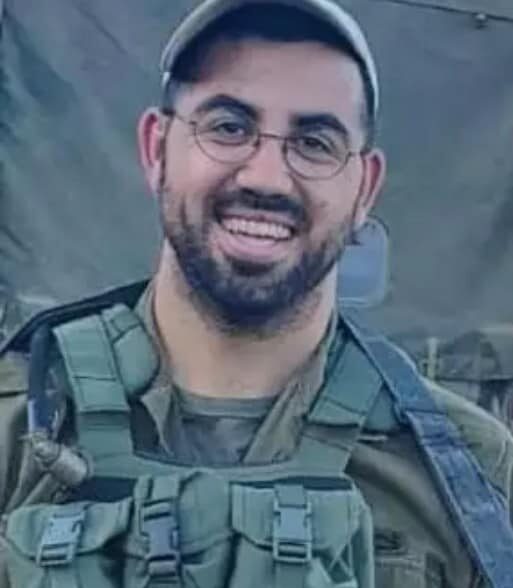
The story
On the 19th of Elul in the year 5756, as the young settlement of Ali still licked the morning dew from the diligently planted olive trees on the green hills of Binyamin, the first cry was heard in the Deri family home. It was Saadia Yaakov, the second son of Lali and Haim, joining a family that had already begun to build its nest, striking deep roots in the cultivated rocky soil. Avraham, his elder brother, was already there to greet him, and soon Hillel, Maayan, Noam, and Elnat joined them—six children in one home, a living mosaic of laughter, running, small quarrels, and sweet reconciliations, woven together with threads of love and attentiveness. The house in Ali, built brick by brick, was more than just walls and a roof; it was a pulsating heart of a community, an open window to a primordial landscape, and fertile ground for raising children who learned from a young age the meaning of community, belonging, and manual labor.
Saadia grew up amidst the expansive landscape of Ali, where the smells of damp earth after rain and the scorching summer sun were an inseparable part of his identity. He didn't just see the hills surrounding the settlement; he ran barefoot on them, collected smooth stones in the wadi, and climbed carob trees whose sweet fruits were a late summer treat. His hands knew the thorns of thistles, the rough touch of oak branches, and the fine dust that clung to his feet after a day of playing outside. At home, the atmosphere was saturated with the sounds of Hebrew speech, children's laughter, and stories told around the Shabbat table, which was always laden with good food. Lali and Haim made sure to instill in their children the values of an unbreakable connection to the land, its honor, and the heritage of the people. This was not religious preaching, but a complete way of life, embodied in small, everyday actions: helping new neighbors who had just moved to the settlement, volunteering in community activities, and deep conversations about the history of the place and the importance of being a part of it. Saadia absorbed it like a sponge, and these things permeated deep into his soul, building his foundations as a curious, caring child full of zest for life. He was a child who asked questions, not to get a simple answer, but to understand the depth behind things, the true reason for their existence. He loved to sit beside his father, Haim, as he fixed something in the yard, learning from him not only the movements of his hands but also his patience and his ability to see the potential in every object, every piece of land. His mother, Lali, was the quiet, warm center of the home, always finding the right word and the comforting hug, thereby teaching him the power of compassion and listening.
As he grew older, a fierce love for hiking developed in him, for getting lost on unmarked trails, and for discovering hidden corners of nature. He would go out with his friends, or sometimes alone, with a small backpack on his back and a bottle of warm water in his pocket in summer or a thermos of hot tea in winter. He learned to read the terrain, identify wild plants, and observe birds nesting in the bushes. This was not just a child's curiosity; it was a deep, quiet way of connecting with the wild and varied landscape that surrounded his home. He loved the feeling of freedom that came with cycling on dirt paths, a light breeze caressing his face and dispelling the day's heat. Often, he would stop, breathe deeply the scent of hyssop and thyme rising from the rocks, and gaze at the landscape stretching out below him – plowed fields, distant Arab villages, and blue mountain ranges on the horizon. This sight, of the land spread before him, always filled him with a deep sense of belonging, responsibility, and appreciation. He would return home with flushed cheeks, disheveled hair, and stories of what he had seen and discovered, sometimes bringing with him a special branch or a beautiful stone, a small souvenir from a full day of adventures. His brothers and sisters would listen to him with sparkling eyes, imagining themselves joining him on his journeys. At school in Ali, Saadia was an active student who loved to learn about history and geography, not just from dry textbooks, but from their living connection to the place where he lived. He especially loved lessons that involved going out into the field, archaeological tours, or visits to nearby orchards. He would ask his teachers profound questions, not settling for superficial answers, and always sought the story behind the facts.
His teenage years brought new challenges but also deepened his connections with his friends and the community. He was an integral part of a close-knit group of boys and girls from Ali, who spent long hours together, talking about life, future plans, and shared dreams. Saadia was often the one who organized activities, made sure everyone felt included, and maintained a good atmosphere. He was known for his sense of humor, his ability to make people laugh even in tense moments, and his constant ability to truly listen to his friends' troubles. He was not the type of teenager who sought the spotlight, but rather the one who worked behind the scenes, taking care of the small details, and ensuring everything ran smoothly. His love for the land was also expressed in his volunteering for environmental conservation projects and local agriculture. He did not see it as work, but as a mission, a way to express his gratitude for the land that nourished him. He would rise at dawn, when dew was still on the grass, and go to help milk goats in a nearby pasture, or pick olives in season. His hands, which had known the touch of the earth since childhood, worked diligently, and a deep sense of satisfaction was etched on his face. He loved the sweet-bitter smell of olives being pressed in the oil mill, and the sight of green oil flowing into the tanks. For him, it was a way to touch the pulsating heart of the land, to feel its historical and deep connection to the people who lived on it. As the time for army enlistment approached, there was no doubt about his path. He knew he would serve in a combat unit, contributing his part in the most significant way to the defense of the state. Discussions with his friends about choosing different units were numerous, but for him, the decision was clear: he wanted to be at the forefront, where he could protect his home, his family, and everything he held dear.
The transition from the quiet, familiar life of Ali to the rigid and challenging military framework was dramatic, but Saadia quickly adapted. He found his place in the infantry, and there, among a group of young fighters from all corners of the country, he flourished. Basic training was a period of immense physical and mental challenge, endless runs with heavy equipment, long hours of grueling exercises under the scorching sun or in pouring rain. But Saadia did not break. He found strength within himself and in his comrades-in-arms. He was always the one who encouraged those who struggled a bit, who offered help, and who made sure to bring a smile to everyone's faces even in the most difficult moments. The bonds forged there, in the training fields and on cold guard nights, were deep and genuine, bonds of brothers-in-arms who trusted each other implicitly. He learned the meaning of teamwork, mutual responsibility, and perseverance. He understood that everyone was a link in a chain, and the strength of the chain depended on the strength of each individual link. When he completed his training and became a full-fledged combat soldier, his pride was immense. He felt he was realizing the values he had absorbed at home, that he was standing guard over the land he loved so much. He served with dedication, professionalism, and a deep sense of mission, carrying out every task, small or large, with the same seriousness and commitment.
After his release from regular service, Saadia returned to civilian life, but with a heavy load of experiences and values that had intensified during his years of service. He did not forget his comrades-in-arms and made sure to stay in touch with them, meet up, share experiences, and remember those days. He moved to Tel Aviv-Jaffa, a vibrant city very different from quiet Ali, but even there he found his way. He studied, worked, and built his future. But the connection to the land, to the feel of earth in his hands, to the smell of the bushes in the mountains, he never severed. He found ways to integrate his love for nature and community into urban life, perhaps through a community garden, perhaps through Friday morning hikes in the parks and forests near the city, or frequent trips back to Ali, to his parents' home and the familiar and beloved landscape. There, among the hills, he felt connected to his roots again.
And then, into Saadia’s life, came Rachel. She was like a fresh breeze, a wise, warm, and vibrant woman who immediately saw the special person he was. They met in everyday circumstances, perhaps at a neighborhood café, or through mutual friends, and their connection was immediate and deep. Their first conversations lasted for hours, and they discovered shared worlds, similar values, and a love for each other that quickly blossomed. Saadia found in Rachel not only love but also a life partner, someone who understood the depth of his connection to the land and the people, and who was willing to walk with him on his path. He loved her rolling laughter, her sparkling eyes when she spoke of things that excited her, and her ability to make every small moment meaningful. Rachel, for her part, was captivated by Saadia’s sincerity, his kindness, and the sense of security he exuded. She saw in him a man with clear principles, a generous heart, and a deep soul.
The marriage proposal was an emotional moment, and the wedding, held in a green and flourishing garden, was a celebration of love and joy. Friends and family from all over the country came to share the happy moments with them, and the atmosphere was electric. Saadia and Rachel built their shared home in Tel Aviv-Jaffa, an open and warm house, always filled with guests, laughter, and the smells of home cooking. Together they created a loving nest, where everyone felt loved, valued, and protected. Their lives were full of future plans, shared dreams, and the aspiration to build a family.
And so, within the first years of their marriage, their two children, Hilleli and Yinon, came into the world. The birth of Hilleli, their eldest daughter, was a pivotal moment in Saadia’s life. When he first saw her, small and vulnerable, cradled in his arms, he felt an intense love he had never experienced before. He was a devoted father, involved in every detail of his children's lives. He loved to put them to sleep, tell them stories in his soft voice, and play wild imaginative games that only he could invent. He taught them about the world in his unique way, through stories about birds and flowers, about the history of their land and the importance of loving people. He took them on trips to parks, taught them to identify trees and bushes, and instilled in them the love of nature that so characterized him. Hilleli and Yinon’s laughter filled the house with light, and every moment with them was more precious than gold to him. He was a father who dedicated quality time to each child separately, listened to their heartbeats, and helped them cope with daily challenges. He saw in them the continuation of his path, the hope for the future, and the deepest reason why all his actions were directed.
He was a family man in every sense of the word – not only a husband and father but also a devoted son to his parents and a loving brother to his siblings. The connection with his family in Ali remained strong and vibrant. They would meet often for large family meals, joint trips, or simply long phone conversations. Saadia was always there for them, a supportive shoulder, a listening ear, and ready to help in any way possible. He made sure to attend family events, celebrations, and sometimes sorrows, and was always surrounded by the love and warmth of his relatives. He was a pillar in the extended family, a stable figure one could rely on. He was also an active community member, even in Tel Aviv-Jaffa, despite the city's fast pace. He believed that everyone should contribute to the society in which they live, and that there is no substitute for real human connections. He volunteered to help with local projects, was part of social initiatives, and was always the first to offer help to those in need. He was a man of action, not of grand words, and his heroism stemmed from the way he lived his life – with simplicity, sincerity, and deep devotion.
And then came October 7, 2023. That morning, which began as a normal Saturday morning, quickly turned into a dark day, a breaking point in the history of the state. Saadia’s phone rang incessantly, and WhatsApp messages flowed in a continuous stream, bringing insane news, horrific images, and desperate calls for help. He did not hesitate for a moment. His heart burned with pain and rage, and he knew there was no other place he needed to be but with his friends, on the front lines. He was a reservist combat soldier in Battalion 9203, Alexandroni Brigade (3), and the call to mobilize was clear and unequivocal. He approached Rachel, his face determined, but his eyes full of worry. "I have to go," he told her in a quiet but firm voice, "I have no other choice." Rachel, with a aching but understanding heart, hugged him tightly, trying to absorb his body's warmth, as if she knew it might be their last embrace. She did not try to stop him. She knew Saadia, the values that shaped him, and his unwavering loyalty to his people and his land. He hugged Hilleli and Yinon, whispered words of love to them, promised to return soon, and tried to leave them with a sense of security, despite the storm raging within him. The moment of farewell was unbearable, a combination of intense love, paralyzing fear, and a supreme sense of mission.
He donned his uniform for the last time, packed his equipment in haste, and drove to the assembly point. The road was tense, military vehicles sped past, and the radio broadcast only difficult and alarming reports. When he arrived at the base, he found his unit comrades there, familiar faces, tired but determined eyes. Quiet handshakes, understanding glances, and quick preparations for entering the field. The atmosphere was serious, heavy, but also filled with shared determination. They knew they were going into a war unlike any they had known before, a war for the very existence of the state. Saadia sent a last message to Rachel, "I love you all. Take care of yourselves. I'll talk when I can." Then his phone went into airplane mode, and he set out with his friends into the unknown.
The months that followed were a period of incessant warfare. Saadia and his comrades fought bravely, first in the Gaza envelope, defending the communities and residents, clearing the area of terrorists, and then entering deeper into the Gaza Strip. They were part of the fighting forces in the central Strip, in dense, complex, and dangerous areas. Day after day, night after night, of patrols, ambushes, encounters, and intense combat operations. Saadia, an experienced and veteran fighter, became a pillar for his comrades. He exuded calm and confidence even in difficult moments, knew how to soothe tensions, and set a personal example of professionalism and courage. He always looked out for his comrades, making sure everyone was okay, that no one was left behind. He was the one who shared the last water, offered the last ration, and always found the encouraging word.
Communication with home was limited, at times cut off, but every brief phone call, every WhatsApp message that popped up on the screen, was a world in itself. He asked about the well-being of Rachel and the children, tried to imagine their lives at home, the laughter of Hilleli and Yinon, the safe and protected routine. He sent them pictures of a relatively quiet landscape, or just a heart emoji, to convey that he was thinking of them, that he loved them, and that he was doing everything to return to them safely. Rachel, for her part, tried to maintain a routine of stability at home, protect the children from fears, and send him messages of support and love. She knew she had to be strong for him, for them. She told him about Yinon's first steps, about Hilleli's drawings, about all those small and big moments that made up their lives far from him, filling his heart with intense longing and the strength to continue.
On the 14th of Sivan 5784, June 20, 2024, Saadia Yaakov Deri, Staff Sergeant (res.), was with his unit in the central Gaza Strip, in the midst of battle. The full details of the event remain confidential, but what is known is that it was a difficult, complex battle, in an area where the enemy lurked around every corner. Saadia and his comrades encountered a threat, and he, true to his values, fought with supreme courage and determination, protecting his comrades and his mission. He fell in battle, only twenty-seven years old, leaving behind a huge void, a broken family, and a nation that remembers his heroism. He fell fighting for this people, for the land he loved so much, and for the future of his children. He fell as a hero, not in the sense of ancient myths, but in the deep and true sense of a man who chose to stand guard over his home, his values, and the freedom of his people. His death was not in vain; it was the culmination of a whole life dedicated to others, to the common good.
The bitter news reached the Deri family home in Tel Aviv-Jaffa like a thunderclap on a clear day. IDF officers knocked on the door, and the world of Rachel, Hilleli and Yinon, of Lali and Haim, and of Saadia's siblings, turned upside down in an instant. The pain was unbearable, a complete shock. How can such a loss be contained? How can one continue to breathe when the heart is torn to shreds? Rachel hugged her children, trying to find words of comfort that did not exist, while she herself was broken and hurting. Little Hilleli and baby Yinon did not understand the magnitude of the disaster, but they felt the deep sorrow that enveloped the house, the heavy silence that settled where there had always been laughter and joy.
Saadia Yaakov Deri was laid to rest in the Holon military cemetery, under gray skies and accompanied by a huge crowd of family members, friends, commanders, and soldiers. The sounds of weeping mingled with the gunfire of the honor volley, and the Israeli flag draped his coffin, a symbol of heroism and the heavy price of freedom. Engraved on his tombstone were his name, dates of his life, and his new rank, Staff Sergeant, to which he was promoted posthumously, in recognition of his dedication and contribution. He left behind a beloved wife, two small children, grieving parents, and five heartbroken siblings.
The void Saadia left is immense, impossible to fill. His voice is silent, his laughter hushed, and his embrace is no more. But his spirit continues to live. It lives in the stories Rachel will tell Hilleli and Yinon about their heroic father, about his immense love for the land and the people, and about the courage with which he fought. It lives in the memories of his parents and siblings, who carry his legacy everywhere. It lives in every corner of the house where he grew up in Ali, and in every dirt path where he ran as a child. It lives in every piece of land he protected, and in every tree he planted. Saadia Yaakov Deri was a man of truth, love, and devotion. His life was deeply intertwined with the story of this land, and he sacrificed everything for it. His legacy is a call for a deep connection to the land, to the community, and to the values of courage, love of humanity, and an unwavering determination to protect the home. He fell in the war for revival, and he is an inseparable part of it, a true Israeli hero whose story will be told for generations. His memory will be etched in the heart of the nation forever, a symbol of human heroism, intense love, and absolute devotion.
Moments of a life
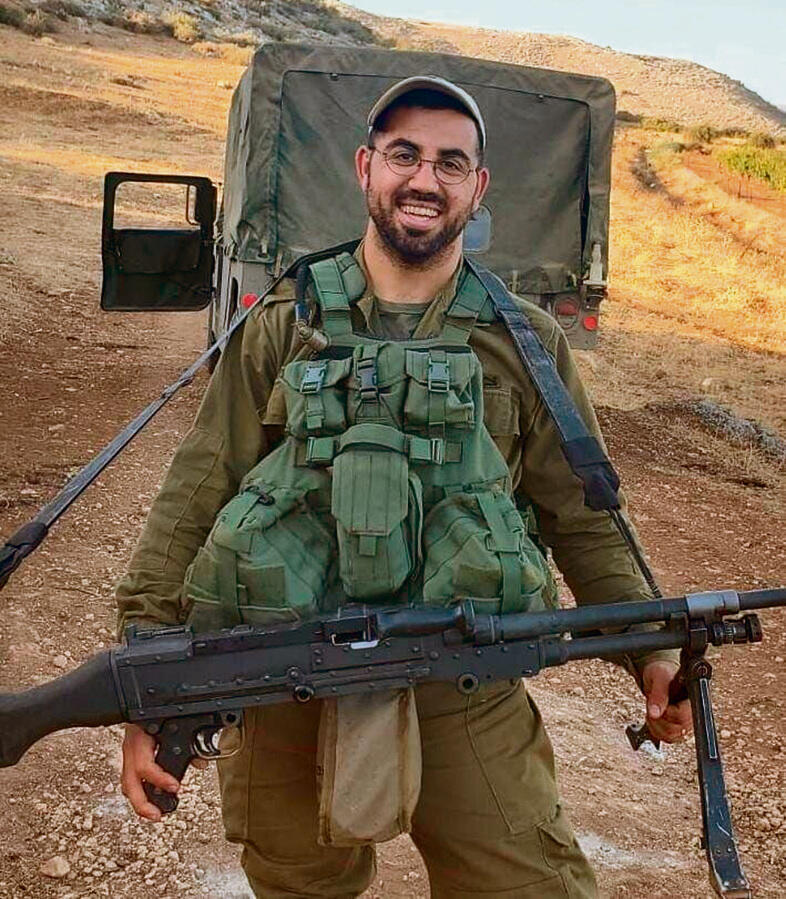
All photographs · 2
In the media
Articles
- In the mourners’ tent after my son’s aide was killed in Gaza
The Times of Israel Blogs / JTA ·
- 'A Hero in Soul and Body': Mother eulogizes fallen son
Israel National News ·
- The day after the shiva for Saadia Deri, his wife learned she was pregnant
ynet
- Saadia was an angel, I am trying to follow in his footsteps
מקור ראשון
- You were called to the mission of defeating evil
ynet
- The two reservists killed in Gaza were laid to rest: 'There must be a decisive victory'
ynetnews
Podcasts
- A Lioness Mother and Deborah the Prophetess — Reincarnation, Episode 6
929 / רדיוס 100FM ·
Social posts
Memorial sites
- Sergeant First Class Saadia Yaakov Deri, of blessed memory
גל-עד בני עקיבא
Memorial projects
A Torah scroll was dedicated in Eli in memory of the community’s ten fallen residents, including Saadia Deri, as described in his mother’s words published on the community website.
Stories told about them
In a Memorial Day column, the mother said that Racheli let Haim, Saadia’s father, wrap himself in a tallit at the circumcision of Saadia’s son, who was born after he fell. The mother connected the moment to the photograph of Saadia wearing a tallit and tefillin on the last day of his life.
Devora Danan says Saadia accompanied her six-year-old autistic son to school and back twice a day for months. Before leaving for reserve service, he found a replacement for the family among his yeshiva friends, because he did not know when he would return.
Racheli said she met Saadia after her father’s death and that they became engaged three months after their first meeting. After he fell in battle, his battalion friends stayed in touch with her and the children and helped with a campaign for a suitable apartment after learning that she was pregnant with their third child.
Avi Taub said Saadia heard that the Or HaChaim synagogue in Jaffa lacked a usable Torah scroll. Within two days, he found a donor from Eli and kept urging Taub to meet him.
Life & service
Profile
- Date of birth
- September 3, 1996
- Birthplace
- Tel Aviv-Yafo
- Date of death
- June 20, 2024
- Age
- 27
- Hometown
- Tel Aviv-Yafo
Service
- Rank
- Sergeant first class (res.)
- Service Type
- Reserve Forces
- Honours
- Posthumously Promoted
- Battle Location
- In the central Gaza Strip
Family
- Father
- Chaim
- Mother
- Lali
Burial
Tributes & remembrance
You always put others before yourself.
Source:דבר
Read the Hebrew original
תמיד שמת את עצמך אחרי האחרים.
A soldier everyone always wanted to be with, to stand beside. Someone you could always count on and turn to.
Source:דבר
Read the Hebrew original
לוחם שתמיד רצו להיות איתו, לצידו. שתמיד אפשר לסמוך ולבוא אליו.
He was a hero in soul and body and never complained.
Source:Israel National News
Why do these perfect angels leave?
Source:ynet
Read the Hebrew original
למה המלאכים המושלמים האלה הולכים?
This year is so hard for the people of Israel
Source:ynet
Read the Hebrew original
השנה הזאת כל כך קשה לעם ישראל
You raised me.
Source:ynet
Read the Hebrew original
גידלת אותי.
My little brother was always there to help,
Source:ynet
Read the Hebrew original
אחי הקטן תמיד היה שם לעזור,
As a squad commander, you cared for your soldiers like their father.
Source:ynet
Read the Hebrew original
כמפקד כיתה דאגת לחיילים, כמו אבא שלהם.
Here in the study hall, Saadia did not fall; Saadia rose.
Source:ערוץ 7
Read the Hebrew original
פה בבית המדרש סעדיה לא נפל, סעדיה עלה.
Saadia's whole being was filled with smiles and joy.
Source:ערוץ 7
Read the Hebrew original
כל הוויתו של סעדיה היית בחיוך ובשמחה.
It felt like Saadia’s final gift to me,
Source:The Jewish Chronicle
Saadia was the best friend anyone could ask for,
Source:The Jewish Chronicle
They were blessed with an amazing father, one who was very present
Source:ynet
Read the Hebrew original
הם זכו באבא מדהים, מאוד נוכח
You proved there is unity in the world. And we promise to also demand this unity.
Source:LinkedIn
I knew him only as endlessly patient, humble and unassuming.
Today, on Memorial Day, we are embracing one another as a family.
Source:ישראל היום
Read the Hebrew original
היום, יום הזיכרון, אנחנו מחובקים כמשפחה.
In every part of his life, he truly lived by King David’s words: serve the Lord with joy, come before Him with songs of gladness.
Source:קרוב אליך
Read the Hebrew original
הוא קיים ממש בכל הוויית חייו את מה שדוד המלך אומר, עבדו את השם בשמחה, בואו לפניו ברננה.
The rabbi and the plumber,
Source:קרוב אליך
Read the Hebrew original
הרב והשרברב,
Remembrance Day addresses
יום הזיכרון לחללי מערכות ישראל התשפ"ה – 2025
בכל יום שעובר, אזכור יותר! אזכור, את אלו שיצאו עימי לקרב ולא שבו, ולהם אין מי ידמה ומי ישווה. אזכור, שהכאב לא יעבור לעולם, והזמן, הוא לא מרפה ולא מרפא. אזכור, את שיברון הלב הגובר ואת הבית שבוער. אזכור, את צדקת הדרך, ואשבע שוב, שמה שהיה לא יהיה יותר. אזכור, שיותר מכל דבר אחר – אני חסר! ביום הזה, אני נתקף געגוע לדמותם, לחיתוך דיבורם, לחיוכם, ומדליק נר לזיכרון דרכם ומורשתם!
משרד הביטחון
אגף משפחות, הנצחה ומורשת
יום הזיכרון לחללי מערכות ישראל התשפ"ה – 2025
בכאב, בהצדעה ובתקווה אני מתכבד להדליק נר זיכרון זה. השנה, כשאנו נלחמים במלחמה ארוכה, רב זירתית וצודקת, הזיכרון נושא משמעות עמוקה. ביום זה נעצור ונתייחד עם זכרם של טובי בנינו ובנותינו שנפלו בהגנה על המדינה. מורשתם היא המצפן שמתווה את דרכינו, והיא המעניקה לנו כוח להמשיך ולהגן על מדינת ישראל ותושביה. משפחות יקרות, אנו מרכינים ראשנו ומתחייבים שנעמוד לצידכן תמיד. יהי זכר הנופלים ברוך.
אלוף דדו בר כליפא
ראש אגף כוח האדם, צה"ל
יום הזיכרון לחללי מערכות ישראל התשפ"ה – 2025
בשעה שאנו זוכרים את גודל תרומתם ועומק מסירות נפשם של טובי בנינו ובנותינו, נופלי מערכות ישראל לדורותיהן, ממשיכים צה"ל וכוחות הביטחון במימוש המשימה למענה לחמו ועבורה נפלו: הכרעת אויבינו מדרום, מצפון, ביהודה ובשומרון, וגם בזירות רחוקות יותר. בהערכה רבה ובגאווה אדירה אנו מרכינים ראש בפני הנופלים והנופלות, מאמצים את משפחותיהם אל לבנו, וממשיכים במשימה להבטחת קיומה של ישראל לדורי דורות. יחד נעשה ונצליח.
רב אלוף אייל זמיר
הרמטכ"ל, צה"ל
יום הזיכרון לחללי מערכות ישראל התשפ"ד – 2024
כאשר דגלינו מורדים לחצי התורן וראשינו מורכנים לזכר הנופלים והנופלות במערכות ישראל, ממשיכים לוחמי צה"ל ומפקדיו בלחימה בדרום, בצפון, ביהודה ובשומרון ובזירות נוספות. על כל דור מוטלת המשימה של הגנת העם והארץ – משימה שאף פעם אינה פוסקת. נצדיע בגעגוע ובגאווה לנופלים ולנופלות, נחבק את משפחותיהם, ונמשיך ברוח הציווי שהותירו לנו. עם ישראל חי.
רב ניצב יעקב שבתאי
המפקח הכללי, משטרת ישראל
יום הזיכרון לחללי מערכות ישראל התשפ"ד – 2024
אחיי הנופלים, כל נר הוא זיכרון יחיד ומיוחד, על חיים שהיו ואינם, געגוע שנצרב עמוק בלב, עולם ומלואו. הנרות כולם הם זיכרון של אומה כי לעולם לא עוד, בשורת הציונות וקוממיות ישראל. זיכרון כי הדרך לעם חופשי בארצנו עוברת דרך מסדר הנופלים. אור הנר יזכיר לנו את מסירות נפשכם להציל חיים, להגן על הבית. הנרות מסמנים לנו נתיב גבורה ערכי מחייב שאנו מצווים ללכת לאורו. נמשיך להילחם ולהוסיף אור מתוך אמונה בנצח ישראל.
יואב גלנט
שר הביטחון
יום הזיכרון לחללי מערכות ישראל התשפ"ד – 2024
בהצדעה ובכאב, בשם צה"ל כולו, אני מדליק נר זיכרון. בעיצומה של מלחמה, הזכרון נושא משמעות יום-יומית, שעבר והווה מתלכדים בה. לאורם של הנופלים נמשיך לצעוד, חיילי הסדיר והמילואים. לאורם של הנופלים נמשיך להגן על ארצנו ועל מולדתנו, גם כשהמחיר כבד. להבת-הזכרון תבער בנו בעודנו ממשיכים להלחם ונזכור את הנופלים ואת אומץ ליבם. משפחות יקרות, צה"ל מרכין היום ראש, מצדיע לכן וכואב איתכן. יהי זכר הנופלים ברוך.
אלוף יניב עשור
ראש אגף כוח האדם, צה"ל
יום הזיכרון לחללי מערכות ישראל התשפ"ד – 2024
בהוקרה, בגאווה ובכאב שאין לו סוף, אני מתכבד להדליק נר לזכרם של הנופלים והנופלות במערכות ישראל. סיפור חייהם בארץ הזאת, מסכת שירותם, גבורתם והקרבתם – הם סיפורה של הארץ הזאת, אך גם סיפור המחיר הכבד שהיא תובעת מאוהביה. מחויבותנו לזכר הנופלים ולדרך שהותירו לנו ניצבת תמיד לנגד עינינו. את המשימה שלא זכו להשלים, משלימים כיום, וישלימו, אנשי כוחות הביטחון, הממשיכים בדרכם ולאורם. יהי זכרם של הנופלים ברוך.
משרד הביטחון
אגף משפחות, הנצחה ומורשת
יום הזיכרון לחללי מערכות ישראל התשפ"ד – 2024
בחרדת קודש אני מתכבד להדליק נר לזכרם של חללי מערכות ישראל, חברנו שנפלו, מראשית היציאה מהחומות ולאורך כל שנות עצמאותנו המדינית והציונית, מהווים תמרור זיכרון לדרך חיינו ולמחוייבות הלאומית להנצחת זכרם. דרכם נותרה דרכנו ומורשתם נר להמשך עשייתנו. יהי זכרם ברוך!
בני גנץ
שר הביטחון
יום הזיכרון לחללי מערכות ישראל
נזכור אותם, כולנו יחד. כל אחד ואחת מהם, מדי יום ביומו, והיום ביתר שאת, כך – לנצח. "כי מדי דברי בו זכור אזכרנו עוד"
משרד הביטחון
אגף משפחות, הנצחה ומורשת