
The story
On a hot summer morning, a Friday in Tammuz 5761, the twenty-seventh of June 2001, Roee rushed into the world. His mother, Hadas, barely made it to the hospital, and within about fifteen minutes, the tiny baby burst into the light, into the arms of his parents, Hadas and Avidan. They named him Roee, a name imbued with deep meaning even before they surely knew, partly after good friends who studied with his father at the pre-military academy in Eli, among them Roee Klein, of blessed memory, whose heroism many would later come to know. Roee was the second child in a family that began to grow and expand, an elder brother to seven siblings who would follow him – Shahar, Yonatan, Eitan, Yaara, Yuval, Naama, and Inbal – a mosaic of life and joy that would fill their home.
Roee spent his early years, until the end of first grade, in Alon Shvut in Gush Etzion. He was naturally a happy child, curious, with a sweet smile that held a magnetic power, a smile that melted the hearts of everyone he met. His curiosity knew no bounds; his large eyes examined every detail, trying to understand the complex world unfolding before him. He spent hours in the yard, watching ants carrying crumbs, the climber intertwining on the wall, and the changing colors of the leaves with the seasons. Even then, that trait of deep observation was evident in him, seeing details that others quickly overlooked. Upon entering second grade, the entire family moved to the settlement of Eli in Binyamin, to the picturesque 'Nof Harim' neighborhood, whose houses overlooked a vast mountainous landscape. There, among the paths of the settlement and the ancient olive trees, Roee began to study at the 'Hadar Yosef' Talmud Torah, and there too, his special talents, talents that made him a man with golden hands, with inner richness, began to develop and intensify.
He was blessed with truly golden hands, not just in the metaphorical sense. Roee loved to do carpentry around the house, sanding raw wood and transforming it into useful furniture or an artistic object. He would sit in the small workshop he set up for himself in a corner of the yard, the smell of sawdust filling the air, and the gentle sounds of hammer and saw echoing. He fixed everything that broke – a wobbly chair, a creaking door, a broken mechanism. He wasn't afraid to dismantle complex machines, understand their inner workings, and reassemble or repair them, sometimes even improving them. With extraordinary diligence and skill, he built various accessories, created creative solutions for everyday problems, all done with the precision and professionalism that were his hallmarks. The family garden also received devoted care from his hands. He would bring his face close to the earth, smelling its moisture after the rain, identifying the needs of the plants, pruning, planting, and nurturing. He wasn't content with superficial knowledge; in every subject that interested him, he made sure to specialize and develop independently, learning every single detail, and always acting with uncompromising professionalism. There was no area in which he didn't know how to act, how to achieve the best result.
But alongside his practical talents, Roee was also an artist at heart. He loved photography and specialized in artistic photography. The camera was not just a tool for documentation for him, but a means of expressing his unique inner world. He proved to be a natural talent, with a unique gaze and a particularly sensitive eye. He was able to see beauty even in the most mundane details, in a forgotten corner, in a ray of light penetrating through branches, in a wrinkle on an old person's face. His collections contained stunningly beautiful photographs, each telling a story, freezing a moment of truth and emotion. He could spend long hours wandering with his camera, searching for the perfect angle, the right lighting, the expression that would reveal the soul of the subject. He had a special sense for details that not everyone sees, and he learned to see the good even in places others might have rushed to overlook, a kind of "good and special eye" that saw the hidden beauty in everything.
Within the home, Roee was a pillar. He was a child who was naturally considered quiet, but over the years it turned out he wasn't as quiet as initially thought. Beneath the veneer of calm and observation lay a rich inner world, full of thoughts and feelings. He was very family-oriented, and a close and significant brother to all his siblings. When his elder brother, Shahar, got married, Roee naturally became the eldest brother at home, a role he took on with responsibility and devotion. His younger sister, Inbal, spoke with a smile about their special bond, about the long Sabbaths they spent playing together for hours, laughing and frolicking. He was a brother who contained, who listened, who cared, and also one who knew how to make people laugh and play. His relationships with his siblings were deep, built on love and mutual respect. Yonatan, his younger brother, recalled how Roee, even when he was with his friends, often took him along to sports activities or ball games. "It was as if it was obvious that an older brother takes his younger brother with him even when he's with his friends," Yonatan said, his words reflecting Roee's natural and effortless character in his relationships with his siblings.
Roee also had a close and deep connection with his parents, Hadas and Avidan. His father described a relationship that didn't require many words; sometimes, a few words were enough for them to understand each other. "We would run on the beach and do many things together," his father recounted, his words painting a picture of non-verbal closeness, of cooperation and shared experiences. His father also revealed a significant moment in their lives: "When Roee was in tenth grade," he shared, "there was a moment I felt the thread between us was about to break, but we learned together how to mend it, and so he became a good friend. We trusted each other." It was a pivotal moment, in which a relationship of mutual trust and deep respect was reshaped. "He's one who won't budge from his method, he trusts himself deeply and makes others trust him," his father added, and these words proved true throughout Roee's life. Roee was surrounded by many friends and loved spending time with them in groups, but he especially cherished "one-on-one" encounters, deep conversations, intimate moments where he could share thoughts and feelings with a close friend.
Over the years, Roee made sure to convey to his parents, gently and considerately, a message about his special connection to Torah and Mitzvot, about his evolving religious and spiritual world. From his Bar Mitzvah, when he learned to put on tefillin, he made sure to wear tefillin every day, a practice that became an integral part of his daily routine. Sometimes, on Friday night, he would argue with his brothers about halachic questions, and with a tone of truth, he would assertively tell them: "Stop inventing laws!" He would then go to the bookshelf, open the book 'Shemirat Shabbat Kehilchata', and point to the exact source for the halacha, showing things in black and white. From the world of Torah and the words of the sages, Roee adopted two fundamental values that served as his life's compass: "Love your neighbor as yourself" and "Say little and do much." With time, it became clearer that he knew exactly what he needed to do and what he was doing. It was evident that his spiritual world was well-built and solid, stable and clear, based on deep values and unwavering faith.
Roee spent his high school years at the "Orot HaZorim" Yeshiva High School in Moshav HaZorim in the north. There too, within the framework of religious education, he gathered a group of close friends around him, friends who remained connected for many years after graduation, as an anchor of connection and brotherhood. During his high school studies, Roee volunteered to lead a Bnei Akiva branch in the moshav of Migdal. There, amidst the enchanting landscapes of the Sea of Galilee, he truly flourished. He fell in love with the moshav and its residents, and they, in turn, gave him special love back. He dedicated his time and energy to the youngsters, built activities with them, formed deep personal connections, and was a role model and a listening ear for them. Upon graduating from high school, he spent a year at the "Bnei David" pre-military academy branch in Ma'ale Efraim. This was a year of spiritual and physical intensification, of intensive preparation for military service. There too, at the academy, he formed a precise group of friends around him, a group of principled and determined young people who strengthened each other for the challenges ahead. He invested in his studies, physical training, and in shaping his identity as a future fighter in the Israel Defense Forces.
On December 15, 2020, Roee enlisted in the IDF. He initially aimed to be accepted into the pilot's course, but when his attempt was unsuccessful, he did not give up his aspiration to serve a significant combat role. He chose the Paratroopers Brigade, Battalion 890, a battalion where his father and uncle had also served before him, and was proud that it was "the best battalion in the IDF." Already in basic training, a challenging and formative period, Roee stood out for his ability to help others. He noticed a soldier with a physical limitation, a soldier whose difficulties others might not have noticed, and accompanied him throughout basic training. He helped him with every arrangement, wherever he struggled, extending a hand without hesitation. "Roee saw me where others didn't," the soldier recounted, a moving testament to Roee's humanity and exceptional sensitivity. After basic training, Roee went on to a squad commander's course (M"akim), and there, amidst arduous navigation exercises, he helped his teammates find their way in the field, and was always there to guide and support.
Upon completing the squad commander's course, Roee returned to command his peers from the training path. He not only commanded them but became a natural leader. When his team commander was injured, Roee, on his own initiative and without hesitation, took over command. He led the team through a complex brigade exercise and operational deployment, demonstrating maturity, responsibility, and impressive leadership abilities. Later in his career, Roee went on to an officer's course, another step up the command ladder, a step that testified to his inherent potential. After the course, he was assigned as a platoon commander in the "Het" track – Haredim in the Paratroopers, a platoon of newly enlisted soldiers. Initially, Roee wondered about this assignment, perhaps thinking it wasn't where he could fully realize his abilities. But one of the sergeants who served with him gave him a new perspective: "You don't understand why you're there? You have fifteen lone soldiers, more than half the team." This sentence touched Roee's heart and changed his perception.
Roee "fell in love" with the soldiers and the role. He enlisted his soldiers into the IDF on Independence Day 5783, a symbolic and moving event, and fell at the head of those same soldiers a year later, two days after Independence Day 5784. He saw the challenge of commanding such a platoon, with many lone soldiers, and took it upon himself with all seriousness and dedication. His soldiers described him as a professional officer, very precise, quiet, stubborn, who took responsibility and initiated at every opportunity. He was for them a "lighthouse and personal example," a pleasant-mannered commander with inner calm, principled and an admired leader. He exuded professionalism and determination, and brought his soldiers to the highest level of professionalism. It was clear that he worked exactly by the book, according to training and drills, without shortcuts or compromises. His common phrase, which became a kind of mantra for him and his soldiers, was: "No matter the mission, if it needs to be done, then it gets done." A simple and direct statement that reflected his worldview and his work approach.
Alongside the high demands and uncompromising professionalism, Roee showed great sensitivity to his soldiers. He was described as "paternal," caring for every single detail of their lives. When necessary, he defended his soldiers in arguments with the company commander, stood up for them, and was their voice. Even when on trips or regular leave, he did not forget his soldiers. He would call the welfare NCO (Non-Commissioned Officer) to ensure that a particular soldier was receiving the necessary care, that their problems were being solved, and that their needs were being met. He saw each soldier as a world in themselves, not just a cog in the military system. In a note he wrote to himself at Bahad 1 (Officer Training School), Roee answered the question of what was most important to him, and wrote: "That my soldiers act out of a principled understanding and not from personal motives." This was his guiding principle, the vision he sought to instill in his soldiers – not just to be professional fighters, but to be principled individuals, driven by a sense of mission and responsibility towards the people of Israel.
When the "Iron Swords" war broke out on Saturday, the 22nd of Tishrei, Simchat Torah 5784, October 7, 2023, at six-thirty in the morning, Roee's world, and the world of all Israeli citizens, changed. The murderous surprise attack by the Hamas terrorist organization, under the cover of massive missile and rocket fire, flooded the Gaza envelope with thousands of terrorists who infiltrated by land, sea, and air. They brutally murdered hundreds of civilians in their homes, in their cars, at nature parties, and abducted hundreds of Israelis to the Gaza Strip. Hundreds of soldiers, police officers, and security forces fell in battle. On that terrible morning, a war began. Roee, who was on leave at home, did not hesitate for a moment. He left the house with his father, and when his mother asked where they were going, both replied simply and with deadly resolve: "This is war, we'll be back in two months." They set out into the unknown, into an inferno no one had ever known, driven by the purpose of defending their home.
In the following months, Roee fought in the Gaza Strip on various fronts, at the head of his soldiers. He not only fought but also led, guided, and was a pillar of strength for everyone around him. "This is exactly my role, to be at the front, this is what I was trained for," he said, his words reflecting his deep sense of mission. For about seven months, Roee fought with his soldiers in the Rimal neighborhoods in the west of Gaza City, in Shuja'iyya in the east, in Khan Yunis in the south, and in Jabalia in the north of the Strip. He was calculated and planned, knew exactly what he needed, what he wanted from himself, and clung to it stubbornly. He was driven by purpose and a deep belief in his destiny. His mother recounted that when he came home for a short leave, she wanted to strengthen him with her encouraging words, to tell him that he was part of a great, historic undertaking. His reply was short and sharp: "From the moment I enlisted in the IDF, I am there for the people of Israel."
Amidst the military audacity and professionalism, Roee never lost his humanity and sensitivity. He was professional and precise in military doctrine, fired almost every missile, breached most houses, and operated drones with expertise. He maintained distance and high demands, but he had enough self-confidence to also be the one who cooked for the team in Gaza. On Hanukkah, for example, he made "sufganiyot" for his soldiers, and when he found cinnamon, he baked them cookies whose wonderful taste everyone remembered for a long time. He was exceptionally attentive to his soldiers. To one of his fighters who was afraid to enter Gaza for the second time, he said simply and with faith: "You are an excellent soldier, I believe in you." One sentence, so short and so deep, was enough to bring the soldier back to full function, to instill confidence and strength in him.
As a commander, Roee also knew how to listen to criticism, to retract and admit a mistake when he saw fit, a rare and inspiring trait. One night during the war, Roee felt the tension in the platoon. After consulting with his young radio operator and the sergeant, he felt it was his duty to speak with his soldiers before their attack, which was scheduled to take place within hours. In the conversation, Roee began by simply saying: "I made a mistake." He read out a list of the mistakes he had made, listened patiently and with empathy to his soldiers, and promised to readjust their approach. "We will change this, but don't be confused for a moment – I do not intend to lower the team's standards by a millimeter," he concluded the conversation, combining listening and sensitivity with maintaining a high professional bar. The soldiers recounted that from that moment, and in the battle they fought a few hours later, the team operated like an amazing orchestra, and they became the leading team in the company. This was a testament to the power of true leadership, one that knows how to contain, listen, and correct, without giving up on the goal.
On his first leave from combat, after almost three months of intense fighting, Roee arrived home very late. His parents waited for him with worry and anticipation, and he, instead of rushing to them, went to visit friends. Only later did it turn out that the "friends" he went to see were those resting on Mount Herzl. He had not been to the funerals of his fallen friends, and it was important for him to go there, to say a final goodbye, to pay his respects, and to draw strength and inspiration. This was Roee – a man of action, but also a man of memory, of respect, and of deep connection to those who fought and fell by his side.
In his final days, on May 14, 2024, during a battle in Jabalia, Roee uncovered a shaft that led to the discovery of seven bodies of hostages in a tunnel. This was a mission close to his heart, a mission to return the dignity of the dead to their families, a mission of paramount importance. He carried it out with extraordinary initiative, stubbornness, and professionalism, not letting go until the mission was complete. The next day, May 15, 2024, in another battle in Jabalia, in the northern Gaza Strip, a tragic incident occurred in which Roee was killed along with four of his soldiers. An IDF tank mistakenly identified them as enemy and fired a shell. After the first shell was fired, Roee was the only one who understood the terrible situation. He realized that they were about to be hit by another shell, friendly fire. He shouted to his soldiers, who thought it was an enemy attack, "It's not an RPG, it's a shell!", and sprang into action. He managed to push two soldiers into an inner room, thereby saving their lives. But he didn't stop there. He returned to the danger zone, searching for more soldiers. As he placed his hand on another soldier in an attempt to save him, the second fatal shell was fired at them, and they were killed.
Roee Beit Yaakov, a lieutenant, fell in battle on the 7th of Iyar 5784, twenty-two years old at his passing. He was laid to rest in the military cemetery on Mount Herzl in Jerusalem, the eternal city. He left behind heartbroken but proud parents, Hadas and Avidan, and seven siblings who will carry on his legacy. After his fall, he was posthumously promoted to the rank of captain, in recognition of his bravery and leadership. Minutes after the casualties were evacuated, the battalion commander asked the team sergeant about the team's well-being. The sergeant, his voice trembling but his determination unextinguished, replied simply and resolutely: "What's the question, we're continuing!" And on that very day, the team led the company attack, carrying Roee's spirit with them. The battalion commander noted that this was the clearest testament to Roee's greatness – the team he built with his spirit and professionalism, a team that even in its most difficult moments, continued to act out of values and dedication to the mission.
His father, Avidan, eulogized him, saying that Roee represents the spirit of an entire generation, a generation that chose heroism, humility, and determination, even when they knew the price could be life itself. "Roee completed his mission in the world perfectly, he did his duty and therefore there is no sense of missed opportunity but there is great pain and also immense pride," his father said. "Like a bright light that reveals hidden details, his fall revealed the greatness within all of us. The new path we are walking is painful, but it is much higher than the previous path. Roee lifted us up. We see a different landscape." His brother Yonatan emphasized that Roee had no fear in his eyes, and sharpened the essence of his heroism: "His heroism is not how he died, but how he lived."
To commemorate his memory, the Beit Yaakov family dedicated a curtain embroidered on the flag that draped his coffin. "Roee loved the flag of Israel and the people of Israel with all his heart," the family said. "The flag of Israel commemorates him in the place where the Torah scrolls are kept, and from it prayers are offered for the people of Israel." Twelfth-grade students at the Shavei Hebron Yeshiva for young men, among them Roee's brother Eitan, decided on a moving memorial project: renovating an ancient cistern in the southern Hebron Hills, in a location overlooking the magnificent Dead Sea. They transformed it into a well-tended corner, including a comfortable access path, a pergola and deck, seating areas, and a memorial plaque. They named the place "Bor HaDegel" (The Flag Cistern), after Roee's immense love for the flag of Israel. In Roee's memory, stickers with his picture in uniform were also distributed, bearing the distilled message of his path: "If it needs to be done, then it gets done. Quiet. Precision. Professionalism." Roee Beit Yaakov, of blessed memory, the fighter, the commander, the brother and son, who was a beacon of values, professionalism, and humanity, is etched in the nation's memory as a symbol of Israeli heroism, one that stems from reality, from humanity, and from a deep love for the land and the people. His legacy will continue to live, enlighten, and strengthen, and remind us all of the price, the pride, and the resurgence.
Moments of a life
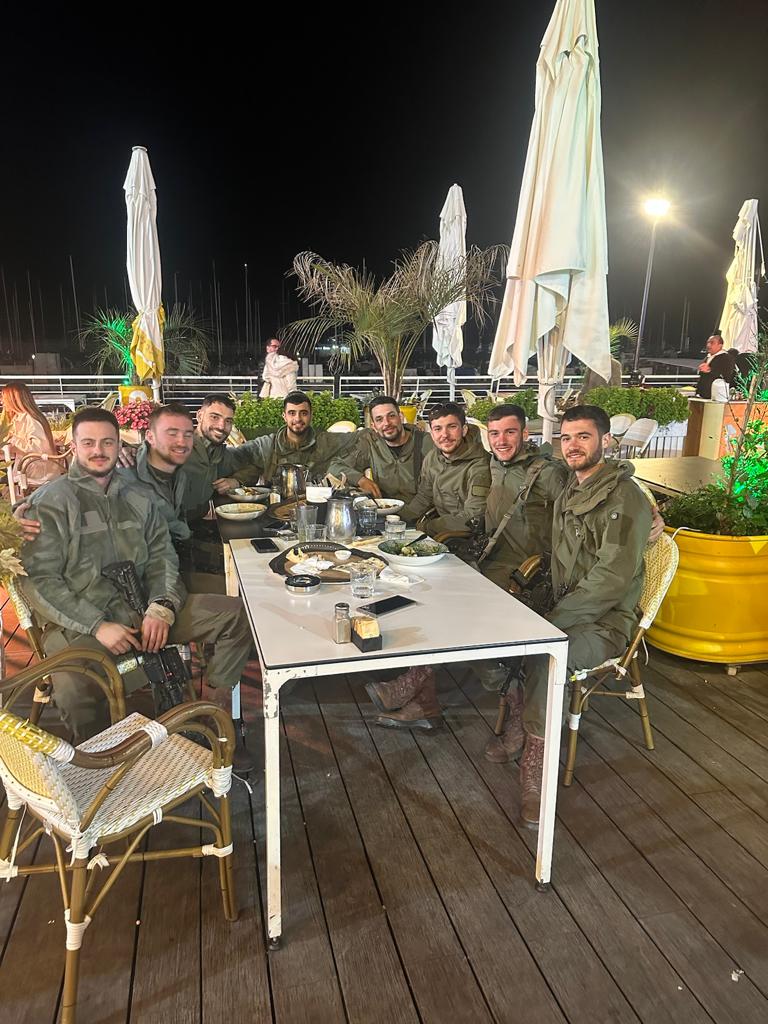
All photographs · 104
Videos and links
In the media
Articles
- This is a war on our joy
Sivan Rahav-Meir ·
- Emotional reunion: Bereaved father meets soldiers who accidentally killed his son
JFeed ·
- Captain Roy Beit Yaakov was laid to rest
וואלה ·
- Captain Roy Beit Yaakov: Few words, brave actions
The Jerusalem Post ·
- Tragic Accident: Five Paratroopers Fell to “Friendly Fire” in Jabalia
9tv ·
Podcasts
- Lieutenant Colonel Avidan Beit Yaakov’s Perspective
בשבע עיניים / Omny
Memorial projects
His family dedicated a Torah ark curtain embroidered on the flag that had covered his coffin.
Twelfth-grade students at the Shavei Hebron Yeshiva for Youth, including his brother Eitan, initiated the renovation of a cistern in the southern Hebron Hills. The site is called Bor HaDegel and includes seating areas, a pergola and a memorial sign.
Stories told about them
At Roi’s funeral, his father addressed the soldiers involved in the incident in which he fell. He sought to support them and called for professionalism and adherence to combat doctrine.
After the disaster, Avidan Beit Yaakov met with the soldiers of Armored Battalion 82 who were involved in the shooting that killed Roi. He wrote that he felt no anger toward them and that they must continue to shoulder responsibility and fight together.
Avidan said that his wife asked him for a photo with Roi while they were serving in neighboring sectors. After trying to meet, they managed to hug and pose for a photo at night for about half a minute before the father had to return to his force.
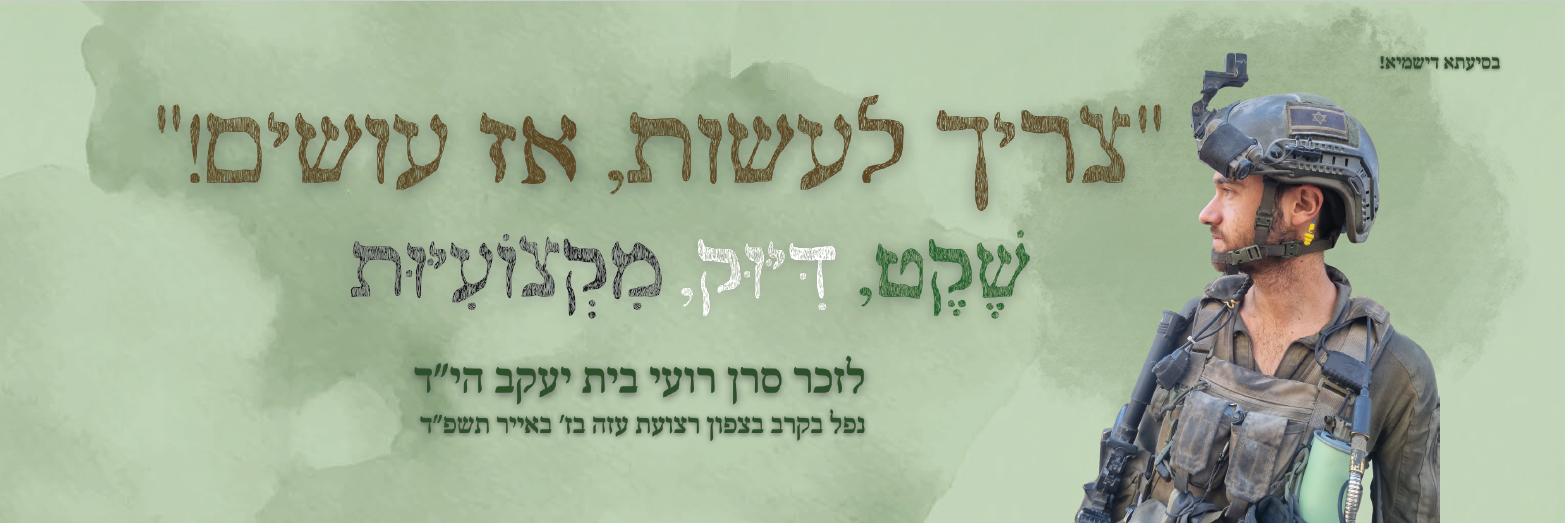
“We have to do it, so we do it! Quietly, precisely, and with professionalism.”
Life & service
Service
- Rank
- Captain
- Honours
- Posthumously Promoted
- Battle Location
- Northern Gaza Strip
Family
- Father
- Avidan
- Mother
- Hadas
Burial
Place of rest
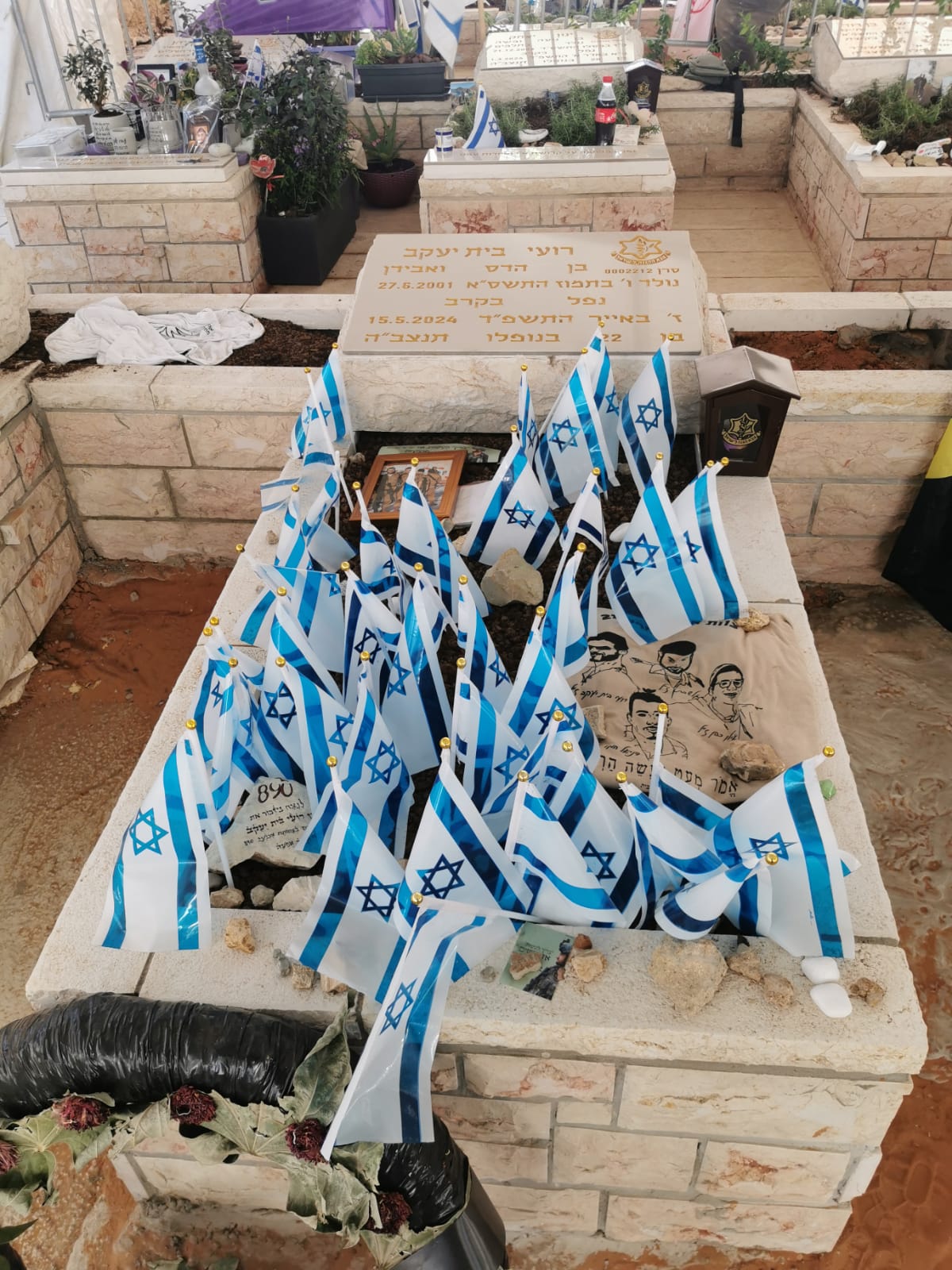
All photographs · 1
Tributes & remembrance
זכיתי להיות הגננת של רועי בגן חובה
זוכרת אותו ילד מקסים, עדין ומאידך עם תקיפות עדינו העצני, מלא סקרנות יצירתיות וחכמה.
יהי זכרו ברוך , הי"ד
רועי היה בן אדם מדהים עם חיוך מושלם חייל שנלחם עלינו ולמעננו שהיה זכרה ברוך
תודה.
סליחה.
מקווה שאנחנו ראויים ....
יהי זכרך ברוך
תודה על המסירות. תודה על ההקרבה הגדולה.
גיבור ישראל. מקווה שאנחנו ראויים.
שנה לנפילתו.
יהי זכרו ברוך.
יהי זכרו ברוך
אני מצדיע לך ולמשפחתך השכולה. יהיה זיכרך ברוך.
הי"ד. יהי זכרו ברוך.
יהי זכרך ברוך
תודה עליך ועל מה שהיית עבור אח שלי והחיילים שלך
יהי זכרך ברוך
לא נשכח לעולם
נזכור אותך תמיד אדם יקר ואהוב
נר זיכרון זה בשם כל משרתי מערך ביטחון המידע , יהי זכרו ברוך .
מתגעגעים ומוקירים
עוד מעט יום האזכרה שלך אבל נפילתך היא אבל לאומי ולכן כבר כעט מתאים להזכירך .
תהא נשמתך צרורה בצרור החיים. אמן.
מלח הארץ ומלאך יפה
המדינה זכתה שיש גיבורים כמוך
רק תודה לך ששמרת עלינו
יהי זכרו ברוך
בטח בא לך להרביץ לי עכשיו, אבל עשיתי עוד הרבת דברים שהרבצת לי בגללם אז זה לא משנה.
רועי, קקו, אח יקר
תמיד ידעתי שיכול להיות שהפלאפון הזה יגיע יום אחד, ולא כי פחדתי, זה לא עוזר. אלא כי ידעתי שאם צריך שמישהו יבצע את המשימה אתה לא תהסס. אני שזה בדם שלך, גדלנו באותו בית. ראיתי את זה בעיניים שלך. את הכאב והעצב שבשמחת תורה לא היית יותר 'שם'. אמא אמרה לך שמזל כי אז אולי היית נהרג ואתה הסתכלת עליה במבט של "אני לא אוציא את המילים מהפה כי הן יפחידו אותך. אבל את יודעת מה אני חושב על זה, זה בדיוק התפקיד שלי, להיות בחזית לזה הוכשרתי.
ככל שעברו החודשים התרגלתי לעובדה שאתה נכנס ויוצא. דיברת מקצועיות ונחישות וידעתי שאתה עובד בדיוק לפי הספר האימונים והתרגולות. גם אתמול נהגת באותה מקצועיות, חתרת למגע ושמרת עליך ופקודיך. אבא אמר היום שהוא ידע שהם לא יכולים עליך. ובאמת הם לא הצליחו, נפלת בתאונת דו"צ.
השבת האחרונה שהיית בבית, לפני שבועיים שבת 'אחרי מות' כרגיל היה השלב שבו אתה יורד מהשולחן לספה, ענבל משגעת אותך. רק שהפעם כולם זרמו איתה, גם אמא. הפיצים לא הפסיקו לשיר בצעקות כל דבר אפשרי, רצו בסלון, בקיצור היה שם שמח בצורה מיוחדת כאילו ארגנו לך פרידה.
פעם אחרונה שראיתי אותך הייתה שהורדתי אותך לתחנת אוטובוס ביום ראשון. אמרתי לך שבוע טוב, חודש טוב, יום עצמאות שמח. לא ידעתי אם להמשיך או לא, מסתבר שצדקתי שלא המשכתי. כשהלכתי חשבתי לעצמי "ואם זאת השיחה האחרונה את לא רומה להוסיף משהו?" לא הוספתי.
הייתי כל כך גאה בך. הייתי מגיע לבית כנסת בלי רובה הרגשתי קצת בושה, אבל כשהיית נכנס עם הנשק הרגשתי בסדר.
היית אח טוב, חבר ילדות. גם שחר. היינו משחקים הרבה ביחד גם הייתי מצטרף אליכם עם החבר'ה בגיל שלכם לתחרויות עם הסקייטבורדים, רולר הוקי וזה לא הרגיש לי מוזר, ברור שאח גדול לוקח איתו את האח הקטן גם כשהוא עם חברים שלו.
בערב שמחת תורה נפגשנו בטרמפיאדה ביציאה מעלי, אני בדיוק יצאתי למצפה ואתה הגעת הביתה. החלפנו כיפים ואמרת לי שניפגש במוצ"ח, אמרתי לך "לא יודע נראה".
במוצאי החג שאלת מה שלומי ואמרתי לך שאני על הפרצוף. אין לי מושג איך אבל אח שנמצא בחזית באמצע הקרבות מרגיע אח שנמצא במקום הכי בטוח במדינה. כדי לסיים באווירה טובה שלחתי לך 'ניפגש במוצ"ח'
עכשיו אתה לא פה ולכולנו יהיה קשה בלעדיך, לקחתי ממך דוגמא להרבה דברים. נכון גם התווכחנו והלכנו מכות שהלחיצו את אמא, אבל מרחוק תמיד צפיתי והתגאיתי בך. בקורונה כשאבא היה במכינה וגם אמא המשיכה לעבוד, היית הבוס שלנו במשך תקופה לא קצרה ואף אחד לא שוכח את התרגילי כושר שעשינו איתך כל הזמן. השרית סביבך אווירה טובה ונינוחה, לא סתם קבעתי את מקומי הקבוע בשולחן לידך.
במוצאי חג עצמאותנו דודי ירד לגנו ללקוט שושנים, ולי יהיה חוץ מהיום זיכרון שעליו נבנתה המדינה עוד יום זיכרון פרטי שיזכיר לי שלא עצרנו שם, אנחנו בדרך למשהו הרבה יותר גדול שבשבילו שווה למות, לחכות, לעבוד קשה ולא לצעוק 'עכשיו!' בלי שום עבר ועתיד.
אני זוכר שסיפרת לי על דיון שהיה לכם בקורס קצינים על "טוב למות בעד ארצנו" היו שם טענות שלא אהבת ואתה אמרת את שלך, אמרת וקיימת.
הצבא הזה, העם הזה יש בנו רוח אדירה שאנחנו לא מצליחים לנתב למקום הנכון אז הקב"ה שלח לנו רועים, לחלק גם קוראים ככה. רועים שמטווים לעדר דרך ברורה. לא מתת כדי שמישהו אחר יחיה, זה לא שווה זה לא עניין של חיים תמורת חיים. מתת כי החיים שלך כל כך שווים שעדיף למות מלחיות אותם לא נכון. קול דמיכם צועקים מהאדמה למי שעוד לא הבין "עם ישראל חי".
אני מקווה שדוגמתכם האישית תיתן בעם ובעיקר במנהיגיו רוח. רוח גדולה שתעיף את כל המסכים ותחשוף את סיבת אחדותנו. אנחנו עם ישראל, אותו עם ישראל שיצא לפני 3336 שנה -כמו שכתוב בבית מעל השולחן- ממצרים לחירות לעבוד את ה' ועוד לא גמרנו את המסע.
נקראת על שם רועי קליין עוד בחייו ודבקת בדרכו ודרכם של עוד רבים אחרים בחייך ובמותך.
"כי דם עבדיו יקום" לא נקמה מהטנקיסטים שירו בך, אין לי בלב דבר עליהם. נקמה מבני העוולה שסביבנו ואלה שנמצאים באירופה ובאמריקה.
אתה במקום שכולו טוב מקום שראוי לך עם כל מוסרי הנפש, ואנחנו כאן מנסים לאחוז בטוב שהשארת. אנחנו עם רגליים נטועות באדמה וראש מופנה קדימה להמשיך, להמשיך ולהוסיף בחיים שציווית לנו.
רועי ה' ישמור עליך על תום דרכיך, על טובך, על ארץ צבי שנשמתך שזורה לנצח בבגד יום יומה.
יהי זכרך ברוך
כתבה בערוץ 7 עם האח יונתן
https://www.inn.co.il/news/637877?utm_source=whatsapp&utm_medium=social&utm_campaign=share
o רוצה להתנצל, שמענו כל כך הרבה עליך, ידענו שאתה מקצוען ודייקן,אך גילינו גם רגישות ואהבה אין סופית. כמה דאגת לכל חייל. חברים שטיילו עם רועי ברגילות או בסופי שבוע סיפרו לנו שבטיולים כל הזמן התקשרת למשק תש ודאגת לכל חייל. עזרת למי שקשה, דאגת לאווירה בכל מקום בו היית מבלי לקחת קרדיט. מתנצלים, לא ראינו את הגודל.
o יש כאלה שזורמים עם החיים, אך אתה כמפקד היתה לך שיטה, היית מחושב, ידעת מה אתה רוצה מעצמך. הכל היה מתוכנן ומחושב וכשהבנת שטעית בדרך ידעת להגיד טעיתי ולהתנצל ולתכנן את הדרך החדשה. לכן זה כל כך גדול - לא מדובר בכישרון, אלא בדרך שתכננת ובנית, אתה החלטת לאן ללכת ולא כי זה מה שהכרת. החלטת להתנהל בדיסטנס וקשיחות בטירונות כי זה נכון חינוכית וידעת אח"כ לשנות, וכך גם בסוף הדרך, ברגעי חייך האחרונים, לאחר שדחפת את יהודה
ופרג'יאן והצלת את חייהם החלטת לחזור למקום הסכנה ולהציל את שעשוע, לא הספקת. אבל זה אתה החלטת.
o אני מתנצל את הגודל הזה לא ראינו מספיק. ואני רוצה לדבר על הגודל הזה, כי זה השיעור הגדול ביותר שלימדת אותנו.
o מה זה גודל?
o הגמרא בקידושין מספרת שנשאלו חכמים "תלמוד תורה גדול או מעשה גדול"? אמר ר טרפון מעשה גדול אמר ר עקיבא תלמוד גדול, נמנו ואמרו כולם, גדול תלמוד שמביא לידי מעשה. וזה קצת קשה - שאם כך, גדול דווקא המעשה.
o אני רוצה לדייק קצת - הגמרא לא שואלת מה גדול יותר, אלא במה יש גדולה. ומהו גודל? גודל היא מידתו של אברהם אבינו ע"ה, וזו מידת החסד. חסד הוא דבר שמתפשט ללא גבולות, באופן אין סופי. וזה אומר שגודל הוא דבר המתפשט באופן אין סופי. ולכן הבינו חכמים שבמעשה אין גודל כי הוא סופי ואילו תלמוד מביא לידי מעשה,
הוא מניע תהליך ולכן הוא מתפשט באופן אין סופי. אז התורה היא גדולה. היא המרכז ממנו מתפשט הכל. ומה הגודל של התורה? לימדנו ר"ע "ואהבת לרעך כמוך זה כלל גדול בתורה" זה אומר שזה הגרעין עליו מבוססת התורה וממנו מתפשט הכל. כך לימדנו הלל הזקן שבא אותו גוי וביקש ללמוד את התורה על רגל אחת, אמר לו "מה דסני עליך על תעביד לחברך" שזה ה"לא תעשה" של אהבת לרעך כמוך. אם תלמד את זה משם תצליח ללמוד כל התורה - ואידך זיל גמור.
o לימדנו מורי ורבי הרב צוקרמן זצ"ל שהיסוד העמוק של מצוות השירות הצבאי הוא ואהבת לרעך כמוך. רועי החזיק לגמרי בגודל הזה. והדבר בולט בכל מילה שאנו שומעים עליו בצבא.
o מצאתי דף שרועי כתב לעצמו בבהד 1 - ובו נשאל רועי מה הכי חשוב לו? הוא כותב שחיילי יפעלו מתוך תפיסה ערכית ולא ממניעים אישיים. וכשהוא נשאל מה קו אדום בשבילו? הוא כותב - חייל הפועל
ממניעים אישיים. זה בדיוק ואהבת לרעך כמוך.
o גם ברגע האחרון רועי גילה על מה מבוססת התורה שלו, הוא יכל היה להציל את עצמו. לאחר הפגז הראשון הוא הספיק להציל חלק מחייליו ובמקום להציל עצמו איתם, הוא ניגש מיד לעמדות, הוא הספיק להגיע לשעשוע הניח עלי ואת ידו להצילו, ואז נורה הפגז הקטלני. הם נהרגו.
o רועי אחזת לגמרי בגודל של התורה, והגודל הזה ממשיך להתפשט דרכנו, דרך חיילך ודרך מכריך. למדנו החודש לראות את הגודל באחיך ובאחיותך. אנחמו מתנצלים שלא ראינו מספיק את הגודל, אבל כל הזמן למדים ממך כמה השיטה שלך היתה לראות את הגודל בכל דבר. לזהות את הגודל בכל חייל, את תכונתו המיוחדת לו ולתת לה לגדול, בענווה גדולה של מחנך. חיפשנו את הגודל ולא מצאנו כי חיפשנו משהו "גדול" - אבל גדול זה לא משהו גדול, אלא זה הגרעין של כל דבר, זו תכונתו המגדלת אותו.
כשמחפשים את זה אז מוצאים. רועי אפילו כילד לימד אותנו ההורים את זה, בדרכו.
o זה השיעור שאנו מבקשים שכולנו נלמד. לראות הגודל של הנשמות שלנו - כל אחד בעצמו, באשתו, בשכניו, בילדיו וגם בבני המחלוקת איתו, באלה שלכאורה מהצד השני של המתרס. אנחנו כהורים תמיד נתקשה לראות את הגודל, זה אולי אפילו בלתי אפשרי - אבל צריך לדעת שהוא קיים. נפעל תמיד מתוך ידיעה שיש במי שמולי מישראל גודל כל כך ענק. ננסה לדייק מהי תכונתו המדייקת אותו.
o תודה רועי וסליחה.
o אבא ואמא
רועי הצדיק!
כמה צדיק היית, צדיק מדוייק. לפעמים היה קשה לך עם כל מיני החמרות, אז היית מתווכח עם שחר, אחרי כמה דקות היית מוציא קיצור שולחן ערוך או שמירת שבת כהלכתה ומוכיח שצדקת. בדרך כלל ניצחת.
על ההלכה הקפדת, לא יותר אבל בעיקר לא פחות. לעיתים היה נראה שאתה לא כל כך מתחבר להלכה, לשיח האמוני, אבל היית לך החלטת ברורה שעל ההלכה אתה לא עובר. היה לך ביטחון מיוחד בדיוק שלך. מאוד סמכת על עצמך. אנשים רבים כשיוצאים מהבית לטיול, או חייל שיוצא מהבסיס למלחמה, כל הזמן חושבים "מה יהיה חסר לי" ומפוצצים את התיק בכל מיני דברים – כי אולי הם יצטרכו. והתיק נהיה כבד ומסורבל. אתה לא כך, אתה מדוייק. תמיד לקחת דווקא תיק קטן ושמת בו בדיוק את מה שאתה צריך, לא מילימטר יותר. ואף פעם לא היה חסר לך משהו, ידעת בדיוק מהי הצידה הנכונה לדרך – רוחנית ומעשית. היית מדוייק, היית מקצועי.
בעבודות העץ שבנית בבית, בצילום עם מצלמה או עם רחפן, הכל היה מדוייק, גם כשבישלת, גם כשנהגת. את הדיוק הזה ואת המקצועיות אני בטוח שהבאת גם לצבא. זכו בך החיילים שלך, זכה בך עם ישראל.
למדנו יחד להיות אב ובן. בתחילת לימודיך בישיבה התיכונית, עשיתי כמה טעויות, היה לנו קשה – אבל מאז למדנו להתחבר. לימדת אותי להביט על הטוב, בדיוק כפי שעשית עם המצלמה. כמעט כל תחומי העניין שלנו היו משותפים – צילום, טיול, עבודה בעץ. כל דבר שצריך להתקין או לתקן בבית, ידעתי שיש על מי לסמוך, המשכת אותי והחלפת אותי – והתעלית עלי. אתה יודע – אני לא סומך על אף אחד. אבל עליך תמיד סמכתי. כבר מגיל 6 כשהיינו הולכים לטייל הייתה מוצא את הדרך חזרה לבד, נולדת נווט ואיש שטח. לא פספסת פניה. כמה גאה הייתי בך. התחלנו לבלות יותר יחד – הכי אהבתי לרוץ איתך על חוף הים, שם התחברנו, כמעט בשתיקה, לפעמים הרגשתי בך אח תאום.
בצבא פרחת ממש. מצאת את מקומך, היית בטוח בדרכך, מדוייק ומקצועי. עם פרוץ המלחמה קפצנו יחד, הבנו מיד שזו מלחמה ושהיא תהיה ארוכה. אמרנו יחד שלום לאמא – "נחזור עוד חודשיים...לפחות" – בדרך אסף אוצך המ"פ שלך – הלכת להילחם בשדרות ואני המשכתי לחטיבת הקומנדו. עברו חודשים – לא נפגשנו. אתה לחמת בעזה, עקבתי ארחיך דרך המשואה, לא התלוננת, שמחת, היית גאה בחיילך, במשימה החשובה שזכיתם לעסוק בה. כעסת כששמעת שהורים פנו למח"ט והתלוננו שאתם לא יוצאים הביתה. בסג'עיה זכית להוביל את ההתקפה החטיבתית, שוב עקבתי אחריך במשואה. כשיצאת מסג'עיה סוף סוף נפגשנו. סיפרת לנו על חיילך, כמה הצוות שלך מעולה, כמה בתים יצא לך לפתוח וכמה בתים פוצצת. אני בטוח שכל זה היה מדוייק ומקצועי – היה לי ברור שהצוות שלך לא יעלה על שום מטען ולא יחשף לאויב.
אחר כך נכנסנו לח'אן יונס, כן נכנסנו, זכינו ללחום יחד בח'אן יונס. אין יותר גדול מזה. פגשתי את חיילך ומפקדיך שמעתי שמספרים שהצוות שלך הוא היחיד שמקפיד להתקדם רק בדילוגים ושמקפיד על פתיחת כל זיג כמו שצריך גם עכשיו אחרי כמעט ארבעה חודשי לחימה רצופה. אמרתי ברור – זה רועי. מדוייק, מקצועי וקטלני.
עשינו מעבר כח דרך כח. הקמונדו דרך צנחנים. המשימה שלכם איית לפתוח לנו את הציר ולהעביר אותנו – ישבנו יחד בבית שלך לתאם תוכניות. אני התגאתי בך ואתה התגאת בי. ידעתי שאתה בלתי פגיע, לא חששתי – אתה מדוייק ומקצועי – באמת אף כדור אויב לא יכול להשיג אותך ולא פגע בך. נפגעת רק מהאש הקדושה של צה"ל. ואין בי מילימטר של כעס או טענה כלפי חיילנו, זו מלחמה וזה יכול לקרות. אתה נשארת קדוש אף כדור אויב לא פגע בך.
להילחם למדתי באמת מהרב עודד וולנסקי עם ספרו "אבן ישראל". את התורה הזו בדרכך, קיבלת גם אתה. "אבן ישראל" היא בלתי מנוצחת, "אבן ישראל" – אבן זה אב ובן. זכיתי להיות איתך בקודש הקודשים של עם ישראל, לבושי מדים, יחד במלחמה – אין יותר גבוה מזה.
רועי המתוק, כך קראתי לך. ידעת מה המחיר שאתה עלול לשלם ולרגע זה לא עצר אותך. לשנינו זה היה ברור. כמוך עוד אחפי חיילי צה"ל – לא ינצחו אותנו!
כן צה"ל צריך להתרומם, צריך לרכז מאמץ ולהכריע. זו תקופה לא פשוטה, אופן הפעולה שלנו מורכב ולא אידאלי. אנחנו צריכים לחזק את מנהיגנו ומפקדנו ולומר להם – מאות אלפי חיילי צה"ל מוכנים להכריע! אין בהם פחד! רק צריך להחליט. הדשדוש הזה הוא חלק מקשיי המלחמה, קשיי הגאולה, ואנו מקבלים אותו באהבה – לא באים בטענות. רק רוצים לחזק ולומר לכם – זה אפשרי – תהיו מדוייקים, תהיו מקצועיים ואנחנו נכריע. אני לא פונה למג"ד ולמח"טים – אני פונה אליכם מפקדי הצבא – יש תורה צבאית, תדבקו בה, זו הדרך בה רועי ניווט, זו הדרך בה רועי פעל. הוא לא דיבר כמעט, הו פעל הוא עשה. בעין של צלם מזהה את התמונה, בוחר את הדרך, מנווט אותה במקצועיות ופוגע באויב בדיוק. תכפילו את זה במאות אלפי לוחמי צה"ל – ותכריעו!!
תרימו את הראש, תרימו את המבט, תרימו את הדגל – ותכריעו!
רועיקוש – לא יכולנו לבקש מתנה טובה יותר – כמעט 23 שנה זכינו בך. אמא ואני נמשיך את הדרך – לא נשתנה – אנחנו יודעים את הכיוון – נעשה מאמץ להשתפר, להיות טובים יותר. גאים בך, אוהבים ומתגעגעים – אחיך ואחיותך – מעריצים אותך – ואתה קדוש – להעריץ קודש זה טוב.
ישבנו עם אלישע העו"ס עם הילדים לפני ההלוויה הוא אמר משפט שנשמע טכני אבל הוא מאוד עמוק, הוא אמר: " אתם יודעים, את הארון קוברים את הדגל לא קוברים!" הוא נמצא שם, הוא ממשיך להתנופף!
רועי היקר – נוח בשלום על משכבך והיה מליץ יושר לעם ישראל.
רועי בית יעקב ז״ל
איזה שם מדויק. רועי היה רועה טוב, מנהיג טוב, וחבר טוב, ולא סתם בן אדם טוב. הוא רצה להיות החבר הכי טוב ולתת הכי טוב שהוא היה יכול. רועה טוב לכל בית יעקב, לכל עם ישראל—לא משנה מאיפה באת.
זה בא על ידי ביטוי עם הצוות שלו.
כולם (לא רק הצוות אלא כל הפלוגה) סמכו עליו עם בטחון שלם, להוביל אותם לאיתור הנכון, לחדר הכי מוגן, לדעת איפה המקום הכי אסטרטגי לתקוף ממנו. הוא, והצוות שהוא גידל, הוביל את כל הפלוגה (וזה לא סוד שהפלוגה מובילה את כל הגדוד וש202 מוביל את החטיבה). מנהיגים טובים נמדדים על המנהיגים שהם יוצרים—ורועי יצר צוות שממנו יצאו מלא מפקדים טובים ואחראים. אבל הפרויקט שהיה הכי מרשים בעיניי זה היה להוציא את הפוטנציאל והטוב מהחבר הכי טוב שלו, הצמד שלו, לעולם ביחד: דניאל חמו הי״ד.
דניאל היה איש קטן, מלא באנרגיה ורגש וכישרון. הוא היה מצחיק וידע לעבוד עם אנשים ואיך להיות חבר טוב. רועי ראה את כל זה, ויותר ראה ישר לנפש שלו. הוא ידע שהוא יכול להוציא את כל הטוב לידי ביטוי. הוא ראה כמה חבר טוב דניאל היה, והוא אמר זהו זה צמד שלי. הם היו ביחד כל הזמן, כל אחד יותר גאה מהשני להיות צמדים. בדרך כלל, קצינים לוקחים את הלוחמים עם הכי הרבה כוח, הכי הרבה אגרסיביות, הכי גדול להיות איתם מקדימה אבל רועי לא היה כמו כל קצין.
רועי לקח על עצמו ליצר לוחמים מנהיגים שאכפת להם הכי הרבה מחברים שלהם. רועי הוביל עם אחריות, ידע להגיד טעיתי, ידע לקבל ביקורת ולהשתפר למען הצוות שיהיה להם הכי טוב.
הוא רצה תמיד שיהיה להם טוב, בין אם זה שהוא דאג שיהיה להם טעם של בית בתוך עזה, כשהוא ודניאל חמו בשלו שעות שיהיה אוכל לארוחת שבת, או ספינגים לחנוכה, חלה מתוקה, חמין וכו וכו. אני זוכר איך הוא הוביל את הצוות שלו לתוך הפלוגה שכבר נלחמה מלא זמן בעזה, ואף צוות אחר לא באמת בישל. פתאום צוות בית יעקב בא וכל הבית בהגנה מלא בריחות טובים. אני הייתי עם הקצינים וחפקים בקומה למעלה וכל פעם שרועי נכנס הוא הביא איתו אוכל שהוא והצוות בישלו וזה הביא מלא שמחה וכיף לכל הפלוגה.
רועי אהב להציק לחברים שלו, זה היה דרך שלו להראות שהוא אוהב אותם, נראה לי, הכל היה מאהבה. אחד מהחיילים מהצוות שלו, תמיד היה חייב לדעת תמונת מצב עולם, מתי מגיע מל״מ (הספקה) מה יהיה בהמשך וכו. רועי אהב אותו ולכן אהב להציק לו. הוא היה אומר לי, ״אני הולך עכשיו להנפיץ על פרנקל.״
״רק על פרנקל?״
״כן, הוא הכי מצחיק,״ הוא ענה.
הוא אהב לקחת דברים של החברים שלו, ולהסתיר אותם במקומות מוזרים וכל פעם שמצאנו משהו במקום רנדומלי, ידעתי שזה רועי צוחק עלינו.
רועי היה הקצין היחידי שהמ״פ נתן לו להציע לירות טילים. פעם רועי עלה על הקשר לבקש אישור ירי מטדור (טיל של 10 קילו) ״כדי לאפס אותו״. עכשיו חשוב לדעת שאין איפוס של המטדור. צחקנו ונראה לי בסוף המ״פ כן נתן לו לירות.
הוא ידע לעבוד עם הצוות, להביא להם את המידע שהם צריכים לשמוע. הוא היה מההתחלה קשוח איתם, אבל כשהם עמדו מולו ואמרו לו שהוא מגזים הוא הקשיב להם, והתאים את הציפיות שלו למה שהיה רלוונטי ונכון לעשות. הוא היה שילוב של רציני ומצחיק, מקצוען ומציק, אידיאלי ומְצִיאוּתִי.
פעם, אחרי שהוא כבר נלחם מלא זמן ברצועה, וממש הבין איך לתקוף ומה לעשות, בא אליו קצין אחד שלא אהב את מה שהוא ראה. הוא אמר לרועי שהוא לא עושה את הדבר הנכון ורועי אמר לו (בערך) ״אני יודע מה אני עושה, תן לי לעבוד".
הקצין אמר לו: אני אעיף אותך מהחטיבה אם אתה ממשיך ככה.
רועי לא מצמץ, הוא אמר לו, אז תעיף אותי, אני יודע מה אני עושה ואני סומך על הלוחמים שלי. תן לי לעשות את המקצוע שלי איך שאני יודע לעשות.
הוא לא פחד מדרגות ולא עשה דברים לפייס קצינים גבוהים. הוא עשה מה שהוא ידע היה הכי נכון והכי בטוח.
התדריכים לצוות שלו היו הכי טובים בפלוגה. הייתי תמיד רוצה לשמוע מה הוא אמר להם אז הייתי עומד קרוב לח׳ של הצוות. כשלא שמעתי או לא הבנתי הייתי מגיע לאחד מהלוחמים שלו ושואל: מה בית יעקב אמר?!
רועי אהב לצלם, למצוא את הזווית הכי מדויקת כדי לתפוס את הסצנה מולו הכי שלימות. וזה משל ממש טוב לרועי, הוא ידע איך לגשת למצבים ולאנשים בצורה הכי טובה בשבילם כדי להוציא את התמונה היפה ביותר מהם.
עוד משל טוב מהשמונה חודשים שהיינו ביחד בעזה:
רועי הביא את השעון שלו איתו, והיה לו מלא שירים שהוא הוריד על השעון. פעם היה לנו בוקסה קטן, ורועי שם מוזיקה. בהתחלה הוא שם שירים שכולם מכירים ואוהבים, ואז מישהו ביקש שיר hard metal כזה והוא שם. תמיד היה לו שיר מתאים לכל בן אדם. היה לו טעם רחב במוזיקה והוא ידע להתאים שכל אחד ישמע את השיר שהוא אוהב ורוצה לשמוע. לעשות את זה צריך הבנה של בני אדם, של כל סוג בן אדם. זה היה משהו שבא בטביעות אצלו.
עוד דבר מיוחד במנהיגות שלו: הוא ידע כמה חשוב זה בזמן מלחמה לשמור על הנפש של החיילים שלו. כשנפגשנו אוייב או שנכנעו או שתפסנו אותם הוא דאג שהצוות שלו יבינו שלא משנה כמה כואבים וכועסים הם, זה לא עליהם להיות אלים עם אסירים. והוא לא דאג לזה כי אסור לפי החוקים של הצבא. הוא עשה את זה כי באמת היה אכפת לו שהחיילים שלו ישארו כמה שיותר תמימים וטובים בלב.
דיברתי לפני כמה ימים עם אחד החיילים שלו מהצוות, והוא אמר לי שרועי היה אחד משני האנשים שהוא הכי סמך עליהם ושהוא ידע שלא משנה מה הם תמיד היו שומעים אותו, את הדאגות שלו, היו מקשיבים לתלונות ומקבלים ביקורת ועצה ולומדים מכל דבר. האנשים האלו היו רועי וגל שבת הי״ד.
כל זה מתאר מנהיג טוב. חבר טוב. רועה טוב. רועה של כל בית יעקב, של כל עם ישראל.
אבידן והדס וכל המשפחה.
בשבת הגדול התארחתם בקיבוץ לברית של רחימי.
אתה, אבידן, נכנס לבית כנסת עם הבנים הצעירים, תופסים ברוך השם ספסל וחצי...
מתיישבים ומתחילים בתפילה.
ואז
הוא מגיע
תמיר, זקוף, קליל, בצעדי אילה משתחל בגמישות למקומו בספסל.
השילוב של בגדי השבת המוקפדים, הנשק, התנועתיות הקלילה הזורמת והמדויקת , הזקיפות, וגם ההתרכזות בתפילה בלי התפזרות למבטים הצידה ושיחות (וזה לא שעקבתי אחריו...),
כל אלה היו הופעה צנועה, מושכת לב ומעוררת התפעלות של תכליתיות אלגנטית ומדויקת שמעידה על מרכז פנימי המכיר בערכו.
זה מן הסתם החינוך שלכם והדוגמא האישית (אני זוכר איך אחרי שהודחת מאיזה קורס נחשב ויכולת לבחור תפקיד מעניין וחשוב, החלטת לעזוב הכל ולהתחיל כמו טירון בחיל הרגלים.)
וכמובן האופן שבו הנהיג את עצמו.
לצערי לא זכיתי להכיר את רועי וגם לא הסתייע להגיע לניחום.
משתתף בכאבכם בדמעותיכם, וזאת חלק מן הנחמה, שבימים אלו אנו מסוגלים להרגיש יותר קרובים וקשורים זה בזה.
המקום ינחמכם בתוך שאר אבלי ציון וירושלים.
ונזכה לנחמה השלמה בקרוב.
היום ארבע חודש אחרי האירוע זכיתי לבוא ולהיפרד כמו שצריך מרועי הגעתי ואמרתי לו תודה תודה על שגייסת אותי והפכת אותי מנער מבולבל ללוחם חוד תודה על האמון ואחריות שהיית מטיל עליי שהארת לי שאני שווה משהו תודה על הערכים שהקנתה לי בשלוש ימים הראשונים אחרי שהתעוררתי חיכיתי לך לא הבנתי למה אתה לא מגיע לבקר אותי דמיינתי אותך מגיע זורק איזו בדיחה צינית ושואל מה איתי ואחרי שסיפרו לי מה קרה לא הצלחתי לעכל את זה וגם עכשיו ארבע חודשים אחרי עוד לא באמת הבנתי את זה ואיך אני יבין אני ילד אני בחיים שלי לא חוויתי אובדן לפני ואני לומד עכשיו לצערי מה זה אני מבין עכשיו איזה מקום תפסת בחיים שלי שגם עכשיו בכל מיני סיטואציות אני מוצא את עצמי חושב מה רועי הי עושה או אומר לי לעשות. ורציתי להגיד לך אבידן שבן אדם כזה זה מתחיל מהבית זה מגיע מערכים שעליהם הוא גדל ואני לצערי לא כל כך מכיר אותם לא לומדים את. זה מאיפה שאני גדלתי רק בשנתיים האחרונות התחלתי להבין את זה ורציתי לומר כמה אני מעריך אותך על הדרך והערכים שבה אתם מחנכים את ילדיכם ובעז״ה שאני יקים משפחה כך אני ירצה לגדל את הילדים שלי .
Roikush, we could not have asked for a better gift. We were blessed to have you for almost 23 years
Source:וואלה
Read the Hebrew original
רועיקוש, לא יכלנו לבקש מתנה טובה יותר, כמעט 23 שנה זכינו בך
Caring for each individual was a central mission for you.
Source:וואלה
Read the Hebrew original
דאגה לפרט הייתה עבורך משימה מרכזית.
Roi is not a boy who talks too much — he simply gets things done and takes action, very quietly
Source:ynet
Read the Hebrew original
רועי לא ילד שמדבר יותר מדי - הוא פשוט עושה ופועל, ומאוד בשקט
How can you describe in words someone who used so few words?
Source:ynet
Read the Hebrew original
איך אפשר לתאר במילים את מי שכל כך קימץ במילים?
You followed the truth without losing your way,
Source:ynet
Read the Hebrew original
הלכת אחרי האמת בלי להתבלבל,
I received a strange birthday gift – bereavement
Source:ynet
Read the Hebrew original
קיבלתי מתנה מוזרה ליום ההולדת – שכול
I hoped that perhaps he was severely wounded.
Source:ערוץ 7
Read the Hebrew original
קיוויתי שאולי הוא פצוע קשה.
How much sorrow is bound up with the rebirth of the people of Israel in their land.
Source:אתר היישוב עלי
Read the Hebrew original
כמה צער כרוך בתקומת עם ישראל בארצו.
And you, the tank crewmen, we love you just as we love Roey's soldiers, and there isn't a drop of anger in us.
Source:ynet
Read the Hebrew original
ואתכם השריונרים, אנחנו אוהבים אתכם בדיוק כפי שאנחנו אוהבים את החיילים של רועי ואין בנו טיפת כעס.
On the calendar, Sukkot will always be joyful, even when mixed with mourning and pain over those who have fallen.
Source:Sivan Rahav-Meir
A half-minute meeting, a hug, a selfie for Mom.
Source:בשבע עיניים / Omny
Read the Hebrew original
חצי דקה של פגישה, חיבוק, סלפי לאמא.
Remembrance Day addresses
יום הזיכרון לחללי מערכות ישראל התשפ"ה – 2025
בכל יום שעובר, אזכור יותר! אזכור, את אלו שיצאו עימי לקרב ולא שבו, ולהם אין מי ידמה ומי ישווה. אזכור, שהכאב לא יעבור לעולם, והזמן, הוא לא מרפה ולא מרפא. אזכור, את שיברון הלב הגובר ואת הבית שבוער. אזכור, את צדקת הדרך, ואשבע שוב, שמה שהיה לא יהיה יותר. אזכור, שיותר מכל דבר אחר – אני חסר! ביום הזה, אני נתקף געגוע לדמותם, לחיתוך דיבורם, לחיוכם, ומדליק נר לזיכרון דרכם ומורשתם!
משרד הביטחון
אגף משפחות, הנצחה ומורשת
יום הזיכרון לחללי מערכות ישראל התשפ"ה – 2025
בכאב, בהצדעה ובתקווה אני מתכבד להדליק נר זיכרון זה. השנה, כשאנו נלחמים במלחמה ארוכה, רב זירתית וצודקת, הזיכרון נושא משמעות עמוקה. ביום זה נעצור ונתייחד עם זכרם של טובי בנינו ובנותינו שנפלו בהגנה על המדינה. מורשתם היא המצפן שמתווה את דרכינו, והיא המעניקה לנו כוח להמשיך ולהגן על מדינת ישראל ותושביה. משפחות יקרות, אנו מרכינים ראשנו ומתחייבים שנעמוד לצידכן תמיד. יהי זכר הנופלים ברוך.
אלוף דדו בר כליפא
ראש אגף כוח האדם, צה"ל
יום הזיכרון לחללי מערכות ישראל התשפ"ה – 2025
בשעה שאנו זוכרים את גודל תרומתם ועומק מסירות נפשם של טובי בנינו ובנותינו, נופלי מערכות ישראל לדורותיהן, ממשיכים צה"ל וכוחות הביטחון במימוש המשימה למענה לחמו ועבורה נפלו: הכרעת אויבינו מדרום, מצפון, ביהודה ובשומרון, וגם בזירות רחוקות יותר. בהערכה רבה ובגאווה אדירה אנו מרכינים ראש בפני הנופלים והנופלות, מאמצים את משפחותיהם אל לבנו, וממשיכים במשימה להבטחת קיומה של ישראל לדורי דורות. יחד נעשה ונצליח.
רב אלוף אייל זמיר
הרמטכ"ל, צה"ל
יום הזיכרון לחללי מערכות ישראל התשפ"ד – 2024
כאשר דגלינו מורדים לחצי התורן וראשינו מורכנים לזכר הנופלים והנופלות במערכות ישראל, ממשיכים לוחמי צה"ל ומפקדיו בלחימה בדרום, בצפון, ביהודה ובשומרון ובזירות נוספות. על כל דור מוטלת המשימה של הגנת העם והארץ – משימה שאף פעם אינה פוסקת. נצדיע בגעגוע ובגאווה לנופלים ולנופלות, נחבק את משפחותיהם, ונמשיך ברוח הציווי שהותירו לנו. עם ישראל חי.
רב ניצב יעקב שבתאי
המפקח הכללי, משטרת ישראל
יום הזיכרון לחללי מערכות ישראל התשפ"ד – 2024
אחיי הנופלים, כל נר הוא זיכרון יחיד ומיוחד, על חיים שהיו ואינם, געגוע שנצרב עמוק בלב, עולם ומלואו. הנרות כולם הם זיכרון של אומה כי לעולם לא עוד, בשורת הציונות וקוממיות ישראל. זיכרון כי הדרך לעם חופשי בארצנו עוברת דרך מסדר הנופלים. אור הנר יזכיר לנו את מסירות נפשכם להציל חיים, להגן על הבית. הנרות מסמנים לנו נתיב גבורה ערכי מחייב שאנו מצווים ללכת לאורו. נמשיך להילחם ולהוסיף אור מתוך אמונה בנצח ישראל.
יואב גלנט
שר הביטחון
יום הזיכרון לחללי מערכות ישראל התשפ"ד – 2024
בהצדעה ובכאב, בשם צה"ל כולו, אני מדליק נר זיכרון. בעיצומה של מלחמה, הזכרון נושא משמעות יום-יומית, שעבר והווה מתלכדים בה. לאורם של הנופלים נמשיך לצעוד, חיילי הסדיר והמילואים. לאורם של הנופלים נמשיך להגן על ארצנו ועל מולדתנו, גם כשהמחיר כבד. להבת-הזכרון תבער בנו בעודנו ממשיכים להלחם ונזכור את הנופלים ואת אומץ ליבם. משפחות יקרות, צה"ל מרכין היום ראש, מצדיע לכן וכואב איתכן. יהי זכר הנופלים ברוך.
אלוף יניב עשור
ראש אגף כוח האדם, צה"ל
יום הזיכרון לחללי מערכות ישראל התשפ"ד – 2024
בהוקרה, בגאווה ובכאב שאין לו סוף, אני מתכבד להדליק נר לזכרם של הנופלים והנופלות במערכות ישראל. סיפור חייהם בארץ הזאת, מסכת שירותם, גבורתם והקרבתם – הם סיפורה של הארץ הזאת, אך גם סיפור המחיר הכבד שהיא תובעת מאוהביה. מחויבותנו לזכר הנופלים ולדרך שהותירו לנו ניצבת תמיד לנגד עינינו. את המשימה שלא זכו להשלים, משלימים כיום, וישלימו, אנשי כוחות הביטחון, הממשיכים בדרכם ולאורם. יהי זכרם של הנופלים ברוך.
משרד הביטחון
אגף משפחות, הנצחה ומורשת
יום הזיכרון לחללי מערכות ישראל התשפ"ד – 2024
בחרדת קודש אני מתכבד להדליק נר לזכרם של חללי מערכות ישראל, חברנו שנפלו, מראשית היציאה מהחומות ולאורך כל שנות עצמאותנו המדינית והציונית, מהווים תמרור זיכרון לדרך חיינו ולמחוייבות הלאומית להנצחת זכרם. דרכם נותרה דרכנו ומורשתם נר להמשך עשייתנו. יהי זכרם ברוך!
בני גנץ
שר הביטחון
יום הזיכרון לחללי מערכות ישראל
נזכור אותם, כולנו יחד. כל אחד ואחת מהם, מדי יום ביומו, והיום ביתר שאת, כך – לנצח. "כי מדי דברי בו זכור אזכרנו עוד"
משרד הביטחון
אגף משפחות, הנצחה ומורשת