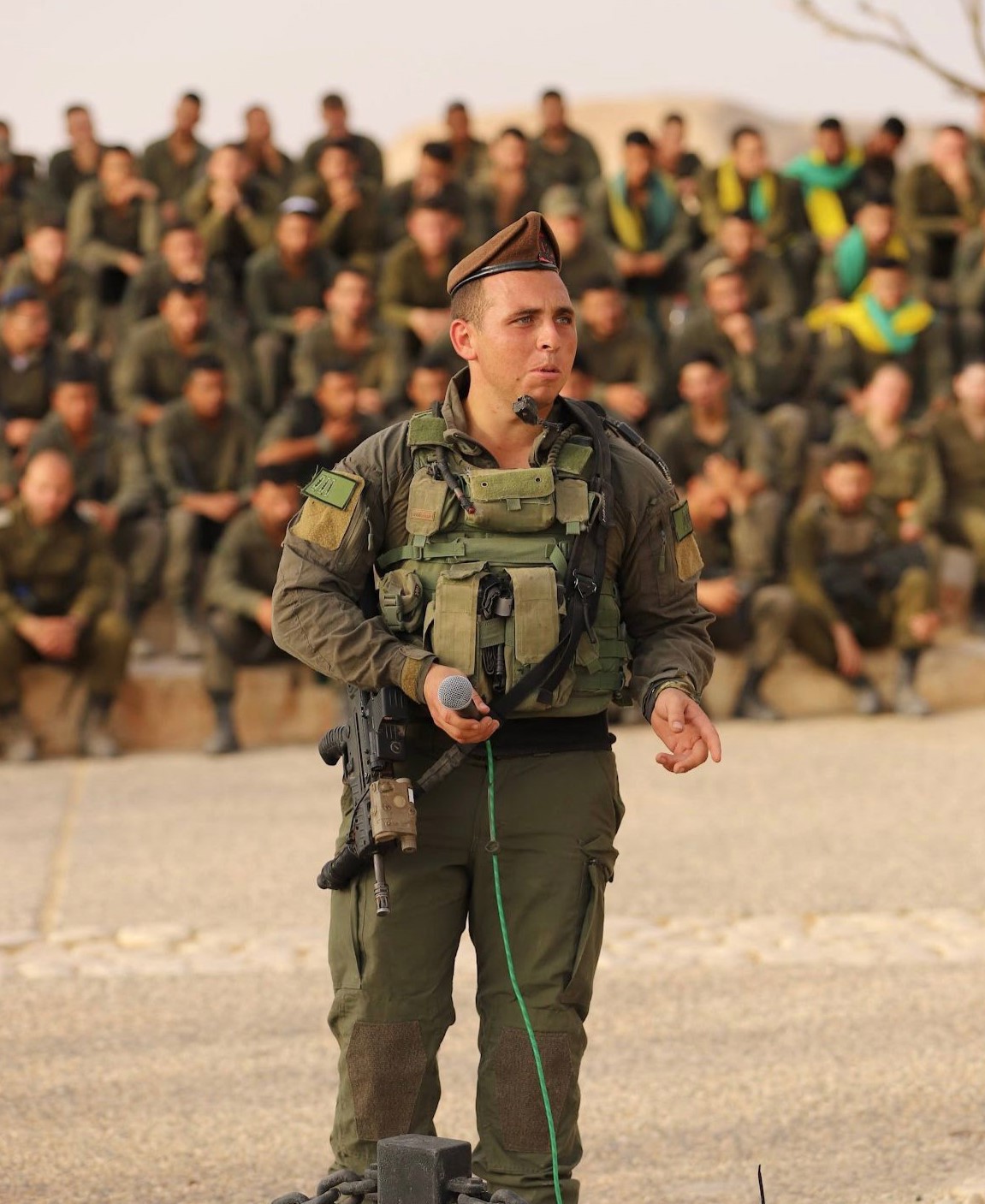
The story
In the bright winter landscape of the Galilee, on a clear day in the year 2000, as the sun began to send its first warm rays signaling the arrival of spring, Roi was born. The 18th of Adar I, 5760 – a date forever etched in the hearts of Yosefa and Yigal Maldasi, his parents. Their small, modest home in the quiet neighborhood filled with a new light, with sweet cries that soon turned into infectious giggles. Roi was the third child, a younger brother to Tomer and Oriya, and he brought with him a special energy, endless curiosity, and sparkling eyes that seemed to survey the entire world in search of the next adventure. Yosefa, his mother, remembers his tiny hands, always busy with something – usually disassembling and reassembling toys, or collecting stones and leaves in the yard. Yigal, his father, would watch him from the side, a wide smile spreading across his face, already understanding that here was a great soul, one that would not settle for routine, that would always strive for deeper meaning.
Roi's childhood in the Galilee landscape was steeped in the scent of earth after rain, the sounds of birds in the morning, and the green Galilean vistas stretching in every direction. He loved to run in the open fields, climb trees, and return home with scraped knees and stories of "secret operations" he'd conducted with his friends. Even at a young age, a deep love for the land was evident in him, not just as an abstract idea, but as a sensory experience, an immediate connection to the soil beneath his feet. When Yigal would take him on trips in the North, along the paths of the Golan or to the shores of the Kinneret, Roi would absorb every detail, asking questions about history, about the plants, about the people who had lived there for generations. Often, when they passed by plowed fields, he would insist on getting out of the car, touching the dark earth, smelling it. "Dad, look how soft it is," he would say, "you can feel it breathing." His parents saw in him a child with an ancient soul, one who understood things beyond his years. He was a sociable child, surrounded by many friends, but he also knew how to find his inner quiet, to observe. When they played soccer in the neighborhood, he was always the first to organize the teams, suggest tactics, and ensure that even the less skilled children felt part of the game. His fairness, his ability to bridge gaps and resolve small conflicts, stood out even then. "Roi, come tell them who's right," the children would call to him, and he, with a mischievous smile, would find a creative solution everyone could live with.
As he grew, his unique personality developed and intensified. He moved with his family to Afula, the city of the valley, and quickly found his place there. In elementary school, and later in middle school, Roi was not just a good student but also a natural leader. He was surrounded by friends, loved by his teachers, and always there to help, to listen, or simply to be present. He took an active part in social life, organizing class events, and participating in trips. In his room, alongside textbooks and comic books, lay history books and maps, and he would spend hours tracing routes, marking sites, as if already planning his path in the wider world. The love for the land, rooted in him since his childhood in the Galilee, sharpened. It was not just an inner feeling, but became a compass that guided his choices. He spoke of the country, its history, its challenges, not as slogans, but from a deep understanding and a genuine desire to contribute. When he returned home from school, he would share his experiences with his parents, recounting conversations he had with friends about the future of the country, about the need to protect it, to build it. "Mom, Dad," he would say, his eyes sparkling, "we must guard what we have. It's not to be taken for granted." Yosefa and Yigal listened to him with pride, understanding that their little boy was growing into a person of extraordinary awareness and sensitivity. In family discussions, when a debate arose about current affairs, Roi would be present, listening intently, and expressing his opinion in a thoughtful and reasoned manner, often surprising the adults in the room with the depth of his perception.
This understanding, coupled with a strong desire to influence and contribute, led him to the military boarding school of the Reali School in Haifa. It was not an easy choice; leaving the warmth of home, the familiar Afula, at such a young age, required courage and determination. But Roi saw it as a natural step, the fulfillment of a calling. He sat with his parents for long evenings, explaining his decision. "I know it's hard," he told them, "but I feel that there I will best learn how to be who I need to be. How to give my best to the country." Yosefa, with a heavy heart but full of pride, and Yigal, with a smile of understanding, supported him wholeheartedly. They knew they were raising an eagle, and that this eagle needed to learn to fly. The separation from home, from Yosefa's warm embrace, from Yigal's quiet advice, and from the squabbles with Tomer and Oriya, was filled with mixed emotions. On one hand, immense excitement for the new chapter, and on the other, a pang in his heart for what he was leaving behind. He entered the gates of the boarding school as a young boy, 64th graduating class, and immediately felt that this was his place. The strict framework, the discipline, the intensive studies – all of these not only did not deter him, but on the contrary, breathed life into him. He flourished in this environment, where values of leadership, excellence, and giving were the cornerstones. He found there brothers in arms, friends who would share with him not only the school bench but also the dormitory room, the parade hours, and the grueling runs on the Carmel ridge.
At the boarding school, Roi didn't just learn, he was shaped. He absorbed the spirit of the "Reali," the legacy of the many commanders and graduates who had passed through its gates. The morning would begin with a sharp wake-up call, jumping out of bed, folding the blanket according to strict rules. The communal breakfast in the dining hall, with sounds of conversation and laughter mixing with the smell of coffee and toast. Deep lessons in mathematics, physics, history, as he sat upright, absorbing every word, interested, asking questions. And in the afternoons, the challenging physical training – runs, marches, fitness exercises that pushed him to his limits. He never gave up on himself for a moment. When a friend struggled, Roi was there, encouraging, lending a hand, explaining the material or urging him to run one more meter. He was a special person, as he was described later, loved and accepted, not only because of his impressive abilities, but mainly because of his warm, caring, and humble personality. He knew how to combine military discipline with human sensitivity. His commanders at the boarding school saw enormous potential in him – not just an outstanding soldier but a born leader, one who could lead people not by his rank, but by who he was. He was a central figure in boarding school life, taking responsibility, setting a personal example, and yet always connected to home, to phone calls with Yosefa and Yigal, to weekend visits where he would return home with a bag full of laundry, but also with stories of his experiences. He would tell of grueling navigation exercises, challenging studies, new friends. "It's hard, Mom," he would sometimes admit to her, "but I'm learning so much. I feel like I'm in the right place." His parents would see the sparkle in his eyes, the rapid maturation, the backbone that was being built. He became a graduate of the boarding school, proud of its legacy, and ready for the next step.
The next step arrived on November 28, 2018. Roi enlisted in the IDF, carrying on his shoulders not only his personal bag, but also the expectations, the dreams, and the values he had absorbed. He joined the Golani Brigade, a choice that surprised no one. Golani, the brown brigade, symbolizes for many persistent fighting, dedication, and closeness to the land. Roi felt at home. Basic training was tough, physically and mentally, but he overcame it with courage and determination. The runs with the stretcher, the crawling exercises in the mud, the long field weeks – all these only strengthened his spirit. He learned what true discipline was, what camaraderie among fighters meant, and what the significance of a mission was. He remembered the lessons from the boarding school, the principle that "nothing stands in the way of will," and applied them with all his might. He immediately stood out as an excellent soldier, one who was always ready to take responsibility, help a friend, and not give up on himself or his surroundings. His commanders recognized his potential, his natural charisma, and his ability to lead. They sent him to a squad commander course, and from there to an officer's course.
Every stage in his command path was another step in fulfilling his destiny. In the squad commander course, he learned the fundamentals of command: how to motivate soldiers, how to convey a message, how to be a supportive shoulder and an authoritative figure at the same time. He was the squad commander to whom the fighters turned even with personal problems, the one who knew how to listen and offer logical and humane advice. He understood that command was not just about orders and discipline, but first and foremost an immense responsibility for human lives. In the officer's course, these abilities only intensified. He excelled in studies, in tactical exercises, and in command drills. He was a young officer, but with rare maturity. He spoke to his soldiers at eye level, yet knew how to maintain the distance required by his rank. He cared for each and every one of them, knew their personal stories, their families, their difficulties. He believed that a good fighter is a fighter who feels seen, who feels cared for. When one of his soldiers encountered a problem, Roi would not hesitate for a moment. He would go with him to the base commander, speak with the welfare officer, find a solution. "We are family," he would tell them. "And in a family, we take care of each other." He was the commander who led by personal example, the first to run, the first to get dirty, the last to rest. His soldiers admired him, trusted him implicitly.
Soon, he was appointed company commander in Battalion 13 of the Golani Brigade. A demanding and complex role, especially at only 23 years old. He took charge of dozens of young fighters, soldiers who had undergone various training stages, and were now under his command in operational missions and intensive training. He built the company in his image – a professional, cohesive, and highly motivated company. Under his command, the company carried out routine security missions on various borders, engaged in challenging training that prepared it for any scenario, and developed an uncompromising fighting spirit. Roi was present in every detail, from preparing the exercise to analyzing the performance, taking care of every piece of equipment, every fighter. He would go into the field with his soldiers, commanding from the ground, sweating with them, eating improvised field meals with them. He knew everyone's names, their nicknames, their stories. "Major Maldasi," one of the young soldiers would call him, mistakenly of course, before he reached that rank, and Roi would smile, "Not there yet, friend, but thanks for the confidence." He was a commander who saw the big picture, the meaning of the service, but never forgot the small details, the humanity. He would talk to them about life at home, about the girlfriends waiting for them, about future plans. "Dream big," he would tell them, "but remember why we are here. We are guarding those dreams."
When he returned home to Afula for short weekends, the house filled with light. Yosefa and Yigal would wait for him eagerly. Tomer and Oriya, his brother and sister, would run to hug him. He would sit with them for hours, telling stories from the army, sharing worries and successes. He would describe the smells of the field after the rain, the dust clinging to clothes, the bitter cold on guard nights. He would tell about his soldiers, about the funny moments and the difficult ones. "I have amazing soldiers," he would say proudly, "they give their souls." He would come to the synagogue on Saturday morning, join the prayer, shake hands with acquaintances, and catch up on community news. He would help his father with small repairs around the house, sit with his mother for long conversations over a cup of coffee, or go out with childhood friends for a beer. He would return to being Roi of Afula, the son, the brother, the friend. But even then, the sense of responsibility, of mission, was always present in him. He would keep up with the news, follow security events, analyze situations. He could not completely disconnect, and his family understood this. They knew that Roi was something else, a person who lived and breathed his mission. He meticulously planned his life, but always with an eye open to the unknown. He spoke of university studies after the army, of a big trip to South America, of starting his own family. Dreams of a young man, full of life, who had just begun his journey in the world.
And then, the morning of October 7th arrived. A bright winter Saturday, when the land was still bathed in the night's dew. Roi was on leave, likely at home in Afula, or perhaps with friends. The phone rang early, a ring unlike any other. WhatsApp messages began to flood in, in friend groups, in military groups. "Scramble," "Severe security incident," "Everyone report." His heart began to pound faster. The first images, the fragmented reports, began to paint a vague but horrifying picture of the events of Simchat Torah morning. Roi did not hesitate for a moment. He knew what he had to do. He jumped out of bed, packed a small bag in a few minutes, and kissed his parents goodbye. "I have to go," he told his mother, tears already welling in her eyes. "I'm a commander, my soldiers need me." Yigal hugged him tightly, a long embrace, one that tried to contain all the worry and love. "Take care of yourself, my son," he whispered. Roi got into the car, started the engine, and drove quickly to the base. The road was tense, many military vehicles on the road, convoys of soldiers rushing to assembly points. He sent a short message to his soldiers: "Dear company, report. We are strong, we are together." He arrived at the base, found his soldiers, his company. Their eyes were tired, worry etched on everyone's faces, but Roi was there, a pillar of stability. He spoke to them, explained the situation, clarified the mission. His voice was calm, confident, despite the storm that had swept the country. "We are Golani," he told them, "we will go out and defend our home."
The following days and weeks were a relentless sequence of training, briefings, and preparations for entering the Gaza Strip. Roi led his company with endless devotion. He was responsible for every detail, ensuring that every fighter was properly equipped, that every weapon system was functional, that every operational plan was understood down to the last detail. He knew they were going into the unknown, into a difficult, complex, and cruel war, one the nation had never known. He cared for his soldiers, for their spirits, for their mental state. He held personal conversations with them, answered questions, calmed fears. He knew that fear was a natural part of combat, but he believed it could be overcome through training, professionalism, and camaraderie. "We go in there together, and we come out together," he would tell them. "Trust each other, and trust me." He sent short messages to his family when he had the opportunity, a few words of love and encouragement, so they wouldn't lose hope. "Everything is fine, don't worry," he wrote to them, even though he knew the reality was far more complex.
On December 12, 2023, the 29th of Kislev, 5784, another winter day, Roi's company entered combat in the northern Gaza Strip. It was fierce, complex fighting, in a dense urban environment, full of traps, tunnels, and a hidden enemy. Roi, as company commander, led his soldiers from the front. His voice was clear and sharp on the radio, guiding, directing, making critical decisions in split seconds. He moved through the area with his soldiers, identifying threats, reacting quickly, protecting them with his body. He saw the goal before him – to protect the citizens of Israel, to restore security, to bring back the hostages. The fighting was unbearable. The smell of smoke and soot in the air, incessant gunfire and explosions, ruins of buildings. Roi was at the center of the action, leading his men with incredible composure, under continuous fire. He saw the faces of his fighters, their fatigue, their anxiety, but also their determination. He made sure to fuel their spirits, to remind them of the importance of the mission.
In one of the fierce moments of combat, as his company advanced down a narrow alley, under sniper fire and rockets, Roi identified an immediate threat to one of his soldiers. Without a second thought, he leaped forward, exposing himself, and gave a sharp command. He knew it was dangerous, but his role as commander required him to be there, at the front, protecting his men. In this moment of supreme courage, of absolute self-sacrifice, he was hit. It all happened so fast. A deafening explosion, shrapnel flying everywhere, and then a heavy silence that caught in the throat. The fighters rushed to him, calling his name, trying to understand. The entire company felt that moment, the injury to their beloved commander, their pillar of strength. They tried to save him, doing everything in their power, but the injury was fatal. Major Roi Maldasi, company commander in Battalion 13 of the Golani Brigade, fell in battle in the northern Gaza Strip. He was only twenty-three years old when he fell.
The news of Roi's fall struck Afula like a bolt from the blue. The bearers of the bitter tidings arrived at the Maldasi family home, and the silence in the house shattered into fragments. Yosefa collapsed, Yigal clung to the walls, Tomer and Oriya remained stunned, unable to comprehend the terrible news. The child, the boy, the commander, the son, the brother, the friend, was no more. The home that had been filled with his laughter, his stories, his love, was emptied in an instant. The entire community of Afula mourned with the family. Everyone knew Roi, the talented child, the outstanding youth, the brave officer. The grief was deep and painful. Thousands accompanied him on his final journey to the military cemetery in Afula. The cold December sun illuminated the rows of gravestones, the flags fluttering at half-mast, and the faces of the commanders and soldiers who stood in silence, bidding farewell to their commander and friend. Cries of weeping were heard in the air, mixed with eulogies delivered in trembling voices. Roi's soldiers stood there, their uniforms muddy, their eyes red, but proud of their commander who fell defending his homeland. They told stories about him, about his bravery, about his caring nature, about how he was always there for them.
After his fall, Roi was posthumously promoted from Captain to Major, a symbolic recognition of his courage, leadership, and ultimate sacrifice. He was the ninth graduate of the military boarding school of the Reali School to fall in the war, a fact that placed his name in the pantheon of the Reali's legacy, a legacy of giving and sacrifice. Roi left behind a huge void. His parents, Yosefa and Yigal, who lost a beloved son; his brother and sister, Tomer and Oriya, who lost a brother who was a pillar of their lives; his many friends, who lost a loyal friend and companion on their path; and his soldiers, who lost a commander they were willing to follow through fire and water. But he also left a legacy. A legacy of love for the land and extraordinary patriotism, of courage and determination, of caring and camaraderie. He was a special person, who lived his life to the fullest, chose a mission, and fulfilled it until his last breath. The story of Roi Maldasi is a story of human heroism, one that does not need lofty words or rhetoric to shine. It stems from the actions themselves, from the daily choices, from the deep love for people and for the land. He fell as a hero of Israel, but he lived as a human hero, and his memory will continue to light our way, to instill hope in us, and to awaken in us a true Israeli pride, one that rises from the dust and touches the heavens. May his memory be a blessing.
“As long as someone remembers us, we're alive.”
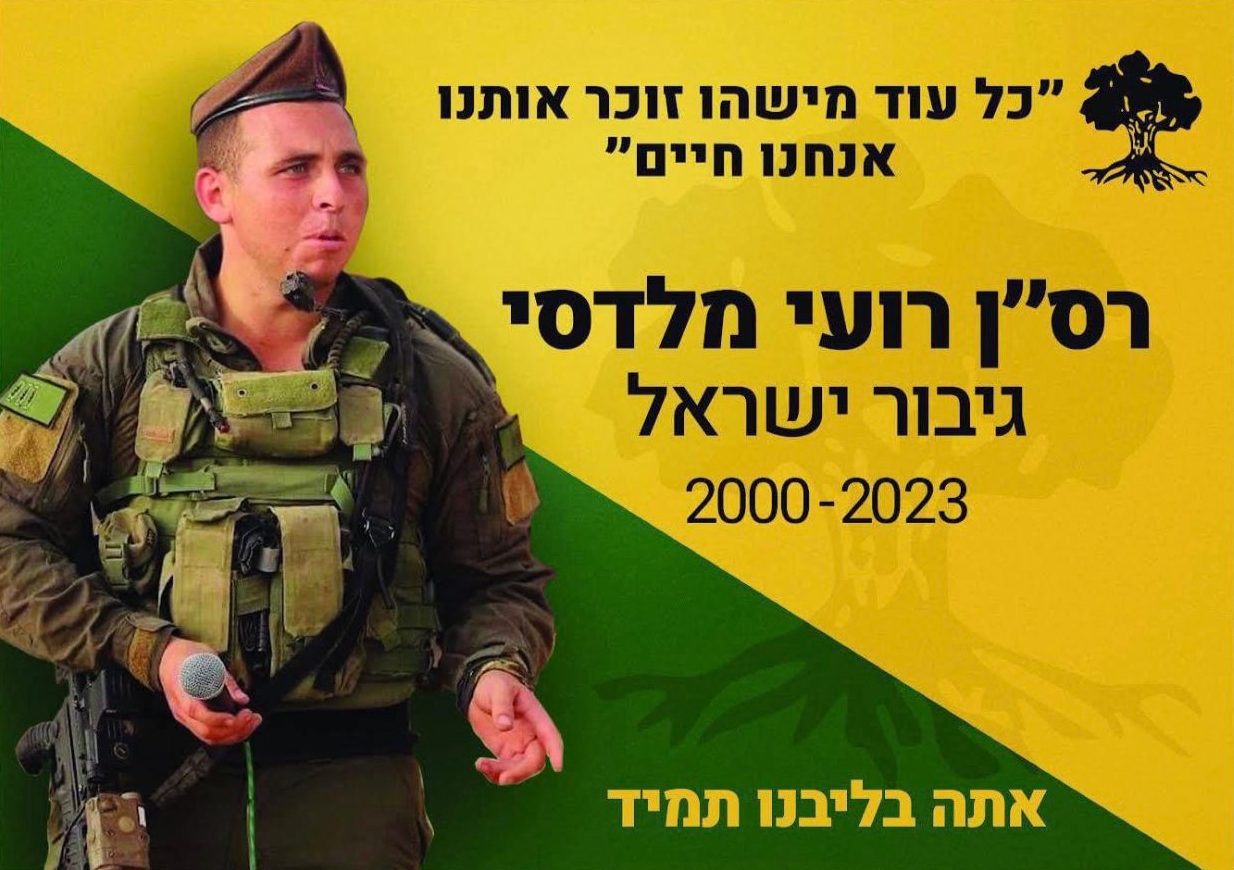
Life & service
Profile
Service
- Rank
- Master sergeant
- Unit
- Golani Brigade
- Honours
- Posthumously Promoted
- Battle Location
- North Gaza Strip
Family
- Father
- Yigal
- Mother
- Yosefa
Burial
Cemetery
Afula Military Cemetery
Tributes & remembrance
יהי זכרך ברוך.
תהא נשמתם צרורה בצרור החיים
א' בטבת. לימוד הדף היומי היום מוקדש לזכרו.
עברו שנתיים. זוכרת ומתגעגעת. תשמור עלינו שם מלמעלה
היית לי דוגמה
רועי החבר שלי החבר הטוב שלי זה שראה בטובתי כל החיים ותמיד האמין בי עברו שנתיים מיום שהלכת ועדיין רואה בזה כדבר שהכי חסר לי בחיים הייתי שמח לראות עוד חיול מימך עוד יום שבו מסיימים בו קידוש ולראות אותך למרות שאתה שמרת שבת ליראות אותך מגיע עם החיוך שמסמל שהכל בסדר והשבת באה בטובה בדיוק כמול מתגעגע אלייך והלוואי ויצן לי הבורא לעוד שיחה איתך כי זה החלום שלי אוהב אותך חבר שלי
לא שוכחת, תמיד תהיה בליבנו
הי"ד. יהי זכרו ברוך.
יהי זכרו ברוך כמה עצוב וכואב
יהי זכרו ברוך גיבור ישראל
שלום אני ילדה בבית הספר שלמדה בו
תודה עלייך
רועי היקר חרפת את עצמך למען המדינה. השארת את הוריך ואחיך האהובים. יהי זכרך ברוך.
גיבור ואהוב שלנו תמיד תהיה בליבנו
רב סרן רועי מלדסי ז"ל
תודה על הגבורה והאומץ
תודה שהגנת ושמרת על חיילך בחזית.
בזכותך ובזכותם אנחנו כאן!!
נזכור ונזכיר לנצח. תשלח כוחות למשפחתך היקרה.
תודה וסליחה רועי נזכור אותך תמיד
לנצח נזכור
רועי היקר תודה על הזכות להכיר אותך
פרח שנקטף הי״ד גיבור ישראל
למדתי עם רועי בשכבה, לא הכרנו לעומק אבל הוא תמיד היה מקפיד לומר לי שלום במסדרון בחיוך. לא זכורה לי פעם אחת שנתקלתי ברועי והוא לא חייך.
החיוך של רועי היה בלתי נשכח, תמיד היה כיף לראות אותו יוצא משיעור מתמטיקה ומחייך. החיוך שלו האיר את היום
רועי היקר,ז"ל. לא הכרתי אותו,אך היה גיבור. יהי זכרו ברוך אמן.
רועיקי יקירי, אוהבת לנצח!
יהיה זכרו ברוך
יהי זכרו ברוך גיבור ישראל
יהי זיכרו ברוך
יהי זכרו ברוך ה׳ יקום דמו
הלב נשבר
יהי זכרו ברוך.
תנצבה
יאי זיכרו ברוך
לזכרו של בוגר גן הדס בנצרת עילית, נוף הגליל. ילד בעלי עיני תכלת בורקות.
נוח על משכבך בשלום,
ותודה שהייתה לי הזכות לקחת חלק בחייך
לעילוי נשמתו
יהי זכרו ברוך ונשמתו בגן העדן
ת.נ.צ.ב.ה
It was a very, very great privilege for us to raise you and be part of your life
Source:mynet העמק
Read the Hebrew original
זו הייתה זכות גדולה-גדולה עבורנו לגדל אותך ולהיות חלק מהחיים שלך
A well-mannered, amazing young man with strong values
Source:mynet העמק
Read the Hebrew original
נער מחונך, מדהים וערכי
He was a father figure to them.
Source:mynet העמק
Read the Hebrew original
הוא היה דמות של אבא עבורם.
The moment he walked into a room, you felt that everything was all right, that nothing bad could happen.
Source:וואלה
Read the Hebrew original
ברגע שהוא היה נכנס לחדר הרגשת שהכול טוב, ששום דבר רע לא יכול לקרות.
Mom, but no one understood me like Roi
Source:וואלה
Read the Hebrew original
אמא, אבל אף אחד לא הבין אותי כמו רועי
From a young age, Roee had his sights set on a combat career; he was a fighter and a leader by nature.
Source:רדיו קול רגע
Read the Hebrew original
רועי היה מכוון מגיל קטן לקריירה של לוחם, הוא היה לוחם ומנהיג באופי.
Remembrance Day addresses
יום הזיכרון לחללי מערכות ישראל התשפ"ה – 2025
בכל יום שעובר, אזכור יותר! אזכור, את אלו שיצאו עימי לקרב ולא שבו, ולהם אין מי ידמה ומי ישווה. אזכור, שהכאב לא יעבור לעולם, והזמן, הוא לא מרפה ולא מרפא. אזכור, את שיברון הלב הגובר ואת הבית שבוער. אזכור, את צדקת הדרך, ואשבע שוב, שמה שהיה לא יהיה יותר. אזכור, שיותר מכל דבר אחר – אני חסר! ביום הזה, אני נתקף געגוע לדמותם, לחיתוך דיבורם, לחיוכם, ומדליק נר לזיכרון דרכם ומורשתם!
משרד הביטחון
אגף משפחות, הנצחה ומורשת
יום הזיכרון לחללי מערכות ישראל התשפ"ה – 2025
בכאב, בהצדעה ובתקווה אני מתכבד להדליק נר זיכרון זה. השנה, כשאנו נלחמים במלחמה ארוכה, רב זירתית וצודקת, הזיכרון נושא משמעות עמוקה. ביום זה נעצור ונתייחד עם זכרם של טובי בנינו ובנותינו שנפלו בהגנה על המדינה. מורשתם היא המצפן שמתווה את דרכינו, והיא המעניקה לנו כוח להמשיך ולהגן על מדינת ישראל ותושביה. משפחות יקרות, אנו מרכינים ראשנו ומתחייבים שנעמוד לצידכן תמיד. יהי זכר הנופלים ברוך.
אלוף דדו בר כליפא
ראש אגף כוח האדם, צה"ל
יום הזיכרון לחללי מערכות ישראל התשפ"ה – 2025
בשעה שאנו זוכרים את גודל תרומתם ועומק מסירות נפשם של טובי בנינו ובנותינו, נופלי מערכות ישראל לדורותיהן, ממשיכים צה"ל וכוחות הביטחון במימוש המשימה למענה לחמו ועבורה נפלו: הכרעת אויבינו מדרום, מצפון, ביהודה ובשומרון, וגם בזירות רחוקות יותר. בהערכה רבה ובגאווה אדירה אנו מרכינים ראש בפני הנופלים והנופלות, מאמצים את משפחותיהם אל לבנו, וממשיכים במשימה להבטחת קיומה של ישראל לדורי דורות. יחד נעשה ונצליח.
רב אלוף אייל זמיר
הרמטכ"ל, צה"ל
יום הזיכרון לחללי מערכות ישראל התשפ"ד – 2024
כאשר דגלינו מורדים לחצי התורן וראשינו מורכנים לזכר הנופלים והנופלות במערכות ישראל, ממשיכים לוחמי צה"ל ומפקדיו בלחימה בדרום, בצפון, ביהודה ובשומרון ובזירות נוספות. על כל דור מוטלת המשימה של הגנת העם והארץ – משימה שאף פעם אינה פוסקת. נצדיע בגעגוע ובגאווה לנופלים ולנופלות, נחבק את משפחותיהם, ונמשיך ברוח הציווי שהותירו לנו. עם ישראל חי.
רב ניצב יעקב שבתאי
המפקח הכללי, משטרת ישראל
יום הזיכרון לחללי מערכות ישראל התשפ"ד – 2024
אחיי הנופלים, כל נר הוא זיכרון יחיד ומיוחד, על חיים שהיו ואינם, געגוע שנצרב עמוק בלב, עולם ומלואו. הנרות כולם הם זיכרון של אומה כי לעולם לא עוד, בשורת הציונות וקוממיות ישראל. זיכרון כי הדרך לעם חופשי בארצנו עוברת דרך מסדר הנופלים. אור הנר יזכיר לנו את מסירות נפשכם להציל חיים, להגן על הבית. הנרות מסמנים לנו נתיב גבורה ערכי מחייב שאנו מצווים ללכת לאורו. נמשיך להילחם ולהוסיף אור מתוך אמונה בנצח ישראל.
יואב גלנט
שר הביטחון
יום הזיכרון לחללי מערכות ישראל התשפ"ד – 2024
בהצדעה ובכאב, בשם צה"ל כולו, אני מדליק נר זיכרון. בעיצומה של מלחמה, הזכרון נושא משמעות יום-יומית, שעבר והווה מתלכדים בה. לאורם של הנופלים נמשיך לצעוד, חיילי הסדיר והמילואים. לאורם של הנופלים נמשיך להגן על ארצנו ועל מולדתנו, גם כשהמחיר כבד. להבת-הזכרון תבער בנו בעודנו ממשיכים להלחם ונזכור את הנופלים ואת אומץ ליבם. משפחות יקרות, צה"ל מרכין היום ראש, מצדיע לכן וכואב איתכן. יהי זכר הנופלים ברוך.
אלוף יניב עשור
ראש אגף כוח האדם, צה"ל
יום הזיכרון לחללי מערכות ישראל התשפ"ד – 2024
בהוקרה, בגאווה ובכאב שאין לו סוף, אני מתכבד להדליק נר לזכרם של הנופלים והנופלות במערכות ישראל. סיפור חייהם בארץ הזאת, מסכת שירותם, גבורתם והקרבתם – הם סיפורה של הארץ הזאת, אך גם סיפור המחיר הכבד שהיא תובעת מאוהביה. מחויבותנו לזכר הנופלים ולדרך שהותירו לנו ניצבת תמיד לנגד עינינו. את המשימה שלא זכו להשלים, משלימים כיום, וישלימו, אנשי כוחות הביטחון, הממשיכים בדרכם ולאורם. יהי זכרם של הנופלים ברוך.
משרד הביטחון
אגף משפחות, הנצחה ומורשת
יום הזיכרון לחללי מערכות ישראל התשפ"ד – 2024
בחרדת קודש אני מתכבד להדליק נר לזכרם של חללי מערכות ישראל, חברנו שנפלו, מראשית היציאה מהחומות ולאורך כל שנות עצמאותנו המדינית והציונית, מהווים תמרור זיכרון לדרך חיינו ולמחוייבות הלאומית להנצחת זכרם. דרכם נותרה דרכנו ומורשתם נר להמשך עשייתנו. יהי זכרם ברוך!
בני גנץ
שר הביטחון
יום הזיכרון לחללי מערכות ישראל
נזכור אותם, כולנו יחד. כל אחד ואחת מהם, מדי יום ביומו, והיום ביתר שאת, כך – לנצח. "כי מדי דברי בו זכור אזכרנו עוד"
משרד הביטחון
אגף משפחות, הנצחה ומורשת