
The story
The air in Bat Yam during the late sixties always carried a faint, salty scent of the sea, mingling with gasoline fumes from the few vehicles on the streets, and the fragrance of bougainvillea and citrus trees that grew in almost every garden. Within this sensory tapestry, on the 20th of Marheshvan, 5726—November 15, 1965—a small baby named Ram was born. Rami, as many would call him throughout his life, was the son of Alena and Reuven, another stone in the growing family structure, a younger brother to Dror and Anat, and later a big brother and protector to Hila, who would follow. The house on the quiet street, with its small front garden and spacious balcony that served as the center of family life, was the first space where his lungs breathed the air of the world, the place where his first steps echoed on the cool terrazzo tiles, and his bell-like laughter filled the space.
Ram’s childhood was shaped by the sandy beaches of Bat Yam, where he spent long hours digging small water channels towards the crashing waves or collecting shiny seashells, which he kept in a rusty tin box that became his private treasure. He loved the coarse feel of the sand between his fingers, the sweet sound of the wind whistling in his ears, and the sun caressing his skin as he ran barefoot on the shore. At home, he was a curious child, his large eyes taking in every detail. He used to accompany his father, Reuven, when he was fixing something in the house or garden, watching patiently and trying to imitate his precise movements. "Dad, why won't this wrench turn?" he would ask, and Reuven would simply explain the principles of mechanics, teaching him that everything is made of small parts whose functions must be understood. Even then, an inner sense of responsibility was evident in him, perhaps stemming from being the middle child, the one who bridged the gap between the older siblings and the youngest. He was the one who made sure Dror and Anat didn't quarrel too much, and that little Hila received proper attention. His mother, Alena, would hug him tightly and say, "My Rami, you have a good soul, a heart of gold." These words, spoken in a warm and loving tone, were deeply etched in his memory and shaped his worldview. He learned from his parents the importance of hard work, caring for others, and the immense value of family stability. Friday evening meals, around a table laden with good food, were sacred moments for him, where the week's stories mingled with cheerful laughter and an incomparable aroma of cooked dishes, and he would sit and listen to the adults' conversations, absorbing the nuances of community and family.
His teenage years brought changes. Ram, who had grown into an energetic and active child, became a tall, strong youth with broad shoulders and intelligent eyes. He was not the type of teenager who would spend all his time with books, but always preferred action over words. The neighborhood field, where he played soccer with his friends until dusk, was his kingdom, and there he learned the importance of teamwork, the disappointment of loss, and the sweetness of victory. He loved the adrenaline of the game, the excited shouts, the physical effort each ball demanded of him. He was a loyal friend, one you could count on to keep a secret or help in trouble. When one of his friends was in distress, Ram was the first to offer a hand, not out of expectation of reward, but from a deep inner sense of solidarity. He was known for his honesty, always saying what he thought, even if it wasn't always the easiest thing to hear, but always in a respectful and considerate manner. At school, he excelled in the sciences, loving the challenge of problem-solving, the pure logic behind formulas. He was not a quiet student, but one who asked questions, argued passionately, and always sought to understand the "why" behind every fact. He began to take an interest in the world beyond Bat Yam, in stories of kibbutzim and communal living, of physical labor that gave meaning, of a deep connection to the land and community. This idea, of building something with his own hands, of being part of something larger, began to take root in him.
The move to Kibbutz Ein HaShlosha, a small and isolated settlement on the Gaza Strip border, was not merely a change of address but a leap in consciousness, a profound choice for a way of life completely different from what he had known in the city. He arrived there with a mix of expectations and apprehensions, with a dream of modern pioneering and a desire to leave his mark. Ein HaShlosha welcomed him with open arms, or so it felt. The air here was different, cleaner, carrying the scent of moist earth after rain and the smell of cowsheds mingling with the fragrance of citrus groves. The sun here was harsher, the silence deeper, and the stars at night seemed larger and brighter, as if hanging directly overhead. He immediately fell in love with the open landscape, the green fields stretching to the horizon, and the slow pace of life connected to nature. He found his place in working the land, which for him was not just a livelihood but a way of life. In the early morning hours, even before the first rays of sun broke through the light mist, he was already on his way to the field. His hands, which until then had mainly touched sea sand, learned the texture of the moist earth, the depth of the furrows, the strength required to wield a hoe or steer a tractor. The dull roar of the tractor engine, cutting through the morning silence, was music to his ears. He loved the feeling of satisfaction at the end of a strenuous day's work under the scorching sun, when sweat dripped from his forehead and his clothes were dirty with dust and mud, but his heart was full of a sense of accomplishment. To see the small seeds turn into green seedlings, and the seedlings into rich orchards, filled him with simple and deep pride. He learned to speak to the earth, to feel its needs, to understand the cycles of nature. He believed that the secret of life lay in the earth, and that caring for it was an expression of love and connection to the place.
His military service was a natural continuation of the path Ram had chosen. He enlisted in the IDF with deep motivation, driven by a profound sense of mission. As a kibbutz youth, raised on stories of heroism and sacrifice, service was not merely an obligation for him, but a privilege. He did not seek shortcuts or an easy life. He quickly distinguished himself through his natural leadership abilities, his capacity to make decisions under pressure, and his genuine concern for his comrades. He advanced through the ranks, completed various courses, and graduated with honors from officer's training, with the rank of lieutenant on his shoulders. He became a company commander, a combat officer leading soldiers in the field, bearing responsibility for their lives. He knew that the trust his soldiers placed in him was sacred, and he did everything in his power to justify it. He taught them not only tactics and weapon use, but also values of camaraderie, perseverance, and love for the land. "Guys," he would tell them in his quiet but authoritative voice, "we're not just here to guard a border. We're here to guard our home, our families, the path we've chosen." Even after his release from permanent service, Ram continued to serve in the reserves, fulfilling various roles, and accumulating experience and knowledge. The rank of Major (res.) was not just a symbol for him, but a certificate of appreciation for long years of dedication and loyalty. He saw reserve duty not only as an obligation but as a privilege to continue contributing to the security of the state, to protect the home he loved so much.
Ram's adult life in Ein HaShlosha intertwined farming, military service, and building a home and family. He met Lidia, a woman with warm eyes and a captivating smile, and their love blossomed quickly. She arrived at the kibbutz bringing a fresh spirit, and he found in her a partner for life, someone who could understand his complex world. They married in a modest but moving ceremony under the open skies of the Negev, promising each other a shared future. "Lidia, you know I'm not a man of many words," he told her on their wedding day, holding her hand gently, "but know that you are my home. You are the place where I feel complete." And she replied with a loving gaze, squeezing his hand, "Rami, only with you do I feel I can be myself, without masks. I know that with you, everything will be alright." A year later, their joy doubled with the birth of Noy, their only daughter. Ram, the rugged man, always smelling of earth and diesel, became a tender and loving father. He loved the sound of Noy's laughter filling the house, the touch of her small hand in his large fingers, the bedtime stories he told her in his deep voice as she fell asleep on his chest. He taught her to love nature, to identify bird calls, the names of flowers and trees. He took her for rides on the tractor, with her sitting on his lap, her eyes sparkling with excitement, the Negev wind caressing her young face. "Look, Noy," he would point to the green fields stretching to the horizon, "all this is ours. We protect it. We nurture it." He wanted her to understand the meaning of belonging, of connection to the place, of mutual responsibility. He was a present, involved father, one who saw raising a child as the most important mission in his life.
In the community of Ein HaShlosha, Ram was not just a kibbutz member, but a pillar. He was a man of action, always there when needed. He took on many roles, not out of a desire for honor, but from a deep sense of commitment. Among other things, he served as the security coordinator (RABASH) of the settlement, a role requiring constant vigilance, immense responsibility, and a deep understanding of the complex security situation in the area. He knew every path in the kibbutz, every corner, every field. He knew who lived in every house, who needed help, and who might be in danger. The RABASH role was not a job, but a way of life. His cell phone was always on, available for any call, at any hour of the day or night. He was the liaison between the kibbutz and the army, between the residents and the security forces. He took care of every detail, from the integrity of the fence to the training of the kibbutz's emergency team. He was known for his composure, even in moments of pressure, for his ability to calm nerves and instill confidence in worried residents. "Don't worry," he would say in his quiet voice, arriving at a security incident, "we're here. We'll take care of it." He was well aware of the dangers lurking beyond the fence, the unbearable proximity of the Gaza Strip, but he refused to succumb to fear. He believed in the strength of the community, its ability to face any challenge, as long as it stood united. He was a symbol of peace of mind, someone you could trust implicitly. He was the kibbutz's moral compass, leading and charting a course, not through grand speeches, but through daily acts of dedication and loyalty.
The morning of Saturday, the 22nd of Tishrei, 5784—October 7, 2023—began like many Saturday mornings in Ein HaShlosha. A relative quiet filled the air, broken only by distant bird calls and the rustling of leaves in the gentle breeze. Ram and Lidia might have been sitting down for their morning coffee, planning their day; Noy might still have been asleep in her room, or perhaps she had already woken up, preparing for a relaxed day of rest. However, this quiet was an illusion. Within minutes, the skies were torn by terrifying, incessant "Red Alert" sirens, followed by continuous gunfire, loud explosions, and the roar of rapidly approaching motorcycles and vehicles. Ram, as the settlement's security coordinator, didn't need to wait for orders. He knew exactly what to do. The extensive training, accumulated experience, and deep understanding of the security situation in the area had prepared him for such moments, though not for such intensity. He sprang from his bed, and within seconds was dressed in work clothes, his personal weapon in hand, his mind clear and focused. He kissed Lidia and bid farewell to Noy with a strong hug, trying to convey a false sense of security, though his heart surely screamed the opposite. "Everything will be alright, go into the safe room and lock the door. I'm going out to deal with this," he told them in a steady voice, knowing this might be the last time. Lidia, who knew Ram and understood his dedication, grasped the gravity of the hour. She saw in his eyes the uncompromising determination, the quiet courage burning within him. She only managed to whisper "be safe" before the safe room door closed behind him, as she took Noy into the protected space, into a world of uncertainty and terror.
WhatsApp messages began to flood his phone at dizzying speed. Emergency groups, friends' groups, family groups—all vibrated with urgent messages. "Terrorists have infiltrated!" "Shooting inside the kibbutz!" "Need help!" Ram was already on his way. He ran to the kibbutz armory, where he equipped himself with additional gear, and from there to the defense positions. He was in contact with the kibbutz emergency team, calmly directing them, telling them where to position themselves, how to act. "Lior, you take the eastern position, pay attention to the dirt road. Dani, you're with team B on the southern side, stay concealed. I'll be at the kibbutz entrance," he announced over the radio, his voice clear and commanding, despite the chaos around him. He was the first to respond, the first to confront the threat. He didn't think twice, didn't hesitate for a moment. His mission was clear: to protect his home, his community, his family. He knew that every second was critical, that every terrorist who crossed the defense line could reach the homes, the safe rooms where families and children were hiding. He sped in his vehicle, identifying the breach points, the sounds of gunfire erupting from all directions. The air filled with the smell of burning, with heavy smoke, with cries and screams of terror.
The battle that unfolded was fierce and brutal. Ram, alone or with a small team of volunteers, fought with extraordinary courage against dozens of heavily armed terrorists who swarmed the kibbutz. He sought engagement, firing at the enemy, trying to stem their advance, to buy precious time for the residents hiding in their safe rooms. He raced between positions, checking on the emergency team members, encouraging them, issuing orders. "Hold on! Forces are on the way!" he shouted, even though he knew well that there might be no forces on the way, and all they had was each other. He acted on instinct, with a deep sense of responsibility. He saw the horrific sights, the burning houses, the atrocities unfolding, but he did not let them paralyze him. He continued to fight, to defend every inch of land, every family, every child in the kibbutz. He was the last line of defense, the human barrier between absolute evil and the innocent. He returned fire bravely, hitting terrorists, but their numbers were immense, and they continued to pour in like a raging river. The battle lasted for long hours, every minute an eternity. He fought for his life, but more than that, he fought for the lives of others. He was a hero not because he performed a singular act of extraordinary bravery, but because his entire life was preparation for this moment—a moment when a person chooses to sacrifice himself for his community, for his principles, for his home.
Ram Nagbi, a Major in the reserves, the security coordinator of Ein HaShlosha, fifty-seven years old at the time of his death, fell in that heroic battle on the 22nd of Tishrei, 5784—October 7, 2023. He fell defending his home, his family, the kibbutz he loved so much. He was one of the heroes of the War of Revival, those who paid the ultimate price to allow others to survive. His body was laid to rest in the civilian cemetery of Kibbutz Ein HaShlosha, the land he worked and loved so dearly. His grave now stands in silence, the Negev wind carrying his name to the open fields, to the vast skies. Beside it, his birth date, November 15, 1965, and the date of his fall, October 7, 2023, are etched, a silent testament to a lifetime of action, dedication, and love. He left behind Lidia, his beloved wife, Noy, his only daughter who was his entire world, and his siblings Dror, Anat, and Hila, who lost a dear brother and soulmate.
The void Ram left behind is greater than any words can express. He was not just a person, but a center of gravity, an anchor of stability and security for many. His quiet voice, his calming smile, his hardworking hands—all are now missing from every corner of the kibbutz. Lidia and Noy carry his memory with them every day, every moment. Noy, who was bound to her father by ties of love, will grow up knowing that her father was a true hero, who sacrificed his life for her future, for the future of his people. Ram's life story, from his childhood in Bat Yam, to his choice of the kibbutz, his dedication to the land and community, his unwavering military service, and his final moment of heroism, is a story of a man who lived a full and meaningful life. It is a story of rootedness, of love for the land and for people, of an uncompromising willingness to defend the values he believed in. His legacy is not just the memory of a man who died in battle, but a testament to life, to the love of life, to a deep belief in goodness, and to an inexhaustible commitment. He is an integral part of the story of Israeli revival, the story of those who fell so that others could continue to live, build, and create. Ram Nagbi's name will continue to echo in the corridors of history, in the hearts of his family and friends, and in the heroic narrative of a nation that rose again. He was a good soul, a heart of gold, and a true hero—eternal as the sunrises over the fields of Ein HaShlosha, and as solid as the earth he loved so much. May his memory be blessed.
Moments of a life
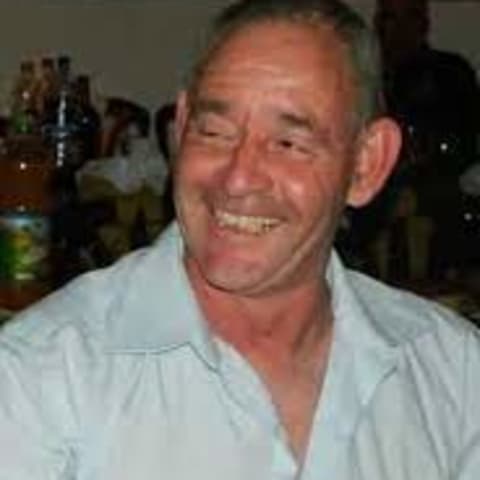
All photographs · 1
In the media
Articles
- La Oficina de Netanyahu lamentó “que sus palabras sobre el kibutz Ein Hashlosha hayan sido malinterpretadas”
AJN Agencia de Noticias ·
- Rami Negbi, 57: Kibbutz security chief was ‘magical and inspirational’
The Times of Israel ·
- For 22 years he was the musical soul of Ein HaShlosha. Now his music room is opening — without him
ynet
- The Jewish theatre group building bridges by treading the boards
The Jewish Chronicle
- Tattoo Stories — Lydia Nagbi
נטע גל-עצמון
- Ein Hashlosha investigation
חרדים 10
Podcasts
- Episode 38 - Shane Levy - I Am Here
סיפור אח / iVoox
Social posts
- Words of remembrance on the birthday of Ram (Rami) Nagvi
חדשות 360 / Telegram
Memorial sites
Memorial projects
The music room in Ein Hashlosha, which Nagbi renovated ahead of its planned opening in October 2023, was damaged in the attack. When the community returned, it was decided to open it in his name; Noy and his son-in-law Dor will run it.
Community members filmed a video of Yigal Bashan’s song “Shamayim” in Rami’s memory as part of their return to the kibbutz.
Stories told about them
Meir Vardi said Rami joined the theater where he worked as a musician and later joined his cabaret show. Rami suggested co-directing a musical with the local college, and this is how Vardi’s directing career began.
According to a Kan investigation, Rami alerted the members of the local emergency response team and asked them to come to the secretariat. Dor Levy set out to join him, but his vehicle was no longer there, and Dor was later told that Rami had been wounded.
Lydia described a tattoo in Rami’s memory based on a necklace of hearts he gave her for her fortieth birthday. It also incorporated symbols representing the names of her two daughters and the couple’s initials.
Life & service
Profile
- Date of birth
- November 15, 1965
- Birthplace
- Ein HaShlosha
- Date of death
- October 7, 2023
- Age
- 57
- Hometown
- Ein HaShlosha
Service
- Rank
- Major (res.)
- Service Type
- Reserve Forces
Family
- Father
- Reuven
- Mother
- Alena
Burial
Cemetery
Ein HaShlosha
Tributes & remembrance
תמיד נזכור אותך
לזכרו של רמי
השם שלך רמי, עורר הערצה אצל אביב לוי, הבן שלי, במעט הזמן בו הוא זכה להכיר אותך.
אביב אהב את הזמן שלכם יחד וחיכה לו.
לנצח אזכור אותך ואודה לך על האומץ שלך והנחישות באותה שבת ארורה.
לא אשכח אותך לעולם, איש יקר
איש של אדמה, מוזיקה ובשר
אתה חסר רמי.
שנהיה ראויים
רמי היקר נזכור אותך תמיד
בטוחה שאתה שומר עלינו מלמעלה, דואג לקיבוץ שכ"כ אהבת ועל הדרך גם פורט גם בגיטרה.
נזכור ולא נשכח
אתה חסר חבר, מתגעגע..
תשמור על כולם למעלה,
איזו נבחרת אתם, פשוט לא להאמין
רמי היקר. שמעתי השבוע את סיפור הגבורה שלך וחתירה למגע נגד הרוצחים השפלים. אתה גיבור ותשאר גיבור לנצח. לא נשכח ולא נסלח.
תודה שהקדשת את חייך למען המדינה
אח יקר שלי, נפלת במקום שכה אהבת ובמהלך מילוי התפקיד שכה אהבת. נזכור אותך תמיד, תמשיך לנגן לנו מלמעלה. יהי זכרונך ברוך. אוהב אותך.
אסור לשכוח
לא יכול לדמיין את הנגב בלעדייך
אח יקר, לא להאמין שהגעתי לרגע שצריכה להדליק נר לזכרך, נפלת בהגנה על הישוב שלך, כרבש"צ, בתפקיד שאהבת. תמשיך לנגן שם למעלה, כמו שאהבת, ותשמור על כולנו. אוהבת
רמי חבר יקר...נלחמת בגבורה ושילמת את המחיר הכבד ביותר...אזכור אותך תמיד
תודה לך גיבור, לתמיד אהיה אסיר תודה
יהי זכרך ברוך
יהי זיכרך ברוך
חקלאי מלידה, מוזיקאי ופעיל בכל חגיגה בקיבוץ. לא הספיק לחנוך את חדר המוזיקה שכל כך תיכון וחלם. הי"ד
רמי הגבור, בן קבוצתי "נרקיס", בטוחה שאתה מלמעלה שומר על כולנו כמו תמיד ומנגן לכל מי שאיתך
מתגעגעים
He did not like talking about himself, but he did so much
Source:ynet
Read the Hebrew original
הוא לא אהב לדבר על עצמו, אבל הוא עשה המון
Being a community security coordinator was in his blood.
Source:ynet
Read the Hebrew original
הוא היה רבש"ץ בדם.
Rami was a musician at heart
Source:ynet
Read the Hebrew original
רמי היה מוזיקאי בנשמה
That’s the person who got me into directing,
Source:The Jewish Chronicle
He, he changed my life
Source:סיפור אח / iVoox
Read the Hebrew original
הוא הוא שינה לי את החיים
You weren’t my father, but you gave me a new life
Source:The Times of Israel
A talented musician. The most magical and inspirational man in the world.
Source:The Times of Israel
Remembrance Day addresses
יום הזיכרון לחללי מערכות ישראל התשפ"ה – 2025
בכל יום שעובר, אזכור יותר! אזכור, את אלו שיצאו עימי לקרב ולא שבו, ולהם אין מי ידמה ומי ישווה. אזכור, שהכאב לא יעבור לעולם, והזמן, הוא לא מרפה ולא מרפא. אזכור, את שיברון הלב הגובר ואת הבית שבוער. אזכור, את צדקת הדרך, ואשבע שוב, שמה שהיה לא יהיה יותר. אזכור, שיותר מכל דבר אחר – אני חסר! ביום הזה, אני נתקף געגוע לדמותם, לחיתוך דיבורם, לחיוכם, ומדליק נר לזיכרון דרכם ומורשתם!
משרד הביטחון
אגף משפחות, הנצחה ומורשת
יום הזיכרון לחללי מערכות ישראל התשפ"ה – 2025
בכאב, בהצדעה ובתקווה אני מתכבד להדליק נר זיכרון זה. השנה, כשאנו נלחמים במלחמה ארוכה, רב זירתית וצודקת, הזיכרון נושא משמעות עמוקה. ביום זה נעצור ונתייחד עם זכרם של טובי בנינו ובנותינו שנפלו בהגנה על המדינה. מורשתם היא המצפן שמתווה את דרכינו, והיא המעניקה לנו כוח להמשיך ולהגן על מדינת ישראל ותושביה. משפחות יקרות, אנו מרכינים ראשנו ומתחייבים שנעמוד לצידכן תמיד. יהי זכר הנופלים ברוך.
אלוף דדו בר כליפא
ראש אגף כוח האדם, צה"ל
יום הזיכרון לחללי מערכות ישראל התשפ"ה – 2025
בשעה שאנו זוכרים את גודל תרומתם ועומק מסירות נפשם של טובי בנינו ובנותינו, נופלי מערכות ישראל לדורותיהן, ממשיכים צה"ל וכוחות הביטחון במימוש המשימה למענה לחמו ועבורה נפלו: הכרעת אויבינו מדרום, מצפון, ביהודה ובשומרון, וגם בזירות רחוקות יותר. בהערכה רבה ובגאווה אדירה אנו מרכינים ראש בפני הנופלים והנופלות, מאמצים את משפחותיהם אל לבנו, וממשיכים במשימה להבטחת קיומה של ישראל לדורי דורות. יחד נעשה ונצליח.
רב אלוף אייל זמיר
הרמטכ"ל, צה"ל
יום הזיכרון לחללי מערכות ישראל התשפ"ד – 2024
כאשר דגלינו מורדים לחצי התורן וראשינו מורכנים לזכר הנופלים והנופלות במערכות ישראל, ממשיכים לוחמי צה"ל ומפקדיו בלחימה בדרום, בצפון, ביהודה ובשומרון ובזירות נוספות. על כל דור מוטלת המשימה של הגנת העם והארץ – משימה שאף פעם אינה פוסקת. נצדיע בגעגוע ובגאווה לנופלים ולנופלות, נחבק את משפחותיהם, ונמשיך ברוח הציווי שהותירו לנו. עם ישראל חי.
רב ניצב יעקב שבתאי
המפקח הכללי, משטרת ישראל
יום הזיכרון לחללי מערכות ישראל התשפ"ד – 2024
אחיי הנופלים, כל נר הוא זיכרון יחיד ומיוחד, על חיים שהיו ואינם, געגוע שנצרב עמוק בלב, עולם ומלואו. הנרות כולם הם זיכרון של אומה כי לעולם לא עוד, בשורת הציונות וקוממיות ישראל. זיכרון כי הדרך לעם חופשי בארצנו עוברת דרך מסדר הנופלים. אור הנר יזכיר לנו את מסירות נפשכם להציל חיים, להגן על הבית. הנרות מסמנים לנו נתיב גבורה ערכי מחייב שאנו מצווים ללכת לאורו. נמשיך להילחם ולהוסיף אור מתוך אמונה בנצח ישראל.
יואב גלנט
שר הביטחון
יום הזיכרון לחללי מערכות ישראל התשפ"ד – 2024
בהצדעה ובכאב, בשם צה"ל כולו, אני מדליק נר זיכרון. בעיצומה של מלחמה, הזכרון נושא משמעות יום-יומית, שעבר והווה מתלכדים בה. לאורם של הנופלים נמשיך לצעוד, חיילי הסדיר והמילואים. לאורם של הנופלים נמשיך להגן על ארצנו ועל מולדתנו, גם כשהמחיר כבד. להבת-הזכרון תבער בנו בעודנו ממשיכים להלחם ונזכור את הנופלים ואת אומץ ליבם. משפחות יקרות, צה"ל מרכין היום ראש, מצדיע לכן וכואב איתכן. יהי זכר הנופלים ברוך.
אלוף יניב עשור
ראש אגף כוח האדם, צה"ל
יום הזיכרון לחללי מערכות ישראל התשפ"ד – 2024
בהוקרה, בגאווה ובכאב שאין לו סוף, אני מתכבד להדליק נר לזכרם של הנופלים והנופלות במערכות ישראל. סיפור חייהם בארץ הזאת, מסכת שירותם, גבורתם והקרבתם – הם סיפורה של הארץ הזאת, אך גם סיפור המחיר הכבד שהיא תובעת מאוהביה. מחויבותנו לזכר הנופלים ולדרך שהותירו לנו ניצבת תמיד לנגד עינינו. את המשימה שלא זכו להשלים, משלימים כיום, וישלימו, אנשי כוחות הביטחון, הממשיכים בדרכם ולאורם. יהי זכרם של הנופלים ברוך.
משרד הביטחון
אגף משפחות, הנצחה ומורשת
יום הזיכרון לחללי מערכות ישראל התשפ"ד – 2024
בחרדת קודש אני מתכבד להדליק נר לזכרם של חללי מערכות ישראל, חברנו שנפלו, מראשית היציאה מהחומות ולאורך כל שנות עצמאותנו המדינית והציונית, מהווים תמרור זיכרון לדרך חיינו ולמחוייבות הלאומית להנצחת זכרם. דרכם נותרה דרכנו ומורשתם נר להמשך עשייתנו. יהי זכרם ברוך!
בני גנץ
שר הביטחון
יום הזיכרון לחללי מערכות ישראל
נזכור אותם, כולנו יחד. כל אחד ואחת מהם, מדי יום ביומו, והיום ביתר שאת, כך – לנצח. "כי מדי דברי בו זכור אזכרנו עוד"
משרד הביטחון
אגף משפחות, הנצחה ומורשת