
The story
The air in the southern Hebron Hills, in the settlement of Otniel, always carried the scent of sun-scorched, rocky earth, refreshed by winter rains, mingled with the fragrance of wild herbs and broom shrubs. Within this remote landscape, which for many was merely the edge of a map, Pedia Menachem Mark was born on the 18th of Nisan, 5761, corresponding to April 11, 2001. He was the seventh child of his parents, Chava Rachel and Michael, joining a family that already included David Shlomo, Shira, Netanel, Yehoshua, Meir, and Orit, who preceded him, and three more—Tehila, Rinat, and Esther—who would follow, completing a family of ten for the Mark household. Their home in Otniel was always full of life, movement, and sounds—children’s laughter, calls back and forth, the aromas of home cooking, and lively discussions around the Shabbat table. Pedia grew up amidst this constant hum, learning his place within the complex family tapestry, among his older and younger sisters, a quiet anchor in the heart of a sweet storm of love.
He was a kind-hearted child, radiating a natural calm. Not a loud child or one demanding attention, but rather one whose presence filled the space with a secure quietness. His parents, Chava Rachel and Michael, were the pillars of the home, people who lived their values daily, and they instilled in Pedia and his siblings a deep love for the land, the people, and respect for others. This was not preached, but a way of life absorbed from all sides: in conversations around the dinner table, in small acts of helping others, in family trips that became informal lessons in history and geography. Pedia learned from them the importance of giving, the strength in humility, and integrity as a way of life. He was an easy child to love, with a quiet smile and observant eyes, who paid attention to small details—how his older siblings spoke to him, how his mother prepared dinner, how his father worked with his hands. He respected his parents deeply, not out of fear but out of genuine appreciation, and nurtured a warm, unique bond with each of his siblings. "Pedushka," his sister Orit called him, an endearment that reflected their special connection, a bond of mutual admiration between the only son among five daughters, a younger brother with a significant presence. He embraced them wholeheartedly, a hug that felt genuine, comforting, and filled the entire home with light and joy.
Pedia attended elementary school in Otniel, in the local educational institutions that reflected the character of the settlement. The school corridors echoed with children's laughter, with lessons on nature and land, history and homeland, as the desert-mountain landscape surrounded them from all sides. He loved recess, playing in the yard, the feeling of freedom in the open air. In the afternoons, as the sun began to set in fiery colors over the Judean Hills, Pedia would go for walks on the dirt paths surrounding the settlement. These were not mere strolls; this was a way of life, a deep connection to the earth, to every stone, to every small almond tree. He learned to identify plants, animal tracks, and the changing seasons in nature. On these walks, alone or with friends, he found peace and strength. Walking on the paths, with small grains of sand entering his shoes, with the wind caressing his face, was a way for him to connect to something larger than himself, to learn about himself and the world. The open landscape, the endless expanses, gave him perspective, shaping in him a calm yet determined character. He was a smiling young man, who even in challenging moments knew how to instill tranquility around him, a quiet composure.
When he reached high school age, Pedia left Otniel and went to study at the Makor Chaim Yeshiva High School in Gush Etzion. The transition from the relative quiet of Otniel to the vibrant and intellectual environment of a yeshiva high school was significant. He joined his peers, learned to cope with the challenges of boarding school, with the packed daily schedule that combined religious and secular studies, with the lively discussions in the Beit Midrash and over a cup of tea in the dining hall. Even there, amidst the youthful bustle and learning, Pedia maintained his quiet, smiling personality. He was a member of the Bnei Akiva youth movement, in the "Morasha" tribe, where he found additional friends and strengthened his connection to the values he had absorbed at home. In the tribe's activities, in summer camps, in joint trips, he stood out not as a loud leader, but as a figure everyone trusted, someone who knew how to listen, advise, and be there for his friends. "Morasha" was more than just a tribe name for him—it was a constant reminder of the family and national heritage that were so dear to his heart.
In July 2016, when Pedia was only fifteen, an event occurred that shook his world and his family's world to its core. A normal summer day, a routine drive to Jerusalem on Route 60, a road Pedia knew well from countless trips back and forth from Otniel. The family car was driving along, perhaps with laughter in the background, or a quiet conversation, as was customary in the Mark home. Suddenly, without any warning, the familiar quiet shattered. Terrorists opened fire on their vehicle. Twenty-nine bullets rained down on them, a cruel volley that pierced the metal and glass, turning the car into a blood-soaked trap. The vehicle overturned, and the next moments were a chaotic blur of pain, shock, and terror. All occupants of the car were hit. His father, Michael, was murdered in that brutal attack, before his children's eyes. His mother, Chava Rachel, and his sister Tehila, were severely wounded. Pedia himself, almost miraculously, suffered only minor shrapnel wounds. He emerged from the physical incident with superficial injuries, but in his heart and soul, a deep wound was etched, a wound of loss and trauma that would always accompany him.
The days and weeks following the attack were unbearable. The Mark family home, always full of life, plunged into deep mourning. Pedia, just fifteen years old, found himself grappling with an incomprehensible reality: a father gone, a mother and sister in hospitals, and an entire home shattered. The echoes of the attack, the sounds of gunfire, the smell of blood and pain, haunted him. But even within this profound grief, his unique strength emerged. He worked to mend the broken pieces, not just for himself, but for the entire family. He was there for his recovering mother, for his frightened sisters, for his older siblings who were also struggling with their pain. With the support of his brothers, who were pillars of strength for him during this difficult period, Pedia decided to choose life. This was not a simple decision; it was a daily choice, an internal struggle to move forward. He returned to his studies, tried to resume a routine, to fill his days with content and meaning, despite the heavy shadow of loss. He knew his father would have wanted him to continue, to build his life, to live a full and meaningful existence.
Three years passed since the horrific attack, and the family slowly began to find a new path, learning to live with the void that had opened. But in 2019, grief struck again, with renewed cruelty. His older brother, Shlomi, a promising young man, an officer in the Givati Brigade, was killed in a car accident on his way to work at the Ministry of Defense. The second tragedy, sudden and unexpected, hit the family with horrifying intensity. Again, the pain, the loss, the feeling of helplessness. For Pedia, this was another blow, further evidence of life's fragility. He saw Shlomi as a role model, an older brother who was a combat officer, who served the country faithfully. Shlomi's death did not break Pedia's spirit; on the contrary, it strengthened his resolve. He was determined to follow in his brother's footsteps, to continue the legacy, to serve the country. Military service was not just a duty for him, but a calling, an unwritten will he received from his brother and father, a way to protect the home and the people he loved so much.
On March 23, 2021, Pedia fulfilled his calling and enlisted in the IDF. He chose the Givati Brigade, the purple brigade, the brigade in which his brother Shlomi had served. He enlisted as a combat soldier in the reconnaissance unit, the most demanding track in the brigade, out of a strong desire to contribute the maximum, to be at the forefront. He successfully completed the arduous training course, which included long weeks of exhausting physical training, endless navigations in difficult terrain, complex combat exercises under pressure, and sleepless nights. He learned to crawl in the mud, run with heavy weights, shoot accurately, and face every challenge his commanders placed before him. Pedia did not complain; he always pushed himself beyond his limits, with a deep understanding of the mission's importance and the responsibility on his shoulders. He earned great respect from his commanders, who quickly recognized him as an exceptional fighter—professional, skilled, highly motivated, and proud. This was not empty pride, but the pride of someone deeply connected to his purpose, someone who knew what he was fighting for.
After proving his capabilities as a regular soldier, Pedia went on to a squad commanders' course, and then to an officers' course. He saw command not just as personal advancement, but as another way to influence, to lead, and to protect his soldiers. In the command track, his unique personality stood out even more. His commanders described him as "a commander of a rare kind," one who was driven by a deep love for his people and the mission, rather than by hatred for the enemy. He did everything for his soldiers—cared for their well-being, listened to their problems, patiently taught them, and led them by personal example. A constant smile was on his face, even in the most difficult moments, a smile that conveyed calm, confidence, and optimism. He was the commander one could trust implicitly, the one who saw the person behind the uniform, and instilled in everyone a sense of family. During that time, in a moment of thought and reflection, he jotted down in a small notebook he always kept with him, words that expressed the depth of his feelings: "Master of the Universe – thank you for the privilege of serving in the Israel Defense Forces. A privilege that many generations dreamed of, and we have merited it." This was not just a statement, but the essence of his faith, his understanding of the magnitude of the hour and the legacy he was defending. At the end of the officers' course, Pedia was trained as a platoon commander in the "Tzabar" Battalion of the Givati Brigade, and went on to lead his soldiers into the next challenges.
On Shabbat, the 22nd of Tishrei, Simchat Torah 5784, on October 7, 2023, at 6:30 in the morning, a war siren sounded in Israel. The quiet of a holiday, of a sunny Saturday morning, shattered instantly. The Hamas terrorist organization launched a brutal and unprecedented surprise attack on Israel. Massive barrages of thousands of missiles and rockets from the Gaza Strip covered wide areas of the country, and under their cover, thousands of terrorists—by land, sea, and air—infiltrated the Gaza envelope communities, and even deeper, into Sderot, Ofakim, and Netivot. They raided nature parties near Kibbutzim Re'im and Nir Oz, IDF bases, and passersby on the roads. The terrorists cold-bloodedly murdered approximately eight hundred civilians in their homes, in their cars, committed severe crimes against them, kidnapped hundreds of Israelis to the Gaza Strip, and destroyed, looted, and set fire to homes and property. Hundreds of soldiers, police officers, security forces personnel, and local security squad members fell in battle, in a desperate attempt to protect the lives of innocent civilians. That morning, the entire State of Israel awoke to a reality of war, a war whose intensity and cruelty no one had imagined.
Pedia, like every commander and soldier in the IDF, was immediately called up. WhatsApp messages flew quickly; the call to report was clear and sharp. That morning, leaving the relative quiet of the base or home, he knew he was heading into the unknown, into the great battle of his life. He fought with his unit in the burning Gaza envelope communities, facing scenes of horror and destruction. He and his soldiers were part of the force that arrived to fight the terrorists, rescue civilians, and clear the area. The encounters were face-to-face, brutal, and incessant. Pedia led his soldiers with courage; his calming presence and his constant smile, even under fire, gave them strength and hope.
The next day, October 8th, he received another difficult piece of news – his cousin, Elchanan Kalmenzon, fell in battle in Kibbutz Be'eri, fighting heroically against the terrorists who had overrun the kibbutz. This was another painful personal blow, another layer of grief for his family. The expectation was that he would leave his subordinates to attend the funeral, to bid farewell to his beloved cousin. But Pedia refused. He knew his place, he knew his responsibility. "I protect you and am with you in my heart," he later wrote to his family. He said he had to stay and fight with his soldiers, that he could not abandon them in such a time of trouble. This was the ultimate proof of his leadership, his dedication, the fact that his people were his top priority, even at the cost of foregoing a painful personal farewell.
A few days later, Pedia found a brief moment of relative quiet, a moment when he could write to his family. The words, written amidst the ongoing battles, reflected his unwavering spirit. "Beloved family, challenging days are passing for our people and for our family in particular. We are strong – the people of Israel are strong, the IDF is strong. I protect you and am with you in my heart... We will meet soon, God willing. Am Yisrael Chai." In these words, he sought to instill hope, to strengthen the spirit of his loved ones, to assure them that he was with them, even when he was far away and fighting. It was a promise of love and security, a promise meant to calm their fears and remind them of the strength inherent in the people of Israel.
After the difficult days of fighting in the Gaza envelope communities, Pedia entered the Gaza Strip with his unit, as part of the ground maneuver that had begun. The battles in Gaza were different—fighting in built-up areas, against an enemy hiding in tunnels and houses, surprising from every corner. The air was saturated with the smell of gunpowder, smoke, and destruction. Every step was calculated, every decision critical. On the 16th of Cheshvan, 5784, October 31, 2023, Pedia was with his unit in the northern Gaza Strip, inside one of the armored Namer APCs, an advanced combat vehicle designed to protect soldiers from threats. During an encounter with terrorists, a deadly anti-tank missile was fired at the Namer he was in. The hit was direct and fatal. At that moment, the life of Lieutenant Pedia Menachem Mark, just twenty-two years old, was cut short. He fell in battle, along with seven other soldiers who were with him in the APC. It was a devastating blow, piercing hearts and leaving an enormous void. Pedia, the child from Otniel, the smiling young man, the rare officer, met his death defending his people and his land, faithful to his soldiers' oath, to his family's legacy, and to the calling he saw in his service.
The news of his fall struck the Mark family like a thunderbolt, another incomprehensible loss that shattered hearts for the third time. He was laid to rest in the military cemetery in Givat Shaul in Jerusalem, in a moving and somber ceremony, attended by his family, his soldiers, his commanders, and many friends who came to pay their last respects. An unbearably difficult scene, to see his mother, Chava Rachel, who had lost her husband and two sons, standing in indescribable pain. He left behind a mother and eight siblings, an entire family left with an immense void and an unforgettable memory of love, heroism, and giving. After his fall, Pedia was posthumously promoted from Second Lieutenant to Lieutenant, in recognition of his performance and sacrifice.
His mother, Chava, eulogized him with words that expressed the depth of her pain and pride, a combination of incomprehensible grief and unwavering faith. "Pedia, it's as if we are parting from you, but only from your body. Your spirit and heart are within my heart forever. I love and am proud of what you are – a brave and determined hero. You knew what you wanted: to protect yourself and the State of Israel. I could have prevented this from you, but I couldn't truly. Should I regret it? Only God has the answers. It's incomprehensible, I don't believe you won't return. Only the hope and faith that you will return in the resurrection of the dead keeps me going. You are as close to God as possible. Tell Him that we cannot take any more. May it be that in the merit of this additional sacrifice we have made, we will merit redemption." These were the words of a bereaved mother, trying to find meaning within immense pain, to connect to the spiritual dimension to survive.
His sister, Orit, who expressed the family's pain publicly, eulogized him with heartbreaking words that carried the weight of the many losses that had befallen their home. "Pedushka, my beloved brother, small but great. A man among five daughters, admiring sisters. He survived the attack. Givati reconnaissance because that's Pedia, he fought to be an officer and fell heroically in battle with his soldiers in Gaza. And the heart, what about it? Father, Shlomi, Elchanan – all of them are there to greet Pedushka. And us? We are left empty and lacking, I have no more words." Orit added, as she tried to gather the fragments of words to describe her brother: "So much love, so much tenderness, so much strength, so much heart, so much heroism... Send our regards to our esteemed entourage up there, I love you, my little brother and hero." In her words, she sketched Pedia's character—a man of contradictions, soft and powerful at once, whose presence filled the home and left an immense void.
Pedia's memory is commemorated in many ways, as an expression of the immense love and legacy he left behind. Stickers were produced in his memory, one bearing the quote from his personal notebook, those words he wrote in a moment of deep gratitude and appreciation: "Master of the Universe – thank you for the privilege of serving in the Israel Defense Forces. A privilege that many generations dreamed of, and we have merited it." Another sticker bears the verse "I will pursue my enemies and overtake them; I will not turn back until they are destroyed" from the Book of Psalms, a verse that expresses his unwavering determination to protect his people. His family, his team members, and students from the "Shachar Elrom" pre-military academy are working to renovate a beach on the Sea of Galilee in his memory, a place of tranquility and beauty, as an expression of his love for the land and nature. Additionally, they are organizing a race in his memory, an event that will combine the spirit of sport, connection to the land, and the memory of Pedia—the young man who loved to hike the paths of the land, and became a commander who led his soldiers with determination and love.
Pedia Menachem Mark was more than just a soldier. He was a son, a brother, a friend, and a commander. His life story is a story of coping with incomprehensible loss, of a continuous choice for life, and of deep devotion to his family, his people, and his land. He represented the good and beautiful in the Israeli person—the humility, the love, the determination, and the heroism. His fall in battle is part of the story of the War of Revival, a war in which an entire generation rose to defend its home. He left behind a painful void, but also a legacy of light, courage, and unconditional love. His memory and the memory of his deeds will continue to light our path, to inspire us, and to remind us of the high price of freedom and life in this land. Pedia's story is the story of a man who chose to live, to love, and to fight—and became a hero simply by being human, a human who fought for the truth within him.
Moments of a life
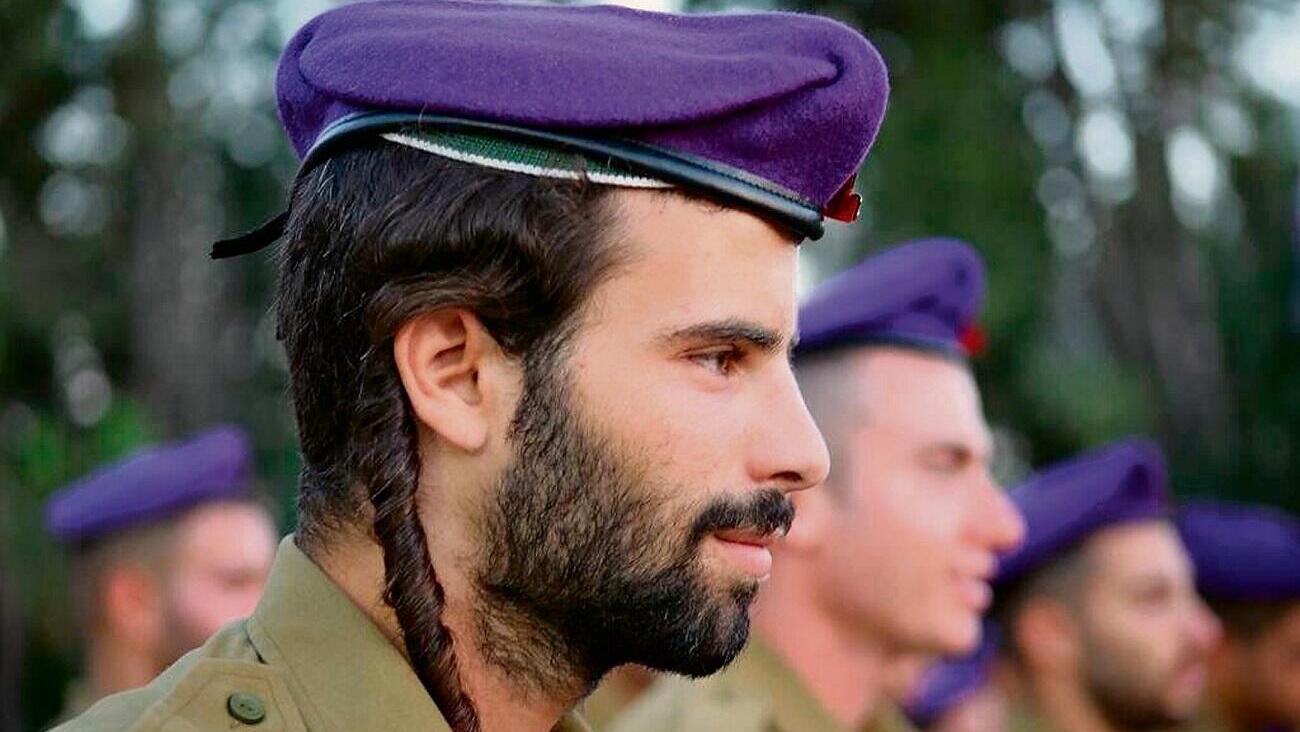
All photographs · 1
In the media
Memorial sites
- Yizkor – Lieutenant Pedaya Menachem Mark
משרד הביטחון — יזכור
Memorial projects
Young people from Otniel planted 60 olive trees in Pedaya’s memory on November 6, 2023. According to the report, the project was carried out in cooperation with the Im Tirtzu movement.
Stickers were produced with words from his notebook. His family, teammates and students of the Shachar Elrom pre-military academy worked to renovate a beach on the Sea of Galilee and organize a race in his memory; the source describes an initiative in progress.
Stories told about them
The article says that the Palestinian man who rescued the family’s children from the car after the 2016 attack came to offer condolences again after Pedaya fell. According to the report, his mother told him that he had given her son seven additional years of life.
After learning that his cousin Elhanan Kalmanzon had fallen in Be’eri, Pedaya chose to stay with his soldiers rather than attend the funeral. A few days later, he wrote his family a message of encouragement and connection even amid the fighting.
Life & service
Service
- Rank
- Lieutenant
- Unit
- Givati Brigade
- Honours
- Posthumously Promoted
- Battle Location
- In the northern Gaza Strip
Family
- Father
- Michael
- Mother
- Rachel Chava
Burial
Cemetery
Givat Shaul-Har HaMenuchot
- Area
- מט
- Plot
- ח
- Row
- יא
- Grave
- 37
Tributes & remembrance
נזכור אתכם תמיד
ט"ז במרחשוון.
לימוד הדף היומי היום מוקדש לזכרו.
עם ישראל חייב לך את חייו, לך ולכל גיבורי ישראל שלחמו עם הקרבה אדירה.
לעולם לא נשכח את גבורתך מלאך ישראל
אוהבת ומתגעגעת כל כך...
יהודי יקר ואהוב שכמותך. מעולם לא נפגשנו. אבל התמונה שלך מתנוססת על הסידור תפילה שלי. כל יום רואה אותך. מצדיע לפנייך חייל אמיץ. פטריוט . יהודי יקר. אוהב אותך.
הי"ד. יהי זכרו ברוך
יהי זכרו לנצח ברוך ותהא נשמתו צרורה בצרור החיים. יחד עם בני משפחתו, שאורם ילווה את עם ישראל. גיבורי ישראל.
גיבור ישראל.
נפלת צעיר כל כך, בן 22 בלבד, אבל השארת אחריך מורשת של אומץ, מסירות ואהבת הארץ.
אין מילים שיכולות לתאר את ההקרבה שלך את חייך נתת כדי שנוכל לחיות כאן.
נזכור אותך תמיד, ונשתדל להיות ראויים למה שלחמת למענו.
יהי זכרך ברוך.
יהי זכרו ברוך!
דיבור , הלוואי ונזכה להיות ראויים לך
זוכרים. תודה
גיבור, תודה על מי שהיית
שהקב"ה ישלח נחמה לאימא השכולה ואחות אחיות...אורית שהיכרתי השנה בנסיעתה לארצות הברית לימדה אותנו לחייך אפילו שקשה,כי חיוך יכול לשנות הכל.
יהי זכרך ברוך גיבור ישראל
אני זוכר שבתמונה שהתפרסמה לאחר התקרית עם הנגמ"ש פדיה בלט עם הפאות שלו ורציתי מאוד להכיר אותו. ראיתי היום את הכתבה קורעת הלב עליו ועל משפחתיכם המפוארת והאמיצה. אין חיבור יותר נעלה בעיניי של אמונה ודרך ארץ כמו שראיתי בחייו הקצרים מידי של פדיה. יהי זכרו ברוך!
משפחת קלמנזון-מרק, עמוד האש לפני המחנה
פדיה גיבור ישראל
מצדיעה לך
חיבוק חם מהאדמה פה בארץ לשמיים שם אתה נמצא
מלאך
יהי זכרך ברוך
פדיה, שרדת את הפיגוע, בו איבדת את אביך. איבדת אח, ודוד ב7. עכשו זה נגמר. יהי זכרך ברוך. הי"ד. אמן
פדיה יהי זכרך ברוך אמן . חירפת את חייך היקרים למען העם והמדינה במסירות נפש לאין קץ .
יהי זכרו ברוך
יהי זכרו ברוך
גבור ישראל
תודה
יהי זכרו ברוך,יקום בתחיית המתים בעזרת השם
נזכור לנצח
שנהיה ראויים לגיבורים כמוך
גיבור, תודה.
תודה לך על הגנת המולדת , תנוח על משכבך בשלום
תודה לך על מסירותך ומנהיגותך. יהי זכרך ברוך
יהי זכרך ברוך לעולם ועד
גיבור ישראל
Beneath the fearsome fighter, Pedaya is a lovely young man.
Source:מקור ראשון
Read the Hebrew original
מתחת ללוחם המפחיד, פדיה הוא עלם חמודות.
You were a special person, modest, with a heart of gold and an ever-present smile.
Source:מקור ראשון
Read the Hebrew original
היית אדם מיוחד, צנוע, עם לב זהב וחיוך תמידי.
We survived the terrorist attack together.
Source:מקור ראשון
Read the Hebrew original
את הפיגוע שרדנו יחד.
But I have to live for him.
Source:JNS
Your spirit and your heart are in my heart forever.
Source:משרד הביטחון — יזכור
Read the Hebrew original
הרוח והלב שלך בתוך ליבי לתמיד.
Padushak, my beloved brother, the little one who was so great.
Source:N12
Read the Hebrew original
פדושק, אחי האהוב, הקטן אבל הגדול.
Remembrance Day addresses
יום הזיכרון לחללי מערכות ישראל התשפ"ה – 2025
בכל יום שעובר, אזכור יותר! אזכור, את אלו שיצאו עימי לקרב ולא שבו, ולהם אין מי ידמה ומי ישווה. אזכור, שהכאב לא יעבור לעולם, והזמן, הוא לא מרפה ולא מרפא. אזכור, את שיברון הלב הגובר ואת הבית שבוער. אזכור, את צדקת הדרך, ואשבע שוב, שמה שהיה לא יהיה יותר. אזכור, שיותר מכל דבר אחר – אני חסר! ביום הזה, אני נתקף געגוע לדמותם, לחיתוך דיבורם, לחיוכם, ומדליק נר לזיכרון דרכם ומורשתם!
משרד הביטחון
אגף משפחות, הנצחה ומורשת
יום הזיכרון לחללי מערכות ישראל התשפ"ה – 2025
בכאב, בהצדעה ובתקווה אני מתכבד להדליק נר זיכרון זה. השנה, כשאנו נלחמים במלחמה ארוכה, רב זירתית וצודקת, הזיכרון נושא משמעות עמוקה. ביום זה נעצור ונתייחד עם זכרם של טובי בנינו ובנותינו שנפלו בהגנה על המדינה. מורשתם היא המצפן שמתווה את דרכינו, והיא המעניקה לנו כוח להמשיך ולהגן על מדינת ישראל ותושביה. משפחות יקרות, אנו מרכינים ראשנו ומתחייבים שנעמוד לצידכן תמיד. יהי זכר הנופלים ברוך.
אלוף דדו בר כליפא
ראש אגף כוח האדם, צה"ל
יום הזיכרון לחללי מערכות ישראל התשפ"ה – 2025
בשעה שאנו זוכרים את גודל תרומתם ועומק מסירות נפשם של טובי בנינו ובנותינו, נופלי מערכות ישראל לדורותיהן, ממשיכים צה"ל וכוחות הביטחון במימוש המשימה למענה לחמו ועבורה נפלו: הכרעת אויבינו מדרום, מצפון, ביהודה ובשומרון, וגם בזירות רחוקות יותר. בהערכה רבה ובגאווה אדירה אנו מרכינים ראש בפני הנופלים והנופלות, מאמצים את משפחותיהם אל לבנו, וממשיכים במשימה להבטחת קיומה של ישראל לדורי דורות. יחד נעשה ונצליח.
רב אלוף אייל זמיר
הרמטכ"ל, צה"ל
יום הזיכרון לחללי מערכות ישראל התשפ"ד – 2024
כאשר דגלינו מורדים לחצי התורן וראשינו מורכנים לזכר הנופלים והנופלות במערכות ישראל, ממשיכים לוחמי צה"ל ומפקדיו בלחימה בדרום, בצפון, ביהודה ובשומרון ובזירות נוספות. על כל דור מוטלת המשימה של הגנת העם והארץ – משימה שאף פעם אינה פוסקת. נצדיע בגעגוע ובגאווה לנופלים ולנופלות, נחבק את משפחותיהם, ונמשיך ברוח הציווי שהותירו לנו. עם ישראל חי.
רב ניצב יעקב שבתאי
המפקח הכללי, משטרת ישראל
יום הזיכרון לחללי מערכות ישראל התשפ"ד – 2024
אחיי הנופלים, כל נר הוא זיכרון יחיד ומיוחד, על חיים שהיו ואינם, געגוע שנצרב עמוק בלב, עולם ומלואו. הנרות כולם הם זיכרון של אומה כי לעולם לא עוד, בשורת הציונות וקוממיות ישראל. זיכרון כי הדרך לעם חופשי בארצנו עוברת דרך מסדר הנופלים. אור הנר יזכיר לנו את מסירות נפשכם להציל חיים, להגן על הבית. הנרות מסמנים לנו נתיב גבורה ערכי מחייב שאנו מצווים ללכת לאורו. נמשיך להילחם ולהוסיף אור מתוך אמונה בנצח ישראל.
יואב גלנט
שר הביטחון
יום הזיכרון לחללי מערכות ישראל התשפ"ד – 2024
בהצדעה ובכאב, בשם צה"ל כולו, אני מדליק נר זיכרון. בעיצומה של מלחמה, הזכרון נושא משמעות יום-יומית, שעבר והווה מתלכדים בה. לאורם של הנופלים נמשיך לצעוד, חיילי הסדיר והמילואים. לאורם של הנופלים נמשיך להגן על ארצנו ועל מולדתנו, גם כשהמחיר כבד. להבת-הזכרון תבער בנו בעודנו ממשיכים להלחם ונזכור את הנופלים ואת אומץ ליבם. משפחות יקרות, צה"ל מרכין היום ראש, מצדיע לכן וכואב איתכן. יהי זכר הנופלים ברוך.
אלוף יניב עשור
ראש אגף כוח האדם, צה"ל
יום הזיכרון לחללי מערכות ישראל התשפ"ד – 2024
בהוקרה, בגאווה ובכאב שאין לו סוף, אני מתכבד להדליק נר לזכרם של הנופלים והנופלות במערכות ישראל. סיפור חייהם בארץ הזאת, מסכת שירותם, גבורתם והקרבתם – הם סיפורה של הארץ הזאת, אך גם סיפור המחיר הכבד שהיא תובעת מאוהביה. מחויבותנו לזכר הנופלים ולדרך שהותירו לנו ניצבת תמיד לנגד עינינו. את המשימה שלא זכו להשלים, משלימים כיום, וישלימו, אנשי כוחות הביטחון, הממשיכים בדרכם ולאורם. יהי זכרם של הנופלים ברוך.
משרד הביטחון
אגף משפחות, הנצחה ומורשת
יום הזיכרון לחללי מערכות ישראל התשפ"ד – 2024
בחרדת קודש אני מתכבד להדליק נר לזכרם של חללי מערכות ישראל, חברנו שנפלו, מראשית היציאה מהחומות ולאורך כל שנות עצמאותנו המדינית והציונית, מהווים תמרור זיכרון לדרך חיינו ולמחוייבות הלאומית להנצחת זכרם. דרכם נותרה דרכנו ומורשתם נר להמשך עשייתנו. יהי זכרם ברוך!
בני גנץ
שר הביטחון
יום הזיכרון לחללי מערכות ישראל
נזכור אותם, כולנו יחד. כל אחד ואחת מהם, מדי יום ביומו, והיום ביתר שאת, כך – לנצח. "כי מדי דברי בו זכור אזכרנו עוד"
משרד הביטחון
אגף משפחות, הנצחה ומורשת