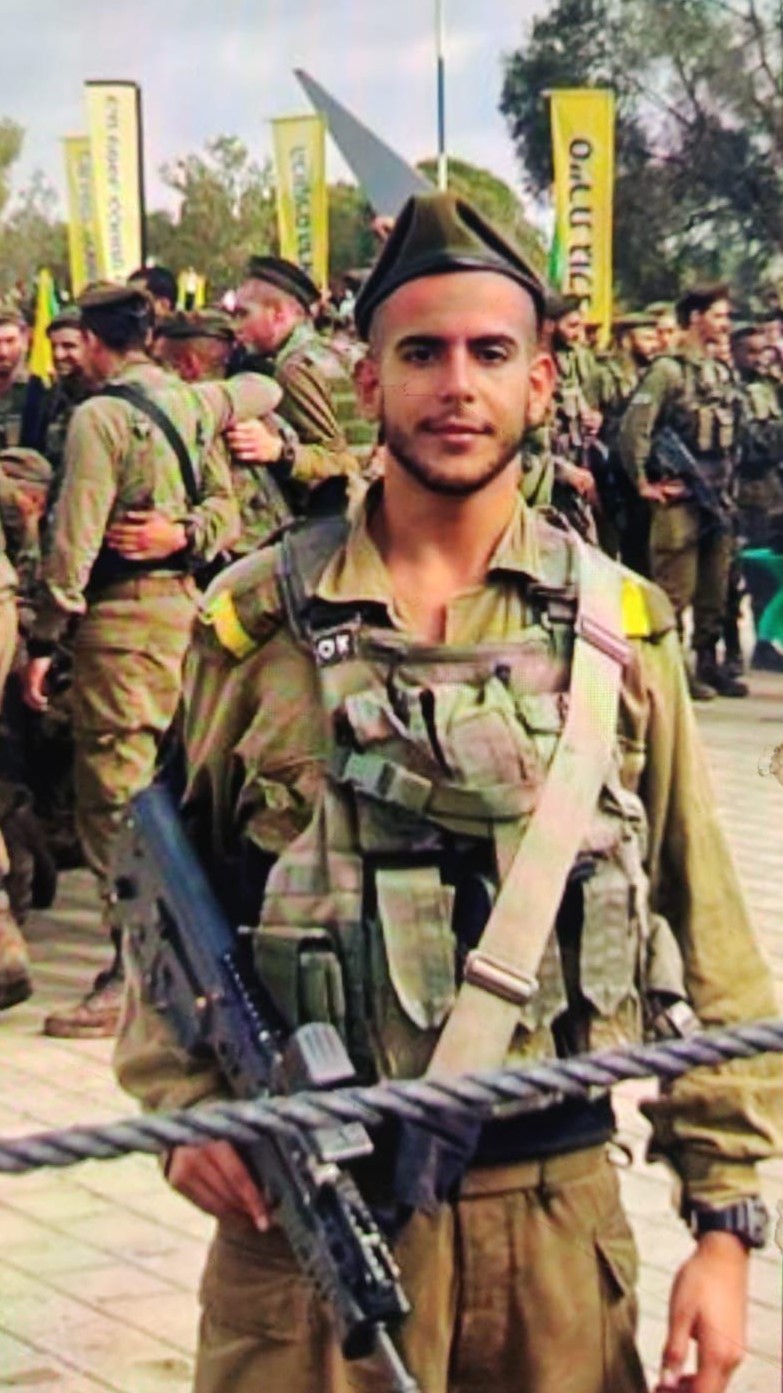
The story
The air in Rishon LeZion at the end of December 2002 carried a pleasant coolness, a promise of a real winter after a long autumn, and with the arrival of the 17th of Tevet, on the twenty-second day of the month, the city also brought new joy to the Karmi family home. Liat and Dror, fresh parents, looked with sparkling eyes at their firstborn son, a soft, pink baby, who was named Uri. The name, meaning "light," seemed perfectly fitting for the hope and new beginning he brought with him, and for the inner light that would illuminate his path and the paths of those around him in the future. They returned home to their quiet apartment, bringing the tiny bundle into their daily routine, which immediately transformed into a whirlwind of diapers, sweet cries, and sleepless nights, wrapped in excitement and endless love. The walls absorbed the sounds of his first murmurs, the chiming laughter, the soothing voices of his parents, creating a warm and secure foundation for the childhood that was to come.
As the years passed, the Karmi family home on the quiet street of Rishon LeZion became a vibrant and bustling center of life. Uri wasn't alone for long; his sister, Lidor, joined the play, and after her, Ella, the youngest sister, completed the family puzzle. Uri, the eldest, grew up to be the protective brother, the one who extended a hand first when needed, but also the one who led the wild imaginative games in the living room. He was the child around whom the younger ones gathered, the one who invented entire worlds within cardboard boxes that became fortresses, and the one who made sure no one was left out. In the morning, before school, the smell of father Dror’s coffee mingled with the scent of toast mother Liat prepared, and the house filled with chatter about the day ahead, about a math test, or about plans for an afternoon soccer game in the neighborhood. Uri's childhood was woven with threads of family love, clear boundaries set by his parents, and plenty of room to breathe, discover, and grow. He learned to know the city through his small feet, from the neighborhood park with its creaking playground equipment, through the dirt paths of the fields that still remained on the city's outskirts, to the commercial center that was a meeting place in the afternoons. He learned to love the feel of mud on his shoes after the rain, the sounds of birds in the garden, and the sensation of sand between his toes in the kindergarten playground.
Even at a young age, Uri showed intense curiosity about everything around him. It wasn't enough for him to hear a story; he wanted to know how things worked, what was hidden behind the scenes. If he saw a flower, he wouldn't just smell it, but would gently try to pull its petals apart to understand its structure. He loved spending hours in a small garden in the backyard, where he planted tiny seeds with his grandparents and watched them slowly grow. He learned from them about the cycle of life, the importance of water and sun, and the patience required to see a bloom. The feel of damp earth between his fingers, the rich scent of soil after watering, and the satisfaction of a small sprout emerging were his first lessons about life, hard work, and the deep connection to the land. In elementary school, he was an alert student, who loved to ask questions and explore. He wasn't necessarily excellent in all subjects, but he had broad knowledge in areas that fascinated him, and he especially loved nature and geography classes, where he could imagine journeys to distant places and learn about captivating world phenomena. In the schoolyard during breaks, he was one of the leaders of the spirited soccer games, running with tireless energy, sweat dripping from his forehead, his eyes gleaming with enthusiasm. He learned the importance of teamwork, the feeling of shared victory and the bitterness of defeat, and the ability to get up and keep playing, always with a smile.
Adolescence brought with it many changes. Uri developed into a tall, sturdy young man, with broad shoulders and intelligent eyes that reflected a rich inner world. His Bar Mitzvah celebration was a moving family event, where he stood proudly before a gathering of relatives and friends, reading from the weekly Torah portion in a clear voice. Afterward, at the lively party, he danced with his friends, laughed with his younger sisters who weren't so little anymore, and felt the enveloping warmth of his extended family. It was a moment of transition, from child to young man, and in it, he felt a new responsibility solidifying within him, not just towards himself, but towards his community and family. In high school, at "Makif H'," he developed a great interest in the sciences, especially physics and mathematics, where he found intellectual challenge and satisfaction in understanding the principles of the world. At the same time, he made sure to maintain balance in his life; he was not only a diligent student but also a loyal friend and socially active. He loved to hike, and at every opportunity, with his friends, he embarked on treks across the country's trails, from north to south. They would climb mountains, cross streams, sleep under the open sky, light bonfires, and tell stories until dawn. These experiences, of connecting with wild nature and with his group, he carried with him as an inseparable part of his identity. He learned to appreciate the quiet of nature, the power of the landscape, and the importance of relying on friends in the field. The long conversations into the night, around the flickering bonfire, about the future, about the army, about dreams – these were moments that shaped his worldview and deepened his bonds with his friends, bonds that would stay with him for many years. He loved the feeling of freedom and challenge, the ability to break physical and mental boundaries, and this connection to nature and effort became an integral part of who he was.
As his enlistment date approached, questions about the future became more pressing. Uri knew he wanted meaningful service, something that would contribute to the country and challenge him physically and mentally. He heard stories from older friends, read material online, and talked at length with his parents about the different options. Amidst all the considerations, choosing the infantry, and specifically Golani, seemed natural to him. It suited his character, his love for physical challenges, and his desire to be part of an elite unit that led from the front. He saw it as an opportunity to realize the values he had absorbed at home – responsibility, protecting others, and devotion to the country. The date, March 31, 2022, was etched in his memory as the day a new and significant chapter in his life began. On the morning of his enlistment, the Karmi family home was filled with sweet tension. Mother Liat prepared his favorite breakfast, and father Dror tried to lighten the mood with gentle jokes. Lidor and Ella, his sisters, hugged him tightly, with tears in their eyes, but also with overt pride. Uri himself was excited, yet determined. He boarded the military bus, armed with a large backpack and a deep sense of mission. Through the bus window, he watched Rishon LeZion recede, feeling that childhood was left behind, and his true journey was now beginning.
Boot camp was challenging, exactly as he expected. The frantic dash from bed to morning formation, the shouts of the commanders, the chafing from the vest, and the sand that clung to every pore of his skin. But Uri was not deterred. He found immense satisfaction in the physical challenge, and whenever he felt like breaking, he remembered the long hikes in nature, the sense of accomplishment from conquering a peak, and kept going. He learned to disassemble and assemble his weapon with his eyes closed, to crawl through thorny terrain, and to navigate at night by starlight. His commanders quickly recognized his leadership potential; he didn't just follow orders, but also looked out for his friends, encouraged those who struggled, and was always the first to offer help. He got to know the people with him, their stories, their dreams, and saw how a group of young men from all corners of the country became one fighting family, a melting pot of shared destiny. "Tell me, Karmi, how are you always smiling like that every morning?" a teammate once asked him, tired and dusty after a grueling drill. Uri smiled, sweating like everyone else, and wiped his forehead. "Because I know why I'm here, brother. And it's worth everything." he replied, and continued to march, resolute.
Upon completing boot camp, he moved on to advanced training, where he joined Battalion 13 of the Golani Brigade. Donning the brown beret, the brigade's famous emblem, filled him with deep pride. He felt he was part of a glorious legacy, a lineage of brave fighters who served the country. Training in Golani was more intensive, more focused, and included complex combat scenarios – open-field combat, urban warfare, intricate navigation, advanced shooting drills. He learned to work in perfect coordination with his teammates, to understand every movement, every glance, every signal. The bonds with his battalion comrades tightened even further, becoming brotherly ties, bonds that survived beyond uniforms and in every situation. They would sit together during quiet hours, after a grueling day of training, playing guitar, singing Israeli songs, and talking about everything – about home, about the girlfriends waiting, about fears and hopes. Uri was always there to listen, to support, and to offer a shoulder. He earned great respect from his friends and commanders for his professionalism, his generosity, and his unwavering willingness to help. He advanced through the ranks, and soon wore the sergeant's stripes, a role he filled with responsibility and dedication. He was an exemplary commander, who led his soldiers with confidence, cared for their well-being, and maintained discipline while preserving a personal and warm relationship. "Sergeant Karmi, soldiers!" his clear voice would command, but immediately afterward, once the rules were observed, he would address them with a smile, ask about their welfare, and offer personal assistance.
Uri's military service was filled with routine security missions. He and his battalion were stationed in various sectors, from north to south, safeguarding the security of Israeli citizens. He stood long guard shifts on cold nights, went on foot patrols in dangerous areas, and participated in complex ambushes. In every mission, he demonstrated composure, professionalism, and dedication to the objective. He understood the importance of his role, the fact that every small action he took contributed to the security of the entire country. "We're here so they can sleep soundly," he once told a young soldier who had just joined the battalion and complained about the difficulty. "It's not just a slogan, it's really true. Think about your parents, your sisters. Who will protect them if not us?" The prolonged time in the field, far from home, strengthened his connection to his family. On every leave, he would return home to Rishon LeZion, eagerly awaiting his mother Liat's hug, the deep conversations with his father Dror, and the laughter with his sisters. His mother would prepare all his favorite dishes, and the house would fill with the aroma of home-cooked meals. He would sit in the living room, sharing experiences from the army, listening to stories from home, and the distance only intensified his longing and his appreciation for his family and the quiet of home. He loved the feeling of returning to "normalcy," wearing civilian clothes, going to the beach with friends, and sitting in a neighborhood café. But always, at the end of every leave, he would return to base with a clear sense of commitment, ready to continue his mission.
The Sabbath of 22 Tishrei 5784, October 7, 2023, began like any other Sabbath, with an atmosphere of quiet and calm. Uri, who was at base with his unit, expected a relaxed day, perhaps some rest or routine activities. But this calm shattered abruptly, around 6:30 in the morning, when volleys of rockets began to tear through the sky, and rising and falling sirens filled the air. This was no ordinary siren, no familiar round of fighting. Something in the air was different, heavy, menacing. WhatsApp messages began to flood the unit's groups frantically, fragmented words, urgent commands, initial reports of terrorist infiltration, of severe incidents in the Gaza envelope communities. Hearts began to pound fiercely. Within minutes, a "red code" was declared at the base, and all the fighters were scrambled. Uri, with the resourcefulness and professionalism that characterized him, quickly armed himself. He put on his uniform, strapped his vest to his body, checked his weapon, and organized his equipment. His eyes were sharp, determined. There was no room for fear, only for focus. He knew exactly what was expected of him, what his role was as a fighter in Battalion 13 of Golani. "Everyone to the vehicles!" the commander's order rang out, his voice cracked with pressure, but clear.
The forces quickly moved south, into the inferno that had begun to unfold in the Gaza envelope communities. Through the window of the APC, Uri saw the green fields of the Negev burning, the black smoke rising from the communities, and the chaos that reigned everywhere. His heart ached, but he suppressed his emotions and focused on the mission. They entered the heart of Gaza, into one of the communities that had been savagely attacked. The smell of smoke and death hung in the air. Gunfire from all directions, screams, cries. It was a battlefield unlike any training scenario. Uri and his teammates encountered terrorists face-to-face. He acted with exemplary composure, as a commander and a fighter. He identified threats, returned fire, directed his soldiers, and ensured they acted in coordination. He moved swiftly and decisively between the burned houses, searching for terrorists and surviving civilians. He ran through alleys, jumped over fences, broke down doors, understanding that every second counted. "Forward, right clear! Left with me!" he shouted to his comrades, his voice swallowed by the roar of gunfire but clear and determined. He saw his friends fighting alongside him, their focused eyes, their unwavering determination to defend their home. He felt his accelerated pulse, the adrenaline coursing through his veins, but above all – the deep sense of mission.
The battle was bloody, relentless. Uri fought with supreme courage, with unparalleled determination, protecting his friends, innocent civilians caught in the horror, and his homeland. He did not hesitate for a moment, did not think of himself. He knew he had a family at home, two younger sisters he had protected from birth, parents who loved him more than anything, but at that moment, every citizen in distress was his family. He shot, advanced, covered, defended, and did not let go. The terrorists were numerous, cruel, and the fighting was unbearable. At some point, in the midst of intense crossfire, as he tried to rescue civilians from a house where terrorists were present, Uri was hit. He fell in battle, only twenty years old, so young, yet so great in his deeds. He fell as a hero, defending his people and his homeland, on the day the State of Israel entered a war for its life. His last stand was the stand of a fighter, a protector, of someone who chose to stand in the breach and not give up.
The bitter news reached the Karmi family home in Rishon LeZion like a thunderclap on a clear day. Two officers, their faces grim, knocked on the door. Mother Liat opened it, and the moment she saw them, she knew. The entire universe collapsed. The scream that tore from her throat echoed throughout the house, a cry that was the voice of all mothers in Israel. Father Dror leaned against the wall, his body trembling, his eyes filled with tears. Lidor and Ella, who heard the screams, ran to the living room, and in an instant, their world too shattered into pieces. Uri, the older brother, the protector, the friend, would not return. The house, which had been full of life just moments before, filled with heavy mourning, a deafening silence, only occasionally punctuated by deep sobs. The entire city of Rishon LeZion donned black.
The funeral of Sergeant Uri Karmi took place in the military cemetery in Rishon LeZion. Crowds of people came to pay their last respects – family, friends from all periods of his life, commanders and soldiers from the battalion, citizens who did not know him but came to identify with the national pain. The autumn sky was gray, as if mourning the tragedy itself. Israeli flags fluttered at half-mast, and the sounds of the funeral procession filled the air. At his fresh grave, wrapped in the Israeli flag, stood his parents and sisters, broken and in pain, but also proud of their heroic son and brother. The commanders spoke of his courage, his professionalism, his generosity, and his leadership. His friends spoke of his smile, his wit, his willingness to always help. Every word was a knife to the heart, but also a small comfort, a sweet memory of a dear person. After his fall, Uri was posthumously promoted to Staff Sergeant, a tribute to his heroism and dedication. The new rank, pinned in a small ceremony on his parents' shoulders, was a symbol of his legacy, but it could not fill the immense void he left behind.
The Shiva was difficult. The Karmi family home was packed, people came to comfort, to tell stories, to hug. Every story about Uri, about a small act of kindness or a moment of laughter, was like a small ray of light in the darkness. Friends from high school spoke of their shared hikes, of deep conversations into the night, of dreams they wove together. Soldiers from the battalion spoke of Uri the commander, the one who cared about the small details, the one who didn't give up on anyone, but always with a smile and a kind word. The parents and sisters listened, and each story added another piece to the puzzle of the Uri they knew and loved. The void Uri left behind was immense. His corner in the room remained quiet, his belongings in place, waiting for his return that would never come. In the corner of the living room, where he used to sit and talk with his father, a sense of emptiness remained. Lidor and Ella lost not only a brother, but a soulmate, a protector, and a figure to admire. Every laugh in the house, every moment of joy, was tinged with deep sadness, with a sense of absence that had no remedy.
But along with the immense pain, a sense of resurgence also began to grow. Uri fell defending his home, his family, and his people. His death was not in vain. He became a symbol of courage, dedication, and the love of the land that pulsed within him. Through his story, and that of many others who fell on that cursed day and in the war that erupted in its wake, the spirit of the people of Israel was revealed – a spirit of determination, of unity, of steadfastness in the face of evil. Uri's family, despite the unfathomable pain, found the strength to continue, to commemorate his memory, and to tell his story. They knew that Uri would not want them to despair, but to continue to live, to create, and to build the country for which he gave his life. The memory of Staff Sergeant Uri Karmi, of blessed memory, is etched forever in the hearts of his family, his friends, and everyone who heard his story. He will be a guiding light, a symbol of human heroism, and of true love for his homeland. And this light, for which he was named at birth, will continue to illuminate our path, even when darkness threatens, reminding us of the precious price of freedom and the endless strength of the Israeli spirit.
Moments of a life
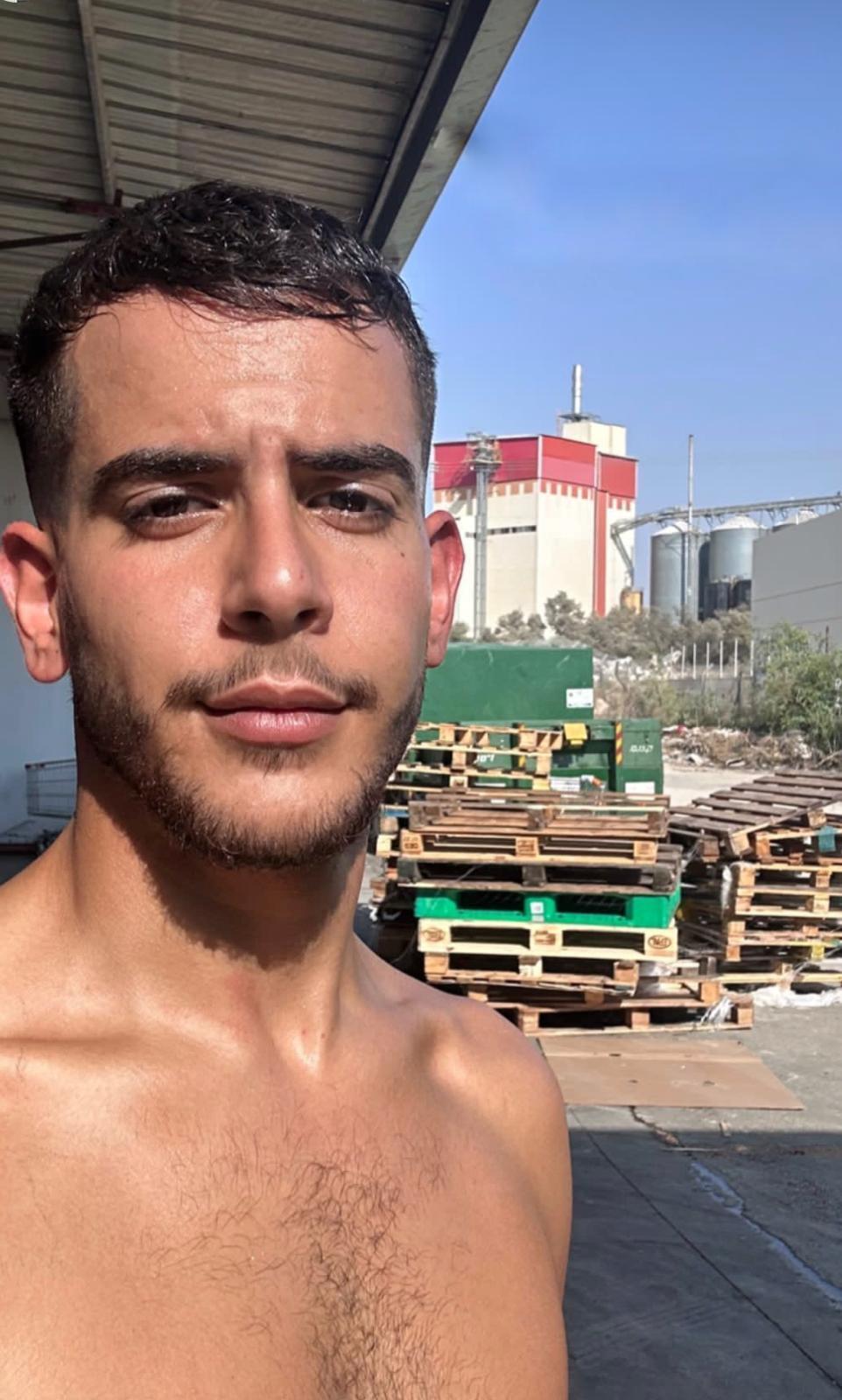
All photographs · 2
In the media
Articles
- Uri Carmi
ynet – גל עד
- Ori Karmi
Ynetnews
- The Heroic Last Stand at Nahal Oz
Лехаим
Videos
- "My brother isn't just another fallen soldier, no one will forget my brother"
רשת 13 — זיכרון ברזל: המילים האחרונות ·
Memorial sites
- In Memoriam of: Ori Karmi
October7Memorial
- Uri Carmi – Memorial Page
כאן 7.10.360
- Ori Carmi — Fill the Void
למלא את החלל
Memorial projects
The “Lemalot Et HeHalal” website has a personal page commemorating him through good deeds; it lists volunteers' pledges to do things for others.
His name was included in a ceremony held by the Rishon LeZion Chevra Kadisha, at which 27 candles were lit for the city’s fallen and murdered residents, and families were given copies of the Zohar bearing a photograph of their loved one.
Stories told about them
Carmi was especially close to his little sister Ella, who was 15 years younger than him; he played with her and did puzzles. His friends said he helped soldiers get through the march and encouraged them to keep going.
According to his father, before enlisting, Ori worked in a hair salon and considered a career in hairdressing. Alongside his love of clothes and aesthetics, he chose to find his path through military service.
Life & service
Profile
- Date of birth
- December 22, 2002
- Birthplace
- Rishon LeZion
- Date of death
- October 7, 2023
- Age
- 20
- Hometown
- Rishon LeZion
Service
- Rank
- Staff sergeant
- Unit
- Golani Brigade
- Honours
- Posthumously Promoted
Family
- Father
- Dror
- Mother
- Liat
Burial
Cemetery
Rishon LeZion Military Cemetery
Tributes & remembrance
במותם ציוו לנו חיים
יהי זכרו ברוך
אורי היקר! אני חושבת עליך ומבטיחה לחשוב עליך ולזכור אותך תמיד
הזמן לא ישכיח ולא ירכך את האובדן, סליחה מכל הלב והנשמה שלי
שולחת המון אהבה ומחשבות
יהי זכרו לנצח ברוך ותהא נשמתו צרורה בצרור החיים. אמן.
נזכור לעד
געגוע בלתי פוסק
אורי היקר, לא היכרנו אבל אתה היית ועדיין מאוד חשוב לחברות מאוד טובות שלי, אז אתה חשוב גם לי. שמעתי עליך, על הסיפור שלך, על הגבורה שלך. אתה גיבור אמיתי. תודה על מי שהיית, נזכור אותך תמיד.
תודה שהצלת את בן דודה שלי והגנת בגופך על ביטחון מדינת ישראל
מתגעגע אליך בן דודה יקר!
עברה מעל שנה ועדיין אני מסרב להאמין,
נותר רק להאמין שאיפה שלא תהיה יהיה טוב.
הי"ד של אורי היקר ז"ל .
זוכרת , את החיוך שלך , את שמחת הנעורים שלך ואת הכבוד שנתת לסבא זכריה ז"ל .
בטוחה שהמשפחה ממשיכה ומנציחה את דרככם .
יהי זכרו ברוך .
אורי מתגעגע אלייך
תשמור על עצמך
נזכור ולא נשכח
אורי יקר
אולי לא הכרתי אותך אבל אחי כן, דיבר עלייך טוב ורק אמר כמה בן אדם טוב היית
תמיד אזכור אותך
יהי זכרך ברוך
יהי זכרו ברוך
לא מכירה אותך אישית, אבל שמעתי כמה גבר אהוב ומדהים היית. נעשה הכל כדי לזכור ולהזכיר שמך
גיבור ישראל
אתה לנצח בלב שלי אוריקי
אתה המלך לעולם
יהי זכרך ברוך
גם כשהמלחמה צודקת,הלב כואב על המחיר הכבד,על אובדן החיים הצעירים,על ההפסד.
שנהיה ראויים,שנעריך נזכור ונכבד את הנופלים שבמותם ציוו לנו חיים.
שבעזרת ה בורא עולם יאיר פניו לעם ישראל
שנהיה ראויים
יהי זכרו ברוך גיבור ישראל
יהי זכרך ברוך
לנצח כאן, אורי שלנו !
מלח הארץ, גיבור ישראל
בזכותך אנחנו כאן.
תודה
יהי זכרו ברוך
איש וחבר יקר נתגעגע אלייך
אורי כרמי..
אנחנו לא צריכים יום זכרון
אנחנו איתך כל יום, גיבור ישראל..
השם ינקום דמך..
חזק אותנו משערי שמיים ובמיוחד את אמא ליאת אבא דורי וכל המשפחה הנפלאה המורחבת.
נזכור ולא נשכח
גיבור ישראל הי"ד
גיבור ישראל ה יקום דמו
גיבור ישראל
יהי זכרך ברוך
Twenty years. Twenty years that I had the fortune to be your sister who loved you unconditionally,
Source:October7Memorial
Above all, Uri was a boy who smiled. A happy boy. He had always been that way
Source:ynet – גל עד
Read the Hebrew original
אורי היה קודם כל ילד חייכן. ילד שמח. מאז ומתמיד הוא היה כזה
I trusted him so much
Source:ynet – גל עד
Read the Hebrew original
כל כך סמכתי עליו
His smile would melt me
Source:ynet – גל עד
Read the Hebrew original
החיוך שלו היה ממיס אותי
My brother is not just another fallen soldier; no one will forget my brother
Source:רשת 13 — זיכרון ברזל
Read the Hebrew original
אח שלי זה לא עוד חייל שנפל, אף אחד לא ישכח את אח שלי
It was a battle of almost an hour, filled with pure heroism
Source:Лехаим
Remembrance Day addresses
יום הזיכרון לחללי מערכות ישראל התשפ"ה – 2025
בכל יום שעובר, אזכור יותר! אזכור, את אלו שיצאו עימי לקרב ולא שבו, ולהם אין מי ידמה ומי ישווה. אזכור, שהכאב לא יעבור לעולם, והזמן, הוא לא מרפה ולא מרפא. אזכור, את שיברון הלב הגובר ואת הבית שבוער. אזכור, את צדקת הדרך, ואשבע שוב, שמה שהיה לא יהיה יותר. אזכור, שיותר מכל דבר אחר – אני חסר! ביום הזה, אני נתקף געגוע לדמותם, לחיתוך דיבורם, לחיוכם, ומדליק נר לזיכרון דרכם ומורשתם!
משרד הביטחון
אגף משפחות, הנצחה ומורשת
יום הזיכרון לחללי מערכות ישראל התשפ"ה – 2025
בכאב, בהצדעה ובתקווה אני מתכבד להדליק נר זיכרון זה. השנה, כשאנו נלחמים במלחמה ארוכה, רב זירתית וצודקת, הזיכרון נושא משמעות עמוקה. ביום זה נעצור ונתייחד עם זכרם של טובי בנינו ובנותינו שנפלו בהגנה על המדינה. מורשתם היא המצפן שמתווה את דרכינו, והיא המעניקה לנו כוח להמשיך ולהגן על מדינת ישראל ותושביה. משפחות יקרות, אנו מרכינים ראשנו ומתחייבים שנעמוד לצידכן תמיד. יהי זכר הנופלים ברוך.
אלוף דדו בר כליפא
ראש אגף כוח האדם, צה"ל
יום הזיכרון לחללי מערכות ישראל התשפ"ה – 2025
בשעה שאנו זוכרים את גודל תרומתם ועומק מסירות נפשם של טובי בנינו ובנותינו, נופלי מערכות ישראל לדורותיהן, ממשיכים צה"ל וכוחות הביטחון במימוש המשימה למענה לחמו ועבורה נפלו: הכרעת אויבינו מדרום, מצפון, ביהודה ובשומרון, וגם בזירות רחוקות יותר. בהערכה רבה ובגאווה אדירה אנו מרכינים ראש בפני הנופלים והנופלות, מאמצים את משפחותיהם אל לבנו, וממשיכים במשימה להבטחת קיומה של ישראל לדורי דורות. יחד נעשה ונצליח.
רב אלוף אייל זמיר
הרמטכ"ל, צה"ל
יום הזיכרון לחללי מערכות ישראל התשפ"ד – 2024
כאשר דגלינו מורדים לחצי התורן וראשינו מורכנים לזכר הנופלים והנופלות במערכות ישראל, ממשיכים לוחמי צה"ל ומפקדיו בלחימה בדרום, בצפון, ביהודה ובשומרון ובזירות נוספות. על כל דור מוטלת המשימה של הגנת העם והארץ – משימה שאף פעם אינה פוסקת. נצדיע בגעגוע ובגאווה לנופלים ולנופלות, נחבק את משפחותיהם, ונמשיך ברוח הציווי שהותירו לנו. עם ישראל חי.
רב ניצב יעקב שבתאי
המפקח הכללי, משטרת ישראל
יום הזיכרון לחללי מערכות ישראל התשפ"ד – 2024
אחיי הנופלים, כל נר הוא זיכרון יחיד ומיוחד, על חיים שהיו ואינם, געגוע שנצרב עמוק בלב, עולם ומלואו. הנרות כולם הם זיכרון של אומה כי לעולם לא עוד, בשורת הציונות וקוממיות ישראל. זיכרון כי הדרך לעם חופשי בארצנו עוברת דרך מסדר הנופלים. אור הנר יזכיר לנו את מסירות נפשכם להציל חיים, להגן על הבית. הנרות מסמנים לנו נתיב גבורה ערכי מחייב שאנו מצווים ללכת לאורו. נמשיך להילחם ולהוסיף אור מתוך אמונה בנצח ישראל.
יואב גלנט
שר הביטחון
יום הזיכרון לחללי מערכות ישראל התשפ"ד – 2024
בהצדעה ובכאב, בשם צה"ל כולו, אני מדליק נר זיכרון. בעיצומה של מלחמה, הזכרון נושא משמעות יום-יומית, שעבר והווה מתלכדים בה. לאורם של הנופלים נמשיך לצעוד, חיילי הסדיר והמילואים. לאורם של הנופלים נמשיך להגן על ארצנו ועל מולדתנו, גם כשהמחיר כבד. להבת-הזכרון תבער בנו בעודנו ממשיכים להלחם ונזכור את הנופלים ואת אומץ ליבם. משפחות יקרות, צה"ל מרכין היום ראש, מצדיע לכן וכואב איתכן. יהי זכר הנופלים ברוך.
אלוף יניב עשור
ראש אגף כוח האדם, צה"ל
יום הזיכרון לחללי מערכות ישראל התשפ"ד – 2024
בהוקרה, בגאווה ובכאב שאין לו סוף, אני מתכבד להדליק נר לזכרם של הנופלים והנופלות במערכות ישראל. סיפור חייהם בארץ הזאת, מסכת שירותם, גבורתם והקרבתם – הם סיפורה של הארץ הזאת, אך גם סיפור המחיר הכבד שהיא תובעת מאוהביה. מחויבותנו לזכר הנופלים ולדרך שהותירו לנו ניצבת תמיד לנגד עינינו. את המשימה שלא זכו להשלים, משלימים כיום, וישלימו, אנשי כוחות הביטחון, הממשיכים בדרכם ולאורם. יהי זכרם של הנופלים ברוך.
משרד הביטחון
אגף משפחות, הנצחה ומורשת
יום הזיכרון לחללי מערכות ישראל התשפ"ד – 2024
בחרדת קודש אני מתכבד להדליק נר לזכרם של חללי מערכות ישראל, חברנו שנפלו, מראשית היציאה מהחומות ולאורך כל שנות עצמאותנו המדינית והציונית, מהווים תמרור זיכרון לדרך חיינו ולמחוייבות הלאומית להנצחת זכרם. דרכם נותרה דרכנו ומורשתם נר להמשך עשייתנו. יהי זכרם ברוך!
בני גנץ
שר הביטחון
יום הזיכרון לחללי מערכות ישראל
נזכור אותם, כולנו יחד. כל אחד ואחת מהם, מדי יום ביומו, והיום ביתר שאת, כך – לנצח. "כי מדי דברי בו זכור אזכרנו עוד"
משרד הביטחון
אגף משפחות, הנצחה ומורשת