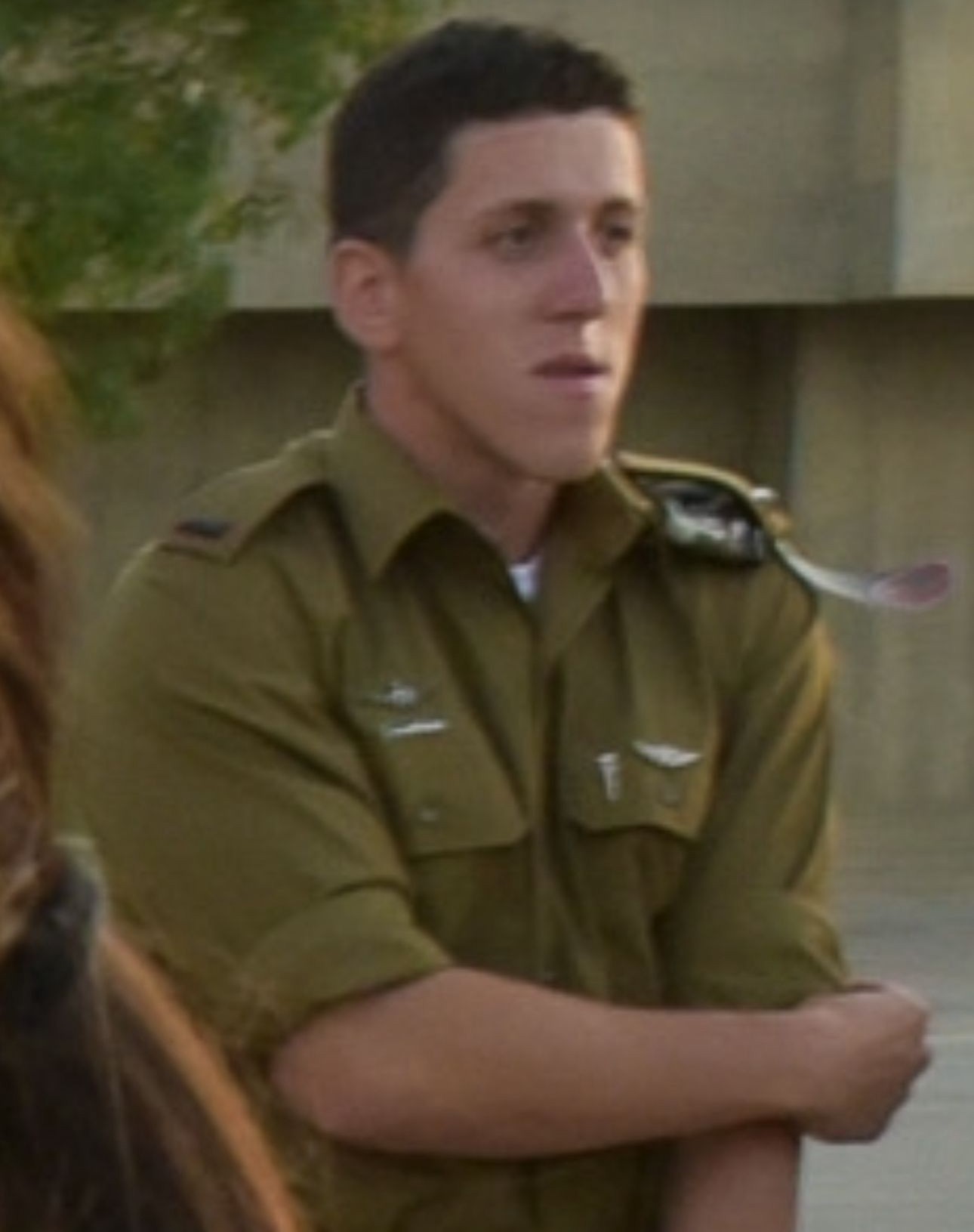
The story
The air in Meitar that morning, the first day of Tishrei 5765 (September 2004), already held a slight crispness, carrying with it the promise of approaching autumn. But inside the home of Shira and Moti Gerlitz, there was a lingering warmth of an extended summer, a warmth enveloped in eager anticipation. This was the day Uri was born, the first child for parents who had awaited him with all their hearts, and he arrived into the world amidst a cloud of love and cries of joy that echoed through the walls of their new home. Moti, usually a serious professor, stood by Shira's bed, his hand clasping hers tightly, his face radiant with a happiness he found hard to conceal. Shira, tired but blissful, whispered the newborn's name, Uri – my light. The house in Meitar, a communal settlement situated on the edge of the desert, slowly built itself into a warm, protected nest, a place where green fields met dusty roads and a sense of open spaces. Uri grew up surrounded by the sounds of neighbors playing in adjacent gardens, the scent of wild herbs rising from the nearby wadis after the first rain, and the sound of the wind blowing through the eucalyptus trees planted along the paths.
Uri's family roots were deeply embedded in the soil of the Negev, further afield than Meitar. His grandparents, Eliezer and Liat, were long-standing members of Kibbutz Nachal Oz, where they lived and worked for many years, as part of a larger story of settlement and pioneering. Moti, Uri's father, was a "Son of the Sheaves Group" – an expression that resonated in their home not just as a generational identification, but as a kind of label for values: a group that grew up together, educated on hard work, sharing, mutual responsibility, and an uncompromising connection to the land. Eliezer and Liat's stories, about the kibbutz's founding days, working in the cotton fields that touched the border fence, the scorching sun, and the spirit of the community, were not just distant memories; they formed the solid foundation upon which the Gerlitz family was built. Uri, even before he was able to understand the meaning of these things, absorbed these stories as a natural part of his childhood. He sat on his grandparents' laps, his large eyes absorbing every word, imagining the tractors plowing the red earth, the scent of sweat mingled with the smell of the earth after rain, the sounds of children running barefoot between the children's houses. He learned from them about the power of community, the duty to care for one another, and the heavy price one had to pay to hold onto this piece of land – a price that was then primarily one of hard work and daily struggle.
As Uri grew, and his younger siblings, Yahel and Anni, joined him, the house in Meitar filled with laughter, small squabbles, and countless games. Uri, as the eldest child, even then carried a certain measure of responsibility on his narrow shoulders. He wasn't the type of child who floated in the clouds, but rather one whose feet were deeply rooted in the ground. He loved the simplicity of life, the direct contact with things. He wasn't drawn to computer games for hours on end; instead, he preferred to go out into the yard, dig in the earth, try to plant seeds, and see if they would sprout. He was captivated by the process, by the life that burst forth from the soil. He would help Moti and Shira in their small garden, smelling the damp earth clinging to his hands, gazing in wonder at the red tomatoes peeking out from among the green leaves, and feeling the satisfaction of working under the sun – a feeling that, even if it didn't come from a tractor plowing a kibbutz field, still carried the same aroma of creation and toil. He loved the quiet of the morning, when everyone else was still asleep, and he could go outside, caress the dew-kissed leaves of the plants, inhale the fresh scent of the earth, and feel its pulsating power.
At school in Meitar, Uri was a curious and relatively quiet student, yet possessed a strong presence. He wasn't a boisterous leader, but one his friends relied upon. When a decision needed to be made in class, or when someone was in trouble, he was the first to offer help, the first to think of a practical solution. He loved to learn, not just to succeed in tests, but from a genuine desire to understand how the world worked. Nature and geography lessons particularly fascinated him, and he would dedicate long hours to reading encyclopedias, imagining the diverse landscapes, distant continents, and how people lived and operated within them. He loved the annual trips, the chance to go outdoors, climb hills, feel the wind on his face, the sand between his fingers. On these trips, when heavy bags needed carrying or a friend struggled, Uri was always there, lending a hand, offering assistance, embodying that 'Son of the Sheaves Group' his father spoke of, not in words, but in actions.
In his teenage years, Uri connected with a group of boys and girls from Meitar, all lovers of nature and outdoor activities. They would spend long hours hiking in the area, knowing every goat path, every acacia tree, every hidden corner of the wadi. There, under the star-lit Negev skies, deep conversations about life, the future, and the desire to contribute and do something meaningful took shape. Uri didn't talk much, but when he did say something, everyone listened. He had a quiet and matter-of-fact way of expressing his opinion, always stemming from a place of sincerity and care. He was the one who always looked out for everyone, who brought extra water for those who forgot, who insisted that no one be left behind. The values he absorbed from his parents and grandparents – of community, responsibility, and working for a greater purpose – solidified within him more and more. He saw his parents around him, their dedication to their professions, their home, their family, and his father, Moti, who was always involved in the community, lending a hand, expressing an opinion, and unafraid to tackle social challenges. Uri absorbed this personal example, and it shaped his path.
The decision to enlist in the IDF was almost as natural as breathing for Uri. He didn't hesitate much. He knew he had a role, that this was where he could contribute most significantly. He wanted to be a combat soldier, to defend, to do what was necessary. He enlisted on March 22, 2023, at eighteen and a half years old, young but resolute. That day, as he boarded his first military bus, was a kind of full circle. He parted from his parents, from Yahel and Anni, a strong hug, a look in their eyes, a promise to stay in touch. The smell of the new uniform, the stiffness of the military boots, the harsh shouts of the commanders – all these were a completely new world, utterly different from the familiar quiet of Meitar. But Uri adapted quickly. He wasn't one to complain. He saw every difficulty as a challenge, every task as an opportunity to learn and grow stronger. He excelled physically, possessed high stamina, and most importantly, displayed a quiet and natural leadership ability. He knew how to listen to his friends, offer advice, encourage when necessary, and also lead when required.
He joined the Kfir Brigade, Shimshon Battalion (92). The Kfir Brigade, known as the 'Purple Brigade,' specialized in urban warfare, particularly in Judea and Samaria. This demanded special combat skills, an understanding of the complex terrain, and high sensitivity to the civilian population's situation. Uri quickly mastered the intricacies of combat. He absorbed every word from his commanders, every drill, every training session. He dedicated himself completely to the mission, always ready to invest beyond what was expected. He didn't look for shortcuts, but insisted on precise execution, on a deep understanding of every detail. His company mates appreciated his dedication, his seriousness, and his ability to remain calm even under pressure. He knew not only how to follow orders, but also to think ahead, anticipate potential problems, and propose solutions. It wasn't long before his commanders recognized his inherent potential and offered him a squad commanders' course, and from there, an officers' course.
He completed the officers' course with distinction, becoming a source of immense pride for his family. At the graduation ceremony, as the lieutenant's insignia was pinned to his uniform, his parents, brother, and sister stood with tears in their eyes, proud of the boy who had become a man, a commander. Uri, at the moving ceremony, felt the weight of responsibility on his shoulders. He knew that from now on, he was not just a soldier, but a platoon commander in the Shimshon Battalion. He bore responsibility for the lives of dozens of young soldiers, for their safety, their training, their leadership. He took this role with profound seriousness. He didn't see himself as someone standing above his soldiers, but as an inseparable part of them, a leader who walked before them, but also cared for them as if they were his younger siblings. He was attentive to their problems, tried to find solutions to their difficulties, and above all, invested all his energy in their training, knowing that in a moment of truth, their capabilities depended on the instruction they received from him.
Then came October 7, 2023. That morning, a Shabbat and the Simchat Torah holiday, began like any other Saturday morning, but quickly turned into a national nightmare. Uri's phone vibrated repeatedly, WhatsApp messages streamed non-stop, news of terrorists infiltrating, of a massacre in the Gaza envelope communities, of hostages. His heart clenched. He, a young officer and combatant, felt the earth tremble beneath his feet, the helplessness and pain that afflicted the entire country. In those first days of confusion and terror, already with his unit, ready for any call, he heard about his father, Moti. Prof. Moti Gerlitz, whose roots were in Nachal Oz, the kibbutz severely impacted that day, didn't hesitate for a moment. He mobilized all his strength and energy, and stood by the Nachal Oz community from the very first moment. He accompanied the bereaved families, the families of the hostages, was a listening ear, a pillar of support. For Uri, seeing his father act this way, in such a difficult time, was further confirmation of the values he had grown up with: mutual responsibility, commitment to community, standing firm in the face of hardship. He knew his father represented the spirit of a 'Son of the Sheaves Group' in its purest form. This strengthened his sense of mission, his deep understanding of the essence for which he wore a uniform and was there.
The days and weeks that followed were filled with tension and uncertainty. All units were placed on high alert, and preparations for a ground entry into the Gaza Strip began. Uri, as a platoon commander, was at the heart of these preparations. He commanded intensive training sessions, drilled his soldiers through various scenarios, ensured equipment was ready, checked every detail. He explained the mission to them, its importance, the potential cost involved. He saw the fear in their eyes, but also the determination. He spoke to them eye-to-eye, not hiding the dangers, but also emphasizing the mission's importance, the defense of their home, their families, their friends. He cared for each and every one of them, asked about their well-being, their families' well-being, and strengthened their spirits. He knew that the bond between him and his soldiers, their mutual trust, would be decisive in the moment of truth. He was for them not only a commander, but also an older brother, a figure they could trust implicitly.
During the months that passed since October 7th, Uri's unit carried out numerous operational activities, primarily in various sectors of Judea and Samaria, as part of the heightened security effort. He and his soldiers worked day and night, almost without rest, always on high alert. He matured rapidly; operational experience sharpened his senses, his ability to make decisions under pressure. He learned to recognize every sound, every shadow, every suspicious movement. He became an experienced, professional commander, beloved by his soldiers. In phone calls with his parents, he always tried to reassure them, to tell them only good things, but Shira and Moti knew; they felt the tension in his voice, the fatigue, the weight of responsibility. They would send him packages with homemade cookies and encouraging notes, and he would share them among his soldiers, smiling a tired but genuine smile, warming their hearts.
The decision for an expanded ground entry into the southern Gaza Strip was made towards the end of summer 2025, after a long period of intense fighting. The Shimshon Battalion, Uri's unit, received orders to enter. The tension was palpable. Uri received the order with quiet determination. He gathered his soldiers, explained the mission's objective – clearing areas, locating terror infrastructure, protecting the Gaza envelope communities. He spoke to them about the importance of every action, the need for iron discipline, for working as a team. He made sure that everyone understood their role, and that all were physically and mentally ready. The night before the entry, he sent a short message to his family: "Love you all, don't worry. We're protecting everyone." Shira replied immediately, "Take care of yourself, my Uri. We're here, waiting for you." Moti sent him a clenched fist emoji, a silent symbol of pride and support. Yahel and Anni sent him hearts and hugs. Uri read the messages, a small smile on his lips, and felt the strength of his family, the warm home front waiting for him.
The entry into the southern Gaza Strip involved fierce battles, in complex terrain, rife with traps and tunnels. On the 29th of Av 5785, August 23, 2025, during an operational activity in one of the most challenging areas, Lieutenant Uri Gerlitz's platoon encountered a well-planned ambush. A sudden engagement, hellfire opened upon them from every direction. Uri, as commander, acted with incredible composure under fire. He identified the source of the shooting, directed his soldiers to take cover, and immediately returned fire, leading the counter-attack. He shot, moved, shouted clear and precise orders, navigating his soldiers between the ruined houses, trying to extract them from danger. He charged forward to evacuate a wounded soldier, exposing himself to enemy fire. He didn't hesitate for a moment, didn't think of himself, only of his soldiers, of the mission. He saw before his eyes the faces of Yahel and Anni, Shira's smile, Moti's proud gaze, his grandparents' stories of Nachal Oz. He knew exactly what he was fighting for.
Amidst the inferno, with bullets whistling from all directions, Uri was critically wounded. He fell as a hero, in the midst of battle, while defending his soldiers, while fulfilling his mission. He was just twenty years old. Twenty years of a full life, of love, of dedication, of growth, which came to an end in a harsh battle. He left behind parents, a brother and sister, and an entire community of friends and soldiers who saw him as a role model, an exemplary commander. The news of his fall struck the home in Meitar like a bolt from the blue. The morning's quiet was shattered by sounds of weeping, cries of pain, helplessness. The door of the house opened to endless embraces, stunned gazes, questions without answers. The entire Meitar community stood behind the Gerlitz family, sharing in the immense pain, sharing the bereavement. In Nachal Oz, the kibbutz where his grandparents grew up, and the kibbutz his father Moti had accompanied with boundless dedication since October 7th, heads were bowed. Personal and communal pain penetrated everyone's hearts, and the open wounds of the war reopened, deeper and more painful.
Uri was laid to rest in the military section of the cemetery in Meitar. Thousands of people came to accompany him on his final journey. The dignified silence of the cemetery was broken only by muffled sounds of weeping and speeches fractured by difficulty and pain. Above his fresh grave, with the Israeli flag draped over his coffin, rose the tears of his parents, the gaze of his brother and sister who had lost their pillar, and the tormented faces of his soldiers, who stood at rigid attention in their uniforms, trying to hold back their tears. After his fall, he was posthumously promoted from Second Lieutenant to Lieutenant, a mark of honor and appreciation, but a mark that could not fill the immense void he left behind.
But Uri did not vanish. He remains in the stories, in the memories, in the way he touched the lives of so many people. He remains in the photographs on the walls, in the laughter of Yahel and Anni, in the strength of Shira and Moti. He remains in the values he instilled, in the love of the land and its people, in dedication to community, in humility and responsibility. The life story of Lieutenant Uri Gerlitz, a child from Meitar, grandson of Nachal Oz pioneers, who became a brave and daring commander, is a story of heroism stemming from reality, from humanity, from the choice to defend home. He is a symbol of Israeli revival, of a people rising from the ruins, choosing life, rebuilding, preserving its values even in the face of the greatest difficulties. Uri's memory, along with the memory of all those who fell in the War of Revival, is etched deep in the nation's heart, a source of inspiration, pride, and a promise that we will continue to live, build, and grow, for him and for all of us. He left behind a trail of light, a light that illuminates our path even in dark days, reminding us of the price of freedom, and the immense power of the human spirit.
Moments of a life
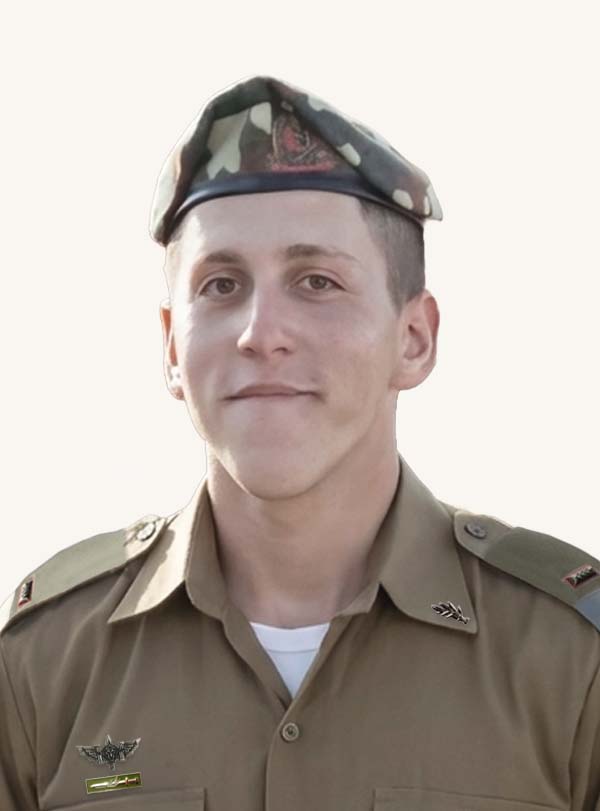
All photographs · 2
In the media
Articles
- 20-Year-Old Lieutenant Killed in the Gaza Strip
Сегодня ·
- Tel Aviv University Marked the Second Memorial Day for the Events of October 7
אוניברסיטת תל אביב
- Meitar residents accompanied Lieutenant Uri Gerlitz on his final journey – Walla Sheva Darom
sheva7.walla.co.il
- Uri Gerlitz: Continuing the Path of Uri Gerlitz, of Blessed Memory — Visit “Commemorate Through Action” — Lemalot Et HeHalal
male-halal.co.il
- In memory of the murdered and fallen members of the university community – October 7, 2023 | Tel Aviv University | Tel Aviv University
ifsfxprd.tau.ac.il
- Cleared for publication: Lt. Uri Gerlitz, officer from Kfir Brigade, killed in operational accident in Khan Younis
ynetnews
Videos
GLZ Radio גלצ / YouTube ·
Podcasts
Memorial sites
- Yizkor — Lieutenant Ori Gerlitz
משרד הביטחון - יזכור
- Lieutenant Uri Gerlitz, of blessed memory — memorial and remembrance page
noflim.org.il
- Uri Gerlitz | IDF website
אתר צה״ל
Memorial projects
A sticker was produced in his memory with a phrase describing leadership from the heart and modesty; Yizkor also notes the creation of an Instagram page in his memory.
Stories told about them
Uri moved with his family from Beersheba to San Diego at the age of two, and five years later to Melbourne. When he was ten, they returned to Israel and settled in Meitar; his love of the sea and sand stayed with him into adulthood.
Life & service
Profile
Service
- Rank
- Lieutenant
- Unit
- Kfir Brigade
- Honours
- Posthumously Promoted
- Battle Location
- Southern Gaza Strip
Family
- Father
- Mordechai
- Mother
- Shira
Burial
Cemetery
Meitar (military section)
Tributes & remembrance
היישוב מיתר. שירה ומוטי, הוריו של סגן אורי גרליץ ז״ל הראו לי מכתב שכתב אחד מחייליו של אורי למפקדו האהוב (עוד בחייו). הוא כותב שזו הפעם הראשונה שמישהו האמין בו, השקיע בו, לא ויתר לו, ובזכות אורי מפקדו הוא הצליח לראשונה בחייו. אורי היה כל-כולו טוב. טוב לב צרוף ונקי. דאג בכל לבו לכל אחד מחייליו, וראה את עומקו של כל אחד מהם. הוא היה ילד גדול יחסית ועדין, ורק פעם אחת, בכיתה ז׳ כאשר הוא ראה נערים מתנכלים לילד אחד, הוא לא עמד מנגד, והפעיל כוח כדי להגן עליו. אורי נפל שלשום בחאן יונס. שירה, מוטי, יהל ואנני—אין לי מילות נחמה, רק צער ותודה.
היה מ״מ במחלקה שלי בן אדם מדהים,צנוע,שקט,מקצועי ה׳ תמיד לוקח את ההכי טובים שלנו.
נוח על משכבך בשלום גיבור
אוניברסיטת תל אביב משתתפת באבלו הכבד של פרופ' מוטי גרליץ, על נפילת בנו סגן אורי ז"ל, בחאן יונס אמש. פרופ' גרליץ, בן קיבוץ נחל עוז, הוא ראש חוג במיקרוביולוגיה ואימונולוגיה קלינית ומי שמאז טבח ה-7 באוקטובר מלווה את משפחות החטופים.
Lishay Lav לישי מירן-לביא: לפעמים המילים והאוויר נגמרים. כזה הוא גם הערב. סגן אורי גרליץ הוא בנו של מוטי גרליץ, שהתייצב ב-8 באוקטובר בקיבוץ נחל עוז ומאז מלווה את הקיבוץ, וגם אותי באופן אישי - באכפתיות ובמסירות אין קץ. ב-7 בנובמבר 2023 הורשתי להיכנס פעם ראשונה לבית בנחל עוז. מוטי לקח אותי, ליווה אותי, הרים אותי כשנפלתי. מאז נפשותינו התחברו. הוא התייצב לצידנו, וצעק למען החטופים, למען הלוחמים ולמען המדינה. הוא ומשפחתו מייצגים בעיניי מה זה להיות אוהבי הארץ במובן העמוק ביותר. 22 חודשים מוטי חיבק אותנו. הערב אני מבקשת לחבק אותו ואת משפחתו. סליחה אורי. סליחה שירה. סליחה מוטי.
ברוך דיין האמת. המועצה המקומית מיתר מרכינה ראש ומשתתפת בצערה הכבד של משפחת גרליץ, עם היוודע נפילתו של גיבור ישראל, בן היישוב, סגן אורי גרליץ ז"ל. אורי ז"ל, בן למשפחת גרליץ המוכרת והאהובה במיתר, הותיר אחריו הורים ושני אחים. ראש המועצה המקומית, שמעון פרץ, יחד עם גורמי המקצוע במחלקות המועצה, הגיעו לבית המשפחה עם היוודע הבשורה הקשה, על מנת לחזק, ללוות ולתמוך בשעה קשה מנשוא זו. ראש המועצה, שמעון פרץ: "בצער עמוק ובכאב לב כבד קיבלתי את הבשורה על נפילתו של אורי ז"ל –חבר קהילה וגיבור ישראל. מיתר כולה מרכינה ראש וכואבת יחד עם משפחת גרליץ את האובדן הבלתי נתפס. נמשיך לעמוד לצד המשפחה, לחבק ולתמוך ככל שנדרש, וננצור בליבנו את זכרו של אורי – קצין צעיר, אמיץ ומסור, שחלם, האמין והקריב את חייו למען המדינה. כולנו תפילה ותקווה כי יהיה זה החלל האחרון במלחמה הנוראה הזו. יהי זכרו ברוך וחקוק בליבנו לעד''.
Uri was a principled person who chose to see the people before him as human beings, even if they came from different worlds.
Source:אוניברסיטת תל אביב
Read the Hebrew original
אורי היה אדם ערכי, שבחר לראות את האנשים שמולו כבני אדם גם אם באו מעולמות שונים.
The most terrible post of my life
Source:sheva7.walla.co.il
Read the Hebrew original
הפוסט הנורא בחיי
He flourished as a commander; he felt that this was his place—and where he needed to be.
Source:גלצ / Omny
Read the Hebrew original
בפיקוד הוא פרח, הוא הרגיש שזה המקום שלו - וששם הוא צריך להיות.
Remembrance Day addresses
יום הזיכרון לחללי מערכות ישראל התשפ"ה – 2025
בכל יום שעובר, אזכור יותר! אזכור, את אלו שיצאו עימי לקרב ולא שבו, ולהם אין מי ידמה ומי ישווה. אזכור, שהכאב לא יעבור לעולם, והזמן, הוא לא מרפה ולא מרפא. אזכור, את שיברון הלב הגובר ואת הבית שבוער. אזכור, את צדקת הדרך, ואשבע שוב, שמה שהיה לא יהיה יותר. אזכור, שיותר מכל דבר אחר – אני חסר! ביום הזה, אני נתקף געגוע לדמותם, לחיתוך דיבורם, לחיוכם, ומדליק נר לזיכרון דרכם ומורשתם!
משרד הביטחון
אגף משפחות, הנצחה ומורשת
יום הזיכרון לחללי מערכות ישראל התשפ"ה – 2025
בכאב, בהצדעה ובתקווה אני מתכבד להדליק נר זיכרון זה. השנה, כשאנו נלחמים במלחמה ארוכה, רב זירתית וצודקת, הזיכרון נושא משמעות עמוקה. ביום זה נעצור ונתייחד עם זכרם של טובי בנינו ובנותינו שנפלו בהגנה על המדינה. מורשתם היא המצפן שמתווה את דרכינו, והיא המעניקה לנו כוח להמשיך ולהגן על מדינת ישראל ותושביה. משפחות יקרות, אנו מרכינים ראשנו ומתחייבים שנעמוד לצידכן תמיד. יהי זכר הנופלים ברוך.
אלוף דדו בר כליפא
ראש אגף כוח האדם, צה"ל
יום הזיכרון לחללי מערכות ישראל התשפ"ה – 2025
בשעה שאנו זוכרים את גודל תרומתם ועומק מסירות נפשם של טובי בנינו ובנותינו, נופלי מערכות ישראל לדורותיהן, ממשיכים צה"ל וכוחות הביטחון במימוש המשימה למענה לחמו ועבורה נפלו: הכרעת אויבינו מדרום, מצפון, ביהודה ובשומרון, וגם בזירות רחוקות יותר. בהערכה רבה ובגאווה אדירה אנו מרכינים ראש בפני הנופלים והנופלות, מאמצים את משפחותיהם אל לבנו, וממשיכים במשימה להבטחת קיומה של ישראל לדורי דורות. יחד נעשה ונצליח.
רב אלוף אייל זמיר
הרמטכ"ל, צה"ל
יום הזיכרון לחללי מערכות ישראל התשפ"ד – 2024
כאשר דגלינו מורדים לחצי התורן וראשינו מורכנים לזכר הנופלים והנופלות במערכות ישראל, ממשיכים לוחמי צה"ל ומפקדיו בלחימה בדרום, בצפון, ביהודה ובשומרון ובזירות נוספות. על כל דור מוטלת המשימה של הגנת העם והארץ – משימה שאף פעם אינה פוסקת. נצדיע בגעגוע ובגאווה לנופלים ולנופלות, נחבק את משפחותיהם, ונמשיך ברוח הציווי שהותירו לנו. עם ישראל חי.
רב ניצב יעקב שבתאי
המפקח הכללי, משטרת ישראל
יום הזיכרון לחללי מערכות ישראל התשפ"ד – 2024
אחיי הנופלים, כל נר הוא זיכרון יחיד ומיוחד, על חיים שהיו ואינם, געגוע שנצרב עמוק בלב, עולם ומלואו. הנרות כולם הם זיכרון של אומה כי לעולם לא עוד, בשורת הציונות וקוממיות ישראל. זיכרון כי הדרך לעם חופשי בארצנו עוברת דרך מסדר הנופלים. אור הנר יזכיר לנו את מסירות נפשכם להציל חיים, להגן על הבית. הנרות מסמנים לנו נתיב גבורה ערכי מחייב שאנו מצווים ללכת לאורו. נמשיך להילחם ולהוסיף אור מתוך אמונה בנצח ישראל.
יואב גלנט
שר הביטחון
יום הזיכרון לחללי מערכות ישראל התשפ"ד – 2024
בהצדעה ובכאב, בשם צה"ל כולו, אני מדליק נר זיכרון. בעיצומה של מלחמה, הזכרון נושא משמעות יום-יומית, שעבר והווה מתלכדים בה. לאורם של הנופלים נמשיך לצעוד, חיילי הסדיר והמילואים. לאורם של הנופלים נמשיך להגן על ארצנו ועל מולדתנו, גם כשהמחיר כבד. להבת-הזכרון תבער בנו בעודנו ממשיכים להלחם ונזכור את הנופלים ואת אומץ ליבם. משפחות יקרות, צה"ל מרכין היום ראש, מצדיע לכן וכואב איתכן. יהי זכר הנופלים ברוך.
אלוף יניב עשור
ראש אגף כוח האדם, צה"ל
יום הזיכרון לחללי מערכות ישראל התשפ"ד – 2024
בהוקרה, בגאווה ובכאב שאין לו סוף, אני מתכבד להדליק נר לזכרם של הנופלים והנופלות במערכות ישראל. סיפור חייהם בארץ הזאת, מסכת שירותם, גבורתם והקרבתם – הם סיפורה של הארץ הזאת, אך גם סיפור המחיר הכבד שהיא תובעת מאוהביה. מחויבותנו לזכר הנופלים ולדרך שהותירו לנו ניצבת תמיד לנגד עינינו. את המשימה שלא זכו להשלים, משלימים כיום, וישלימו, אנשי כוחות הביטחון, הממשיכים בדרכם ולאורם. יהי זכרם של הנופלים ברוך.
משרד הביטחון
אגף משפחות, הנצחה ומורשת
יום הזיכרון לחללי מערכות ישראל התשפ"ד – 2024
בחרדת קודש אני מתכבד להדליק נר לזכרם של חללי מערכות ישראל, חברנו שנפלו, מראשית היציאה מהחומות ולאורך כל שנות עצמאותנו המדינית והציונית, מהווים תמרור זיכרון לדרך חיינו ולמחוייבות הלאומית להנצחת זכרם. דרכם נותרה דרכנו ומורשתם נר להמשך עשייתנו. יהי זכרם ברוך!
בני גנץ
שר הביטחון
יום הזיכרון לחללי מערכות ישראל
נזכור אותם, כולנו יחד. כל אחד ואחת מהם, מדי יום ביומו, והיום ביתר שאת, כך – לנצח. "כי מדי דברי בו זכור אזכרנו עוד"
משרד הביטחון
אגף משפחות, הנצחה ומורשת