
The story
In the tranquil moshav of Elyakhin, nestled within the Hefer Valley, amidst green fields that awakened with each sunrise, Omri Peretz was born on the 14th of Elul, 5763, which was September 10, 2003. He was the youngest son, the cherished baby of Orit and Ofer, and the beloved little brother to Amit and Adi. The family home stood as a beacon of light in the heart of the moshav, a place where children's laughter mingled with the aroma of Friday night dinners and the sound of deep conversations at the doorstep. From his earliest days, Omri breathed the open air of the valley, the scent of damp earth after the first rain, the morning chirping of birds, and the quiet of the stars at night. He wasn't a quiet child by nature, but rather an attentive one, absorbing the world through all his senses, translating it into a broad, radiant smile that never left his face.
In his early childhood, even before he acquired many words, Omri was already a "child of nature." He loved to run barefoot on the lawn in the garden, feeling the soft blades of grass between his toes, chasing colorful butterflies in the nearby field, and exploring every hidden corner of the moshav. His parents, Orit and Ofer, saw in him a free spirit, one who found solace and inspiration in the open landscape. When he was just five years old, he would sometimes wake at dawn, the sun barely peeking over the horizon, and ask his father, "Sea, Abba, sea!" They would go down together, Ofer and little Omri, to the nearby Beit Yanai beach, where Omri would dip his feet in the cool water, gaze in wonder at the breaking waves, collect small, shiny shells, and imagine distant journeys. His love for the sea and for trips was not just a pastime but a way of life, a philosophy of deep connection to the environment, and a desire to discover the world's beauty at every given moment. Often, even in his youth, he would embark on long walks along the narrow paths of the Hefer Valley, a small coffee kit in one hand—a finjan slowly warming on a tiny gas stove, the scent of cardamom and coffee spreading through the air—and a guitar in the other, playing simple chords as he sat on a rock or a tree stump, singing quiet songs to himself and the wind.
His early years at the "Misgav" elementary school in Kibbutz Givat Haim Ihud are remembered by teachers and friends as a period of quiet yet rich development. Omri wasn't the noisy child in class, the one who shouted to attract attention. He was, rather, the one who spoke little, but when he did, his words were always thoughtful and full of substance. He listened a lot, and through genuine listening and a modest presence, he managed to draw others to him. His friends loved being in his company because he exuded calm, serenity, and wisdom beyond his years. In his school notebooks, alongside solutions to math problems—his favorite subject, in which he excelled exceptionally, enjoying diving into numbers and solving complex puzzles—he would sometimes write short sentences that reflected his inner world. One of them, which became a kind of personal mantra, was "Let me be one who is simply happy with his lot." This sentence wasn't just words on paper; it was a way of life for Omri. He was indeed a smiling, funny, and happy child, who found joy in small and simple things, in breakfast with his family, in a bike ride with friends, or in a magnificent sunset over the sea.
His love for sports was an integral part of who he was. In his childhood, he trained in judo, learning the principles of discipline, concentration, and respect for his opponent. He loved the feeling of control over his body, the physical and mental challenge, and the ability to overcome obstacles with willpower. Later, and until his high school years, he played soccer for the local team, earning a respected place on the field. He wasn't necessarily the dazzling star, but he was a determined player, with uncompromising dedication, always caring for team spirit and his teammates. His Saturdays were often dedicated to soccer matches, whether as an active player or as an enthusiastic fan of the "Hapoel Be'er Sheva" team. He would sit in his living room, in front of the screen, shouting excitedly with every goal, feeling the tension of the game in every fiber of his being, and celebrating every victory as if it were his own. Soccer, like nature, was for him a refuge, an arena for releasing energy, and a way to connect people.
Upon completing his high school studies at "Ben Gurion Educational Campus in Hefer Valley," Omri reached a significant crossroads in his life—a year of volunteering at the "Rabin" pre-military academy, at the "Mizra" branch, in the 24th cohort. This year, which spanned 2021-2022, was for him a period of immense growth, of stepping out of his comfort zone and confronting fundamental questions about identity, society, and the state. At the academy, he delved into many areas of interest, participated in philosophical discussions, read books that opened new worlds to him, and embarked on long treks that tested him physically and mentally. Above all, he forged new and deep friendships, genuine connections based on late-night conversations, collaborative work, and formative experiences. At the academy, Omri learned about himself, gained self-confidence, and understood the power of a cohesive group. He developed into a more complete person, with high self-awareness and a broader view of the world. In his year-end summary notebook, he wrote a sentence that reflected the profound change he underwent: "A change that occurred in me this year is the understanding of how much knowledge is power. I always thought that if I were the strongest physically and mentally, everyone would understand that I am a great guy. At the academy, I met intelligent people, also emotionally, and I got to learn a lot from them." He understood that knowledge is not just information, but also the ability to understand emotions, to embrace different opinions, and to act with depth and contemplation.
On August 11, 2022, Omri enlisted in the IDF, becoming a combat soldier in the Paratroopers Brigade, Battalion 101—an elite unit that attracts the best and most dedicated. His enlistment day was an emotional moment for him and his family. He stood there, at the induction center, with his familiar smile, a large bag on his back, and a flame of determination and anticipation burning in his eyes. His parents and sisters accompanied him, embracing him in long hugs, and wishing him success. Omri, who was accustomed to a life of nature and freedom, now entered a demanding military framework, but he accepted it with good spirits and high motivation. He believed in hard work, seeing it not as an obstacle but as a path to growth, and also in the importance of team unity. "What I learn here is that a strong squad makes everything easier," he told his teammates during one of the grueling marches. He knew that only together, united and cohesive, could they overcome any difficulty.
Throughout his training period, Omri maintained his usual optimism. Even in moments of physical and mental breakdown, when his body ached and his soul yearned for rest, he found the strength to smile, encourage his friends, and push forward. Thanks to his high work ethic and uncompromising dedication, he completed his training with excellence, leaving a deep impression on his commanders and friends. He wasn't content with just that; he strived for excellence, and therefore went on to the squad commanders' course (Makhim). There too, in the course designed to train the army's future leaders, Omri stood out and excelled. He demonstrated impressive command abilities, composure under pressure, and the ability to motivate people through personal example and genuine belief. Upon completing the course, Omri was assigned as a commander at Bislamach 450—the Infantry Commanders' School, where he was tasked with instructing the next commanders of the Paratroopers, and specifically the soldiers of Battalion 101.
Serving as a commander was for Omri much more than just a role. He deeply loved serving in the Paratroopers Brigade, seeing it as a profound mission, not just a duty but a way of life. He understood the heavy responsibility placed on his shoulders—to shape a new generation of commanders, to instill in them values of giving, excellence, and love for the land. Omri strived for excellence in every possible way, dedicated himself entirely to his trainees, and cared for each and every one of them as if they were his younger siblings. The trainees admired him; they saw him as a role model, a commander you would follow through fire and water. He wasn't a commander who shouted orders from afar, but one who was always at the forefront, alongside his soldiers, sharing his knowledge, guiding them patiently, and giving them confidence. Throughout his service, he often pondered questions of meaning—what is true leadership? How can one positively influence the environment? He sought ways to be there for the people around him, to contribute his part to the place where he grew up, the place he loved and believed in with all his heart.
Omri set clear goals for himself: to specialize, to lead, and to continue to officer training immediately after completing the course. He saw his future as a senior commander in the army, as someone who could make a broader impact. In his personal notebook, where he documented his thoughts and feelings, he clearly wrote the principles that guided him: "The things that lead me are family, education, and history. People fell on this land so that we could live here in peace, and now it is our turn to contribute everything in our power." This sentence, written in his precise handwriting, reflected the essence of his personality—a deep connection to his roots, recognition of the importance of education as a foundation for a just society, and a historical understanding of the price paid to establish and maintain the state. He felt it was his duty, his right, to continue the legacy, to carry the torch, and to do everything in his power for the future of his country.
And then came Saturday, the 22nd of Tishrei, Simchat Torah 5784, the morning of October 7, 2023. The quiet of the Israeli morning, the tranquility of a holiday, was abruptly shattered by incessant rocket fire, which began at 6:30 AM. Omri was on alert that morning at Bislamach, Battalion 450. It was his last Saturday as a commander in the squad commanders' course, just before he would complete his current role and move on to the next goals he had set for himself. Seven o'clock in the morning, even before many in the country had managed to wake up, found Omri and his battalion scrambled—the first force called to defend the Gaza envelope communities. The air filled with tension, adrenaline, shouts, and soldiers running to vehicles. Omri, as always, was at the forefront. He gathered his soldiers, his eyes sharp, full of determination, and he exuded confidence despite the great uncertainty.
The first messages that began to flow on the family's WhatsApp were short, worrying. His father, Ofer, sent him a concerned message: "What's up, man?" Omri replied quickly, briefly, from a military vehicle speeding forward into the unknown: "Everything's fine." Ofer, who knew his son and his tendency to always be first, always at the front, felt uneasy. "Update me on everything," he wrote back. Omri's reply, which later echoed as a painful reverberation in the family's heart, was simple and resolute: "Roger." A single word that expressed discipline, adherence to the mission, and the knowledge that he was now entering something bigger than himself, but he was ready to face it at all costs.
The road to the Gaza envelope was filled with signs of the unfolding event—smoke rising from afar, sounds of gunfire drawing closer, and traffic jams forming on the roads out of chaos. When they reached the combat zones, reality surpassed all imagination. Thousands of terrorists had infiltrated Israel—by land, sea, and air—and began a murderous rampage on the envelope communities, on Sderot, Ofakim, and Netivot, on innocent nature partygoers, on IDF bases, and on those passing on the roads. Omri led his soldiers into the inferno, a young commander of twenty, with a discerning eye and a lion's heart. They entered a series of fierce battles, which began at Ma'on Junction and Re'im Junction. Their objective was clear: to clear the junctions, repel the terrorists, and prevent them from advancing further.
The battles were intense, face to face. Incessant gunfire, shouts, the smell of gunpowder in the air. Omri and his soldiers fought with courage and bravery, advancing resolutely under fire. He identified terrorists, directed his soldiers, maneuvered through the terrain, and hit and eliminated dozens of them along the way. In one of the dramatic moments of the fighting, as they advanced on a road axis, they spotted a vehicle on its way to Gaza, with an Israeli hostage inside. Without hesitation, without a second thought, Omri and his soldiers sprang into action. They engaged in a short but deadly firefight with the terrorists in the vehicle, extracted the hostage from their clutches, and saved her life. A small moment of victory in a sea of chaos and loss, a testament to the bravery and humanity that burned within Omri.
After a series of difficult battles, filled with unimaginable physical and mental effort, the force received an order to move towards Kibbutz Kissufim. The reports from the field were grim; the kibbutz was under attack, dozens of terrorists were roaming it, its residents were in danger. Omri stood at the head of his team, his soldiers marching behind him, their faces blackened by battle smoke, but their eyes burning with determination. When they arrived at Kissufim, the sight was horrific. The kibbutz was burning, the sounds of gunfire were incessant, and a nearby military outpost had been overrun by terrorists. Omri led the fighting with valor and determination against the captured outpost and along the northern line of houses in the kibbutz. Facing them were dozens of armed, well-organized terrorists, determined to continue their rampage of killing and destruction.
The battle in Kissufim was a stubborn and decisive defensive battle. Omri continued to lead his soldiers bravely, through personal example and an uncompromising fighting spirit. He was at the front, first among his fighters, identifying threats, directing fire, encouraging, and ensuring that each of his soldiers acted professionally and calmly. His shouts, precise commands, and his quiet yet resolute demeanor under fire gave the soldiers confidence and inspiration. The team under his command waged a tenacious battle, whose sole purpose was to prevent the terrorists from infiltrating deeper into the kibbutz, and to protect the lives of the residents hiding in their reinforced rooms. They succeeded, with superhuman effort, in preventing an even greater disaster, and stemmed the flow of terrorists.
During this difficult and bloody battle, as they fought valiantly for the defense of their home, for the lives of civilians they did not know, Sergeant Omri Peretz fell. He fell in battle on the 22nd of Tishrei 5784, October 7, 2023, at the age of just twenty years and one month. He did not fall alone; three of his soldiers, who marched shoulder to shoulder with him, fighting by his side, also fell in that heroic battle. One moment of deafening silence, which followed a horrifying boom, and Omri's eternal smile was silenced. The void created was immense, leaving behind a trail of deep pain and sorrow.
The news of Omri's fall reached his family in Elyakhin like a bolt from the blue. The quiet of the home was shattered, leaving behind heartbroken parents and two sisters. Ofer and Orit lost their youngest son, their baby, their Omriki. Amit and Adi lost their little brother, their best friend, the one who always made them laugh and hugged them. Omri was laid to rest in the military plot in the Elyakhin cemetery, surrounded by thousands of people who came to pay their last respects—family members, friends from the moshav, trainees from the pre-military academy, commanders, and soldiers who served alongside him. After his fall, Omri was posthumously promoted to the rank of Staff Sergeant, in recognition of his bravery and leadership.
His father, Ofer, eulogized him at the funeral with words that tore at the heart: "Our Omriki, King Omriki. It's hard to speak of you in the past tense, to imagine that we won't see your big smile at the door, throwing your bag on the floor and saying 'I'm hungry, what's there to eat?'" He described their son's last moments, the WhatsApp conversation on Saturday morning, the worry that gnawed at him. "We corresponded on Saturday morning. I asked 'What's up, man?' You replied: 'Everything's fine,' I asked you to update me on everything and you answered 'Roger.' I was very worried. At one o'clock, you updated the group that everything was fine and that you would update later, and you entered with your fighters into battles in Kibbutz Kissufim. I felt a weight on my heart, because I know you, my Omriki, you are always first. Taking command." Ofer continued to describe Omri as a child "bright and illuminating with an eternal smile, surrounded by friends and loved, and how could he not be? Beautiful in appearance and from within. Mom and I were blessed with an angelic child." These words, spoken from deep pain, reflected the great light Omri brought to the world and the immense void he left behind.
Omri's commander, who was also his mentor in his first steps as a commander, also wrote painful farewell words, describing Omri not only as an outstanding soldier but as an exceptional human being: "My brother, I had the privilege of commanding you as a cadet in the course, and it was simply a privilege. A beloved, friendly soldier, clearly from a good and principled family that supported him all the way. You stayed to command the next commanders of Battalion 101, and I retained the privilege of mentoring you in your first steps as a commander." The commander emphasized Omri's dedication to his soldiers: "You wanted the best for your soldiers, and just like in service, so too in combat. You met your end shoulder to shoulder with your fighters. Equal among equals, but leading them with a strong hand. You constantly sought contact, never stopped leading and embracing the fighters under you. I truly love you, it is a privilege for anyone who knew you. Watch over your parents, hug them from above. Your absence will never be filled. Thank you for the privilege of knowing you." The commander's words revealed the depth of the bond forged between Omri and his subordinates and commanders, and the spirit of leadership in which he excelled.
The void Omri left was profound, but his family, friends, and the entire community decided to commemorate his memory in ways that would reflect who he was and the values he believed in. They sought to turn pain into light, loss into a legacy of life. Inspired by his deep love for sports and nature, his family established an outdoor fitness park in the moshav of Elyakhin where he grew up. The park, where the sounds of children and young people exercising can be heard, serves as a living testament to Omri's athletic spirit, his vitality, and his desire to live a full and healthy life. Every fitness machine, every corner of the park, tells the story of the boy who loved to run, play soccer, and always be in motion.
Concurrently, the lookout point at Beit Yanai beach was renovated, that same beach he went to with his father in childhood, and to which he returned again and again throughout his life with a coffee kit and guitar. The lookout, overlooking the vast blue sea, became a place of quiet, contemplation, and remembrance. In September 2024, on what would have been his twenty-first birthday, his family and friends gathered at this spot, on the beach Omri loved so much. They stood there, gazing at the breaking waves, remembering his smile, deep conversations, and quiet guitar melodies. It was a moment of pain and beauty, of living memory intertwined with a sense of eternity.
Even a small detail from Omri's daily routine became a symbol of remembrance. Upon returning home for leave from the army, Omri loved to drink "Spring" prickly pear flavored soda. He affectionately called it "the drink of the gods." The beverage company, hearing of Omri's story, released a special edition of the drink in his memory, bearing a sticker with his picture and details of his fall. Thus, every time someone opens a bottle of "the drink of the gods," they are reminded of Omri, the life he loved, and the heroic act he performed. This is a unique, everyday way to perpetuate his memory and integrate it into the daily lives of many.
His family also established a website in his memory, "Omri Peretz Memory," www.omriperetz.com, which serves as a living archive of his life. The site presents his life story, photos and videos, testimonies from friends and commanders, and small stories that together form the complete mosaic of the special person he was. The website allows anyone who wishes to know Omri, learn about him, and be part of his legacy, to find solace and inspiration.
Omri Peretz's story is a tale of a short but full life, of a man who chose to live with joy, responsibility, and giving. He was a child of nature, an outstanding student, an enthusiastic athlete, a loyal friend, and a commander who set a personal example. His values—family, education, and history—were not just words to him, but pillars that guided every step of his life. His fall in battle for the defense of his home, as he led his soldiers with exceptional courage and determination, is a testament to profound human heroism, one that stems from a love of humanity and a love of homeland, not from lofty words. He saved lives, he stopped destruction, and he paid the ultimate price for it. Omri Peretz, of blessed memory, is a symbol of Israeli resurgence, of the uncompromising spirit of a people defending its home. His memory, like his eternal smile, will continue to light our way, reminding us of the price, the courage, and the hope.
Moments of a life
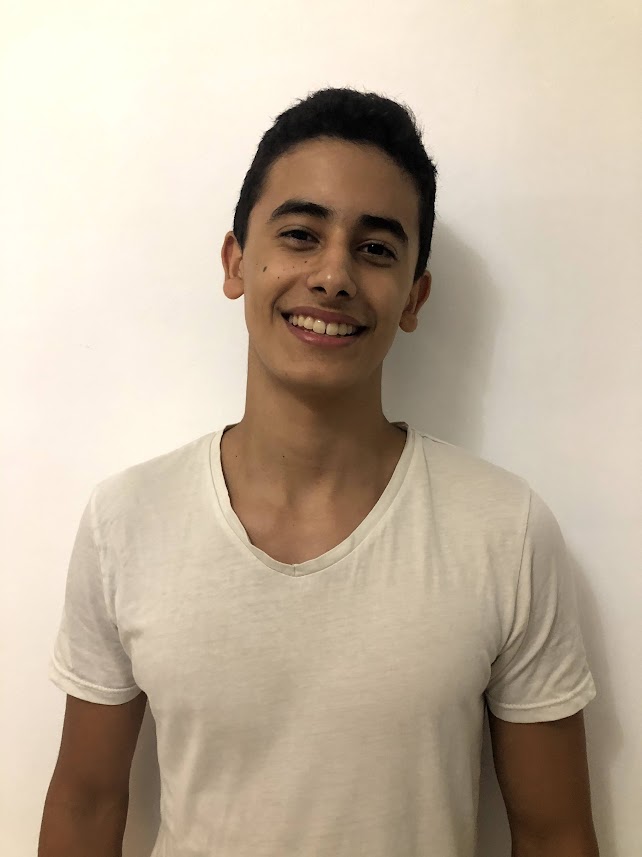
All photographs · 9
In the media
Articles
- Le sergent-chef Omri Peretz, 20 ans : un commandant de l’escouade « entouré d’amis »
The Times of Israël ·
Memorial sites
- Omri Peretz — memorial page
כאן 7.10.360
- Omri Peretz Memory
אתר המשפחה
Memorial projects
The family initiated an outdoor fitness park in Elyakhin and the renovation of a lookout at Beit Yanai Beach. Spring released an apple-prickly pear edition with a sticker in his memory, a drink he loved.
The family website presents olive tree planting at El Naveh farm and “Singing and Storytelling” gatherings to pass on his story.
Stories told about them
Omri and his soldiers were called up from the Infantry School and fought at Maon and Re’im junctions before being sent to Kissufim. He fell while leading his team in battle against terrorists in the area of the outpost and the kibbutz’s northern line of houses.
Omri began building a treehouse, and his cousin Niv Radia joined him out of admiration. Their parents describe a close, daily bond between the cousins, whose homes were near each other.
“Together with you is my favorite place to be.”
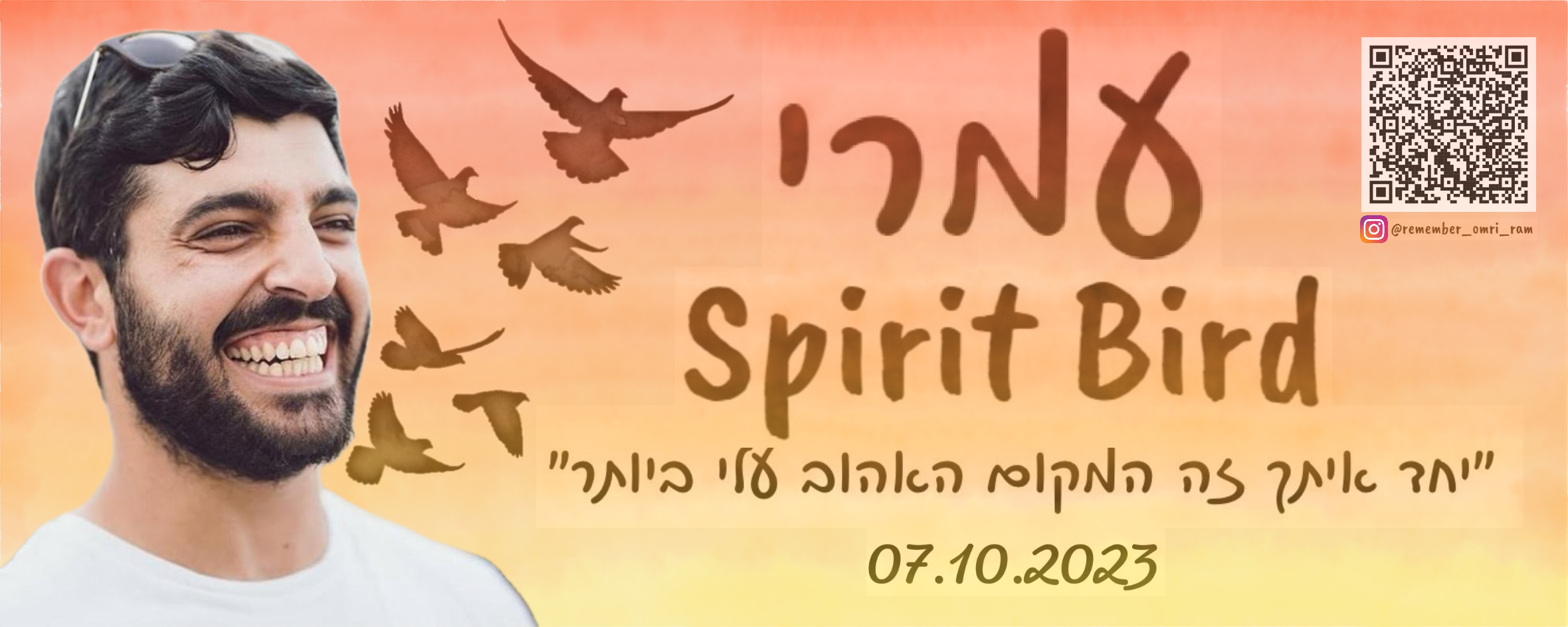
Life & service
Profile
Service
- Rank
- Staff sergeant
- Honours
- Posthumously Promoted
Family
- Father
- Ofer
- Mother
- Orit
Burial
Tributes & remembrance
גיבור ישראל
תודה
יהי זכרו ברוך
גבר שבגברים לא אשכח אותך
יהי זכרו ברוך
גיבור ישראל הי"ד
לא נשכח אותך לעולם
בזכות אומץ ליבל ניצלו רבים
גיבור ישראל
הלואי ונהיה ראויים
איש יקר, לא הכרנו, והדברים שנאמרו אודותיך מרגשים ביותר.
לצערי הרב, בן דודך היקר והאהוב, הצטרף אליך אתמול.
שמרו עלינו מלמעלה, אפילו שלא הצלחנו לשמור עליכם.
יהי זכרכם ברוך
עומריקו אתה לא מכיר אותי אבל אני רוצה להגיד לך תודה על הכל תודה על מה שעשית למען המדינה והמשפחה
עומרי
ילד קסם היית שןבב עם חיוך שובה לך ועיניים נוצצות. שחקן כדורגל דברן גדול עם שמחת חיים מתפרצת. חושבת עליך זוכרת בכל יום ויום שבזכותך ובזכות שכמוך אנו כאן.
היום זהו יום בו הדבר היחידי שאנו אמורים לעשות זה לזכור. לזכור את כולם, את כל מי שנפל.
עומרי הגן עלינו והיום הוא לא איתנו. אין שום דבר שאנחנו יכולים לעשות כדי להחזיר אותו והמעט שאנחנו יכולים לעשות זה להגיד תודה וסליחה.
יהי זכרו ברוך.
תודה על הזכות להכיר אותך , תודה על החיוך שלך
יהי זכרו ברוך
אמנם אני לא ממש מכיר אותך אבל ברגע ששמעתי שאתה נהרגת ישר הלכתי לקרוא עליך וישר בכיתי אחרי ששמעתי מה עברת
אני רוצה להגיד לך שאתה גיבור וכל הכבוד
יהי זכרך ברוך
עומרי האהוב, כואב הלב על אובדן של חיים כה צעירים ויפים. אנחנו מצדיעים לך ומוקירים את ההקרבה העילאית שלך. נזכור אותך תמיד באהבה עומרי.
יהי זכרו ברוך
גיבור אמיתי. לנצח נזכור ונחבק את משפחתך. יהי זכרך ברוך.
לנצח נזכור אותך בליבנו
גיבור ישראל
מנוחה נכונה.
יהי זכרו ברוך
גבור ישראל
לנצח אזכור אותך ואת החיוך שלך. הכדורגלן הכי טוב שהכרתי
יהיה זכרך ברוך ,הי"ד
עומרי היה בנו של עופר סמ"פ שלי בפלוגת המילואים .עומרי נולד בתוך זמן הכרותי עם אביו
במילואים, הוא נפל ב-7 באוקטובר 2023
בתחילת המלחמה,
יהי זכרו ברוך.
עומרי היה בנו של עופר סמ"פ שלי במילואים
ונולד בתוך זמן הכרותי עם אביו. הוא נפל ב-7 באוקטובר 2023 ביום הראשון למלחמה.
יהי זכרו ברוך.
עומרי היה בנו של עופר סמ"פ שלי בפלוגה שלי במילואים, עומרי נולד בתקופת הכרותי עם אביו בפלוגה.
עומרי נפל ב- 7 באוקטובר 2023 בתחילת המלחמה. יהי זכרו ברוך לנצח.
זוכרים את האדם המיוחד והגיבור שהיית
וכואבים מאוד
אני מכירה את עדי, אחות של עומרי, ברגע ששמעתי על נופלו של עומרי, הוא לא יוצא לי מהראש. אני משתתפת בצער המשפחה ומבטיחה לנצח לזכור את עומרי, חיבוק.
יהי זכרו ברוך
גיבור ישראל. יהי זכרו ברוך
עומרי, גיבור ישראל
בליבנו תמיד
לנצח תהיה בליבנו
עומרי פרץ הוא בנו של עופר סמ"פ שלי במילואים שיזכה שיזכה לשנים ארוכות, הוא נהרג ב-7 באוקטובר 2023.
יהי זכרו ברוך.
עומרי הוא בנו של ס"פ שלי במילואים בפלוגת החרמ"ש.
עומרי שירת בצנחנים ונהרג ב- 71023
יהי זכרו ברוך
יהי זכרו ברוך
A principled soldier, deeply motivated to defend the country
Source:mynet חדרה
Read the Hebrew original
חייל ערכי, חדור מוטיבציה בהגנה על המדינה
We promise to strengthen each other and take care of Mom and Dad.
Source:mynet חדרה
Read the Hebrew original
מבטיחות שנחזק אחת את השנייה ושנשמור על אמא ואבא.
Our Omeriki, you are a boy full of light who gives light, with your everlasting smile, surrounded by friends and loved, and how could you not be? Beautiful inside and out.
Source:כאן 7.10.360
Read the Hebrew original
עומריקי שלנו, אתה ילד מואר ומאיר עם החיוך הנצחי, מוקף חברים ואהוב ואיך אפשר שלא? יפה תואר מבחוץ ומבפנים.
Omri, as always, made sure to calm everyone down and take care of them. He was always in control.
Source:ynet
Read the Hebrew original
עומרי כהרגלו תמיד דאג להרגיע ולדאוג לכולם. תמיד היה בשליטה.
Omri had charisma, he loved people and knew how to see them
Source:ynetnews
He was a role model for him.
Source:ynetnews
You try to hang on to what is left. His bed, his smell,
Source:The Times of Israel
I am truly sorry I woke up late on Saturday
Source:The Times of Israël
You constantly sought to engage the enemy, never stopped leading and embracing the soldiers under your command.
Source:משרד הביטחון
Read the Hebrew original
כל הזמן חתרת למגע, לא הפסקת להוביל ולחבק את הלוחמים תחתיך.
Remembrance Day addresses
יום הזיכרון לחללי מערכות ישראל התשפ"ה – 2025
בכל יום שעובר, אזכור יותר! אזכור, את אלו שיצאו עימי לקרב ולא שבו, ולהם אין מי ידמה ומי ישווה. אזכור, שהכאב לא יעבור לעולם, והזמן, הוא לא מרפה ולא מרפא. אזכור, את שיברון הלב הגובר ואת הבית שבוער. אזכור, את צדקת הדרך, ואשבע שוב, שמה שהיה לא יהיה יותר. אזכור, שיותר מכל דבר אחר – אני חסר! ביום הזה, אני נתקף געגוע לדמותם, לחיתוך דיבורם, לחיוכם, ומדליק נר לזיכרון דרכם ומורשתם!
משרד הביטחון
אגף משפחות, הנצחה ומורשת
יום הזיכרון לחללי מערכות ישראל התשפ"ה – 2025
בכאב, בהצדעה ובתקווה אני מתכבד להדליק נר זיכרון זה. השנה, כשאנו נלחמים במלחמה ארוכה, רב זירתית וצודקת, הזיכרון נושא משמעות עמוקה. ביום זה נעצור ונתייחד עם זכרם של טובי בנינו ובנותינו שנפלו בהגנה על המדינה. מורשתם היא המצפן שמתווה את דרכינו, והיא המעניקה לנו כוח להמשיך ולהגן על מדינת ישראל ותושביה. משפחות יקרות, אנו מרכינים ראשנו ומתחייבים שנעמוד לצידכן תמיד. יהי זכר הנופלים ברוך.
אלוף דדו בר כליפא
ראש אגף כוח האדם, צה"ל
יום הזיכרון לחללי מערכות ישראל התשפ"ה – 2025
בשעה שאנו זוכרים את גודל תרומתם ועומק מסירות נפשם של טובי בנינו ובנותינו, נופלי מערכות ישראל לדורותיהן, ממשיכים צה"ל וכוחות הביטחון במימוש המשימה למענה לחמו ועבורה נפלו: הכרעת אויבינו מדרום, מצפון, ביהודה ובשומרון, וגם בזירות רחוקות יותר. בהערכה רבה ובגאווה אדירה אנו מרכינים ראש בפני הנופלים והנופלות, מאמצים את משפחותיהם אל לבנו, וממשיכים במשימה להבטחת קיומה של ישראל לדורי דורות. יחד נעשה ונצליח.
רב אלוף אייל זמיר
הרמטכ"ל, צה"ל
יום הזיכרון לחללי מערכות ישראל התשפ"ד – 2024
כאשר דגלינו מורדים לחצי התורן וראשינו מורכנים לזכר הנופלים והנופלות במערכות ישראל, ממשיכים לוחמי צה"ל ומפקדיו בלחימה בדרום, בצפון, ביהודה ובשומרון ובזירות נוספות. על כל דור מוטלת המשימה של הגנת העם והארץ – משימה שאף פעם אינה פוסקת. נצדיע בגעגוע ובגאווה לנופלים ולנופלות, נחבק את משפחותיהם, ונמשיך ברוח הציווי שהותירו לנו. עם ישראל חי.
רב ניצב יעקב שבתאי
המפקח הכללי, משטרת ישראל
יום הזיכרון לחללי מערכות ישראל התשפ"ד – 2024
אחיי הנופלים, כל נר הוא זיכרון יחיד ומיוחד, על חיים שהיו ואינם, געגוע שנצרב עמוק בלב, עולם ומלואו. הנרות כולם הם זיכרון של אומה כי לעולם לא עוד, בשורת הציונות וקוממיות ישראל. זיכרון כי הדרך לעם חופשי בארצנו עוברת דרך מסדר הנופלים. אור הנר יזכיר לנו את מסירות נפשכם להציל חיים, להגן על הבית. הנרות מסמנים לנו נתיב גבורה ערכי מחייב שאנו מצווים ללכת לאורו. נמשיך להילחם ולהוסיף אור מתוך אמונה בנצח ישראל.
יואב גלנט
שר הביטחון
יום הזיכרון לחללי מערכות ישראל התשפ"ד – 2024
בהצדעה ובכאב, בשם צה"ל כולו, אני מדליק נר זיכרון. בעיצומה של מלחמה, הזכרון נושא משמעות יום-יומית, שעבר והווה מתלכדים בה. לאורם של הנופלים נמשיך לצעוד, חיילי הסדיר והמילואים. לאורם של הנופלים נמשיך להגן על ארצנו ועל מולדתנו, גם כשהמחיר כבד. להבת-הזכרון תבער בנו בעודנו ממשיכים להלחם ונזכור את הנופלים ואת אומץ ליבם. משפחות יקרות, צה"ל מרכין היום ראש, מצדיע לכן וכואב איתכן. יהי זכר הנופלים ברוך.
אלוף יניב עשור
ראש אגף כוח האדם, צה"ל
יום הזיכרון לחללי מערכות ישראל התשפ"ד – 2024
בהוקרה, בגאווה ובכאב שאין לו סוף, אני מתכבד להדליק נר לזכרם של הנופלים והנופלות במערכות ישראל. סיפור חייהם בארץ הזאת, מסכת שירותם, גבורתם והקרבתם – הם סיפורה של הארץ הזאת, אך גם סיפור המחיר הכבד שהיא תובעת מאוהביה. מחויבותנו לזכר הנופלים ולדרך שהותירו לנו ניצבת תמיד לנגד עינינו. את המשימה שלא זכו להשלים, משלימים כיום, וישלימו, אנשי כוחות הביטחון, הממשיכים בדרכם ולאורם. יהי זכרם של הנופלים ברוך.
משרד הביטחון
אגף משפחות, הנצחה ומורשת
יום הזיכרון לחללי מערכות ישראל התשפ"ד – 2024
בחרדת קודש אני מתכבד להדליק נר לזכרם של חללי מערכות ישראל, חברנו שנפלו, מראשית היציאה מהחומות ולאורך כל שנות עצמאותנו המדינית והציונית, מהווים תמרור זיכרון לדרך חיינו ולמחוייבות הלאומית להנצחת זכרם. דרכם נותרה דרכנו ומורשתם נר להמשך עשייתנו. יהי זכרם ברוך!
בני גנץ
שר הביטחון
יום הזיכרון לחללי מערכות ישראל
נזכור אותם, כולנו יחד. כל אחד ואחת מהם, מדי יום ביומו, והיום ביתר שאת, כך – לנצח. "כי מדי דברי בו זכור אזכרנו עוד"
משרד הביטחון
אגף משפחות, הנצחה ומורשת