
The story
In the open Galilean landscape, between green hills that turn a warm yellow with the arrival of summer, in the communal settlement of Masad, Netzer Simchi was born on the 8th of Iyar, 5753, April 29, 1993. He was the youngest son of Shachar Simcha and Ilan, and quickly filled the home with new light, a little brother to Adva who had eagerly awaited him. Masad, with its quiet paths and stone houses adorned with greenery, was fertile ground for a free and curious childhood, a place where the earth and the wide skies were his first playground, and neighbors were almost family. Netzer grew up within this warm community, where the scent of wild flowers mingled with the familiar smell of dust on the roads, and the sounds of children playing late into the evening were a constant soundtrack. He was a child whose blue eyes always sparkled with curiosity, who asked questions that didn't always have immediate answers, and sought to understand the world around him deeply, not just its surface.
He spent his elementary school years in local schools, where his sharp intelligence was already apparent. He wasn't just an excellent student in numbers and words, but also a sociable child who played soccer with enthusiasm and ran through the fields with his friends until the sun set and the lights came on in the houses. The transition to "Kadoorie Agricultural High School," near Kfar Tavor, was natural for him. Kadoorie, with its green expanses and unique atmosphere of connection to the land and academic studies alike, fit his character like a glove. There, between classroom lessons and conversations on the courtyard bench, his gentle and sensitive nature was fully revealed. Tova, one of his teachers, remembered him well: "Conversations on a courtyard bench and a lesson in the classroom, soft eyes speaking humility. My student, a treasure of a child. A young and sensitive boy." She saw in him not just a brilliant student, but a beautiful soul, who knew how to listen gently, to understand beyond words, and to approach every person with simplicity and humility. Netzer excelled in his studies, grasped material with amazing speed, and often found creative solutions to problems that others struggled with.
But studies were not the only thing that filled his world. From the age of twelve, Netzer's heart was captured by the "Maccabi Tel Aviv" football club. This was not just a fleeting admiration, but a burning passion that became an integral part of his identity. He received a season ticket to the team's games as a gift, and from that moment on, every Saturday, with the scent of Shabbat lunch still lingering in the air, he would board a bus from his small settlement in Masad and travel alone, or with friends, to "Bloomfield Stadium" in Tel Aviv. The long journey, the wait for the bus, the echoing engine sounds on the roads, and especially – the sweet anticipation that grew as he approached the big city. At Bloomfield, among the enthusiastic crowd of fans, he felt he belonged, part of something big and tumultuous. He shouted, jumped, sang the cheering songs, and every goal was an experience of exaltation. "His blood turned yellow," his sister Adva described the intensity of this devotion, which was so deep that the team's colors – blue and yellow – became the colors of his heart.
Alongside football, music was a great comfort and a deep expression of his soul. Netzer played the guitar, the wooden strings vibrating under his fingers, and sang in his deep, moving voice. Sometimes he would sit in his room, the guitar resting on his lap, composing quiet melodies that expressed his inner world. When sadness befell his sister Adva, he knew exactly what to do. He would invite her to his room, place the guitar on his lap, and begin to play and sing, soothing melodies and words of encouragement, until a small smile returned to her face. Music was for him a way to communicate, to comfort, and to connect souls.
His friends were his whole world. Netzer was surrounded by a large and loyal group of friends, many of whom had accompanied him since his childhood days in Masad. He was a pillar in this group, not necessarily because of dominance, but because of his unique qualities. He positively influenced everyone, served as a listening ear for their troubles, knew how to give good advice from the heart, and always found the right words to calm. When a friend shared a dilemma or difficulty with him, Netzer would look at them with his soft eyes and say with compassion: "Brother, we live in an unknown space, it's logical that we make mistakes." He didn't judge, didn't criticize, but accepted the other with all their weaknesses and mistakes, and gave them space to be themselves, to err and to learn. Alongside this deep seriousness, he also knew how to be a true "prankster," making everyone laugh with surprising jokes and small acts of mischief, bringing lightness and joy to every gathering. He was the perfect balance between depth and playfulness, between seriousness and childishness.
The bond between him and his parents, Shachar and Ilan, was strong and full of mutual respect, but the closeness to his sister Adva was unique. The two consulted each other on everything, from the small to the large, and especially on important life decisions. He was an anchor for her, and she a supportive shoulder for him. In long conversations late into the night, they would lay out their dilemmas, analyze options, and always find a way together. A concern for every human being burned within him from an early age. He dreamed of establishing a therapeutic institute for at-risk youth with his family and his partner Coral, a place where young people could receive assistance through sports, music, and art. He wanted every teenager to experience success, recognize their qualities, feel capable, and know that someone was by their side, seeing them and responding to their needs. He not only dreamed but also began to study a therapeutic profession to realize this vision. He believed with all his heart in the good in people and in the ability to influence and change, and was always ready to fight for the principles and values he championed.
Netzer was blessed with kind eyes, a penetrating gaze that needed no words, and a captivating smile that opened hearts. He was a simple and authentic person, quiet and warm, modest and humble with a pure soul and infectious joy for life. Values of human love, giving, and generosity guided him every step of the way. At every opportunity, he contributed and did good for others, was the first to volunteer and the last to stay and finish the task, not seeking praise or thanks. Sensitivity and empathy for others characterized him from childhood until his last day. He knew how to see the other in the fullest sense of the word, not just the external appearance or stereotypes, but their soul as it truly was. When he identified a lonely person, he didn't hesitate to invite them to spend time with him or play together, and always said the right thing, gently and with compassion. He gave love and a warm hug to those close to him, and accepted others unconditionally. "He had the ability to make the person in front of him feel like they were the most important person in the world," his friends described him, and he used to say: "It's hard to hate when you look into the whites of someone's eyes," a phrase that became a kind of mantra for him, guiding him to avoid judgment and seek the good in every person. Even animals received special sensitivity from him; his mother recounted how he saved a dog from death and gave her a new life. "He instilled a rare meaning into the concept of 'human being.' If there were more like him in the world, the world would be a better place," it was said of him, and this statement reflected the deep impact he had on his surroundings, the good in him, the energetic and positive spirit he radiated to everyone he met.
His love for the country was deep and uncompromising, but it was not a blind love, rather one that yearned for improvement and correction. He used to say that "every person is a color," and believed that just as a rainbow is composed of different colors that connect in harmony, so too should Israeli society live. He sought to blur the boundaries and what divided people, and to emphasize the unifying elements that create a better and more solidary society. Netzer was blessed with infinite curiosity, wisdom, quick thinking, exceptional mathematical talent, high comprehension ability, wit, and a developed sense of humor. He succeeded in almost everything he did, not only because of his talents but also because of his determination and stubbornness. By nature, he was constantly active out of wisdom and persistence, striving for new goals, defining clear objectives, and achieving them one after another. On a board in his room and office, in his neat handwriting, he wrote daily tasks, which were essentially mantras for life: "Say thank you; do something good for someone else, especially if they are different from me or I know them less; do something good for myself; talk to someone I don't know; remember that everything is okay – life is beautiful and it's allowed to enjoy." These were not just words, but a way of life he applied at every given moment.
After completing his high school studies and demonstrating his physical and mental skills in numerous tryouts for elite units, Netzer enlisted in the IDF. He chose to serve in the Armored Corps, a corps that demanded toughness, precision, and the ability to withstand pressure. The metallic smell of the tanks, the roar of the enormous engines, the feeling of the closed and protected compartment – all became an integral part of his service. During his service, he successfully completed a tank commanders' course, where he learned to master the steel monster, understand its complex systems, and operate it optimally in the field. Afterwards, he went on to officers' course, where his natural leadership skills were fully revealed. At the end of the course, he was appointed platoon commander, a role requiring immense responsibility for human lives. As a commander, Netzer was devoted to his soldiers with every fiber of his being. He showed deep sensitivity to the needs of each of them, knew how to identify distress even before it was expressed in words. Often, soldiers would recount how Netzer would not go to sleep at night before ensuring that each and every one of them was well, that their concerns were heard, and that their needs were met. Thanks to his high command ability and exceptional interpersonal skills, he always spoke with them gently and calmly, without showing anger or raising his voice, even in moments of extreme pressure. He created a climate of trust and security, where every soldier felt seen, heard, and protected. Among other things, Netzer fought in Operation Protective Edge in the Gaza Strip in the summer of 2014, experiencing firsthand the horrors of war and the heavy price of defending the homeland.
At the end of his regular service, Netzer was discharged from the IDF, but his connection to the uniform and his comrades-in-arms was never severed. He was called up for reserve duty from time to time, often very frequently, up to fifty days a year. He served with love and a deep sense of camaraderie with his fellow soldiers, a full partner in the burden and commitment. Reserve duty was not an obligation for him, but a privilege, an opportunity to return to the field, to the tank, to his friends, and to be part of something larger.
Upon his discharge, Netzer, like many young Israelis, embarked on the grand trip to South America. He did not go alone, but with fifteen of his best childhood friends. The journey began with a gathering in Peru, and from there Netzer led the group, taking care of every logistical detail – from renting a vehicle suitable for a large group, through arranging accommodation in small and charming guesthouses, to finding local restaurants and challenging treks. He was the planner, the organizer, and above all – the one who instilled confidence and optimism even in moments of difficulty or confusion. Together they experienced breathtaking landscapes, snow-capped peaks, dense rainforests, and ancient cities, laughed, sang, and strengthened the deep bonds of friendship between them.
Upon his return to Israel, Netzer rented an apartment in Tel Aviv and plunged with full vigor into the life of the big city. He loved the vibrant pace, the human diversity, and the incessant energy. His apartment quickly became a social hub, and he often organized parties in the garden, with the sounds of music mingling with the laughter of the many friends who surrounded him. In his good heart, he never hesitated to help his neighbors, whether it was carrying groceries, fixing something broken, or caring for abandoned animals in the neighborhood. He saw himself as an integral part of the city's human fabric and acted out of a sense of responsibility and community.
In Tel Aviv, Netzer worked in several places, including a motorcycle shop. There, amidst the roar of engines and the smell of oil, he managed to forge special connections with customers. He spoke with them honestly, with genuine care, empathy, and from the heart, not just about motorcycles but about life itself. He didn't just sell, but listened, advised, and created a pleasant and homely atmosphere, thus reaching the hearts of many people. He was truly and genuinely interested in their life stories, and many customers became friends.
During these years, his great dream of establishing a therapeutic institute for at-risk youth developed. He saw the potential in every boy and girl and felt deep pain at the sight of their distress. Together with his family and his partner Coral, whom he met and loved with all his heart, he began to weave the idea. The institute he envisioned would provide assistance through sports, music, and art – tools in which he believed with all his heart could extricate young people from risky situations. He aimed for every teenager to experience success, recognize their unique qualities, feel capable, and know that someone was by their side, seeing them and responding to their needs. To fulfill this dream, he began studying a therapeutic profession, investing many hours in studies, research, and practical experience. He believed this was his way to truly influence Israeli society, to create a better, more optimistic, and compassionate world.
On August 31, 2023, Netzer fulfilled another dream when he married his beloved Coral. It was a joyous and emotional day, where two hearts united naturally and with great love. They dreamed of a shared future, of a home filled with laughter, music, and service to others. They lived in an apartment in Tel Aviv, building their shared lives, full of plans and aspirations. In the autumn of 2023, shortly after the wedding, the two flew for their honeymoon to Thailand. The golden beaches, the clear waters, the intoxicating scents of spices, and the wild jungle landscapes – all provided a perfect backdrop for their fresh love. They traveled, laughed, rested, and talked about the future, about the therapeutic institute, about a family they would build, about the beautiful life awaiting them. Netzer, who always loved to enjoy life, found himself in supreme happiness and bought a special bottle of whiskey, which he planned to open and drink with Coral at the end of the war, a sign of hope that everything would return to normal.
But this tranquility was abruptly interrupted. On Saturday, the 22nd of Tishrei, Simchat Torah 5784, October 7, 2023, at 6:30 in the morning, the Hamas terrorist organization launched a brutal surprise attack on Israel. The massive firing of missiles and rockets from the Gaza Strip to wide areas of the country was merely a prelude to the horror that unfolded. Thousands of terrorists infiltrated Israel – by land, sea, and air – and began a murderous assault on the Gaza Envelope communities, on Sderot, Ofakim, and Netivot, on innocent revelers at nature parties near Kibbutzim Re'im and Nir Oz, on IDF bases, and on those traveling on the roads in the area. The terrorists cold-bloodedly murdered hundreds of civilians in their homes, in their cars, committed severe crimes, kidnapped hundreds of Israelis to the Gaza Strip, and destroyed, looted, and set fire to homes and property. Hundreds of soldiers, police officers, security forces personnel, and members of local emergency response teams fell in battle. On that terrible morning, a war began that changed the face of the country forever.
Netzer and Coral were then deep into their honeymoon in Thailand, just three days after they had arrived. The morning began like any other, but then the first WhatsApp messages started coming in, reports of something terrible happening back home. As the information flowed, the sense of dread and urgency grew. Netzer received an emergency call-up order for reserve duty – an immediate summons to report. He had not a shadow of a doubt. He didn't hesitate for a moment. Even though the honeymoon had just begun, despite all the plans and dreams, he knew his place was in Israel, alongside his comrades-in-arms, defending his home. He approached Coral, his eyes resolute, and told her simply that they had to go home, now. She understood. In a phone call with his parents, who asked him to stay safe in Thailand, he was unequivocal. "Don't try to convince me otherwise," he told them in a steady voice, feeling deep in his gut that the fighters were counting on him and needed him by their side. It wasn't a choice; it was a necessity.
On October 18, 2023, just ten days after the massacre, Netzer landed in Israel, straight into the chaos and pain. Without delay, he enlisted for reserve duty in Battalion 87 of the "HaMahatz" Reserve Brigade in the Armored Corps. Initially, he served as deputy company commander, but quickly, thanks to his impressive abilities, he was transferred to the role of Operations Officer (Ops Officer) – a key position requiring strategic understanding, composure, and the ability to coordinate many forces. His battalion joined the ground maneuver in the Gaza Strip, penetrating deep into the territory, into the heart of the battles. The first days of fighting were unbearable, and the tension was palpable everywhere, but Netzer remained an anchor of stability. He encouraged his soldiers, instilled confidence in them, and they all knew he would stand by them no matter what. Even in moments of pressure or frustration, a bright smile never left his face, and he made sure to greet familiar soldiers he met between missions, ask about their well-being, and show joy, as a kind of normalcy amidst the madness. In every event, he sought contact, stood out with uncompromising professionalism, and displayed true leadership, one that sees the person behind the uniform.
Among other things, Netzer commanded missions of searches and clearings, dangerous and vital tasks, and as such also commanded reserve soldiers from other units, some much older than him and from different corps. "A young officer but so mature," the veteran fighters said of him, noticing his sparkling eyes as he explained the complex tank systems, and impressed by his self-confidence and his ability to lead. He knew how to bridge generational and experience gaps, and to make everyone feel an integral part of the mission. At one of the battalion evenings held during the fighting, Netzer said words that testify to the person he was: "When you talk to a person, let them finish their words completely, and then when they finish, wait a few more seconds without saying anything, to give them an opportunity to deal with what they just said themselves and perhaps say more things." A friend testified: "I noticed he applied this himself. Whenever I spoke with him, he would look at me in the eyes, smile, wait, contain. At least a few seconds. And I thought to myself – what a better world we could have if we all implemented this seemingly small gesture that characterized Netzer. Simply listen to the person in front of you, without immediately reacting, without immediately puffing up. I wish we could all be a little more like him." This was Netzer's way – deep listening, empathy without judgment, and the ability to give a place of honor to every person. In mid-January 2024, after several commanders were wounded in battles, Netzer was called, as an act of complete trust in his abilities, to command the company.
On January 30, 2024, the 20th of Shevat, 5784, just one day before the company was scheduled to exit the Gaza Strip for a short rest, Netzer commanded them on their last mission, a mission related to Hamas tunnels in the Al-Shati refugee camp area near Gaza City. The tension was palpable in the air; the knowledge of the imminent departure created anticipation, but also heightened alertness. The battle developed quickly and brutally. A tank in front of them took a direct hit, thick smoke began to rise, and communication was abruptly cut off. Without hesitation, without a second thought, with extraordinary courage and resourcefulness, Netzer rushed to assist the fighters of the damaged tank. He exited his tank, exposed to intense enemy fire, and ran to cover his friends, to extract them from danger, knowing full well the price he might pay. In the midst of this, while acting with immense heroism, his own tank, the Merkava tank he was in, took a direct hit from an anti-tank missile. The explosion was violent, shrapnel flew everywhere. And without hesitation, in one moment of fateful decision, Netzer shielded the rest of the crew in the tank with his body, throwing himself in front of the danger, and saved their lives. He was severely wounded, mortally wounded, and a short time later, died from his injuries. Major (res.) Netzer Simchi, thirty years old at his fall, fell in battle, a hero of Israel, who protected his friends with his very body. He was laid to rest in the cemetery in Masad, the settlement where he was born and raised, leaving behind a beloved wife – Coral, parents – Shachar and Ilan, and a sister – Adva.
The silence he left behind was louder than any noise. His family, continuing his legacy of giving, chose to donate his organs, and thus, even in death, Netzer continued to save lives, to give hope to others. At the unveiling of his gravestone, his father Ilan spoke in Netzer's spirit: "I want us all to raise this glass of whiskey, which Netzer loved, brought with him from Thailand, and waited to drink at the end of the war. Netzer was a person who loved life, loved people, loved his country. To life." A statement that turned pain into hope, memory into a celebration of life.
His mother, Shachar, eulogized him with a voice choked with tears but full of pride: "My mother's hero, Netzer to Ilan, you must sprout leaves, grow roots. Netzer who writes blessings at all times, the most precious and never the same... You are the perfection in this life, respectful and loving to everyone, to the whole family. In everyone you see the good, and your sense of justice and integrity – it's amazing. My mother's life, my mother's hero. Who will watch over Coral and the dog you saved from death, who will speak words of wisdom with brilliant eyes, and suddenly everything will seem easier? Who will quench our lives?" His wife Coral, who only a few months earlier shared with him the interrupted honeymoon, eulogized him: "In these four months [of war] I understood how dedicated you are, how much you care even if it comes at your own expense. I always said you were perfect – how you approach with empathy, gather people behind you and lead with all your might. I will continue to dream of your hug, your comforting touch, and your loving words." His sister Adva, who was both an older and younger sister to him, wrote a heartbreaking poem about him, "To Grow from Pain," in which she expressed the deep pain and sense of loss: "Me, facing the sea. / Unlike then, / I am here, / And you, you are somewhere there. // We didn't talk enough on Friday / Every meeting we had won't be enough // And there's a moment I remember, / I came for you. And like every other time, / I felt proud to be your sister. / Around us is the world and I am only with you, / And together, facing the sea, / We managed to grow from the pain. // I knew that you / always / would be my back / And with a look you say, / Everything will be okay / I am here watching // We forgot but I am the older one / How did you leave me without protection // Good eyes and a smile from the heart / And now you are gone, it hurts." Adva's words at the gravestone unveiling echoed those same feelings: "The last time you left Gaza was a week and a half ago for a few hours to attend a Shiva and visit hospitals, I heard how important it was to you, the responsibility you felt towards them. We agreed that I would also visit the guys from your company who were wounded, on your behalf. For you... You are a perfect brother, you are a good friend, you are embracing, you are unusually sensitive, you love to philosophize and get to the bottom of things, curious, you have really diverse interests from different ends, you have big dreams, and you are so ambitious that it's clear you were meant to fulfill them all. You are always there, always. Listening to everything, interested, not judging or criticizing, giving a shoulder, hugging and calming. You are also the first to help and the first to volunteer and somehow also the last to turn off the light after everything is tidy and organized. You don't sleep, you never have enough time to sleep, there are so many things you did simultaneously and it turns out that 24 hours is too little." One of his fellow fighters eulogized him: "Even if you were stressed before a mission, it was with a smile on your face. Since I met you in the battalion, it was clear to me that you were cut from the best material, one meant to lead."
The song "For You" by David Carmel, a family friend, was also written about Netzer, words that gave voice to pain and hope: "And now / I'm sure it will hurt a little / A week or two I returned / To the home where I grew up // Don't worry / I'm surrounded by brave people / Just leave me a place in your heart / So if I'm alone you'll be there with me // And if you see me on a poster / Black and white / Know that I / Love you // And now / I'm sure it hurt a little / But you'll see me there in the sky / I found a wonderful place // Don't worry / I'm with you when you close your eyes / And enter my world / In your dreams I am real // So if you saw me / On a poster / Black and white / Know that I love you // I can run again in the open field / Nothing hurts here / And you were with me on the paths I walked / Now it's my time to be there for you."
Netzer Simchi left behind not only pain and longing, but a rich legacy of giving, love for humanity, and belief in goodness. His family and friends decided to continue his path through many actions. Gifts were donated to children hospitalized at "Ziv" Hospital in Safed, bearing his name and spirit. His friends volunteered in his memory at the "Neve Hadas" boarding school in Havatzelet HaSharon – cleaning, whitewashing and painting buildings, renovating the structure and the yard, and bringing light and hope to the place. A program of activities for high school students was prepared in his memory within the "Ort" educational network, under the title "A Man of People," designed to instill his values in young people. However, the most significant commemoration is the establishment of "Netzer Center" – a supportive therapeutic center for youth, families, and discharged soldiers in need of emotional support. This is the fulfillment of Netzer's life dream, based on his legacy: "To give every person the opportunity to realize their potential." This center will be a living testament to his spirit, a place where empathy, listening, and giving will continue to live and operate. In his memory, a series of wines was also launched according to the flavors he loved, and on the labels were printed his name, his picture, and phrases that characterized him: "It's hard to hate when you look into the whites of someone's eyes" and "Life is beautiful, everything is okay, it's allowed to enjoy" – a sweet reminder of his optimism and joy for life. Those who honored his memory also produced stickers and posters with his portrait and phrases he said: "When you talk to a person, listen. Let them finish and then give them a few more seconds to deal with what they said themselves" and "When a person follows their calling, all the stars align." His family and friends dedicated a website to him, "Netzer Simchi – Hero of Israel," featuring his life story, photos, and ways of commemoration, and his friends produced a video with clips from his life and words of praise. Web pages were uploaded in his memory on the website of "Kadoorie Agricultural High School" where he studied and on the website of the "Maccabi Tel Aviv" football club, which he supported, both commemorating the special person he was. Netzer Simchi, who fell defending his home, his friends, and the values he believed in, continues to live in many hearts, and his legacy is a light for our feet, a reminder of the power of human love and the spirit of Israeli resilience.
Moments of a life
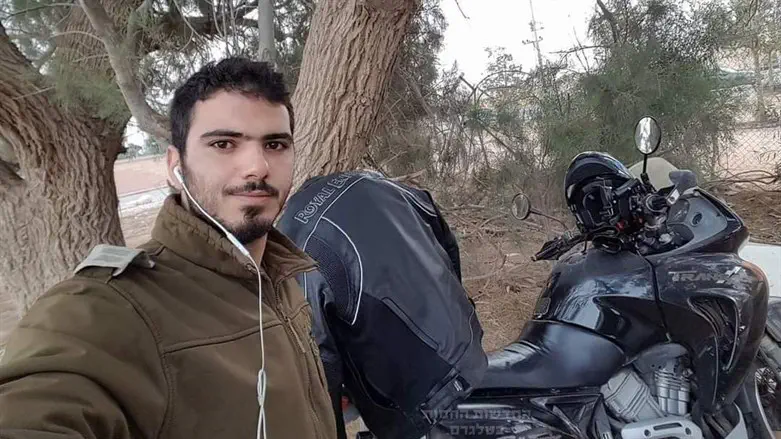
All photographs · 1
In the media
Articles
- IDF releases names of three soldiers killed in Gaza battles
Ynetnews ·
- "From me, you’ll see only a smile and the sky": The original way to remember a fallen brother
ישראל היום
- Netzer Center | Netzer
www.remembernetzer.com
- We will remember forever: Netzer Simhi, of blessed memory — Maccabi Tel Aviv Football Club
www.maccabi-tlv.co.il
- ORT Alon principal in Nof HaGalil: “We created a memorial garden that will be alive and part of learning”
emek.mynet.co.il
- “Being a bereaved brother is a feeling of profound loneliness; there is no one who truly understands you”Navigation menuNavigation menuNavigation menuMakor_Rishon_logoIcon_ionic-ios-arrow-round-forwardIcon_ionic-ios-arrow-round-forwardMakor_Rishon_logoMakor_Rishon_logoMakor_Rishon_logo
www.makorrishon.co.il
Podcasts
- Kol Zikaron – Netzer Simhi, of blessed memory
JLM SPARK — קול זכרון / Spotify ·
- Episode 3: Yom HiZikaron 2024 In Memory of Our Heroes
GIBORIM / Amazon Music ·
Memorial sites
- Yizkor - Major Netzer Simhi
www.izkor.gov.il
Memorial projects
The family produced conversation cards based on his sayings and other memorial items. The article describes fundraising to establish a therapeutic space that would fulfill his dream of providing therapy through sports, music and art; its establishment is not confirmed as completed.
His sister Adva wrote the song “Mehake’ev Litzmoach,” and David Carmel, a family friend, wrote “Bishvilech” about him.
The family donated gifts to children hospitalized at Ziv, and his friends volunteered to renovate the Neve Hadar boarding school in Havatzelet HaSharon; ORT prepared a program for high school students in his memory called “A People Person.”
A series of wines in his memory was launched, with his name and photo on the label.
A memorial garden and wall were dedicated at ORT Alon in Nof HaGalil, including Netzer and six others who fell or were murdered; the site has seating areas and fruit trees.
Stories told about them
Netzer and Coral were on their honeymoon in Thailand on October 7 and returned to Israel so he could enlist. His sister recounted the time he agreed to let her come and support him during a difficult period, and how, a moment after pouring his heart out, he went back to asking how she was.
At age 12, Netzer received his first Maccabi Tel Aviv season ticket and traveled by bus from Massad to Bloomfield every Saturday. His sister wrote that he kept his season ticket until he fell in battle and was buried with the team’s flag.
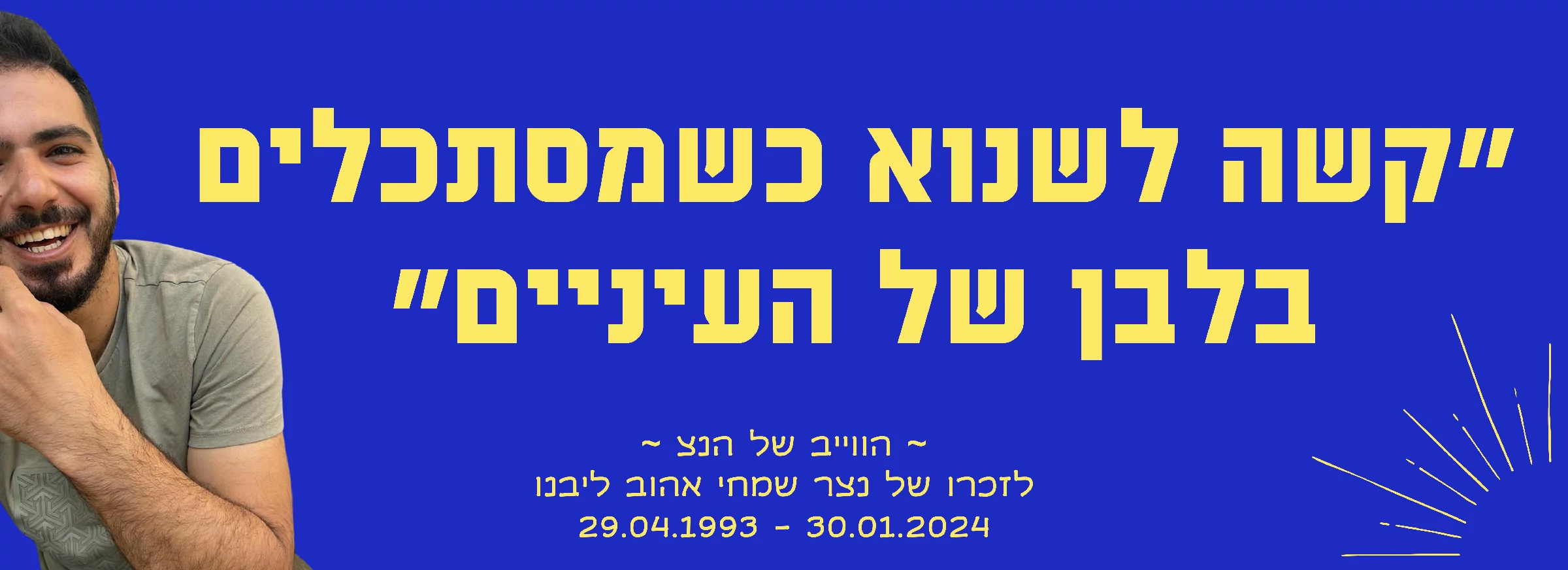
“It is hard to hate when you look at someone directly into their eyes.”
Life & service
Service
- Rank
- Major (res.)
- Service Type
- Reserve Forces
- Battle Location
- In the northern Gaza Strip
Family
- Father
- Ilan
- Mother
- Shachar Simcha
Burial
Cemetery
Mossad
Tributes & remembrance
יהי זכרו ברוך
במותם ציוו לנו חיים
אני לא הכרתי אותו אבל אומרים שרק הטובים נופלים אז אני רוצה מאוד להאמין שהוא היה אחד מהם יהי זכרו ברוך
הספד מהיום לזכרו: נצר יש לי הכבוד והעונג, כך אמרת כשהקלטנו משהו חצי מצחיק לאשתך קורל, לפני עידן ועידנים. תחילת התמרון הקרקעי אזור צפון הרצועה, בית להייא ובית חאנון, ואתה מפקד על הסריקות והחישוף, אחרי שאוהד המג"ד מכיר בינינו. אני מביט בך ובשאר המפקדים מהגדוד שלך ומודה לאלוהים שאני אתכם. כי אין מקום טוב יותר להיות בו בזמן כזה. קפ"ק 1 והנה אנחנו כבר על קפה מנתחים את כל העולם ואשתו. שבועות של לחימה משותפת בהן למרות פער של שנים מצליחים למצוא שפה משותפת. ובקלות, הכי קלות שיש אתה חודר לי ללב. וככה גם לכל הצוותים שתחת פיקודי. חבורה של שייטים ותיקים בגיל שמצאו את עצמם – חלקם לראשונה בחיים, על היבשה - תחת קצין צעיר אבל בשל כל כך. והמבצעים האלה של יום אחד ועוד יום ועוד יום הפכו לשיחות על המדינה והחברה שלנו, על הירח דבש שלך שהופסק והעתיד המשותף. אני הרגשתי כבר שהכוח שלי הוא חלק מגדוד 87 המהולל שלך ואתה גמלת בהתאם. בכל פעם הזמנת אותי לטנק שלך, ושכבר עליתי באחד הימים לסיבוב בבית חאנון לא הבנתי איזה כבוד זה שאתה מפנה את העמדה שלך, למשימה ומתקדם קדימה. ובכל פיר שנמצא, כל מטען חשוד, אני מנסה לצאת, תקוע כמו צב עם הקרמי, בצריח ואתה כבר עוקף אותי, מזנק ומגיע באומץ, כאילו זה הדבר הכי טבעי. כאילו זה הגיוני שחתן טרי שמבלה בטנק במקום על אי בירח דבש. ועוד לא הבנתי בשלב הזה של המלחמה שמשהו יכול לקרות. בעיני בתוך המפלצת שריון הזאת דבר לא יכול לקרות. רק ראיתי שהעיניים שלך נצצו שכהסברת לי על עמדת הטען והמפקד , על הצריח והמערכות. בטוח בעצמך, ביכולות אחד כזה שהולכים אחריו, ולא משנה מאיפה באתי ומה הדרגה. נצר בפעם האחרונה שנפגשנו, די במקרה. אמרת שחייבים לשבת. תיכף המילואים נגמרים ונמצא זמן לדבר על מה עושים ביום שאחרי. אני שמחתי כל כך. אי אפשר היה שלא. אמרתי לעצמי שאדם כמוך אני חייב לשמור לי בחיים. לרגע לא עיגלת פינות בשיחות שזכיתי לנהל איתך. דיברת על מה בעייתי במדינה בעיניך ומה ״אולי כמעט אבוד״, אבל בסוף כל שיחה לקחת את הנשק, עלית לטנק ונלחמת כמו אריה. תחושת מחויבות ואהבת מולדת שכמוה יש רק במי שיודע בעינים מפוכחות להביט במציאות. לאהוב מתוך אחריות וערך הערבות ההדדית. נצר אז הנה כמה דברים שלא הספקתי להגיד לך: לשאלתך אתה ההוכחה. דווקא במקום הזה הקשה כל כך אני אופטימי לגבי העתיד פה, אנחנו ננצח ונתקן. ואין מי שביטא את זה יותר טוב ממך. מדינה שיש בה אנשים כמוך, מפקדים כמוך לא יכולה להפסיד אלא רק לנצח. חברה שבה יש צעירים כמוך שבוחרים לחזור למלחמה מתוך ידיעה מוחלטת ובחירה למרות השאלות יכולה להחלץ מכל משבר ומצוקה. אומה שמול אויב שמחפש מוות וחורבן מצמיחה אנשים חושבים ונחושים כמוך, אין לה אפשרות מלבד לתקן. לסיפור שלנו יהיה סוף טוב גם כשאנחנו עומדים במקום הכי קשה, סוף טוב עם כאב שלעולם לא יגמר על המחיר. אני יודע את זה כי אני וכל מי שנמצא כאן. החברים שלך מהגדוד וגם אלה שאספת בדרך. לא יתנו שיקרה משהו אחר. עם ישראל צריך לדעת שאין מדינה בלי נצר ובני דמותו, בלי גדוד 87, בלי אנשי המילואים. הם לא מגש הכסף, הם השורשים שלנו, הדרך היחידה לשמור על המולדת בחוץ ובבית. לחנך, להצמיח, לגדל ילדים. אנחנו חייבים לו, אני חייב לו. ולמשפחת שמחי, לקורל ולכל החברים. אני מלא כבוד שזכיתי להכיר אותו. מצדיע לכם. מצדיע לך, נצר.
העיניים שמדברות
החיוך הכובש
גיבור ישראל
נשמה טהורה וזכה
שטרם הגשימה את עצמה
ונתנה כל כך הרבה
בכל כך מעט זמן.
יהי זכרם ברוך ,
איזה כאב לב. נצר שמחי נפל היום. הוא כל כך חדר לי ללב. נצר, לא סיימנו את השיחה. https://www.facebook.com/YoazHendelpage/videos/902539078189492
נצר אהוב, חבר יקר מהטרילו, איש של אנשים, אוהב, רגיש , ישיר- פשוט- אדם!! אוהבת ומתגעגעת
לא נשכח לעולם. נזכיר את שמך יום יום אתה הכי ראוי שיש. מצטערים על לכתך בטרם עת. נוח על משכבך בשלום
אין מלים שיבטאו את העצב .
״קשה לשנוא כשמסתכלים בלבן של העיניים״
משפט שנצר שמיי היה אומר
מאוד מתחברת למשפט, מאוד עמוק ואמיתי
אתה גיבור
תודה שהצלת חיילים אחרים
שיהיה זכרו ברוך
יהי זכרו ברוך
גיבור
יהי זכרו ברוך
למשפחת שמחי היקרה,
אנחנו כיתה ח3 מחטיבת עתיד בכפר יונה,
התרגשנו מאוד לראות את הסרטון על נצר הגיבור.
הוא היה בנאדם טוב, עזר לכולם ותמך תמיד בחייליו.
אנחנו משתתפים בצערכם ומצדיעים לו.
זיכרונו לברכה משתתפת בצערכם.
ת.נ.צ.ב.ה
תודה לך מלאך, אמן שנהיה ראויים.
ת.נ.צ.ב.ה
מצדיעה לך בחור יקר ז"ל
תודה שנתת מעצמך וגופך למדינה
בזכותך ובזכות אחרים אנחנו פה
אוהבת ימעריכה
ראינו את מורשתו בסייף סקול! מרגש ועצוב מאוד
יהי זכרו ברוך השם יקום דמו
למשפחת שמחי היקרה,
מאוד התרגשנו מסיפור הגבורה של נצר ז"ל.
צפינו בסרטון במהלך שיעור לציון יום הזיכרון לחללי צה"ל ונפגעי פעולות האיבה.
יצאנו מהשיעור עם תחושת גאווה.
משתתפים בצערכם ומצדיעים לו.
יהי זכרו ברוך
אין מילים שיכולות לתאר את האיש המופלא הזה שנגע בכל כך הרבה אנשים בדרך ששמורה רק לו לנצח ישאר בן 30
אהוב תודה על האור שאתה תודה על הזכות לצעוד לצידך במסע הנשמותאוהבת אח יקר
קראתי את המשפטים שלך שנכנסו לי עמוק ללב
ת.נ.צ.ב.ה
יהי זכרו ברוך. גיבור ישראל
נצר תמיד נזכור אותך לנצח
תשמור על כל עם ישראל
לזכר הלב הענק שהיה לו,האהבה והנתינה.
יהי זכרו ברוך לעד
לנצר שצמח עם שחר לשחר ואילן.
לא כבה אורך במותך.
נהפוך הוא.
היום יום הולדתך
ואנו מעלים זכרך בפעילותך
ובמרכז שינציח את תרומתך
נצר יחיד ומיוחד במינו איש של אהבה אמת וחסד כמה שאתה חסר פה..
לנצח תאיר את אורך המיוחד פה בעולם.
Taking action and remembering our children gives us, the bereaved families, meaning in life
Source:emek.mynet.co.il
Read the Hebrew original
העשייה והזיכרון של הילדים שלנו נותנת לנו, המשפחות השכולות, משמעות לחיים
I believe that together we can fulfill Netzer's dream and keep doing good
Source:www.ynet.co.il
Read the Hebrew original
אני מאמינה שיחד נצליח להגשים את החלום של נצר, ולהמשיך לעשות טוב
Netzer was my little brother, but he was much more responsible and mature than me
Source:www.makorrishon.co.il
Read the Hebrew original
נצר היה אחי הקטן, אבל היה הרבה יותר אחראי ובוגר ממני
We embrace Shahar and the entire family in their profound grief.
Source:www.bhol.co.il
Read the Hebrew original
אנו מחבקים את שחר ואת כל המשפחה באבלה הכבד.
I am proud to be his sister. I learned from him and am still learning. And above all, I miss him
Source:ישראל היום
Read the Hebrew original
אני גאה להיות אחותו. למדתי ממנו ואני עדיין לומדת. ובעיקר - מתגעגעת אליו
Netzer, my brother, what an incomprehensible loss this is.
Source:Ynetnews
He made a point of looking people in the eyes, seeing the soul and disregarding outward appearances.
Source:www.maccabi-tlv.co.il
Read the Hebrew original
הוא הקפיד להסתכל בעיניים, לראות את הנפש ולהתעלם מהמעטפת החיצונית.
My student, a treasure of a boy. A sensitive young lad
Source:www.izkor.gov.il
Read the Hebrew original
תלמיד שלי, ילד אוצר. נער צעיר ורגיש
You are the perfection in this life
Source:www.izkor.gov.il
Read the Hebrew original
אתה השלמות שיש בחיים האלה
How devoted you are, how much you care
Source:www.izkor.gov.il
Read the Hebrew original
כמה אתה מסור, כמה אכפת לך
We are all called upon to carry on his melody
Source:www.izkor.gov.il
Read the Hebrew original
את המנגינה שלו כולנו מצווים להמשיך
Remembrance Day addresses
יום הזיכרון לחללי מערכות ישראל התשפ"ה – 2025
בכל יום שעובר, אזכור יותר! אזכור, את אלו שיצאו עימי לקרב ולא שבו, ולהם אין מי ידמה ומי ישווה. אזכור, שהכאב לא יעבור לעולם, והזמן, הוא לא מרפה ולא מרפא. אזכור, את שיברון הלב הגובר ואת הבית שבוער. אזכור, את צדקת הדרך, ואשבע שוב, שמה שהיה לא יהיה יותר. אזכור, שיותר מכל דבר אחר – אני חסר! ביום הזה, אני נתקף געגוע לדמותם, לחיתוך דיבורם, לחיוכם, ומדליק נר לזיכרון דרכם ומורשתם!
משרד הביטחון
אגף משפחות, הנצחה ומורשת
יום הזיכרון לחללי מערכות ישראל התשפ"ה – 2025
בכאב, בהצדעה ובתקווה אני מתכבד להדליק נר זיכרון זה. השנה, כשאנו נלחמים במלחמה ארוכה, רב זירתית וצודקת, הזיכרון נושא משמעות עמוקה. ביום זה נעצור ונתייחד עם זכרם של טובי בנינו ובנותינו שנפלו בהגנה על המדינה. מורשתם היא המצפן שמתווה את דרכינו, והיא המעניקה לנו כוח להמשיך ולהגן על מדינת ישראל ותושביה. משפחות יקרות, אנו מרכינים ראשנו ומתחייבים שנעמוד לצידכן תמיד. יהי זכר הנופלים ברוך.
אלוף דדו בר כליפא
ראש אגף כוח האדם, צה"ל
יום הזיכרון לחללי מערכות ישראל התשפ"ה – 2025
בשעה שאנו זוכרים את גודל תרומתם ועומק מסירות נפשם של טובי בנינו ובנותינו, נופלי מערכות ישראל לדורותיהן, ממשיכים צה"ל וכוחות הביטחון במימוש המשימה למענה לחמו ועבורה נפלו: הכרעת אויבינו מדרום, מצפון, ביהודה ובשומרון, וגם בזירות רחוקות יותר. בהערכה רבה ובגאווה אדירה אנו מרכינים ראש בפני הנופלים והנופלות, מאמצים את משפחותיהם אל לבנו, וממשיכים במשימה להבטחת קיומה של ישראל לדורי דורות. יחד נעשה ונצליח.
רב אלוף אייל זמיר
הרמטכ"ל, צה"ל
יום הזיכרון לחללי מערכות ישראל התשפ"ד – 2024
כאשר דגלינו מורדים לחצי התורן וראשינו מורכנים לזכר הנופלים והנופלות במערכות ישראל, ממשיכים לוחמי צה"ל ומפקדיו בלחימה בדרום, בצפון, ביהודה ובשומרון ובזירות נוספות. על כל דור מוטלת המשימה של הגנת העם והארץ – משימה שאף פעם אינה פוסקת. נצדיע בגעגוע ובגאווה לנופלים ולנופלות, נחבק את משפחותיהם, ונמשיך ברוח הציווי שהותירו לנו. עם ישראל חי.
רב ניצב יעקב שבתאי
המפקח הכללי, משטרת ישראל
יום הזיכרון לחללי מערכות ישראל התשפ"ד – 2024
אחיי הנופלים, כל נר הוא זיכרון יחיד ומיוחד, על חיים שהיו ואינם, געגוע שנצרב עמוק בלב, עולם ומלואו. הנרות כולם הם זיכרון של אומה כי לעולם לא עוד, בשורת הציונות וקוממיות ישראל. זיכרון כי הדרך לעם חופשי בארצנו עוברת דרך מסדר הנופלים. אור הנר יזכיר לנו את מסירות נפשכם להציל חיים, להגן על הבית. הנרות מסמנים לנו נתיב גבורה ערכי מחייב שאנו מצווים ללכת לאורו. נמשיך להילחם ולהוסיף אור מתוך אמונה בנצח ישראל.
יואב גלנט
שר הביטחון
יום הזיכרון לחללי מערכות ישראל התשפ"ד – 2024
בהצדעה ובכאב, בשם צה"ל כולו, אני מדליק נר זיכרון. בעיצומה של מלחמה, הזכרון נושא משמעות יום-יומית, שעבר והווה מתלכדים בה. לאורם של הנופלים נמשיך לצעוד, חיילי הסדיר והמילואים. לאורם של הנופלים נמשיך להגן על ארצנו ועל מולדתנו, גם כשהמחיר כבד. להבת-הזכרון תבער בנו בעודנו ממשיכים להלחם ונזכור את הנופלים ואת אומץ ליבם. משפחות יקרות, צה"ל מרכין היום ראש, מצדיע לכן וכואב איתכן. יהי זכר הנופלים ברוך.
אלוף יניב עשור
ראש אגף כוח האדם, צה"ל
יום הזיכרון לחללי מערכות ישראל התשפ"ד – 2024
בהוקרה, בגאווה ובכאב שאין לו סוף, אני מתכבד להדליק נר לזכרם של הנופלים והנופלות במערכות ישראל. סיפור חייהם בארץ הזאת, מסכת שירותם, גבורתם והקרבתם – הם סיפורה של הארץ הזאת, אך גם סיפור המחיר הכבד שהיא תובעת מאוהביה. מחויבותנו לזכר הנופלים ולדרך שהותירו לנו ניצבת תמיד לנגד עינינו. את המשימה שלא זכו להשלים, משלימים כיום, וישלימו, אנשי כוחות הביטחון, הממשיכים בדרכם ולאורם. יהי זכרם של הנופלים ברוך.
משרד הביטחון
אגף משפחות, הנצחה ומורשת
יום הזיכרון לחללי מערכות ישראל התשפ"ד – 2024
בחרדת קודש אני מתכבד להדליק נר לזכרם של חללי מערכות ישראל, חברנו שנפלו, מראשית היציאה מהחומות ולאורך כל שנות עצמאותנו המדינית והציונית, מהווים תמרור זיכרון לדרך חיינו ולמחוייבות הלאומית להנצחת זכרם. דרכם נותרה דרכנו ומורשתם נר להמשך עשייתנו. יהי זכרם ברוך!
בני גנץ
שר הביטחון
יום הזיכרון לחללי מערכות ישראל
נזכור אותם, כולנו יחד. כל אחד ואחת מהם, מדי יום ביומו, והיום ביתר שאת, כך – לנצח. "כי מדי דברי בו זכור אזכרנו עוד"
משרד הביטחון
אגף משפחות, הנצחה ומורשת