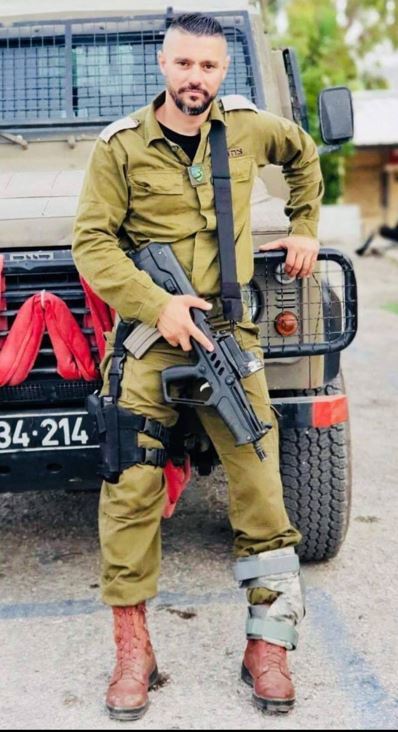
The story
In the village of Maghar, nestled in the heart of the Lower Galilee where verdant hills kiss the azure sky and the scent of olive trees drifts on the breeze, Nael Fares was born on a bright spring day, the twenty-ninth of April, nineteen eighty-one. He was the eldest son of Ilham and Rafik, and the sunlight that streamed into their courtyard that day seemed to herald the great light he would bring into their lives. After him came his siblings, Wael, Nariman, and Baha, and together the four of them built a vibrant family nest, filled with laughter, conversation, and the small squabbles of siblings that formed the building blocks of the man he would become. The Fares family home was not merely walls and a roof, but a living, breathing space where values were shaped not through lofty words, but through daily actions: shared meals around a laden table, where everyone contributed to the conversation and often to the preparation of the food; evening gatherings in the courtyard, beneath the fig trees, as the stars flickered on one by one above, and grandparents' stories mingled with the chirping of crickets and the shouts of children running and playing. Nael, as the eldest, bore a natural responsibility on his young shoulders, expressed in his care for his younger siblings, his help to his mother with household chores, and his accompanying his father for light work in the nearby fields. There, he learned the taste of the earth, the rhythm of the seasons, and the profound satisfaction of honest manual labor. He remembered the feel of his hands in the damp clay after a rain, the smell of wild herbs burning in the summer sun, and the distant sounds of tractors that formed the soundtrack of his childhood.
His childhood years in Maghar were steeped in the strong aromas of spices bubbling in kitchen pots, the rich flavors of fresh olive oil and homemade labneh, and the sounds of lively Arabic conversations that formed the tapestry of his life. Nael was a curious child, his dark, observant eyes always seeking to understand the world around him. He loved to wander the narrow village paths, listen to the elders' stories in the central square, and explore the surrounding orchards, learning to identify every tree, every bush, and every flower. It was there, among the ancient olive trees, that he developed his deep love for the land – not an abstract love written in books, but a tangible, rooted affection that smelled of wet earth and felt like warm limestone beneath bare feet. He attended primary school in the village, where he stood out for his quiet demeanor, his relative maturity, and his willingness to help his friends. His teachers remembered him as a serious child, yet one with a captivating smile, who always listened attentively and sought to understand every subject in depth. Even then, a quality of quiet leadership was evident in him, one that did not shout but led by personal example, persistence, and responsibility. He was the child one could rely on, who would lend a hand when needed, and who would take on tasks without complaint. At home, his parents made sure to instill in their children the importance of community, education, and loyalty – values that were an integral part of the Druze identity and their deep connection to the State of Israel. They told him stories of courage, of standing by principles, and of the importance of defending home and family, stories that etched into him ways of thinking and a worldview that would accompany him throughout his life.
As Nael matured into his teenage years, he was already a well-formed young man, with broad shoulders and a wide, heartfelt smile that exuded confidence and calm. He remained deeply connected to the land, spending many hours helping his father tend the olive and fruit trees, learning the intricacies of pruning, irrigation, and harvesting. Often, as he worked under the scorching sun, he felt the sweat trickling down his face, his muscles aching from strenuous labor, yet he always found immense satisfaction in seeing the fruits of his efforts – laden branches, straight rows of vegetables, and well-tended earth. This was not merely work, but a profound conversation with the land, an understanding of the cycles of life and nature. During high school, he was not only an excellent student but also a loyal friend, always ready to listen, advise, and support. His friends loved him for his kindness, his quiet sense of humor, and his ability to remain calm even under pressure. He loved to spend his free time hiking in the area, discovering hidden corners, gazing at the expansive landscape from the heights of Mount Meron, and feeling the Galilean wind caress his face. His coming of age was rooted in rural reality, in connection to people and place, and it prepared him well for life's challenges. The decision to enlist in the IDF was not a question of "if," but of "when." In the Fares family, as in many Druze families, military service was considered a duty and a privilege, a way to express loyalty to the state and partnership in its destiny. Nael, with his well-developed sense of responsibility and his desire to contribute, saw it as a natural continuation of his life's path. He remembered conversations with his father and uncle about their military service, about the challenges and the camaraderie forged in the field, and felt within himself a mix of excitement and anticipation.
The day of his enlistment arrived, and the IDF bus, winding its way through Maghar, picked him up along with others his age, dressed in the new olive uniform that still smelled of fresh, synthetic fabric. The farewell from home was difficult – a long hug from his worried mother, a firm handshake from his proud father, and looks mixed with admiration and sadness from his younger siblings. The journey to the induction center was filled with a tense silence, as each of the young men felt the weight of new responsibility. Nael, with his deep sense of belonging to the land and community, found his place in the Logistics Corps, a vital body without which no fighting unit could function. He was not on the classical front lines, but he quickly understood that the importance of his role was no less. In basic training, he learned military discipline, the power of a group, and the importance of precision and responsibility. He stood out for his integrity, dedication, and his ability to lead his comrades, not by force of arm but by force of personal example and a deep understanding of the mission. He remembered the long nights in the field, the feeling of cold that penetrated to his bones, and the warmth of the hot chocolate he would drink with his friends around the campfire, as deep conversations about home, dreams, and fears intertwined in the darkness. Over time, Nael advanced through the ranks, trained for a variety of command roles in the Logistics Corps, and gained extensive experience. He learned to plan complex logistical operations, manage large teams of soldiers, and deal with unexpected challenges under time pressure. He was an officer whom the soldiers loved and respected – one who cared for the small details, who saw the person behind the uniform, and who was not afraid to get his hands dirty with physical work when required. He knew that logistics was the lifeline of the army, and that his precision and dedication were no less significant than a bullet fired on the battlefield.
After his years of regular service, and upon his discharge, Nael began to build his adult life, but always remained deeply connected to the reserve system. He saw this not only as a duty but as a right, an opportunity to continue contributing and protecting his home. Simultaneously, he established his private world. He met Raya, a beautiful and intelligent woman whose eyes sparkled with a quiet light and kindness, and she captivated his heart. Their relationship developed slowly, out of mutual respect, deep understanding, and genuine affection. They spent long hours in conversations about life, hopes and dreams, family, and their shared future. Nael found in Raya a true life partner, one who understood his world, his love for the land, and his commitment, and who was ready to walk with him hand in hand every step of the way. About two years ago, they married in a moving ceremony in Maghar, a joyous and colorful wedding, filled with music, dancing, and exquisite Galilean food. All their family and friends gathered to celebrate their love, and the sounds of happiness echoed among the hills. Nael and Raya built their home in the village, a warm and loving abode where every corner was carefully designed and every object told a story. They loved to host, and their door was always open to family and friends, for Friday night dinners, afternoon coffee, or simply a chat over a cup of tea. Nael found great happiness in family life, in the quiet of home after a day's work, and in evening conversations with Raya. He continued to be an anchor in the community, a man one could rely on, who would offer help, who would contribute his time and energy to every need. He was involved in social events, assisted in committees and volunteer activities, and always radiated a calming and strengthening presence. His friends called him "salt of the earth" – an expression that captured his essence: a rooted, honest, authentic person, deeply connected to his land, his people, and his values. He was a man of the beautiful Land of Israel, one who saw the good in people, who believed in coexistence, and who knew how to appreciate the beauty in life's simplicity.
The greatest happiness in Nael and Raya's lives arrived with the birth of their only son, Liam. The little baby, with his large, curious eyes, filled their home with new light and the sweet sounds of laughter and crying. Nael, who had always been calm and composed, became a loving and sensitive father, unafraid to bend down and play on the floor, change diapers, or sing hoarse lullabies. He loved the feeling of Liam's soft weight in his arms, the delicate baby scent, and the innocent gaze with which Liam looked at him, as if seeing the whole world through his father's eyes. Liam was blessed with his father's warm and protective presence for only five months, but in those months, Nael experienced a deep and absolute fatherhood that shifted the priorities in his life. All his future plans, all his dreams, were now woven around this small child. He spoke with Raya about raising him, about his education, about the values they wished to instill in him, and about the world they wanted to build for him. He saw in Liam his continuation, his hope, his future.
And then, on the morning of Simchat Torah, October 7th, 2023, the routine shattered. The roar of the sirens, the horrifying reports from the South, the incomprehensible images – everything merged into one great chaos that swept over the country. Nael, like many Israelis, found himself facing news that was difficult to process. His heart constricted, and the feeling of an existential threat hung in the air. Immediately after the outbreak of the war, on that cursed Saturday, he was called up for reserve duty. The familiar phone call, the short WhatsApp message, and the clear understanding – home was calling. There was not a shadow of a doubt. "He had a strong desire since October 7th," his brother Wael recounted. "He was the first to volunteer." Nael did not wait for an invitation; he felt a deep need to participate, to be there, to protect. The farewell from Raya and Liam was unbearably difficult. The look in Raya's eyes, full of worry and love, and the knowledge that he was leaving behind a five-month-old baby who had only just begun to discover the world, left a heavy mark. He hugged them both tightly, trying to project calm and security, but deep down he knew that the situation was different from any previous reserve service. This was a war for home, for existence. He put on his uniform, returned to his unit – the Headquarters Company of the 'Herev' (Sword) Battalion (299) within the 'Bar'am' (300) Formation of the Logistics Corps – and headed north.
The northern sector quickly became a tense and dangerous arena. Diverse threats, anti-tank missiles, rockets, and drones became an inseparable part of the combat routine. Nael, as the commander of the Headquarters Company, was responsible for the core functioning of the battalion – for communication, administration, logistics, and ensuring all the needs of the fighters in the field were met. His role was critical, even if not always glamorous. He made sure to deliver equipment, food, ammunition, fuel, and everything else required for the fighters to continue their mission. He worked day and night, under constant threat, leading his soldiers with professionalism, dedication, and personal example. He was there for them, not only as a commander but also as a friend, a source of support, someone who knew how to calm spirits and maintain high morale. His conversations with his mother were short, always accompanied by her worry. "My mother always worried about him and feared the worst would happen to him," his brother Wael said. A mother's heart knew. She sensed the danger hovering over her son, but Nael always tried to reassure her, to tell her that everything was fine, that he was taking care of himself.
The fighting in the North was complex and demanded peak alertness. About six months ago, during one of the operational incidents, Nael was hit by an anti-tank missile. The moment was sudden and violent – a powerful explosion, shrapnel flying everywhere, a sharp pain that swept through his body. A swift engagement, palpable danger. His unit comrades rushed to help him, acting calmly under fire. He was evacuated to the hospital, where he underwent medical treatment and rehabilitation. The recovery period was physically and mentally difficult. The pain, the treatments, the thoughts of home and little Liam, and especially – the frustration of not being able to be with his soldiers in the sector. But Nael, with his stubborn and determined character, did not let the injury break his spirit. He pushed himself, worked hard in physiotherapy, and strived to return to service as quickly as possible. "He recovered and quickly returned to reserves," his brother testified. He could not stay home when his unit needed him. His sense of mission, his commitment to his friends and to the state, was stronger than any pain or fear. He knew that good logistics was the difference between success and failure, and that he had to be there to ensure it.
Upon his return to the sector, Nael resumed the combat routine, which was far from routine. Days and nights blurred into each other, filled with missions, pressure, and constant vigilance. He continued to command his Headquarters Company with the same dedication and responsibility, meticulously attending to every detail, ensuring that every fighter received what they needed, and that every mission was executed to the best of their ability. He was an anchor of stability in the storm, a figure one could trust implicitly. His calming voice, his encouraging smile, and his ability to solve complex problems were a true asset to the unit. He sent short messages to Raya; the pictures of Liam she sent him were his soul. He dreamed of the moment he would return home, hug them both tightly, and go back to the quiet, routine life he loved so much. He imagined himself sitting in his Maghar home's courtyard, watching Liam play, smelling the olive trees, and feeling the calm of the Galilee envelop him.
On the 16th of Elul 5784, Thursday, September 19, 2024, a day that will forever be remembered as dark in the lives of the Fares family and the community of Maghar, the bitterest news arrived. Nael, a Major in the reserves, forty-three years old, fell in combat in the North. It happened as a result of an explosive drone strike. The explosion was sudden, fatal, and left no chance. His last moment was a moment of war, of defending home, land, and people. He was at a command post, likely managing vital logistical activity, when the invisible ghost of war hovered above him. The tense tone of the sector became an unbearable reality. The official announcement, the cold words "delivered to his family," constituted an earthquake that shook their world. The City Officer, with his etched and sorrowful face, arrived at the door of their home in Maghar. Raya, his mother Ilham, his father Rafik, his brothers Wael, Nariman, and Baha – their lives were overturned in an instant. "My mother isn't processing it now, neither are we," Wael said, his voice choked. How can one process such a loss? How can one comprehend that his voice will no longer be heard, that his smile will no longer light up their home, that his hands will no longer caress Liam?
Nael Fares was laid to rest in the military section of the cemetery in Maghar. Thousands accompanied him on his final journey – family members, friends, commanders and soldiers, residents of the village and members of the Druze community, and many from all corners of the country. The heavy silence that enveloped the funeral was broken only by sounds of weeping and the shots of the honor guard. Many tears were shed on his fresh grave, tears of pain, of deep sorrow, but also of pride. Pride in the man he was, in his life's path, in his commitment, and in his heroism. He left behind a beloved wife, Raya, a small child, Liam, who had only just begun to learn about the world, grieving parents, and three heartbroken siblings. But he also left a rich legacy – a legacy of love for humanity, love for the land, boundless dedication, and a deep sense of mission. Nael was the "salt of the earth," a man of the beautiful Land of Israel, a brave fighter, and a source of pride for the State of Israel and the Druze community. He lived a full life, interwoven with love, hard work, responsibility, and commitment. He was a pillar of strength for his family, his friends, and his community, and his presence was a beacon of kindness and integrity.
The void Nael left behind is immense, gaping, and painful. Liam will grow up hearing stories about his father, about his courage, his captivating smile, and his great love. Raya will tell him about their love, their shared dreams, and the warm home they built together. Ilham and Rafik, Wael, Nariman, and Baha will continue to carry his memory every day, in their conversations, in the look in Liam's eyes, in the corners of their home. The story of Nael Fares is not merely a personal story, but an inseparable part of the story of an entire nation, engaged in a struggle for its existence. He symbolizes the Israeli spirit of revival – the willingness to defend home at all costs, the courage to face dangers, and the uncompromising commitment to the values of society, community, and land. Nael's memory will continue to light our way, to remind us of the price of freedom, and of the responsibility resting on our shoulders to continue building life here, in this land, in a spirit of human heroism, love, and hope. His presence will always be missed, but his spirit will continue to live in the hearts of all who knew and loved him, and in the great story of this people, fighting for its right to live in peace and security in its land. May his memory be a blessing.
Moments of a life
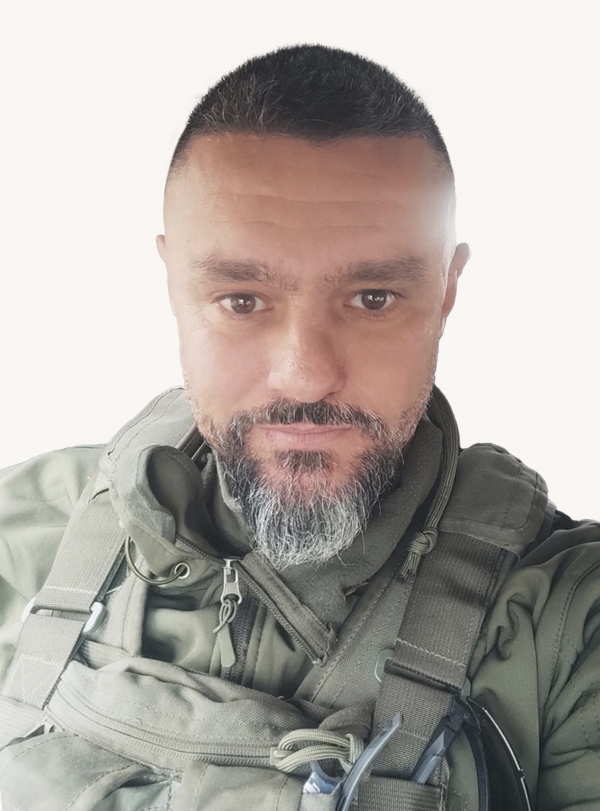
All photographs · 1
In the media
Articles
- The Brother of Nael Fwarsa, Who Fell on the Northern Border: “He Always Volunteered First, Mom Can’t Take It In”
ynet ·
- IDF officer and soldier killed in UAV and missile strikes in northern Israel
Israel National News ·
- IDF Reports Deaths of Two Soldiers in Northern Israel
NEWSru.co.il ·
- Reserve Major Nael Laid to Rest: “He Loved the Community and the Country Endlessly — Until Death”
ynet
- شهداء الحرب الأخيرة من أبناء الطّائفة الدّرزيّة
مجلة العمامة
Memorial sites
- Yizkor - Major Nail Fuarisa
יזכור – משרד הביטחון
- Nael Fuarseh, of blessed memory — Beit Yad Labanim Association for the Druze (registered nonprofit)
אגודת בית יד לבנים לדרוזים (ע"ר)
Memorial projects
A sticker in the Drishat Shalom initiative in memory of Nail, with suggestions for acts of giving inspired by his values.
Stories told about them
His sister said that Nael had been wounded by an anti-tank missile about six months earlier but insisted on returning to reserve duty. She added that he cared for her and her daughter when her husband, a serviceman, was away from home.
Life & service
Service
- Rank
- Major (res.)
- Service Type
- Reserve Forces
- Battle Location
- In the North
Family
- Father
- Rafik
- Mother
- Ilham
Burial
Tributes & remembrance
תודה לך,נאיל היקר
על שירותך למען ביטחון העם והמדינה .
כמה חבל על לכתך.
תנחומים מלב כואבלכל יקיריך.
יהא זכרך ברוך,חייל יקר
יהי זכרו ברוך גיבור ישראל
יהי זכרו ברוך
חבר אתה חסר
נאיל יקר
התגעגעתי אליך, התגעגעתי לסיפרים שלך, התגעגעתי לחיוך שלך , התגעגעתי לטוב שיש בך ולנשמה הטהורה שלך
יהי זכרך ברוך
יש אנשים שלעולם לא יישכחו
נזכור לנצח אחי
תישאר בליבנו לעד אח יקר ואהוב
כאב עמוק בפנים השארת לי אחי
מתגעגע . . .
אותך נזכור
נסחוב את שמךלכל אורך הדרך והעד
אתה לא נשכחת לא תיעלם
תאיר אותנו תחייה עמוק בתוכנו
בכל נשימה בכל חלום בכל דמעה
אתה איתנו אהבת נצח שלא תיעלם לעד
כאב עמוק השארת לי אחי
מתגעגע
חבר יקר ואהוב!!
מלח הארץ !! אוהב אדם ואת המדינה!
זיכרונך ישאר בליבי לעד!!
מתגעגעת מאוד
חבר יקר יהי זכרך ברוך
לשותף היקר בעבודה לחובש האמיץ אין עליך לא נשכח אותך לעולם תשמור עלינו מלמעלה
יהי זכרו ברוך
נזכור אותך תמיד בן דוד
יהי זכרך ברוך החיוך שלך עדיין בזכרון שלי
יהיה זכרך ברוך!
תמיד דאגת לסובבים אותך
נזכור אותך תמיד
אזכור אותך לנצח
אח יקר גיבור ישראל
מלח הארץ
יהי זכרך ברוך לעד
חבר , אח יקר , שותף , תמיד דאגת והתקשרת , תהיה חסר לי לעד
נאיל היקר
כל כך חסר
אזכור אותך לנצח המפקד התמונה שלך לא יורדת לי מהראש אוהב אותך
תנוח על משכבך בשלום
גיבור ישראל נפלת בצעירותך אהוב לבינו והשארת יגון בקרבינו זכרך חרוט בראשינו ועמוק בלבנו. יהי זכרך ברוך יקירנו
יהי זכרך ברוך
יהיה זכרו ברוך
חבר ואח יקר אתה חסר לי מאוד
גיבור ישראל יהי זכרו ברוך לעד
יהי זכרו ברוך
יהי זכרו ברוך לעד
לעולם לא נשכח אותך אח וחבר יקר
שלום חבר
We are a family of fighters. My brother always wanted to serve in the reserves; he was the first to volunteer.
Source:ynet
Read the Hebrew original
אנחנו משפחה לוחמת. אחי תמיד רצה לעשות מילואים, התנדב ראשון.
Even when he was wounded a few months ago, he did not stop and continued serving
Source:ynet
Read the Hebrew original
גם כאשר נפצע לפני מספר חודשים, לא חדל והמשיך בשירות
His son will never get to see his father again
Source:ynet
Read the Hebrew original
הבן שלו לא יזכה לראות עוד את אביו
We still can't take it in, such a dear man who took care of the whole family.
Source:ynet
Read the Hebrew original
אנחנו עוד לא מעכלים, איש יקר מאוד שדאג לכל המשפחה.
Remembrance Day addresses
יום הזיכרון לחללי מערכות ישראל התשפ"ה – 2025
בכל יום שעובר, אזכור יותר! אזכור, את אלו שיצאו עימי לקרב ולא שבו, ולהם אין מי ידמה ומי ישווה. אזכור, שהכאב לא יעבור לעולם, והזמן, הוא לא מרפה ולא מרפא. אזכור, את שיברון הלב הגובר ואת הבית שבוער. אזכור, את צדקת הדרך, ואשבע שוב, שמה שהיה לא יהיה יותר. אזכור, שיותר מכל דבר אחר – אני חסר! ביום הזה, אני נתקף געגוע לדמותם, לחיתוך דיבורם, לחיוכם, ומדליק נר לזיכרון דרכם ומורשתם!
משרד הביטחון
אגף משפחות, הנצחה ומורשת
יום הזיכרון לחללי מערכות ישראל התשפ"ה – 2025
בכאב, בהצדעה ובתקווה אני מתכבד להדליק נר זיכרון זה. השנה, כשאנו נלחמים במלחמה ארוכה, רב זירתית וצודקת, הזיכרון נושא משמעות עמוקה. ביום זה נעצור ונתייחד עם זכרם של טובי בנינו ובנותינו שנפלו בהגנה על המדינה. מורשתם היא המצפן שמתווה את דרכינו, והיא המעניקה לנו כוח להמשיך ולהגן על מדינת ישראל ותושביה. משפחות יקרות, אנו מרכינים ראשנו ומתחייבים שנעמוד לצידכן תמיד. יהי זכר הנופלים ברוך.
אלוף דדו בר כליפא
ראש אגף כוח האדם, צה"ל
יום הזיכרון לחללי מערכות ישראל התשפ"ה – 2025
בשעה שאנו זוכרים את גודל תרומתם ועומק מסירות נפשם של טובי בנינו ובנותינו, נופלי מערכות ישראל לדורותיהן, ממשיכים צה"ל וכוחות הביטחון במימוש המשימה למענה לחמו ועבורה נפלו: הכרעת אויבינו מדרום, מצפון, ביהודה ובשומרון, וגם בזירות רחוקות יותר. בהערכה רבה ובגאווה אדירה אנו מרכינים ראש בפני הנופלים והנופלות, מאמצים את משפחותיהם אל לבנו, וממשיכים במשימה להבטחת קיומה של ישראל לדורי דורות. יחד נעשה ונצליח.
רב אלוף אייל זמיר
הרמטכ"ל, צה"ל
יום הזיכרון לחללי מערכות ישראל התשפ"ד – 2024
כאשר דגלינו מורדים לחצי התורן וראשינו מורכנים לזכר הנופלים והנופלות במערכות ישראל, ממשיכים לוחמי צה"ל ומפקדיו בלחימה בדרום, בצפון, ביהודה ובשומרון ובזירות נוספות. על כל דור מוטלת המשימה של הגנת העם והארץ – משימה שאף פעם אינה פוסקת. נצדיע בגעגוע ובגאווה לנופלים ולנופלות, נחבק את משפחותיהם, ונמשיך ברוח הציווי שהותירו לנו. עם ישראל חי.
רב ניצב יעקב שבתאי
המפקח הכללי, משטרת ישראל
יום הזיכרון לחללי מערכות ישראל התשפ"ד – 2024
אחיי הנופלים, כל נר הוא זיכרון יחיד ומיוחד, על חיים שהיו ואינם, געגוע שנצרב עמוק בלב, עולם ומלואו. הנרות כולם הם זיכרון של אומה כי לעולם לא עוד, בשורת הציונות וקוממיות ישראל. זיכרון כי הדרך לעם חופשי בארצנו עוברת דרך מסדר הנופלים. אור הנר יזכיר לנו את מסירות נפשכם להציל חיים, להגן על הבית. הנרות מסמנים לנו נתיב גבורה ערכי מחייב שאנו מצווים ללכת לאורו. נמשיך להילחם ולהוסיף אור מתוך אמונה בנצח ישראל.
יואב גלנט
שר הביטחון
יום הזיכרון לחללי מערכות ישראל התשפ"ד – 2024
בהצדעה ובכאב, בשם צה"ל כולו, אני מדליק נר זיכרון. בעיצומה של מלחמה, הזכרון נושא משמעות יום-יומית, שעבר והווה מתלכדים בה. לאורם של הנופלים נמשיך לצעוד, חיילי הסדיר והמילואים. לאורם של הנופלים נמשיך להגן על ארצנו ועל מולדתנו, גם כשהמחיר כבד. להבת-הזכרון תבער בנו בעודנו ממשיכים להלחם ונזכור את הנופלים ואת אומץ ליבם. משפחות יקרות, צה"ל מרכין היום ראש, מצדיע לכן וכואב איתכן. יהי זכר הנופלים ברוך.
אלוף יניב עשור
ראש אגף כוח האדם, צה"ל
יום הזיכרון לחללי מערכות ישראל התשפ"ד – 2024
בהוקרה, בגאווה ובכאב שאין לו סוף, אני מתכבד להדליק נר לזכרם של הנופלים והנופלות במערכות ישראל. סיפור חייהם בארץ הזאת, מסכת שירותם, גבורתם והקרבתם – הם סיפורה של הארץ הזאת, אך גם סיפור המחיר הכבד שהיא תובעת מאוהביה. מחויבותנו לזכר הנופלים ולדרך שהותירו לנו ניצבת תמיד לנגד עינינו. את המשימה שלא זכו להשלים, משלימים כיום, וישלימו, אנשי כוחות הביטחון, הממשיכים בדרכם ולאורם. יהי זכרם של הנופלים ברוך.
משרד הביטחון
אגף משפחות, הנצחה ומורשת
יום הזיכרון לחללי מערכות ישראל התשפ"ד – 2024
בחרדת קודש אני מתכבד להדליק נר לזכרם של חללי מערכות ישראל, חברנו שנפלו, מראשית היציאה מהחומות ולאורך כל שנות עצמאותנו המדינית והציונית, מהווים תמרור זיכרון לדרך חיינו ולמחוייבות הלאומית להנצחת זכרם. דרכם נותרה דרכנו ומורשתם נר להמשך עשייתנו. יהי זכרם ברוך!
בני גנץ
שר הביטחון
יום הזיכרון לחללי מערכות ישראל
נזכור אותם, כולנו יחד. כל אחד ואחת מהם, מדי יום ביומו, והיום ביתר שאת, כך – לנצח. "כי מדי דברי בו זכור אזכרנו עוד"
משרד הביטחון
אגף משפחות, הנצחה ומורשת