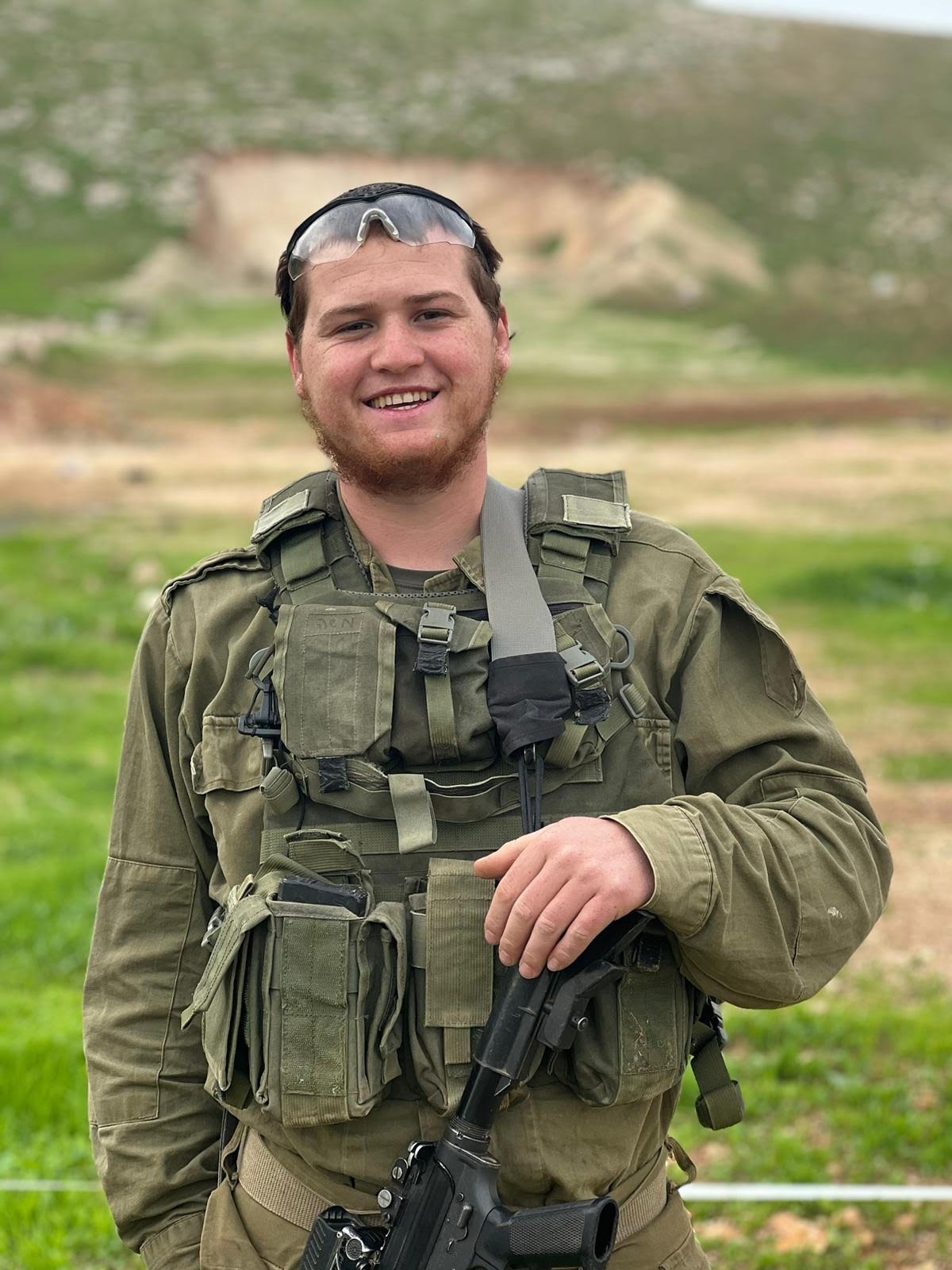
The story
In Jerusalem, the city of stone and light, amidst the quiet bustle of an old neighborhood, Moshe Shmuel Nol was born on the 23rd of Elul, 5763, which was September 20, 2003. The hospital, with its mingled scents of disinfectant, strong coffee, and autumn blossoms wafting through open windows, welcomed him with open arms. Miriam and David Betzalel, his parents, breathed a sigh of relief as their eyes first met the tiny face, the miniature hands of their sixth child. After Esther, Kappel, Gila, and Haya, and before Schneur arrived, Moshe Shmuel was the child who came to fill another space, to expand the joyful commotion of the Nol family home. The house on the Jerusalem street, nestled between ancient stone courtyards and crooked olive trees, was always full of life: children's laughter, the aroma of cooking rising from the small kitchen, sounds of study and discussions mingling with the ringing telephone and a door opening and closing. Moshe Shmuel was born into a world of human abundance, of enveloping love, and a supportive community, and all these left their mark on him even before he learned to speak.
His early years in Jerusalem were interwoven with the city's unique fabric. He learned to walk on the sidewalks paved with Jerusalem stone, hand in hand with his older sister Esther, or trying to keep up with the hurrying Kappel and Gila. The smell of bakeries on the nearby street, the voices of market vendors in the morning, the distant church bells chiming, mixed with the muezzin's call from the hill opposite – all these formed the soundtrack of his life. At home, he was the quieter child, the one who watched with open eyes and absorbed everything. He loved to sit by his mother, Miriam, as she kneaded dough for Shabbat, her skilled hands creating perfect braids. He would follow the movement of her fingers, the sweet scent of yeast rising in the air, feeling the warmth emanating from the oven. His father, David Betzalel, a hardworking and principled man, would return in the evenings, tired but always with a smile and a small story about the day. Moshe Shmuel learned from them the value of work, respect for family, and the importance of a warm, supportive community. He wasn't the child who rushed first into every adventure, but rather the one who thought, weighed, and then joined, more confident in his steps. His five brothers and sisters were his first world – small squabbles over toys, boisterous games in the yard, and moments of quiet and hugs before bedtime. He learned from them the rules of the world, the importance of sharing, and the strength of an unwavering bond.
When the family moved to Beit Shemesh, it was an experience of renewal for Moshe Shmuel. The younger city, with its wider streets and more open landscapes, offered a different kind of space. He was already an elementary school-aged child then, and he remembered the move well – the cardboard boxes filled with familiar objects, the excitement in the air, and the attempt to find his new place. Beit Shemesh welcomed him with open arms, and soon he found himself playing soccer with new friends on the neighborhood field, chasing kites in the open fields at the edge of the neighborhood, and returning home with scraped knees and new stories. In Beit Shemesh, the community was more tightly woven, and he felt part of it immediately. He attended local educational institutions, where he acquired knowledge, but more importantly – he gained lifelong friends. Teachers remembered him as a quiet, focused child, with observant eyes and always ready to help. He wasn't one of the students who immediately jumped to answer, but rather one who thought deeply, analyzed things, and only then offered his reasoned response. He especially loved nature and geography lessons, where he could imagine himself exploring the world, its hidden paths, its high peaks.
As he grew older, Moshe Shmuel's personality solidified. He was a young man with a strong inner core, a rare combination of gentleness and determination. He loved the quiet of nature, going on hikes with friends on the trails of the Judean Hills surrounding Beit Shemesh, climbing rocks, breathing the crisp mountain air, and watching the spectacular sunsets that painted the sky in red and orange. In such moments, he felt a deep connection to the earth, to the spirit, to everything around him. He didn't talk much on these hikes, but mostly listened, observed, absorbing the beauty and power. But when he did speak, his words were precise, sometimes surprisingly profound. He was a loyal friend, one you could rely on in any situation, who would stand by you even when things were difficult. He knew how to listen patiently, offer thoughtful advice, and often, just his quiet, supportive presence was enough. At home, he continued to be an anchor of calm. He helped his mother with household chores, looked after his younger brother Schneur, and even found time to study with his sisters when they struggled. He was the brother who knew how to fix anything that broke, from a leaky faucet to a broken toy, always with patience and focus. He developed into a young man with golden hands, possessing a natural technical ability and a desire to solve problems, not just talk about them.
The decision to join the army, and particularly to serve in the Netzach Yehuda battalion of the Kfir Brigade, was not surprising to anyone who knew Moshe Shmuel. He saw military service as a duty, a way to contribute, to protect his home and the people he loved. It was a choice that reflected his values: commitment, responsibility, and a willingness to sacrifice for the greater good. He didn't speak in grandiose terms about heroism or destiny, but from a simple and clear understanding of reality. He sat with his parents in the kitchen, a steaming cup of tea in his hand, and told them of his decision. His voice was quiet yet resolute. "I feel this is what I need to do, Dad, Mom," he said, his eyes meeting theirs. "To protect. Just like you protect us, the home. Now it's my turn." Miriam, with tears in her eyes, hugged him warmly. "Take care of yourself, my son," she whispered, her head buried in his shoulder. David Betzalel placed a warm hand on his shoulder, his gaze full of pride and love. "We trust you, Moshe Shmuel. Be strong, be loyal." His conversations with friends were different: "So, Moshe Shmuel, Netzach Yehuda, really? Aren't you missing out on the perks?" an old friend asked him, with friendly cynicism. Moshe Shmuel smiled. "It's not about perks, my friend. It's about a path. I want to be in a place where I can give my all, and also preserve who I am. It's important to me." He quietly explained his choice, his desire to integrate military service with his way of life, his understanding that even within a tough military framework, one could find a personal path. Preparations for his enlistment were thorough. He trained in running, in physical fitness, mentally preparing himself for the rigid structure. He knew it wouldn't be an easy task, but he was determined to meet it.
On August 31, 2023, the big day arrived. The day he donned his uniform, said goodbye to his family at the central bus station in Be'er Sheva, along with hundreds of other excited young people. The air was thick with tension and anticipation, mixed with the smell of fuel and coffee. Last hugs, firm handshakes, long gazes. "Take care of yourself, Moshe Shmuel," Esther said, her eyes glistening. "Call," Kappel demanded, "even a WhatsApp message." Gila and Haya tried to smile through their tears, and little Schneur clung to his leg, not fully understanding the farewell. He boarded the military bus, his heavy backpack on his back, his face stoic but within his heart, a storm of emotions raged. This moment, of transition from civilian life to military life, was a formative one. He entered a new world, a world of discipline, of orders, of physical and mental challenges. Basic training in the Netzach Yehuda battalion was tough, as he expected. Long training days in the scorching sun, long marches with heavy equipment, sleepless nights. He learned to disassemble and assemble a weapon with his eyes closed, to crawl on hard ground, to run at a steady pace with his comrades in the company. He quickly found his place, quiet and thorough, always ready to carry out a mission, to help a struggling friend. He was not the rebel or the joker of the group, but the quiet anchor, the one who set a personal example, who proved himself through performance. He built a reputation as a professional and reliable soldier, one who could be trusted implicitly. The bonds with his company comrades quickly strengthened, ties forged out of shared hardship, out of mutual support in moments of breaking. They became a second family, a group of young people who came together under the burden of tasks and challenges.
Only a month and a half had passed since his enlistment, and then came October 7, 2023. That morning, which began as a normal Shabbat of innocent quiet, shattered into fragments. Moshe Shmuel, like all his comrades, was called up immediately. WhatsApp messages began to flow in a chain, short and urgent: "Everyone report! Immediately!" "Severe security incident!" "Gather equipment, get to base!" The commanders' faces were grim, their voices low and tense. The air was thick with anxiety and uncertainty. What had been until then training, field exercises, the theory of combat, instantly became a brutal reality. He was still a young soldier, almost a recruit, but the understanding that this was "real" quickly penetrated. Moshe Shmuel packed his equipment quickly, his heart pounding, his hands dry despite the tension. He sent a short message to his family: "Called up. Don't worry. Love you." It was a brief message, word for word, intended to reassure, but it held a world of worry. He did not wait for a reply, as everyone knew, there was no time. He boarded the transport to the base, looking out the window at the rapidly passing landscape, trying to digest what was happening. The journey was quiet, except for the rustle of equipment and short, tense coughs. Everyone was absorbed in their thoughts, but all shared the same feeling of uncertainty and readiness.
The months that followed were a period of incessant fighting. Moshe Shmuel, along with his comrades in the Netzach Yehuda battalion, was quickly thrust into the fire of battle. He found himself facing a reality completely different from anything he had imagined. The fighting in the Gaza Strip was difficult and brutal. The northern Gaza Strip, the area where he fought, was a dense urban space, riddled with traps, tunnels, and an invisible enemy. Every house, every alley, every ruin could hide danger. He quickly learned the language of battle: the sound of gunfire bursts, the whistle of mortar shells, the dust rising from explosions, the metallic smell of blood. He learned to distinguish between shadow and shadow, between the sound of wind and the sound of suspicious movement. He learned to run under fire, to cover his comrades, to evacuate the wounded. Basic training quickly faded away, and he became a skilled operational soldier, absorbing every lesson of the battlefield with determination. He saw his comrades wounded, the fatigue accumulating, faces hardening. But he also saw human heroism, unwavering loyalty, the will to continue and carry out the mission, to protect the home. He performed with responsibility and composure, even in the most difficult moments. He became a reference point for his comrades, who knew they could rely on his sound judgment and his steady hand. He was a symbol of professionalism, dedication to purpose, and above all – humanity within the inferno. He did not fundamentally change, remaining the same quiet and observant Moshe Shmuel, but the experiences of battle etched a new depth in him, a deeper understanding of life and death.
During almost two years of fighting, he went on short leaves. These moments, of returning home, were always mixed – joy mingled with sadness, relief alongside tension. He would arrive in Beit Shemesh, drop his gear, and sink into a warm embrace from his parents. The familiar smells of home, the laughter of his brothers and sisters, the relative quiet of civilian life – all these were like a balm for his weary soul. He would try to return to routine, drink coffee with friends, walk in the fields, but the war was always there, in the background, a shadow that walked with him. He would listen to stories about what happened at home, about studies, about work, and try to reconnect. But the look in his eyes had changed: it was deeper, sometimes distant, like someone who had seen too much. He didn't talk much about what he had been through, understanding that it was impossible to truly convey that experience in words to those who hadn't been there. But his family knew how to feel, to understand even without words. Miriam would prepare his favorite dishes, David Betzalel would sit with him in silence, sharing moments of quiet love. He also found comfort in conversations with his older brother Kappel, who also served in the army, and between the two of them there was a deep understanding of the shared experience. He used every moment of leave to recharge, renew his strength, to remember what he was fighting for. And each time the moment came to return, he did so with determination, with an unwavering sense of responsibility. He knew his friends were waiting for him, that the mission was not yet complete.
He was promoted to Sergeant, a recognition of his abilities, his professionalism, and his quiet leadership. He became a commander, a role model for his younger soldiers, one who brought with him not only combat experience, but also calm and inner peace, even in the midst of chaos. He knew how to guide, to reassure, to instill motivation, and above all – to serve as a personal example. He led from the front, first in the mission, last in retreat, always ensuring his soldiers were safe. He listened to them, cared for their needs, was not just a commander but also an older brother. The bond that formed between him and his soldiers was deep, a bond of mutual trust built under fire. He saw in them the faces of young Israel, the future, and felt an immense responsibility towards them.
On the 12th of Tammuz, 5785, July 7, 2025, almost two years after the war broke out, Staff Sergeant Moshe Shmuel Nol was in battle in the northern Gaza Strip. The exact details of that day remain classified, but one can imagine the atmosphere: the scorching July heat, dust rising from every movement, background noises of gunfire and armored vehicle movement. Perhaps these were moments of slow advance, clearing building after building, scanning a suspicious area. Perhaps it was a sudden ambush, or an unexpected encounter. What is clear is that Moshe Shmuel and his comrades were in the midst of operational activity, a mission intended to protect the surrounding communities and the citizens of Israel. He was at the forefront, leading his soldiers, applying his extensive experience, his composure, and his quick judgment. At some point, during the fierce battle, he was hit. Falling in battle is a cruel moment, a sudden cutting short of a life full of promise. He was only twenty-one years old when he died, so young, yet already a veteran soldier, experienced, a commander who had seen the face of war. He fell while defending his comrades, his mission, his home.
The news reached the Nol family home in Beit Shemesh like a thunderclap. Two officers, their faces grim, rang the doorbell. Miriam and David Betzalel's hearts sank even before the words were spoken. "Moshe Shmuel Nol, of blessed memory, a Sergeant in the Netzach Yehuda battalion..." The sentence was cut short. Their world, a world of love and hope, shattered into fragments. The bustling home filled with weeping and wailing. His five brothers and sisters – Esther, Kappel, Gila, Haya, and Schneur – mourned their beloved, quiet hero. The pain was unbearable, a gaping chasm that could not be bridged. Neighbors, friends, the entire community rallied to support, to embrace, to try to alleviate the unimaginable pain. But there is no comfort for such a loss.
He was laid to rest in the military cemetery on Mount Herzl, Jerusalem, the city where he was born. The day of the funeral was steeped in sorrow and honor. Thousands came to pay their last respects: family members, friends from Beit Shemesh, commanders and soldiers from the Netzach Yehuda battalion and the Kfir Brigade. Israeli flags flew at half-mast, and the scorching July sun illuminated the raw pain. His commanders eulogized him, speaking of his professionalism, his inner peace, his leadership, and his unwavering heroism. They described an exemplary soldier, a man everyone wanted to follow. After his fall, Moshe Shmuel was posthumously promoted to Staff Sergeant, a formal recognition of his sacrifice and his exceptional service. The official IDF announcement of his fall in battle in the northern Gaza Strip was short, factual, but behind every word lay an entire world of life cut short.
Moshe Shmuel Nol left behind an immense void. He was a loyal son, a loving brother, a devoted friend, a brave soldier. He was a young man who managed to experience so much, to live a full and meaningful life, in such a short span of time. He is etched in the memory of all who knew him, as a symbol of dedication, humility, and courage. He did not seek headlines, nor did he chase fame. He simply did what he believed in, what he thought was right and just. He fought to protect his home, his family, his community, his country. He fell in the struggle for Israel's existence and security, in the War of Revival, embodying in his body and spirit the determination and strength of an entire generation. His legacy is not just a story of loss, but a story of a life full of meaning, of uncompromising values, of love for people and for the land. He lives in the hearts of those who knew him, and he will continue to live in stories that will expand, by word of mouth, from generation to generation, as a testament to simple and pure human heroism, one that stems from the reality and humanity of a person who gave everything for the common good. May his memory be a blessing.
Moments of a life
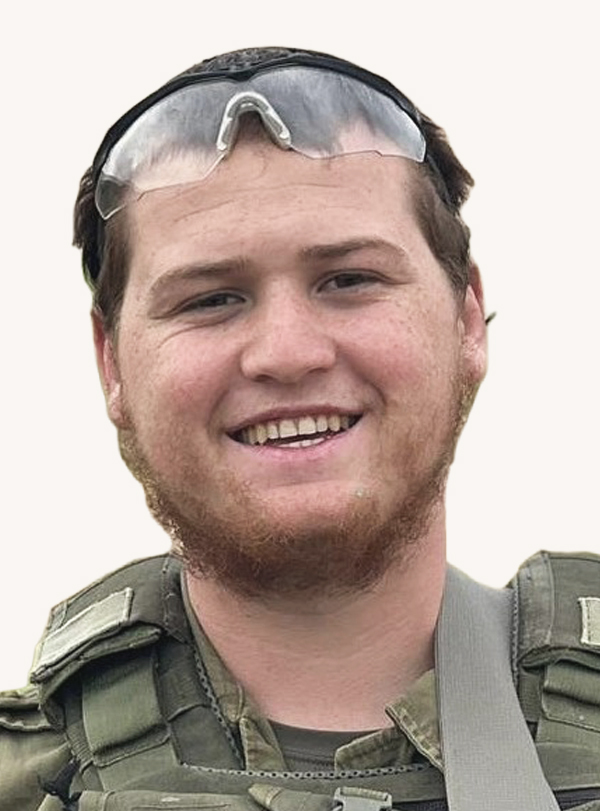
All photographs · 1
In the media
Articles
- Staff Sergeant Moshe Shmuel Noll, of blessed memory: the soldier from Ramat Beit Shemesh who fell in Beit Hanoun and his rabbi father
ynet ·
- Slain ultra-Orthodox soldier had strong SA links
SA Jewish Report ·
- “The beating heart of the family”: Staff Sergeant Moshe Shmuel is laid to rest
ynet ·
- Reporter arrested for a post cheering killings of IDF troops, as fifth soldier buried
The Times of Israel ·
- Quatre des 5 soldats tués lors de l’attaque à Beit Hanoun ont été enterrés
The Times of Israël ·
- “I grieve for you, my brother: Staff Sgt. Moshe Shmuel Noll fell in an ambush in Beit Hanoun
ישראל היום ·
Show all (10)
- Moshe Shmuel Noll, 21, HYD
Anash.org ·
- Hundreds pay last respects to Staff Sergeant Moshe Shmuel Noll
Israel National News
- To die defending the country and sanctifying God's name is the best way
מעריב – עותק באתר אש קודש
- Five IDF Soldiers Killed in Northern Gaza, 14 Wounded
Вести
Podcasts
Memorial sites
- Staff Sergeant Moshe Shmuel Noll, may God avenge his blood
עיריית בית שמש
- Moshe Shmuel Noll
AACI Remembers
- Yizkor – Staff Sergeant Moshe Shmuel Noll
משרד הביטחון – יזכור
Memorial projects
At the end of the family interview, a special Torah scroll commissioned by the family to commemorate him is described, intended for the Torah ark at his yeshiva. The page describes planning and commissioning, and does not confirm that the scroll has already been completed.
Stories told about them
Rabbi Shraga Dahan said that on the way back from the funeral, the father David asked for applause for the casualty officer accompanying them. The article describes how the family received mourners from all parts of society in Ramat Beit Shemesh.
The Beit Shemesh municipality describes his enlistment in August 2023, his eight-month training, and his assignment to the Netzah Yehuda Battalion. Residents who could not attend the burial accompanied the family as they left Beit Shemesh, singing and waving flags.
The article says that he attended his nephew’s circumcision ceremony after October 7 by phone because he had not been granted leave. He was granted leave for the redemption of the firstborn ceremony, arrived unannounced and opened the door of his parents’ home as a surprise.
Life & service
Profile
- Date of birth
- September 20, 2003
- Birthplace
- Beit Shemesh
- Date of death
- July 7, 2025
- Age
- 21
- Hometown
- Beit Shemesh
Service
- Rank
- Staff sergeant
- Unit
- Kfir Brigade
- Honours
- Posthumously Promoted
- Battle Location
- Northern Gaza Strip
Family
- Father
- David Betzalel
- Mother
- Miriam
Burial
Tributes & remembrance
A deep person, very responsible, very mature.
Source:ישראל היום
Read the Hebrew original
בן אדם עמוק, מאד אחראי, מאוד בוגר.
A few months ago I gave him a ride. And how proud he and his father were that he was fighting to defend the homeland and the people.
Source:ישראל היום
Read the Hebrew original
לפני מספר חודשים לקחתי אותו טרמפ. וכמה הוא ואביו היו גאים בכך שהוא נלחם על הגנת המולדת והעם.
He was an energetic boy and brought us so much joy.
Source:ynet
Read the Hebrew original
היה ילד אנרגטי והביא לנו הרבה נחת.
You were the beating heart of our family
Source:ynet
Read the Hebrew original
היית הלב הפועם של המשפחה שלנו
You found the way to touch the heart
Source:ynet
Read the Hebrew original
אתה מצאת את הדרך לגעת בלב
We lost five of our finest sons
Source:ynet
Read the Hebrew original
איבדנו חמישה מטובי בנינו
But it was clear to him that he would charge forward
Source:ynet
Read the Hebrew original
אבל היה ברור לו שהוא מסתער קדימה
What I can say is that he never got angry around me
Source:ynet
Read the Hebrew original
מה שאני יכול לומר - שלידי הוא לא כעס
It was a truly surreal scene.
Source:ynet
Read the Hebrew original
ממש מחזה סוריאליסטי כזה.
a role model of dedication and heroism
Source:AACI Remembers
Moshe was so excited to serve,
Source:AACI Remembers
Moshe chose a less travelled path – bravely going against the flow
Source:SA Jewish Report
Remembrance Day addresses
יום הזיכרון לחללי מערכות ישראל התשפ"ה – 2025
בכל יום שעובר, אזכור יותר! אזכור, את אלו שיצאו עימי לקרב ולא שבו, ולהם אין מי ידמה ומי ישווה. אזכור, שהכאב לא יעבור לעולם, והזמן, הוא לא מרפה ולא מרפא. אזכור, את שיברון הלב הגובר ואת הבית שבוער. אזכור, את צדקת הדרך, ואשבע שוב, שמה שהיה לא יהיה יותר. אזכור, שיותר מכל דבר אחר – אני חסר! ביום הזה, אני נתקף געגוע לדמותם, לחיתוך דיבורם, לחיוכם, ומדליק נר לזיכרון דרכם ומורשתם!
משרד הביטחון
אגף משפחות, הנצחה ומורשת
יום הזיכרון לחללי מערכות ישראל התשפ"ה – 2025
בכאב, בהצדעה ובתקווה אני מתכבד להדליק נר זיכרון זה. השנה, כשאנו נלחמים במלחמה ארוכה, רב זירתית וצודקת, הזיכרון נושא משמעות עמוקה. ביום זה נעצור ונתייחד עם זכרם של טובי בנינו ובנותינו שנפלו בהגנה על המדינה. מורשתם היא המצפן שמתווה את דרכינו, והיא המעניקה לנו כוח להמשיך ולהגן על מדינת ישראל ותושביה. משפחות יקרות, אנו מרכינים ראשנו ומתחייבים שנעמוד לצידכן תמיד. יהי זכר הנופלים ברוך.
אלוף דדו בר כליפא
ראש אגף כוח האדם, צה"ל
יום הזיכרון לחללי מערכות ישראל התשפ"ה – 2025
בשעה שאנו זוכרים את גודל תרומתם ועומק מסירות נפשם של טובי בנינו ובנותינו, נופלי מערכות ישראל לדורותיהן, ממשיכים צה"ל וכוחות הביטחון במימוש המשימה למענה לחמו ועבורה נפלו: הכרעת אויבינו מדרום, מצפון, ביהודה ובשומרון, וגם בזירות רחוקות יותר. בהערכה רבה ובגאווה אדירה אנו מרכינים ראש בפני הנופלים והנופלות, מאמצים את משפחותיהם אל לבנו, וממשיכים במשימה להבטחת קיומה של ישראל לדורי דורות. יחד נעשה ונצליח.
רב אלוף אייל זמיר
הרמטכ"ל, צה"ל
יום הזיכרון לחללי מערכות ישראל התשפ"ד – 2024
כאשר דגלינו מורדים לחצי התורן וראשינו מורכנים לזכר הנופלים והנופלות במערכות ישראל, ממשיכים לוחמי צה"ל ומפקדיו בלחימה בדרום, בצפון, ביהודה ובשומרון ובזירות נוספות. על כל דור מוטלת המשימה של הגנת העם והארץ – משימה שאף פעם אינה פוסקת. נצדיע בגעגוע ובגאווה לנופלים ולנופלות, נחבק את משפחותיהם, ונמשיך ברוח הציווי שהותירו לנו. עם ישראל חי.
רב ניצב יעקב שבתאי
המפקח הכללי, משטרת ישראל
יום הזיכרון לחללי מערכות ישראל התשפ"ד – 2024
אחיי הנופלים, כל נר הוא זיכרון יחיד ומיוחד, על חיים שהיו ואינם, געגוע שנצרב עמוק בלב, עולם ומלואו. הנרות כולם הם זיכרון של אומה כי לעולם לא עוד, בשורת הציונות וקוממיות ישראל. זיכרון כי הדרך לעם חופשי בארצנו עוברת דרך מסדר הנופלים. אור הנר יזכיר לנו את מסירות נפשכם להציל חיים, להגן על הבית. הנרות מסמנים לנו נתיב גבורה ערכי מחייב שאנו מצווים ללכת לאורו. נמשיך להילחם ולהוסיף אור מתוך אמונה בנצח ישראל.
יואב גלנט
שר הביטחון
יום הזיכרון לחללי מערכות ישראל התשפ"ד – 2024
בהצדעה ובכאב, בשם צה"ל כולו, אני מדליק נר זיכרון. בעיצומה של מלחמה, הזכרון נושא משמעות יום-יומית, שעבר והווה מתלכדים בה. לאורם של הנופלים נמשיך לצעוד, חיילי הסדיר והמילואים. לאורם של הנופלים נמשיך להגן על ארצנו ועל מולדתנו, גם כשהמחיר כבד. להבת-הזכרון תבער בנו בעודנו ממשיכים להלחם ונזכור את הנופלים ואת אומץ ליבם. משפחות יקרות, צה"ל מרכין היום ראש, מצדיע לכן וכואב איתכן. יהי זכר הנופלים ברוך.
אלוף יניב עשור
ראש אגף כוח האדם, צה"ל
יום הזיכרון לחללי מערכות ישראל התשפ"ד – 2024
בהוקרה, בגאווה ובכאב שאין לו סוף, אני מתכבד להדליק נר לזכרם של הנופלים והנופלות במערכות ישראל. סיפור חייהם בארץ הזאת, מסכת שירותם, גבורתם והקרבתם – הם סיפורה של הארץ הזאת, אך גם סיפור המחיר הכבד שהיא תובעת מאוהביה. מחויבותנו לזכר הנופלים ולדרך שהותירו לנו ניצבת תמיד לנגד עינינו. את המשימה שלא זכו להשלים, משלימים כיום, וישלימו, אנשי כוחות הביטחון, הממשיכים בדרכם ולאורם. יהי זכרם של הנופלים ברוך.
משרד הביטחון
אגף משפחות, הנצחה ומורשת
יום הזיכרון לחללי מערכות ישראל התשפ"ד – 2024
בחרדת קודש אני מתכבד להדליק נר לזכרם של חללי מערכות ישראל, חברנו שנפלו, מראשית היציאה מהחומות ולאורך כל שנות עצמאותנו המדינית והציונית, מהווים תמרור זיכרון לדרך חיינו ולמחוייבות הלאומית להנצחת זכרם. דרכם נותרה דרכנו ומורשתם נר להמשך עשייתנו. יהי זכרם ברוך!
בני גנץ
שר הביטחון
יום הזיכרון לחללי מערכות ישראל
נזכור אותם, כולנו יחד. כל אחד ואחת מהם, מדי יום ביומו, והיום ביתר שאת, כך – לנצח. "כי מדי דברי בו זכור אזכרנו עוד"
משרד הביטחון
אגף משפחות, הנצחה ומורשת