
The story
The first light of the morning of the 17th of Tishrei, 5765, the first of October 2004, streamed into the delivery room in Ashkelon, and in that very moment, the first breath of new life filled the space. Moshe Nissim Peretz emerged into the world, the firstborn son to Levana Yehudit and Yaakov, bringing with him immense excitement, a soft cry that instantly became a sweet melody in his parents' ears. Ashkelon, a sun-drenched coastal city, with the salty scent of the sea carried on the wind and the sounds of waves crashing against the shore, was the backdrop for his early years. The small family home, which quickly filled with the sweet voices of brothers and sisters, was always open, bustling with life and movement. Leah, Tiferet, Yocheved, Shimon, and Levi – five siblings who joined the family, transformed the little house into a center of incessant activity, of laughter, small squabbles and quick reconciliations, and above all – of great, enveloping love. Moshe, as the eldest, carried on his broad shoulders the responsibility, even if unconsciously, to be an example, to be the one who paved the way. He quickly learned the meaning of sacrifice, the importance of mutual aid, and the satisfaction of protecting his younger siblings from quarrels with neighborhood children or simply from painful falls.
Moshe's earliest memories were steeped in the scents and sounds of an Israeli summer: the smell of chlorine from the municipal pool, where he learned to swim at a young age, splashing water everywhere and laughing loudly as his father held him securely; the aroma of fresh cucumbers and ripe tomatoes from the nearby market, where he would go with his mother, holding her hand and trying to snatch a juicy fig; and the sounds of children playing soccer in the neighborhood field until late evening, when the air began to cool and crickets filled the silence. He loved the feel of sand between his toes, the way the grains clung to his damp skin after a day at the beach, where he built grand sandcastles that the waves repeatedly erased, but he never despaired, rebuilding them with a child's stubbornness. Yaakov, his father, was a hardworking man, usually quiet, but when he spoke, his words were etched with meaning. He taught Moshe the value of hard work, the importance of integrity, and the strength of inner peace. "Always look people in the eye, Moshe," Yaakov would tell him when he was a little scared or shy, "the truth is there." Levana Yehudit, his mother, was the pillar of the home, its beating heart. Her soft, warm voice filled the spaces, and her hands, which never rested, knew how to heal every wound, comfort every tear, and cook the dishes that made the house the ultimate refuge. She taught him the power of compassion, the beauty of giving, and the joy of a family table laden on Friday evening, when for a few hours the outside world simply vanished.
When Moshe was a few years old, the family moved to Jerusalem. The transition from quiet, flat Ashkelon to the bustling, hilly capital was a sharp change, but Moshe embraced it with open arms. Jerusalem greeted them with a special golden light, with ancient stone buildings that told stories thousands of years old, and with paved streets that preserved the echoes of generations. The new home in Jerusalem was different, but the family atmosphere remained the same: full of warmth, love, and children's voices. Moshe discovered Jerusalem's secrets: the small neighborhoods with their unique smells of spices and baked goods, the colorful market, the improvised playgrounds between the old houses. He loved to wander the streets, feeling the cool stone beneath his feet, observing the diverse people who lived in the city, each with their own story and path. He was a curious child, asking questions about everything, trying to understand the world around him. He loved to climb the trees in the yard, imagining he was scaling high mountains or discovering new lands. In school, he wasn't always the quietest student, but his curiosity and intelligence stood out. He especially loved history and geography lessons, where he could imagine the world beyond the city walls, learn about distant cultures, and about great events that shaped the present. Teachers remembered him as a child with a sparkle in his eyes, one who wasn't afraid to make mistakes, who was always ready to learn and try again.
Moshe's teenage years in Jerusalem were full of energy and self-discovery. He discovered the joy of sports, especially basketball and soccer, and would spend long hours on the neighborhood court with his friends, chasing the ball, sweating and laughing, until the sun set and the streets filled with the calls of mothers summoning their children home for dinner. He wasn't a particularly brilliant player, but he had determination, an inability to give up, and a team spirit that made him an admired friend. "Moshe was always the first to encourage when someone missed," a childhood friend recounted, "and the last to give up on a lost ball." He learned to play a little guitar, trying to imitate the musicians he saw on television, and persistent strumming sounds would emanate from his room in the evenings, sometimes jarring and sometimes beginning to sound like a melody. He loved music; for him, it was a way to express emotions, to dream, to momentarily disconnect from the daily hustle. He read books, not necessarily textbooks, but adventure stories and tales of brave people, and would be drawn into worlds of imagination, where he himself was the main hero. His bonds with his friends deepened; they spent long hours together, talking about life, about girls, about the future. They would sit on a bench in the neighborhood, facing a breathtaking Jerusalem view, telling jokes, sharing secrets, and drinking cold cola on hot days. Moshe was always there for them, a listening ear, honest advice, or simply a shoulder to lean on. He learned from them the meaning of true friendship, loyalty, and the strength in trusting one another.
The deliberation about military service was ever-present, as it is for every young person in Israel. Moshe knew he wanted to contribute, to protect, to be part of something larger than himself. He heard stories, watched the news, and understood the complex reality of the country. He wanted to be a combat soldier, to feel the significance of defending his home, his family, his friends. On April 3, 2024, with the War of Revival already raging intensely, Moshe reported to the induction center. The atmosphere was charged, yet also full of resolve. Young men and women from all corners of the country stood there, with large bags on their backs and a spark of mission in their eyes. He said goodbye to his parents with a strong hug, to his brothers and sisters with kisses and promises to return home soon. "Take care of yourself, Moshe," his mother whispered, her eyes full of suppressed tears. "I will, Mom," he replied confidently, trying to calm her fears, even though his heart pounded fiercely. He boarded the military bus, looking at his family as they grew smaller in the distance, and understood that a pivotal moment in his life had just begun. He was assigned to the Kfir Brigade, and more specifically, to the Netzah Yehuda Battalion (97), a unit that combines significant combat service with a particular lifestyle, and Moshe found his natural place within it. He was determined to succeed, to give his all.
Basic training was tough, grueling. The scorching sun, the long marches with heavy equipment on his back, the challenging physical training that pushed him to his limits. He learned to dismantle and assemble his weapon with his eyes closed, to crawl in the mud, to run with a heavy vest, to sleep outdoors under the open sky. Every muscle in his body ached, every bone screamed, but he did not give up. He remembered the conversations with his father about the importance of hard work, the example of his mother who never rested, and he persevered. He found solace in the new friends he made, with whom he shared the hardships, the few laughs, and the many frustrations. In the evenings, when they sat tired and weary, they would talk about home, about girlfriends, about dreams. They would tell jokes, encourage each other, and forge deep bonds of brotherhood that only those who go through such difficulties together can understand. Moshe was one of those soldiers who was always ready to lend a hand, to help a struggling friend, to offer a kind word. He remembered the faces of his brothers and sisters when he left home, the trust in their eyes, and this gave him the strength to continue, to push forward. When he came home for the first time after basic training, in a crisp green uniform, with a combat pin on his chest, he looked different. Taller, more muscular, with a mature and serious look in his eyes. His mother's hug was stronger, his father's longer, and Yaakov's eyes sparkled with quiet pride. His younger siblings looked at him with admiration, asking questions about the army, about the weapon, about life as a combat soldier. He told them stories, of course, softened, adapted to their age, but always emphasized the importance of friendship, giving, and protection.
Regular service in the Netzah Yehuda Battalion was no less challenging than basic training, but also rewarding. Moshe and his squad members underwent advanced training, practiced urban warfare, complex navigation, and intensive shooting drills. He learned to be sharp, quick to react, to think under pressure. He discovered capabilities within himself that he hadn't known existed, a mental and physical strength that stood against every obstacle. The sense of responsibility grew, and he understood the gravity of the mission, the inherent risk in every activity. He saw his friends, the fighters alongside him, and understood that they depended on each other. Their bonds deepened, a connection of brothers in arms, a bond forged in the field, under fire, under pressure. They would talk for long hours, sharing fears and hopes, dreaming of the day after the war, of civilian life, of starting a family. Moshe would tell them about Jerusalem, about the smells, about the atmosphere, about his warm home. He would describe his mother's Shabbat meals, the discussions with his father, the laughter with his siblings. He always carried a small picture of his family in his wallet, glancing at it in moments of loneliness or longing, and it would remind him why he was there, why he was fighting.
Days and weeks passed, and the war continued with its intensity. Echoes of the news reached the soldiers in the field, telling of the fallen, the wounded, the progress, and the difficulties. The atmosphere was tense, yet also full of resolve. Everyone knew they were part of something big, a campaign for the future of the nation. Moshe, who enlisted as a corporal, quickly became an experienced combatant, understanding the terrain, understanding the enemy, understanding the importance of every single detail. He was attentive to his commanders, but also knew how to express his opinion, to point out weaknesses or creative solutions. He was a soldier who combined discipline with initiative, courage with good judgment. He would look at his friends, at the salty sweat that ran down their faces, at their tired but alert eyes, and would feel great pride to be part of this group. They would sing songs together during short breaks, talk about small and big things, strengthening each other. He particularly remembered one night, under an endless starry sky somewhere deep in the field, when one of his friends began to play a familiar song on a small guitar he had brought with him. Everyone joined in a soft chorus, and that feeling of brotherhood, of comfort amidst the hardship, remained etched in Moshe's heart.
On the 12th of Tammuz, 5785, the eighth of July 2025, Moshe Nissim Peretz was with his unit, the Netzah Yehuda Battalion, on an operational mission in the northern Gaza Strip. The area was known as a hornet's nest, strewn with traps, tunnels, and explosives. The preceding days had been filled with detailed briefings, repeated equipment checks, and mental preparation. The soldiers knew they were entering a dangerous area, but everyone was alert and determined. The last WhatsApp messages had been exchanged with family a few hours earlier. "Everything's fine, Mom. We're going in soon. Love you all very much," he wrote to his mother, trying to reassure her, without letting her feel the tension coursing through his body. He sent a photo of his friends, all with helmets and full gear, smiling a tired but determined smile. "Take care, my love," his mother wrote back, with a small red heart emoji. "Shimon and Levi are asking when you'll be back to play soccer with them." He smiled, imagining his younger brothers, and promised himself he would return soon and play with them until the sun set.
The entry into the operational area was cautious, under tight cover from additional forces. The roar of armored vehicle tracks tore through the silence, and the air hung heavy with dust and gunpowder. Moshe was part of a foot patrol, advancing through narrow alleys, between the ruins of houses that served as cover for the enemy. Every step was calculated, every glance scanning the surroundings, searching for suspicious movement, for any sign of an ambush. The tension was palpable, felt in the air, seeping into their veins. They entered a specific building, as part of a clearing mission, when suddenly they were met with a barrage of close-range fire. The battle erupted suddenly and violently. The sounds of machine gun fire, muffled explosions, shouts, and commands filled the space. Moshe, with his weapon in hand, did not hesitate for a moment. He reacted immediately, firing towards the sources of the shots, trying to cover his friends, to neutralize the threat. He moved swiftly, dodging bullets, firing accurately, and displaying extraordinary courage under fire. He saw one of his friends hit, and without a second thought, he charged to extract him, to provide him cover, while continuing to fire and cover the force. In the inferno, in the absolute chaos of the battle, Moshe Nissim Peretz was hit. He fell while defending his friends, fulfilling his duty with courage and devotion, until his last breath. His body fell, but his spirit remained carried on the wind, a testament to heroism and altruism.
The news of his fall reached his family in Jerusalem like a thunderclap on a hot, seemingly ordinary summer day. The knock on the door, the serious and pained faces of the IDF officers, and the short, painful sentence that tore their world to shreds. His mother's scream, his father's absolute silence, the incessant tears of his brothers and sisters. The world stopped. The home, which had always been full of life and laughter, was filled with heavy mourning, with a searing silence. Moshe, their eldest son, their big brother, the brave soldier, would not return.
He was laid to rest in the military cemetery on Mount Herzl, Jerusalem. A long line of family members, friends, commanders, and soldiers stood in silence, their eyes red from tears, their hearts aching and grieving. The Jerusalem sun cast a strong light on the fresh gravestone, on his name and his new rank – Sergeant, a rank awarded to him posthumously, in recognition of his heroism and devotion. The eulogies were choked, describing a smiling child, a curious teenager, a brave soldier, a devoted son, and a loving brother. Every word was like a stab to the heart, but also a testament to a full, meaningful life cut short. One officer spoke of his courage in battle, of the way he protected his friends. A childhood friend recounted their days on the soccer field, their shared childhood dreams. His father, Yaakov, stood tall, his eyes gazing at the horizon, but his voice trembled as he said: "My Moshe, my hero. I always knew you would be a special person. You will always remain in our hearts."
The void left by Moshe Nissim Peretz was immense, irreplaceable. The home in Jerusalem was quieter, the chair at the family table empty. His brothers and sisters cope with the loss in different ways, but all carry his memory in their hearts, his smile, his voice. They remember his last words, his promise to return, the photo of his friends. They see his face everywhere, hear his voice in the wind, feel his presence. His mother, Levana Yehudit, continues to care for the family, but her eyes always carry a shadow of sadness, an endless longing. His father, Yaakov, continues his work, but his silence has grown deeper, his thoughts often drifting to his fallen son. His army friends, who survived that battle, carry with them the memory of his heroism, the sense of responsibility that gripped them, and the deep understanding of the heavy price paid. They continue to serve, to fight, with Moshe's image accompanying them every step of the way, a reminder of the power of brotherhood and devotion.
Moshe Nissim Peretz fell in the War of Revival, a war that began as a national shock and evolved into a long and complex existential struggle. He was only twenty years old, yet his short life was full of meaning, giving, and courage. He did not get to start a family, to see his siblings grow up, or to fulfill all his dreams. But he gave the most precious thing of all, his life, for a better future, for the security of the nation and the people. His legacy is not merely the memory of a fallen soldier, but the story of a person, a young Jerusalemite, who grew up in a warm and loving home, who aspired to contribute, who loved his friends and family, and who chose to stand in the breach when required. He was part of this generation, a generation of male and female fighters, of citizens, who gave their souls for the revival, for life. His name, Moshe Nissim Peretz, is etched in stone, but also in the hearts of many, carrying with it a promise – a promise of life, of hope, and of an Israeli pride that will never fade. He will continue to live in stories, in memories, in the values he instilled, and in the determination of those who came after him, to continue building and guarding this home, this land he loved so much.
Moments of a life
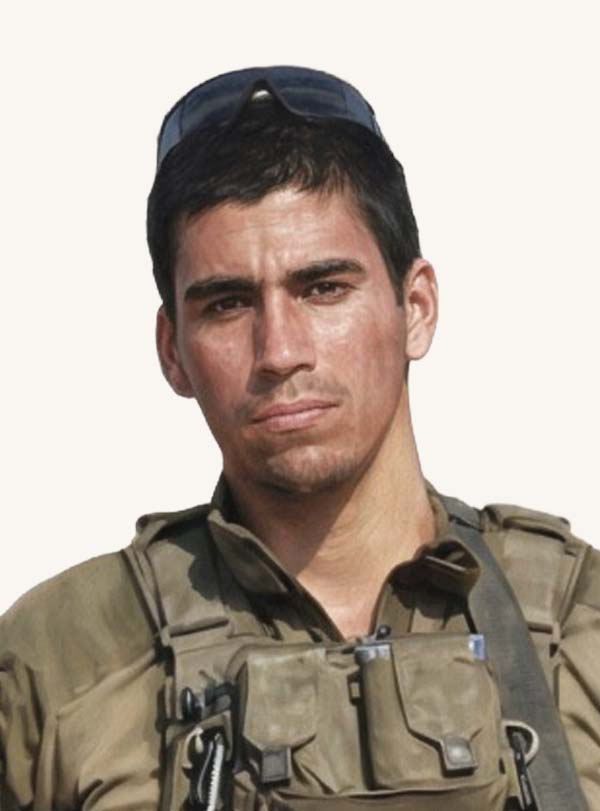
All photographs · 1
In the media
Articles
- Rabbi Amsalem bids farewell to his student killed in Gaza bombing
Israel National News ·
- Quatre des 5 soldats tués lors de l’attaque à Beit Hanoun ont été enterrés
The Times of Israël ·
- The Father Eulogized His Son Who Fell in Gaza: “My Son Walked a Path of Holiness”
ערוץ 7 ·
- The soldier’s mother in a chilling eulogy: “It’s my birthday” — JDN
jdn.co.il ·
- “One Hundred Percent Humility”: Sergeant Moshe Nissim Parash, May God Avenge His Blood
הבית לחייל החרדי
- “The best of the best”: Noam, Moshe and Binyamin, who fell in the Gaza Strip, laid to rest | Walla News
וואלה
Memorial projects
Stickers based on two sayings he used with his friends and commander were produced in his memory.
Stories told about them
According to his mother, when his company was hit, Moshe treated a friend with a tourniquet and took part in the fighting. She says that when he returned home, he downplayed his part despite the messages of praise the family received.
The annual memorial text includes his mother’s account: after surgery and receiving fifteen days of medical leave, Moshe insisted on returning to the company after a few days to ease his comrades’ guard-duty rotation. This is the mother’s account as published, without verification from a medical file.
Life & service
Profile
Service
- Rank
- sergeant
- Unit
- Kfir Brigade
- Honours
- Posthumously Promoted
- Battle Location
- In northern Gaza Strip
Family
- Father
- Serge Yaakov
- Mother
- Audrey Levana Yehudit
Burial
Tributes & remembrance
בן דודו של סמל משה נסים פרש ז"ל שנפל בקרב ברצועת עזה, בריאיון לרן בנימיני ויגאל גואטה, מתוך "בנימיני וגואטה".
Today, we will not be able to celebrate it
Source:jdn.co.il
Read the Hebrew original
היום לא נוכל לחגוג את זה
A pillar of fire
Source:וואלה
Read the Hebrew original
עמוד אש
There were no words to be found
Source:וואלה
Read the Hebrew original
לא נמצאו המילים
He never raised his voice, but his presence spoke volumes. The constant smile on his face uplifted those around him.
Source:Israel National News
Remembrance Day addresses
יום הזיכרון לחללי מערכות ישראל התשפ"ה – 2025
בכל יום שעובר, אזכור יותר! אזכור, את אלו שיצאו עימי לקרב ולא שבו, ולהם אין מי ידמה ומי ישווה. אזכור, שהכאב לא יעבור לעולם, והזמן, הוא לא מרפה ולא מרפא. אזכור, את שיברון הלב הגובר ואת הבית שבוער. אזכור, את צדקת הדרך, ואשבע שוב, שמה שהיה לא יהיה יותר. אזכור, שיותר מכל דבר אחר – אני חסר! ביום הזה, אני נתקף געגוע לדמותם, לחיתוך דיבורם, לחיוכם, ומדליק נר לזיכרון דרכם ומורשתם!
משרד הביטחון
אגף משפחות, הנצחה ומורשת
יום הזיכרון לחללי מערכות ישראל התשפ"ה – 2025
בכאב, בהצדעה ובתקווה אני מתכבד להדליק נר זיכרון זה. השנה, כשאנו נלחמים במלחמה ארוכה, רב זירתית וצודקת, הזיכרון נושא משמעות עמוקה. ביום זה נעצור ונתייחד עם זכרם של טובי בנינו ובנותינו שנפלו בהגנה על המדינה. מורשתם היא המצפן שמתווה את דרכינו, והיא המעניקה לנו כוח להמשיך ולהגן על מדינת ישראל ותושביה. משפחות יקרות, אנו מרכינים ראשנו ומתחייבים שנעמוד לצידכן תמיד. יהי זכר הנופלים ברוך.
אלוף דדו בר כליפא
ראש אגף כוח האדם, צה"ל
יום הזיכרון לחללי מערכות ישראל התשפ"ה – 2025
בשעה שאנו זוכרים את גודל תרומתם ועומק מסירות נפשם של טובי בנינו ובנותינו, נופלי מערכות ישראל לדורותיהן, ממשיכים צה"ל וכוחות הביטחון במימוש המשימה למענה לחמו ועבורה נפלו: הכרעת אויבינו מדרום, מצפון, ביהודה ובשומרון, וגם בזירות רחוקות יותר. בהערכה רבה ובגאווה אדירה אנו מרכינים ראש בפני הנופלים והנופלות, מאמצים את משפחותיהם אל לבנו, וממשיכים במשימה להבטחת קיומה של ישראל לדורי דורות. יחד נעשה ונצליח.
רב אלוף אייל זמיר
הרמטכ"ל, צה"ל
יום הזיכרון לחללי מערכות ישראל התשפ"ד – 2024
כאשר דגלינו מורדים לחצי התורן וראשינו מורכנים לזכר הנופלים והנופלות במערכות ישראל, ממשיכים לוחמי צה"ל ומפקדיו בלחימה בדרום, בצפון, ביהודה ובשומרון ובזירות נוספות. על כל דור מוטלת המשימה של הגנת העם והארץ – משימה שאף פעם אינה פוסקת. נצדיע בגעגוע ובגאווה לנופלים ולנופלות, נחבק את משפחותיהם, ונמשיך ברוח הציווי שהותירו לנו. עם ישראל חי.
רב ניצב יעקב שבתאי
המפקח הכללי, משטרת ישראל
יום הזיכרון לחללי מערכות ישראל התשפ"ד – 2024
אחיי הנופלים, כל נר הוא זיכרון יחיד ומיוחד, על חיים שהיו ואינם, געגוע שנצרב עמוק בלב, עולם ומלואו. הנרות כולם הם זיכרון של אומה כי לעולם לא עוד, בשורת הציונות וקוממיות ישראל. זיכרון כי הדרך לעם חופשי בארצנו עוברת דרך מסדר הנופלים. אור הנר יזכיר לנו את מסירות נפשכם להציל חיים, להגן על הבית. הנרות מסמנים לנו נתיב גבורה ערכי מחייב שאנו מצווים ללכת לאורו. נמשיך להילחם ולהוסיף אור מתוך אמונה בנצח ישראל.
יואב גלנט
שר הביטחון
יום הזיכרון לחללי מערכות ישראל התשפ"ד – 2024
בהצדעה ובכאב, בשם צה"ל כולו, אני מדליק נר זיכרון. בעיצומה של מלחמה, הזכרון נושא משמעות יום-יומית, שעבר והווה מתלכדים בה. לאורם של הנופלים נמשיך לצעוד, חיילי הסדיר והמילואים. לאורם של הנופלים נמשיך להגן על ארצנו ועל מולדתנו, גם כשהמחיר כבד. להבת-הזכרון תבער בנו בעודנו ממשיכים להלחם ונזכור את הנופלים ואת אומץ ליבם. משפחות יקרות, צה"ל מרכין היום ראש, מצדיע לכן וכואב איתכן. יהי זכר הנופלים ברוך.
אלוף יניב עשור
ראש אגף כוח האדם, צה"ל
יום הזיכרון לחללי מערכות ישראל התשפ"ד – 2024
בהוקרה, בגאווה ובכאב שאין לו סוף, אני מתכבד להדליק נר לזכרם של הנופלים והנופלות במערכות ישראל. סיפור חייהם בארץ הזאת, מסכת שירותם, גבורתם והקרבתם – הם סיפורה של הארץ הזאת, אך גם סיפור המחיר הכבד שהיא תובעת מאוהביה. מחויבותנו לזכר הנופלים ולדרך שהותירו לנו ניצבת תמיד לנגד עינינו. את המשימה שלא זכו להשלים, משלימים כיום, וישלימו, אנשי כוחות הביטחון, הממשיכים בדרכם ולאורם. יהי זכרם של הנופלים ברוך.
משרד הביטחון
אגף משפחות, הנצחה ומורשת
יום הזיכרון לחללי מערכות ישראל התשפ"ד – 2024
בחרדת קודש אני מתכבד להדליק נר לזכרם של חללי מערכות ישראל, חברנו שנפלו, מראשית היציאה מהחומות ולאורך כל שנות עצמאותנו המדינית והציונית, מהווים תמרור זיכרון לדרך חיינו ולמחוייבות הלאומית להנצחת זכרם. דרכם נותרה דרכנו ומורשתם נר להמשך עשייתנו. יהי זכרם ברוך!
בני גנץ
שר הביטחון
יום הזיכרון לחללי מערכות ישראל
נזכור אותם, כולנו יחד. כל אחד ואחת מהם, מדי יום ביומו, והיום ביתר שאת, כך – לנצח. "כי מדי דברי בו זכור אזכרנו עוד"
משרד הביטחון
אגף משפחות, הנצחה ומורשת