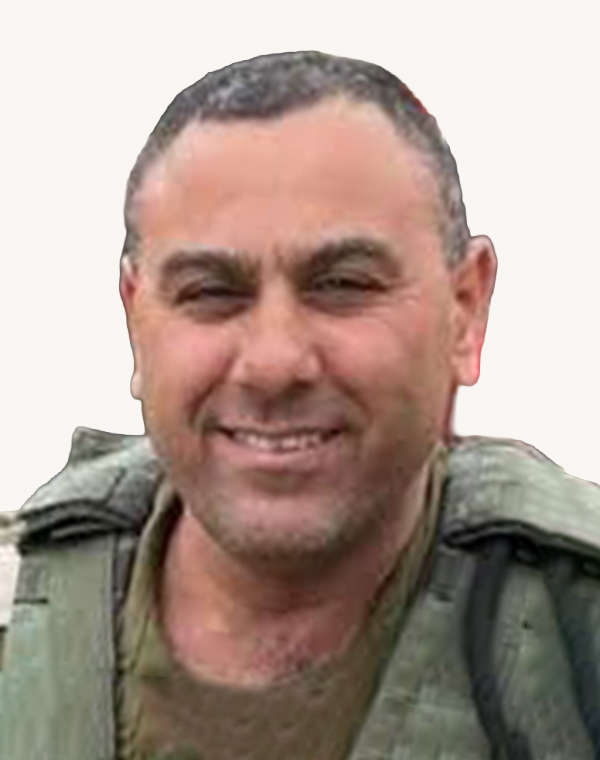
The story
The house in Ibtin, like all the homes that grew on those Galilean hills, knew the sun first and foremost. It poured in through the windows, seeped through cracks in the walls, a constant guest, accompanying the rhythm of life. When the sun was at its peak, a warm embrace enveloped the house, and when it set, it left behind a deep crimson that painted the horizon. In the heart of this home, on the first day of 1979, Mahmoud was born, the seventh child of Lotfia and Suliman Amariya. He entered the world into the sweet commotion of a large and sprawling family, already with five older siblings – Hassan, Nadia, Shadia, Jihad, and Yura – and two more who would follow – Salwa and Suheil, then Mustafa and Intisar, a total of ten children who ran, laughed, cried, learned to share and give, and above all, loved one another, under the devoted gaze of Lotfia and Suliman. Mahmoud was a relatively quiet child, but always with discerning eyes, taking in every small detail around him. He loved to sit in the yard, watching ants march in orderly columns on the dry earth, or observing birds nesting in the bushes surrounding the house. Even then, something special was evident in him, a deep curiosity for the small details of the world, a capacity for observation that few possess.
Mahmoud’s childhood was woven with the scents of damp earth after the first rain, with the sounds of the bleating sheep herd in the nearby valley, and especially with the full, vibrant voices of his family. Morning in the Amariya home would begin even before the sun climbed above the mountains surrounding Ibtin. Sounds of breakfast preparations, whispers of mothers and sisters in the kitchen, the rush of flowing water, and soon – the shouts of children waking one after another. Mahmoud would wake to these sounds, drawn to the kitchen where Lotfia, his mother, was already busy preparing fresh pita bread on the saj, the sweet smell of baked dough filling the space. He would sit on a small stool, watching his mother’s nimble hands, learning the movements, the rhythm. His father, Suliman, was a hardworking man, quiet and strong, who dedicated his entire life to his family and the land. He taught his children the value of hard work, respect for others, and the importance of a cohesive community. Mahmoud would go with him to the nearby fields, watching him plow the earth or tend to the ancient olive trees. Suliman would show him how to identify different types of stones, how to distinguish between animal tracks, and how to read the sky to know when the rain would come. These were not formal lessons, but conversations during work, shared observations, knowledge passed down from generation to generation, and he absorbed every word with thirst.
At the elementary school in Ibtin, Mahmoud was a curious student. He wasn't the brightest in class, but he had a hunger for knowledge, especially concerning nature and the environment. Teachers noticed his unique observational skills, how he was always the first to spot a slight change in the landscape beyond the window, or to understand the flight path of a passing bird. He loved nature excursions, where he could walk for hours, touch plants, smell flowers, and examine every rock and stone. His classmates appreciated his calm demeanor and kind heart. He was always there to help, to listen, and to share what he had. In his free time, the dusty village soccer field was where all the neighborhood children channeled their energy. Mahmoud wasn't the shining star, but he was a determined player, capable of running for long hours, always with a keen eye on the ball's position and the opponent's. There, he learned the importance of cooperation, the need to trust his teammates, and also the pain of defeat and the sweetness of victory.
As he grew older, his passion for a deep connection with the land and nature intensified. He would spend long hours alone or with his older brothers, wandering the hidden paths between the hills, knowing every tree, every bush, every small stream. He learned to identify the different sounds of animals, to distinguish between a cheerful bird's chirp and a warning call, between the rustle of a sneaking snake and the movement of a small mouse. He developed a sixth sense for identifying tracks – the tracks of a fox that crossed the path at night, the tracks of a wild boar searching for food, the tracks of a stranger making their way through the thicket. This was not theoretical knowledge, but knowledge acquired through his feet, through hands soiled with earth, through eyes focused on the horizon. He learned to read the story the land tells – a story of winds that blew, of rains that fell, of lives that moved within it. He understood that the land was not just a place, but an open book for those who knew how to read it. This was a period when the foundations were laid for the special talent that would accompany him throughout his life – the talent of tracking. He would practice it with his brothers, competing to see who could find the best tracks, who could decipher the story behind them. Sometimes he would go out early in the morning, when the dew still covered the grass, and follow the tracks of a rabbit that had escaped the field, until he found its hiding place. This was his way of learning, his way of connecting with the world around him, and his way of finding peace in a noisy world.
When he finished high school, the deliberation about his future wasn't particularly difficult. Mahmoud knew that contributing to the country and community was a supreme value, a value he absorbed from his father and his surroundings. He saw the young men of the village enlisting in the IDF, many of them serving in tracking units, utilizing their natural skills for the security of the state. On April 22, 1999, at the age of twenty, Mahmoud enlisted in the IDF. The transition from the quiet of Ibtin to the hustle of basic training was abrupt, but he adapted quickly. He found his place within the military framework, challenged himself physically and mentally, and demonstrated determination and resilience. He immediately stood out due to his natural abilities. When the selections for the Border Defense Corps came, and for the role of tracker in particular, there was no doubt that this was his calling. In the expanses of the Negev, under a scorching sun, he learned the intricacies of the profession in an organized manner. The instructors, veteran and experienced trackers, recognized in him a special spark, the "eye" that sees what others miss, the "ear" that hears the silence between sounds. He learned to distinguish between the tracks of an armed person and those of a shepherd, between an old shoe print and a fresh one, between the direction of an animal's movement and that of a stranger. Every grain of sand, every broken leaf, every moved stone, told him a story. He developed the ability to walk for long hours, eyes fixed on the ground, deciphering the hidden path invisible to the unarmed eye. He learned that patience is the tracker's virtue, and that humility is the best way to learn. He connected with his commanders and comrades, who shared the same deep understanding of the terrain and the importance of their role.
Upon completing his training, Mahmoud was assigned to the Baram Division (Brigade 300), responsible for the northern border, a complex and sensitive sector where any suspicious movement could ignite a security incident. Here, amidst the thick natural groves, rocky terrain, and dense villages, he found his true calling. Hours upon hours Mahmoud spent on patrols along the border, his eyes scanning the area, checking every corner, every hollow, every mound. He learned this sector like the back of his hand, knew every goat path, every hidden passage, every vantage point. He understood the winds blowing from east and west, the effect of dew on tracks, the changes in the ground with the seasons. He was a steadfast rock, a pillar, for the young forces arriving in the sector. Commanders and soldiers relied on his judgment, his experience, and his extraordinary ability to decipher the undecipherable. He became the "eyes" of the brigade, the man capable of seeing the threat even before it materialized, of identifying the intention even before it translated into action. He would accompany forces on patrols, leading them safely along dangerous paths, teaching them the nuances of the terrain as they moved.
Amidst the routine of patrols and security vigilance, Mahmoud also found his way to Labana, the love of his life. She was a beautiful, intelligent, and warm woman, who came from a respected family in Ibtin. Their first meetings were shy, filled with quiet smiles and bashful glances. Mahmoud, who was accustomed to reading the signs of the earth, found himself trying to decipher the hints of Labana's heart, the sparkle in her eyes when they met by chance on the village street, the broad smile that spread across her face when he spoke to her. He told her about his work, his love for nature, the long hours he spent outdoors. She listened patiently, impressed by the depth with which he saw the world. Soon, their connection deepened, and they decided to build their future together. Their wedding was a joyous and moving event, uniting all family members and the village. The sounds of traditional Arabic music filled the air, the scents of spices permeated the space, and the entire village danced and celebrated in honor of the young couple. The wedding in Ibtin was a celebration of life, of community, and of a promise for the future.
After their marriage, Mahmoud and Labana established their home in Ibtin, not far from Mahmoud's parents' house. Their home quickly became a vibrant center of life. Ziyad, their eldest son, came into the world a few years later, followed by Ghazala, Muhammad, and Ilul, four children who breathed new life into the house, filling it with laughter, tears, and the joy of innocent childhood. Mahmoud was a devoted and loving father. Despite his long working hours and his commitment to the army, he always found time for his children. He would play soccer with them in the yard, teach them to identify the night stars, and tell them stories about the wild animals of the Galilee. He taught them the importance of respecting others, the value of work, and the love for the land. He took them on short trips around the village, showing them how to identify the tracks of a rabbit or a fox, teaching them the names of flowers and trees. "Look closely, children," he would tell them, "the land tells stories to those who are willing to listen." He wanted them to develop the same sensitivity to their surroundings, the same observational ability that so characterized him. Labana was the pillar of the home, managing the household with a strong hand, ensuring every need was met, and providing the children with endless love and a sense of security. She always supported Mahmoud, understood the importance of his work, and lovingly accepted the challenges it presented.
Over the years, Mahmoud advanced through the ranks, reaching the grade of First Sergeant Major. He was not a man who pursued honor or titles, but he did see promotion as recognition of his professionalism and experience. He became a mentor for younger trackers, who came to learn the intricacies of the profession from him. He taught them not only the dry techniques, but also the philosophy of tracking – the need for infinite patience, humility before nature, and the ability to connect with the land on an almost mystical level. "A good tracker," he would tell them, "is not just one who sees tracks. He is one who understands the person behind the tracks, the reason for the movement, the intention. He needs to be a psychologist, a detective, and a poet of the earth, all in one." He would take them into the field, pointing out small details that had escaped their eyes, and patiently explaining their meaning. He would tell them stories from his experience, about solving mysteries that only he had managed to unravel, about successes and also about challenges. He instilled in them a sense of mission, the understanding that their work was not just a profession, but a way of life, and a heavy responsibility for the security of the home.
In the Ibtin community, Mahmoud was a well-known and beloved figure. He was a man of action, always ready to lend a hand and help. On Sabbaths and holidays, his home was open to guests, to brothers and sisters, to cousins and friends. The sweet scent of Arabic coffee would fill the air, and conversations would last for hours, on current affairs, village matters, and shared memories. He was a source of knowledge and experience, and many would come to him for advice on various matters, knowing that they would always receive honest and true counsel. He participated in community events, supported local initiatives, and was involved in village life. Despite being a military man, he made sure to maintain a close connection with his roots, with the tradition and culture of his people. He knew that this was why he served, to protect his home, his community, the way he grew up and lived. He was the bridge between the past and the future, between tradition and modernity, between the quiet of the village and the vigilance of the border.
In the autumn of 2023, when the war broke out in the south, an atmosphere of heightened alert quickly spread to the north. The border with Lebanon, always sensitive, became even more tense. Mahmoud, with his vast experience, was at the forefront of the security effort. He knew that any small movement across the border could become a real threat. He spent even longer hours in the field, with keen eyes, deciphering every sign. His mobile phone became a central tool, with WhatsApp messages flowing non-stop from operations and readiness groups. Labana and his children knew that when Mahmoud went on a mission, it could be for hours or days, and always with some risk. They learned to live with the uncertainty, with the tension, but always with great pride in his contribution. He would try to send a short message, "All is well, don't worry," or call for a few minutes when possible, just to hear their voices and reassure them.
In the months that passed since the outbreak of the war, the situation in the north became increasingly heated. Rocket fire, infiltration attempts, and retaliatory actions became a painful routine. Mahmoud, who was a security pillar, found himself driven by an internal force greater than ever. He knew he had to be there, to protect his family, his village, the entire country. Every patrol, every identification of tracks, every warning, was part of this war for home. He was always the first to show up, the last to leave. His extraordinary experience, combined with his deep familiarity with the terrain, made him an invaluable asset to the security forces. He knew how to read the topography, understand enemy movement, and identify weak points. He led foot patrols on paths only he knew, in complete darkness, under constant threat. He would walk at the head, his eyes fixed on the ground, knowing that young soldiers relied on him to navigate them safely.
That day, Monday, the 15th of Av 5784, August 19, 2024, began like many other days in the War of Revival. The sun rose over the Galilee, heralding a hot day. Mahmoud was in a period of high operational alert, as he had been in recent months. He left home early in the morning, bidding farewell to Labana and the children with a brief hug, promising to send a message when he reached his destination. "Take care of yourselves," he told them, and they replied, "You too, Abba." He got into his military vehicle, driving towards the sector he knew so well. A gut feeling told him that today would be different. Throughout the day, reports came in of suspicious movements across the border, and of the need for a thorough check of several observation points. Mahmoud was called to the mission. He gathered his team, younger trackers, and explained the situation to them, the importance of vigilance. "We are going to a place that requires an especially sharp eye," he told them, his voice calm but resolute. "Every small detail can make the difference."
They entered the area, into the thicket of the grove, between rocky and steep hills. Mahmoud led the way, his eyes scanning every inch of ground, searching for the smallest sign of infiltration or movement. He immediately identified fresh tracks, almost invisible, indicating an unwelcome presence. "There's something here," he whispered to his soldiers, his voice sharp and clear. "They were here not long ago." He continued to advance cautiously, reading the story the earth told, deciphering the direction of movement and the number of people. His heart pounded rapidly, but a quiet calm enveloped him. He knew exactly what he had to do. He led the force into complex terrain, utilizing every natural cover, every change in topography. Suddenly, gunfire erupted. The ambush was well-planned. Bursts of fire were shot from within the thicket, from different directions. Mahmoud, at the head of the force, was the first to react. He shouted to his soldiers to take cover, and at the same time returned fire, covering them. He knew he had to protect them, to ensure their safety. Years of experience, sharp instincts, everything converged into one critical moment. He did not think of himself, only of the mission, of the soldiers behind him, and of the home behind everyone. He identified a critical enemy firing point and concentrated his fire there, trying to neutralize the main threat. Amidst the heavy exchange of fire, with every breath a struggle, and the smell of gunpowder filling the air, he was hit. A fatal, sudden, quiet blow, in the heart of the battle. He fell on the land he so loved, which he had so defended, surrounded by his last tracks.
The bitter news reached Ibtin like a thunderclap. IDF officers arrived at the Amariya family home, and with every word that left their mouths, the ground gave way beneath their feet. Labana, Ziyad, Ghazala, Muhammad, and Ilul, his parents Lotfia and Suliman, his nine brothers and sisters – all were instantly devastated. Mahmoud, the pillar, the beating heart of the family and community, was no more. The entire village mourned. The funeral procession was long and moving; thousands accompanied Mahmoud on his final journey to the civilian cemetery in Ibtin. Cries of weeping and lamentation mingled with eulogies, describing a special man, a man of earth and sky, of quiet and strength. His commanders eulogized him, speaking of his uncompromising professionalism, his courage, and his quiet leadership. They spoke of an irreplaceable tracker, a loyal friend, and a man who was all kindness. By internal decree, in recognition of his immense contribution and his fall in battle, Mahmoud was promoted from First Sergeant Major to Master Sergeant Major. This rank was a testament not only to his seniority, but primarily to his professional standing, his rich experience, and his unwavering dedication.
The void Mahmoud left behind was immense. Labana lost the love of her life, her partner on the journey, the man who was always there to support and embrace. The children lost a father, a guide, a playmate, and a symbol of heroism and courage. His parents lost a beloved son, his brothers and sisters lost a dear brother, and the community in Ibtin lost a pillar, a quiet leader, and a man of action. But alongside the deep pain, a fierce sense of pride also grew. Pride in the way Mahmoud lived, in the values he instilled, and in the courage he displayed until his last moments. He did not fall in vain. He fell defending his home, his family, his country, the principles in which he believed. The story of Mahmoud Amariya, the tracker from Ibtin, is a story of a deep connection to the land, of uncompromising loyalty, and of human, everyday, quiet heroism that erupts from the harsh reality of life. He was a hero not because of lofty words, but because of his actions, because of the truth in which he lived and operated. His memory will continue to live in the hearts of all who knew him, in the stories that will be told to the children to come, and in the unforgettable tracks he etched into the earth and soul of this land, the Galilean earth he so loved. His legacy is a legacy of revival, of standing firm in the face of challenges, and of an unwavering belief in the power of the human spirit to defend and build, even out of great pain. He remains there, part of the earth, forever.
Moments of a life
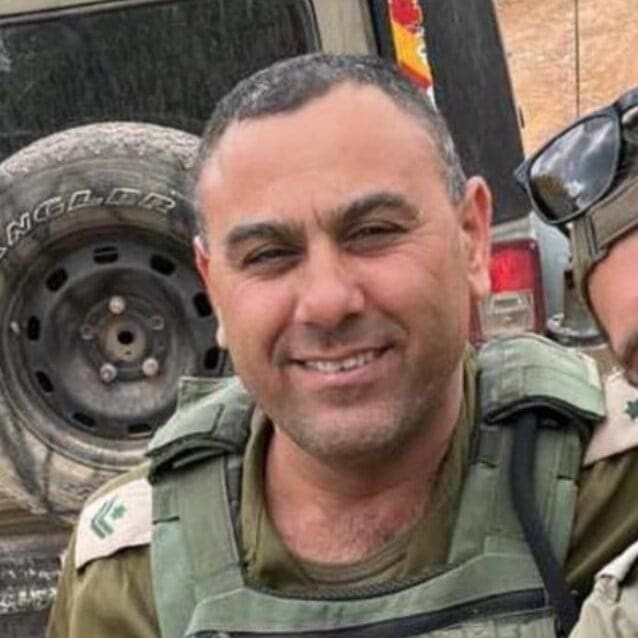
All photographs · 1
In the media
Articles
- قُتل الجيش الملكي النيبالي محمود عمارية بضربة طائرة بدون طيار • "ليس هناك الكثير من الناس مثل هذا"
חי פה — Arabic edition ·
- "His IDF service was meaningful to him": tracker Mahmoud Amariya was killed by a drone strike
וואלה ·
- Cleared for publication: Chief Warrant Officer Mahmoud Amariya, of blessed memory, fell in the drone strike in the Yaara area
כיפה ·
- IDF soldier killed in Hezbollah drone attack on Western Galilee
The Times of Israel ·
Videos
Podcasts
Memorial sites
- Yizkor — Chief Warrant Officer Mahmoud Amariya
משרד הביטחון - יזכור
- Commemoration
קידום — העמותה לקידום חיילים בדואים
Stories told about them
Mahmoud served in the career army for more than two decades and moved from the Gaza Division to the Baram Brigade about a year before his fall. His relative said he devoted his free time to the children and took them to enrichment classes and horseback riding.
Life & service
Service
- Rank
- Chief warrant officer
- Honours
- Posthumously Promoted
- Battle Location
- In the North
Family
- Father
- Suliman
- Mother
- Lotfiya
Burial
Cemetery
Ibtin
Tributes & remembrance
In general, the children's upbringing was very important to him, and he always devoted his free time to his family and children.
Source:וואלה
Read the Hebrew original
בכלל, החינוך של הילדים היה מאד חשוב עבורו, ואת זמנו הפנוי תמיד השקיע במשפחה ובילדים.
He is a man of strong values from a family of strong values that lives near our community
Source:וואלה
Read the Hebrew original
מדובר באדם ערכי ממשפחה ערכית שמתגוררת בשכנות לישוב שלנו
Amariya was known as a highly capable fighter who always stood by his comrades in arms and defended them at any cost.
Source:קידום — העמותה לקידום חיילים בדואים
Read the Hebrew original
עמרייה היה ידוע כאדם בעל כושר לחימה גבוה, שתמיד עמד לצד חבריו לנשק והגן עליהם בכל מחיר.
Remembrance Day addresses
יום הזיכרון לחללי מערכות ישראל התשפ"ה – 2025
בכל יום שעובר, אזכור יותר! אזכור, את אלו שיצאו עימי לקרב ולא שבו, ולהם אין מי ידמה ומי ישווה. אזכור, שהכאב לא יעבור לעולם, והזמן, הוא לא מרפה ולא מרפא. אזכור, את שיברון הלב הגובר ואת הבית שבוער. אזכור, את צדקת הדרך, ואשבע שוב, שמה שהיה לא יהיה יותר. אזכור, שיותר מכל דבר אחר – אני חסר! ביום הזה, אני נתקף געגוע לדמותם, לחיתוך דיבורם, לחיוכם, ומדליק נר לזיכרון דרכם ומורשתם!
משרד הביטחון
אגף משפחות, הנצחה ומורשת
יום הזיכרון לחללי מערכות ישראל התשפ"ה – 2025
בכאב, בהצדעה ובתקווה אני מתכבד להדליק נר זיכרון זה. השנה, כשאנו נלחמים במלחמה ארוכה, רב זירתית וצודקת, הזיכרון נושא משמעות עמוקה. ביום זה נעצור ונתייחד עם זכרם של טובי בנינו ובנותינו שנפלו בהגנה על המדינה. מורשתם היא המצפן שמתווה את דרכינו, והיא המעניקה לנו כוח להמשיך ולהגן על מדינת ישראל ותושביה. משפחות יקרות, אנו מרכינים ראשנו ומתחייבים שנעמוד לצידכן תמיד. יהי זכר הנופלים ברוך.
אלוף דדו בר כליפא
ראש אגף כוח האדם, צה"ל
יום הזיכרון לחללי מערכות ישראל התשפ"ה – 2025
בשעה שאנו זוכרים את גודל תרומתם ועומק מסירות נפשם של טובי בנינו ובנותינו, נופלי מערכות ישראל לדורותיהן, ממשיכים צה"ל וכוחות הביטחון במימוש המשימה למענה לחמו ועבורה נפלו: הכרעת אויבינו מדרום, מצפון, ביהודה ובשומרון, וגם בזירות רחוקות יותר. בהערכה רבה ובגאווה אדירה אנו מרכינים ראש בפני הנופלים והנופלות, מאמצים את משפחותיהם אל לבנו, וממשיכים במשימה להבטחת קיומה של ישראל לדורי דורות. יחד נעשה ונצליח.
רב אלוף אייל זמיר
הרמטכ"ל, צה"ל
יום הזיכרון לחללי מערכות ישראל התשפ"ד – 2024
כאשר דגלינו מורדים לחצי התורן וראשינו מורכנים לזכר הנופלים והנופלות במערכות ישראל, ממשיכים לוחמי צה"ל ומפקדיו בלחימה בדרום, בצפון, ביהודה ובשומרון ובזירות נוספות. על כל דור מוטלת המשימה של הגנת העם והארץ – משימה שאף פעם אינה פוסקת. נצדיע בגעגוע ובגאווה לנופלים ולנופלות, נחבק את משפחותיהם, ונמשיך ברוח הציווי שהותירו לנו. עם ישראל חי.
רב ניצב יעקב שבתאי
המפקח הכללי, משטרת ישראל
יום הזיכרון לחללי מערכות ישראל התשפ"ד – 2024
אחיי הנופלים, כל נר הוא זיכרון יחיד ומיוחד, על חיים שהיו ואינם, געגוע שנצרב עמוק בלב, עולם ומלואו. הנרות כולם הם זיכרון של אומה כי לעולם לא עוד, בשורת הציונות וקוממיות ישראל. זיכרון כי הדרך לעם חופשי בארצנו עוברת דרך מסדר הנופלים. אור הנר יזכיר לנו את מסירות נפשכם להציל חיים, להגן על הבית. הנרות מסמנים לנו נתיב גבורה ערכי מחייב שאנו מצווים ללכת לאורו. נמשיך להילחם ולהוסיף אור מתוך אמונה בנצח ישראל.
יואב גלנט
שר הביטחון
יום הזיכרון לחללי מערכות ישראל התשפ"ד – 2024
בהצדעה ובכאב, בשם צה"ל כולו, אני מדליק נר זיכרון. בעיצומה של מלחמה, הזכרון נושא משמעות יום-יומית, שעבר והווה מתלכדים בה. לאורם של הנופלים נמשיך לצעוד, חיילי הסדיר והמילואים. לאורם של הנופלים נמשיך להגן על ארצנו ועל מולדתנו, גם כשהמחיר כבד. להבת-הזכרון תבער בנו בעודנו ממשיכים להלחם ונזכור את הנופלים ואת אומץ ליבם. משפחות יקרות, צה"ל מרכין היום ראש, מצדיע לכן וכואב איתכן. יהי זכר הנופלים ברוך.
אלוף יניב עשור
ראש אגף כוח האדם, צה"ל
יום הזיכרון לחללי מערכות ישראל התשפ"ד – 2024
בהוקרה, בגאווה ובכאב שאין לו סוף, אני מתכבד להדליק נר לזכרם של הנופלים והנופלות במערכות ישראל. סיפור חייהם בארץ הזאת, מסכת שירותם, גבורתם והקרבתם – הם סיפורה של הארץ הזאת, אך גם סיפור המחיר הכבד שהיא תובעת מאוהביה. מחויבותנו לזכר הנופלים ולדרך שהותירו לנו ניצבת תמיד לנגד עינינו. את המשימה שלא זכו להשלים, משלימים כיום, וישלימו, אנשי כוחות הביטחון, הממשיכים בדרכם ולאורם. יהי זכרם של הנופלים ברוך.
משרד הביטחון
אגף משפחות, הנצחה ומורשת
יום הזיכרון לחללי מערכות ישראל התשפ"ד – 2024
בחרדת קודש אני מתכבד להדליק נר לזכרם של חללי מערכות ישראל, חברנו שנפלו, מראשית היציאה מהחומות ולאורך כל שנות עצמאותנו המדינית והציונית, מהווים תמרור זיכרון לדרך חיינו ולמחוייבות הלאומית להנצחת זכרם. דרכם נותרה דרכנו ומורשתם נר להמשך עשייתנו. יהי זכרם ברוך!
בני גנץ
שר הביטחון
יום הזיכרון לחללי מערכות ישראל
נזכור אותם, כולנו יחד. כל אחד ואחת מהם, מדי יום ביומו, והיום ביתר שאת, כך – לנצח. "כי מדי דברי בו זכור אזכרנו עוד"
משרד הביטחון
אגף משפחות, הנצחה ומורשת