
The story
In the scorching summer morning of 1962, amidst the vibrant pulse of Buenos Aires, where the honking of car horns mingled with the aroma of fresh coffee wafting from cafes along its wide avenues, Lior was born to Eugenia and Giora Rudaeff. Their home was a haven of warmth within a deeply rooted Jewish community, steeped in traditions brought from distant Europe and surrounded by the lively Argentinian culture. Young Lior grew up in a world of contrasts—on one hand, the strictness of a foreign language held onto by previous generations, and on the other, rhythmic Latin poetry, vivid colors, and strong flavors. He was the eldest, followed by Idit and Doron, and together they formed the beating heart of the Rudaeff family, where every dinner was a small celebration and every conversation an opportunity to share thoughts and dreams. His father, Giora, was a thoughtful and serious man of work, while his mother, Eugenia, brought boundless tenderness and love to the home, always ensuring Lior and his siblings felt safe and cherished. Lior, as a child, was naturally curious, with bright blue eyes that explored the world around him attentively, and a big, generous smile that already hinted at the man he would become. He loved to run through the city streets, playing soccer with his neighborhood friends, feeling the power of his legs and the mischievous wind in his hair. At home, he listened intently to the stories his grandparents told of a distant land, of pioneers and dreams, tales that perhaps unknowingly sowed in him the first seeds of longing for a place he had never known.
When Lior was seven, the family made a momentous decision: to immigrate to Israel. It was not an easy choice, but it stemmed from a deep sense of belonging and mission, a desire to build a new life in the young country. Lior remembered the great excitement of the journey, the farewells to his grandparents, the scent of new suitcases, and the ship's horn as it left the harbor. He departed Buenos Aires and his childhood friends, the makeshift field where he played soccer every day after school, the familiar corner in the square where he used to eat ice cream with his siblings, and plunged into the unknown. Landing in Israel was like a jump into cold yet exhilarating water. They arrived directly at Kibbutz Nir Yitzhak, a small, modest settlement in the Gaza envelope, surrounded by green and yellow fields, a quiet tranquility that replaced the bustle of the big city. For a seven-year-old, the transition was dramatic. From the bustling streets and tall buildings of Buenos Aires, he suddenly found himself in the heart of a semi-desert landscape, under a scorching sun, with an entirely new language to learn. He remembered the intoxicating scent of orange groves in the morning, the dust rising from the kibbutz paths as tractors passed, and the unfamiliar calls of birds that woke him at dawn. The kibbutz, with its low white houses, central dining hall, and wide lawns, quickly became his new home. He learned Hebrew with surprising speed, as children absorb a new language, through games with the kibbutz children, through songs and stories in kindergarten. He discovered the joy of climbing ancient pecan trees, the thrill of walking barefoot on the dewy grass in the morning, and the freedom of movement in the open spaces. He was a curious child, and the kibbutz provided him with endless stimuli: watching the cows in the dairy, following the chickens in the coop, and riding on the tractor with one of the older members who would let him hold the handlebars for a few moments. He absorbed the kibbutz values—hard work, mutual aid, equality, and community—and they shaped his developing personality. He learned what giving meant, not just in theory, but as a way of life, seeing his parents and all the kibbutz members invest their time and energy for the common good.
Lior’s teenage years in Nir Yitzhak were a period of flourishing and growth. He grew into a robust, tall young man, with a captivating smile and those bright blue eyes that always radiated warmth and directness. His Argentinian appearance, with sharp facial features and dark hair, gave him a distinct "macho" aura, but beneath the exterior lay a broad and loving heart. He was a man of action, one who could not sit idly by when there was something to be done. Whether it was helping a friend with homework, picking fruit in the kibbutz fields under the blazing sun, or fixing a small malfunction in a machine in the garage, Lior was always the first to lend a hand. His friends remembered him as someone who always knew how to find a solution, always knew how to calm and make people laugh, and was always there for them. He loved the land, the physical work. From a young age, he found deep satisfaction in the contact with the moist kibbutz earth at six in the morning, when the air was still cool and the rumble of the tractor engine was the only sound breaking the silence. He learned to know the cycles of nature, the seasons, the changing smells of the fields—the scent of fertilizer in spring, the smell of harvest in summer. The feeling of satisfaction after a long day’s work in the sun, his body tired but his spirit uplifted, was an inseparable part of his identity. He didn't speak much of "love of the land" in grand words, but lived it every day, with every plow that turned the soil, every tree he planted, every crop he harvested. He was deeply connected to the kibbutz routine, to the tasks assigned to him, to the communal life.
One of the great hobbies Lior developed in his youth and carried with him throughout his life was cycling. It wasn't just riding for sport; it was a way of life, a meditation in motion. He loved the feeling of freedom that came with riding, the wind caressing his face, the sensation of his legs' power propelling him forward. He would ride for long hours, traversing the dirt paths of the kibbutz, circling the fields, climbing small, desert hills. He knew every path, every corner, every solitary tree in the area. Sometimes he would ride alone, clearing his thoughts, connecting to his inner quiet and the mesmerizing desert landscape that surrounded him. Sometimes he would ride with friends, laughing and talking, feeling the camaraderie of the ride. The bicycle was for him a means to escape the everyday, to connect with himself and nature, to feel the pulse of the land where he had chosen to live. He would return home with a tanned face, tired but happy, with stories of landscapes he had discovered and insights he had gained along the way.
The great love of his life arrived in the form of Yaffa. She was a beautiful, smiling woman with a deep soul, who met Lior in the kibbutz surroundings. Their connection blossomed quickly, built on shared values, mutual smiles, and quiet understanding. They were a couple who radiated warmth and love, both deeply rooted in the community and the land. Lior, with his big smile and honest blue eyes, captured Yaffa's heart, and she found in him the perfect life partner. They married in a modest but moving ceremony, surrounded by friends and family, and established their home in Nir Yitzhak, the kibbutz that had been Lior's home since his immigration. For 38 years, they lived together, building a shared life, supporting each other through difficult moments and celebrating the beautiful ones. Their home was always open, filled with light, laughter, and the aromas of home cooking. Lior was a family man through and through. He was a father to four children—Noam, Nadav, Bar, and Ben—and poured his soul into each of them. He taught them the value of hard work, the importance of giving, and the love for the land and community. He was a present, involved father, always there to listen, advise, hug, and laugh. He didn't spare them constructive criticism, but always wrapped it in infinite love. The children remembered him as a strong yet gentle figure, a role model, someone who always encouraged them to follow the right path and strive for excellence.
Over the years, their family expanded with three beloved grandchildren: Tomer, Dagan, and Shay. Lior found immense happiness in his role as a grandfather. He loved their tiny hugs, their rolling laughter, the curiosity in their eyes. He would take them on trips to the fields, teach them to identify flowers and birds, and tell them stories about the kibbutz and life. He would play with them for hours in the yard, building sandcastles, riding small bicycles with them, always with that big smile on his face. His presence was an anchor of stability and love in family life, a pillar that supported every member of the household, from the youngest to the oldest. He knew how to create an atmosphere of warmth and security, where everyone felt loved and protected. At Friday night dinners, when the table was set and laden with good food, and all the family gathered together, Lior would sit at the head of the table, radiating his tranquility and joy for life, listening to everyone's stories from the week, and occasionally sharing anecdotes of his own, always with a small smile and a mischievous glint in his eyes. He was the beating heart of the home, the center around which life revolved.
Beyond his immediate family, Lior was a man of the community in every sense of the word. He believed in the importance of giving and volunteering, seeing them as supreme values. For forty years, he volunteered as an ambulance driver for the Eshkol Regional Council. This was an enormous commitment that required him to be available at all times, day and night, on holidays and Sabbaths. He remembered countless call-outs in the middle of the night, the need to jump urgently from bed and be ready within minutes, the emergency driving on dark, empty roads, with the siren wailing and every second critical. He saw everything: severe road accidents, sudden births, heart attacks, traumatic events. He was there to provide first aid, to calm, to support, and to offer a shoulder to lean on. He sought no fame or recognition; his satisfaction came from the very ability to help, to save lives, to alleviate pain. He met human distress face-to-face, extending his hand with endless compassion. He encountered people from all corners of the region, Jews and Bedouins, young and old, and always treated everyone with respect and professionalism, regardless of religion, race, or gender. He was quiet in his volunteering, not boastful, simply doing what needed to be done, because that was how he was raised and what he believed. His MDA colleagues in Eshkol spoke of him as always being the first to arrive, the last to leave, and the one who always knew how to instill hope even in the most difficult situations. He was a pillar, an anchor of calm and security amidst the storm of emergencies.
Concurrently with his volunteering for MDA, Lior was also an active member of Kibbutz Nir Yitzhak's standby squad, and even served as the deputy security coordinator (RABSHATZ) for the settlement. This role, like his ambulance driving, stemmed from a deep sense of responsibility towards his home and community. He believed that security was a fundamental cornerstone of kibbutz life, especially in a sensitive area like the Gaza envelope. He invested many hours in training, drills, and a deep familiarity with the kibbutz's defense systems. He was a professional, meticulous man who left no detail to chance. He knew every path, every fence, every vantage point. He was alert to every change, every suspicious movement. He understood the critical moments and the importance of a swift and decisive response. In his role as deputy RABSHATZ, he was an integral part of the kibbutz's small security team, responsible for coordination and readiness. He would conduct training for the standby squad members, ensure equipment was in good order, and verify that everyone was aligned and understood the importance of their role. He was not a man of superfluous words, but a man of action. When he needed to attend a late-night training after an exhausting workday, he was there. When he needed to check the fence or monitor what was happening at the border, he was there. Always with the same dedication, the same seriousness, and the same deep sense of mission. He was the moral compass of security in the kibbutz, the man one could trust implicitly. He knew that sometimes, silence itself was the most dangerous, and that constant vigilance was the key to maintaining peace at home. He saw himself as a human wall protecting his family, his neighbors, and everyone living in Nir Yitzhak.
The Black Shabbat, the 22nd of Tishrei 5784, October 7th, 2023, began like other Sabbaths in Nir Yitzhak—with relative quiet, in anticipation of a day of rest and family. The sun had begun to rise over the kibbutz fields, casting orange and golden hues on the trees and houses. Lior and Yaffa, like many others, awoke to the sound of sirens that began wailing around 6:30 in the morning. This was not an unusual alarm; residents of the Gaza envelope were accustomed to these sounds, which sometimes accompanied them in the middle of the night. But this time, something was different. The sirens did not stop, and they were accompanied by gunfire, distant at first, and then closer, sharp and clear, shattering the morning's tranquility. Lior, the experienced security man, knew immediately that something far more serious was unfolding. He didn't think twice. Lior was 61, not a young man, but his body was strong and his spirit resilient. He was the deputy RABSHATZ, and therefore his commitment was clear and immediate. While Yaffa tried to grasp the magnitude of the danger, Lior had already begun to prepare. He put on his uniform, strapped on his gear, grabbed his weapon. "I'm going out, Yaffa," he told her in a quiet but determined voice, without betraying the depth of worry that gripped him. "I have to go see what's happening at the gate." Yaffa looked at him with profound concern, but knew there was no point in trying to stop him. This was his way, this was his essence. He was a man of action, a man of defense.
He left his home into the escalating chaos. The sounds of gunfire intensified, shouts were heard from afar, and smoke began to rise from various parts of the kibbutz. He hurried to the assembly point of the standby squad, where several other members had already gathered, all with the same determined look in their eyes. They quickly understood that they were facing an invasion of unprecedented scale. Dozens of terrorists, some on motorcycles, some on foot, had breached the kibbutz fence and were attacking from all sides. Lior and his friends, a small handful of armed civilians, spread out near the kibbutz gate, at strategic points, with the aim of blocking the flow of terrorists and protecting their homes and families. The battle that ensued was bloody, incomprehensible in its intensity and cruelty. Lior, with his vast experience, led his friends, giving instructions, urging everyone to keep calm, to shoot accurately. He fired at the terrorists, trying to block them, to prevent them from advancing into the kibbutz homes. The smell of gunpowder filled the air, the sounds of explosions and gunfire were deafening. He felt the adrenaline coursing through his veins, the fear, but also the fierce determination to protect everything dear to him. He saw his friends fighting with immense courage, face-to-face with pure evil. They succeeded in blocking many terrorists, preventing them from reaching the center of the kibbutz, buying precious time for the other residents who were confined in their safe rooms.
The battle raged for long, incessant hours, under heavy fire. Lior and his comrades fought with supreme bravery, well aware that they were the last barrier between the terrorists and their families. They were exhausted, wounded, but they did not give up. In the heat of the battle, under infernal fire, Lior was hit. He fell, and amidst the absolute chaos and incomprehensible violence, terrorists dragged his body along with the body of Tal Haimi, of blessed memory, another member of the standby squad, into the Gaza Strip. These moments were moments of pure terror, of utter helplessness in the face of evil. Lior, the hero who had volunteered his entire life for others, the man who loved his family and his kibbutz above all else, fell defending his home. He was brutally murdered, and his body was abducted, an act that added indescribable pain to his family and the entire community. The news of his fall, and that his body had been taken captive, struck Nir Yitzhak like a bolt from the blue. Yaffa, his children, and grandchildren entered a whirlwind of pain, uncertainty, and agonizing anticipation. They did not know his fate, whether he was alive or dead, where he was. Every day that passed was an eternity, every piece of information, true or false, was like a turning sword. They fought for his name, for his memory, and for the right to bring him home. They joined the families of the abductees, their voices heard in the squares, demanding his return, the closure of the circle.
After long months of heartbreaking waiting, of prayers and an incessant public struggle, the bitter-sweet news arrived. The body of Lior Rudaeff, of blessed memory, was returned to Israel, alongside the body of Tal Haimi, of blessed memory. The heroic and brave man, who returned from captivity to eternal rest, had finally come home. The announcement of his return, despite the immense pain of loss, brought with it a certain sense of relief, the possibility of holding a proper funeral for him, of honoring his memory. Lior was posthumously promoted from Staff Sergeant Major (Res.) to Master Sergeant Major (Res.) in recognition of his bravery and dedication. He fell at the age of sixty-one, leaving behind his wife Yaffa, his four beloved children—Noam, Nadav, Bar, and Ben—his three young grandchildren—Tomer, Dagan, and Shay—his father Giora, and his two siblings, Idit and Doron. He left an immense void, not only in his family and his kibbutz, but in the hearts of all who knew him.
Lior's funeral was both a moving and sorrowful event, a testament to his eventful life and the legacy he left behind. Thousands came to accompany him on his final journey: friends, family, kibbutz members, his colleagues from MDA and the standby squad, and many others who had heard his story of heroism. The fields he so loved and defended bore witness to the painful farewell. Tears flowed freely, but a deep sense of pride also mingled in the air. Pride in the man he was, in his actions, in his courage, in his endless giving. In Kibbutz Nir Yitzhak, which experienced trauma unlike any other, the memory of Lior Rudaeff, of blessed memory, became a symbol. A symbol of civilian heroism, of dedication to community, of a simple and pure love for the land—one expressed through hands in the soil, through driving an ambulance in the middle of the night, through standing firm against an enemy at the gates of home. He was a steadfast pillar, a man of action, a man of people.
Lior Rudaeff, of blessed memory, was the modern hero, whose heroism did not stem from mythological tales, but from everyday reality, from the consistent choice to protect, to give, to love. He did not seek honor, but simply did what he believed was right. His legacy is not merely the memory of a man who lost his life in battle, but also the story of a person who lived a full and meaningful life, who planted deep roots in the earth and in hearts, and who left behind a clear path of love, giving, and responsibility. He was an integral part of the story of Nir Yitzhak's revival, and of the entire State of Israel. His name will continue to echo in the halls of the kibbutz, in the stories told to children and grandchildren, in the warm memories of his friends. He was and remains a symbol of the Israeli spirit—strong, determined, and big-hearted. May his memory be blessed.
Moments of a life
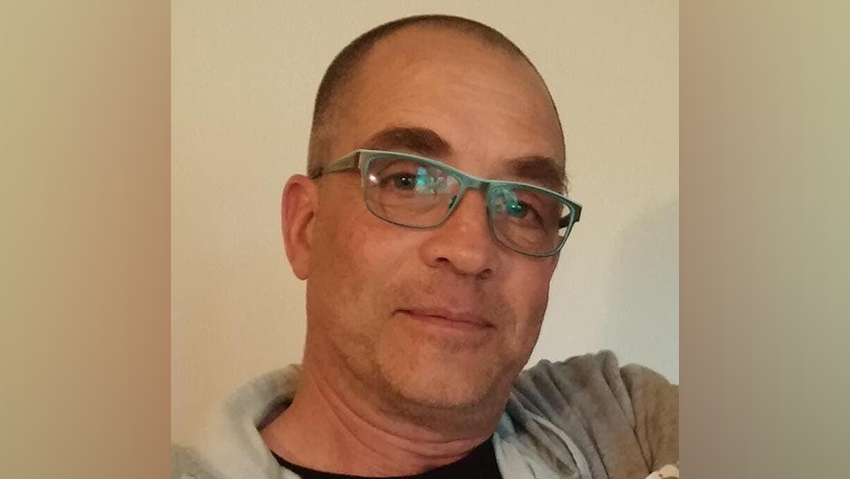
All photographs · 1
In the media
Articles
- “I'm sorry we didn't say goodbye”: Lior's widow's heartbreaking eulogy, and the news — “You have a new granddaughter”
ynet ·
- We fought for you, Dad
The Times of Israel ·
- Lior Rudaeff, 61: Kibbutz mechanic expert and volunteer medic
The Times of Israel ·
- Two Years Since October 7
קבוצת אשטרום ·
- Proyecto de declaración — Lior Rudaeff
Legislatura de la Ciudad Autónoma de Buenos Aires ·
- Quién era Lior Rudaeff, el rehén argentino asesinado por Hamás
Agencia Noticias Argentinas ·
Podcasts
- The story of Master Warrant Officer (res.) Lior Rudaeff, returned for burial
גלי צה״ל / Omny
- The story of Nadav Rudaeff, son of hostage Lior Rudaeff
לחזור הביתה / All•in / מטה משפחות החטופים
Memorial sites
- Lior Rudaeff R.I.P.
מד״א
- Lior Rudaeff — memorial page
כאן 7.10.360
Memorial projects
An ambulance bearing his name took part in the funeral procession, according to ynet.
Ashtrom Group held a ceremony and a lecture by Noam Rudaeff Katz about her father and his dedication to the community.
The family held a blood drive with MDA in July to mark his birthday.
Stories told about them
According to The Times of Israel, Lior started working in the kibbutz garage at age 12 and taught young people to operate a tractor and forklift. His son Ben was at Nova and survived.
Life & service
Profile
- Date of birth
- July 19, 1962
- Birthplace
- Nir Yitzhak
- Date of death
- October 7, 2023
- Age
- 61
- Hometown
- Nir Yitzhak
Service
- Rank
- Warrant officer (Res.)
- Service Type
- Reserve Forces
- MDA service
- Volunteer EMT and ambulance driver
- Honours
- Posthumously Promoted
Family
- Father
- Giora
- Mother
- Eugenia
Burial
Cemetery
Nir Yitzhak
Tributes & remembrance
תודה לך , ליאור היקר ,על אומץ ליבך ועל הקרבתך היקרה והנוראה מכל בהגינך בעוז ובגבורה על חבריך,על אדמתנו ועל כולנו. תנחומים מלב כואב לכל יקיריך. נוח בשלום על משכבך בין רכבי האדמה עליה נלחמת. יהא זכרך ברוך, גיבור ישראל!
נלחמנו עלייך בכיכר החטופים עם בתך ושאר בני משפחה ועכשיו הגיע תורך לנוח. יהי זיכרך ברוך.
תודה לך , ליאור היקר ,
על הגנתך באומץ ובנחישות על חבריך.
כמה נוראה הקרבתך היקרה מכל.
תנחומים מלב כואב לכל אהוביך ,
בתפילה להשבתך לאדמתך.
יהא זכרך ברוך,גיבור ישראל
מלח הארץ. יהי זכרו ברוך
ליאור יקר. קהילת ניר יצחק עזבה מזמן את אילת אך תמונתך ודמותך תמיד קרובות לליבנו.
יהא זכרך ברוך
ליאור יקר זכרך ברוך איש יקר חבר טוב איש משפחה אהוב אוהב מסור מוכן לעזור בכל עת בעל חוש הומורמקצוען אמיתי ואיש עבודה מתנדב במסירות אורך מאיר ויאיר את אוהביך יקירך
שולחת חיבוק מנחם
למשפחה היקרה ולחברים.
יהי זכרו ברוךנ
ליאור היקר, נפלת בגבורה כשעמדת כחומה בצורה להגן על ניר יצחק הבית, המשפחה, הערכים. גם מבלי שהכרתי אותך, אני מרכין ראש בהערכה עצומה על רוח הלחימה.
מתפללת כל יום להחזרת גופתך לגבורה
נפלת בהגנה על הקיבוץ ניר יצחק. שזכרך ישאר לנצח
איש אהוב ויקר שלי, זוכרת כל יום כל רגע כל דקה
Where are there more people like this man
Source:כאן 7.10.360
Read the Hebrew original
איפה ישנם עוד אנשים כמו האיש הזה
Now you can rest on the land you loved.
Source:כאן 7.10.360
Read the Hebrew original
עכשיו תוכל לנוח על האדמה שאהבת.
The half of our whole, the glue that holds our family together, thank you for 41 years together, through good and bad.
Source:ynet
Read the Hebrew original
החצי של השלם שלנו, הדבק של המשפחה שלנו, תודה על 41 שנים של יחד, בטוב וברע.
You taught us to laugh at everything even when it hurts, that it heals the soul.
Source:ynet
Read the Hebrew original
לימדת אותנו לצחוק על הכול גם כשכואב, שזה מרפא את הנפש.
You were my safe place for 23 years
Source:ynet
Read the Hebrew original
אתה היית המקום הבטוח שלי 23 שנים
A volunteer, a neighbour and a true friend
Source:ynet
Read the Hebrew original
מתנדב, שכן וחבר אמיתי
We will never forget you.
Source:כאן 7.10.360
Read the Hebrew original
לא נשכח אותך לעולם.
The kibbutz’s legendary ambulance driver
Source:כאן 7.10.360
Read the Hebrew original
נהג האמבולנס האגדי של הקיבוץ
We miss your energy, we miss the family gatherings, because nothing is the same without you.
Source:Agencia Noticias Argentinas
Alongside the endless sadness, we as a family choose to carry on his path.
Source:מועצה אזורית אשכול
Read the Hebrew original
לצד העצב הבלתי נגמר, אנחנו כמשפחה בוחרים להמשיך את דרכו.
We fought for you, Dad
Source:The Times of Israel
Remembrance Day addresses
יום הזיכרון לחללי מערכות ישראל התשפ"ה – 2025
בכל יום שעובר, אזכור יותר! אזכור, את אלו שיצאו עימי לקרב ולא שבו, ולהם אין מי ידמה ומי ישווה. אזכור, שהכאב לא יעבור לעולם, והזמן, הוא לא מרפה ולא מרפא. אזכור, את שיברון הלב הגובר ואת הבית שבוער. אזכור, את צדקת הדרך, ואשבע שוב, שמה שהיה לא יהיה יותר. אזכור, שיותר מכל דבר אחר – אני חסר! ביום הזה, אני נתקף געגוע לדמותם, לחיתוך דיבורם, לחיוכם, ומדליק נר לזיכרון דרכם ומורשתם!
משרד הביטחון
אגף משפחות, הנצחה ומורשת
יום הזיכרון לחללי מערכות ישראל התשפ"ה – 2025
בכאב, בהצדעה ובתקווה אני מתכבד להדליק נר זיכרון זה. השנה, כשאנו נלחמים במלחמה ארוכה, רב זירתית וצודקת, הזיכרון נושא משמעות עמוקה. ביום זה נעצור ונתייחד עם זכרם של טובי בנינו ובנותינו שנפלו בהגנה על המדינה. מורשתם היא המצפן שמתווה את דרכינו, והיא המעניקה לנו כוח להמשיך ולהגן על מדינת ישראל ותושביה. משפחות יקרות, אנו מרכינים ראשנו ומתחייבים שנעמוד לצידכן תמיד. יהי זכר הנופלים ברוך.
אלוף דדו בר כליפא
ראש אגף כוח האדם, צה"ל
יום הזיכרון לחללי מערכות ישראל התשפ"ה – 2025
בשעה שאנו זוכרים את גודל תרומתם ועומק מסירות נפשם של טובי בנינו ובנותינו, נופלי מערכות ישראל לדורותיהן, ממשיכים צה"ל וכוחות הביטחון במימוש המשימה למענה לחמו ועבורה נפלו: הכרעת אויבינו מדרום, מצפון, ביהודה ובשומרון, וגם בזירות רחוקות יותר. בהערכה רבה ובגאווה אדירה אנו מרכינים ראש בפני הנופלים והנופלות, מאמצים את משפחותיהם אל לבנו, וממשיכים במשימה להבטחת קיומה של ישראל לדורי דורות. יחד נעשה ונצליח.
רב אלוף אייל זמיר
הרמטכ"ל, צה"ל
יום הזיכרון לחללי מערכות ישראל התשפ"ד – 2024
כאשר דגלינו מורדים לחצי התורן וראשינו מורכנים לזכר הנופלים והנופלות במערכות ישראל, ממשיכים לוחמי צה"ל ומפקדיו בלחימה בדרום, בצפון, ביהודה ובשומרון ובזירות נוספות. על כל דור מוטלת המשימה של הגנת העם והארץ – משימה שאף פעם אינה פוסקת. נצדיע בגעגוע ובגאווה לנופלים ולנופלות, נחבק את משפחותיהם, ונמשיך ברוח הציווי שהותירו לנו. עם ישראל חי.
רב ניצב יעקב שבתאי
המפקח הכללי, משטרת ישראל
יום הזיכרון לחללי מערכות ישראל התשפ"ד – 2024
אחיי הנופלים, כל נר הוא זיכרון יחיד ומיוחד, על חיים שהיו ואינם, געגוע שנצרב עמוק בלב, עולם ומלואו. הנרות כולם הם זיכרון של אומה כי לעולם לא עוד, בשורת הציונות וקוממיות ישראל. זיכרון כי הדרך לעם חופשי בארצנו עוברת דרך מסדר הנופלים. אור הנר יזכיר לנו את מסירות נפשכם להציל חיים, להגן על הבית. הנרות מסמנים לנו נתיב גבורה ערכי מחייב שאנו מצווים ללכת לאורו. נמשיך להילחם ולהוסיף אור מתוך אמונה בנצח ישראל.
יואב גלנט
שר הביטחון
יום הזיכרון לחללי מערכות ישראל התשפ"ד – 2024
בהצדעה ובכאב, בשם צה"ל כולו, אני מדליק נר זיכרון. בעיצומה של מלחמה, הזכרון נושא משמעות יום-יומית, שעבר והווה מתלכדים בה. לאורם של הנופלים נמשיך לצעוד, חיילי הסדיר והמילואים. לאורם של הנופלים נמשיך להגן על ארצנו ועל מולדתנו, גם כשהמחיר כבד. להבת-הזכרון תבער בנו בעודנו ממשיכים להלחם ונזכור את הנופלים ואת אומץ ליבם. משפחות יקרות, צה"ל מרכין היום ראש, מצדיע לכן וכואב איתכן. יהי זכר הנופלים ברוך.
אלוף יניב עשור
ראש אגף כוח האדם, צה"ל
יום הזיכרון לחללי מערכות ישראל התשפ"ד – 2024
בהוקרה, בגאווה ובכאב שאין לו סוף, אני מתכבד להדליק נר לזכרם של הנופלים והנופלות במערכות ישראל. סיפור חייהם בארץ הזאת, מסכת שירותם, גבורתם והקרבתם – הם סיפורה של הארץ הזאת, אך גם סיפור המחיר הכבד שהיא תובעת מאוהביה. מחויבותנו לזכר הנופלים ולדרך שהותירו לנו ניצבת תמיד לנגד עינינו. את המשימה שלא זכו להשלים, משלימים כיום, וישלימו, אנשי כוחות הביטחון, הממשיכים בדרכם ולאורם. יהי זכרם של הנופלים ברוך.
משרד הביטחון
אגף משפחות, הנצחה ומורשת
יום הזיכרון לחללי מערכות ישראל התשפ"ד – 2024
בחרדת קודש אני מתכבד להדליק נר לזכרם של חללי מערכות ישראל, חברנו שנפלו, מראשית היציאה מהחומות ולאורך כל שנות עצמאותנו המדינית והציונית, מהווים תמרור זיכרון לדרך חיינו ולמחוייבות הלאומית להנצחת זכרם. דרכם נותרה דרכנו ומורשתם נר להמשך עשייתנו. יהי זכרם ברוך!
בני גנץ
שר הביטחון
יום הזיכרון לחללי מערכות ישראל
נזכור אותם, כולנו יחד. כל אחד ואחת מהם, מדי יום ביומו, והיום ביתר שאת, כך – לנצח. "כי מדי דברי בו זכור אזכרנו עוד"
משרד הביטחון
אגף משפחות, הנצחה ומורשת