The story
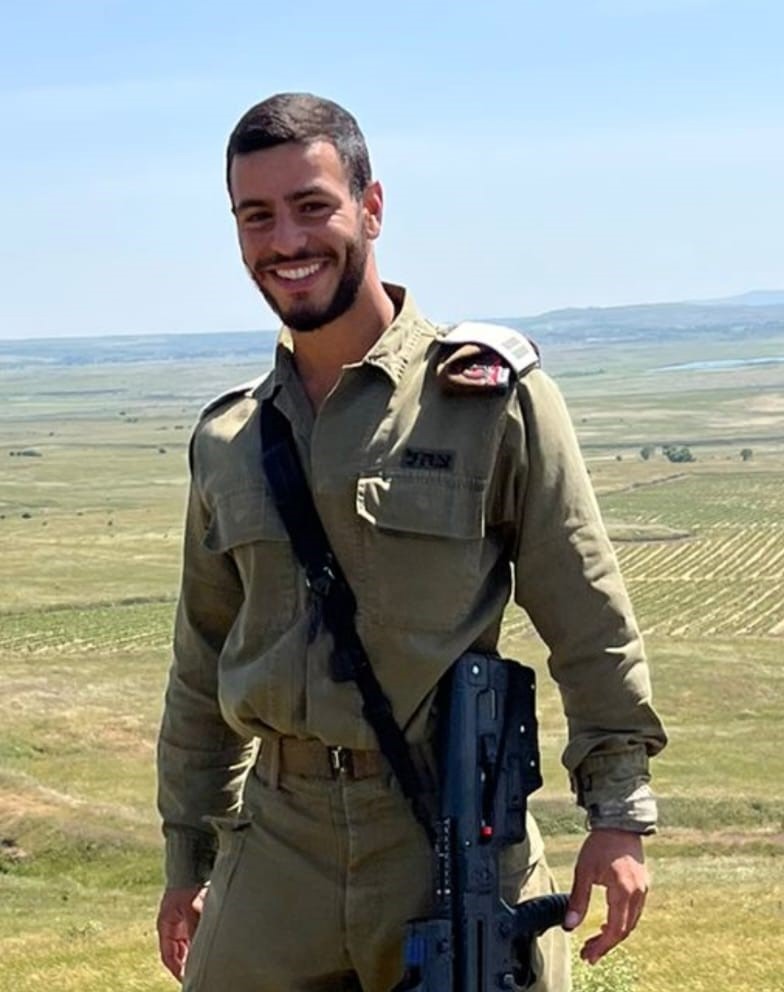
In Shoham, a verdant community nestled between rolling hills and open landscapes, a warm and vibrant home welcomed a child on a cold late-February day in 2001—Liel. He would fill every space with light and a smile. Liel was the son of Ravit, a woman whose love for children was evident in every small family daycare she ran from their home, and Moshe, a real estate professional who placed supreme value on human connections and trust. Liel wasn't just the eldest son; he was an emotional anchor, a beating heart that bound everyone in the house—his younger sisters, Lihi, Noy, and Aviya, and his parents—in a web of mutual love and care. When Liel entered a room, even if quiet and modest, his presence filled the space. His smile was infectious, optimism radiated from his eyes, and he carried a joy for life that made every moment in his company better.
Even in his early childhood, Liel displayed qualities beyond his years. He was surprisingly independent, with a sharp inner sense of right and wrong that didn't require detailed explanations or strict boundaries from his parents. They knew they could trust him, that his judgment would guide him on the correct path, and that the responsibility within him ran deeper than words. He was never arrogant, always respected others, listened attentively to everyone, and consistently put others' needs before his own. When his younger sister needed help with homework, or a friend struggled to pass a level in a computer game, Liel was there, attentive and patient, ready to lend a hand. He was deeply connected to his family; a brief evening chat with his mother about the day's events, or consulting his father about a new building idea for the yard, were integral parts of his daily routine, as profound and essential as the air he breathed. He grew up in a home where the door was always open—to children, friends, neighbors—and there he absorbed the values of giving, community, and engagement. When he returned from "Avnei Hoshen" elementary school and later from "Ort Shalhevet Shoham" high school, the house embraced him with the warm scents of home cooking and children's laughter, and within it all, Liel found his peace, his space for growth.
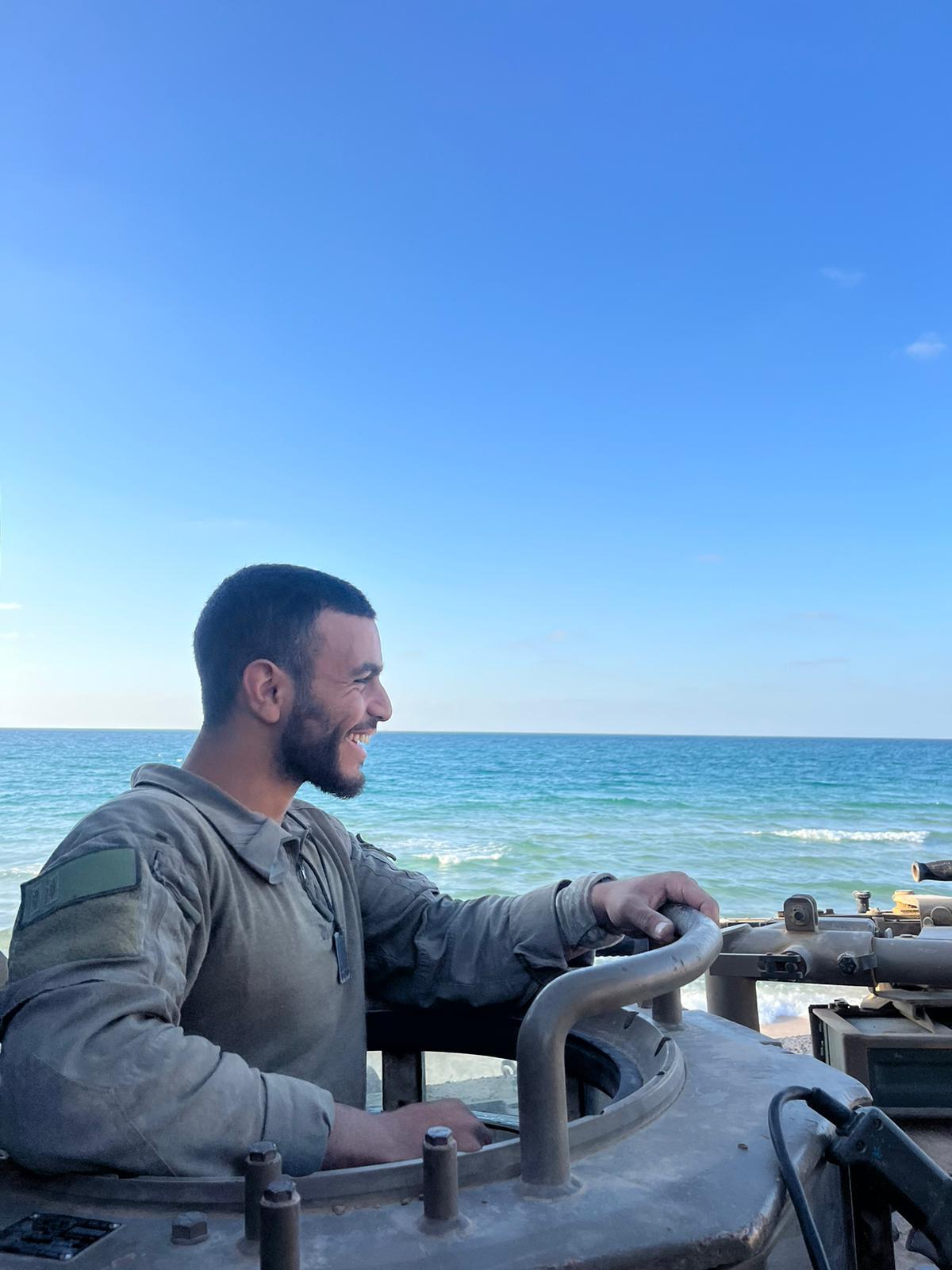
Liel's burning curiosity and desire to understand and learn new things propelled him into diverse experiences and pursuits. He wasn't content with the knowledge he acquired in school but always sought to broaden his horizons independently. He possessed a phenomenal learning ability, an uncompromising will, and an inner motivation that drove him to achieve every goal he set for himself. For instance, one day he decided he wanted to surf. He didn't take formal lessons but watched videos, read guides, asked seasoned surfers, and most importantly—went to the sea again and again, with a borrowed or rented surfboard, battling the waves, falling, getting up, until he felt the balance, the rhythm, the unique connection between man and sea. He loved the feeling of sand between his toes, the salty air, the sound of crashing waves, and the immense satisfaction of success after effort. Another passion of his was animals, especially birds. He learned how to care for them, when to feed them, how to clean their cage, how to distinguish between a chirp of joy and one of distress. He built small structures for them in the yard, from materials he found and recycled, and would spend long hours planning and executing, just to see them happy. His hands, which would later hold a weapon and lead soldiers, were also gentle and skilled in construction—he knew how to fix anything in the house, build shelves, assemble furniture, and devise creative solutions for various needs, always considering the small details and how to improve his and his family's environment. The phrase that served as his internal compass, a motto he repeated to himself and those around him, was "May everyone be the best version of themselves." He believed this with all his heart and lived it every moment, always striving for personal excellence, not out of competitiveness, but from a deep desire for self-fulfillment and contribution.
In twelfth grade, a great love entered Liel's life, one that would be etched in his memory and everyone's as a fairy tale. He met Harel, and from the first moment, it was clear to both of them and everyone around them that they were meant for each other. They became inseparable, a deep bond of friendship, love, mutual respect, and support. Harel was his first love, and he was hers; together they wove dreams, shared secrets, and built a shared world that was uniquely theirs. They spent five years together, which flew by like a bird in flight, the most beautiful five years of their lives, full of laughter, deep conversations, and plans for the future. Liel, who was a complete and precise person in all his actions, was also the perfect partner. He knew how to give without being asked, to sense what Harel needed even before she expressed it in words, to pamper her, to boost her confidence with every look and every word. Harel's family immediately fell in love with him, and Liel also found a warm second home in her family. He was supportive, encouraging, and his presence gave Harel security and happiness. They talked about marriage, planned their life together in meticulous detail, and Harel knew that Liel had already thought about the ring and the exciting moment he would propose. The anticipation for the future was sweet and thrilling, and they dreamed of a lifetime together, never to be separated for a moment.
But before they began their life together, Liel faced another goal—the army. His dream was to be accepted into an elite unit, and so, after finishing high school, he decided to defer his enlistment for a year. This year was dedicated to a pre-military academy, "Mechina Elisha," situated in a green landscape near Neve Tzuf in Binyamin. The year at the mechina was a formative period in his life. There, surrounded by young friends with similar aspirations, he matured, grew, and shaped his character as a leader, a friend, and a person with a strong moral and ethical backbone. He learned to know himself deeply, to test his limits, physically and mentally, and to understand the meaning of community and mutual responsibility. The fresh air of Binyamin, the deep conversations late at night with his friends, the long hikes in the wild landscape, and the in-depth studies, all strengthened him and prepared him for the challenges ahead.
On August 9, 2020, the awaited moment arrived. Liel enlisted in the IDF, and his dream came true when he was accepted into the Golani Reconnaissance Unit, a unit with a formidable reputation. His father, Moshe, remembered the moment Liel told him, "Dad, I'm going to Golani." Moshe, deep down, didn't want his son to go to such a demanding unit, but he knew there was no way to stop Liel; once he set a goal, he would pursue it with all his might. And so it was. Liel passed the tough tryouts and immediately called his father, his voice excited: "Dad, I have something to tell you, I'm in the reconnaissance unit." The training in the Golani Reconnaissance Unit was challenging and intense, but Liel, with his unwavering willpower and tireless motivation, completed it with excellence. He served as a "Hode-Negbist," a forward and demanding role that requires courage, exceptional physical fitness, and composure under fire. He was the one who ran first, carrying the heavy machine gun, forging a path under fire, always at the forefront of the force, leading his comrades forward. His fellow soldiers in the reconnaissance unit knew they could trust him implicitly.
After a period as a combat soldier, Liel went to the squad commanders' course, a natural step for someone destined to lead. He successfully completed the course and was appointed as a platoon sergeant. In this role, he commanded soldiers who had been with him on the same path, those he knew well, but he never condescended to them. He remained modest, attentive, and saw them first and foremost as human beings, and only then as subordinates. He was the fighter everyone relied on, always the first to help, to care for everyone, to lend a hand. He was the one who charged first, not just physically in the field, but also mentally, taking responsibility, absorbing the difficulties, and protecting his soldiers. The words "My soldiers and I are perfectly fine," which would reappear later in his journey, were already part of his credo.
After a period of operational duty and training, during which he gained significant command experience, Liel went to officer's course. This was another aspiration he fulfilled, and he completed this course with exceptional success as well. His father, Moshe, recalled a significant conversation they had after the course. "Liel," his father told him, "you are now going to be an officer to your soldiers. Do you know what that means? You will be their father, their mother, their psychologist." Liel, with his quiet confidence, replied: "Dad, I will make them fighters." He understood the magnitude of the responsibility, the meaning of leading young people, shaping them, preparing them for the most difficult missions. He was assigned to be a basic training commander at the Golani Brigade Training Base (BAH Golani), in Battalion 51. Here, in the role of platoon commander, everything he had learned, everything he was, came to fruition. He became a role model for his soldiers; every fighter wanted to be like him—determined, principled, brave, but also human, sensitive, and caring. Liel never gave up on any soldier; he saw potential in everyone, sought out each one's unique strengths, and polished them. He believed in them, pushed them forward, and led his platoon to success and excellence. At the end of the training, his platoon received an award for excellence, and Liel himself received an outstanding officer's commendation—further proof of his uncompromising quality as a commander and a person. "Mediocrity was not part of your vocabulary," they said of him, "you always aimed for the highest, the best—in every mission before you."
Liel's life flowed in a clear trajectory of action, fulfillment, and love, until that cursed Saturday morning. Saturday, the 22nd of Tishrei, Simchat Torah 5784, October 7, 2023. The morning began like any other peaceful Saturday in Shoham. Liel was at home, waking up for the holiday prayers at the local synagogue. He had the honor of being "Hatan Torah," a role symbolizing a deep connection to tradition and community, a moment of spiritual elevation and joy. But the joy was abruptly cut short. Around six-thirty in the morning, the first chilling reports began to arrive about an unprecedented surprise attack by the Hamas terrorist organization. Air raid sirens blared, rockets were launched incessantly from the Gaza Strip, and with them came reports of thousands of terrorists infiltrating—by land, sea, and air—into the communities surrounding Gaza, into Sderot, Ofakim, Netivot, to the nature party near Re'im and Nir Oz, to IDF bases, and onto the roads. The terrorists brutally murdered hundreds of civilians, kidnapped hundreds of Israelis, and destroyed and looted homes and property. Hundreds of soldiers, police officers, and security forces fell in battle. On this morning, reality changed beyond recognition, and a war began.
Liel, who just moments before had been immersed in prayer and holiday joy, immediately understood the gravity of the situation. He didn't hesitate for a moment. He quickly got ready, bid farewell to his worried family, and drove swiftly to BAH Golani, his training base. The very next day, his company traveled to Kissufim, a community near the Gaza Strip border. For the first two weeks of the war, they were engaged in guard duties and patrols along the border, with eyes wide open, ears attentive, in nerve-wracking anticipation of the order for a ground maneuver. The tension was palpable, the expectation heavy, and the concern for friends, families, and all of Israel filled their hearts. Liel continued to care for his soldiers, ensuring they ate, slept, and maintained high morale, even when he himself was worn out from fatigue and worry. He made sure to stay in touch with his family, and in the messages he sent, he always made sure to mention the condition of his soldiers as well, "My soldiers and I are perfectly fine," was his constant reply, words meant to reassure, but also to reflect his uncompromising responsibility.
After two intense weeks of waiting and defensive activity, the soldiers received a brief one-day respite, a precious opportunity to meet with their families, to hug, to draw strength, and to say goodbye, without knowing that this would be a final farewell for many. Liel met with his parents, sisters, and Harel, giving them his broad, reassuring smile, and absorbing the warmth and love he so desperately needed. He returned to his company, and immediately upon their return, the company entered Gaza, into the heart of the inferno. By a strategic decision of the battalion commander, the company was attached to an armored battalion, and together they carried out missions of clearing houses in the northern Gaza Strip, especially in the complex and hostile neighborhood of Shuja'iyya.
Amidst the horrors of battle, under incessant fire and in a hostile environment, Liel continued to display his prominent qualities: responsibility, concern for others, and extraordinary resourcefulness. He was a model of composure, a true leader who instilled confidence in his subordinates. Even deep in the fighting, he made sure to stay in touch with his family, sending short, reassuring messages, and in them, as he always did, he made sure to mention his soldiers, as if they were an inseparable part of his heart and family.
On Tuesday, December 12, 2023, the 29th of Kislev 5784, the moment that changed everything occurred. About two hours earlier, Liel had spoken on the phone for the last time with his father and sisters. A conversation that seemed ordinary, a conversation of concern and love, final words they didn't know were such. He entered the Shuja'iyya neighborhood with his unit, into its narrow alleys and ruined houses, with the aim of clearing buildings of terrorists and terror infrastructure. At four in the afternoon, Liel, along with three other combat soldiers, arrived at a specific building where a tunnel shaft had already been located—a clear sign of enemy presence. The moment was tense, the danger palpable. Liel, in a display of supreme courage and heroism, made a decision that etched his image as a hero. He entered the house first, with absolute composure, without a hint of fear or pressure on his face. His words, spoken from the depth of his heart and his unwavering belief in his soldiers and his mission, were: "If it is destined for someone to be killed, it is better that it not be my soldiers." He radiated confidence and faith, and stepped into the unknown, into danger, to protect his subordinates. The moment he entered the house, an RPG missile was fired at him. The missile did not explode with full force, but the enormous blast it generated critically wounded Liel. He was killed on the spot, only twenty-two years old. Lieutenant Liel Hayo, a platoon commander in Battalion 51 of the Golani Brigade, fell in battle in the northern Gaza Strip.
The news of his fall struck his family and the entire Shoham community like a bolt from the blue, leaving a huge void in everyone's hearts. Liel was laid to rest in the military cemetery on Mount Herzl in Jerusalem, in a moving and sad ceremony, leaving behind grieving parents, three beloved sisters, and a heartbroken partner, Harel, whose shared dreams vanished in an instant. After his fall, Liel was posthumously promoted to the rank of Captain, further recognition of his heroism and dedication.
The grief was unbearable, but from the brokenness, a memory began to grow, a desire to commemorate Liel's unique character. His father, Moshe, eulogized him with sincere and painful words that expressed the helplessness in the face of such a loss: "They prepare us since we are children—preparation for birth, for school, for kindergarten, for the army, but no one prepares you for this. You have to learn it on the fly, and it's hard." He recalled significant moments in Liel's life, his determination, his joining the reconnaissance unit and the officer's course, and that conversation where Liel promised him, "Dad, I will make them fighters." In these words, the entire essence of Liel's personality was embodied—deep commitment, love for his soldiers, and determination to make them the best.
His sister, Noy, expressed the immense admiration they felt for their brother: "Our dear Liel, we admire you. You always cared for everyone, always saw the good in every situation. You didn't come home from October 7th, and we didn't hear a single complaint from you. Whenever we asked how you were, you answered, 'My soldiers and I are perfectly fine.' We waited so much for your wedding with Harel, you had so many dreams." Her words reflected Liel's positive and optimistic approach, even in the inferno, and his endless concern for those around him, always first and foremost for his soldiers.
Harel, his partner, wrote touching words that painted a picture of deep and incomprehensible love: "Everyone who knows me knows there is no Harel without Liel... I always knew I would get an enthusiastic response of 'Liel—a real man.'" She described their unique bond, a "fairy tale," his being "the perfect partner"—one who knew how to give without being asked, to sense her needs, to pamper, to boost her confidence. "Liel planned to propose to me and already knew which ring. We so wanted to start our life together and never be separated for a moment. But we separated without choosing to separate, and that's not fair." Harel's words echoed the pain of shattered dreams, of love cruelly cut short, and of an entire future stolen.
In Liel's memory, and to continue his path and values, a special association called "BeDarko Shelo" (In His Way) was established. The association works to commemorate him in many diverse ways, reflecting the depth of his personality. Among the activities: writing a Torah scroll, holding Torah lessons for the elevation of his soul (but without religious preaching, rather as an expression of his connection to heritage and values), and establishing an observation point at "Mechina Elisha"—the place where he matured and was shaped as a fighter and leader. The association also distributes flowers and wine for Shabbat, sends care packages to wounded soldiers, and distributes stickers bearing phrases characteristic of Liel: "A smile that says it all," "Be happy and make those around you happy," "Whatever you do—do it completely and properly," "What makes you feel good, do for others too," and his famous motto: "May everyone be the best version of themselves." These phrases were not just slogans for Liel; they were a way of life, a complete philosophy by which he acted and lived.
In June 2024, the association held a basketball tournament in collaboration with Elitzur Petah Tikva, in Liel's memory, as he loved sports and human connections. Worshippers at the "Zechor Le'Avraham" synagogue in Shoham, where he grew up and was educated, dedicated a song to his memory, written by Yossi Malka and Doron Rokach, "Liel Gibor Yisrael" (Liel, Hero of Israel), which can be heard on YouTube. The song, in its honest words, describes the pain and heroism: "The sun did not rise, the earth let out a groan / The lightning struck our son, we commemorate our dear one / You were always first for missions, performing them perfectly / Fought like a lion for the people of Israel, a fighter like a cedar, Liel." These words, though poetic, emphasize his courage, determination, and dedication to his people and comrades, a heroism that stemmed from deep humanity and a conscious choice to protect what was most precious to him. In his memory, an Instagram page - remember_liel_hayo, and a dedicated website - Lielhayo.org.il, have also been established, serving as a virtual space for memory, sharing, and preserving his legacy for future generations.
Captain Liel Hayo of the Golani Brigade was a legendary commander, a man of values, modest, driven, and full of motivation. He was not just a fighter, but a person who illuminated his surroundings, who influenced everyone he met, who was "the best version of himself" and inspired others to do so. He fell as a hero, choosing to protect his soldiers, his home, his people, and in his sacrifice, he left an indelible mark. Liel's story is a story of courage, of love, of friendship, and of deep commitment. It is a story of a young Israeli, who grew up in a warm home, dreamed, loved, and achieved, and in the moment of truth stood firm against danger, as a human shield. The memory of Liel Hayo will continue to be a torch of revival and pride, and the story of his life, with all its small and large details, will be preserved in our hearts forever.
Moments of a life
All photographs · 4
In the media
Articles
Songs
- Liel, a Hero of Israel
יוסי מלכה — YouTube ·
Memorial sites
- In Memoriam of: Liel Hayo
October7Memorial
Memorial projects
The “Liel Hayo — His Way” nonprofit presents a vision that includes scholarships for outstanding students, a heritage center, fitness facilities, Mitzpe Liel and the writing of a Torah scroll. The page does not confirm that all the initiatives have been completed.
Stories told about them
His father, Moshe, said that as a child, Liel examined the Golani memento he had kept. After the selection trials, he initially announced that he had not been accepted into the reconnaissance unit, then revealed to his father that he had been accepted.
His father Moshe said the family surprised Liel and his company with a barbecue in the staging areas. They were delayed in Gaza and arrived close to midnight; the father described the meeting as a joy that became a memory.
“Whatever you do – do it all the way and do it right.”

Life & service
Profile
Service
- Rank
- Captain
- Unit
- Golani Brigade
- Honours
- Posthumously Promoted
- Battle Location
- Northern Gaza Strip
Family
- Father
- Moshe
- Mother
- Ravit
Burial
Tributes & remembrance
יהי זכרו ברוך
הי"ד. יהי זכרו ברוך
נוח על משכבך בשלום גיבור ישראל
נכנסת לי ללב
נהיה יחד ראויים להקרבה ולגבורה ויהיה שכרו ברוך
סרן ליאל חיו
גיבור ישראל קדוש עליון
הי״ד
ליאל הי״ד
הכרתי את הורייך המקסימים והאצילים, שגידלו באופן מופתי שניים מבניי. זוכר אותך כשהיית בן 10, עוזר לאמא ואבא בתפעול הגן, ותמיד היית עם חיוך ביישן, אבל היה ברור שאתה שם בשביל לעזור. לא מפתיע מה שכתבו כאן עליך. הייתי כשהביאו את הארון שלך לבית ההורים, ולא הצלחתי לעצור את הדמעות. הגעתי גם אשתי לשבעה, וישבנו לצד אמך האצילה. אביך הסתובב בין האורחים. לא הצלחתי לדבר הרבה. רק לתת לו חיבוק. מצדיע לך
תודה ששמרת אלי ועל כל עם ישראל
תודה, שבמותך ציווית לנו את החיים.
נזכור ולעולם לא נשכח
יהיה זכרו ברוך
גיבור ישראל הי״ד תהיו חזקים אוהבים אתכם
גאה בך מאוד
תודה ליאל על הקרבתך למען המדינה תודה שהגנת עלינו בגופך
יהי זכרך ברוך
החיוך שלך תמיד יהיה חרוט לי בראש
מתפללים כל יום בבית חב״ד בשוויץ עם הסידור שתרמתם לעילוי נשמתו. ת.נ.צ.ב.ה
יהי זכרו ברוך.
יהי זכרו ברוך
שנהיה ראויים
גיבור ישראל יהי זכרו ברוך
במותך ציוות לנו את החיים
תודה וסליחה
יהי זכרו ברוך
גבור ישראל! י הי זכרו ברוך
יהי זיכרו ברוך! גיבור ישראל
אתה אלוף
אין כמוך בעולם, כל עם ישראל מודה לך על ששמרת עלינו
אולי אתה לא מכיר אותי אבל אני מכירה אותך ומודה לך הכי בעולם
יהי זכרך ברוך
זכרך ברוך
גיבור ישראל. יהי זכרו ברוך
נזכור ולא נשכח
מלאך בשמיים
יהי זכרו ברוך!
גיבור ישראל!
יהי זכרו ברוך
You had not come home since October 7, and we did not hear a single complaint from you.
Source:ynet
Read the Hebrew original
לא חזרת הביתה מ-7 באוקטובר ולא שמענו תלונה אחת ממך.
All that remains for us, the living, is to rise to the level of loyalty and morality of the fallen.
Source:ישראל היום
Read the Hebrew original
כל שנותר לנו החיים הוא להזדקף לקומת הנאמנות והמוסר של הנופלים.
He was a man of action, an optimist, someone who found a solution to every problem and always stood by us.
Source:ישראל היום
Read the Hebrew original
הוא היה איש של מעשים, אופטימי, כזה שמצא פתרון לכל בעיה ועמד תמיד לצידנו.
I have been waiting for a ring since the day we met, and I will keep waiting
Source:ישראל היום
Read the Hebrew original
חיכיתי לטבעת מהיום שנפגשנו ואני אמשיך לחכות
You have to learn this as you go, and it is hard.
Source:יזכור
Read the Hebrew original
צריך ללמוד את זה תוך כדי תנועה, וזה קשה.
Hayo immediately tells everyone to turn off all the flashlights except for one shining into the pit, even though he is not the highest-ranking person there.
Source:עמותת בדרך שלו
Read the Hebrew original
חיו מיד אומר לכולם לכבות את כל הפנסים למעט אחד לתוך הבור, אע״פ שאינו הדרגה הבכירה.
Remembrance Day addresses
יום הזיכרון לחללי מערכות ישראל התשפ"ה – 2025
בכל יום שעובר, אזכור יותר! אזכור, את אלו שיצאו עימי לקרב ולא שבו, ולהם אין מי ידמה ומי ישווה. אזכור, שהכאב לא יעבור לעולם, והזמן, הוא לא מרפה ולא מרפא. אזכור, את שיברון הלב הגובר ואת הבית שבוער. אזכור, את צדקת הדרך, ואשבע שוב, שמה שהיה לא יהיה יותר. אזכור, שיותר מכל דבר אחר – אני חסר! ביום הזה, אני נתקף געגוע לדמותם, לחיתוך דיבורם, לחיוכם, ומדליק נר לזיכרון דרכם ומורשתם!
משרד הביטחון
אגף משפחות, הנצחה ומורשת
יום הזיכרון לחללי מערכות ישראל התשפ"ה – 2025
בכאב, בהצדעה ובתקווה אני מתכבד להדליק נר זיכרון זה. השנה, כשאנו נלחמים במלחמה ארוכה, רב זירתית וצודקת, הזיכרון נושא משמעות עמוקה. ביום זה נעצור ונתייחד עם זכרם של טובי בנינו ובנותינו שנפלו בהגנה על המדינה. מורשתם היא המצפן שמתווה את דרכינו, והיא המעניקה לנו כוח להמשיך ולהגן על מדינת ישראל ותושביה. משפחות יקרות, אנו מרכינים ראשנו ומתחייבים שנעמוד לצידכן תמיד. יהי זכר הנופלים ברוך.
אלוף דדו בר כליפא
ראש אגף כוח האדם, צה"ל
יום הזיכרון לחללי מערכות ישראל התשפ"ה – 2025
בשעה שאנו זוכרים את גודל תרומתם ועומק מסירות נפשם של טובי בנינו ובנותינו, נופלי מערכות ישראל לדורותיהן, ממשיכים צה"ל וכוחות הביטחון במימוש המשימה למענה לחמו ועבורה נפלו: הכרעת אויבינו מדרום, מצפון, ביהודה ובשומרון, וגם בזירות רחוקות יותר. בהערכה רבה ובגאווה אדירה אנו מרכינים ראש בפני הנופלים והנופלות, מאמצים את משפחותיהם אל לבנו, וממשיכים במשימה להבטחת קיומה של ישראל לדורי דורות. יחד נעשה ונצליח.
רב אלוף אייל זמיר
הרמטכ"ל, צה"ל
יום הזיכרון לחללי מערכות ישראל התשפ"ד – 2024
כאשר דגלינו מורדים לחצי התורן וראשינו מורכנים לזכר הנופלים והנופלות במערכות ישראל, ממשיכים לוחמי צה"ל ומפקדיו בלחימה בדרום, בצפון, ביהודה ובשומרון ובזירות נוספות. על כל דור מוטלת המשימה של הגנת העם והארץ – משימה שאף פעם אינה פוסקת. נצדיע בגעגוע ובגאווה לנופלים ולנופלות, נחבק את משפחותיהם, ונמשיך ברוח הציווי שהותירו לנו. עם ישראל חי.
רב ניצב יעקב שבתאי
המפקח הכללי, משטרת ישראל
יום הזיכרון לחללי מערכות ישראל התשפ"ד – 2024
אחיי הנופלים, כל נר הוא זיכרון יחיד ומיוחד, על חיים שהיו ואינם, געגוע שנצרב עמוק בלב, עולם ומלואו. הנרות כולם הם זיכרון של אומה כי לעולם לא עוד, בשורת הציונות וקוממיות ישראל. זיכרון כי הדרך לעם חופשי בארצנו עוברת דרך מסדר הנופלים. אור הנר יזכיר לנו את מסירות נפשכם להציל חיים, להגן על הבית. הנרות מסמנים לנו נתיב גבורה ערכי מחייב שאנו מצווים ללכת לאורו. נמשיך להילחם ולהוסיף אור מתוך אמונה בנצח ישראל.
יואב גלנט
שר הביטחון
יום הזיכרון לחללי מערכות ישראל התשפ"ד – 2024
בהצדעה ובכאב, בשם צה"ל כולו, אני מדליק נר זיכרון. בעיצומה של מלחמה, הזכרון נושא משמעות יום-יומית, שעבר והווה מתלכדים בה. לאורם של הנופלים נמשיך לצעוד, חיילי הסדיר והמילואים. לאורם של הנופלים נמשיך להגן על ארצנו ועל מולדתנו, גם כשהמחיר כבד. להבת-הזכרון תבער בנו בעודנו ממשיכים להלחם ונזכור את הנופלים ואת אומץ ליבם. משפחות יקרות, צה"ל מרכין היום ראש, מצדיע לכן וכואב איתכן. יהי זכר הנופלים ברוך.
אלוף יניב עשור
ראש אגף כוח האדם, צה"ל
יום הזיכרון לחללי מערכות ישראל התשפ"ד – 2024
בהוקרה, בגאווה ובכאב שאין לו סוף, אני מתכבד להדליק נר לזכרם של הנופלים והנופלות במערכות ישראל. סיפור חייהם בארץ הזאת, מסכת שירותם, גבורתם והקרבתם – הם סיפורה של הארץ הזאת, אך גם סיפור המחיר הכבד שהיא תובעת מאוהביה. מחויבותנו לזכר הנופלים ולדרך שהותירו לנו ניצבת תמיד לנגד עינינו. את המשימה שלא זכו להשלים, משלימים כיום, וישלימו, אנשי כוחות הביטחון, הממשיכים בדרכם ולאורם. יהי זכרם של הנופלים ברוך.
משרד הביטחון
אגף משפחות, הנצחה ומורשת
יום הזיכרון לחללי מערכות ישראל התשפ"ד – 2024
בחרדת קודש אני מתכבד להדליק נר לזכרם של חללי מערכות ישראל, חברנו שנפלו, מראשית היציאה מהחומות ולאורך כל שנות עצמאותנו המדינית והציונית, מהווים תמרור זיכרון לדרך חיינו ולמחוייבות הלאומית להנצחת זכרם. דרכם נותרה דרכנו ומורשתם נר להמשך עשייתנו. יהי זכרם ברוך!
בני גנץ
שר הביטחון
יום הזיכרון לחללי מערכות ישראל
נזכור אותם, כולנו יחד. כל אחד ואחת מהם, מדי יום ביומו, והיום ביתר שאת, כך – לנצח. "כי מדי דברי בו זכור אזכרנו עוד"
משרד הביטחון
אגף משפחות, הנצחה ומורשת