
The story
Yosef Malachi Guedalia was born in Jerusalem on the first day of Tevet, 5761, which was December 26, 2000. He was a child whose blue eyes held a whole world of quiet vitality. The second son to Dina Leah and Yitzhak David, he was a younger brother to Shira and Asher, and later, Yael, Micha—whom everyone called Charlie—Esther, and Elisheva would join the family. Six siblings, they created a warm, bustling family nest, one always filled with the sound of laughter and conversation, the aroma of home-cooked meals, and a sense of holiness woven into everyday life. Their home wasn't just walls and a roof; it was a living tapestry of love and values, threaded with Torah, work, giving, and a deep connection to the land. Yosef Malachi grew up in Beit Shemesh, amidst the city's hilly landscape, between green hills in summer and sun-baked yellow at the height of the heat, ancient rocks, and prickly pear bushes. From a young age, he showed a natural curiosity and an interest in everything that soared through the air. He was a child who loved to gaze at birds, imagining himself flying above the trees, and every plane in the sky drew his thoughtful gaze.
Even before his bar mitzvah, while still a boy with scraped knees and grand dreams, Yosef and his brother acquired a small drone. For other children, it might have been just another fleeting toy, but for Yosef, the drone was a gateway to an entire world. He took it everywhere with him, in a small bag slung over his shoulder, whether he was hiking the dirt paths of the Beit Shemesh mountains or surfing the sea in Ashdod, where he felt the saltiness of the water on his skin and the power of the waves. The drone was a tool for him to broaden his perspective, to see the world from above, to discover hidden corners no eye had reached. He learned to control it skillfully, flying it over valleys and wadis, photographing the wild landscape and his friends riding bikes with the wind in their hair and their laughter echoing in the air. This connection to technology and the bird's-eye view, the simplicity with which he operated a complex device, already held the spark of what would make him a leader and trailblazer years later.
When he entered "Horev" High School for boys in Jerusalem, a city to which he felt a deep and genuine connection, Yosef Malachi excelled in his studies naturally, almost effortlessly. He chose science and math tracks, five units in mathematics and computer science, and delved into their complex issues with surprising ease. Numbers and codes spoke to him in a clear language, and he solved intricate problems quickly and lucidly. But Yosef wasn't just an outstanding student; he was a people person, a doer. He played for the local basketball team, "Elitzur Beit Shemesh," and on the court, in his blue and white uniform, he displayed the determination and hard work that characterized him. Every shot, every precise pass, was an expression of his desire to succeed and contribute to the team. Additionally, he joined an ultimate frisbee team, a less common sport at the time, where he found a combination of athleticism, coordination, and teamwork. Every Friday afternoon, as the sun began to set, painting the sky in shades of orange and crimson, he would arrive at the Givat Ram campus, where he would throw the flying disc, running and jumping with his brothers, cousins, and a few close friends. They would spend long hours on the grass, laughing, competing, and creating memories that would draw them closer. His high school life was remarkably balanced: study hours, long hours with friends, and precious time with family, as well as sports hours where he released energy and strengthened his body. He was always surrounded by company, laughing and making others laugh, but also knew how to find his inner quiet, his time for reflection and learning.
Upon graduating high school, with military service clearly his next destination, Yosef Malachi chose to join the "Bnei David" pre-military academy in the settlement of Eli, nestled in the Benjamin Mountains. It was a natural step for him, a way to deepen his ethical and spiritual roots before entering the demanding military world. At the academy, in deep study circles and endless conversations with friends and rabbis, Yosef Malachi flourished. Rabbi Kerem Wertman, an educational rabbi at the academy, remembered him as a quiet, unassuming young man, yet consistent and thorough in all his actions. He dedicated himself to Torah study not merely out of obligation, but from a genuine and sincere search for meaning. The things he learned, the words spoken in lessons and study halls, penetrated deep into his heart and soul, shaping his worldview and providing him with a clear compass. He was not satisfied with superficial answers but always questioned, doubted, and sought to understand the depth behind every word.
Yosef Malachi used to write these thoughts, the issues that preoccupied him, and the insights he gained, in a personal diary, a kind of internal dialogue he held with himself. In this diary, years later, his wife Sinai found chilling words that reflected the depth of his thought and his emotional maturity. In one passage, he grappled with the existential question: "Why does God always take the good ones?" And he answered himself, in a clear and lucid formulation: "When these people die, it is revealed to the world what special people they were, and this brings about a sanctification of God's name. The righteous die and atone for the people of Israel. Of course, there are other hidden and revealed reasons." This was his way of understanding suffering, giving it meaning, and seeing the death of the pure and good not just as a loss, but also as an elevation and profound significance. In another passage, he addressed the meaning of Memorial Day for fallen IDF soldiers, seeking to distance it from melancholy and sadness: "Memorial Day – the goal is not to cry about what happened and how there were heroic people, but to understand that each of us has the ability and strength to do what they did, and they inspire us to see how much strength we have." Yosef Malachi saw remembrance not just as a way to grieve, but as a call to action, to inspiration, to the understanding that heroism is not the sole domain of a select few, but a potential inherent in each and every one. These words, written years before he himself fell, retrospectively gained prophetic meaning, testifying to a young man with a deep soul, who was ready to live and sacrifice for his principles.
On March 29, 2020, filled with motivation and a heart full of hope, Yosef Malachi enlisted in the IDF. He chose to serve in the elite "Duvdevan" commando unit, a choice that reflected his desire to contribute in the most significant way, to be on the front lines, and to use his physical and mental skills for the security of the state. Even during the grueling basic training, which demanded supreme physical and mental effort from the soldiers, Yosef Malachi stood out. His teammates, who quickly became family, admired him. He was always the first to help, to lend a hand, to care for others before himself. When a friend would falter from difficulty in training, Yosef was there, offering help, encouraging with a kind word, sometimes carrying his friend's equipment in addition to his own. He brought to military service the same determination, responsibility, and thoroughness that had characterized him since childhood. There was no task he didn't undertake with utmost seriousness, no detail he overlooked. He was a warrior in every fiber of his being, immersed in the mission, focused on the goal.
Beyond being an outstanding fighter, Yosef Malachi left his mark on the unit in a unique way. He, whose love for drones and aviation began in childhood, established the unit's drone team, thereby sparking a true revolution. He was the one who trained many soldiers in drone operation, teaching them the secrets of remote control, precise navigation, and the ability to identify threats from a bird's-eye view. Thanks to him, the Duvdevan unit could utilize this advanced technology for identifying enemy forces, gathering real-time intelligence, and better preparing for battle. His drone team members said that he brought exceptionally high technical skills, an intuitive understanding of the systems, but despite all his talents and impressive achievements, he always remained humble. He never let his abilities go to his head, never boasted, but acted quietly, efficiently, out of a genuine desire to contribute. The unit's rabbi recounted that even during his demanding military service, when sleep hours were few and the workload heavy, Yosef Malachi made sure to study Torah daily. He studied using the "Shnayim Mikra Ve'Echad Targum" method, an ancient method that deepens the understanding of Torah verses, thereby maintaining a close connection to his spiritual roots, even when he was in training areas or on operational duty.
At the end of his mandatory service, and despite being able to choose a different path in life, Yosef Malachi chose to continue on for permanent service in the unit. This choice reflected the deep sense of mission that pulsed within him, the understanding that his role was to continue to protect, to continue to contribute. In his capacity, he participated in over a hundred different operations, each one carrying a real risk to life. More than once, he found himself in situations where a thin line separated life from death. His father, Yitzhak David, recounted one special Shabbat when Yosef returned from an operational activity and came to the synagogue. When he went up to recite Birkat HaGomel, a blessing recited upon being saved from danger, his father's brother, who prayed in the same minyan, innocently asked him what he had blessed for. Yosef answered briefly, as was his way, that he had been shot at during the operation. His father, who was not always aware of the complexity of the operations, asked him with an innocent smile: "But Yosef, you go out every night for operational activity and they always shoot at you?" Yosef, with a serious look, replied: "True, they always shoot at me, but this time it was close, I heard the bullets whistling near my head." Afterwards, Yosef likely saw the worry on his parents' faces, and so he held a halachic discussion with his teammates in the unit about whether it was appropriate or not to say Birkat HaGomel every time they returned from an operational activity. They concluded, with extraordinary delicacy and sensitivity, not to say the blessing aloud every time, so as not to frighten their parents. This small story revealed the depth of his personality: a brave and fearless fighter on the battlefield, yet exceptionally sensitive and considerate towards his family.
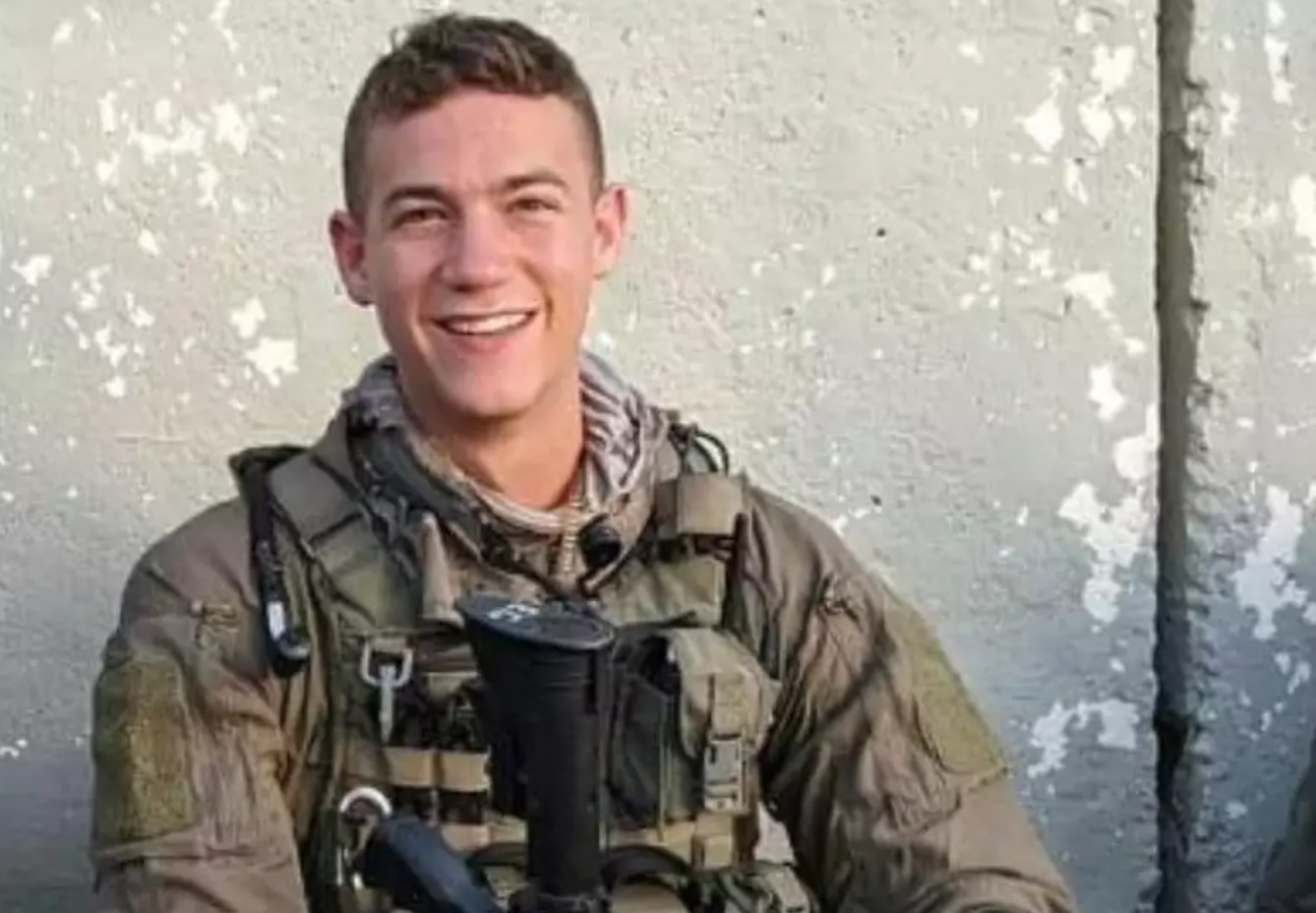
Yosef Malachi was a quiet, humble, and smiling man. His smile was captivating, and he managed to light up every room he entered. He was deeply loved by his family and all his acquaintances, as his personality was engaging and his ethical conduct inspiring. Every step he took in life, big or small, was based on the values of Torah, work, acts of kindness, and Zionism that he had absorbed from birth. He rarely got angry and always tried to find the good in others. He never sinned with gossip and always made sure to avoid idle chatter. Moreover, he managed to draw others to refrain from vulgar speech. Whenever gossip was spoken in his vicinity, he would quietly stand up, calmly say, "This isn't going to advance the building of the Temple," and simply leave the room, a clear but not aggressive statement of his position.
His bond with his parents and siblings was close and strong, woven with invisible threads of love and appreciation. He knew how to maintain and nurture this connection, and made sure to call each family member at the most convenient time for them, genuinely considering their daily schedules and burdens. He would call his mother, Dina Leah, on Thursday nights, when he returned from military activity and knew she was awake anyway, immersed in the final preparations for Shabbat. These calls were a kind of regular ritual, a moment of quiet and connection before Shabbat entered in its full glory. He would call his father, Yitzhak David, when he was awake in the early morning, knowing his father would be rising for prayer. Many times he consulted with him on various questions, not only about life matters but also about halakha, such as when he could put on tefillin after being awake all night on an operational mission. This connection with his father was deep, a bond of student to rabbi, son to father, and two individuals who shared a common love for Torah study.
Love for the land and the state flowed in Yosef Malachi's veins, but above all, he had an intense love for Jerusalem. The city was for him not just a place, but an essence, a pulsating heart of holiness and history. In his family, it was customary to make a pilgrimage to the Western Wall every holiday, a tradition that connected them to generations. From the age of ten, he also took part in this special custom, walking to the Wall from his parents' home in Beit Shemesh, a distance of about forty kilometers, on foot. This was not just a physical walk, but a spiritual journey, where every step was a prayer, every stone on the path was part of the greater story. Even when serving in the army, he made sure to come and pray at the Wall every time he went on leave. The paved plaza, the ancient stones that had absorbed the tears and prayers of generations, were for him a place of tranquility and deep connection, a spiritual anchor in a world of uncertainty and danger.
In early October 2022, a great love entered Yosef Malachi's life when he married Sinai. He met Sinai at a summer camp in the United States, and there, across the ocean, their love story began. Initially, they maintained a friendly long-distance relationship, phone calls and updates on their lives, but a few months before he began his permanent service, the connection deepened, and they started dating. Yosef often told Sinai how proud he was of her, of her courage and determination to make aliyah alone, leaving behind a familiar life to build her home in Israel. It was only one year of marriage, but this year was one of the most beautiful and happiest of his life. He served in permanent duty, so his time at home was limited and scheduled, but he made sure to be a present husband in every moment he could. He was not just physically present, but present in his entire being, listening, supporting, loving. The two enjoyed hiking together on the paths and springs of the land, discovering hidden gems, drinking in the beauty of the Israeli landscape, and most importantly, enjoying each other. Their love was deep and sincere, a love that filled their hearts with happiness and joy, a love that was meant to last a lifetime. Sinai later eulogized him with heartbreaking words that reflected their special bond: "Yosef. My Yosef. It's hard to know where to begin. Nothing I say will ever fully reflect you, I will never be able to describe in words your greatness, purity, heroism... People keep asking me what I need, and I say I don't know, but I do know. I need you. Your big, warm hands. The way you sing while washing dishes, the way you tease me for not being able to fold laundry in one room while you wash dishes in the other. You and I know – we just had to be close. When you were home, I couldn't be far from you... You gave me everything I could ask for and more. You taught me so much. I keep writing because I don't want to finish and say goodbye, it can't happen. But I know, I know you are always with me." These words, written from deep pain, reflected the warmth, closeness, and infinite love that existed between them.
On Shabbat, the 22nd of Tishrei, Simchat Torah 5784, on the morning of October 7, 2023, at six-thirty in the morning, the sun had not yet fully illuminated the sky when the Hamas terrorist organization launched a brutal and unprecedented surprise attack on Israel. Under the cover of massive barrages of thousands of missiles and rockets from the Gaza Strip to wide areas of the country, thousands of terrorists infiltrated—by land, sea, and air—through breaches in the border fence that had been forcibly broken. They began a murderous assault on the peaceful communities surrounding Gaza, and on the cities of Sderot, Ofakim, and Netivot. The terrorists swarmed a nature party near Kibbutzim Re'im and Nir Oz, on IDF bases, and on passersby on the roads in the area. Within a few hours, they murdered approximately eight hundred civilians in their homes, in their cars, after committing severe and unparalleled cruel crimes against them. They abducted hundreds of Israelis to the Gaza Strip, babies and the elderly, women and men, and destroyed, looted, and burned homes and property. Hundreds of soldiers, police officers, security forces personnel, and members of local emergency response teams fell in battle, defending the residents of the South with their bodies. On this terrible morning, a war began.
Yosef Malachi celebrated Simchat Torah with his wife Sinai and all his family members, in a large family prayer gathering in Jerusalem. The holiday atmosphere, the melodies, the joy, and the family unity filled the air. On the way back from the eve of the holiday prayers, he spoke with his brother about how each of them could help bring about the redemption. Yosef, with his deep and clear thinking, saw his role in deepening Torah study, protecting the people of Israel, and building a strong and value-driven family. He believed that redemption was not just an external event, but an internal process of building and connection. Yosef heard the start of the attack on Shabbat morning during prayers at the synagogue. Rumors began to circulate, initial reports of terrorist infiltration, of incessant rocket fire. He was supposed to go out later that day for a routine operational activity in the Judea and Samaria area, but his gut feeling told him otherwise. He immediately understood the gravity of the situation, the magnitude of the danger. Already at 9:30 in the morning, Yosef Malachi, filled with a sense of urgency and awareness of what was happening, decided with his teammate, another Duvdevan fighter, to head south, into the inferno. They did not wait for official orders, did not wear full uniforms, but drove in a private car, understanding that time was critical and that every minute could save lives.
Around 11:00 AM, Yosef and his friend arrived at Kibbutz Kfar Aza, which was already under a brutal attack by terrorists. The ground shook from incessant gunfire, smoke rose from burning homes, and the air was thick with screams and the smell of gunpowder. Yosef, with his extensive experience in drone operation, immediately launched his drone into the air. With his special skill, he identified the presence of dozens of terrorists spread throughout the kibbutz, and especially the main combat centers where they were concentrated. He directed his friends, who arrived with additional forces, to the places where the terrorist presence was greatest, under the camaraderie of fighters, in four armored vehicles. They entered the kibbutz, taking heavy gunfire from all sides, but returned fire without hesitation, charging forward. At one point, realizing the magnitude of the disaster and the urgent need to evacuate casualties, they went out to rescue wounded and dead to the evacuation area, at immense personal risk. They did not wait a second, and immediately returned to the burning kibbutz, seeking contact with the terrorists, determined to stop the massacre. In one of the critical moments of the battle, they encountered a terrorist who was feigning death, lying on the ground and waiting for the right moment to attack. Yosef Malachi, with his keen senses and exceptional alertness, identified the deception and eliminated the terrorist at point-blank range, before he could shoot at them, thereby saving his friends and himself.
The force continued to push forward, deeper into the kibbutz, and reached the young people's neighborhood, where most of the terrorists had infiltrated and carried out their atrocities. The battles there were particularly fierce, incessant gunfire, explosions, and destruction everywhere. At one point, while advancing under heavy fire, Yosef identified a wounded soldier, lying on the ground, bleeding. Without hesitation, he extracted him under heavy fire, along with his teammates. They provided him with quick and effective first aid inside the armored vehicle and ensured his rapid evacuation from the kibbutz. The soldier was evacuated from there by helicopter, and his life was saved thanks to Yosef's resourcefulness and courage. This act of heroism, which occurred in the midst of a fierce battle, reflected Yosef's essence: always caring for others before himself, always willing to risk his life to save lives.
Immediately after rescuing the wounded soldier, knowing that time was short and the terrorists were still rampaging, the force returned to the fire and continued to engage in fierce battles against the terrorists. They fought house by house, alley by alley, with uncompromising determination. Near one of the houses, an RPG missile was fired at the armored vehicle in which Yosef and his friends were located. The vehicle sustained a direct hit and quickly caught fire. Yosef and the other soldiers quickly dismounted from the burning vehicle and continued to fight on foot, face-to-face with the terrorists. Two grenades were thrown at them, and Yosef, with a clear and quick warning cry, shouted: "Grenade!" and jumped left, trying to distance himself and his friends from the deadly explosion. From that moment on, Yosef's voice was no longer heard. He did not answer the calls of his friends, who continued to fight bravely against the terrorists surrounding them. Yosef Malachi, in an act of supreme heroism, charged at the terrorists with incessant gunfire, managed to kill four of them, and only then was hit and killed. His charge, a desperate act of self-sacrifice, changed the course of the battle in that location. Four paratroopers, who had been fighting for three hours at the back gate of the kibbutz against terrorists trying to enter, witnessed Yosef's charge and his success in hitting the terrorists. Following his heroic action, they emerged from their hiding place, their lives saved, and they continued to fight.
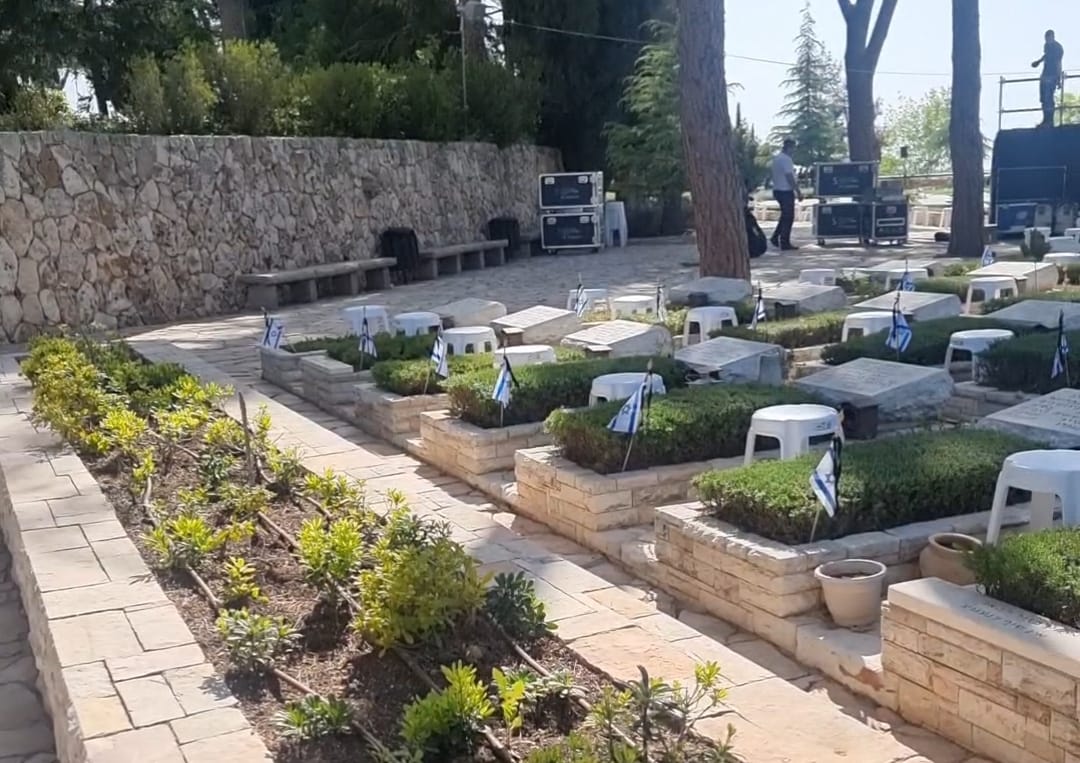
Yosef Malachi was considered missing for several long hours, hours of anxiety and uncertainty. His teammates, who never gave up, launched a drone again, in desperate hope of finding him. Finally, they found him outside the fence of Kibbutz Kfar Aza, with terrorists dragging his body. It was difficult to distinguish between the terrorists and our forces, as the terrorists wore similar uniforms. But thanks to the tzitzit that Yosef always made sure to wear, which he also wore in his last moments, they were able to identify him with certainty. A Golani Brigade force was immediately dispatched to the scene in an armored vehicle, and in a swift and daring operation, they extracted Yosef Malachi's body and brought him home. Staff Sergeant Yosef Malachi Guedalia fell in battle on the 22nd of Tishrei 5784, October 7, 2023. He was twenty-two years old when he fell. He was laid to rest in the military cemetery on Mount Herzl in Jerusalem, the city he loved so much. He left behind a beloved wife, Sinai, grieving parents, and two brothers and four sisters, an entire family left with an immense void and unimaginable pain.
The mourning for Yosef Malachi was deep and heavy, but from the pain also arose a strong sense of pride in his life and heroism. Sinai, his wife, delivered a heartbreaking eulogy at the funeral, her voice broken but resolute. She described their unique bond, the warmth of his large hands, his singing while washing dishes, and his amusing teasing about folding laundry. "You and I know – we just had to be close," she said, her words reflecting their deep and unbreakable connection. She spoke of all he gave her and more, of the many lessons she learned from him, and concluded with the feeling that there was no true separation: "I keep writing because I don't want to finish and say goodbye, it can't happen. But I know, I know you are always with me." His older brother, Asher, eulogized him with pain and longing, describing Yosef as one who "entered holy and left holy." He emphasized the gap between knowing and doing, a gap Yosef easily bridged: "Many times in life I know what I'm supposed to do, you not only knew, you also fulfilled it. To learn, to teach, to guard, to do." Asher recounted their last Shabbat together, when he wanted to play frisbee with him, but Yosef chose to study Torah in chavruta, "You set times for Torah... you studied every free moment, amidst a routine of activities, day and night. Daily risk, nothing tired you, it's unbelievable." He praised his respect for his parents, his love for Torah discussions with his father, and the complex discussions of Gemara. "You acted with heroism and determination, you took heavy fire and continued to fight, you didn't think of yourself and didn't hesitate for a moment... People die, angels don't die. Therefore, I am sure I will see you again."
His younger brother, Charlie, also eulogized Yosef with touching words: "I am sorry for you, my brother Yosef Malachi, you were very pleasant to me. There are no words, no notes, no letters. Only a terrible cry... I simply love you in the fullest sense of the word... You were always there with me from afar and near, always interested in everything I did, pushing me forward with a small word, a humble request, just by being you... I miss you, I just miss you, your smile, your joy, your life... Simplicity and innocence were your suits, you simply did their will. I love you and miss you from the bottom of my soul." Shira, his sister, wrote words full of longing and pain, but also hope: "They said it's time to say goodbye, but how can it be. The physical separation was forced upon us, but there will be no separation in the soul. You are etched in my soul and heart... You were all light, a blond boy with glowing eyes... The many times you jumped, played wildly and then got injured, and Dad took you to be stitched up for the umpteenth time. I also remember your love for the Torah scrolls you collected... We made you an ark with a curtain so you could play with them and guard them... Twenty-two years of endless memories. The moments and life with you were beautiful, I'm sorry that right now the memories cause us deep pain like an abyss... You always chose life. It's unclear how death caught you. But I promise we will make sure that all of us continue to choose life, and not just life. A full and joyful life as you wanted to live it."
His teammates, who accompanied him on his path as a fighter and saw his unique strength, eulogized him with deep appreciation. One of them wrote: "It all started on a path where from the very first moment we recognized something special... a strength unlike others. An immense strength of giving, love, humility, resilience, and all in quiet, without noise or fanfare. From the very first moment, the commanders said to be like Guedalia, they simply wanted us to emulate you, Yosef... because you, Yosef, always jumped at the hardest work, always answered 'yes' to every task, every volunteering, and every help, and then thought about what needed to be done. As someone who was your partner throughout the entire path, who experienced so much with you, I can say that words will not succeed in expressing your strengths and your uniqueness. A uniqueness of only good, love, and helping others. I am sure that if you were here next to me now, with all your humility, you would be embarrassed and tell me 'enough, enough, I am nothing, I am like everyone else.' But you are not like everyone else, Yosef, because if everyone took one trait of yours, just one... we would be much better." These words, spoken from deep familiarity, painted a portrait of Yosef Malachi as an exemplary figure, a quiet leader, a person entirely dedicated to giving and love.
Yosef Malachi Guedalia, whose life was cut short in its prime, became a symbol of heroism and a choice for life. To commemorate his memory and legacy, many initiatives were established. A digital book titled "Memories of a Hero" compiles stories and photos from different stages of his life, allowing everyone to delve into his rich world. As part of the "War of Heroes" project, which makes the heroic stories of soldiers accessible to children, the story "Yosef and the Drone" was written in his memory, combining his love for technology and his military contribution. His story of heroism even crossed continents: in a moving speech before the House of Lords, the upper house of the British Parliament, Justin Welby, the Archbishop of Canterbury, spoke of Yosef's bravery, as he held British citizenship. The Archbishop called on the British Parliament to officially recognize his heroism, and his story was widely covered in the British media, spreading Yosef's light far and wide. Abigail Sheinfeld composed and performed the song "New Light" in his memory, with lyrics written by his brother, Asher, and the song is available on YouTube, its words and sounds echoing his life. A full episode of "The Koren Podcast" was dedicated to Yosef's story, with the participation of his father, Yitzhak David, and his brothers Asher and Charlie, where they shared the longing and inspiration Yosef left behind. Pages in his memory, including photos and various stories from his friends and family, were opened on Memoriz.plus and remember.bio, and another page in his memory was opened on Instagram under the name remember_yosef_guedalia, which continues to share memories and preserve his image. Yosef Malachi Guedalia, the quiet, humble, and smiling fighter, who chose life and chose to defend it until his last breath, left behind a legacy of love, giving, faith, and heroism, which will continue to illuminate the path for future generations, and remind us of the strength within each of us.
Moments of a life
All photographs · 12
Videos and links
In the media
Articles
- British man Yosef Guedalia killed whilst fighting Hamas terrorists
The Jewish Chronicle ·
Podcasts
- Yizkor 10.7 Yosef Guedalia ft. David Guedalia
Shtark Tank ·
- (148) The Story of One of Israel's Heroes: Yosef Malachi Guedalia (of blessed memory)
Shoulder to Shoulder ·
- A Brother's Bond “REMEMBERED” Yosef Guedalia HY”D - with Asher Guedalia
The Franciska Show ·
Memorial sites
Memorial projects
An Ultimate tournament in his memory was held on 18 October 2024 at Givat Ram Stadium in Jerusalem, with players and family members taking part.
The digital memorial book Zichronot MeGibor and the children’s story Yosef VeHaRahfan commemorate him.
The song “Or Hadash” was written by his brother Asher and composed and performed by Avigail Shinfeld; the Koren Podcast dedicated an episode featuring his father and brother.
A remembrance campaign by the Israel Nature and Heritage Foundation of America: the family chose to support the preservation of Israel’s landscapes and heritage in memory of his love of hiking.
Stories told about them
Yosef met Sinai at a summer camp in the United States, and the two stayed in touch from afar before they began dating. They married in October 2022 and often visited Israel’s trails and springs in his time off from career military service.
His mother says that when his friends fell behind in preparing for an emergency call-up, he helped them get ready, sometimes falling behind himself as a result. When asked why he was not ready, he took responsibility and did not mention that he had been helping others.
Life & service
Burial
Place of rest
All photographs · 1
Tributes & remembrance
אכן יוסף, אכן מלאך ואכן גדול מהחיים.
מאחל שעם ישראל ינהג תמיד כך שנהיה ראויים לקורבן הבלתי נתפס שהקרבת אתה, ומקריבים כל יום אהוביך.
הי"ד ילד יקר
סיפור מעורר השראה, גיבור שהוא השראה ומופת לעם ישראל
שלום
איזה מלאך גיבור ישראל תודה לך תודה ילד נדיר איזה עיניים טהורות עיניים עמוקות אוהבות
יוסף מלאכי כשמו כן הוא
כואב לנו כואב אבל מה שבטוח שטוב לך שמה
ואתה כל הכבוד הראוי בעולם מגישים לך למעלה
אחרת לא היית ממשיך לחייך אליי ביום ובלילה כל הזמן...
נוגע ללב סיפורו.
מאחל לאשתו היקרה שתמצא נחמה.
ת.נ.צ.ב."ה
יוסף היקר,
איזו אבידה גדולה הפרידה שלנו ממך.
היית אדם מיוחד, סמל לצניעות וענווה.
אני מאד עצובה על לכתך.
במותך ציוית לנו חיים.
שנהיה ראויים לקרבן העצום.
קידשת שם שמיים גם בחייך וגם לאחר נפילתך בזכות הציצית שלבשת גופתך זוהתה וחולצה ולא נחטפה לעזה.
מאמינה שנשמתך עלתה למקום גבוה ומבקשת טוב למשפחתך ולעם ישראל
לימדת אותי שצריך להיות טוב תמיד , כל הזמן .. מתגעגע אחי , מקווה שטוב לך עכשיו שם למעלה . אתה גיבור
משפחת גדליה היקרה, בדרכי להר הרצל ביום הזכרון פגשתי את חבריו של יוסף ברכבת, בלי להכיר אותם או אותו, עמדתי לידם והשתאתי מיופיים ושיחותיהם הכנות . שעה לאחר מכן,, לגמרי במקרה בדרכי לקברו של חלל אחר , עמדתי ליד קברו של יוסף. הרגשתי שהדבר לא במקרה ואני חייבת להכיר את סיפורו וגבורתו, וככה הגעתי לאתר יזכור לזכרו. ואכן גיבור היה בחייו ובמותו. ייאבל ישראל על זיו העלומים. משתתפת מאוד בצערכם, צערינו.
יהי זכרו לנצח ברוך ותהא נשמתו צרורה בצרור החיים. לנצח בשרשרת גיבורי ישראל לדור דור.
האור שלך משאיר את חותמו בעולם. זוכרים בכל יום. תודה לך.
יהיה זכרך לעד השם יקום דמך
איזה ילד יפה. איזה גיבור. שנהיה ראויים
שנהיה ראויים להקרבה שלך ושל כל החללים.
יוסף הוא גיבור וצנוע.
חי כל חיו באמונה בהשם יתברך.
מגש הכסף ששומר על מדינת ישראל
יוסף הוא מדור הניצחון .
השם יקום דמו
ואנחנו לעד נזכור את דמותו.
השם יקום דמו
גבור .שנהיה ראויים לגיבור וגיבורים כמו יוסף מלאכי גדליה
יהי זכרו ברוך
נפעמת ונרגשת לקרוא את קורות חייך הקצרים והמלאים בעשיה ובחסדים.
תודה לך,יוסף מלאכי הצדיק,על הגנתך,
על נאמנותך,על מסירותך הנחושה
ועל הקרבתך הנוראה מכל!
תנחומים מלב כואב לכל יקיריך .
יהא זכרך ברוך, גיבור ישראל .
גיבור ישראל!
שנהיה ראויים
נוח על משכבך בשלום גיבור
נוח בשלום על משכבך בן יקר של עם ישראל
ויהי זיכרך ברוך
תודה
יהי זכרו ברוך.
יהי זכרו ברוך
לעילוי נשמתו של יוסף מלאכי גדליה
תודה ששמרת עלינו בזמן שירותך הצבאי, אתה חסר לנו מאוד.
תלמידי כיתה ח1 בבית ספר בני ארזים מעריכים מאוד את תרומתך והלוואי שניהיה ראויים למעשיך הגדולים.
יהי זכרו ברוך
איך נפלו גיבורים
יהי זכרו ברוך לעד
יוסף זכינו לפגוש אותך ממש כמה שבועות לפני, בסעודת שבת תשובה.
בחור זהב!
מסביר פנים לאורח,
גיבור ישראל
תהא נשמתך צרורה בצרור החיים
לאחר נפילתו של יוסף מלאכי גדליה, לוחם יחידת דובדבן, בקרב הקשה בכפר עזה, פתחה רעייתו את היומן שכתב. בפנים, בעמוד הראשון, היו כתובות מילים מצמררות. "יום הזיכרון - המטרה זה לא לבכות על מה שקרה ואיך שהיו אנשים גיבורים, אלא להבין שלכל אחד מאיתנו יש את היכולת והכוח לעשות מה שהם עשו, והם מעוררים אותנו לראות כמה כוח יש לנו".
https://www.israelhayom.co.il/military-life/article/14820145
יוסף מלאכי גדליה אהב את החיים ואהב לבלות ולכייף. היו לו תחביבים מעניינים, למשל לשחק פריסבי תחרותי בכל יום שישי וגם לצלם את ארץ ישראל הקסומה, שאליה עלתה משפחתו מבריטניה וארצות הברית. הוא עשה זאת בעזרת הרחפן (מזל"ט, שפירושו: מטוס זעיר ללא טייס) שלו וכך צילם את היופי של ישראל מהשמיים. יוסף תמיד חייך. חיוכו נעשה גדול עוד יותר אחרי שפגש את סיני האהובה במחנה קיץ באמריקה. הם התחתנו והקימו בית בארץ ישראל.
יוסף היה בן 22 ושירת בצבא ביחידת דובדבן. מיומנותו בהטסת מזל"טים עזרה לו בשירות הצבאי בקרבות נגד מחבלים. הוא אימן חיילים להשתמש במזל"טים כדי לחפש אנשים שזקוקים לעזרה ולהביא אותם למקום מבטחים.
ב־7 באוקטובר, בחג שמחת תורה, יוסף היה בתפילה עם משפחתו. הוא שמע שתושבי קיבוץ כפר עזה בדרום ישראל נמצאים בסכנה וזקוקים לעזרה. הוא הביא איתו את המזל"ט כדי שיוכל להטיס אותו בשמיים ולחפש היכן בקיבוץ נמצאות משפחות בסכנה. הוא ידע שבעזרתו יוכל לתכנן כיצד להביאן למקום מבטחים.
יוסף הגיע במהירות לקיבוץ והצליח להציל משפחה אחת. ללא היסוס ובאומץ רב הוא חזר מספר פעמים כדי להציל משפחות נוספות, למרות שהוא ידע שהוא בסכנת חיים.
באחד מחילוציו של יוסף, הוא נפגע ממחבלים. הפגיעה הייתה קשה. מזל"ט נשלח על ידי אחד החיילים לחפש אותו, וכך הצליחו להביאו לקבורה בישראל. יוסף שמר והגן בעזרת המזל"ט, והמזל"ט שמר עליו.
יוסף היה גיבור אמיתי. מסירותו ואומץ ליבו ראויים להערצה. הוא לא רק האמין בעזרה לזולת כל חייו, אלא חי כך עד יומו האחרון.
משפחתו התראיינה לתקשורת הבריטית שהספידה אותו וכינתה אותו 'גיבור ישראלי בריטי'.
אחיו אשר אמר שצריך לתלות את תמונתו של יוסף בכל כיתה מעל הלוח, כדי שכולנו נזכור את אומץ ליבו ונלמד ממנו איך חיים. הכי חשוב, ללמוד מגיבור כזה איך ביום-יום חיים.
#מלחמה_של_גיבורים
באינסטגרם https://did.li/ZFZNf פחות
יוסף נולד והתגורר בבית שמש, שם התחנך בבית הספר היסודי 'אהבת ישראל'. בתיכון הוא למד בישיבת ׳חורב׳ בירושלים.
לפני הגיוס הוא עבר למכינה של 'עלי', ולאחר מכן התגייס ליחידת דובדבן. בגלל תשוקתו העזה לשרת כמה שיותר, הוא חתם קבע ביחידת הרחפנים.
הוריו מספרים, שיוסף היה ילד עניו ושקט, ילד שהשרה אור ושמחה בבית, מנהיג עם כשרונות מדהימים שידע גם ללמוד מאחרים.
לפני כשנה וחצי הוא התחתן עם סיני, עולה חדשה מבוסטון והיה גאה כל כך בעלייה שלה ארצה. במהלך אחד הביקורים שלהם בעודם מביטים על אבני הכותל, החליטו יוסף וסיני להינשא ולהקים בית נאמן בישראל.
החיבור שלו לכותל
ליוסף היה חיבור מיוחד עם הכותל, משפחת גדליה מספרים כי הם נוהגים לעלות לרגל לכותל המערבי מידי חג ומועד, כן, ממש ברגל-הליכה של 40 קילומטר. מגיל 10 עלה יוסף לרגל לירושלים מבית הוריו שבבית שמש, ואהב את המנהג. גם בעת שירותו הצבאי ביחידת דובדבן בעת שהיה בחופשה הוא היה מגיע להתפלל בכותל המערבי.
לזכרו, עלתה המשפחה לכותל המערבי במהלך חג הפסח האחרון עם כ-150 איש ואישה חברים, מכרים ובני משפחה. ואף מתכוונים להמשיך לעלות לרגל לזכרו.
בערב חג שמחת תורה, בשיחה האחרונה עם אחיו, דיברו האחים על גאולה ובניית בית המקדש.
בבוקר שמחת תורה בעודם מתארגנים למנין החג המשפחתי, יוסף עזב את התפילה וירד דרומה. הוא נלחם בכפר עזה בקרב נועז מול מחבלים במשך מספר שעות והציל חיים רבים, לצערינו יוסף נהרג בשכונת הצעירים בכפר עזה מפגיעת RPG, רימונים וירי שנשלחו אליו על ידי מחבלים. בן 22 היה בנופלו, השאיר אחריו הורים, 6 אחים, ורעיה.
יהי זיכרו ברוך.
״יוסף אסף והפיץ אור לכל מקום אליו הגיע, והוא ממשיך לעשות זאת. אפילו אתמול, מישהו אמר לי שהוא היה החבר הכי טוב שלו בכל היחידה. זה היכה בי כי זה לא היה מישהו בצוות של יוסף או אפילו בפלגה שלו. ובכל זאת הוא הצליח להשפיע על האדם הזה ולאפשר לו להרגיש כל כך בנוח. לשמוע איך הוא הוסיף כל כך הרבה אור ליום-יום של אותו אדם הוסיף אור ליום שלי.
לא היה אדם שלא אהב את יוסף. הוא היה מסוג האנשים שכולם רצו להיות קרובים אליו, ולא היה לו מושג! יוסף היה מרוצה מאוד מאורח חיים רגוע של ספורט, משפחה, חברים קרובים וצבא. ובכל זאת הוא הוזמן לכל חתונה ומסיבת יום הולדת ומעולם לא הצליח להבין למה. אבל העובדה היא שכולם ראו אותו כחבר טוב, ראו את האור שלו, והוא גרם לכולם להרגיש טוב ובנוח.
יוסף חי את חייו על קידוש ה׳, תמיד ברגישות לזולת, תמיד תוך התחשבות בתורה והלכה, ותמיד עם צניעות. שום דבר לא היה הצגה, הכל היה אמיתי. וזה כולל גם את הדברים שהוא לא בהכרח רצה לעשות, אבל עשה כדי שאחרים יהיו מאושרים.
הוא גילם ערכים של גיבור אמיתי ודמות לחיכוי, ובכל זאת היה אדם שכולם הרגישו בטוחים ומאושרים בסביבתו.
הרב קוק כותב ״כשהנשמה מאירה גם שמיים עוטי ערפל מפיקים אור נעים.״ שזה בעצם אומר שהשמחה תגיעה מהארת הנשמה. אם אנחנו נותנים לעצמנו להתחדש באופן רוחני, נמצא את הטוב. יוסף תמיד היה בתהליך ללמוד עוד, להתחדש, ולהתקדם. ואולי בגלל זה הוא תמיד היה עם חיוך בפנים, תמיד מאושר, תמיד מבסוט מהחיים. וכך הוא הפיץ את האור שלו הלה. שנזכה גם אנחנו למצוא את האור שקיים בתוך כולנו, להפיץ אותו, ולראות אור גדול.״
https://www.instagram.com/remember7.10.23/p/C4abJ_Qsly1/?img_index=10
יהי זכרו ברוך🥀
you were a lion
Source:Israel National News
you were an angel
Source:Israel National News
come home
Source:Israel National News
He was such a good kid.
Source:Israel National News
We used to play in the street
Source:The Jerusalem Post
He reassured me
Source:The Jerusalem Post
do something he loved
Source:The Jerusalem Post
Yosef was light
Source:The Jerusalem Post
to the maximum
Source:The Jerusalem Post
exceptional athlete
Source:The Jerusalem Post
in his memory
Source:The Jerusalem Post
You taught me so much. I keep writing because I don't want to finish and say goodbye. This cannot happen.
Source:גל-עד ירושלים
Read the Hebrew original
לימדת אותי כל כך הרבה. אני ממשיכה לכתוב כי אני לא רוצה לסיים ולהיפרד, זה לא יכול לקרות.
This is exactly Yosef's testament
Source:ynet
Read the Hebrew original
זו בדיוק הצוואה של יוסף
I really did succeed, but I wouldn't have without his encouragement.
Source:ynet
Read the Hebrew original
באמת הצלחתי, אבל לא הייתי מצליחה בלי העידוד שלו.
a righteous and good person
Source:The Jewish Chronicle
with deep sorrow we mourn the fall of my son
Source:The Jewish Chronicle
Remembrance Day addresses
יום הזיכרון לחללי מערכות ישראל התשפ"ה – 2025
בכל יום שעובר, אזכור יותר! אזכור, את אלו שיצאו עימי לקרב ולא שבו, ולהם אין מי ידמה ומי ישווה. אזכור, שהכאב לא יעבור לעולם, והזמן, הוא לא מרפה ולא מרפא. אזכור, את שיברון הלב הגובר ואת הבית שבוער. אזכור, את צדקת הדרך, ואשבע שוב, שמה שהיה לא יהיה יותר. אזכור, שיותר מכל דבר אחר – אני חסר! ביום הזה, אני נתקף געגוע לדמותם, לחיתוך דיבורם, לחיוכם, ומדליק נר לזיכרון דרכם ומורשתם!
משרד הביטחון
אגף משפחות, הנצחה ומורשת
יום הזיכרון לחללי מערכות ישראל התשפ"ה – 2025
בכאב, בהצדעה ובתקווה אני מתכבד להדליק נר זיכרון זה. השנה, כשאנו נלחמים במלחמה ארוכה, רב זירתית וצודקת, הזיכרון נושא משמעות עמוקה. ביום זה נעצור ונתייחד עם זכרם של טובי בנינו ובנותינו שנפלו בהגנה על המדינה. מורשתם היא המצפן שמתווה את דרכינו, והיא המעניקה לנו כוח להמשיך ולהגן על מדינת ישראל ותושביה. משפחות יקרות, אנו מרכינים ראשנו ומתחייבים שנעמוד לצידכן תמיד. יהי זכר הנופלים ברוך.
אלוף דדו בר כליפא
ראש אגף כוח האדם, צה"ל
יום הזיכרון לחללי מערכות ישראל התשפ"ה – 2025
בשעה שאנו זוכרים את גודל תרומתם ועומק מסירות נפשם של טובי בנינו ובנותינו, נופלי מערכות ישראל לדורותיהן, ממשיכים צה"ל וכוחות הביטחון במימוש המשימה למענה לחמו ועבורה נפלו: הכרעת אויבינו מדרום, מצפון, ביהודה ובשומרון, וגם בזירות רחוקות יותר. בהערכה רבה ובגאווה אדירה אנו מרכינים ראש בפני הנופלים והנופלות, מאמצים את משפחותיהם אל לבנו, וממשיכים במשימה להבטחת קיומה של ישראל לדורי דורות. יחד נעשה ונצליח.
רב אלוף אייל זמיר
הרמטכ"ל, צה"ל
יום הזיכרון לחללי מערכות ישראל התשפ"ד – 2024
כאשר דגלינו מורדים לחצי התורן וראשינו מורכנים לזכר הנופלים והנופלות במערכות ישראל, ממשיכים לוחמי צה"ל ומפקדיו בלחימה בדרום, בצפון, ביהודה ובשומרון ובזירות נוספות. על כל דור מוטלת המשימה של הגנת העם והארץ – משימה שאף פעם אינה פוסקת. נצדיע בגעגוע ובגאווה לנופלים ולנופלות, נחבק את משפחותיהם, ונמשיך ברוח הציווי שהותירו לנו. עם ישראל חי.
רב ניצב יעקב שבתאי
המפקח הכללי, משטרת ישראל
יום הזיכרון לחללי מערכות ישראל התשפ"ד – 2024
אחיי הנופלים, כל נר הוא זיכרון יחיד ומיוחד, על חיים שהיו ואינם, געגוע שנצרב עמוק בלב, עולם ומלואו. הנרות כולם הם זיכרון של אומה כי לעולם לא עוד, בשורת הציונות וקוממיות ישראל. זיכרון כי הדרך לעם חופשי בארצנו עוברת דרך מסדר הנופלים. אור הנר יזכיר לנו את מסירות נפשכם להציל חיים, להגן על הבית. הנרות מסמנים לנו נתיב גבורה ערכי מחייב שאנו מצווים ללכת לאורו. נמשיך להילחם ולהוסיף אור מתוך אמונה בנצח ישראל.
יואב גלנט
שר הביטחון
יום הזיכרון לחללי מערכות ישראל התשפ"ד – 2024
בהצדעה ובכאב, בשם צה"ל כולו, אני מדליק נר זיכרון. בעיצומה של מלחמה, הזכרון נושא משמעות יום-יומית, שעבר והווה מתלכדים בה. לאורם של הנופלים נמשיך לצעוד, חיילי הסדיר והמילואים. לאורם של הנופלים נמשיך להגן על ארצנו ועל מולדתנו, גם כשהמחיר כבד. להבת-הזכרון תבער בנו בעודנו ממשיכים להלחם ונזכור את הנופלים ואת אומץ ליבם. משפחות יקרות, צה"ל מרכין היום ראש, מצדיע לכן וכואב איתכן. יהי זכר הנופלים ברוך.
אלוף יניב עשור
ראש אגף כוח האדם, צה"ל
יום הזיכרון לחללי מערכות ישראל התשפ"ד – 2024
בהוקרה, בגאווה ובכאב שאין לו סוף, אני מתכבד להדליק נר לזכרם של הנופלים והנופלות במערכות ישראל. סיפור חייהם בארץ הזאת, מסכת שירותם, גבורתם והקרבתם – הם סיפורה של הארץ הזאת, אך גם סיפור המחיר הכבד שהיא תובעת מאוהביה. מחויבותנו לזכר הנופלים ולדרך שהותירו לנו ניצבת תמיד לנגד עינינו. את המשימה שלא זכו להשלים, משלימים כיום, וישלימו, אנשי כוחות הביטחון, הממשיכים בדרכם ולאורם. יהי זכרם של הנופלים ברוך.
משרד הביטחון
אגף משפחות, הנצחה ומורשת
יום הזיכרון לחללי מערכות ישראל התשפ"ד – 2024
בחרדת קודש אני מתכבד להדליק נר לזכרם של חללי מערכות ישראל, חברנו שנפלו, מראשית היציאה מהחומות ולאורך כל שנות עצמאותנו המדינית והציונית, מהווים תמרור זיכרון לדרך חיינו ולמחוייבות הלאומית להנצחת זכרם. דרכם נותרה דרכנו ומורשתם נר להמשך עשייתנו. יהי זכרם ברוך!
בני גנץ
שר הביטחון
יום הזיכרון לחללי מערכות ישראל
נזכור אותם, כולנו יחד. כל אחד ואחת מהם, מדי יום ביומו, והיום ביתר שאת, כך – לנצח. "כי מדי דברי בו זכור אזכרנו עוד"
משרד הביטחון
אגף משפחות, הנצחה ומורשת