
The story
The autumn sun of 2002, soft and yellow, streamed through the hospital windows in Ashdod on the 24th of October, as Orly and Meir Baruchim welcomed their second child, a baby boy, wrapped in a soft white blanket, into their arms. They named him Yosef Itamar, a name that would accompany him on his short yet full journey. He joined his older sister, Inbal, and a little later, his younger brother, Nadav, completed the family. Their home in the quiet neighborhoods of Ashdod, a bustling port city, became the center of the world for the three children. Itamar, a boy with large, curious eyes, radiated a special presence from his earliest days. A small, almost hidden smile always lingered on his lips, and he was perpetually surrounded by warmth and love, a child whose personal charm, spark of wisdom, and sense of humor, which would develop over the years, were palpable. He was loved by everyone – by the close friends he quickly made, and by his family, who sensed his big heart and expansive soul.
His first years in Ashdod were interwoven with the salty scent of the sea, the cries of seagulls, and the sound of waves crashing on the shore, sounds that permeated their home and were an inseparable part of his childhood landscape. Itamar grew up and was educated in the vibrant city streets, between playgrounds and public gardens, where he built sandcastles with Nadav, chased after Inbal, and learned about the world through endless games. He began his studies at Yitzhak Rabin Elementary School, where he proved to be one of the most brilliant and sensitive students in his class. Not only were his grades high, but he possessed a rare talent for connecting with people, understanding their inner worlds, and helping them. His teachers remembered him as a smiling child, sometimes quiet, but with a sparkle in his eyes, always the first to offer help, whether to a friend struggling with math or a girl who forgot her lunch. He loved the feeling of belonging to a community, the familiar routine of school mornings, and the freedom of afternoons, when he would go out with friends to ride bikes through the neighborhood streets, a warm breeze caressing his face, a sense of infinity filling his days.
As Itamar grew, more and more layers of his rich soul were revealed. From a young age, he was drawn to the world of art, a fascination expressed in an exceptional talent for painting and drawing. He enrolled in the "Excellence in Art" program at school, and there, between an easel and a drafting board, he found his place. The small studio, filled with the sharp and sweet smells of oil paints, charcoal dust, and fresh paper, became his private kingdom. For long hours, he would sit before the easel, completely focused, spreading layers of oil paint onto the canvas, creating pastoral landscapes and vibrant portraits, or sketching in black and white with thin, delicate lines, transforming the reality around him into an image rich with emotion. His hands were often smudged with charcoal or paint, small marks of creation that testified to diligent and passionate work. Art was not merely a hobby, but a language through which he expressed his inner world, his deep sensitivity, and his ability to see beauty even in the smallest details. Alongside his artistic talent, he was also drawn to music, finding comfort and further expression in it. He played many instruments, from the gleaming, deep trombone, through the sweet-sounding mandolin, to the acoustic guitar, which was his faithful companion in his free time. The house filled with sounds – sometimes cheerful and bouncy, sometimes melancholic and reflective, as his fingers strummed strings or his lips pressed against the mouthpiece of the trombone. He loved listening to Israeli music, especially the moving melodies and profound lyrics of Evyatar Banai and Dudu Tassa, but he also got swept away by the wild rock and roll rhythm of the Rolling Stones, music that spoke of a free and mischievous spirit, one that loved to dance and also to delve into depths.
At Makif Yud Alef High School, where he chose biology as his major, he not only continued to excel academically but also deepened his social connections. He was always surrounded by friends, who saw him as an anchor of stability, someone they could rely on in any situation. The story of Yahav, his close friend, illustrates this more than anything. In eighth grade, when Yahav was going through a complex personal crisis, Itamar, who lived a forty-minute bus ride from school, did not hesitate. For an entire month, every morning, he would arrive at school by seven in the morning – an hour before classes began – just to sit with Yahav, listen patiently to every word, advise gently, and provide him with the necessary support. The early morning hours, when the hallways were empty and quiet, became a safe space for conversation and closeness. Itamar's calm voice, his sympathetic gaze, and the fact that he put in such great effort to be there, helped Yahav navigate that crisis with relative ease. This was not just friendship; it was a deep commitment, a rare ability to see the other and act on their behalf without any expectation of reward.
These qualities of leadership, caring, and love for the land were also evident in his activity as a youth leader for the Society for the Protection of Nature in Israel (Mash'atz). There, amidst the country's trails, under blue skies and on green slopes, he developed his natural leadership skills. He led youth groups on long journeys, teaching them about flora and fauna, history and geography, and above all – about love for their homeland. Arduous hikes, refreshing dips in cool, clear springs, and nights under the open sky beside a crackling bonfire, served as a life school for him. He loved the feeling of dirt on his shoes, the smell of the earth after rain, and the sounds of nature. He used to say, with a mischievous smile but a spark of seriousness in his eyes: "From the thorns on my body, you could make a one-meter by one-meter flowerbed, but they are the thorns of the State of Israel." This sentence, which became one of his symbols, expressed his deep connection to the land, his willingness to bear its hardships, and his pride in his Israeli identity.
Alongside his love for art and nature, Itamar was very meticulous about his physical health, believing in the connection between body and soul. He trained in Krav Maga, where he learned discipline, focus, and self-control, and even served as an assistant instructor, passing on his knowledge. The sweat that ran down his face during training, the sound of heavy breathing in the hall, and the feeling of developing strength in his body – all were an integral part of his daily routine. He spent many hours in the gym, lifting weights, running on the treadmill, and adhering to a healthy diet, understanding that the body is a precious tool to be nurtured. Assaf Amdursky's song "Kochav" (Star), with the lyrics "Give your days like a diamond ring," became a kind of mantra for him. He believed in living life to the fullest, to shine and sparkle, to leave a mark. And he certainly lived that way. He obtained a driving license as soon as he was legally allowed, feeling the freedom and independence of hands on the wheel, the swift wind caressing his face as he began to drive through city streets and open roads. He was particular about his appearance and nice clothes, not out of vanity, but out of respect for himself and others, and out of joy in life. He loved going out with his friends and his girlfriend, Lior, to dance, laugh, and experience the moment to its fullest.
His close friends always remembered him with a smile. Erez recounted: "We did everything together, trained together, trips, student exchanges in Germany, Mash'atz… One of the things I learned from him and took with me for life is to go with what you believe in, and to do it with a smile." This smile, which became Itamar's trademark, was the door that opened hearts and lifted spirits. Sharon, another friend, added: "Itamar's smile lit up every place he entered and created an atmosphere of warmth… He was hilarious, just one word from him was enough to make everyone cry with laughter and instantly lift the mood. The thing I took from Itamar is simply to live without fear, to live the moment and how I want, without thinking about what others think or say." These words faithfully described Itamar – a person who was a ray of light, who spread joy around him, who had a sharp and brilliant sense of humor, and above all, a free person, who lived his life with absolute authenticity, without masks or fear of judgment.
After graduating from high school, Itamar decided to deepen his training in physical fitness. He studied to become a certified fitness instructor from the Wingate Institute, a certificate that symbolized for him not only professional knowledge but also perseverance and effort. The course demanded high self-discipline, a deep understanding of human physiology, and the ability to instruct and motivate others – skills that only strengthened his personality. Simultaneously, for about two years leading up to his enlistment in the army, he participated in the ISO program, a preparation program for combat unit selections, designed to develop physical and mental resilience. This period was particularly challenging. He consistently woke up at five in the morning, when darkness still prevailed outside and the cold penetrated his bones, and met tough physical and mental challenges, often alongside teenagers who were older and stronger than him. Every grueling run, every strength training session, every night march, shaped him and prepared him for the demanding military service he knew awaited him. Facing difficulties, physical pain, and the ability to push himself beyond familiar limits, forged him and shaped his uncompromising character. During this period, he also found refuge and enjoyment in surfing on Ashdod's beach. Almost every day, between one training session and the next, he would go to the sea, breathe the salty air, feel the sand between his toes, and wait for the perfect wave. The sensation of the wave lifting the surfboard, the struggle against the currents, the quiet and concentration in the heart of the water, all gave him calm and release, moments of tranquility before life was about to take a significant turn.
On April 4, 2021, the moment he had prepared for so long arrived – Yosef Itamar Baruchim enlisted in the IDF. This moment, of parting from home and family, of donning the green uniform and entering the military world, was filled with anticipation and seriousness. He knew exactly where he was going: to serve in the infantry, in Battalion 101 of the Paratroopers Brigade, an elite combat unit, a symbol of excellence and heroism. Even before joining its ranks, he declared to his family and friends with characteristic resolve: "I'm going to focus on being the best soldier in Battalion 101." This was not boasting, but a statement of deep commitment. And indeed, he completed the grueling paratroopers' training with extraordinary determination. Long marches, intense training, sleepless nights, and harsh field conditions – none of these broke his spirit. He stood out among his comrades, and it was clear to everyone that there was something special about him. When the time came, he went to a squad commander's course (M.K. course), where he learned the intricacies of command and leadership, and upon its completion, served as a recruit squad commander, instructing a new generation of fighters. He was then promoted to platoon sergeant, and finally to company sergeant major (Rasap), a key position in the Paratroopers Brigade's training base, where he was responsible for the company's routine functioning and the welfare of its soldiers. Itamar loved military service. He saw it as a mission, a calling, and felt a deep commitment to his soldiers, his comrades in arms.
He wrote down his command philosophy, the one that shaped his leadership, as an internal compass: "Never give up on any soldier; know how to identify the weak or unmotivated and lift them up; take care of every medical issue; soldiers first, always; high standards in everything; as little 'BS' as possible; don't let command take over me; be there no matter what; always push forward; encourage initiatives; don't be afraid of higher ranks." This was not a shopping list, but a complete philosophy of leadership, and he implemented every single item in his daily life at the base. As a commander, he knew each and every soldier personally, not just their name but their life story, their problems and difficulties. He would approach soldiers late at night, sit with them quietly, listen patiently, and offer help and support in every possible way. Whether it was a soldier dealing with difficulties at home, or one struggling physically in training – Itamar was there. He demanded that his soldiers strive, push themselves to the limit of their abilities, to become the best fighters they could be, but he demanded it first and foremost from himself. He continued to train himself in the military gym, and also on his leaves at home, maintaining peak physical fitness, and was a living example of what he demanded from his soldiers.
Captain Noa, a welfare officer who served with Itamar, recounted a story that illustrates the depth of his care: "In the first week when the soldiers were absorbed, I sat with each platoon in the company and informed the commanders of the soldiers' welfare issues... Baruchim, the only one who knew the names of all the soldiers – and this was already on the second day of their absorption! – remembered all the welfare issues of each of his soldiers, and checked with me to ensure we weren't missing anything... I told myself, 'This is the kind of commander I want to be. Exactly like him.'" The ability to remember so many details, to connect names to faces and stories, to show such deep care for the intricate details of his soldiers' lives, was rare. She further recounted: "Since then, our bond grew stronger... In difficult moments, he was by my side and lifted my head. He always reminded me to walk with my head held high. A devastatingly handsome, hilarious, and so good... When he heard I wanted to go to officer's course and was borderline on my running times, he immediately informed me that he and I were going for a run, even though 'I can't stand running and prefer weights,' as he said. We went for a run, and the next day he made sure we went for another run even though he was exhausted. This simply describes the person he was, and who he was to me, a true friend who sees his people before everything else." These words painted a picture of a commander and a friend – a person who not only cares but also acts, even when it demands personal sacrifice from him, even when he himself is tired and worn out. The shared runs, the heavy breaths in the morning air, the joint effort, all strengthened their bond and were testament to Itamar's big heart.
Eliran, one of Itamar's commanders, described him as an inspiring figure: "He always knew what to say, paid attention to the smallest nuances in training. As a commander, he always looked at the smallest details until everything was perfect. Just as he pushed me in training, he pushed the entire team to the highest possible level. Simply a golden person, and thanks to him, I also push people forward." The pursuit of excellence, attention to the smallest details, and the ability to bring out the best in those around him were Itamar's hallmarks as a commander. He was not content with "okay" or "good enough"; he strived for perfection, understanding that only in this way could one reach the highest level required of fighters.
The values Itamar acquired during his military service did not remain within the base walls but permeated his daily life outside the army, shaping his worldview. His sister Inbal told a fascinating story about a religious soldier he knew, a man of great faith, who even when performing actions considered less "glamorous" or "important," such as cleaning the training base (BAH), used to say: "What a privilege to clean the base of the Israel Defense Forces." Itamar, who was initially astonished by this behavior, found deep inspiration in it. He adopted this approach and brought it home. When his parents would ask the children to tidy the house or water the garden, tasks that could be perceived as annoying, Itamar would turn to Inbal and Nadav and say with a smile: "What a privilege to tidy the house as Mom and Dad asked" or "What a privilege to water the garden in the Land of Israel." These words, spoken in his calm, smiling voice, transformed routine chores into meaningful acts, imbued with pride and joy. Thanks to him, Inbal adopted the habit and thanked him for the ability to say "what a privilege" even in difficult or annoying moments, and to manage to do things joyfully instead of grudgingly. This was further testament to his ability to learn, grow, adopt new worldviews, and spread them further.
But above all, the love of his life was Lior, his girlfriend, with whom he shared a true, deep, and moving love. Their relationship was stable and full of warmth, and they shared dreams and plans for the future. Lior recounted one story that became a milestone in their relationship, a story that illustrates the depth of his love and devotion: "After almost a year of being together with him, I had my beret march at the end of basic training, and Itamar was in the squad commanders' course. I didn't know if he would be able to come to the march to see me finish my training." The beret march is a culminating moment in every soldier's life, a moment of pride and achievement, and Lior hoped to see her beloved there. "At the end of the march, I saw him standing there with my family. In retrospect, I discovered that he himself had done a 'beret march' to get to that moment. After a sleepless night of exhausting drills and efforts in the field with his platoon, he left the field at three in the morning for a bus station that was an hour's walk away and changed several buses just so I could see him there at the end of the march." Imagine the scene: a long night of grueling training, his body aching and exhausted, his eyes burning from fatigue, and still, in the heart of the darkness at three in the morning, Itamar leaves his platoon, embarks on an hour-long walk to a remote bus station, changes several lines, all to arrive on time at the finish line of Lior's beret march. He stood there, exhausted but smiling, his eyes sparkling with love and pride, a testament to his unwavering commitment. It was his own beret march, a march of love and connection, which testified to who he was – a person willing to do anything for his loved ones.
Autumn 2023 arrived, and Itamar was just one month away from his military discharge leave. The feeling of ending such a significant chapter in his life hung in the air, accompanied by exciting plans for the future. He began planning his "big trip," a dream for many young people after military service, a trip that would include adventures, new landscapes, absolute freedom. Simultaneously, he already had an interview scheduled for an airline security guard course, a first step towards a civilian career, a new life. His days were filled with anticipation and joy, with planning small and large details, with conversations with Lior about their shared future, about the home they would build, about the life they would live together. He envisioned freedom, travels, love, everything that awaited him just around the corner.
But all the plans, all the dreams, were abruptly cut short on Saturday morning, the 22nd of Tishrei, Simchat Torah 5784, October 7, 2023. It was six-thirty in the morning. The quiet of Shabbat, the tranquility of the holiday morning, shattered into fragments. The Hamas terrorist organization launched a brutal and unprecedented surprise attack on Israel. Under the cover of a massive barrage of thousands of missiles and rockets fired from the Gaza Strip into wide areas of the country, thousands of terrorists infiltrated by land, sea, and air, and began a murderous assault on the communities surrounding Gaza, on the cities of Sderot, Ofakim, and Netivot, on innocent revelers at nature parties near Kibbutzim Re'im and Nir Oz, on IDF bases, and on those traveling on the roads in the area. Within a few hours, the terrorists cold-bloodedly murdered some eight hundred civilians in their homes, in their cars, after committing severe and cruel crimes against them. They abducted hundreds of Israelis, children, women, and elderly, to the Gaza Strip, and destroyed, looted, and set fire to homes and property. Hundreds of soldiers, police officers, security forces personnel, and members of local emergency response teams fell in battle, in a desperate attempt to defend the citizens of Israel. On this morning, on the morning of Simchat Torah, a war began.
On that cursed Saturday, Itamar, who was a company sergeant major at the Paratroopers Brigade's training base, was staying at his girlfriend Lior's home. The morning's calm was shattered by the first sirens, which tore through the quiet. The phone rang, WhatsApp messages began to stream in, the orders were clear: return to base, immediately. A sense of emergency spread rapidly, and he, without hesitation, bid farewell to Lior with a strong hug, rushing to the base to gather his soldiers. The air was thick with tension, with the smell of distant smoke, with the wail of sirens. They arrived in Sderot, a city that had become a battlefield, scarred and riddled with gunfire. The sights were unbearable: charred houses, burned vehicles, terrified civilians, and incessant gunfire. Itamar and his soldiers immediately began the task of clearing the city of terrorists, house by house, alley by alley. They rescued wounded residents from their destroyed homes, carrying them on their shoulders to makeshift treatment centers, and evacuated civilians under constant mortar fire. Explosions shook the ground, shrapnel whistled through the air, but Itamar remained steadfast. His soldiers, who were with him in those critical moments, recounted that despite the inferno and chaos, he maintained cautious optimism. His voice was calm, his movements precise, and he radiated a sense that everything was under control. He was the pillar, the leader, the anchor, who gave the soldiers the confidence to continue operating under fire.
The first day of the war ended, but the fighting did not cease. On Sunday morning, October 8, as Itamar moved between the various points where his soldiers were stationed, ensuring everyone was alright, checking needs and providing support, a rocket directly hit the spot where he was. The impact was devastating. He was mortally wounded and rushed to Barzilai Hospital in Ashkelon, where medical teams did everything in their power to save his life. But his injuries were too severe. On the operating table, at around two in the afternoon, Staff Sergeant Yosef Itamar Baruchim passed away. He was only twenty years old.
The bitter news reached his family like a bolt from the blue, leaving them stunned and in pain. Their world collapsed in an instant. Itamar was laid to rest in the military cemetery in Ashdod, draped in the flag of Israel, accompanied by thousands of people, soldiers and civilians, friends and family, all grieving and shocked. He left behind broken parents, Orly and Meir, a beloved sister, Inbal, a younger brother, Nadav, and a heartbroken girlfriend, Lior.
The void Itamar left behind was immense, and the pain incomprehensible. His mother, Orly, wrote about counting the days and months since his fall: "Like counting months during pregnancy and in the first year of life, every eighth of the month since Itamari's fall is a significant and painful date. The story of Itamar's life and fall constantly runs through my mind. Different dimensions, thoughts, and insights are added to it." This is a painful counting, a countdown of a life cut short, and a forward count of continuous pain. His father, Meir, expressed the depth of his love and longing in heartbreaking words: "Three times a day, morning, noon, and evening, I transfer the pain to him and ask him to bandage my heart. And if the blessed God had given me the choice – you for twenty-one years or another child for a full life, I would choose you, Itamar. Itamari, thank you for being born into our family. We will meet again, this is not the end. This is only the end." In these words, a cry from a broken heart, unconditional love was revealed, a love that transcends the boundaries of time and death.
Inbal, his older sister, felt the void in her life tangibly: "Itamar was my partner in life and in everything. Everything I knew, he knew. We shared life together. Now that he's not here, I'm left with it alone. I feel that in a way, I'm carrying his half on me." The sense of losing "the other half" is testimony to a deep bond, a bond of shared destiny, of understanding without words. Nadav, his younger brother, looked up to Itamar as a role model: "Itamar was my older brother, I always looked up to him. We were brothers who played with air rifles and watched similar series, and when we grew up a bit, he made sure I trained, I learned from him about proper nutrition, about the structure of the human body and how each exercise machine strengthens different parts. Whenever he came home, we always went to train together, and I looked forward to our shared time. Thanks to him and in his memory, I make sure to go to the gym and eat protein. I am proud of Itamar for his choice of meaningful combat service, and I hope to be able to contribute to my country like him." Nadav continued Itamar's path, not only in the gym but also in his aspiration to contribute to the country, as a continuation of the legacy his brother left behind.
Lior, his girlfriend, expressed the depth of her pain in words that spoke of her world collapsing: "On 8.10 my sun was taken from me, gravity no longer works on me as before, I float in an illogical reality and the sun will never rise again. Itamar, you are my whole world, you are my sun and my moon. I love you and will always love you." Her words described a loss so profound that it changed the very laws of nature, leaving her floating in space without an anchor. His grandfather, Gedalyahu, remembered the small and precious moments: "Whenever Itamarush came home, he would take me to the promenade near the beach and do sports exercises with me on the promenade that I loved very much. Itamarush was a grandson loved very much by everyone, and I also loved Itamari very much, and I know that Itamarush also loved me very much." Long walks on the Ashdod promenade, facing the blue sea, the shared sports exercises, were moments of deep connection between grandfather and grandson, moments of mutual and pure love.
Itamar's commander eulogized him, summarizing his military journey with words of appreciation and gratitude: "From the beginning of your military service, you excelled, chose and were chosen for command, and then chose to return to the BAH and serve as an example for the young soldiers. On the day of battle, during difficult fighting, you ensured your comrades had equipment and ammunition, and thanks to you, the lives of many residents were saved. Thank you for showing us all what leadership is." His words emphasized Itamar's path of excellence, his choice to return to the BAH to train generations of fighters, and his heroism on the day of battle, where his actions saved lives.
The memory of Yosef Itamar Baruchim continues to live on and illuminate in many ways. About two months after his fall, a community gym was established in his memory at Makif Yud Alef High School in Ashdod, where he studied. This gym, equipped with modern machines, became a center where students cultivate not only physical resilience but also social, emotional, and mental resilience, inspired by Itamar's values. At the opening ceremony, his friends recounted: "Itamar was meticulous about the physical fitness of the soldiers under his command, and his platoon indeed excelled in fitness metrics," and his family added: "One of the phrases that represents Itamari is 'a healthy mind in a healthy body.'" This gym is not just walls and machines, but a living, breathing space that continues Itamar's path, passing on his love for health and resilience to future generations. A few months later, a full sports day was held at the school in his memory, a day full of energy and sportsmanship. Itamar's soldier friends gave educational lessons, and a moving presentation was screened with the values that characterized him – perseverance and dedication to purpose, determination, faith, health, and a sporty lifestyle. Afterwards, participants, students and soldiers together, marched to Ashdod-Yam Park, where combat fitness activities were held in his memory, activities that connected the community to the legacy of the heroic fighter.
Also in his memory, a fortified concrete shelter was erected in Ashdod, in Quarter T, on which the artist Itai Navat painted Itamar's impressive portrait, a shelter that became a living memorial, an integral part of the cityscape he loved so much. A website was also established in his memory, documenting his life and legacy, so that his story will continue to resonate and be a source of inspiration for many. Yosef Itamar Baruchim, of blessed memory, the smiling child from Ashdod, the sensitive artist, the loyal friend, the determined commander, the loving and beloved, became a symbol. He fell defending his home, his people, his values, on the morning of Simchat Torah 5784. His life story, short yet rich, full of love, determination, leadership, and beauty, is a story of Israeli heroism, human heroism, one that stems from the reality and truth of a person who lived a full and meaningful life, and gave his days like a diamond ring, his light continuing to sparkle afar.
Moments of a life

All photographs · 4
In the media
Articles
- Three years since October 7: The final photographs of the fallen will be shown in a special exhibition
ישראל היום ·
- The Fallen Soldier’s Family Launched a Moving Memorial Campaign: Increase the Light
כאן דרום אשדוד ·
- A Memorial Bench Was Established in Sderot in Memory of Staff Sergeant Itamar Yosef Berukhim, May God Avenge His Blood, an Ashdod Resident
אשדוד נט ·
- Staff Sgt. Itamar Bruchim, 20: Born leader lived fully in the moment
The Times of Israel ·
- After he fell on October 8: Makif Yud Alef in Ashdod commemorates Staff Sgt. Yosef Itamar Beruchim, of blessed memory
כאן דרום אשדוד ·
- Thank you for showing us what leadership means: Staff Sergeant Yosef Itamar Bruchim laid to rest
אשדודי ·
Memorial sites
- Yosef Itamar Bruchim — Memorial Page
כאן
- Yosef Itamar Bruchim
הארכיון לתולדות אשדוד
- Remembering Itamar - Meir
Remember Itamar
- Remembering Itamar – Orly
Remember Itamar
- Sharing Memories of Itamar – Nadav
Remember Itamar
- Stories about Itamar — Inbal
Remember Itamar
Show all (8)
- Remembering Itamar — Lior
Remember Itamar
- Talking About Itamar - Gedaliah
Remember Itamar
Memorial projects
According to the interview with his sister in September 2026, the Itamar Lookout on Ashdod Beach, with a pull-up station, had already been established. Itamar was also included in The Last Photograph exhibition at Yehudit light rail station, described as planned for early October through 10 October; a visit to the exhibition itself was not checked.
In December 2025, the family launched a campaign for Mitzpe Itamar overlooking the sea in Ashdod, for Itamar’s Power of Perseverance Fund and for sacred remembrance activities including Torah lessons, books and plans for a synagogue. Completion of the fund and synagogue was not verified.
A memorial bench was installed in Sderot at the site where he fell, according to an Ashdod Net report dated October 12, 2025; a memorial plaque was added in the days before publication. The navigation address was displayed under “Itamar’s Bench.”
A sports day at Makif Yud Alef in Ashdod included educational lessons, a presentation, a walk to Ashdod Yam Park, and combat fitness activities in his memory, in the presence of his family, friends, and soldiers. This is a separate event from the commemoration of the sports hall already recorded.
A community gym was established in his memory at Comprehensive High School 11 in Ashdod about two months after he fell; a bomb shelter bearing his portrait was installed in the city's Ninth Quarter.
A Kumu page announced a memorial gathering in Ashdod for April 16, 2026, at 7:30 p.m. The page describes his service and values and shows registration as closed; it does not in itself prove that the gathering took place.
Stories told about them
Erez said that he did many activities with Itamar, from workouts and hikes to a student exchange in Germany. According to the article, Itamar also played guitar, mandolin, and trombone; as his discharge approached, he planned a trip and enrolled in an aircraft security course.
Yahav says that for a month, Itamar came to school an hour early to talk with him during a personal crisis. Itamar did this even though he lived a long bus ride away.
Lior said that Itamar came to the end of her beret march despite a night of exercises in his squad commanders’ course. She said he left at three in the morning, walked for about an hour to the bus stop, and changed buses to stand beside her at the end of the march.
“Always push forward.”
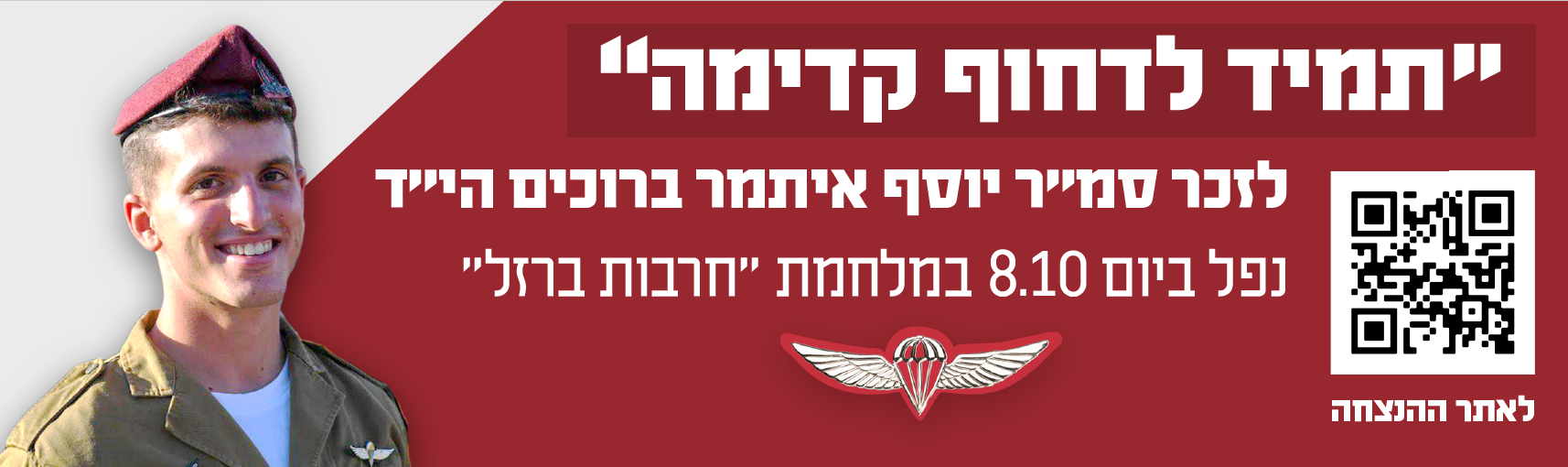
Life & service
Service
- Rank
- Staff sergeant
Family
- Father
- Meir
- Mother
- Orly
Burial
Tributes & remembrance
יוסף אתה היית איש מדהים ואנחנו אוהבים אותך המון המון המון גם אמא וגם אבא איזה עצוב שנפלת אנחנו נזכור אותך כמה שאנחנו יכולים אני ואמא ואבא וכולם נזכור אותך עד שמיים
נזכור אתכם תמיד
יהי זכרם ברוך
מתגעגעים. אתה חסר מאוד
כול יום שעובר דמותך מולי ואתה חסר יותר
מאיר ואורלי סיפרו לי על בנם, יוסף איתמר ברוכים, שהיה קסם על פני כדור הארץ. לכל חדר שנכנס הכניס אור ושמחה, היה אהוב על ידי כולם, כל מי שהכיר אותו התאהב. מנהיג מלידה, לאן שהלך הלכו אחריו בטבעיות, החיילים שלו הסתכלו עליו במבט שאומר הכל. ציוני ואוהב הארץ, מההתנדבות בתנועת המש״צים כנער, דרך הכנות כושר קרבי שלקח עוד מכיתה י׳. דרבן את כולם להתגייס לקרבי. לוחם ומפקד בחטיבת צנחנים, גדוד 101, שכל כך התגאה בהיותו כזה ודיבר בשפה צבאית גם בבית, דאג לחיילים שלו כמו לילדים שלא היו לו, ונפל בעת נתינה בהגנה על מדינת ישראל. יהי זכרו ברוך.
ליוסף איתמר ברוכים
יהיה זכרך ברוך
גיבור ישראל
איתמר, מתגעגעים מאוד
אוהבים, זוכרים ומתגעגעים.
שלום יצא לי לא מזמן להשתתף באימון לזכרו של יוסף איתמר ברוכים ו שמעתי מחבריו לצוות שהוא אהב להתאמן כל יום ואהב לשתות מונסטר לבן והמוטיבציה שלו וההתמדה שלו נגע בי מאוד ממה ששמעתי וקראתי התרשמתי מאוד
( ISO )
בחור מקסים מעורר השראה מפקד לדוגמא אהוב ומיוחד. גיבור ישראל יהיה זכרך ברוך
יהיה זכרה ברוך אמן
גיבור שלנו
איתמר
עובר לי צמרמורת לרשום מכתב לבן אדם שלא הכרתי מקרוב אבל יחד עם זאת כאילו הכרתי אותך כל החיים,כמה חבל שלא זכיתי להכיר את מי שאתה בחיים,אתה גיבור והלכת גם כמו גיבור
שתדע שתמיד תשאר איתנו התמונה שלך חקוקה בלב ובנשמה. ודודה מיטל כלכך מתגעגעת אליך
בליבי לנצח
זוכרים אותך ומתגעגעים כל יום גיבור יקר שלנו
השם יקום דמך! מצדיעה לך!
רק שנהיה ראויים לכם
איתמר ילד גבר שהיה בו הכל. לנצח נזכור אותך עם החיוך הכובש והמבט הצנוע.
איתמר גיבור ישראל
בחור עם לב זהב שנלחם למען המולדת.
חיבוק גדול אורלי, מאיר והאחים היקרים
חושבת עליכם המון
יהי זכרו ברוך
זכרך בליבנו לעד .ת.נ.צ.ב.ה
תנצב"ה
איתמר ברוכים גיבור ישראל שנפל ב8 לאוקטובר
שנהיה ראויים לך,
במותך צווית לנו את החיים
נזכור אותך לעד ת.נ.צ.ב.ה
יהי זכרו ברוך
הי"ד
יהי זכרו ברוך לעד
בדמך חיינו
שרק נהיה ראויים
לזכר מעיין הנעורים הכל כל יפה שהעניק חיים לכולנו
אח שלי, מתגעגע אליך, אוהב אותך, וזוכר אותך כל יום ולא רק ביום הזכרון. אני רוצה שתדע שמה שאתה לימדת אני מבצע כל יום, ומלמד אחרים להיות כמוך.
תשמור עלינו למעלה שותף
יהיי זיכרו ברוך
הכרנו במשצים ותמיד היית הכי מצחיק והכי מעניין לשבת איתו ולדבר על החיים
אולי לא שמרנו על קשר כלכך אבל תמיד יהיה לך מקום בלב שלי
מתגעגעת אלייך איתמר תודה ששמרת עלינו
געגוע שכואב בנשמה
Thank you for showing us all what leadership is.
Source:אשדודי
Read the Hebrew original
תודה לך שהראית לכולנו מנהיגות מהי
He inspired many people to follow him and showed them the power of true perseverance.
Source:כאן דרום אשדוד
Read the Hebrew original
הוא סחף אחריו אנשים רבים והראה להם מה הכוח של התמדה אמיתית
I feel him walking with me, inside my heart. We were like soulmates.
Source:ישראל היום
Read the Hebrew original
אני מרגישה אותו הולך איתי, בתוך הלב שלי, היינו כמו נשמות תאומות
His support helped me get through that crisis with relative ease
Source:כאן
Read the Hebrew original
התמיכה שלו סייעה לי לעבור את אותו משבר בקלות יחסית
go with what you believe in and do it with a smile
Source:The Times of Israel
a golden man who taught me to keep pulling people forward.
Source:The Times of Israel
We managed a small meal, ate a little pasta, a little hug
Source:C14
Read the Hebrew original
הספקנו ארוחה קטנה, אכלנו קצת פסטה, חיבוק קטן
He did not give up on me for even a moment because he knew how important physical fitness was
Source:Remember Itamar
Read the Hebrew original
הוא לא ויתר עליי אפילו לרגע כי הוא ידע כמה חשוב הכושר הגופני
He loved every moment of his military service and felt a deep commitment to his soldiers.
Source:Remember Itamar
Read the Hebrew original
אהב כל רגע בשירות הצבאי וחש מחויבות עמוקה כלפיי חייליו.
Itamarush was a grandson everyone loved very much, and I too loved Itamari very much
Source:Remember Itamar
Read the Hebrew original
איתמרוש היה נכד אהוב מאוד על כולם ואני גם אהבתי מאוד את איתמרי
Itamar is a special boy with a big heart and a great willingness to make an effort and give of himself to those around him.
Source:Remember Itamar
Read the Hebrew original
איתמר ילד מיוחד, עם לב גדול, עם מוכנות גדולה להשקיע ולתת מעצמו לסובבים אותו.
Remembrance Day addresses
יום הזיכרון לחללי מערכות ישראל התשפ"ה – 2025
בכל יום שעובר, אזכור יותר! אזכור, את אלו שיצאו עימי לקרב ולא שבו, ולהם אין מי ידמה ומי ישווה. אזכור, שהכאב לא יעבור לעולם, והזמן, הוא לא מרפה ולא מרפא. אזכור, את שיברון הלב הגובר ואת הבית שבוער. אזכור, את צדקת הדרך, ואשבע שוב, שמה שהיה לא יהיה יותר. אזכור, שיותר מכל דבר אחר – אני חסר! ביום הזה, אני נתקף געגוע לדמותם, לחיתוך דיבורם, לחיוכם, ומדליק נר לזיכרון דרכם ומורשתם!
משרד הביטחון
אגף משפחות, הנצחה ומורשת
יום הזיכרון לחללי מערכות ישראל התשפ"ה – 2025
בכאב, בהצדעה ובתקווה אני מתכבד להדליק נר זיכרון זה. השנה, כשאנו נלחמים במלחמה ארוכה, רב זירתית וצודקת, הזיכרון נושא משמעות עמוקה. ביום זה נעצור ונתייחד עם זכרם של טובי בנינו ובנותינו שנפלו בהגנה על המדינה. מורשתם היא המצפן שמתווה את דרכינו, והיא המעניקה לנו כוח להמשיך ולהגן על מדינת ישראל ותושביה. משפחות יקרות, אנו מרכינים ראשנו ומתחייבים שנעמוד לצידכן תמיד. יהי זכר הנופלים ברוך.
אלוף דדו בר כליפא
ראש אגף כוח האדם, צה"ל
יום הזיכרון לחללי מערכות ישראל התשפ"ה – 2025
בשעה שאנו זוכרים את גודל תרומתם ועומק מסירות נפשם של טובי בנינו ובנותינו, נופלי מערכות ישראל לדורותיהן, ממשיכים צה"ל וכוחות הביטחון במימוש המשימה למענה לחמו ועבורה נפלו: הכרעת אויבינו מדרום, מצפון, ביהודה ובשומרון, וגם בזירות רחוקות יותר. בהערכה רבה ובגאווה אדירה אנו מרכינים ראש בפני הנופלים והנופלות, מאמצים את משפחותיהם אל לבנו, וממשיכים במשימה להבטחת קיומה של ישראל לדורי דורות. יחד נעשה ונצליח.
רב אלוף אייל זמיר
הרמטכ"ל, צה"ל
יום הזיכרון לחללי מערכות ישראל התשפ"ד – 2024
כאשר דגלינו מורדים לחצי התורן וראשינו מורכנים לזכר הנופלים והנופלות במערכות ישראל, ממשיכים לוחמי צה"ל ומפקדיו בלחימה בדרום, בצפון, ביהודה ובשומרון ובזירות נוספות. על כל דור מוטלת המשימה של הגנת העם והארץ – משימה שאף פעם אינה פוסקת. נצדיע בגעגוע ובגאווה לנופלים ולנופלות, נחבק את משפחותיהם, ונמשיך ברוח הציווי שהותירו לנו. עם ישראל חי.
רב ניצב יעקב שבתאי
המפקח הכללי, משטרת ישראל
יום הזיכרון לחללי מערכות ישראל התשפ"ד – 2024
אחיי הנופלים, כל נר הוא זיכרון יחיד ומיוחד, על חיים שהיו ואינם, געגוע שנצרב עמוק בלב, עולם ומלואו. הנרות כולם הם זיכרון של אומה כי לעולם לא עוד, בשורת הציונות וקוממיות ישראל. זיכרון כי הדרך לעם חופשי בארצנו עוברת דרך מסדר הנופלים. אור הנר יזכיר לנו את מסירות נפשכם להציל חיים, להגן על הבית. הנרות מסמנים לנו נתיב גבורה ערכי מחייב שאנו מצווים ללכת לאורו. נמשיך להילחם ולהוסיף אור מתוך אמונה בנצח ישראל.
יואב גלנט
שר הביטחון
יום הזיכרון לחללי מערכות ישראל התשפ"ד – 2024
בהצדעה ובכאב, בשם צה"ל כולו, אני מדליק נר זיכרון. בעיצומה של מלחמה, הזכרון נושא משמעות יום-יומית, שעבר והווה מתלכדים בה. לאורם של הנופלים נמשיך לצעוד, חיילי הסדיר והמילואים. לאורם של הנופלים נמשיך להגן על ארצנו ועל מולדתנו, גם כשהמחיר כבד. להבת-הזכרון תבער בנו בעודנו ממשיכים להלחם ונזכור את הנופלים ואת אומץ ליבם. משפחות יקרות, צה"ל מרכין היום ראש, מצדיע לכן וכואב איתכן. יהי זכר הנופלים ברוך.
אלוף יניב עשור
ראש אגף כוח האדם, צה"ל
יום הזיכרון לחללי מערכות ישראל התשפ"ד – 2024
בהוקרה, בגאווה ובכאב שאין לו סוף, אני מתכבד להדליק נר לזכרם של הנופלים והנופלות במערכות ישראל. סיפור חייהם בארץ הזאת, מסכת שירותם, גבורתם והקרבתם – הם סיפורה של הארץ הזאת, אך גם סיפור המחיר הכבד שהיא תובעת מאוהביה. מחויבותנו לזכר הנופלים ולדרך שהותירו לנו ניצבת תמיד לנגד עינינו. את המשימה שלא זכו להשלים, משלימים כיום, וישלימו, אנשי כוחות הביטחון, הממשיכים בדרכם ולאורם. יהי זכרם של הנופלים ברוך.
משרד הביטחון
אגף משפחות, הנצחה ומורשת
יום הזיכרון לחללי מערכות ישראל התשפ"ד – 2024
בחרדת קודש אני מתכבד להדליק נר לזכרם של חללי מערכות ישראל, חברנו שנפלו, מראשית היציאה מהחומות ולאורך כל שנות עצמאותנו המדינית והציונית, מהווים תמרור זיכרון לדרך חיינו ולמחוייבות הלאומית להנצחת זכרם. דרכם נותרה דרכנו ומורשתם נר להמשך עשייתנו. יהי זכרם ברוך!
בני גנץ
שר הביטחון
יום הזיכרון לחללי מערכות ישראל
נזכור אותם, כולנו יחד. כל אחד ואחת מהם, מדי יום ביומו, והיום ביתר שאת, כך – לנצח. "כי מדי דברי בו זכור אזכרנו עוד"
משרד הביטחון
אגף משפחות, הנצחה ומורשת