
The story
The air in Kiryat Tivon always breathed a certain rural tranquility, even as the neighborhood houses climbed the hillsides. A blend of the deep green of pine and eucalyptus trees, the scent of damp earth after rain, and the birdsong that rose with the dawn, created a feeling of a rooted, connected home. In the heart of this landscape, in a house whose doors were always open, Yanon Nuriel Vaana was born on the second day of Sivan, 5765, the eighth of June, 2005. He was the third child of Nava and Shaul, who had established a sprawling, vibrant, and lively family. Before him came Yochai and Itamar, and after him would come Roi, Hadas, Inbar, and Avishag – a mosaic of seven brothers and sisters, each a world unto themselves, and together forming the unique tapestry of the Vaana family.
Their home was not merely four walls and a ceiling, but a bustling center of incessant activity. The kitchen, the heart of the house, was always filled with the aromas of cooking, Shabbat cakes, and endless conversations. Nava, with her quiet yet determined actions, managed it all with a firm hand, always with a smile and a kind word, even when exhaustion threatened to overwhelm her. Shaul, a man of work, brought home the day's stories, his experience, and a stable anchor, remaining steadfast and patient through every small sibling quarrel or philosophical question raised around the dinner table. Yanon, a child with curious blue eyes that always sought out the small details, grew up amidst this commotion, learning to navigate between laughter and shouts, to share and to give, while simultaneously finding his quiet corner within the blessed chaos. He loved to sit in the small garden of the house, watching ants climb the tree trunk, or touching the moist earth where his mother nurtured her vegetable beds. He would smell the thyme and rosemary, crumble clods of soil between his small fingers, and sometimes help his mother water, observing how the water drops quickly absorbed, leaving dark stains on the ground. This was not "holy ground" in an abstract sense, but living, breathing earth from which life grew, and in it, he found peace and a deep connection.
Yanon’s childhood was filled with small magical moments and great life lessons. He was a curious child who loved to take things apart – toys, old electrical appliances his father brought home from work, broken watches – just to understand how they functioned. With a bit of patience, he would also try to reassemble them, not always with complete success, but always with unwavering determination. Yochai and Itamar, his older brothers, were both role models and challenges for him. He would chase them in the yard, try to mimic their movements in ball games, and beg to be included in the impromptu soccer matches held in the neighborhood field. "Yanon, you're still too small," Itamar would say, but Yanon never gave up, and over time, as he grew stronger and more agile, he managed to find his place among the older kids. With Roi, his younger brother, he shared a deep bond of friendship, a partnership in secrets and mischievous acts. The girls, Hadas, Inbar, and Avishag, added another dimension to the home – one of softness, rolling laughter, and small dramas centered around clothes and dolls. Yanon learned from them the importance of patience, the power of connection, and the fact that even amidst all the commotion, there was always room for a warm hug. He would protect them when other children teased them, and he was always there to listen to their stories about school or friends.
When he reached elementary school at "Hadarim" School, Yanon quickly stood out due to a combination of inner calm and sharp intelligence. He wasn't the student who raised his hand for every question, but when asked, his answers were precise and insightful. He particularly loved science and mathematics classes, where he could delve into a world of numbers and laws, and craft lessons, where his hands could work and create. His teacher, Yael, who noticed his special talent for disassembly and assembly, would encourage him to solve small technical problems in the classroom, such as fixing a stuck door lock or helping to operate a projector. He would approach the task silently, completely focused, his body language conveying determination. His friends, who saw him as a kind of "wizard" of devices, would turn to him for help with broken bicycles or computer games that wouldn't work. Yanon enjoyed the challenge, and especially the sense of satisfaction that came with success – when parts connected, when a mechanism returned to operation, when the bicycle once again sped along. He didn't talk much about "fixing the world," but in his small actions, he fixed the small world around him.
During adolescence, Kiryat Tivon changed its face for him. The gardens became meeting places with friends, the winding paths turned into routes for cycling or electric scooters, and the pastoral landscape served as a backdrop for deep conversations about life, the future, and everyone's place in the world. Yanon was not a social leader in the classic sense; he wasn't the one who led conversations or commanded attention, but he was a constant pillar in his group of friends. He was the attentive listener, the one you could always rely on, the one who offered thoughtful and practical advice, and the one who would help extract a motorcycle stuck in the field or fix the sound system at a party. He continued to develop his love for mechanics and technology, helping his father with small repairs around the house, and sometimes even watching YouTube videos about engines, electricity, and electronics. The neighborhood garage, with its smell of grease and fuel, was a kind of laboratory for him, and he spent long hours there, observing the mechanics, asking questions, and learning the secrets of the trade. "One day, I'll know how to fix everything," he once told one of the mechanics, as the man handed him a wrench, "I just need to understand how it works from the inside."
The high school years were a period of personality formation. He studied at "Ort Greenberg" School in Kiryat Tivon, where he chose the mechatronics track – a combination of mechanics and electronics. This was where his talents truly blossomed. The teachers in the program recognized the potential within him, his ability to get to the root of a problem, never giving up until he found the solution. He would spend hours in the lab, soldering circuits, programming components, assembling small robots. His classmates appreciated his professionalism, the patience with which he explained complex concepts, and his ability to turn theory into practice. At home, the atmosphere shifted slightly as the siblings grew older. Yochai and Itamar were already in the army or had completed their service, while Hadas, Inbar, and Avishag were still at home. Yanon, who had become an older brother, took on more responsibility, helping his parents care for his younger sisters, listening to their dilemmas, and serving as an example of determination and inner calm. "Yanon, help me with my homework," Avishag would ask, and Yanon, despite his fatigue or plans, would sit with her patiently, explaining again and again until she understood.
As the enlistment date approached, the atmosphere at home became charged with anticipation and apprehension. The Iron Swords War was already raging in full force, and the understanding that every young man and woman in Israel was entering a wartime reality was present in every conversation. Yanon, for his part, was determined to serve a meaningful combat role. He knew his technical skills could be an asset, and he wanted to utilize them where they would be most needed. He trained physically, running on the paths of Tivon, strengthening himself at the gym, and engaged in long conversations with his older brothers about military service, its difficulties, and its significance. His parents, Nava and Shaul, saw the determination in his eyes, his fervent desire to contribute, and they supported him, even if deep worry gnawed at their hearts. In the last evenings before his enlistment, the dinner table was filled with discussions of hopes and fears. "Take care of yourself, Yanon," his mother would say, her voice trembling slightly, and Yanon would hug her long and strong, "I will, Mom. Don't worry."
On June 16, 2024, Yanon enlisted in the IDF. It was a hot summer day, but the air was filled with excitement and tension. The farewell from his family at the recruitment center was difficult, but he knew it was the right step for him. He boarded the bus with a heart full of a mixture of apprehension and hope, leaving behind the warmth of his familiar home and the beloved scents of Kiryat Tivon. He was assigned to the Golani Brigade, one of the most elite and veteran brigades in the IDF, and specifically to the Golani Reconnaissance Unit, a unit that demanded high capabilities and exceptional professionalism. There, within the reconnaissance unit, he found his place as a technology and maintenance soldier. This role was not just about "fixing things"; it was a critical pillar in a combat unit. A technology and maintenance soldier in the Golani Reconnaissance Unit meant being responsible for the operational integrity of the most advanced weaponry, armored vehicles, communication and observation systems, and all other technological equipment without which the unit could not function on the battlefield.
Basic training was challenging, physically and mentally. The endless runs in the mud, the marches with heavy equipment, the few hours of sleep, the shouts of the commanders – all of these were a true test of his willpower. But Yanon, with the inner calm and determination that characterized him from childhood, overcame the obstacles. He didn't complain; he simply did. He quickly learned the military dynamics, the discipline, and the importance of teamwork. "Listen, Vaana," one of the commanders once told him, "you might not be the loudest soldier, but you are one of the most professional I know. We can always count on you." These compliments, delivered in a tough voice, were for Yanon an affirmation that he was on the right path. He found close friends in basic training, partners on the journey, with whom he shared the difficulties and the laughter, the stories of home and the dreams of the future. They would sit at night, after an exhausting day, and talk about everything – missing their mother's cooking, the girlfriends waiting at home, and the meaning of their service during such a time.
After basic training, he began his professional instruction as a technology and maintenance soldier. It was a whole world of complex technical knowledge: delicate electronics, heavy mechanics, encrypted communication systems, precision weapons, drones, and robots. He immersed himself in the material with passion, remembering every detail, understanding every technical drawing. His hands, which had known how to disassemble and reassemble toys in childhood, now became precise tools, skilled in handling sensitive and valuable military equipment. He learned to fix malfunctions under time pressure, sometimes in harsh field conditions, with mud clinging to his boots and dust choking his throat. He was the team's "expert," the one everyone turned to when a radio wasn't working, when a vehicle made strange noises, or when an observation system refused to respond. "Yanon, take a look at this," someone would call to him, and he would arrive quickly, check, diagnose, and find a solution. He knew that every small malfunction could cost human lives on the battlefield, and therefore he worked with unparalleled commitment and dedication. "The equipment must work," he would tell himself, "everyone's lives depend on it."
Service in the Golani Reconnaissance Unit, despite being combat support, also required him to be a full-fledged combatant. He participated in combat training, practiced shooting, navigation, and movement in complex terrain. He knew that even as a technology specialist, he might find himself on the front lines, and therefore he was prepared for any scenario. Contact with home was maintained through short phone calls and WhatsApp messages. He told his parents about the challenges, his friends, and his significant role. "I'm fine, Mom. Don't worry," he would say, trying to calm her fears. He missed home-cooked food, the quiet of Kiryat Tivon, but he knew he was doing something important. He saw the war not just through news broadcasts, but through the eyes of his fellow combatants returning from Gaza, through their stories, through the fatigue on their faces and the determination in their eyes. He was a part of them, a part of the national effort, and felt great pride in it.
The last days of July 2025 were days of escalating tension. Yanon and his team were stationed at a base near the Gaza Strip border, ready for any scenario. The orders were clear: the reconnaissance unit was preparing for another entry into the Strip, this time to the southern area, where centers of heavy fighting were concentrated. Preparations were frantic: final checks of vehicles, calibration of weapon systems, inspection of communication equipment. Yanon worked tirelessly, his hands skilled, focused, as he breathed the hot, dry desert air. On the evening before the entry, he sat with his friends, drinking hot tea and talking quietly. "Everything will be fine, guys," he said, trying to instill optimism, "we are professional, we are ready."
The last WhatsApp messages he sent were short, concise, but full of love. To his mother, he wrote: "Love you, Mom. Pray for me. We're going in." To his father, a similar message, with a smiling emoji. To his brothers and sisters, a group message: "Take care of yourselves and Mom and Dad. Hold tight. I'll be back soon. Miss you all." He didn't want to scare them, only to convey a message of love and reassurance. The phone went into his pocket, thoughts of home were pushed aside, and his focus shifted to the mission ahead. At dawn on Friday, July 26, 2025, as the sun began to paint the sky in shades of orange and crimson over the sand dunes, the reconnaissance unit set out.
The entry into the Gaza Strip was accompanied by peak alertness. The roar of the APC tracks ground the sandy earth, fighter jets circled overhead, and distant gunfire echoed in the air. Yanon was in the maintenance APC, ready for any call. His role was critical: to ensure that all vehicles and systems functioned optimally in the heart of the battlefield. They moved deep into the territory, between ruined buildings and narrow alleys, their eyes scanning every corner in search of threats. The tension was palpable; one could feel it in the dense air. Every moment was a sequence of decisions, of quick reactions, of coordination with the rest of the force.
In one of the critical moments of the battle, as the reconnaissance unit encountered fierce resistance, a malfunction occurred in one of the significant vehicles. The APC, which was the heart of the operational activity, began to sputter, its engine choking. Yanon, without hesitation, jumped from his maintenance APC. He knew there was no time to waste. He ran under fire, ignoring the whistling bullets around him, focused solely on the mission: to get the vehicle back into operation. The smell of gunpowder choked his nostrils, the noise of explosions was deafening, but Yanon concentrated. He opened the engine cover, his hands trembling slightly from the adrenaline, but his eyes sharp and focused on the problem. He quickly identified the malfunction, began to work skillfully, every movement precise, every screw tightened correctly. He heard the calls of his friends, the commands on the radio, and knew he had to succeed.
While working under unimaginable pressure, Yanon was hit. It happened suddenly, in a single moment of wartime cruelty. The sounds of battle faded for a moment, and the world around him fell silent, then erupted again with renewed intensity. His teammates, who saw him fall, rushed to him immediately. They tried to save him, to do everything in their power, but the injury was too severe. Yanon Nuriel Vaana, only twenty years old, a technology and maintenance soldier in the Golani Reconnaissance Unit, fell in battle in the southern Gaza Strip on the 1st of Av, 5785, July 26, 2025. He fell doing what he knew best – fixing, protecting, and ensuring his comrades could continue to fight. His heroism was not in breaching an enemy line, but in his unwavering dedication to the mission, his uncompromising courage under fire, and his willingness to sacrifice everything for the safety of his friends and his unit. He fell as a hero by virtue of his actions, from within the human and harsh reality of the battlefield.
The news of his fall reached the home in Kiryat Tivon like a thunderbolt on a clear day. The silence that enveloped the house was a silence of shattering. A knock on the door, two officers in uniform, and the whole world stopped. Nava and Shaul, his parents, received the most terrible news parents can receive. The bustling, lively home instantly became a house of mourning. The seven brothers and sisters – Yochai, Itamar, Roi, Hadas, Inbar, and Avishag – lost a brother, a friend, an anchor. They gathered around their parents, trying to contain the unfathomable loss, the void that had opened in their hearts and in the heart of the family.
Yanon was laid to rest in the military plot at the Kiryat Tivon cemetery. Thousands of people came to accompany him on his final journey. The silence of the cemetery was broken only by the sounds of weeping and eulogies delivered in choked voices. The words described a curious child, a quiet and determined youth, a professional and brave soldier. The earth of Tivon, where he played as a child, where he touched with his small fingers, embraced him forever. The Israeli flag draped his coffin, and his rank, Corporal, was replaced by the rank of Sergeant – a sign of honor and appreciation for his heroism and his fall.
The void Yanon left behind was immense. At home, an empty chair around the Shabbat table, a missing voice in the evening conversations, a corner of the garden that was too quiet. His parents lost a son, his brothers and sisters lost a brother and a friend. But along with the immense pain, there also remained a deep sense of pride. Yanon fell while defending his home, his family, his people. He fell while fulfilling his role with unparalleled dedication, out of a deep belief in the justice of his path. He was not a hero of bombastic words, but a hero of actions, of steadfastness, of professionalism, of quiet and determined courage.
The legacy of Yanon Nuriel Vaana is not merely in the memory of a young man who fell in battle. It lives in the spirit of the close-knit family he left behind, in the stories told about him by his comrades in arms, in his ability to fix and build, in his ability to see the small details and connect them to a larger picture. He left behind a reminder of the power of simple humanity, of deep commitment, of love for home and family, and of the willingness to sacrifice everything for revival. Yanon's life story, from the curious child who loved to touch the earth and take apart devices, through the quiet youth who sought meaning, to the brave technology soldier in the Golani Reconnaissance Unit, is a story of Israeli pride. Pride in a person who chose to do, not just to talk; who acted out of belief, and was an inseparable part of the chain of generations defending the Land of Israel, in his quiet, professional, and brave way. His memory and his deeds will be etched forever in the hearts of all who knew him, and in the story of heroism of the War of Revival.
Moments of a life
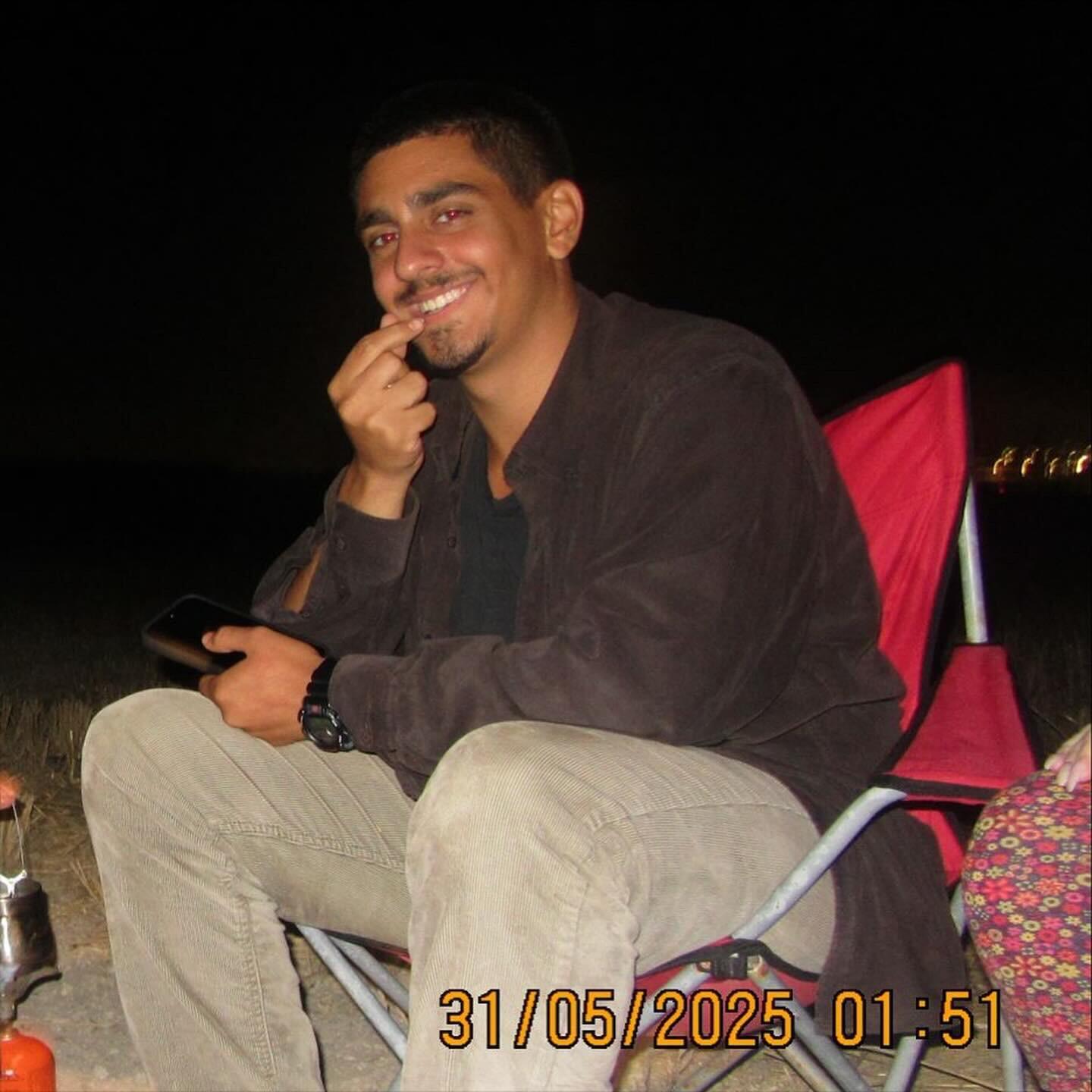
All photographs · 5
In the media
Articles
- مقتل جنديين إسرائيليين في اشتباك شرق خان يونس
القناة 7 ·
- Two IDF soldiers killed when armored vehicle hit by explosive in Khan Younis
The Times of Israel ·
- Yinon Nuriel Vana
ynet - גלעד
- “Nothing prepared me for the knock at the door”: Stories of the fallen | N12
N12
- In memory of Yinon Nuriel Vana, ORT Greenberg, Kiryat Tivon — Remembering the Fallen
memorial.ort.org.il
- Sergeant Yinon Nuriel Vana, of blessed memory • Funeral Procession — Hai Po — The News Corporation of Haifa and the Surrounding Area
haipo.co.il
Show all (9)
Memorial sites
- The Memorial Center – Sergeant Yinon Nuriel Vana
מרכז ההנצחה קריית טבעון
- Yizkor — Sergeant Yinon Nuriel Vana
משרד הביטחון - יזכור
- Yinon Nuriel Vana | IDF Website
אתר צה״ל
Memorial projects
His friends Osher and Daniel designed a poster in his memory during the night. According to the public comment on the ORT website, in the morning they printed it on flags and tarpaulins for the funeral.
Stories told about them
His mother described his mechanical curiosity from an early age: at just a year and a half, he took apart a drawer’s locking mechanism. Later, he taught himself to play guitar and bass guitar using the computer.
At the end of twelfth grade, Yinon received a certificate of appreciation as the student who had made the biggest change in his year. After enlisting, he returned to visit his homeroom teacher at school every two weeks, according to the ORT website.
Life & service
Profile
- Date of birth
- June 8, 2005
- Birthplace
- Kiryat Tivon
- Date of death
- July 26, 2025
- Age
- 20
- Hometown
- Kiryat Tivon
Service
- Rank
- Sergeant
- Honours
- Posthumously Promoted
- Battle Location
- Southern Gaza Strip
Family
- Father
- Shaul
- Mother
- Nava
Burial
Tributes & remembrance
ינון יקר היית לי חבר טוב שתמיד עזר לי לחייך עם החיוך המדבק שלך ואתה חסר לכולם ברמות
משתתף בצערכם , כול חייל וחיילת במדינה הזאת גיבורים ושלכם גיבור משחמו ומעלה , מאחל לכם שמחה ואושר בשאר חייכם
He was truly gifted, but I never heard him boast about it.
Source:haipo.co.il
Read the Hebrew original
הוא היה ממש מחונן, אבל אף פעם לא שמעתי אותו מתגאה בזה.
Yinon was a wonderful boy, principled and polite.
Source:memorial.ort.org.il
Read the Hebrew original
ינון היה ילד זהב, ערכי, מנומס.
There was beauty in you. There was tenderness in you.
Source:memorial.ort.org.il
Read the Hebrew original
היה בך יופי. היה בך רוך.
Yinon's family was like a second family to me
Source:memorial.ort.org.il
Read the Hebrew original
המשפחה של ינון הייתה כמו משפחה שנייה שלי
Yinon was such a good boy; no one ever got angry with him
Source:ynet - גלעד
Read the Hebrew original
ינון היה ילד טוב כזה, בחיים לא כעסו עליו
He didn't want to worry anyone too much, even though it was clear that it wasn't easy
Source:C14
Read the Hebrew original
הוא לא רצה להדאיג אף אחד יותר מדי, למרות שהיה ברור שזה לא פשוט
Remembrance Day addresses
יום הזיכרון לחללי מערכות ישראל התשפ"ה – 2025
בכל יום שעובר, אזכור יותר! אזכור, את אלו שיצאו עימי לקרב ולא שבו, ולהם אין מי ידמה ומי ישווה. אזכור, שהכאב לא יעבור לעולם, והזמן, הוא לא מרפה ולא מרפא. אזכור, את שיברון הלב הגובר ואת הבית שבוער. אזכור, את צדקת הדרך, ואשבע שוב, שמה שהיה לא יהיה יותר. אזכור, שיותר מכל דבר אחר – אני חסר! ביום הזה, אני נתקף געגוע לדמותם, לחיתוך דיבורם, לחיוכם, ומדליק נר לזיכרון דרכם ומורשתם!
משרד הביטחון
אגף משפחות, הנצחה ומורשת
יום הזיכרון לחללי מערכות ישראל התשפ"ה – 2025
בכאב, בהצדעה ובתקווה אני מתכבד להדליק נר זיכרון זה. השנה, כשאנו נלחמים במלחמה ארוכה, רב זירתית וצודקת, הזיכרון נושא משמעות עמוקה. ביום זה נעצור ונתייחד עם זכרם של טובי בנינו ובנותינו שנפלו בהגנה על המדינה. מורשתם היא המצפן שמתווה את דרכינו, והיא המעניקה לנו כוח להמשיך ולהגן על מדינת ישראל ותושביה. משפחות יקרות, אנו מרכינים ראשנו ומתחייבים שנעמוד לצידכן תמיד. יהי זכר הנופלים ברוך.
אלוף דדו בר כליפא
ראש אגף כוח האדם, צה"ל
יום הזיכרון לחללי מערכות ישראל התשפ"ה – 2025
בשעה שאנו זוכרים את גודל תרומתם ועומק מסירות נפשם של טובי בנינו ובנותינו, נופלי מערכות ישראל לדורותיהן, ממשיכים צה"ל וכוחות הביטחון במימוש המשימה למענה לחמו ועבורה נפלו: הכרעת אויבינו מדרום, מצפון, ביהודה ובשומרון, וגם בזירות רחוקות יותר. בהערכה רבה ובגאווה אדירה אנו מרכינים ראש בפני הנופלים והנופלות, מאמצים את משפחותיהם אל לבנו, וממשיכים במשימה להבטחת קיומה של ישראל לדורי דורות. יחד נעשה ונצליח.
רב אלוף אייל זמיר
הרמטכ"ל, צה"ל
יום הזיכרון לחללי מערכות ישראל התשפ"ד – 2024
כאשר דגלינו מורדים לחצי התורן וראשינו מורכנים לזכר הנופלים והנופלות במערכות ישראל, ממשיכים לוחמי צה"ל ומפקדיו בלחימה בדרום, בצפון, ביהודה ובשומרון ובזירות נוספות. על כל דור מוטלת המשימה של הגנת העם והארץ – משימה שאף פעם אינה פוסקת. נצדיע בגעגוע ובגאווה לנופלים ולנופלות, נחבק את משפחותיהם, ונמשיך ברוח הציווי שהותירו לנו. עם ישראל חי.
רב ניצב יעקב שבתאי
המפקח הכללי, משטרת ישראל
יום הזיכרון לחללי מערכות ישראל התשפ"ד – 2024
אחיי הנופלים, כל נר הוא זיכרון יחיד ומיוחד, על חיים שהיו ואינם, געגוע שנצרב עמוק בלב, עולם ומלואו. הנרות כולם הם זיכרון של אומה כי לעולם לא עוד, בשורת הציונות וקוממיות ישראל. זיכרון כי הדרך לעם חופשי בארצנו עוברת דרך מסדר הנופלים. אור הנר יזכיר לנו את מסירות נפשכם להציל חיים, להגן על הבית. הנרות מסמנים לנו נתיב גבורה ערכי מחייב שאנו מצווים ללכת לאורו. נמשיך להילחם ולהוסיף אור מתוך אמונה בנצח ישראל.
יואב גלנט
שר הביטחון
יום הזיכרון לחללי מערכות ישראל התשפ"ד – 2024
בהצדעה ובכאב, בשם צה"ל כולו, אני מדליק נר זיכרון. בעיצומה של מלחמה, הזכרון נושא משמעות יום-יומית, שעבר והווה מתלכדים בה. לאורם של הנופלים נמשיך לצעוד, חיילי הסדיר והמילואים. לאורם של הנופלים נמשיך להגן על ארצנו ועל מולדתנו, גם כשהמחיר כבד. להבת-הזכרון תבער בנו בעודנו ממשיכים להלחם ונזכור את הנופלים ואת אומץ ליבם. משפחות יקרות, צה"ל מרכין היום ראש, מצדיע לכן וכואב איתכן. יהי זכר הנופלים ברוך.
אלוף יניב עשור
ראש אגף כוח האדם, צה"ל
יום הזיכרון לחללי מערכות ישראל התשפ"ד – 2024
בהוקרה, בגאווה ובכאב שאין לו סוף, אני מתכבד להדליק נר לזכרם של הנופלים והנופלות במערכות ישראל. סיפור חייהם בארץ הזאת, מסכת שירותם, גבורתם והקרבתם – הם סיפורה של הארץ הזאת, אך גם סיפור המחיר הכבד שהיא תובעת מאוהביה. מחויבותנו לזכר הנופלים ולדרך שהותירו לנו ניצבת תמיד לנגד עינינו. את המשימה שלא זכו להשלים, משלימים כיום, וישלימו, אנשי כוחות הביטחון, הממשיכים בדרכם ולאורם. יהי זכרם של הנופלים ברוך.
משרד הביטחון
אגף משפחות, הנצחה ומורשת
יום הזיכרון לחללי מערכות ישראל התשפ"ד – 2024
בחרדת קודש אני מתכבד להדליק נר לזכרם של חללי מערכות ישראל, חברנו שנפלו, מראשית היציאה מהחומות ולאורך כל שנות עצמאותנו המדינית והציונית, מהווים תמרור זיכרון לדרך חיינו ולמחוייבות הלאומית להנצחת זכרם. דרכם נותרה דרכנו ומורשתם נר להמשך עשייתנו. יהי זכרם ברוך!
בני גנץ
שר הביטחון
יום הזיכרון לחללי מערכות ישראל
נזכור אותם, כולנו יחד. כל אחד ואחת מהם, מדי יום ביומו, והיום ביתר שאת, כך – לנצח. "כי מדי דברי בו זכור אזכרנו עוד"
משרד הביטחון
אגף משפחות, הנצחה ומורשת