
The story
The air in Yitzhar on the 23rd of Tevet, 5759, carried the sharp bite of an Israeli winter, yet within the Lober family home, nestled among the sculpted hills of Samaria, a special warmth prevailed. Into this warmth, on January 11, 1999, Elisha Yonatan was born. He was the son of Tehiya and Hagai David, and his arrival joined an already sprawling and vibrant family, filled with children's laughter and the sounds of life. The house, always bustling with movement, breathing, and stories, welcomed him with open arms. Scents of home-cooked meals mingled with the aroma of old and fresh books, and the echoes of study and prayer wove through evening conversations and quiet songs. Elisha Yonatan was born into a living community, into a family that built its life on this land, with deep loyalty to the traditions and values instilled by his parents. He was a small child in a big world, but his world began there, among the hills, in the embrace of a loving family.
Tehiya and Hagai's home was a warm nest, surrounded by fields and orchards, with an open landscape stretching to the horizon—a landscape that shaped Elisha Yonatan's soul from childhood. He grew up with eight siblings: Sarit, Safi, Elad, Itamar, Rani, Naama, Michal, and Reut—a human mosaic of personalities and talents, each adding a unique hue to the family tapestry. In such a home, with so many souls under one roof, Elisha Yonatan learned the art of listening, giving, and yielding. He learned to share toys and ideas, to navigate small arguments, and to celebrate shared victories. From a young age, his kind heart and bright eyes stood out, traits that hinted at a gentle and sensitive soul. He wasn't a quiet or solitary child, but rather one whose inner radiance drew people to him, and he always found a way to illuminate his surroundings. He was known for the slight smile that always hovered on his face, even amidst the chaos of his bustling siblings, and he had a special knack for turning any situation, even the most challenging, into a moment of joy or at least cautious optimism. Amidst all the noise and commotion, he found his golden path, a way to be present and significant without demanding the spotlight.
Childhood in Yitzhar granted Elisha Yonatan not only the warmth of family but also a deep connection to the land and its landscape. He would venture out with his father and brothers on footpaths, learning to identify plants and trees, to recognize the scent of the earth after the first rain, and the birdsong at dawn. Through these excursions, and through his parents' stories of the historical and contemporary bond with the land, a fierce love for Israel was planted within him. This wasn't an abstract love, but a tangible one, felt in the touch of green leaves, the smell of wet earth, and the sweet taste of summer grapes. He grieved for every part of it not under our control, not out of a purely political sentiment, but from a personal feeling, like the ache for a missing limb. He often spoke of how his heart yearned at the sight of maps, or at stories of places that could not be visited. At home, his parents fostered an atmosphere of joyful and persistent devotion, values that Elisha Yonatan absorbed into his young soul. He saw how his parents dedicated themselves to study and prayer, how they served the community with a sense of mission, and how they found joy in every day, even amidst difficulties. He learned this not from formal lessons, but through imitation, through observation, through the simple existence within the home.
The most prominent trait Elisha Yonatan developed from a young age was everyday heroism. Not the heroism of a battlefield, but the heroism of persistent struggle with life's small and large daily challenges. When he encountered difficulty, whether in his studies, playing with friends, or a chore at home, he never succumbed to despair. "No despair!" was a phrase he repeated again and again, not as an empty slogan, but as a guiding principle. He would try repeatedly, finding creative ways to bypass obstacles, and insisting on reaching as high as possible. Many memories of this mental resilience remained with his family. Once, as a small child, he fell from a new bicycle and injured his knee. Tears flowed, the pain was sharp, but within minutes, after a light bandage and a kiss from his mother, he insisted on getting back on the bicycle, with incredible determination, claiming that "one must win every day and every moment." He refused to give up the lesson he had learned, and insisted on ending the day with a small victory over fear and pain. This approach, of joy and perseverance, of overcoming sadness with all his might, became an integral part of his identity. He saw joy not merely as an emotional state, but as an active choice, a way of life. He believed that every weakness had an answer, and that the answer was always to grow, to overcome, and not to abandon the path.
Over the years, as Elisha Yonatan matured, these traits intensified within him. He transitioned from local schooling to the benches of the Yeshiva High School, and later to the "Roeh Yisrael" Yeshiva in Yitzhar, where he became a full-time student. The Yeshiva environment, with its students and teachers, provided him with a framework where he could deepen his studies and his connection to the spiritual world. He was not a "prodigy" in the classical sense of the word, but a diligent and loyal student, one who persisted in his studies not out of a desire to display knowledge, but out of an inner thirst for truth. He sat for long hours before his books, delving into the meaning of the words, not giving up on any passage, even when understanding seemed to delay. He approached his studies with simplicity and innocence, out of a belief that the Torah was a way of life, and he was most meticulous about joy even there. He used to tell his fellow students, when they encountered difficulty or fatigue: "Only joy! Joy is the main thing, and one must always be joyful and strive to banish sadness with all one's strength." He was the one who made sure to relieve the tension in the air, to tell a small joke, to suggest a short break for a heart-to-heart conversation, or simply to radiate infectious optimism. His Yeshiva studies, accompanied by prayers and introspection, combined his love for the people and the land with his devotion, creating within him a deep connection of the material with the spiritual, a connection that made him a complete, balanced, and strong person.
Alongside his Yeshiva studies, Elisha Yonatan found another way to bring his light into the world: he served as a coordinator for young youth in the settlement. This role was not just another task for him, but a true mission. He saw in every boy and girl a world unto themselves, a young soul needing guidance, encouragement, and love. He dedicated his time and energy to organizing activities, personal conversations, nature hikes, and bonding evenings. He was a listening ear, a supportive shoulder, and a role model for them. He spoke to them at eye level, with the same simplicity and innocence that characterized him, and without pretending to be "the all-knowing adult." He shared his dilemmas, his struggles, his "no despair!" and his "only joy!" with them. The boys and girls loved and admired him for his authenticity, for the gentleness with which he approached them, and for the heroism with which he lived his life. He taught them not only values and tradition, but how to be better human beings, how to face challenges, and how to find joy in life, even when the path seemed difficult. He knew how to see the potential in everyone, and to encourage them to realize it, even if they themselves did not believe in their abilities.
And then, Avia arrived. Elisha Yonatan, the man whose life was steeped in spirit, found his physical completion in her. Their connection was built on foundations of deep love, mutual respect, and true friendship. They saw eye to eye on life, on values, and on the way they wanted to build their home. His perpetual smile broadened even further in her presence, and his bright eyes sparkled with the light of pure happiness. They married in a joyous wedding, surrounded by family, friends, and students, and immediately began to build their nest in Yitzhar, in the settlement they so loved. Their home became a natural continuation of the home where he grew up—an open house, full of light, joy, and tranquility. Elisha Yonatan continued his studies at the Yeshiva, and Avia supported him in every way, complementing him and providing him with the peace and security to dedicate himself to his path. Their daily life in Yitzhar was a blend of Torah study, deep devotion, and active community involvement. They were an integral part of the social fabric of the settlement, extending a hand to anyone in need, and spreading good cheer around them.
Happiness reached its peak with the birth of their first son, Nachman Yisrael. Elisha Yonatan became a proud and happy father, and his joy was beyond words. He devoted himself to fatherhood with every fiber of his being, and every moment with little Nachman was a gift to him. He would wake up early in the morning to feed him, play with him for long hours on the rug, giggle with him, and hug him. He learned to recite small songs, invent silly games that only a father and son understand, and experience the world anew through his son's innocent eyes. The small baby was the most tangible reflection of the "material with spirit" connection Elisha Yonatan believed in—a pure soul given a body, and he was privileged to be the father guiding it in the world. He would describe Nachman's small changes to Avia with enthusiasm, the new sounds he learned to make, the slight progress he had made. He would devote himself to caring for him even after a long day of study at the Yeshiva, and find in him unparalleled contentment and joy. Nachman was ten months old when Elisha Yonatan was called to duty, a cute baby who had just begun to discover the world, to crawl, to try his first words, and to receive warm hugs from his father, who was madly in love with him.
Elisha Yonatan's life flowed along a path of fulfillment and growth. He was a man of labor, not only in Torah study, but also in simple, everyday devotion. He meticulously observed both small and large commandments, out of a naive and simple faith, and without pretense. His entire life was a testament to quiet piety, a good heart, and bright eyes that saw the good in every person and every situation. He radiated calm and tranquility, yet at the same time possessed inner determination and mental resilience. He was a pillar in the Yitzhar community, a personal example for young and old alike. He did not seek honor or glory, but simply aspired to live a life of truth, justice, faith, and love. His love for the Land of Israel was not merely verbal; it pulsed within him every moment. He would gaze at the landscape from his window, at the mountains and valleys, at the nearby settlements, and feel the deep connection to roots, to history, and to the future. He believed with all his heart in our right to this land, and in our duty to protect and build it.
Then came October 7, 2023. That morning, Simchat Torah, was seared into the national consciousness as a day of terrible rupture, of unimaginable pain. Even in Yitzhar, relatively far from the south, the earthquake shook souls. Elisha Yonatan woke to distant sirens and news beginning to trickle in on his phone. Within hours, the full picture began to emerge—a brutal massacre, terrorist infiltration, the abduction of civilians. His heart, so deeply in love with the Land of Israel and pained and longing for every part of it not under our control, shattered into fragments. The pain was sharp, personal, deep. He saw the images, heard the testimonies, and knew there was no other way—he had to be there. He was a reserve soldier, serving in the infantry, in Battalion 8104, Ram Formation (179). The next day, October 8, while many were still in complete shock, Elisha Yonatan had already enlisted for reserve duty. He didn't wait for an official call, but pressed to reach the front. He knew this was the moment of truth, the moment when his love for the land and the people was being tested. He wanted to fight for good and justice, to avenge our people, and to protect the home.
The farewell from Avia and little Nachman was difficult. He hugged his son tightly, kissed his soft forehead, and promised to return. Avia, with deep concern in her eyes, but also with understanding and pride, accompanied him to the military vehicle. She knew his determination, the depth of his faith, and his uncompromising need to protect the people and the land. He got into the vehicle, leaving behind his entire world—his warm home, his beloved wife, his tender son. The journey to the base was steeped in tension, an atmosphere of uncertainty, but also overwhelming resolve. Elisha Yonatan did not hesitate for a moment. He arrived at the staging base, met his unit comrades, and immediately entered the fighting spirit. He was one of the first to report, with that same quiet inner joy, but this time mixed with a seriousness and determination unlike any seen before. He made sure to strengthen the spirits of his friends, to spread cautious optimism, and to ensure everyone was ready for the mission ahead. He devoted himself to training, to organization, to every small detail, knowing that each such detail could save lives.
The first days of the war were days of immense uncertainty and tension. Elisha Yonatan's battalion, 8104, Ram Formation (179), prepared for a ground entry. Elisha Yonatan, who was a reserve sergeant, took on great responsibility. He looked after his soldiers, checked their equipment, and ensured everyone was mentally and physically ready for the mission. He made sure to keep in touch with Avia, sending her short, reassuring messages, trying to alleviate her worries. In these messages, even when the tension was at its peak, he always made sure to mention Nachman, to ask about his well-being, and to send love. He spoke to her about the future, about what they would do when he returned, about the life they would build together. In one message, he wrote to her: "You are strong and brave, take care of Nachman, and I will take care of things here." He knew she was in advanced pregnancy, and that she carried their second child within her. He and Avia had already chosen a name for the unborn child—Amatzia. A name that expresses courage, heroism, and faith. This name carried great hope, hope for the future, for life, for continuity. He would talk to her about the anticipation, about the joy that would come with his birth, and about the family that would grow and flourish.
When the order came to enter the Gaza Strip, Elisha Yonatan was among the first to board the armored personnel carrier. He was determined, focused, and ready for any challenge. The penetration into the Strip was complex and dangerous. Every step was calculated, every movement precise. Elisha Yonatan, as an infantry fighter, moved with his force through narrow alleys, inside ruined buildings, under enemy fire. He acted with composure, professionalism, and extraordinary courage. He did not hesitate to lead, to point out dangers, and to care for the lives of his comrades. The everyday heroism with which he had lived his life since he was a small child was now embodied on the battlefield. He was not a mythological hero, but a man of flesh and blood, with fears and anxieties, but with an intense inner determination to uphold what he believed in. He fought for good, for justice, for the land he loved so much, and for his people. He fought with supreme devotion, with deep love for all that he represented.
Elisha Yonatan's last battle took place in the southern Gaza Strip, within the war effort in Khan Yunis. It was on the 13th of Tevet, 5784, December 25, 2023. The battle was difficult and brutal, a face-to-face fight, within a labyrinth of booby-trapped buildings and tunnels. The battalion's soldiers encountered fierce resistance. Elisha Yonatan and his comrades fought bravely, returning fire, clearing buildings, advancing against a continuous threat. In this inferno, in a moment of tenacious fighting, Elisha Yonatan was hit. He fell at twenty-four years old. He fell in battle, defending his comrades, his people, and his land. He fell as a hero, with devotion and love for the people and the land, exactly as he had lived his life. His kind heart and bright eyes were extinguished, but his light remained etched in the hearts of all who knew him.
The news of his fall struck his family, Avia, his parents, and his eight siblings like a thunderbolt. The entire community of Yitzhar was enveloped in deep mourning. How could it be that this man, so full of life, so optimistic, so determined, was no more? The warm home in Yitzhar, which just moments before had been filled with Nachman's laughter and talk of the future, became a home of painful silence. Elisha Yonatan was laid to rest in the military cemetery on Mount Herzl, alongside other Israeli heroes. His funeral procession was moving and powerful, a testament to the man he was and the legacy he left behind. Thousands came to accompany him on his final journey, from all corners of the country, to pay last respects to a man of heroism and simplicity. The eulogies described his unique character, his deep love, and his uncompromising determination. After his fall, Elisha Yonatan was posthumously promoted from the rank of Sergeant to Staff Sergeant in the reserves, a mark of honor and appreciation for his bravery and devotion.
Two months after his fall, when the pain was still fresh and deep, his second son was born—Amatzia. This birth, at a moment of national and familial rupture, was a ray of hope. Amatzia, named with the name Elisha Yonatan and Avia had chosen before he was killed, was born into a world where his father was no longer present. But his name, expressing courage, heroism, and faith, was a living testament to the legacy his father left behind. Little Amatzia, along with Nachman Yisrael, carry on their father's path, his hope, his bravery, and his faith. Avia, a brave and valiant woman, raises her two sons with love and devotion, instilling in them the values Elisha Yonatan lived by. She tells them about their father, about his bright smile, his kind heart, his "no despair!" and his "only joy!"
Elisha Yonatan Lober, of blessed memory, left behind a tremendous void, but also a rich legacy of full and meaningful life. He was a rare combination of material and spirit, courage and gentleness, all with simplicity and innocence. He taught everyone that heroism is not only on the battlefield, but also in the daily routine of life, in facing difficulties, in maintaining joy, and in unconditional love for the people and the land. His memory and actions continue to echo in Yitzhar, in the "Roeh Yisrael" Yeshiva, among the youth he guided, and in the hearts of all who were privileged to know him. His life story is a story of Israeli resurgence—a story of a man who chose to live a life of meaning, to protect his home, his family, and his people, and to pay the ultimate price for it. His memory is an eternal flame, illuminating our path and reminding us of the power of the Israeli spirit, the uncompromising determination, and the deep love for this land. May his memory be a blessing.
Moments of a life
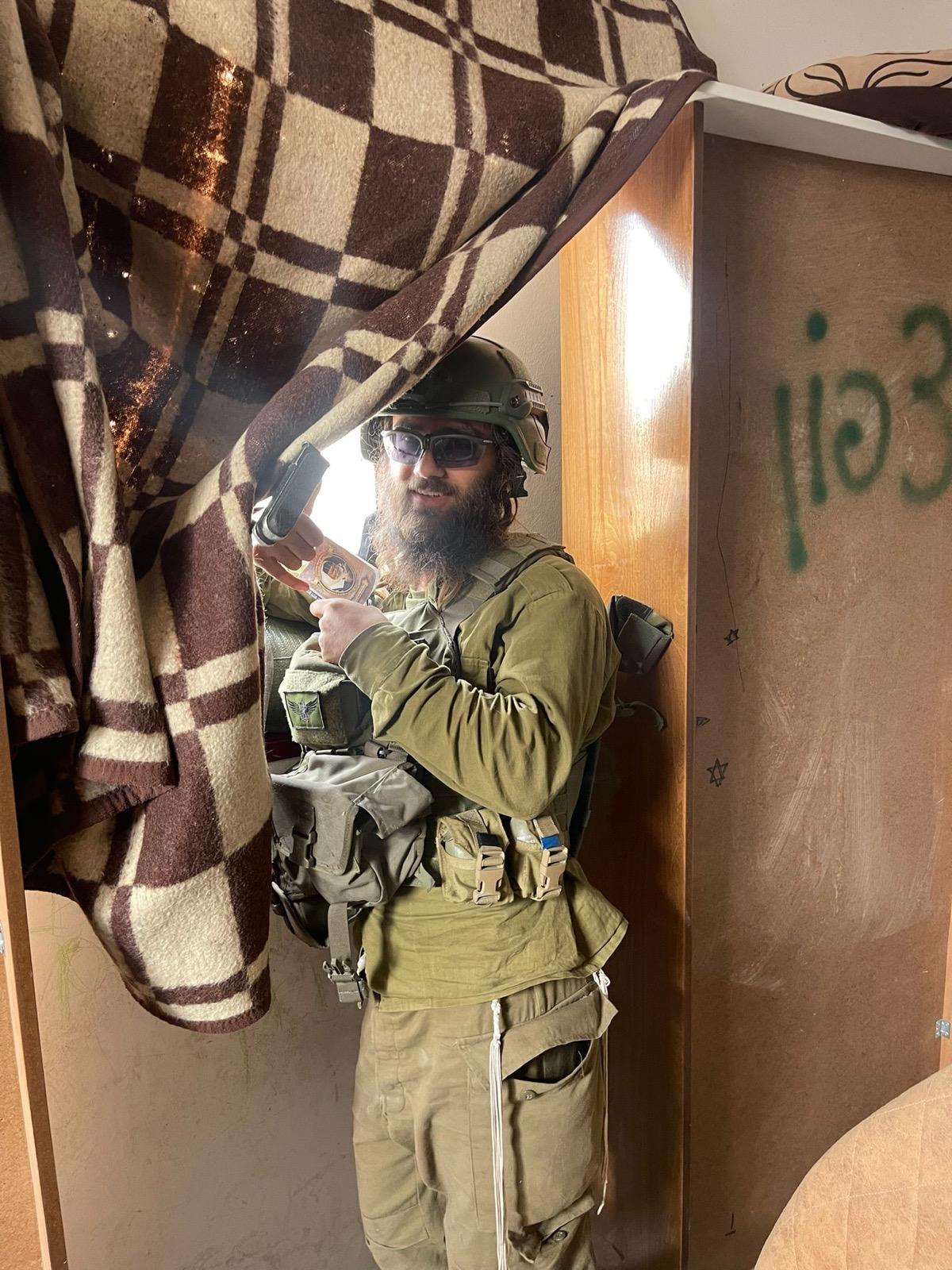
All photographs · 39
Videos and links
In the media
Articles
- Hagai Luber: “The enlistment law in its current form will not enlist anyone” | Hayom
www.israelhayom.co.il ·
- Great Joy Alongside Longing: Two Years After Her Husband Fell, Aviya Lober Gets Engaged | Israel Hayom
www.israelhayom.co.il ·
- The Bereaved Father to His Fallen Son: “Congratulations, Yonatan, Your Wife Is Engaged!”
www.ynet.co.il ·
- Moving news: the widow of Yehonatan Lober, of blessed memory, is engaged — Kipa
www.kipa.co.il ·
- A month after his son fell in battle, a father stages a one-man play about October 7
The Times of Israel ·
- “We, the bereaved families, will set the boundaries of the discourse”: The father's plan to commemorate his son | Israel Hayom
www.israelhayom.co.il ·
Podcasts
- Distrust - Episode 6 | Hagai Luber
אי אמון / Spotify ·
Memorial sites
- Yizkor — Staff Sergeant Elisha Yehonatan Lober
יזכור, משרד הביטחון
Memorial projects
The episode description presents “Yoman Masa” as a new play written by his father Haggai Lober as part of coping with the loss and his belief in changing their shared reality. No premiere date or content beyond the episode description was checked.
To mark thirty days since his son’s death in service, Hagai Lober announced a performance of the one-person play October 7, an adaptation of a play he had written about twenty years earlier. The play incorporates a recording of Yonatan’s voice at age five; the article was published on the planned premiere date and is not an account of viewing it.
Hagai proposed advancing a social covenant that would define boundaries for discourse and rules for disagreement, led by bereaved families. This is a plan he presented in an interview; its completion has not been documented here.
Stories told about them
After Yehonatan fell, his father Hagai Lober asked the media and the public to dedicate a day to unity and kind words for the elevation of his soul. He asked them to highlight the good in the people for whom his son fought.
Life & service
Profile
Service
- Rank
- Staff sergeant (res.)
- Service Type
- Reserve Forces
- Honours
- Posthumously Promoted
- Battle Location
- Southern Gaza Strip
Family
- Father
- Hagai David
- Mother
- Tchiya
Burial
Place of rest
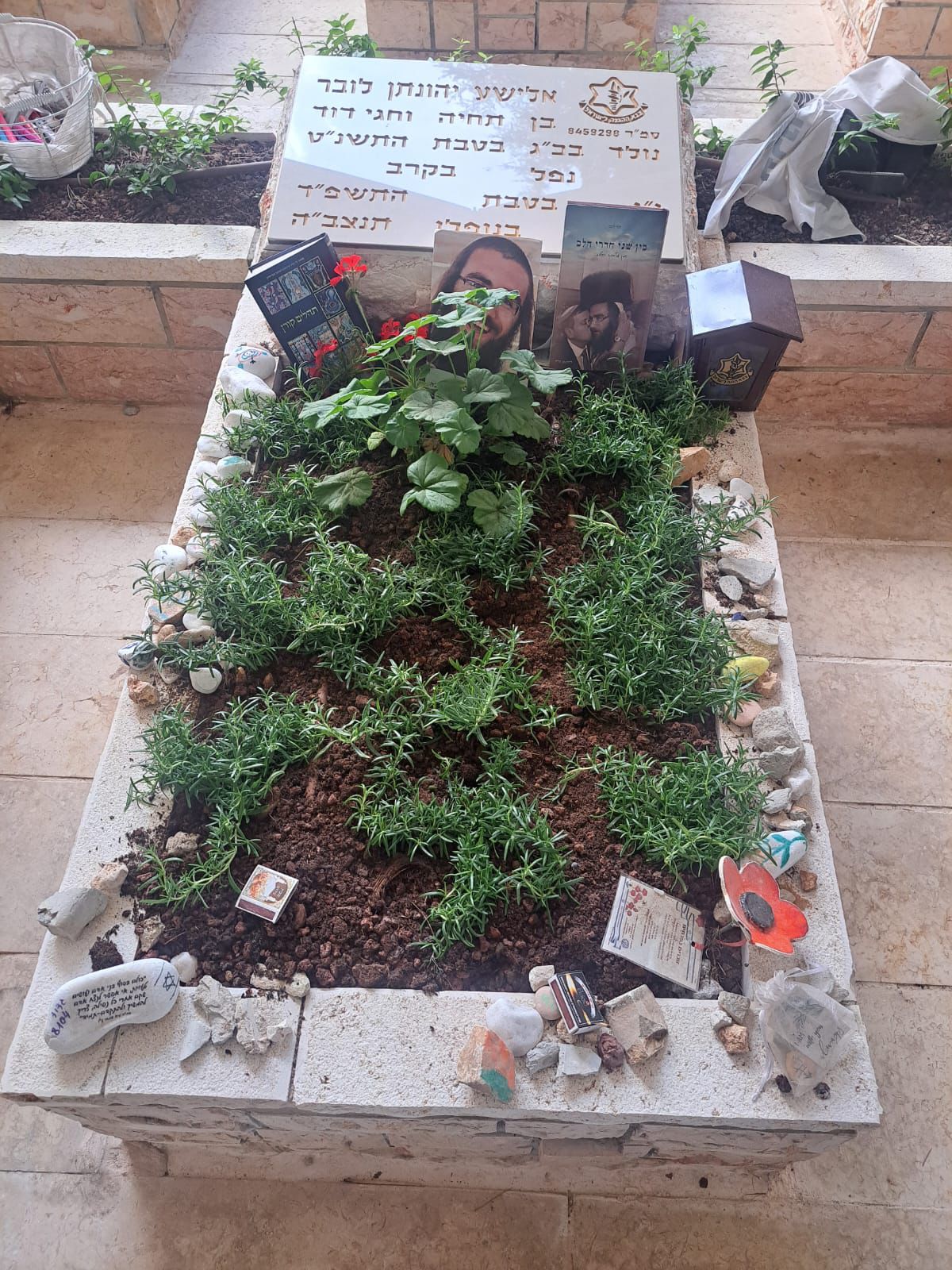
All photographs · 1
Tributes & remembrance
בְּנֵי הַמֵּת-חַי אני נוהג ברכב, הטלפון מצלצל. קול מהסס: אתה חגי? כן. שלום. סליחה, אתה לא מכיר אותי אבל אני מכיר את הבן שלך״ ״מאיפה?״ ״מהתמונה״ ״??? קוראים לי ….אני חרדי בכל ליבי ונפשי. הילדים שלי למדו במחוזות של ״נמות ולא נתגייס״. במקרה שמעתי אותך מדבר על מלחמת מצווה ומביא את הבן שנהרג, יהונתן, כדוגמא. הסתקרנתי מי הוא. יש לי גישה לאינטרנט בעבודה, הצצתי לראות מי זה הבן שלך. עלתה תמונה שלו הייתי המום כזו ״הַדְרֶ'ס פּוֹנֶם" (הדרת פנים). נשאבתי אליו. שעות ישבתי וקראתי עליו כל פיסת מידע כתבות, קטעי וידאו, ראיונות, תמונות שלו במדים, תמונות שלו עם שטריימל בחתונה. ראיתי את ההלוויה, בכיתי עליו כאילו היה מכר ותיק. והתאבלתי עליו "חֲבַל עַל דְּאָבְדִּין" (חבל על אלו שאבדו ומתו) חזרתי הביתה, הוא מספר, תפסתי את הבן שלי בן 23 שרשום כלומד אבל כבר שנים איכשהו עובד. אמרתי לו: "אתה מתגייס!" הוא הסתכל עלי מופתע: "אבא??? מה קרה?" "אתה בטלן!" אמרתי לו, "אם היית לומד תורה בוודאי שהיית פטור מהצבא אבל אתה לא וזו מצווה!" וסיפרתי לו על יהונתן. ואמרתי, והראתי, ודיברנו עת ארוכה על חובות ומצווה. והוא שואל אותי "חגי, יש לך מי שיכול לעזור לנו בצבא?" ונשמתי נשימה עמוקה והודתי לו על השיחה. וחיברתי אותו למישהו שמכיר מישהו. ולא יכולתי להמשיך בנסיעה. ועצרתי בצד. והבנתי לראשונה, מה התכוונו חכמינו שאמרו: "צַדִּיקִים בְּמִיתָתָן קְרוּיִין חַיִּים" ושמחתי. וקצת התנחמתי. אבל לא מספיק. ועוד שלושה שבועות האזכרה - שנתיים בלעדיו, והתגעגעתי אליו כל כך. חגי לובר
יהונתן אלישע גיבור ישראל. תודה על הערכיות והמסירות. תודה על ההקרבה הכל כך גדולה. תפארת מדינת ישראל. מקווה שאנחנו ראויים. שנתיים לנפילתו. יהי זכרו ברוך.
נראה יהודי צדיק פיאות וזקן וחיוך אמיתי
אני משטטפת בצערי המשפחה מחבקת מרחוק ואומרת תודה שבזכותו ובזכות עוד רבים מהחיילים שנפלו בכדי שנוכל עוד היום להמשיך שגרה מלאה
תודה רבה, ג׳ויס
נפילתך הכואבת פתחה לי צוהר לבית הגידול שלך, אביך חגי מהווה עבורי השראה בהתמודדות עם השכול, ומחר בעזרת ה בטקס שנקיים בבית הספר אותו אני מנהלת, ברנקו וייס פתח תקווה אלמד מעט על חייך ועל המסר החשוב של אביך , אהבת ישראל ואחדותו
אני איתן אחיינך מתגעגע
טופלת במשמרת שלי, והלוואי שעל הצד הטוב ביותר. מבטיח להשתדל ללמוד על האור והטוב שעשית בחייך והשארת לנו בעולם. זה מהקצת שלמדתי עליך
בעל ואב מסור ואוהב לבנו. היה מקיים הלכה למעשה "אין ייאוש בעולם כלל" ו"מצווה גדולה להיות בשמחה". והיה משרה בפועל על סביבתו אווירת שמחה וחוסר ייאוש. עובד ה, איש אמת, עניו וצנוע. חיבור של חומר עם רוח גבורה ועדינות והכל בתמימות ופשטות. גויס למילואים כלוחם חי"ר מפרוץ המלחמ
איש צדיק וגיבור ישראל
שולחים תנחומים למשפחה היקרה
נזכור אותך תמיד מחייך ועם זוהר בעניים.
תזכר לנצח עם חיוך תמידי
גיבור ישראל
לא הקרבת לשווא
כמה כואב משפחת לובר היקרה שולחים לכם חיבוק מכל המשפחה
לזכר כל אלו שלימדו אותנו איך נלחמים ועל מה נלחמים
מלח הארץ. גיבור ישראל ששילב תורה ועבודה .הותיר אלמנה הרה ותינוק קטן.שנלך לאורו ונקיים את חזונו.
גיבור.הלוואי ונהיה ראויים! יהי זכרך ברוך!
יהי זכרך ברוך.. דרכך היא נר לרגלינו
יהי זכרו ברוך גיבור ישראל
אוהב ומתגעגע בייזרמן
אני רעי הרפז קרוב משפחתך רוצה לשבח אותך על מסירות הנפש שלך להשם ורוצה להגיד לך שאני מתפלל לעילוי נשמתך ותמיד כשהרב שלי מזכיר את שימך אני אומר לו שאתה מהמשפחה שלי
גיבור ישראל שלא ישכח ..
יהי זיכרך ברוך
יהונתן היקר, תודה על שנפלת עבורנו ועבור המדינה הזו. בעקבות נפילתך נחשפתי לאביך ולפוסטים הקוראים לאחדות בנינו. הוא איש יקר מאוד, והצער שלו עמוק על נפילתך.
תמונתך היא דוגמא לכך שניתן להיות בן ישיבה אבל גם איש צבא בשדה הקרב.
יהי זכרך ברוך
גיבור ישראל מצדיעה לך ומרכינה ראש בפניך
יהונתן לובר איזה אדם גדול אתה!!! כמה אור ושמחה הבאת לעולם!!
תנוח על משכבך בן דוד יקר
נשבר הלב. גיבור. מלך. זוכר אותך. תודה.
חיזוק לחגי, ספי וכולם.
תהייה נשמתך צרורה בצרור חיים בין שאר גיבורי העם והארץ בזהר שלא יועם לעד עד שבר העולם....
ילדיך וכל עם ישראל כואבים וגאים בך ובגבורתך והאכפתיות שלך, שנהיה ראויים לבחירתך והקרבתך. תודה
גיבור ישראל נזכור ולא נשכח
יהי זכרו ברוך
בעלה של נכדתי , שבת האחרונה לפני שנפל. היה אצלי בבית עם אשתו וילדו
יהי זכרו ברוך, שנהיה ראויים.
צדיק אמיתי , משפחה יקרה, סבא אהוב ומוכר לי עוד מימי נעורי,
יהי זכרו ברוך,
תנצב"ה
יעל שבח, אשתו של רזיאל שבח הי"ד כותבת:
מוצש, חורף, גשם זלעפות בחוץ, דפיקות בדלת.
אני, ילדונת בת 32 עם שישה תינוקות סביבה, עוד לא לגמרי בסיום סדר הערב עם הילדים כלומר יושבת על הספה ומנסה להבין מה אמור לקרות עכשיו עם החיים האומללים השבורים והחצויים שלי, כלומר בוהה בחלל כשמסביבי הכל כאוס ובלגן, קמה לפתוח.
מולי חבורת בחורים צעירים לבושים במה שהיה עד לפני כמה דקות חולצה לבנה, וכעת רטובים עד לשד עצמותיהם, חיוך מרוח על פניהם.
"שבוע טוב" הם אומרים מבעד למסך הגשם, "באנו לעשות לכם מלווה מלכה"
בעיניים חסרות הבעה אני זזה מהכניסה והם נכנסים, האחד אחרי השני.
בתוך דקות השולחן נפרש ועליו פיצוחים שתיה עוגות ומטעמים שהם הביאו איתם, שניים מתיישבים ומוציאים מנרתיק מטפטף גיטרות בוהקות ומתחילים בניגוני מוצ"ש.
במצבי דאז- בסך הכל עשרה ימים אחרי הרצח של רזיאל- פשוט לא הגבתי.
חזרתי לפינתי בספה וכיביתי את עצמי לאפס.
לקח להם כמה רגעים והם הבינו את הארוע.
במהירות שני בחורים ניגשים לילדים ועוזרים להם להתארגן לשינה, עוזרים להם להכנס להתקלח וללבוש פיג'מות, בחור אחד לוקח תינוק זוחל מבולבל מהרצפה ומחליף לו חיתול ובגדים.
עודי יושבת על הספה וההתרחשות הזו למולי והם פוצחים בשירה וריקוד כשהילדים שלי סביבם שמחים וצוהלים.
חצי שעה מאוחר יותר הכל יתקפל וישוב למקומו וכל ילדיי ישכבו במיטותיהם עייפים ומחויכים מהמפנה שהערב העצוב והיתום כל כך קיבל לפתע.
יהונתן לא הגיע איתם בכל פעם שהבחורים המצילים האלי באו.
הוא לא תמיד לקח חלק בחסדים שהם עטפו בהם אותנו ואת היגון שלנו.
אבל כשהיה, אי אפשר היה לפספס אותו. אי אפשר היה לשכוח כמה מתוק היה החיוך שלו, כמה מצחיקים היו קטעי הסטנדאפ השטותיים שלו, כמה פעמים הוא שכח אצלנו את המעיל/ את הכובע/ את המשקפיים/ את הציצית.
אני לא חושבת שאמרתי אי פעם על מישהו כל כך הרבה פעמים שהוא מתוק, כמו שאמרתי עליו.
לא חושבת שהרגשתי כזה פספוס באבדן של אדם שלא הכרתי, כל כך חזק. יהונתן לובר, עובר אורח פשוט שהשאיר את מלוא החותם על סביבתו, בכל כך הרבה מתיקות וחן.
מאז רזיאל אני יודעת, כשאתה יודע מה היה אדם בחייו ככה זה כואב יותר במותו.
וזה מחייב יותר בחיינו.
מרגישה מחויבת לחיים עוד יותר עכשיו.
לזכרו.
ולכבודו.
Please, one day of unity and kind words. Yonatan will be so happy up there
Source:ynet
Read the Hebrew original
אנא, יום אחד של אחדות ודיבורים טובים. יהונתן יהיה כל כך שמח למעלה
And in Yonatan's way
Source:www.inn.co.il
Read the Hebrew original
ובדרכו של יהונתן
What a father you were
Source:www.inn.co.il
Read the Hebrew original
איזה אבא היית
On the outside and on the inside.
Source:www.inn.co.il
Read the Hebrew original
בחיצוניות ובפנימיות.
We were blessed to have you
Source:www.inn.co.il
Read the Hebrew original
זכינו בך
A symbol of goodness and purity.
Source:www.inn.co.il
Read the Hebrew original
סמל הטוב והטוהר.
The uncle I loved most!
Source:www.inn.co.il
Read the Hebrew original
הדוד שהכי אהבתי!
You were my best friend in the world
Source:www.inn.co.il
Read the Hebrew original
היית חבר הכי טוב שלי בעולם
Only redeeming, giving.
Source:www.inn.co.il
Read the Hebrew original
רק גואלים, לתת.
We have moved past the stage of slogans like 'Together we will win'
Source:www.israelhayom.co.il
Read the Hebrew original
עברנו את שלב הסיסמאות של 'ביחד ננצח'
They are happy that we are fighting among ourselves.
Source:www.israelhayom.co.il
Read the Hebrew original
הם מאושרים שאנחנו רבים.
He was more of a dreamy child, the kind you lose track of on every trip.
Source:www.israelhayom.co.il
Read the Hebrew original
הוא היה ילד יותר חולמני, ילד שאתה מאבד אותו בכל טיול.
And yet, I want to comfort others.
Source:The Times of Israel
The pictures of my four children were there, with a kind of question mark — and then they told me Yonatan had been killed.
Source:אי אמון / Spotify
Read the Hebrew original
התמונות של ארבעת הילדים שלי היו שם במין סימן שאלה - ואז הם אמרו לי שיהונתן נהרג.
Each day in its own time
Source:www.kipa.co.il
Read the Hebrew original
כל יום בעיתו
Remembrance Day addresses
יום הזיכרון לחללי מערכות ישראל התשפ"ה – 2025
בכל יום שעובר, אזכור יותר! אזכור, את אלו שיצאו עימי לקרב ולא שבו, ולהם אין מי ידמה ומי ישווה. אזכור, שהכאב לא יעבור לעולם, והזמן, הוא לא מרפה ולא מרפא. אזכור, את שיברון הלב הגובר ואת הבית שבוער. אזכור, את צדקת הדרך, ואשבע שוב, שמה שהיה לא יהיה יותר. אזכור, שיותר מכל דבר אחר – אני חסר! ביום הזה, אני נתקף געגוע לדמותם, לחיתוך דיבורם, לחיוכם, ומדליק נר לזיכרון דרכם ומורשתם!
משרד הביטחון
אגף משפחות, הנצחה ומורשת
יום הזיכרון לחללי מערכות ישראל התשפ"ה – 2025
בכאב, בהצדעה ובתקווה אני מתכבד להדליק נר זיכרון זה. השנה, כשאנו נלחמים במלחמה ארוכה, רב זירתית וצודקת, הזיכרון נושא משמעות עמוקה. ביום זה נעצור ונתייחד עם זכרם של טובי בנינו ובנותינו שנפלו בהגנה על המדינה. מורשתם היא המצפן שמתווה את דרכינו, והיא המעניקה לנו כוח להמשיך ולהגן על מדינת ישראל ותושביה. משפחות יקרות, אנו מרכינים ראשנו ומתחייבים שנעמוד לצידכן תמיד. יהי זכר הנופלים ברוך.
אלוף דדו בר כליפא
ראש אגף כוח האדם, צה"ל
יום הזיכרון לחללי מערכות ישראל התשפ"ה – 2025
בשעה שאנו זוכרים את גודל תרומתם ועומק מסירות נפשם של טובי בנינו ובנותינו, נופלי מערכות ישראל לדורותיהן, ממשיכים צה"ל וכוחות הביטחון במימוש המשימה למענה לחמו ועבורה נפלו: הכרעת אויבינו מדרום, מצפון, ביהודה ובשומרון, וגם בזירות רחוקות יותר. בהערכה רבה ובגאווה אדירה אנו מרכינים ראש בפני הנופלים והנופלות, מאמצים את משפחותיהם אל לבנו, וממשיכים במשימה להבטחת קיומה של ישראל לדורי דורות. יחד נעשה ונצליח.
רב אלוף אייל זמיר
הרמטכ"ל, צה"ל
יום הזיכרון לחללי מערכות ישראל התשפ"ד – 2024
כאשר דגלינו מורדים לחצי התורן וראשינו מורכנים לזכר הנופלים והנופלות במערכות ישראל, ממשיכים לוחמי צה"ל ומפקדיו בלחימה בדרום, בצפון, ביהודה ובשומרון ובזירות נוספות. על כל דור מוטלת המשימה של הגנת העם והארץ – משימה שאף פעם אינה פוסקת. נצדיע בגעגוע ובגאווה לנופלים ולנופלות, נחבק את משפחותיהם, ונמשיך ברוח הציווי שהותירו לנו. עם ישראל חי.
רב ניצב יעקב שבתאי
המפקח הכללי, משטרת ישראל
יום הזיכרון לחללי מערכות ישראל התשפ"ד – 2024
אחיי הנופלים, כל נר הוא זיכרון יחיד ומיוחד, על חיים שהיו ואינם, געגוע שנצרב עמוק בלב, עולם ומלואו. הנרות כולם הם זיכרון של אומה כי לעולם לא עוד, בשורת הציונות וקוממיות ישראל. זיכרון כי הדרך לעם חופשי בארצנו עוברת דרך מסדר הנופלים. אור הנר יזכיר לנו את מסירות נפשכם להציל חיים, להגן על הבית. הנרות מסמנים לנו נתיב גבורה ערכי מחייב שאנו מצווים ללכת לאורו. נמשיך להילחם ולהוסיף אור מתוך אמונה בנצח ישראל.
יואב גלנט
שר הביטחון
יום הזיכרון לחללי מערכות ישראל התשפ"ד – 2024
בהצדעה ובכאב, בשם צה"ל כולו, אני מדליק נר זיכרון. בעיצומה של מלחמה, הזכרון נושא משמעות יום-יומית, שעבר והווה מתלכדים בה. לאורם של הנופלים נמשיך לצעוד, חיילי הסדיר והמילואים. לאורם של הנופלים נמשיך להגן על ארצנו ועל מולדתנו, גם כשהמחיר כבד. להבת-הזכרון תבער בנו בעודנו ממשיכים להלחם ונזכור את הנופלים ואת אומץ ליבם. משפחות יקרות, צה"ל מרכין היום ראש, מצדיע לכן וכואב איתכן. יהי זכר הנופלים ברוך.
אלוף יניב עשור
ראש אגף כוח האדם, צה"ל
יום הזיכרון לחללי מערכות ישראל התשפ"ד – 2024
בהוקרה, בגאווה ובכאב שאין לו סוף, אני מתכבד להדליק נר לזכרם של הנופלים והנופלות במערכות ישראל. סיפור חייהם בארץ הזאת, מסכת שירותם, גבורתם והקרבתם – הם סיפורה של הארץ הזאת, אך גם סיפור המחיר הכבד שהיא תובעת מאוהביה. מחויבותנו לזכר הנופלים ולדרך שהותירו לנו ניצבת תמיד לנגד עינינו. את המשימה שלא זכו להשלים, משלימים כיום, וישלימו, אנשי כוחות הביטחון, הממשיכים בדרכם ולאורם. יהי זכרם של הנופלים ברוך.
משרד הביטחון
אגף משפחות, הנצחה ומורשת
יום הזיכרון לחללי מערכות ישראל התשפ"ד – 2024
בחרדת קודש אני מתכבד להדליק נר לזכרם של חללי מערכות ישראל, חברנו שנפלו, מראשית היציאה מהחומות ולאורך כל שנות עצמאותנו המדינית והציונית, מהווים תמרור זיכרון לדרך חיינו ולמחוייבות הלאומית להנצחת זכרם. דרכם נותרה דרכנו ומורשתם נר להמשך עשייתנו. יהי זכרם ברוך!
בני גנץ
שר הביטחון
יום הזיכרון לחללי מערכות ישראל
נזכור אותם, כולנו יחד. כל אחד ואחת מהם, מדי יום ביומו, והיום ביתר שאת, כך – לנצח. "כי מדי דברי בו זכור אזכרנו עוד"
משרד הביטחון
אגף משפחות, הנצחה ומורשת