
The story
The air of Daliyat al-Karmel, thick with the scent of wet earth after the first rain and fresh olive oil, was Ehsan’s first cradle. On a cold, clear Tuesday morning, the nineteenth of February 1983, Ehsan was born to Duya and Sami Daksa, a strong and healthy baby whose large eyes already promised an unending curiosity. The home, always full of warmth and the sounds of whispers and laughter, welcomed him with open arms as he joined his older sister, Mona, and would soon become the eldest brother to Ihab, Sudki, and Aya. In this house, on the mountainside, nestled between narrow stone alleys and ancient olive trees, the character of the boy who would become a symbol began to take shape.
Ehsan’s childhood was woven into the dense, embracing fabric of Druze village life. He grew up amidst the stories of the village elders, tales of a glorious past, of loyalty and courage, and among the innocent childhood games that tumbled down the steep paths. His mother, Duya, remembered him vividly as an insatiably curious child, his eyes following every movement and every conversation. He was never content with superficial answers, always digging deeper, trying to understand the "why" behind everything. In the family courtyard, abundant with fruit trees and vegetable bushes, he learned to know the earth. This was not sacred ground in an abstract sense, but a living, breathing soil that, in the hands of his father Sami and the village farmers, transformed into bread, olives, and oil. He loved the feel of his hands in the damp earth in the early morning hours, when the dew still covered the leaves and the air was cool and clear. He remembered the rumble of his uncle’s old tractor engine, kicking up a cloud of fragrant dust on the way to the fields, and the profound sense of satisfaction at the end of a day’s work under the sun, when his palms were rough and his back ached slightly, but his heart was full. Often, when helping to pick olives, he would race his siblings to see who could fill their basket first, laughing aloud as a branch heavy with fruit suddenly released, dripping oil onto him.
His siblings were Ehsan’s first world. Mona, Ihab, Sudki, and Aya – together they were a band of children who ran freely between houses, climbed rocks, and invented spontaneous games. Ehsan, as the second child and eldest son, carried an early sense of responsibility on his young shoulders. He was the mediator in small disputes, the one who organized everyone for an impromptu soccer game on the dirt field, and the protector of the younger ones from bigger neighborhood kids. The values of respect for elders, mutual assistance, and devotion to family and community were not empty slogans in the Daksa home; they were the daily bread, a way of life absorbed with every breath and every action. Sami and Duya, his parents, were role models, working hard, always ready to lend a hand, their eyes watching their children with quiet pride. Through their conduct, they taught him the true meaning of being part of something larger – part of the family, the village, the community, and later, the nation.
His studies at the elementary and high schools in Daliyat al-Karmel were more than just numbers and letters for Ehsan. They were a meeting ground for friends, for teachers who were also neighbors and acquaintances, and for local history that intertwined with national studies. He excelled in the sciences, with a clear inclination towards mathematics and physics, but he did not neglect the humanities. He loved the challenge of solving complex problems, the pure logic behind formulas, and always sought reason in everything. His teachers remembered him as a relatively quiet but strong-willed teenager, always ready to help a struggling friend, and whose answers were precise and well-reasoned. He was a good friend, one you could rely on, who would always offer a shoulder, and always speak the truth, even if it was uncomfortable. After a day of school, he would often rush to the improvised soccer field, where he would play with his friends until the sun set and the air filled with the calls of mothers summoning their children home for dinner.
As he matured, Ehsan’s deep understanding of his commitment grew sharper. His commitment to the Druze community, whose destiny is intertwined with the destiny of the state, and his personal commitment to contribute his part. Conversations around the dinner table, discussing the military service of cousins and fellow villagers, their heroism and their hardships, shaped his perspective. He saw military service not merely as an obligation, but as a right, a way to express his loyalty, to defend his home and his people. He began preparing for enlistment while still in high school, not only physically – with running and fitness training up the mountain – but also mentally, reading military history books and taking an interest in army structure and combat technologies. He knew he would choose a combat unit, a unit where he could truly make an impact, to be at the forefront.
On the ninth of January 2001, when he was just seventeen and a half years old, Ehsan enlisted in the IDF. It was a cold morning, but Ehsan’s heart burned with fervor. The farewell to his parents, his brothers and sisters, was difficult, yet filled with pride. His mother embraced him in a long hug, whispering words of love and blessing, and his father patted his shoulder with a gaze that understood the gravity of the moment. The bus, full of excited and slightly fearful young men, traveled along the winding roads of the Carmel, towards an entirely new world. Ehsan knew he was going to serve in the Armored Corps. The choice of armor was not accidental. He was drawn to the immense power of the tank, to the combination of technological and human might, to the precision required, and to the tight teamwork. The tank, in his eyes, was a symbol of strength and defense, and its crew – a small family within a formidable steel machine.
Basic training was challenging, physically and mentally tough, but Ehsan flourished in it. He discovered his physical and leadership abilities, his uncompromising willpower. He learned to recognize the smell of diesel and oil, the grinding metal sounds of the tracks, the feeling of being inside the colossal vehicle, protected yet also detached from the external environment. He learned the language of tankers, a language of precision, of short and clear commands, of quiet understanding between crew members. He quickly stood out as one of the most promising soldiers. His commanders recognized his capabilities, his composure under pressure, and his natural ability to gather people around him and earn their trust. He was not the shouting commander, but rather the one who spoke quietly, who explained the logic, and who led by personal example. He advanced rapidly through the ranks, going on to tank commander course, then officer’s course, and soon found himself a platoon commander, leading tanks and crews in the field. He loved the feeling of responsibility, the understanding that human lives depended on his decisions, and that the fate of the mission rested in his hands.
The early years of his military service were characterized by hard work, endless training, and a deep sense of mission. He moved from exercise to exercise, from role to role, accumulating experience and a reputation as a professional, thorough, and, above all, humane officer. He knew how to combine tough discipline with a listening ear, how to demand perfect performance while understanding the difficulties of his soldiers. His soldiers admired him; they knew they could rely on him, that he would stand by them in any situation, and that he would look out for them first and foremost.
The summer of 2006 burst into Ehsan’s life, as it did into the lives of every citizen in Israel. The Second Lebanon War arrived, bringing with it a wave of fear, anxiety, and also fierce determination. Ehsan, already an experienced officer, found himself leading his men into Lebanon, into hostile and unfamiliar territory. The battles were difficult, complex, and fought in dense terrain with an almost invisible enemy. In one of the fierce battles, under a hellish barrage of rockets and bullets, his unit found itself in a dire situation. Many wounded lay exposed to immediate danger, and every attempt to evacuate them was met with heavy fire. Ehsan, with astonishing composure, made a quick decision. He did not hesitate for a moment, did not think of personal danger. He analyzed the terrain, identified a brief window of opportunity, and organized his forces for the evacuation of the wounded. He himself led the force, exposed to fire, navigating the evacuation vehicles and guiding his soldiers. His hands were on the steering wheel, his eyes scanned the terrain, and his ears picked up the static of the radio and the sounds of gunfire. He felt the ground tremble from the explosions, the smell of gunpowder, the tension in the air, but remained focused on the mission. Thanks to his determination, resourcefulness, and courage, all the wounded were safely evacuated, and their lives were saved. For these actions, Ehsan received a commendation from the Commander of the Northern Command, a rare award given for supreme bravery under fire. The commendation was not merely a badge on his chest; it was confirmation that his path was true, that his commitment to his soldiers was paramount, and that he was capable of facing the toughest challenges. He cherished that moment deep within him, not as a moment of personal pride, but as a moment that proved the importance of leading, sticking to the goal, and protecting your people.
After the war, Ehsan continued to climb the ranks. He held a series of command positions in the Armored Corps, each role more complex and challenging than the last. He was a young officer who became a senior commander, shaping generations of tankers, imprinting upon them his mark – uncompromising professionalism, a love for humanity, and a deep commitment to the state. Between training and training, between exercise and staff assignment, Ehsan also managed to build his personal life. He met Huda, a warm and strong woman whose eyes reflected a deep understanding of his complex world. Their love story unfolded against the backdrop of service challenges, distances, and longing. They married in a modest and moving ceremony in Daliyat al-Karmel, surrounded by family and friends, and established their own home, a sanctuary of quiet and peace in Ehsan’s turbulent world.
Into this home, three children were born – Omri, Reef, and Yasmin. Ehsan, the fierce warrior and tough commander, became a loving, gentle, and, above all, present father at home, even if he was often compelled to be absent. He made sure to spend quality time with his children, telling them bedtime stories, taking them on nature walks in the landscapes he so loved, and teaching them values of respect, hard work, and love for the land. He would return home every weekend, leaving his military uniform and worries behind, exchanging them for a T-shirt and a sense of normalcy. He was a father who would stoop to his children's eye level, who laughed loudly with them, and who always had a warm hug to give. He listened attentively to their school stories, to their innocent questions, and tried to provide them with an anchor of stability. Huda was the second anchor, the one who managed the household with a strong hand, educated the children, and supported Ehsan without reservation, understanding the magnitude of his mission and proud of it.
Over the years, Ehsan advanced to the rank of Colonel, the pinnacle of a field officer’s career. He received command of the 'Iron Tracks' Formation (Brigade 401), one of the IDF’s elite and historic armored brigades, part of the 162nd Division. Commanding the brigade was for him the peak of fulfillment, an immense responsibility placed upon his shoulders. He was the brigade commander, its mind and heart. He was responsible for thousands of soldiers, hundreds of tanks and armored personnel carriers, and the brigade’s readiness for any scenario. He dedicated himself entirely to the role, with a deep understanding of its importance. He built the brigade, strengthened the spirit of its fighters, and transformed it into a well-oiled war machine, ready for any challenge. He was known as a "classic" tanker commander – one who knew every bolt and every system in the tank, who understood the terrain in depth, and who always led his men from the front, not from behind. He believed that personal example was the key to true leadership, and that a commander must be the first to leap into the unknown, the first to run forward, and the one who provides security and inspiration to his soldiers.
And then came October 7, 2023. That morning, which began as a Sabbath of holiday and leisure, instantly turned into one of the darkest days in the nation’s history. Ehsan’s phone rang early in the morning, before the sun had fully risen. The voice on the other end was stressed, short, and unequivocal: "Scramble. Everyone report. Emergency." Ehsan did not hesitate for a moment. He jumped out of bed, changing from his home clothes into his uniform with lightning speed. Huda awoke to the commotion, quickly realizing that something very serious was happening. Fleeting glances at the flashing news on the mobile phone confirmed the worst fear – a massive attack on the southern communities, an invasion by terrorists, a massacre. He embraced Huda in a short, strong hug, promising to return, unaware of how heavy the price would be. He walked through the children’s rooms, looking at them sleeping, placing a light kiss on each of their foreheads, as if taking their memory with him to the place he was going. WhatsApp messages in the brigade commanders’ group flowed incessantly, filling the air with tension and a sense of urgency. "Arrive at the staging point," "Prepare the tanks," "All forces moving south." Ehsan left his home, into the night that had not yet ended, onto the road that led him to his soldiers, and to the war that changed everything.
The first days and weeks of the war were tumultuous, full of uncertainty, but also fierce determination. Ehsan and his crew, along with all the brigade’s soldiers, made their way south. The atmosphere was dense, unbearable. The horrific sights uncovered in the communities surrounding Gaza left a deep scar on the soul of everyone who saw and heard. Ehsan, as a commander, knew he had to project strength, optimism, and determination, even when his heart was torn inside. He spoke with his soldiers, explained the situation to them, clarified the importance of the mission before them: to restore security, to defend their home, and to avenge the blood of the murdered. He tried to instill in them a fighting spirit, to remind them of the values for which they were fighting. Under his command, the brigade underwent a rapid reorganization process, preparing the vehicles, conducting final briefings, and meticulously planning operations. Every detail was scrupulously checked, every scenario weighed, with the understanding that they faced a cruel and unpredictable enemy.
The ground entry into the Gaza Strip was inevitable. Ehsan led his brigade into the complex terrain, into the labyrinth of Jabalia in the northern Strip, a particularly difficult and challenging target. This was fighting unlike anything he had ever known. Warfare in dense urban areas, where every house could become a trap, every alley – an ambush. The tanks, the immense vehicles of the Armored Corps, had to navigate carefully between buildings, wary of roadside bombs, anti-tank missiles, and sniper fire. Ehsan, inside his tank, was at the head of the force, his eyes fixed on the map, his voice clear on the radio, guiding his soldiers, making critical decisions in real-time. He felt the tank tremble as it crushed obstacles, the smell of smoke rising from the ruins, the incessant sounds of gunfire. He was acutely aware of the danger, but the sense of responsibility for his soldiers and the mission was greater than any fear. He led the battle with courage, determination, and his characteristic composure, pushing forward, breaking through, protecting his men.
On Saturday, the twentieth of October 2023, the 18th of Tishrei 5784, during a fierce and brutal battle in Jabalia, Colonel Ehsan Daksa, commander of the 'Iron Tracks' Formation, led his soldiers at the head of the force. His tank advanced through a narrow alley, under heavy fire. In one intense moment of combat, as he commanded the forces, navigating their path and protecting them, his tank was hit. Ehsan, forty-one years old at his death, fell in battle. He stood at the head of his fighters until his last breath, just as he had always committed – to lead from the front, to protect his men, and to fight for the cause. He did not fall alone, but was part of a larger campaign, a War of Revival for a nation rising from the dust. His fall was a severe blow, not only to his family and friends, but to all his soldiers and subordinates, who saw him as an undisputed leader, a father figure, and a symbol of courage and professionalism. With tearful but determined eyes, they promised to continue his path until victory.
The bitter news reached the Daksa family home in Daliyat al-Karmel like a thunderclap on a clear day, transforming the quiet of a Sabbath afternoon into an unimaginable devastation. Huda, Omri, Reef, and Yasmin, his parents Sami and Duya, his sisters and brothers – all were left with an immense void, with a pain beyond words. Ehsan was laid to rest in the military cemetery in Usfiya, surrounded by thousands of people – family, friends, commanders, soldiers, members of the Druze community, and representatives from across the nation – who came to pay their last respects. The sounds of helicopters hovering over the mountain, and the heavy silence that descended as the coffin was lowered, symbolized the magnitude of the loss. Many tears flowed, but there was also a deep sense of pride, pride in the man he was, in the path he chose, and in the dear price he paid for everyone.
Ehsan Daksa was the pride of the Druze community, a symbol of dedication and shared destiny. He was a tanker through and through, a commander who led out of a deep love for the state and its people. He left behind a legacy of courage, uncompromising professionalism, humanity, and boundless commitment. He was a loving father, a supportive husband, a devoted son, a loyal brother, and a true friend. His story, the story of one man who lived for something greater than himself, is the story of the entire War of Revival. It is a story of choice, of defense, and of the heavy price paid for the right to live here, in this land. Ehsan has not vanished; he continues to live in the hearts of Huda and his children, of his parents and siblings, of his soldiers who follow in his footsteps, and of an entire nation that remembers and honors his legacy. He fell so that we may continue to live, so that the Revival is not just a word, but a living, breathing reality. His memory will be etched forever in the nation’s remembrance, a beacon of fire that went before the camp, illuminating the way with his courage and devotion.
Moments of a life
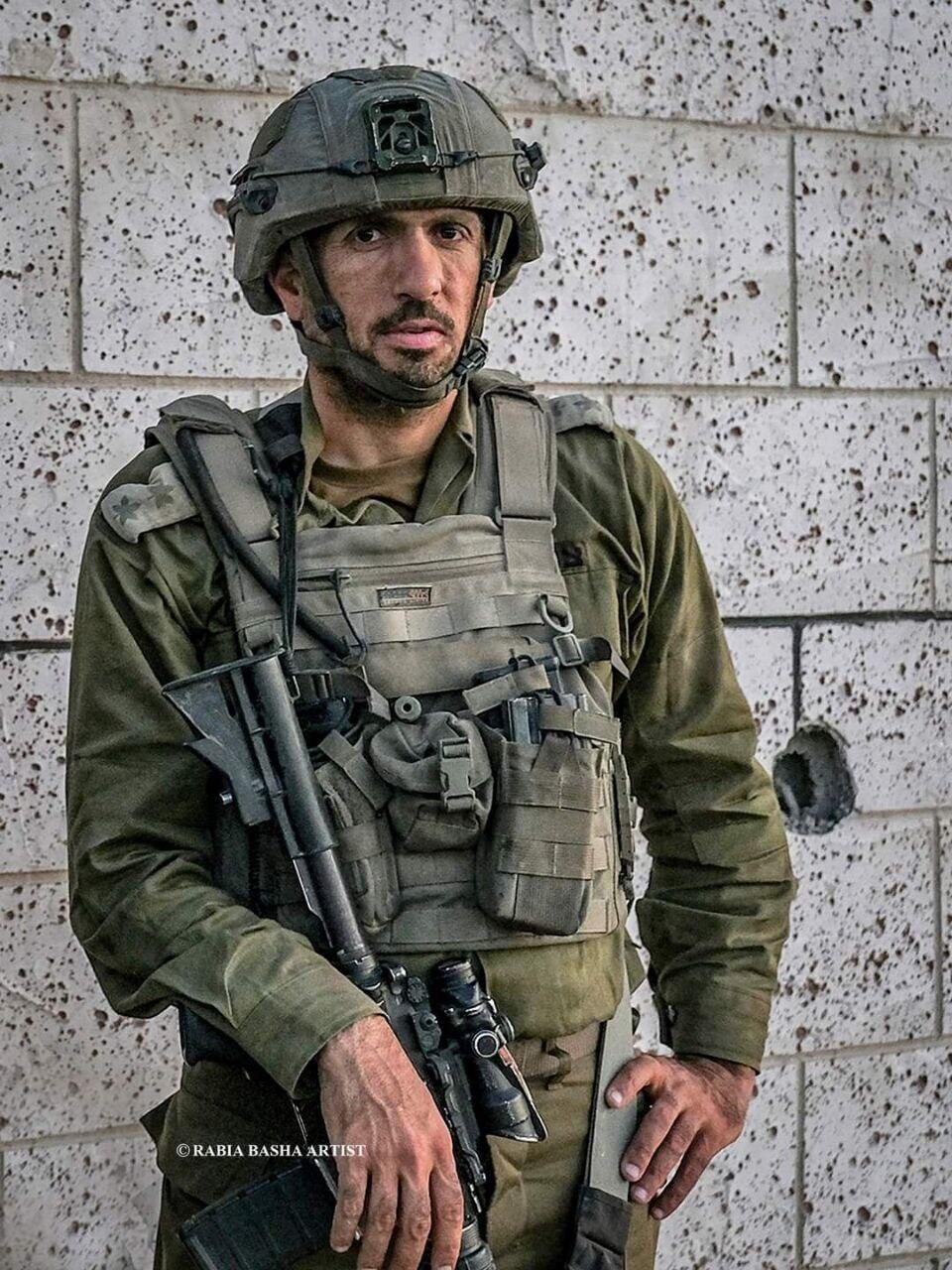
All photographs · 1
Videos and links
In the media
Articles
- Saluting a Hero: Beitar Held a Ceremony for Daksa – Sport 5
Sport5.co.il - אתר ערוץ הספורט ·
- وزير الداخلية يعزي عائلة إحسان دقسة في دالية الكرمل
Panet ·
- Col. Daksa laid to rest: “He was my beloved and my soulmate. May the path he chose not be in vain”
ynet ·
- The heroism of Colonel Ehsan Daqsa: “He saved us with a single tank, which was hit — and did not retreat”
ynet ·
- IDF 401st Brigade Commander Colonel Ehsan Daxa killed in Gaza operation
Ynetnews ·
- The Commander of the IDF’s 401st Brigade Was Killed in Battle in Gaza
NEWSru.co.il ·
Podcasts
- Looking for a Way to Carry On | Sefi and Yanir, September 10, 2025
גל״צ — יניר קוזין וספי עובדיה / Omny.fm ·
Memorial sites
- Yizkor - Colonel Ehsan Daqsa
יזכור – משרד הביטחון
Memorial projects
The English-language article documents a lookout established in his memory overlooking the sector where he served; its name and exact location were not specified in the text that was read.
Stories told about them
Niv Nir said that Daqsa arrived with a single tank to assist a paratrooper team in the Second Lebanon War. The soldiers did not know the tank commander’s identity until they met him at a memorial service in 2019, some 13 years after the rescue.
The deputy commander of the Golan Brigade said he expected a demanding professional discussion at his first meeting with Daqsa. Daqsa brought out halva, and the conversation turned to family, life and their connection to the Druze community.
“We insist on preserving our humanity and choosing life anew each and every day.”
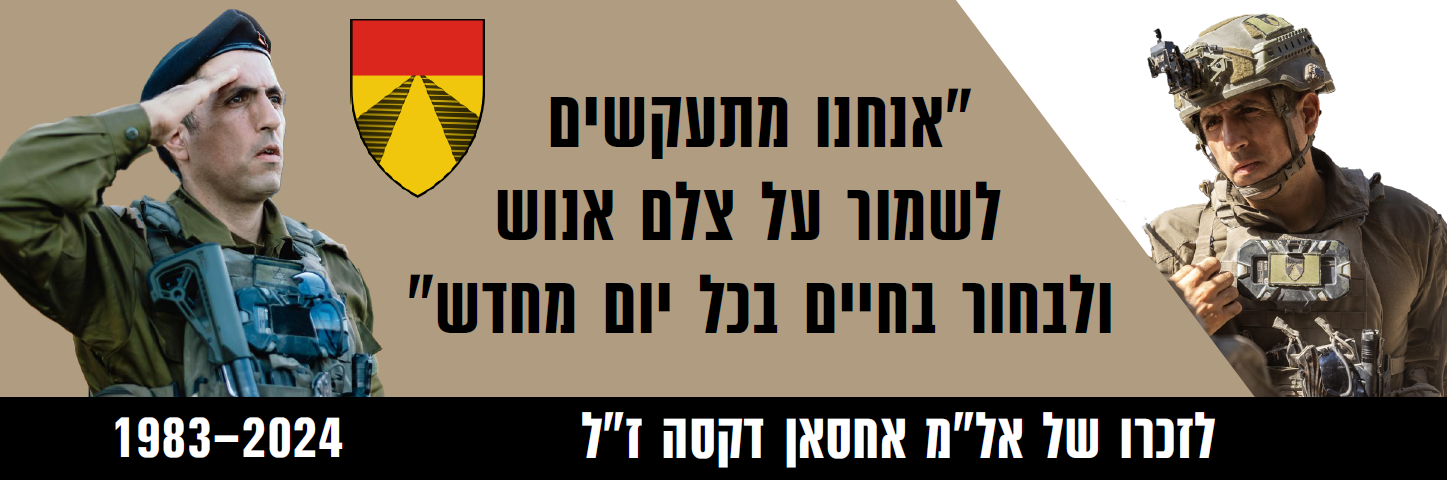
Life & service
Profile
- Birthplace
- Daliyat al-Karmel
- Date of death
- October 20, 2024
- Age
- 41
- Hometown
- Daliyat al-Karmel
Service
- Rank
- Colonel
- Battle Location
- Northern Gaza Strip
Family
- Father
- Sami
- Mother
- Doya
Burial
Tributes & remembrance
ShAuLi הדר מרקס: לזכר גיבור ישראל אל״מ אחסאן דקסה ז״ל, מפקד חטיבת 401. נפל בקרב בג׳באליה לפני שנה בדיוק. קראתי את המילים של עופר וחברי פלוגת כ׳
תודה לך, אחסאן היקר, על שירותך המסור למען העם והמדינה. תודה לך על שהגנת עלינו במחיר ההקרבה הנוראה מכל! תנחומים מלב כואב לכל יקיריך. יהא זכרך ברוך, גיבור ישראל!
אבישי דהן .
אחסאן היה לפני. כל בן אדם.
אחד שרואה אותך ומדבר איתך בגובה העניים.
מפקד שהולכים אחריו ונשמעים לו, לא בגלל הפחד מעונש, אלא מהפחד לאכזב אותו.
זכיתי לשרת עם אחסאן בכיבוש של רפיח.
בליבנו לעד
לנצח בליבינו
גיבור ישראל יהי זכרו ברוך
גיבור ישראל. ת.נ.צ.ב.ה
מפקד , חבר , געגוע
אדם ענו עם אישיות כובשת
אובדן גדול ואיתו כבוד גדול להכיר וללמוד
איפה ישנם עוד אנשים כמו האיש ההוא
בליבנו לעד
קודם כל בן אדם , אחר כך מפקד אהוב.
תודה לך על הסבלנות והקשב
מפקד ובן אדם עם לב ענק
תודה על הכל
מאחלת לנו שנהיה ראויים לך
אלוף-משנה אחסאן דקסה, שנהרג מפיצוץ מטען בצפון הרצועה, הותיר אחריו את אשתו הודא, ושלושה ילדים - עומרי, ריף ויסמין. צעירים מהעדה הדרוזית התייעצו איתו לפני הגיוס לצה"ל: "גיבור ישראל, לוחם שהוא אגדה". גם נתניהו וגלנט ספדו: "דמותו חיברה בתוכה את אהבת המולדת והחתירה למגע"
גיבור ישראל!
יהי זכרו ברוך לעד
לזכרם של כלל חללי מערכות ישראל, גיבורי העדה הדרוזית, ולזכרו הטהור של אל"מ אחסאן דקסה ז"ל
ביום הזיכרון, בו אומה שלמה מתייחדת עם זכר בניה ובנותיה שנפלו על הגנת המולדת, אנו מרכינים ראש בכאב. בלבנו תפילה מיוחדת לזכר בני העדה הדרוזית, השותפים לברית חיים וברית דמים, אשר הקריבו את חייהם בכל מערכות ישראל וגם במלחמת "חרבות ברזל" (התקומה) הנוכחית.
ביום קדוש זה, אנו זוכרים במיוחד את אחד מגיבורי ישר
גיבור
יהי זכרו ברוך
יהי זכרו ברוך לעד, גיבור ישראל, ליבי עם המשפחה היקרה
אחסאן גיבור ישראל יהי זכרך חרוט בליבנו לעד
יהי זכרו ברוך
נוח על משכבך בשלום גיבוור
געגועים,
המפקד!
מעריץ אותך ומעריך אותך המח״ט נוח על משכבך בשלום
כולם מספרים שהעריצו אותו ושהוא דמות למופת... בקצת שהכרתי אותו היה אדם מיוחד חדור מטרה ותמיד בנועם ואהבה... יהיה זכרו ברוך
למרות שאני לא הכרת אותך
אבל האישיות שלך בתמונה אומרת איזה אדם עצום היית
יהי זכרו של גיבור ישראל אחסאן דקסה ברוך ותהא נשמתו צרורה בצרור החיים
עם ישראל לעולם לא יישכח את גיבוריו ולנצח יהיה אסיר תודה...
יהי זכרך ברוך גיבור!
אחסאן דקסה הוא הגיבור של כולנו
לזכר אחסאן גיבור ישראל, האיש והאגדה. נזכור אותו תמיד. מאחלת למשפחה שתצליח להתגבר על האובדן הנורא ולבחור בחיים. אתם יכולים להיות מאוד גאים במורשת של אחסאן.
יהי זכרך ברוך גיבור ישראל
לזכר אח, חבר ואיש אציל נפש!
יהי זכרו ברוך
גיבור ישראל
בן העדה הדרוזית ששימש השראה
דוגמא ומופת . גיבור ישראל
עדיין לא התרגלתי לדבר עליך בלשון עבר, ומאחלת שגם לא אתרגל. אתה אחד בדורך, מחייך לכולם ומושיט יד גם לאלו שאינם מושיטים לך. אדם שכולו טוב לב, חכמה, חמלה ואנושיות.
מרכינה ראש, מצדיעה לך , גיבור ישראל
אדם מפקד עם ערכים דוגמא אישית מודל לחיקוי
He is a very modest and humble person
Source:ynet
Read the Hebrew original
הוא אדם מאוד צנוע וענו
Ihsan was like a big brother to Salman
Source:ynet
Read the Hebrew original
אחסאן היה כמו אחיו הגדול של סלמאן
He always gave him a precise, considered answer
Source:ynet
Read the Hebrew original
הוא תמיד נתן לו תשובה מדויקת ושקולה
I was blessed with a soulmate, beyond his being the love of my life
Source:ynet
Read the Hebrew original
אני זכיתי בחבר לנפש, מעבר לזה שהוא היה אהוב ליבי
He always thought at least 10 steps ahead,
Source:Ynetnews
Generations of citizens and soldiers will learn about Ihsan's spirit of heroism and giving, a man who sacrificed himself throughout his military service to save lives.
Source:Panet
Still, life goes on, and you get up in the morning, and you have to get ready to take the children, and they need to see you smiling
Source:גל״צ / Omny.fm
Read the Hebrew original
בכל זאת החיים ממשיכים ואתה קם בבוקר ואתה צריך להתארגן לקחת את הילדים והם צריכים לראות אותך מחייך
Remembrance Day addresses
יום הזיכרון לחללי מערכות ישראל התשפ"ה – 2025
בכל יום שעובר, אזכור יותר! אזכור, את אלו שיצאו עימי לקרב ולא שבו, ולהם אין מי ידמה ומי ישווה. אזכור, שהכאב לא יעבור לעולם, והזמן, הוא לא מרפה ולא מרפא. אזכור, את שיברון הלב הגובר ואת הבית שבוער. אזכור, את צדקת הדרך, ואשבע שוב, שמה שהיה לא יהיה יותר. אזכור, שיותר מכל דבר אחר – אני חסר! ביום הזה, אני נתקף געגוע לדמותם, לחיתוך דיבורם, לחיוכם, ומדליק נר לזיכרון דרכם ומורשתם!
משרד הביטחון
אגף משפחות, הנצחה ומורשת
יום הזיכרון לחללי מערכות ישראל התשפ"ה – 2025
בכאב, בהצדעה ובתקווה אני מתכבד להדליק נר זיכרון זה. השנה, כשאנו נלחמים במלחמה ארוכה, רב זירתית וצודקת, הזיכרון נושא משמעות עמוקה. ביום זה נעצור ונתייחד עם זכרם של טובי בנינו ובנותינו שנפלו בהגנה על המדינה. מורשתם היא המצפן שמתווה את דרכינו, והיא המעניקה לנו כוח להמשיך ולהגן על מדינת ישראל ותושביה. משפחות יקרות, אנו מרכינים ראשנו ומתחייבים שנעמוד לצידכן תמיד. יהי זכר הנופלים ברוך.
אלוף דדו בר כליפא
ראש אגף כוח האדם, צה"ל
יום הזיכרון לחללי מערכות ישראל התשפ"ה – 2025
בשעה שאנו זוכרים את גודל תרומתם ועומק מסירות נפשם של טובי בנינו ובנותינו, נופלי מערכות ישראל לדורותיהן, ממשיכים צה"ל וכוחות הביטחון במימוש המשימה למענה לחמו ועבורה נפלו: הכרעת אויבינו מדרום, מצפון, ביהודה ובשומרון, וגם בזירות רחוקות יותר. בהערכה רבה ובגאווה אדירה אנו מרכינים ראש בפני הנופלים והנופלות, מאמצים את משפחותיהם אל לבנו, וממשיכים במשימה להבטחת קיומה של ישראל לדורי דורות. יחד נעשה ונצליח.
רב אלוף אייל זמיר
הרמטכ"ל, צה"ל
יום הזיכרון לחללי מערכות ישראל התשפ"ד – 2024
כאשר דגלינו מורדים לחצי התורן וראשינו מורכנים לזכר הנופלים והנופלות במערכות ישראל, ממשיכים לוחמי צה"ל ומפקדיו בלחימה בדרום, בצפון, ביהודה ובשומרון ובזירות נוספות. על כל דור מוטלת המשימה של הגנת העם והארץ – משימה שאף פעם אינה פוסקת. נצדיע בגעגוע ובגאווה לנופלים ולנופלות, נחבק את משפחותיהם, ונמשיך ברוח הציווי שהותירו לנו. עם ישראל חי.
רב ניצב יעקב שבתאי
המפקח הכללי, משטרת ישראל
יום הזיכרון לחללי מערכות ישראל התשפ"ד – 2024
אחיי הנופלים, כל נר הוא זיכרון יחיד ומיוחד, על חיים שהיו ואינם, געגוע שנצרב עמוק בלב, עולם ומלואו. הנרות כולם הם זיכרון של אומה כי לעולם לא עוד, בשורת הציונות וקוממיות ישראל. זיכרון כי הדרך לעם חופשי בארצנו עוברת דרך מסדר הנופלים. אור הנר יזכיר לנו את מסירות נפשכם להציל חיים, להגן על הבית. הנרות מסמנים לנו נתיב גבורה ערכי מחייב שאנו מצווים ללכת לאורו. נמשיך להילחם ולהוסיף אור מתוך אמונה בנצח ישראל.
יואב גלנט
שר הביטחון
יום הזיכרון לחללי מערכות ישראל התשפ"ד – 2024
בהצדעה ובכאב, בשם צה"ל כולו, אני מדליק נר זיכרון. בעיצומה של מלחמה, הזכרון נושא משמעות יום-יומית, שעבר והווה מתלכדים בה. לאורם של הנופלים נמשיך לצעוד, חיילי הסדיר והמילואים. לאורם של הנופלים נמשיך להגן על ארצנו ועל מולדתנו, גם כשהמחיר כבד. להבת-הזכרון תבער בנו בעודנו ממשיכים להלחם ונזכור את הנופלים ואת אומץ ליבם. משפחות יקרות, צה"ל מרכין היום ראש, מצדיע לכן וכואב איתכן. יהי זכר הנופלים ברוך.
אלוף יניב עשור
ראש אגף כוח האדם, צה"ל
יום הזיכרון לחללי מערכות ישראל התשפ"ד – 2024
בהוקרה, בגאווה ובכאב שאין לו סוף, אני מתכבד להדליק נר לזכרם של הנופלים והנופלות במערכות ישראל. סיפור חייהם בארץ הזאת, מסכת שירותם, גבורתם והקרבתם – הם סיפורה של הארץ הזאת, אך גם סיפור המחיר הכבד שהיא תובעת מאוהביה. מחויבותנו לזכר הנופלים ולדרך שהותירו לנו ניצבת תמיד לנגד עינינו. את המשימה שלא זכו להשלים, משלימים כיום, וישלימו, אנשי כוחות הביטחון, הממשיכים בדרכם ולאורם. יהי זכרם של הנופלים ברוך.
משרד הביטחון
אגף משפחות, הנצחה ומורשת
יום הזיכרון לחללי מערכות ישראל התשפ"ד – 2024
בחרדת קודש אני מתכבד להדליק נר לזכרם של חללי מערכות ישראל, חברנו שנפלו, מראשית היציאה מהחומות ולאורך כל שנות עצמאותנו המדינית והציונית, מהווים תמרור זיכרון לדרך חיינו ולמחוייבות הלאומית להנצחת זכרם. דרכם נותרה דרכנו ומורשתם נר להמשך עשייתנו. יהי זכרם ברוך!
בני גנץ
שר הביטחון
יום הזיכרון לחללי מערכות ישראל
נזכור אותם, כולנו יחד. כל אחד ואחת מהם, מדי יום ביומו, והיום ביתר שאת, כך – לנצח. "כי מדי דברי בו זכור אזכרנו עוד"
משרד הביטחון
אגף משפחות, הנצחה ומורשת