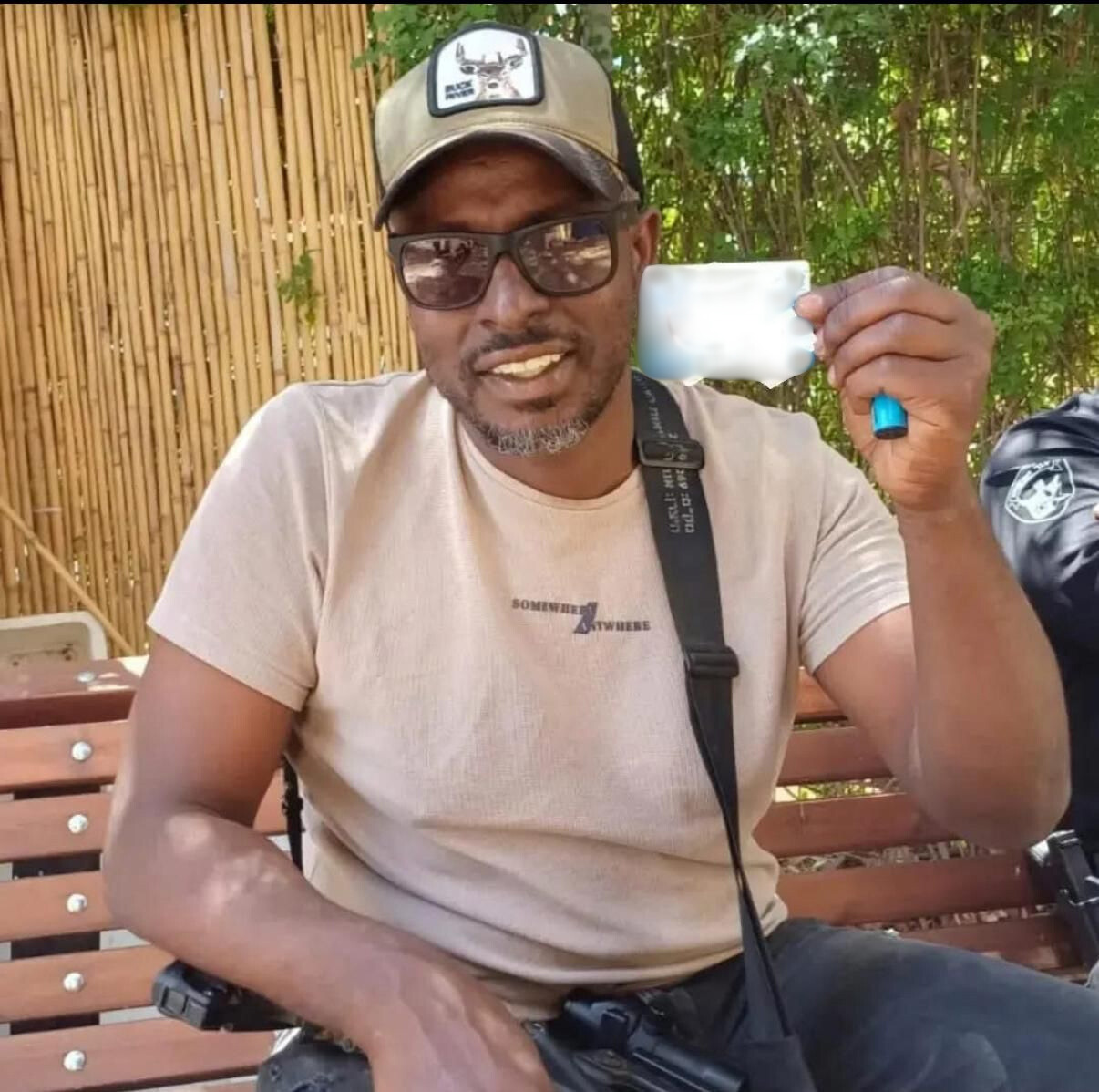
The story
In a small, sturdy home, built of earth and stone, nestled in a remote corner of Ethiopia, beneath a sky ablaze with countless stars, within an ancient community where tradition and faith were woven like an unbreakable thread into the very fabric of life, a child was born on the 26th of Tevet, 5744, which was January 1, 1984. He was named Dajan Daniel. His name, like so many others around him, carried with it a promise, a profound meaning, and a deep hope, all intricately stitched into ancient narratives and a fervent anticipation of a better future. He was the son of Mamit and Ambaw, who stood as the unwavering pillars of a sprawling, vibrant family. Around him, no fewer than twelve brothers and sisters grew and bustled – Zhezhan, Ruthie, Shiran, Hannah, Mulalem, Avtam, Avi, Moshe, another Moshe, Ruth, Rachel, and Malka. This house was far more than just a physical structure; it was a warm, bustling nest, filled with a chorus of voices and laughter, where every individual was an indispensable part of an endless reservoir of strength and mutual support.
In his early childhood, little Dajan breathed in the rich, earthy scent of the soil after the rains, the smoky aroma of cooking fires that curled upwards in the evenings, and the sweet-bitter fragrance of the spices that were an inseparable part of every meal. He would run barefoot across the warm earth, his small feet growing accustomed to the rough texture of the paths, the slight prickle of scattered stones, and the liberating sensation of the wide-open spaces stretching before him. In the mornings, he would awaken to the cheerful chirping of birds and the gentle stirrings of the village coming to life, to the distant calls of shepherds leading their flocks, and the low, murmuring conversations of adults beginning their day’s work. He learned very quickly the profound meaning of cooperation and responsibility. In such a large household, with so many souls, there was no alternative but to share everything – the little they possessed, the daily chores, the laughter, and the sorrow. Dajan, even from a tender age, displayed a quiet inclination towards observation, an innate ability to learn from everything unfolding around him, and to absorb the values instilled in him by his parents and older siblings: respect for others, diligence, humility, and above all, a deep sense of belonging to his family and community. He cherished sitting beside his father, Ambaw, in the late afternoons, as the sun began its descent, painting the sky in breathtaking hues of orange and crimson. He would listen intently to stories of the past, tales of their ancient ancestors, and of distant Jerusalem, the city of gold, which then seemed to him like a sweet, almost unattainable dream. His mother, Mamit, was for him a living model of strength and resilience, a woman who managed the large household with a firm yet loving hand, ensuring all their needs were met, and whose warm, affectionate gaze imparted a sense of security to all her children. He remembered how she would often hold his youngest sibling, Yavio, in one arm, while with the other, she kneaded dough with a steady rhythm, singing soft, melodic songs that seeped deep into his soul.
As Dajan grew, his senses sharpened, becoming more attuned to the world around him. He learned to identify the distinct calls of animals in the fields, to anticipate the subtle shifts in weather patterns, and to discern the delicate nuances in the voices of his many brothers and sisters. Alongside his older brothers, Zhezhan and Mulalem, he would venture out to assist with the smaller tasks in the fields, learning how to tend to the crops, how to draw water from the village well, and how to mend simple tools with practiced hands. He deeply loved the feel of the earth on his palms, the soft brush of grass between his fingers, and the pungent, honest scent of the field after hours of dedicated labor. Even then, a profound love for physical work began to develop within him – for the act of creation that left a tangible mark, for the deep satisfaction of transforming raw materials into something useful and enduring. He was not a talkative child; instead, he preferred to listen, to observe, and to absorb knowledge. When everyone gathered around the crackling fire on cool evenings, sharing stories and jokes, Dajan would sit a little apart, a small, knowing smile playing on his lips, taking in every single detail, storing away the memories and experiences that shaped his inner world. From these moments, he learned the paramount importance of community, the invaluable worth of mutual aid, and the immense strength inherent in familial solidarity. He vividly remembered the recurring conversations about the Land of Israel, about the profound, yearning wish to reach it. These were not mere stories; this was a meticulously planned agenda, a sacred destination, a guiding North Star that illuminated and directed their lives. He would hear his parents discuss it in hushed tones, their voices quiet but filled with an unyielding determination, speaking of the long and arduous journey, the anticipated hardships, and the unwavering hope for a better, free, and secure future in the Promised Land.
In 1991, when Dajan was seven years old, that cherished dream transformed into a breathtaking reality. The entire family, with all twelve children, embarked on the long and arduous journey towards the Land of Israel. It was a profoundly unsettling experience, brimming with both apprehension and boundless hope. He distinctly remembered the feverish preparations, the bittersweet goodbyes to neighbors and friends, the long, exhausting trek to the airport, and then, the moment of boarding the airplane – a completely novel and almost incomprehensible experience for a child who had never before seen an aircraft up close. He pressed his face against the small window, his tiny hands gripping the cold pane, and gazed intently at the shifting landscape beneath him, watching the world shrink and recede, the verdant fields morphing into blurred patches, and the white clouds that had once been merely a part of the sky above his head, now being traversed and left behind. As the plane finally touched down in Israel, he inhaled the Israeli air for the very first time. It was a different air, fresh and new, carrying unfamiliar scents – the distant tang of the sea, the sharp aroma of gasoline, the vibrant pulse of a bustling city. Everything was profoundly different: the houses, the cars, the language, the very rhythm of life. The family was absorbed into Rehovot, a city that had welcomed many members of the Ethiopian community, and there, they began their entirely new chapter.
The adjustment was far from easy. The Hebrew language sounded like an alien melody, the social customs were distinct, and even the food and daily habits demanded a significant period of adaptation. Dajan, ever the quiet and observant child, absorbed everything with remarkable speed. He entered school, where he encountered children from every corner of Israeli society, a mosaic of cultures and backgrounds. He sat in the classroom, attentive to his teachers, meticulously trying to decipher every word, every facial expression. He learned the letters, the numbers, and the new history of his people in their ancient homeland. The home, despite the dramatic shift in its external environment, remained a steadfast anchor. His parents, Mamit and Ambaw, toiled tirelessly to provide for their enormous family, ensuring that the values and traditions they had brought with them from Ethiopia were carefully preserved. Within their home, Amharic was spoken, traditional foods were prepared and savored, and the stories of their journey and Aliyah became an inseparable part of their Sabbath conversations. Dajan found his place and purpose through work. He loved to help around the house, to fix things, to build. His hands, which still remembered the feel of the earth in Ethiopia, now found new fascination in working with modern materials and contemporary tools. He discovered a natural talent for understanding machines, for dismantling and reassembling them, for solving technical problems with simple logic and immense patience. He was capable of sitting for hours on end, attempting to comprehend how something functioned, and never giving up until he succeeded. His friends, both in school and in the neighborhood, knew him as a reliable child, quiet yet determined, always ready to lend a helping hand. He never sought the spotlight, preferring instead to accomplish tasks quietly, efficiently, driven by a profound sense of responsibility.
The years of adolescence brought with them new challenges, yet they also served to further strengthen Dajan's character. He continued to hone his technical skills and deepen his innate love for physical work. He developed a keen interest in mechanics, construction work, and anything involving the operation of heavy machinery. He would watch a tractor rumbling down the road, or an excavator diligently working on a construction site, and a distinct spark would ignite in his eyes. He envisioned himself operating these colossal machines, shaping the landscape, literally building the land. He was surrounded by friends and family, an integral part of a supportive community in Rehovot, who saw in him a promising young man, grounded and sensible, with "hands of gold." He was a man of action, one who preferred to demonstrate his capabilities through deeds rather than through words. His friends would often remark, "Dajan doesn't talk much, but when something needs to be done, he's the first to step up and do the job right." He loved spending his time with his brothers and sisters, playing football in the neighborhood park, or simply sitting and conversing about life, about their plans for the future. The bond with his family remained strong and central to his existence. They were his rock, the sanctuary where he consistently found comfort, unwavering support, and unconditional love. He learned from them the importance of upholding values, of respecting elders, and of caring for the younger generation. He matured into a young man with broad shoulders, a serious gaze, yet with a flicker of kindness in his eyes, and always a small, reserved smile that hinted at the expansive generosity of his heart.
When the time came for his enlistment into the Israel Defense Forces, the choice was unequivocally clear for him. He yearned to contribute, to utilize his unique skills for the sake of the country that had embraced him and his family. He knew precisely where he wanted to go – to the Combat Engineering Corps, a place where he could operate the heavy machinery that had always captivated him, to build, to clear paths, to provide crucial support for combat operations from both the rear and the front lines. He successfully passed the rigorous selection processes and training, quietly distinguishing himself through his technical prowess and unwavering determination. He became a Tzama operator – *Tzama* being the Hebrew acronym for Engineering Mechanical Equipment – operating bulldozers, excavators, and other heavy vehicles that form the backbone of the Engineering Corps. He absolutely loved this work: the deep, resonant rumble of the engine vibrating beneath him, the immense sensation of power as the machine responded to every subtle movement of his hands, the dust that billowed skyward as he forged a new path, the profound satisfaction of transforming a wild, untamed terrain into a passable route, or constructing a defensive barrier with speed and efficiency. In the Engineering Corps, he discovered an additional family – comrades in arms, individuals who shared with him the long, arduous hours in the field, the jokes in the mess hall, and a deep, unspoken sense of camaraderie. He served with unwavering dedication and loyalty, becoming a shining example of professionalism and calm composure, even under the most intense pressure. He steadily advanced through the ranks, and over the years, achieved the rank of Rav Samal Mitkadem (Rasag'am), a senior sergeant major, a rank that attested to his extensive experience, quiet leadership, and profound sense of responsibility.
Even after his release from active duty, Dajan remained true to his chosen path. He continued to work in the field he loved, operating heavy equipment, most likely in construction or infrastructure development. He was a highly sought-after employee, renowned for his reliability, his exceptional professionalism, and his quiet, steady demeanor. He built his life in Rehovot, close to his sprawling family, who continued to be the very center of his world. He remained the supportive son and brother, the one who was always there to help, to listen, or simply to be a comforting presence. He watched his brothers and sisters marry, establish their own families, and he shared in their joys, celebrating with them the countless family events and milestones. While he did not start a family of his own, he found his fulfillment and happiness in the close proximity of his extended family, who were, for him, his entire world. He was an inseparable part of the vibrant tapestry of life in Rehovot, a familiar and beloved figure, who always offered a reserved smile and a quiet nod to everyone he met. His life was intricately woven with hard work, responsibility, and unwavering commitment – to his family, to his profession, and to his country. He was a quiet man, yet his presence was deeply felt. He did not need to speak many words to make an impact; his actions spoke volumes. He was the rock, the anchor, the person one could rely on with absolute certainty.
And then came the seventh of October 2023. That horrific morning, when routine shattered and everything irrevocably changed, also reached Rehovot, reaching the home of the Sahalo family. News of the murderous attack permeated every household in Israel, leaving in its wake a profound shock, searing pain, and pervasive dread. Telephones began to ring incessantly, WhatsApp messages flooded family and military groups, and the urgent calls for mobilization began to echo. Dajan, as a reservist with the rank of Rasag'am, knew it was only a matter of time until he received his "Tzav Shmona" – his emergency call-up order. He did not hesitate for a single moment. On October 16, 2023, just nine days after the war erupted, he had already reported to his base, dressed in his uniform, with all his personal equipment. This time, the call was different. It was not a drill or a routine training exercise. This time, the war had arrived at their doorstep, a direct threat to their very home. He bid farewell to his parents and siblings with a warm embrace, his gaze serious yet resolute. "I am going to do what needs to be done," he told his mother, Mamit, who valiantly tried to hide her tears behind a faint, trembling smile. "Take care of yourselves, and I will take care of all our home." He then climbed into the vehicle, merging with the convoys of reservists flowing from every corner of the country towards the Gaza Envelope.
In Engineering Battalion 5067 of the Combat Engineering Corps, Dajan found his natural place. He was an experienced Tzama operator, a true professional, and a significant asset to the war effort. The area surrounding the Gaza Strip became his second home. For many long months, almost a year and a half, he worked tirelessly, day and night, under the scorching sun and in the biting cold nights, constantly under threat from rocket fire, drones, and mortar shells. His role was critical: to clear paths, to construct earthen berms for defense, to establish outposts, to prepare terrain for the entry of ground forces, and to assist with any other engineering mission required to support the fighting troops. He would sit in the cabin of his bulldozer or excavator for long hours, entirely focused on the task at hand, his skilled hands expertly manipulating the levers and pedals, his eyes meticulously scanning the terrain. Dust was his constant companion, sweat streamed down his forehead, and the roar of the engine became the soundtrack of his life. He was not a combat soldier running with a rifle through the alleys of Gaza, yet his contribution was no less vital. Without him and his team members, the ground maneuver would have been impossible, and the defense of the Gaza Envelope communities would have been significantly compromised. He was a central cog in a vast machine, a quiet but essential component, one that held the entire structure together.
He longed for home, for his family, for the familiar rhythm of everyday life. In the brief telephone conversations with his brothers and sisters, his voice was often weary but always filled with an underlying hope. "Everything is fine," he would say, trying to reassure them. "We are working hard, but it's important that we do this." He would inquire about his siblings' children, about their work, about the news from Rehovot. He would hear the voices of his parents in the background, and his heart would swell with affection. The bonds with his fellow soldiers in the battalion grew stronger. They became a single, cohesive, supportive unit. Together they ate, together they slept, together they worked, and together they lived through the constant tension of war. Stories and jokes served to relieve the immense pressure, a shared cup of coffee warmed their spirits, and their mutual understanding provided the strength to carry on. They were there for each other, brothers in arms, building the nation's security with their own hands and with their physical and mental fortitude. Dajan, with his characteristic quiet demeanor, was always a supportive shoulder, a listening ear, and an exemplary model of professionalism and seriousness. He knew that every movement of his machinery, every pile of earth, every path cleared, was an integral part of the intricate web of defense for their home, for their families, for the future of the entire country.
Weeks turned into months, and the months stretched into a year and a half of intense reserve duty. His body grew tired, his spirit was stretched thin, but Dajan's resolve never broke. He continued to carry out his missions with unwavering determination, profound responsibility, and uncompromising professionalism. He had become a permanent fixture in the landscape of the Gaza Envelope, one of the familiar faces behind the protective helmet, one of the strong hands building the new reality. On the 6th of Iyar, 5785, which was May 4, 2025, Dajan was in the midst of yet another operational activity in the Gaza Envelope area. As on every other day, he set out to perform his duty, part of the dangerous and demanding routine of the Tzama combat engineers. The path was dusty, at times uneven, and always fraught with hidden dangers. This was not a direct combat front with enemy fire, but it was a war zone in every sense of the word, where every movement, every task, could potentially end in tragedy. During this activity, an operational road accident occurred. Its precise details remain known only to a few, but the outcome was unbearably severe. Dajan Daniel Sahalo, Rasag'am in the reserves, a Tzama combat engineer in Engineering Battalion 5067, 41 years old at the time of his fall, was killed. He fell in the line of duty, during an operation intended to protect the citizens of Israel, to defend the home he had built with his own hands over many years, and to safeguard the dream he had carried with him from Ethiopia.
The devastating news arrived in Rehovot like a thunderclap on a clear day. The telephone rang in the Sahalo family home, and the voice on the other end of the line delivered the most terrible message imaginable. An entire world collapsed. Mamit and Ambaw lost a son, and his brothers and sisters lost a beloved and cherished brother. The sprawling family, once so cohesive and supportive, was torn apart by grief. His quiet laughter, his reserved smile, his calming presence – all vanished in an instant, leaving behind an immense and aching void that could never be filled. He was laid to rest in the military cemetery in Rehovot, his city of residence, the city where he had built his life and found his home. Thousands accompanied him on his final journey – his stunned family, his friends from childhood and youth, his comrades from the army, and residents of Rehovot who came to pay their last respects. The sounds of weeping mingled with quiet prayers, and the sun, casting its last rays of light, seemed weary and pained, just like all those present. Dajan, the boy from Ethiopia who became an Israeli warrior, who served his people with unwavering loyalty and dedication, was laid to eternal rest in the very earth he had worked and loved so deeply.
The legacy of Dajan Daniel Sahalo is not merely found in the details of his life or the circumstances of his fall. It is embedded in the entire story of his life – in the long journey from Ethiopia to Israel, in his complete integration into Israeli society, in his tireless hard work, and in his uncompromising devotion to his family and his country. He was an embodiment of humility, of quiet action, of professionalism, and of responsibility. He was not a man of grand words or dramatic declarations, but rather a man of deeds. He literally built the country with his own hands, first as a civilian in his professional work, and later as a Tzama combat engineer in the Combat Engineering Corps, clearing paths and erecting defenses. He was an inseparable part of the Israeli story of revival, of a people who returned to their land and built it with sweat, toil, and blood. His fall in an operational accident, especially after a year and a half of intense reserve duty in a difficult war, serves as a painful reminder of the ongoing price of security, and that even beyond the direct fighting fronts, danger lurks and a heavy toll is exacted.
He left behind heartbroken parents, Mamit and Ambaw, and twelve stunned and grieving brothers and sisters, who will continue to carry his memory forward. They will tell his story to future generations – about the quiet and determined child, about the professional operator, about the loving brother, and about the devoted soldier. Dajan Daniel Sahalo, of blessed memory, is an Israeli hero, a hero of action, of quiet strength, of responsibility, and of a deep love for his homeland, a love that was planted in him in distant Ethiopia and blossomed in the soil of Israel. He will be missed by everyone – by his family, by his friends, by the community in Rehovot, and by the entire State of Israel, which knows that it is thanks to quiet and strong individuals like him that we can continue to build a better future, a future of revival and hope.
In the media
Articles
- Cleared for Publication: Master Sergeant (res.) Dejen Daniel Sahalu Fell in an Operational Road Accident
דבר ·
- Reservist Dejen Daniel Sahalu killed in a road accident during operations near the Gaza border
ynet ·
- The funeral of Sergeant Major Daniel Dajan Sahalu: Hundreds accompanied the reservist killed near Gaza
ynet
- Hundreds came to comfort the family of Master Sergeant Daniel Dejen Sahalo, killed yesterday in Gaza | Walla News
וואלה
- IDF reservist tragically killed near the Gaza border
Вести
Memorial sites
- Yizkor — Master Sergeant Dejen Daniel Sahalo
משרד הביטחון – יזכור
Stories told about them
His relative Melaku Solomon said at the funeral that they had spent Independence Day together, a few days before the accident. His fellow unit member Golan Gavriel Finkel described him as someone who smiled often, spoke about his life in Ethiopia and brought joy to the company.
Life & service
Service
- Rank
- Sergeant major (res.)
- Service Type
- Reserve Forces
- Battle Location
- In the Gaza Envelope area
Family
- Father
- Ambao
- Mother
- Mamit
Burial
Tributes & remembrance
רס"ם (מיל') דג'ן דניאל סהלו ז"ל – לוחם אמיץ, בן 41 מרחובות, שנהרג בתאונה מבצעית במהלך שירות מילואים בעוטף עזה. לא היה חייב – אבל בחר שוב ושוב לחזור לשטח. 300 ימי מילואים בשנה האחרונה. לב ענק. אומץ בלי גבול. יהי זכרו ברוך.
You are a person of peace
Source:ynet
Read the Hebrew original
אתה אדם של שלום
You always smiled
Source:ynet
Read the Hebrew original
תמיד חייכת
Daniel, you had a huge heart.
Source:ynet
Read the Hebrew original
דניאל, היית לב ענק.
I salute you
Source:ynet
Read the Hebrew original
מצדיע לך
You touched everyone you met.
Source:ynet
Read the Hebrew original
נגעת בכל מי שפגשת.
Enough loss.
Source:ynet
Read the Hebrew original
די לאובדן.
My brother was loved by everyone, always smiling and welcoming.
Source:וואלה
Read the Hebrew original
אח שלי היה אהוב על כולם, תמיד מחייך ומאיר פנים.
You were full of life and brought color and humor everywhere. Thank you for every moment
Source:ynet
Read the Hebrew original
היית מלא חיים, והוספת צבע והומור לכל מקום. תודה על כל רגע
Remembrance Day addresses
יום הזיכרון לחללי מערכות ישראל התשפ"ה – 2025
בכל יום שעובר, אזכור יותר! אזכור, את אלו שיצאו עימי לקרב ולא שבו, ולהם אין מי ידמה ומי ישווה. אזכור, שהכאב לא יעבור לעולם, והזמן, הוא לא מרפה ולא מרפא. אזכור, את שיברון הלב הגובר ואת הבית שבוער. אזכור, את צדקת הדרך, ואשבע שוב, שמה שהיה לא יהיה יותר. אזכור, שיותר מכל דבר אחר – אני חסר! ביום הזה, אני נתקף געגוע לדמותם, לחיתוך דיבורם, לחיוכם, ומדליק נר לזיכרון דרכם ומורשתם!
משרד הביטחון
אגף משפחות, הנצחה ומורשת
יום הזיכרון לחללי מערכות ישראל התשפ"ה – 2025
בכאב, בהצדעה ובתקווה אני מתכבד להדליק נר זיכרון זה. השנה, כשאנו נלחמים במלחמה ארוכה, רב זירתית וצודקת, הזיכרון נושא משמעות עמוקה. ביום זה נעצור ונתייחד עם זכרם של טובי בנינו ובנותינו שנפלו בהגנה על המדינה. מורשתם היא המצפן שמתווה את דרכינו, והיא המעניקה לנו כוח להמשיך ולהגן על מדינת ישראל ותושביה. משפחות יקרות, אנו מרכינים ראשנו ומתחייבים שנעמוד לצידכן תמיד. יהי זכר הנופלים ברוך.
אלוף דדו בר כליפא
ראש אגף כוח האדם, צה"ל
יום הזיכרון לחללי מערכות ישראל התשפ"ה – 2025
בשעה שאנו זוכרים את גודל תרומתם ועומק מסירות נפשם של טובי בנינו ובנותינו, נופלי מערכות ישראל לדורותיהן, ממשיכים צה"ל וכוחות הביטחון במימוש המשימה למענה לחמו ועבורה נפלו: הכרעת אויבינו מדרום, מצפון, ביהודה ובשומרון, וגם בזירות רחוקות יותר. בהערכה רבה ובגאווה אדירה אנו מרכינים ראש בפני הנופלים והנופלות, מאמצים את משפחותיהם אל לבנו, וממשיכים במשימה להבטחת קיומה של ישראל לדורי דורות. יחד נעשה ונצליח.
רב אלוף אייל זמיר
הרמטכ"ל, צה"ל
יום הזיכרון לחללי מערכות ישראל התשפ"ד – 2024
כאשר דגלינו מורדים לחצי התורן וראשינו מורכנים לזכר הנופלים והנופלות במערכות ישראל, ממשיכים לוחמי צה"ל ומפקדיו בלחימה בדרום, בצפון, ביהודה ובשומרון ובזירות נוספות. על כל דור מוטלת המשימה של הגנת העם והארץ – משימה שאף פעם אינה פוסקת. נצדיע בגעגוע ובגאווה לנופלים ולנופלות, נחבק את משפחותיהם, ונמשיך ברוח הציווי שהותירו לנו. עם ישראל חי.
רב ניצב יעקב שבתאי
המפקח הכללי, משטרת ישראל
יום הזיכרון לחללי מערכות ישראל התשפ"ד – 2024
אחיי הנופלים, כל נר הוא זיכרון יחיד ומיוחד, על חיים שהיו ואינם, געגוע שנצרב עמוק בלב, עולם ומלואו. הנרות כולם הם זיכרון של אומה כי לעולם לא עוד, בשורת הציונות וקוממיות ישראל. זיכרון כי הדרך לעם חופשי בארצנו עוברת דרך מסדר הנופלים. אור הנר יזכיר לנו את מסירות נפשכם להציל חיים, להגן על הבית. הנרות מסמנים לנו נתיב גבורה ערכי מחייב שאנו מצווים ללכת לאורו. נמשיך להילחם ולהוסיף אור מתוך אמונה בנצח ישראל.
יואב גלנט
שר הביטחון
יום הזיכרון לחללי מערכות ישראל התשפ"ד – 2024
בהצדעה ובכאב, בשם צה"ל כולו, אני מדליק נר זיכרון. בעיצומה של מלחמה, הזכרון נושא משמעות יום-יומית, שעבר והווה מתלכדים בה. לאורם של הנופלים נמשיך לצעוד, חיילי הסדיר והמילואים. לאורם של הנופלים נמשיך להגן על ארצנו ועל מולדתנו, גם כשהמחיר כבד. להבת-הזכרון תבער בנו בעודנו ממשיכים להלחם ונזכור את הנופלים ואת אומץ ליבם. משפחות יקרות, צה"ל מרכין היום ראש, מצדיע לכן וכואב איתכן. יהי זכר הנופלים ברוך.
אלוף יניב עשור
ראש אגף כוח האדם, צה"ל
יום הזיכרון לחללי מערכות ישראל התשפ"ד – 2024
בהוקרה, בגאווה ובכאב שאין לו סוף, אני מתכבד להדליק נר לזכרם של הנופלים והנופלות במערכות ישראל. סיפור חייהם בארץ הזאת, מסכת שירותם, גבורתם והקרבתם – הם סיפורה של הארץ הזאת, אך גם סיפור המחיר הכבד שהיא תובעת מאוהביה. מחויבותנו לזכר הנופלים ולדרך שהותירו לנו ניצבת תמיד לנגד עינינו. את המשימה שלא זכו להשלים, משלימים כיום, וישלימו, אנשי כוחות הביטחון, הממשיכים בדרכם ולאורם. יהי זכרם של הנופלים ברוך.
משרד הביטחון
אגף משפחות, הנצחה ומורשת
יום הזיכרון לחללי מערכות ישראל התשפ"ד – 2024
בחרדת קודש אני מתכבד להדליק נר לזכרם של חללי מערכות ישראל, חברנו שנפלו, מראשית היציאה מהחומות ולאורך כל שנות עצמאותנו המדינית והציונית, מהווים תמרור זיכרון לדרך חיינו ולמחוייבות הלאומית להנצחת זכרם. דרכם נותרה דרכנו ומורשתם נר להמשך עשייתנו. יהי זכרם ברוך!
בני גנץ
שר הביטחון
יום הזיכרון לחללי מערכות ישראל
נזכור אותם, כולנו יחד. כל אחד ואחת מהם, מדי יום ביומו, והיום ביתר שאת, כך – לנצח. "כי מדי דברי בו זכור אזכרנו עוד"
משרד הביטחון
אגף משפחות, הנצחה ומורשת