
The story
In an old wooden house, surrounded by a small garden where tall sunflowers bloomed and rose bushes were heavy with buds, in the city of Simferopol on the Crimean Peninsula, David Ratner was born on a cold January day, the tenth of the month in 2003, the 7th of Shvat 5763. He was the firstborn, son of Miriam and Haim, and the air in the house filled with anticipation and joy at his arrival. His early laughter mingled with the hum of summer bees, and his first steps sounded like a new rhythm that brought life and movement to the familiar spaces. He didn't know then how quickly the landscapes around him would change, how swiftly the scent of Crimea's dark, damp earth would be replaced by the salty air of the Mediterranean Sea.
When he was just two years old, the frame of his childhood window completely changed. The green expanses of Ukraine gave way to a sandy-golden landscape and to new residential buildings rapidly constructed in the city of Ashdod. The journey was long, filled with excitement and apprehension, strange smells of ports and trains, sounds of different languages that blended to his young ears. Miriam and Haim, with David in their arms, dreamed of a new beginning, of a home that would grow and expand, and of a future to be built in the land that became home for them, and for their firstborn son. Ashdod, a bustling port city with wide beaches and a constant sea breeze, embraced them. It wasn't Crimea, but it held a promise, and it quickly became David's nurturing ground, the place where he would leave his first mark on the world.
The house in Ashdod soon filled with many voices. David, the eldest, gradually welcomed five younger siblings: Yosef, Esther, Shlomo, Ariel, and Bat-El. He became a small lighthouse for them, a role model, and sometimes a target for mischief. He remembered the day Esther was born, the first of his sisters, her sweet smell, her tiny pushes against his hand when she was a baby. He quickly learned the meaning of responsibility, not just to his parents, but also to those younger than him. He was the one who would help Esther find her lost doll, protect Shlomo from little bullies in the playground, or play with Ariel and Bat-El for long hours, building block towers that reached almost to the ceiling, only for them to fall with a loud crash and elicit peals of laughter. The house was always full of life, a blend of Eastern European and Moroccan aromas wafting from his mother's kitchen, sounds of conversations in Hebrew and Russian, and above all, laughter. David's laughter was particularly infectious, a deep laugh that came from the child's belly and filled the space with light. He was a charming boy, full of grace, with a sparkle in his eyes that hinted at a good sense of humor and boundless joy for life.
David spent his childhood and early adolescence in the corridors of the local elementary school in Ashdod, and later at "Makif A" high school. He wasn't just a student; he was a character. Even if he didn't always excel academically in a formal sense, he excelled in his ability to connect people, calm stormy spirits, and find the funny side in every situation. Teachers remembered his wide smile, his willingness to help a struggling classmate, the way he knew how to defuse tension with a small joke during a stressful exam. He was an avid sports enthusiast, and every free moment was spent chasing a ball. In his childhood, soccer was his first love. He ran on the dusty sand fields in the neighborhood, sweating and smiling, chasing the ball as if his life depended on it. As he grew a little older, he switched to basketball. He joined the "Maccabi Ashdod" youth team and became a devoted fan of the club. He didn't just play; he lived the game. The squeak of basketball shoes on the court, the thud of the ball on the floor, the sweat dripping from his forehead after an intense practice – all these were an integral part of who he was. He learned from the game about teamwork, perseverance, the ability to get up after a fall and keep running, to stick to a goal. He loved the feeling of shared victory, the applause from the crowd, and even the effort of hard training, where the body ached but the spirit strengthened.
Beyond the basketball court, David's world was full of flavors and sounds. He loved to eat, not just to eat, but to savor every bite. He could sit for hours at the dinner table, licking his lips with pleasure. Cheeses were his great weakness, especially those with rich and complex flavors. Toasts, simple as they might be, were a gourmet meal in his eyes if only they were well-made, with melted cheese and a crispy crust. But his true love was for foods that told a story: Khachapuri, the rich Georgian cheese bread, which perhaps reminded him of his distant roots, and the Moroccan dishes from his paternal grandmother's kitchen – a rich vegetable tagine, succulent couscous with orange broth, fresh and seasoned salads. He loved the atmosphere around the table, the conversations, the laughter, the hands reaching out for dishes. To his ears, music was rap. He loved the rhythm, the lyrics, the artists' ability to tell complex stories in a direct and impactful way. He didn't just listen; he also created. During his military service, between training sessions, between guard shifts, he would find moments to write and compose his own songs. Words rolled off his tongue, connected into sentences, became verses, and a rhythmic melody accompanied them. These were songs that spoke of friendship, love, longing, life as he saw it, and they were another way for him to express his rich inner world.
But above all these, above basketball, food, and music, David loved deeper, clearer loves. He loved the Land of Israel, this home he had built for himself. He loved his family, his parents, his brothers and sisters, the warmth and security they provided him. He loved his friends, the circle of support and laughter that surrounded him. And then there was Diana. He had known her since seventh grade, in those innocent days of childhood friendship, shared games, and small teasing. Over the years, their connection deepened, matured, and blossomed into true love when he was seventeen. Their bond was strong, profound, and built on foundations of true friendship. They spent hours in long conversations, sharing dreams, fears, and hopes. They planned a shared future, a whole life together, a home they would build, children they would have. Diana was his listening ear, a supportive shoulder, and the person who knew how to illuminate the darkness for him, as she would later recount. He loved the way she understood him without words, her smile that made him forget all worries, the calm and security her mere presence gave him.
On August 18, 2021, with a backpack on his back and a heart full of pride and apprehension, David enlisted in the IDF. He knew exactly where he wanted to go: to the Golani Brigade, the brown brigade, to Battalion 13, "Gideon" Battalion – where true fighters are born. The first days were tough: the transition from civilian life, from the freedom and comfort of home, to rigid discipline, endless running, short sleep, and exhausting physical tasks. But David, with humor and a captivating smile, got through it. He found his place in operational company B, "Wolves of Silence," where he began his training as a marksman. He learned to aim, to target, to understand the wind's movement and the physics of the bullet. His hands, which held a basketball with expertise, learned to hold a weapon with deadly precision. However, he soon underwent further training and became a "Negbist," a soldier operating the "Negev" machine gun. This was a role that required great physical strength, deep technical understanding, and above all, courage. The Negev is a powerful weapon, but heavy and complex. David embraced it. He learned every detail of the machine gun's structure, how to disassemble and reassemble it, the meticulous maintenance it required. He trained for long hours in the field, sweating under its weight, learning to control the fierce recoil and the spread of fire. He didn't just shoot; he became one with the weapon, understanding its language and intentions.
In the army, as in every aspect of his life, David strived for excellence. He wasn't satisfied with "good enough"; he always wanted to be the best, not just for himself, but for his friends. His company mates described him as a "crazy Negbist" – an expression that contained a mix of appreciation, awe, and affection. He was a first-rate professional, loved his role, and always invested and learned to improve and specialize. He would disassemble and reassemble the Negev, oiling every screw, checking every spring, as if it were an expensive Swiss watch. He could explain to any other soldier the correct way to aim, clean, and operate it. "There is no greater love than the love of one who lays down his life for his friends," was the motto by which he lived, not just as a slogan, but as a real way of life. He was willing to do anything for them, to stay with them for extra hours in training, to help them carry heavy equipment, to listen to their troubles, or simply to tell a joke that would break the tension. His friends, in turn, trusted him implicitly. They knew that if David was behind the Negev, they could be calm. His presence gave security, his smile dispelled fear, and his determination instilled hope.
David's exceptional abilities did not go unnoticed by his commanders. He earned great appreciation and received several commendations that attested to his impressive performance. In June 2022, he received the "Outstanding Soldier of the Month" certificate from the battalion commander. This was official recognition of his dedication, professionalism, and unique contribution to the company. He accepted the certificate with a modest, perhaps slightly embarrassed, but proud smile. A few months later, on Rosh Hashanah 5783, he received another commendation, this time from the commander of the Ephraim Territorial Brigade. These were not just pieces of paper, but evidence of a strong character, perseverance, and deep commitment. David did not seek glory; he simply did what he thought was right, what needed to be done, and always aimed to do it in the best possible way.
David was a man of complementary contrasts. He possessed a magnetic inner strength alongside deep sensitivity. He was a true friend, devoted and generous, always striving to give and help, to bring light, joy, and laughter into the lives of all his acquaintances. He could be serious and focused during training, and then, in an instant, burst into rolling laughter over some prank he played on a friend. He was attentive to his friends' problems, offering honest and genuine advice, and in the same breath could crack a joke to lighten the mood. His captivating and infectious smile was his hallmark, a kind of calling card that announced his presence wherever he went. He was the beating heart of the group, the one who made sure everyone felt good, that no one was left alone. His love for the Land of Israel was not an abstract love. It manifested in actions, in his military service, in defending his home. His love for family and friends was tangible, daily, expressed in long phone calls to Diana, visits home to Ashdod, and warm hugs for his younger siblings.
On the Simchat Torah weekend, the 22nd of Tishrei 5784, Saturday morning, October 7, 2023, David was at the Nahal Oz outpost. The outpost, located near the Gaza Strip border, was for him and his company mates another point on the map of missions, another place where they guarded their home. It was six-thirty in the morning. The sun had begun to rise above the horizon, painting the sky in shades of orange and pink. A relative quiet hung in the air, a quiet of a normal Saturday morning, one that heralded a day of rest. And then, the quiet shattered. Not with a single noise, but with a sudden, brutal, unprecedented attack. The Hamas terrorist organization launched a surprise attack on Israel. Massive rocket and missile fire began to pound widespread areas across the country, shaking the earth and the calm. But this was just the prelude. Under the cover of incessant barrages, thousands of terrorists infiltrated – by land, sea, and air – and began a murderous assault on the communities surrounding Gaza, on Sderot, Ofakim, and Netivot. They massacred attendees of a nature party near Kibbutzim Re'im and Nir Oz, raided IDF bases, and opened fire on anyone in their path. The terrorists murdered some eight hundred civilians in their homes, in their cars, committed severe crimes, abducted hundreds of Israelis to the Gaza Strip, and destroyed, looted, and set fire to homes and property. Hundreds of soldiers, police officers, security forces personnel, and members of local emergency response teams fell in battle. On this morning, a new war erupted, and its face was unfamiliar.
At the Nahal Oz outpost, sirens began to wail, the sounds of gunfire drew closer. The flashing signals on the radios began to report infiltrations, close-quarters combat. David, with his company mates, immediately understood the gravity of the situation. There was no moment of hesitation. He sprang into action, just as he sprang after a basketball on the court, just as he sprang to protect his younger siblings. He immediately ascended to the observation tower. From the top of the tower, an unimaginable sight unfolded: dozens, perhaps hundreds, of terrorists swarmed the base, running in the yard, trying to break in. The smell of smoke and dust mingled in the air. Without a second thought, David opened fire. His Negev began to roar, spitting bullets at a dizzying rate, trying to repel the masses, to prevent their entry, to protect the outpost and his comrades. He fired, and fired, and fired, until the barrel grew hot and the air around him trembled. He saw the target, the enemy, the danger, and acted with the instinct of a skilled fighter, of a man defending his home. He blocked their path, created a wall of fire, prevented them from advancing, knowing that every bullet he fired was a bullet that saved lives, that pushed back the danger.
The battle at Nahal Oz was long and difficult. The outpost became an inferno battlefield, with sounds of explosions and gunfire from all directions. At one point, when the terrorists managed to penetrate additional areas of the base, David took up a position near one of the protected spaces. Perhaps to protect his friends who were there, perhaps to prevent the terrorists from reaching them. He continued to fight fiercely, firing non-stop, returning fire, trying to defend every inch of ground. Amidst the relentless fighting, with his concern solely focused on the mission and his comrades, a bullet was fired at him. The hit was fatal, in his neck. A sharp, searing pain flooded his body, but adrenaline and perseverance prevented him from falling. Despite his severe injury, David refused to give up. He did not let the pain overcome him. He knew that every second of fighting was critical, that every shot he fired saved lives. He continued to fight, determined, steadfast, until his body could no longer bear it. He was killed in battle, a hero. In his incredible bravery, in his uncompromising determination, he managed to hit many terrorists, stop their advance, and save the lives of his friends. He fulfilled his motto, "There is no greater love than the love of one who lays down his life for his friends," in the most painful and heroic way imaginable. Sergeant First Class David Ratner, twenty years old at his fall, died in battle on the 22nd of Tishrei 5784, October 7, 2023.
The sun that rose that morning over Nahal Oz was entirely different on the day David was laid to rest. The military cemetery in Ashdod filled with thousands of people – family members, friends, commanders, subordinates, and citizens who came to pay their last respects to their fellow townsman. The silence there was heavy, heartbreaking, so different from the quiet of a normal Saturday morning. The Israeli flag draped over his coffin, accompanied by the sounds of a military salute. His parents, Miriam and Haim, stood there, broken and in pain, trying to comprehend the magnitude of the loss of their firstborn son. His five younger siblings – Yosef, Esther, Shlomo, Ariel, and Bat-El – stood there, looking at the coffin, trying to understand how their hero, their strong older brother, would not be coming home. David left behind his siblings, his parents, and his girlfriend, Diana, whose shared dreams were abruptly shattered.
Diana, who stood there, her eyes red from tears, knew she had lost not only a great love, but a true friend, a life partner, a person who was everything to her. In trembling words, she eulogized him: "You were my best friend and the person who always lit up my darkness. My greatest love." Her words reflected the depth of their bond, the unconditional support, the light he brought into her life. A childhood friend, who grew up with him on the basketball courts and in the school corridors, also eulogized him, his voice choked: "A person who is much more than a friend, he is a brother. A special person, full of joy, laughter, and love for everyone. Always excelling and the best at everything he does, a person who leaves a unique and special mark on everyone he met. I will always remember his maturity, wisdom, and understanding alongside his joy, laughter, and jokes. A one-of-a-kind person, loved and appreciated." These words painted a complete picture of David: not just a brave fighter, but a person with a broad soul, inner wisdom, and a rare ability to touch the hearts of those around him.
The void David left behind was immense. In Ashdod, his birthplace and home, he is commemorated at the "Place in the Heart" memorial dedicated to the fallen and murdered residents of the city in the war. His name is etched there, alongside many others, a testament to the collective loss and individual heroism. His memory is also preserved on the online memorial site for the city of Ashdod's fallen in the war. In March 2025, in a moving ceremony, his family was awarded the "Beautiful Ashdod" commendation for him, a tribute to his actions, his presence, and his contribution to the city. Pages in his memory were opened on social media, such as Instagram, under the name remember_davidratner, where friends and family continue to share photos, stories, and memories, keeping his image alive and breathing. Other memorial sites, such as storyofmylife and memoriz.plus, have also become virtual homes for his memories.
David Ratner, the child from Simferopol who became a son of Ashdod, the Golani fighter, the professional Negbist, the eldest brother, the loyal friend, Diana's beloved, left behind a legacy of love, giving, heroism, and courage. His short, yet full life, was a testament to the power of the human spirit, to the ability to love deeply, to fight bravely, and to live with full intensity. He fell defending his home and his friends, an act that embodies the essence of human heroism. His memory lives on, not just in stones and sites, but in the hearts of all those he touched, in his infectious smile, his wisdom, his laughter, and above all, in his great love for life and for people. David Ratner's story is a story of resilience, of a man who gave everything for the country where he found his home, and his memory will continue to light our path, as a symbol of Israeli pride and an unconquerable spirit.
Moments of a life
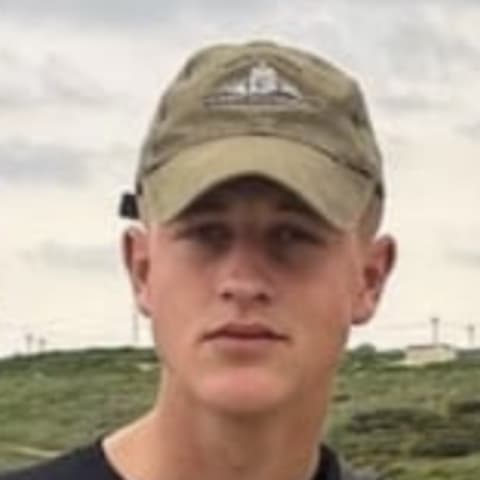
All photographs · 1
In the media
Articles
Podcasts
- The Battle for Nahal Oz | David Ratner
כאן / Apple Podcasts
Memorial sites
- Staff Sergeant David Ratner, of blessed memory
הארכיון העירוני לתולדות אשדוד
- David Ratner — memorial page
כאן 7.10.360
Memorial projects
The song and music video "First Memorial Day," by Michael Michaeli and produced by Yuval Duda Niyazov, were released on October 7, 2026, in David’s memory.
David is commemorated at the Makom BaLev memorial in Ashdod. In March 2025, his family received the Ashdod HaYafa award on his behalf.
To mark one hundred days of the war, Pitchon Lev held a tribute event for Program 7 graduates David Ratner, Dor Lazimi and Shahar Krief, and planted a tree in their memory in Ben Shemen Forest with their families and friends attending.
Stories told about them
David played basketball in Ashdod as a teenager and loved rap music, and even composed during his service. The archive describes how he fought with a Negev machine gun at the Nahal Oz outpost and continued fighting after being wounded.
Life & service
Service
- Rank
- Staff sergeant
- Unit
- Golani Brigade
Family
- Father
- Chaim
- Mother
- Miriam
Burial
Tributes & remembrance
נסיך שלי , כל חיי, החבר הכי טוב שלי, אין מילים להסביר כמה אני מתגעגעת ואוהבת אותך כל כך, תנצבה
חבר שלי הכי טוב לנצח אזכור אותך מלאך שלי
גבר אמיתי איש משפחה שאהב ליהנות מהחיים
ילד גיבור עם חיוך שהיה מוכר לכל כך הרבה אנשים. טוב לב, מנומס, תמיד עזר לכולם.
שלום דוד היקר שאני לא מכירה.
כולם מספרים עלייך שהיית מדהים ואני מסתכלת על התמונות שלך ומאמינה להם בלי לפקפק בכלל.
תודה למרים וחיים שגידלו ילד מדהים כלכך.
השכנה שלך מאשדוד
אתה חרוט בליבי
יהי זכרו ברוך מלאך
נפל בשבעה באוקטובר.
מאז נפילתו אני מדליקה נר לזכרו בכל שישי.
המון געגועים , ומחשבות עלייך , גיבור אמיתי
הלב שבור לנצח
תודה שהגנת עלינו, אתה תמיד תישאר גיבור
וגאווה לעיר אשדוד ולעם ישראל.
מעריכה מאוד ומתגעגעת למרות שלא הכרנו
הלוואי שטוב לך למעלה
כולנו מתגעגעים אליך המון, תודה על האדם והחייל שהיית
גיבור ישראל
דוד היה נער וסיים את חייו שלא ראה כלום
בחיים
יהי זכרו ברוך !
דוד אהוב
היה כוכב מנצנץ בחייו ובמותו
מגן דוד.
לזכרו של בוגר בהס שנלחם למען מדינת ישראל
תודה לך,דוד היקר , על שהגנת עלינו בגופך ובנשמתך
ונלחמת למעננו בעבור המחיר הנורא מכל!
תנחומים מלב כואב לכל אהוביך .
יהא זכרך ברוך,גיבור ישראל !!
דוד, מתגעגעת אליך ממש.
שמה שאתה לא פה גולי שלי, מתגעגעת אלייך הכי שיש, תשמור עלינו מלמעלה מלאך יפה.
הלב לא מצליח לעקל את זה.
הראש לא מצליח להבין ולקבל את זה שאתה לא פה איתנו יותר.
אתה הייתה החבר הכי טוב שלי, הכל בשבילי, ואני מתעוררת ומבינה שאתה כנראה לא כאן. זה היה כל כך קשה, אני אוהבת אותך הכי בעולם ותמיד אהבתי ואני תמיד אוהב. אני מקווה שאתה מסתכל עליי למעלה וגאה. אני מקווה שטוב לך שם. תנוח על משכבך בשלום גיבור שלי
יהי זכרו ברוך.
אח יקר שלי לא ישכח את השגעת והטירוף שהיה לך כל הזמן היית שמח ומקריב את עצמך בהכל וראינו את זה גם בנחל עוז גיבור על אתה אחי מתגעגע ים
אני זוכרת אותך עוד כשהיית קטן, והיית חלק בילתי נפרד מהקהילה. לראות אותך ואת האחים שלך אחרי ככ הרבה שנים היה משהו מיוחד, אבל ממישהו שאהב לשחק עם רובי צעצוע כילד נהפכת לזיכרון אחרון שבו אני רואה אותך עובר לידי וליד אבא שלי. עכשיו, כשאני חיילת, אני יכולה לומר רק תודה לך. עפת רחוק מידי והכנפיים שלך נקטעו, אבל תודה לך כי שמרת עלינו. תנוח על משכבך בשלום, לעולם לא נשכח ותמיד נזכור.
הלב לא מצליח לעכל , ובחיים לא אצליח לקבל את זה , תנוח על משכבך בשלום , גיבור !
זוכרים אותך לעד גיבור ישראל
לעולם לא נשכח אותך אח יקר ואהוב לנצח תישאר בליבנו
דוד
זוכרים ולעולם לא שוכחים
יהי זכרך ברוך אמן ואמן
הגיבור של כולנו
תודה שהגנת עלינו במקום על עצמך והצלת את החברים שלך במקום לשמור על החיים שלך
מתגעגעים ואוהבים המון גולנציק שלנו מקווה שאתה עם חברים שלך עכשיו
He simply believed in me. There is no brother as dear as him
Source:כאן דרום אשדוד
Read the Hebrew original
הוא פשוט האמין בי. אין אח יקר כזה
You were my best friend and the person who always lights up my darkness, my greatest love.
Source:הארכיון העירוני לתולדות אשדוד
Read the Hebrew original
היית לי חבר הכי טוב והאדם תמיד שמאיר לי את החושך אהבה הכי גדולה שלי.
My Ze'ev, your memory is forever treasured in my heart.
Source:הארכיון העירוני אשדוד
Read the Hebrew original
זאב שלי, זכרך נצור בליבי לעולמי עד.
Even being silent together with you feels good
Source:הארכיון העירוני אשדוד
Read the Hebrew original
טוב לי אפילו לשתוק ביחד איתך
You taught me to live
Source:הארכיון העירוני אשדוד
Read the Hebrew original
לימדת אותי לחיות
David always wanted to find time to do everything
Source:הארכיון העירוני אשדוד
Read the Hebrew original
דוד כל הזמן רצה להספיק הכל
was an exceptional person, strong, sensitive, generous and loved.
Source:The Times of Israël
He was a crazy Negev machine gunner and truly loved what he did
Source:כאן / Apple Podcasts
Read the Hebrew original
הוא היה נגביסט משוגע ואהב באמת את מה שהוא עושה
A person who is much more than a friend; he is a brother
Source:יזכור
Read the Hebrew original
בן אדם שהוא הרבה יותר מחבר, הוא אח
Remembrance Day addresses
יום הזיכרון לחללי מערכות ישראל התשפ"ה – 2025
בכל יום שעובר, אזכור יותר! אזכור, את אלו שיצאו עימי לקרב ולא שבו, ולהם אין מי ידמה ומי ישווה. אזכור, שהכאב לא יעבור לעולם, והזמן, הוא לא מרפה ולא מרפא. אזכור, את שיברון הלב הגובר ואת הבית שבוער. אזכור, את צדקת הדרך, ואשבע שוב, שמה שהיה לא יהיה יותר. אזכור, שיותר מכל דבר אחר – אני חסר! ביום הזה, אני נתקף געגוע לדמותם, לחיתוך דיבורם, לחיוכם, ומדליק נר לזיכרון דרכם ומורשתם!
משרד הביטחון
אגף משפחות, הנצחה ומורשת
יום הזיכרון לחללי מערכות ישראל התשפ"ה – 2025
בכאב, בהצדעה ובתקווה אני מתכבד להדליק נר זיכרון זה. השנה, כשאנו נלחמים במלחמה ארוכה, רב זירתית וצודקת, הזיכרון נושא משמעות עמוקה. ביום זה נעצור ונתייחד עם זכרם של טובי בנינו ובנותינו שנפלו בהגנה על המדינה. מורשתם היא המצפן שמתווה את דרכינו, והיא המעניקה לנו כוח להמשיך ולהגן על מדינת ישראל ותושביה. משפחות יקרות, אנו מרכינים ראשנו ומתחייבים שנעמוד לצידכן תמיד. יהי זכר הנופלים ברוך.
אלוף דדו בר כליפא
ראש אגף כוח האדם, צה"ל
יום הזיכרון לחללי מערכות ישראל התשפ"ה – 2025
בשעה שאנו זוכרים את גודל תרומתם ועומק מסירות נפשם של טובי בנינו ובנותינו, נופלי מערכות ישראל לדורותיהן, ממשיכים צה"ל וכוחות הביטחון במימוש המשימה למענה לחמו ועבורה נפלו: הכרעת אויבינו מדרום, מצפון, ביהודה ובשומרון, וגם בזירות רחוקות יותר. בהערכה רבה ובגאווה אדירה אנו מרכינים ראש בפני הנופלים והנופלות, מאמצים את משפחותיהם אל לבנו, וממשיכים במשימה להבטחת קיומה של ישראל לדורי דורות. יחד נעשה ונצליח.
רב אלוף אייל זמיר
הרמטכ"ל, צה"ל
יום הזיכרון לחללי מערכות ישראל התשפ"ד – 2024
כאשר דגלינו מורדים לחצי התורן וראשינו מורכנים לזכר הנופלים והנופלות במערכות ישראל, ממשיכים לוחמי צה"ל ומפקדיו בלחימה בדרום, בצפון, ביהודה ובשומרון ובזירות נוספות. על כל דור מוטלת המשימה של הגנת העם והארץ – משימה שאף פעם אינה פוסקת. נצדיע בגעגוע ובגאווה לנופלים ולנופלות, נחבק את משפחותיהם, ונמשיך ברוח הציווי שהותירו לנו. עם ישראל חי.
רב ניצב יעקב שבתאי
המפקח הכללי, משטרת ישראל
יום הזיכרון לחללי מערכות ישראל התשפ"ד – 2024
אחיי הנופלים, כל נר הוא זיכרון יחיד ומיוחד, על חיים שהיו ואינם, געגוע שנצרב עמוק בלב, עולם ומלואו. הנרות כולם הם זיכרון של אומה כי לעולם לא עוד, בשורת הציונות וקוממיות ישראל. זיכרון כי הדרך לעם חופשי בארצנו עוברת דרך מסדר הנופלים. אור הנר יזכיר לנו את מסירות נפשכם להציל חיים, להגן על הבית. הנרות מסמנים לנו נתיב גבורה ערכי מחייב שאנו מצווים ללכת לאורו. נמשיך להילחם ולהוסיף אור מתוך אמונה בנצח ישראל.
יואב גלנט
שר הביטחון
יום הזיכרון לחללי מערכות ישראל התשפ"ד – 2024
בהצדעה ובכאב, בשם צה"ל כולו, אני מדליק נר זיכרון. בעיצומה של מלחמה, הזכרון נושא משמעות יום-יומית, שעבר והווה מתלכדים בה. לאורם של הנופלים נמשיך לצעוד, חיילי הסדיר והמילואים. לאורם של הנופלים נמשיך להגן על ארצנו ועל מולדתנו, גם כשהמחיר כבד. להבת-הזכרון תבער בנו בעודנו ממשיכים להלחם ונזכור את הנופלים ואת אומץ ליבם. משפחות יקרות, צה"ל מרכין היום ראש, מצדיע לכן וכואב איתכן. יהי זכר הנופלים ברוך.
אלוף יניב עשור
ראש אגף כוח האדם, צה"ל
יום הזיכרון לחללי מערכות ישראל התשפ"ד – 2024
בהוקרה, בגאווה ובכאב שאין לו סוף, אני מתכבד להדליק נר לזכרם של הנופלים והנופלות במערכות ישראל. סיפור חייהם בארץ הזאת, מסכת שירותם, גבורתם והקרבתם – הם סיפורה של הארץ הזאת, אך גם סיפור המחיר הכבד שהיא תובעת מאוהביה. מחויבותנו לזכר הנופלים ולדרך שהותירו לנו ניצבת תמיד לנגד עינינו. את המשימה שלא זכו להשלים, משלימים כיום, וישלימו, אנשי כוחות הביטחון, הממשיכים בדרכם ולאורם. יהי זכרם של הנופלים ברוך.
משרד הביטחון
אגף משפחות, הנצחה ומורשת
יום הזיכרון לחללי מערכות ישראל התשפ"ד – 2024
בחרדת קודש אני מתכבד להדליק נר לזכרם של חללי מערכות ישראל, חברנו שנפלו, מראשית היציאה מהחומות ולאורך כל שנות עצמאותנו המדינית והציונית, מהווים תמרור זיכרון לדרך חיינו ולמחוייבות הלאומית להנצחת זכרם. דרכם נותרה דרכנו ומורשתם נר להמשך עשייתנו. יהי זכרם ברוך!
בני גנץ
שר הביטחון
יום הזיכרון לחללי מערכות ישראל
נזכור אותם, כולנו יחד. כל אחד ואחת מהם, מדי יום ביומו, והיום ביתר שאת, כך – לנצח. "כי מדי דברי בו זכור אזכרנו עוד"
משרד הביטחון
אגף משפחות, הנצחה ומורשת