
The story
In Migdal HaEmek, a small town nestled in the Jezreel Valley, amidst green hills that shift their hues with the changing seasons and the scent of damp earth rising from the surrounding fields, David Nati Alfasi was born on the 13th of Adar, 5756, which was March 4, 1996. He was the son of Hedva and Maimon, who built their home in the heart of the quiet town, a home where the heart of a child who would touch so many souls began to beat. The house was always full of life, with the laughter of Naveh, Lirin, and Shira, his older siblings, and later his younger ones, who formed for him an entire world of games, small squabbles, and warm hugs. From his childhood room, painted in soft sky blue, David Nati could look out at the open landscape, watching the sun set beyond the mountains, painting the sky in shades of orange and crimson, sights that etched into him, perhaps even before he could articulate it, his deep love for the Israeli landscape. The Alfasi family home was more than just walls and a ceiling; it was a warm nest where the Shabbat table was always laden with good food, and the air was filled with conversation and laughter. Hedva, his mother, meticulously attended to every detail, taking on the role of the central pillar, her gentle yet firm voice guiding her children through life's paths. Maimon, his father, was a working man who returned home smelling of the fields and a full day's labor, his eyes always bright when he looked at his children. He was there to teach them the value of respect, perseverance, and love for humanity, not just in words, but primarily through his actions. David Nati was a curious child, with large, dark eyes that always sought the next thing to learn, to unravel, to understand. He loved spending long hours in the yard, digging in the dirt, building small forts from branches and stones, imagining entire worlds whose secrets only he knew. He was an active child, one who couldn't sit still, always in motion, always seeking a new adventure. Everyone remembered the endless soccer games with his friends in the open fields beyond the neighborhood, where he felt free, where he learned the taste of healthy competition, cooperation, and small victories that were then his whole world. He was an easy child to love, with a captivating smile that could melt any heart, and a genuine willingness to help anyone he met.
By the time David Nati reached adolescence, he was already a young man of clear principles, with a developed social consciousness and a strong desire to contribute. He found his place in the Betar youth movement, where his personality solidified and the values he absorbed at home were strengthened. In the weekly meetings at the movement's club, on long nature hikes, and at summer camps under the open sky, he learned to know the land by foot, to feel the deep connection to the soil and its heritage. He loved the communal atmosphere, the shared work towards a goal, the value-laden discussions that stretched late into the night around crackling bonfires. "We're not just friends," he used to tell his comrades, "we're family. We're here for each other, and for the country." There, between old Israeli folk songs and conversations about the nation's future, he began to articulate his dreams. He didn't talk much about himself, but his actions spoke volumes. He was always the first to raise a hand and help when needed, the last to give up when facing difficulty, and always with a smile that radiated optimism. He had a natural ability to inspire people, to lead them, not because he shouted or demanded, but because of his authenticity, his unwavering belief in the path and its righteousness. He was a personal example, a young man whose every action reflected the values he believed in. When faced with the choice of where to continue his studies, it was a natural step for him to enlist in the military boarding school for command and staff, adjacent to the Reali School in Haifa. This decision reflected his deep integration of values: on one hand, academic excellence and the acquisition of knowledge at a prestigious school like Reali, and on the other, significant preparation for meaningful military service and contribution to the state. The transition from quiet Migdal HaEmek to the esteemed institution in Haifa was a major change. Long days of intensive studies, alongside rigorous physical training and lessons in command and leadership, shaped him further. He learned to cope with challenges, to live within a strict framework, to accept authority, and to command others. He missed his home, the smell of his mother's cooking, the conversations with his father, but he knew this was the right path for him. He called home regularly, sharing his experiences, his new friends, the difficulties, and the successes. "I'm learning so much here," he once told his mother on the phone, his voice sounding more mature, "not just about how to command, but also about who I am and who I want to be." At the boarding school, he stood out not only for his physical and academic abilities but also for his social spirit. He was the one who looked out for the weaker ones, who connected friends, who always found the right word of encouragement. The uniform, which he wore daily, was not just clothing for him, but a symbol of deep commitment, a journey that had only just begun.
On November 20, 2014, upon completing his studies, David Nati enlisted in the IDF, a step he saw as fulfilling his destiny. He chose the infantry, opting for the most challenging path, because he knew that there he could contribute most significantly, confronting the greatest challenges. He was accepted into the Paratroopers Brigade, an elite unit that attracted the best and most dedicated. The path in the paratroopers was incredibly demanding, both physically and mentally. Weeks of grueling training marches under scorching sun or pouring rain, long lessons on weaponry and tactics, and sleepless nights presented him with challenges he had never known before. There were moments of doubt, of unbearable fatigue, of muscle aches that hindered every movement, but David Nati never once considered giving up. He drew strength from his comrades, from the encouraging glances of his commanders, and especially from his inner belief in their cause. "We're doing this not just for ourselves," he told a friend as they collapsed from exhaustion at the end of a long march, "we're doing it for home, for our families, for everyone who relies on us." He passed the selection process, basic training, advanced training, and with each stage, his sense of belonging and capability grew stronger. He was an exemplary soldier, professional, dedicated, and always ready to learn and strive for excellence. His commanders quickly recognized his exceptional leadership potential, not only because of his technical abilities but also because of his humanity, the way he cared for his soldiers and served as a role model for them. He went on to a squad commander's course, where he honed his leadership skills, and then to an officer's course, a natural progression for him. He was a promising young officer, with a sparkle in his eyes and a belief in the righteousness of his path. He served in various roles in the Paratroopers Brigade: platoon commander, company commander, and eventually reached the position of Deputy Commander of Battalion 202, one of the brigade's elite battalions. In every role, he left his mark. He was an officer whom soldiers admired, not just for his authority, but because they saw him as a human being, a true leader who cared. He knew how to combine high professional demands with a warm, human approach, always available to listen, advise, and help. He insisted on discipline, professionalism, and mission accomplishment, but never forgot the people standing before him. "A good soldier is a soldier who understands why he is here," he used to say, "and therefore our role is not just to train them, but also to educate them, to give them meaning." He was a combat officer in every sense of the word, a leader who led from the front, who was always first for every mission, every training, every deployment to the field.
Amidst all the intensive military activity, David Nati also found the love of his life. He met Shahar Yifrach, a young woman from Be'er Sheva, and from the very first moment, it was clear to both of them that this was something different, something deep and real. Their relationship blossomed quickly, based on mutual understanding, shared laughter, and deep appreciation. Shahar was an island of calm and security in the turbulent world of a paratrooper officer. She understood his commitment, the long hours away from home, the tension and worry, and supported him with all her heart. He, in turn, found in her a true life partner, someone who could understand his world, share with him moments of joy and difficulty. As their relationship deepened, David Nati made a significant decision: he would move to Be'er Sheva, to Shahar's hometown, to the capital of the Negev. This was "love that brought him to Be'er Sheva," as their friends used to say. He left Migdal HaEmek, the familiar landscape of his childhood, the proximity to his family, and built his new home in the south, together with Shahar. The move symbolized his deep commitment to her, his willingness to build a life together, despite the challenges that a career in the military poses for a young couple. Three and a half years before his fall, at the height of the COVID-19 pandemic, David Nati and Shahar married in a modest but moving ceremony. Their smiles, standing side by side under the chuppah, promising each other eternal love, were etched in the memories of all who attended. He wore his military uniform, she wore a white dress, and both knew they were embarking on a long and meaningful journey together. They made their home in Be'er Sheva, a small, warm apartment that became their private fortress. He learned to know the new city, its hidden corners, its people. He loved the quiet of the Negev, the desert visible from the window, and the sense of community that was also present there.
The greatest happiness arrived a year before his fall, with the birth of their son, Eitan Yosef. The moment he held little Yosef in his arms for the first time was a moment of revelation for him. "My life has changed," he told Shahar, his eyes sparkling with tears of joy, "now I understand what truly matters." Little Yosef became the center of their world, a source of endless light and joy. David Nati, the tough paratrooper officer, transformed into a gentle and loving father, who loved to play with his son, lift him high, and hear his rolling laughter. He made sure to be present in his son's life as much as possible, despite the long working hours and military exercises. Every moment at home was precious: shared dinners, bedtime stories, short strolls in the neighborhood park. He found a delicate balance between his commitment to the state and his commitment to his small family, and managed to give his all to both worlds. He was proud of Shahar and Yosef, seeing in them the essence of everything he fought for. Their home in Be'er Sheva was filled with their pictures, memories of happy moments. He would call home even when he was in the field, just to hear Shahar's voice, Yosef's voice, and to gain strength to continue. He was a man of routine, despite his unusual life. He loved his morning coffee with Shahar, the short walk with Yosef in the stroller before he went to sleep, the long conversations with his parents and siblings on weekends. He was an anchor, both for his nuclear family and his extended family. He was very connected to his parents in Migdal HaEmek, to Maimon and Hedva, and to Naveh, Lirin, and Shira, his siblings. The family bond was deep and warm, imbued with love and mutual respect. He was always there for them, to advise, to help, to listen. He visited them as often as he could, and with every visit, the house filled with joy and laughter. He would talk about his experiences in the army, about his soldiers, about the challenges, and they would listen with pride. He would talk about little Yosef, his development, and the happiness the child brought to their lives.
And then, on the morning of Simchat Torah, the Black Sabbath of October 7, 2023, everything changed. The sirens that tore through the quiet of Saturday morning in Be'er Sheva, the distant echoes of explosions, and soon, the terrible news that began to pour in with incomprehensible speed—a massacre in the Gaza envelope communities, infiltration by terrorists, thousands of rockets, war. David Nati was home, on a short leave. He felt the ground shaking beneath his feet, not just physically, but emotionally. He saw the anxiety in Shahar's eyes, the helplessness. He hugged little Yosef, who woke in a panic from the sound of the sirens, and his heart knew: this was the moment of truth. He was a combat officer, a deputy battalion commander in the paratroopers. This was the moment when all the years of training, all the preparation, all the values he had absorbed, converged into one clear purpose: to defend home. The phone didn't stop ringing. WhatsApp messages flooded the unit's groups, calls to quickly report to units, initial and chilling information about the extent of the disaster. David Nati didn't hesitate for a moment. He looked at Shahar, his eyes full of worry but also determination. "I have to go," he said, his voice steady. "You stay here, safe. I'll be back." Shahar, despite the immense fear gnawing at her, understood. She knew who he was and what his role meant. She hugged him tightly, breathed in his scent, whispered that he was her hero, Yosef's, everyone's. He kissed little Yosef who was sleeping in his bed, stroked his head, and hoped with all his heart that he would see him again. He left the house into the unknown, into the inferno. He drove quickly to the unit's assembly point, the roads already jammed with frantic traffic, with terrified people. Along the way, the sights were unbearable: smoke rising from communities, burnt cars, people running in panic. He arrived at the battalion, where his loyal soldiers awaited him, their faces etched with worry but their eyes gleaming with a determination similar to his own. He immediately sprang into action, organized the forces, briefed the companies, gave clear and concise orders. "We're going in," he told his soldiers, his voice echoing with tension, "we're going in to defend our home, our people. Each of you is a hero. I trust you with all my heart."
The first days and weeks of the war were tumultuous and difficult. Battalion 202 of the Paratroopers, led by its commanders, including David Nati, fought fiercely in the Gaza envelope communities, clearing houses of terrorists, evacuating wounded, protecting civilians. David Nati led his soldiers with courage and professionalism, entering every house, every alley first, under incessant fire. He was there for his soldiers, cared for their well-being, ensured they were equipped, briefed them again and again, and instilled confidence in them. He was a commander who saw the big picture, but also the small details: the apprehension in a young soldier's eyes, the fatigue on an experienced fighter's face. He knew how to offer a kind word, a pat on the back, to boost morale even in the most difficult moments. Afterward, the battalion entered deep into the Gaza Strip for complex missions of clearing areas, locating terror infrastructure, and eliminating terrorists. The battles were fierce, within a maze of ruined buildings, underground tunnels, and open areas. David Nati was a deputy battalion commander, a role requiring high command and coordination capabilities, the ability to see the entire theater, make quick decisions under fire, and command many forces. He performed the mission with supreme bravery. He was always at the front, with his fighters, leading them by personal example. He was there to calm, to brief, and to show the way. He always made sure to stay in touch with Shahar and Yosef, sending short messages, pictures if possible, just to reassure them, to say he was okay, to feel them close. Each such message was a breath, a brief moment of quiet amidst the chaos. He spoke of his hope to return home, to a normal life, to walks with Yosef in the park, to coffee evenings with Shahar.
On the 12th of Shvat, 5784, which was January 22, 2024, a fierce battle took place in the southern Gaza Strip. The forces advanced towards a defined target, within a built-up and booby-trapped area. Battalion 202 led the attack, and David Nati, as deputy battalion commander, was at the forefront of the force, ensuring all formations operated in coordination, giving orders with cool composure. The air was thick with dust, the smell of gunpowder, and incessant gunfire. Suddenly, during the battle, a severe incident occurred. A powerful explosion shook the ground, and immediately afterward, gunfire from all directions. David Nati, true to his values and his role as a commander, rushed forward to extract casualties, to protect his soldiers, to understand the situation and manage the fire. He acted quickly and decisively, under hellish fire, thinking only of his soldiers and completing the mission. During the assault, Major David Nati Alfasi was hit. He fell in battle, only twenty-seven years old. He fell as he lived: brave, a leader, dedicated, defending his people and his land. His soul ascended to the heavens, leaving behind a massive void, an incomprehensible pain.
The news of his fall struck his family, friends, and everyone who knew him like a thunderbolt. The official IDF notification, delivered to his family in Be'er Sheva, tore their hearts. Shahar, his mother Hedva, his father Maimon, his siblings Naveh, Lirin, and Shira—all were left stunned and grieving. Little Yosef, just one year old, was left without a father. Migdal HaEmek and Be'er Sheva, the two cities where David Nati lived and loved, united in deep mourning. His funeral was held the next day in Migdal HaEmek, his hometown, at the military cemetery. Thousands accompanied him on his final journey: paratroopers in uniform, childhood friends, family members, citizens who came to pay their last respects. Sounds of weeping were heard alongside eulogies delivered in choked voices. Each person recounted their own David Nati: the mischievous child, the leading teenager, the dedicated officer, the loving husband, the devoted father. "He was the salt of the earth," one of his friends said, his voice breaking, "a man who was all giving, all love." David Nati left behind a rich legacy of courage, boundless dedication, love for humanity, and love for his homeland. He was a symbol of excellence, of quiet yet powerful leadership, and of willingness to sacrifice everything for the security of the state. His story is the story of an entire generation, a generation that grew up in this land, absorbed its values, and rose to defend it in its most difficult hour.
The void left by David Nati is immense. Shahar remains with little Yosef, carrying the pain of loss and the legacy of her beloved husband. His parents and siblings grapple with the tremendous heartbreak, but find solace in sweet memories and immense pride in the son and brother he was. His soldiers remember him as a legendary commander, as one who led them through fire and water, as one who taught them what bravery and responsibility truly mean. David Nati's death, like the deaths of many other fallen heroes in the War of Revival, is a painful reminder of the heavy price we pay for our existence in this place. But it is also an inexhaustible source of inspiration. The story of his life, his impressive path, his unwavering determination, his love for his family and his country, all these form a pillar of fire before the camp. He will not return home, will not see Yosef grow up, will not grow old beside Shahar. But his spirit continues to beat. It is in every corner of the house in Be'er Sheva, in every memory of his family in Migdal HaEmek, in every heart of a soldier who fought alongside him. The name of Major David Nati Alfasi, Deputy Commander of Battalion 202 in the Paratroopers Brigade, will be etched forever in the pages of the history of the people of Israel. He is a hero of Israel, who fell defending his home, his family, his people. And he, like all the fallen, commands us to live. To live the full, meaningful lives that he lived and believed in. He left behind a small Yosef, who one day will be told about a heroic father, a father who loved so much, who sacrificed everything for his future and the future of his people. And in Yosef, like the wheat seeds sown in the earth and growing anew, lies hope, lies Israeli pride, lies the promise to continue building and growing, even from the deepest pain. May his memory be a blessing.
Moments of a life
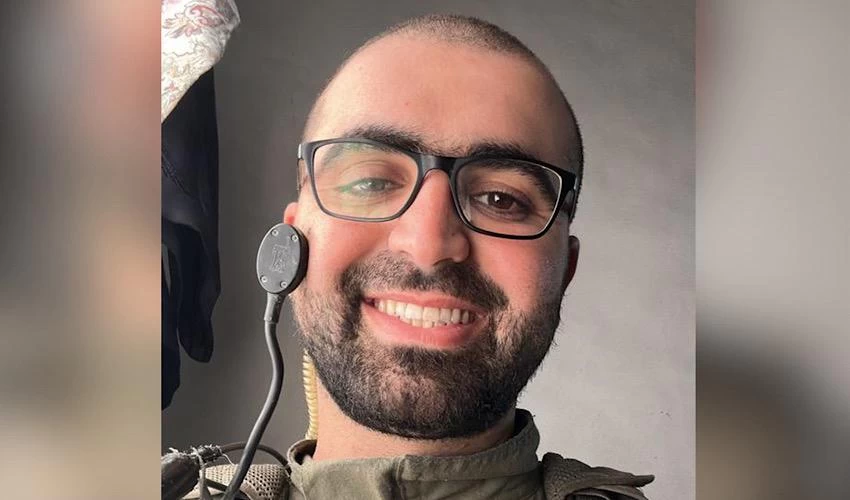
All photographs · 1
In the media
Articles
- He saved lives in life and in death: The story of Major Nati David Alfasi, may God avenge his blood
עזר מציון ·
- David Nati Alfasi, 27 of Beersheba, killed in battle
The Jerusalem Post ·
- The surprise Major Nati Alfasi, of blessed memory, prepared for his wife remained as a keepsake
N12 / mako
- Eitan’s Uncles: Friends of the Deputy Battalion Commander Who Fell in Gaza Will Accompany His Young Son — and Tell Him About Dad
www.ynet.co.il
- Radio Darom | “We called the association 'Be Nati' so that you would be good to one another”: The association founded by the widow of David Nati Alfasi, may God avenge his blood, who was killed in Gaza
www.radiodarom.co.il
- Remembering Nati Alfasi - Tamarack Camps
tamarackcamps.com
Memorial sites
- Yizkor – Major David Nati Alfasi
www.izkor.gov.il
Memorial projects
Ezer Mizion used his handwriting in its logo on Memorial Day as part of Ot Zikaron. His family and friends established the Tihyu Nati nonprofit for social action and uniting the people.
His boarding school friends established Eitan’s Uncles to accompany his son throughout life, share memories of his father and raise support for the future.
The Tihyu Nati association presents a plan to build a municipal sports complex in Migdal HaEmek named after Nati: fitness facilities, an educational center, and a heritage site. The page presents the existing and desired conditions and ideas for the future, and does not confirm that the complex has been completed.
Stories told about them
In 2019, Nati donated bone marrow to a young woman and mother of three, saving her life. His family only learned of the donation during the shiva.
When Shahar was awarded a rank during reserve service, her friends put Nati on the operational line as a surprise. The call was recorded and remained a memento of his voice.
“Be Nati!”

Life & service
Profile
Service
- Rank
- Major
- Battle Location
- Southern Gaza Strip
Family
- Father
- Maimon
- Mother
- Hedva
Burial
Tributes & remembrance
יהי זכרך ברוך
יהב, חברו של אלפסי כתב: "אלפסי אחי היקר, קשה לעכל שנפרדים ממך, היית כל מה שהמדינה הזו צריכה. הצטיינת בכל מה שנגעת בו, מקצוען, לא מתפשר על כלום, צנוע ומוכשר ברמות שאי אפשר לתאר".
תהא נשמתם צרורה בצרור החיים
יהי זכרו ברוך! פרח שנקטף
שחר אלפסי, אלמנתו של רס"ן דוד נתי אלפסי שנפל בדרום הרצועה בכאן רשת ב׳: "נתי היה מהאנשים שכבר לא מוצאים היום, את תצטרכי אותו והוא תמיד יהיה שם בשבילך. היו לנו כל כך הרבה תוכניות, היינו אמורים לטייל, להיות ביחד עם הבן הקטן שלנו. זה בלתי נתפס". סדר יום עם קרן נויבך
[Agent Memoriz-Plus]
ליעד דורנבוסט, כתבה: ״ המשפט של הגדוד שתמיד אפיין אותך – " המשימה בראש, האנשים תמיד". וזה לאו דווקא במילים שאמרת, אלא במעשים שעשית. לא התפשרת לשנייה על סטנדרט גבוה ודייקני לצד רגישות ואנושיות גבוהה מאד. אין לוחם בגדוד שלא הכרת עד לרמת השם, איפה גר ומה אכל לארוחת צהריים, מהשומר ועד החמליסט בחמ"ל״.
[Agent Memoriz-Plus]
קציני המטה של גדוד 202, כתבו: "ההתנהלות שלך בשגרה מעוררת השראה בכולנו, הרי כל מפקד יכל להשתמש בכוח ובסמכות שלו בכדי לגרום לשרשרת הפיקוד לעבוד כמו שעון. אבל אתה בחרת אחרת! אתה בחרת באנושיות כאבן דרך. זה מתחיל בדרך שבה אתה בוחר לרתום אליך אנשים, שיח בגובה עיניים, אכפתיות לכל אחד ואחת מבלי לייחס חשיבות לדרגה או לוותק. חשוב לך היה להסביר ולדייק כל משימה ואם אין היא מדויקת אז "לא יקרה הלאה".
יצא לי לעבוד איתו בצבא, עבדתי על מערכת קשר מורכבת וחיפשתי מישהו שיעזור לי. אחרי הרבה נסיונות מצאתי אותו, הוא היחיד שידע להסביר לי בצורה טובה ומפורטת על כל פרט ופרט במקצועיות וסבלנות אין קץ. איש מיוחד מאוד
יהי זכרו ברוך לעד
גיבור ישראל
נןח על משכבך בשלום
מצגיעים לך
הלוואי ונהיה ראויים
יהי זכרו ברוך ונצור בליבנו תמיד
מלח נארץ גיבור ישראל יהיה זכרו ברוך
נתי ..
היית מפקד יחיד ומיוחד.
כזה שרואה את כולם .. מהחייל הכי צעיר בגדוד ועד המפקד הכי בכיר.
ידעת תמיד לומר את המילה הנכונה,לחבק ולהרים את המצב רוח. היית העוגן של הגדוד ,האבא החבר והאח
לזכרו של נתי אלפסי הי״ד גיבור ישראל
נתי היקר עם החיוך והצחוק. מצוות הפיקוד של בני יהב בשירות הסדיר ובמליואים בחטיבת הצנחנים.
תודה ששמרת עלינו
היית המפקד של שני הבנים שלי בגדוד 202 צנחנים... יהי זכרך ברוך לעד
נתי אלפסי היקר ,
שכב על משכבך בשלום . מאחלת לך להמשיך להיות מנהיג כמו שאתה , בעל ערכים ומידות טובות וראויות , איש טוב אם לב מזהב .
לבני המשפחה , לאחים ולאחיות , לאישה ולילד הקטן , מאחלת לכם שלא תדעו עוד צער .
יהי זכרו ברוך .
תהיו חזקים .
יהי זכרו ברוך.
תודה שהקדשת לנו את חייך כדי שאנחנו נוכל לחיות. תודה ששמרת עלינו.
נזכור אותך תמיד.
בן דוד יקר, אני זוכר שתפסת קו עם הגדוד שלך אצלנו בחטמר שומרון, כל בוקר בדרכי למשרד אתה נכנס בש.ג פותח את הדוד הממוגן אומר בוקר טוב וממשיך למשימה. לא אשכח את החיוך שלך
נתי, הגיבור של המשפחה, המדינה.
הלכת בטרם עת בהגנה על הבית,
ביישום הערכים שצעדת לאורם,
היית אור לאחרים בחייך והשארת אור גדול גם בלכתך.
"תהיו נתי" ככה פשוט!
יהיה זכרך ברוך גיבור ישראל
גיבור! לא נשכח סיפורך אף פעם
נוח על משכבך בשלום.
אמא ללוחם מ-202, אומרת לך תודה!
יהי זכרך ברוך
שנהיה ראויים
גיבור ישראל. יהי זכרו ברוך
תודה שהייח חבר אמת לגיסי, לוחם ומפקד דגול.
נזכור אותך תמיד
הילד השקט והמופנם
שעשה כל כך הרבה טוב בשקט בלי להצהיר
יצא להגן על המדינה אחרי הטבח
משאיר אישה ותינוק בבית
הדרך שלך ושמך ילכו איתנו לעד
יהיה זכרך ברוך מלאך
ת.נ.צ.ב.ה
אולי לא הכרתי אותך אבל חבר סיפרי לי עלייך תודה לך איש יקר
נזכור אתכה תמיד
כמה שאתה חסר נתי עם החיוך הניצחי שחרוט לי בלב גיבור מלכות מפקד שהלך בראש פקודיו יהי זכרך ברוך
נתי חבר יקר תמיד אזכור אותך!
אתה לא מבין כמה אתה חסר
נתי, גיבור ישראל יהי זכרו ברוך
גיבור ישראל יהיא זיכרו לעד
נתי יקירי, אתה תמיד בלבי!!!
האובדן כבד מנשוא!!!
He did everything with kindness and peace of mind.
Source:www.ynet.co.il
Read the Hebrew original
עשה הכל בנועם ובשלוות נפש.
Nati is the first
Source:www.ynet.co.il
Read the Hebrew original
נתי הוא הראשון
The magnitude of the responsibility
Source:www.ynet.co.il
Read the Hebrew original
את גודל האחריות
A kind of uncle's instinct
Source:www.ynet.co.il
Read the Hebrew original
מין יצר של דודים
Eitan will have us
Source:www.ynet.co.il
Read the Hebrew original
לאיתן יהיה אותנו
Eitan is part of this family
Source:www.ynet.co.il
Read the Hebrew original
איתן הוא חלק מהמשפחה הזאת
a remarkable legacy of leadership, courage, humility, generosity and love for his homeland.
Source:tamarackcamps.com
The amount of goodness in him, the light he spread in the world, and his generosity toward everyone
Source:www.radiodarom.co.il
Read the Hebrew original
כמות הטוב שהייתה בו והאור שהוא הפיץ בעולם והנתינה שלו לכולם
My dear nephew, thank you for 27 years of infinite pride.
Source:The Jerusalem Post
You chose humanity as a guiding milestone
Source:www.izkor.gov.il
Read the Hebrew original
אתה בחרת באנושיות כאבן דרך
I am so proud to be your little sister
Source:www.izkor.gov.il
Read the Hebrew original
אני כל כך גאה להיות אחותך הקטנה
You were everything this country needs
Source:www.izkor.gov.il
Read the Hebrew original
היית כל מה שהמדינה הזו צריכה
It hurts to listen to the conversation, but it is a good memory of him
Source:N12 / mako
Read the Hebrew original
כואב לשמוע את השיחה, אבל זה זיכרון טוב ממנו
Remembrance Day addresses
יום הזיכרון לחללי מערכות ישראל התשפ"ה – 2025
בכל יום שעובר, אזכור יותר! אזכור, את אלו שיצאו עימי לקרב ולא שבו, ולהם אין מי ידמה ומי ישווה. אזכור, שהכאב לא יעבור לעולם, והזמן, הוא לא מרפה ולא מרפא. אזכור, את שיברון הלב הגובר ואת הבית שבוער. אזכור, את צדקת הדרך, ואשבע שוב, שמה שהיה לא יהיה יותר. אזכור, שיותר מכל דבר אחר – אני חסר! ביום הזה, אני נתקף געגוע לדמותם, לחיתוך דיבורם, לחיוכם, ומדליק נר לזיכרון דרכם ומורשתם!
משרד הביטחון
אגף משפחות, הנצחה ומורשת
יום הזיכרון לחללי מערכות ישראל התשפ"ה – 2025
בכאב, בהצדעה ובתקווה אני מתכבד להדליק נר זיכרון זה. השנה, כשאנו נלחמים במלחמה ארוכה, רב זירתית וצודקת, הזיכרון נושא משמעות עמוקה. ביום זה נעצור ונתייחד עם זכרם של טובי בנינו ובנותינו שנפלו בהגנה על המדינה. מורשתם היא המצפן שמתווה את דרכינו, והיא המעניקה לנו כוח להמשיך ולהגן על מדינת ישראל ותושביה. משפחות יקרות, אנו מרכינים ראשנו ומתחייבים שנעמוד לצידכן תמיד. יהי זכר הנופלים ברוך.
אלוף דדו בר כליפא
ראש אגף כוח האדם, צה"ל
יום הזיכרון לחללי מערכות ישראל התשפ"ה – 2025
בשעה שאנו זוכרים את גודל תרומתם ועומק מסירות נפשם של טובי בנינו ובנותינו, נופלי מערכות ישראל לדורותיהן, ממשיכים צה"ל וכוחות הביטחון במימוש המשימה למענה לחמו ועבורה נפלו: הכרעת אויבינו מדרום, מצפון, ביהודה ובשומרון, וגם בזירות רחוקות יותר. בהערכה רבה ובגאווה אדירה אנו מרכינים ראש בפני הנופלים והנופלות, מאמצים את משפחותיהם אל לבנו, וממשיכים במשימה להבטחת קיומה של ישראל לדורי דורות. יחד נעשה ונצליח.
רב אלוף אייל זמיר
הרמטכ"ל, צה"ל
יום הזיכרון לחללי מערכות ישראל התשפ"ד – 2024
כאשר דגלינו מורדים לחצי התורן וראשינו מורכנים לזכר הנופלים והנופלות במערכות ישראל, ממשיכים לוחמי צה"ל ומפקדיו בלחימה בדרום, בצפון, ביהודה ובשומרון ובזירות נוספות. על כל דור מוטלת המשימה של הגנת העם והארץ – משימה שאף פעם אינה פוסקת. נצדיע בגעגוע ובגאווה לנופלים ולנופלות, נחבק את משפחותיהם, ונמשיך ברוח הציווי שהותירו לנו. עם ישראל חי.
רב ניצב יעקב שבתאי
המפקח הכללי, משטרת ישראל
יום הזיכרון לחללי מערכות ישראל התשפ"ד – 2024
אחיי הנופלים, כל נר הוא זיכרון יחיד ומיוחד, על חיים שהיו ואינם, געגוע שנצרב עמוק בלב, עולם ומלואו. הנרות כולם הם זיכרון של אומה כי לעולם לא עוד, בשורת הציונות וקוממיות ישראל. זיכרון כי הדרך לעם חופשי בארצנו עוברת דרך מסדר הנופלים. אור הנר יזכיר לנו את מסירות נפשכם להציל חיים, להגן על הבית. הנרות מסמנים לנו נתיב גבורה ערכי מחייב שאנו מצווים ללכת לאורו. נמשיך להילחם ולהוסיף אור מתוך אמונה בנצח ישראל.
יואב גלנט
שר הביטחון
יום הזיכרון לחללי מערכות ישראל התשפ"ד – 2024
בהצדעה ובכאב, בשם צה"ל כולו, אני מדליק נר זיכרון. בעיצומה של מלחמה, הזכרון נושא משמעות יום-יומית, שעבר והווה מתלכדים בה. לאורם של הנופלים נמשיך לצעוד, חיילי הסדיר והמילואים. לאורם של הנופלים נמשיך להגן על ארצנו ועל מולדתנו, גם כשהמחיר כבד. להבת-הזכרון תבער בנו בעודנו ממשיכים להלחם ונזכור את הנופלים ואת אומץ ליבם. משפחות יקרות, צה"ל מרכין היום ראש, מצדיע לכן וכואב איתכן. יהי זכר הנופלים ברוך.
אלוף יניב עשור
ראש אגף כוח האדם, צה"ל
יום הזיכרון לחללי מערכות ישראל התשפ"ד – 2024
בהוקרה, בגאווה ובכאב שאין לו סוף, אני מתכבד להדליק נר לזכרם של הנופלים והנופלות במערכות ישראל. סיפור חייהם בארץ הזאת, מסכת שירותם, גבורתם והקרבתם – הם סיפורה של הארץ הזאת, אך גם סיפור המחיר הכבד שהיא תובעת מאוהביה. מחויבותנו לזכר הנופלים ולדרך שהותירו לנו ניצבת תמיד לנגד עינינו. את המשימה שלא זכו להשלים, משלימים כיום, וישלימו, אנשי כוחות הביטחון, הממשיכים בדרכם ולאורם. יהי זכרם של הנופלים ברוך.
משרד הביטחון
אגף משפחות, הנצחה ומורשת
יום הזיכרון לחללי מערכות ישראל התשפ"ד – 2024
בחרדת קודש אני מתכבד להדליק נר לזכרם של חללי מערכות ישראל, חברנו שנפלו, מראשית היציאה מהחומות ולאורך כל שנות עצמאותנו המדינית והציונית, מהווים תמרור זיכרון לדרך חיינו ולמחוייבות הלאומית להנצחת זכרם. דרכם נותרה דרכנו ומורשתם נר להמשך עשייתנו. יהי זכרם ברוך!
בני גנץ
שר הביטחון
יום הזיכרון לחללי מערכות ישראל
נזכור אותם, כולנו יחד. כל אחד ואחת מהם, מדי יום ביומו, והיום ביתר שאת, כך – לנצח. "כי מדי דברי בו זכור אזכרנו עוד"
משרד הביטחון
אגף משפחות, הנצחה ומורשת