
The story
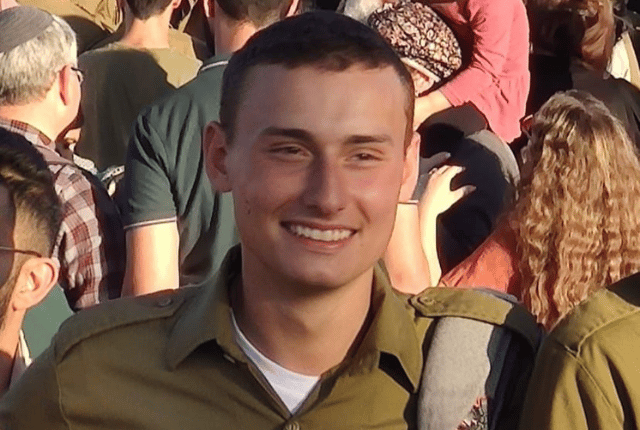
In Donetsk, a city that was then teeming with life and vibrancy in eastern Ukraine, on a bright day, the 16th of Iyar, 5764, which was May 7, 2004, a boy named David was born. He was the eldest son of Yulia and Vadim, and later, his younger sister, Alina, joined the family, becoming an inseparable part of his childhood landscape. The home where he grew up was a hub of warmth and support, steeped in the aromas of home-cooked meals and the sounds of lively conversations, where rolling laughter and voices of discussions testified to an open and loving family. Donetsk was a whole world for him, a vast playground where he learned his first steps, discovered the secrets of nearby nature, and the wonders of the city. He attended a local elementary school, and within its classrooms, he was introduced to letters and numbers, made his first friends, and created the early memories that shaped his personality. Even then, traits that became his hallmarks were evident: he was an exceptionally sociable child, one who naturally drew people to him, full of joy and with a deep sense of trustworthiness. His mother, Yulia, remembers him as a child who never hid his feelings or opinions; he knew how to express his thoughts clearly and honestly, without prevarication, always with his own well-reasoned perspective. He was an optimist by nature, a child who, even in challenging moments, knew how to point out the bright spots, highlight the good in every situation, and always looked at the glass as half full. His father, Vadim, described him in warm words, "a pure child, very happy, surrounded by friends, the best son in the world," adding that he used to consult with him like a close friend, a testament to a deep bond of trust and mutual respect that transcended the usual boundaries between a father and son. Other family members spoke of a determined and purposeful young man, one who set clear goals for himself and always charted the most suitable path to achieve them. His wide, radiant, and infectious smile, and his rich, rolling laughter, were his unforgettable trademarks. "Everywhere, as soon as he entered a room, everyone would look and laugh because he always entered with a smile and rolling laughter," a relative recounted, painting a picture of a child whose presence filled every space with positive and joyful energy. "He was the child who danced until he dropped and celebrated endlessly," he added, completing the portrait of a child who lived every moment to the fullest.
In his early childhood, David developed an intense passion for sports, which became a central avenue for expressing his boundless energy and his ability to set and achieve goals. He trained in karate, a martial art that strengthened his body and mind discipline, teaching him self-control and concentration. He didn't shy away from unusual challenges like aquathlon, a form of underwater wrestling, which demanded high physical strength and endurance, alongside a deep understanding of movement in the aquatic medium. Sea surfing, deep-water swimming, and diving into the depths were more than hobbies for him; they were a way to connect with nature, to feel the power of the water and the tranquility it offered. In each of these fields, young David showed exceptional talent and achieved impressive results. At just nine years old, when most children his age were still learning to swim with trepidation, he was already diving six meters deep into the clear waters of the Black Sea, an experience etched in his family's memory as a testament to his courage and his tendency to push boundaries, without fear or hesitation. He remembered the gentle cold sensation of the water enveloping him, the pressure on his ears as he descended, the echoing silence broken only by the sound of air bubbles escaping his mouth, and the flickering sunbeams that turned into soft patches of light as he looked upwards from the depths of the sea.
In 2014, when David was ten years old, a significant change occurred in the family's life. They immigrated to Israel, leaving Donetsk behind and settling in the city of Haifa, on the green slopes of Mount Carmel overlooking the Mediterranean Sea. The move was dramatic, a leap from a familiar and stable world to a new, entirely different reality that required quick adaptation. David, a naturally sociable and optimistic child, approached the challenge with excitement, even if accompanied by natural apprehension. He began his studies at "Dror" school in Kiryat Eliezer, where he had to adapt to a new language, a different culture, and an alternative education system. He learned Hebrew with relative ease, absorbing words and idioms like a sponge, and quickly managed to form connections with Israeli children, his captivating smile and rolling laughter serving as his best ambassadors. The period of study at "Dror" was a time of acclimatization for him, during which he began to feel a sense of belonging and rootedness in the Israeli landscape, while preserving his Ukrainian roots and childhood story. Upon reaching middle school age, David moved to study in a boarding school setting at the religious youth village "Kfar Hassidim," an educational institution that became a highly significant station in shaping his personality. The move to boarding school was another step towards independence, not only geographically but also emotionally. He found a supportive community there, made new friends who became a second family, and forged deep bonds based on daily proximity and shared experiences of growth and maturation away from home. The youth village offered him a wide range of learning and enrichment opportunities, and David, who was always drawn to technological challenges, chose to study robotics as an enrichment major. He found great satisfaction in assembling complex mechanisms, programming precise movements, and solving technical problems, with the smell of oil and metal in the lab air becoming a familiar and beloved scent. But perhaps more than anything, the experience that shaped him at Kfar Hassidim was his connection to the local dairy farm. He spent long hours in the cowshed, among giant cows and soft calves, connecting with the animals in a deep and natural way. He learned the craft of milking, the regular rhythm of dairy farm life, the smell of hay mixed with the scent of manure, the feeling of warmth from the huge cow's body, and the softness of the udders under his hands during milking. He felt immense satisfaction from the physical work, from the direct connection with nature and the cycle of life, and from the understanding that even in seemingly hard and simple work, there is beauty and truth. The cowshed became a refuge for him, a place where he could disconnect from the noise of the world and connect with himself, surrounded by the special quiet of animals and the slow, steady rhythm of life. He learned responsibility, perseverance, and patience there, qualities that grew stronger within him.
Beyond his sports hobbies and his technological and agricultural pursuits, David harbored a great dream – to study medicine or a related field, driven by a deep sense of mission and a desire to help people. He saw the right and ability to alleviate the suffering of others as a supreme value. "I think I can be a psychologist," he often used to say, "sometimes I feel and understand people very well." This statement was not just a fleeting thought, but an expression of natural empathy and sharp intuition that characterized him. He knew how to listen, to understand the nuances behind words, and to offer sincere and genuine support to his friends and family members. He was the safe haven for many, the listening ear and the open heart. His friends in Kfar Hassidim and Haifa remember him as someone who was always there to offer good advice, a shoulder to lean on, or just an encouraging smile in difficult moments. He was able to identify distress even before it was expressed in words, and to approach carefully and sensitively to offer his help. Often, he was the one who boosted morale in the group, who brought the rolling laughter in moments of tension, and reminded everyone of the glass being half full, just as he had been taught at home. He loved to talk to people, to get to know their stories, to understand their motivations. Conversations with him were always honest and open, without masks or games. He was not afraid to present his point of view, even if it was different, but always did so with respect and grace.
On August 10, 2022, the moment arrived when David fulfilled another significant dream in his life – he enlisted in the IDF. He knew exactly where he wanted to go: to the Combat Engineering Corps, where he could combine his technical abilities with his desire to contribute significantly to the defense of the country. He was assigned to Battalion Lahav, Battalion 603, a unit known for its professionalism and combat heritage. For David, belonging to such a unit was a source of immense pride. He saw his service as a combat soldier in the Combat Engineering Corps not only as a duty but as a great privilege – to be part of Israel's human shield, to defend his home, his family, and his people. He underwent grueling training, both physical and mental, which transformed him into a professional and dedicated soldier. He learned to operate heavy engineering equipment, deal with explosive devices, clear paths in challenging terrain, and operate under extreme pressure. He was one of those quiet soldiers who do not seek the spotlight, but whose presence is felt and significant. Modest and upright, he carried out every task assigned to him to the best of his ability, out of a deep sense of responsibility and maturity that belied his young age. His comrades in the company and team repeatedly testified that he was the first to offer help, without hesitation or expectation of reward, always with grace and kindness. If someone encountered difficulty during training, or needed help repairing equipment, David was there. He didn't wait to be asked, but read the distress in his friends' eyes and extended his hand. He knew how to explain patiently, guide gently, and make everyone around him feel safe and protected. His helmet, heavy boots, olive drab uniform – all became an inseparable part of his new identity, the identity of a combat soldier committed to his mission, outwardly quiet but rich in an inner world of principles and values.
The relative calm that prevailed in David's life and in his military routine was shattered abruptly on Saturday morning, the 22nd of Tishrei, Simchat Torah 5784, which was October 7, 2023. It was six-thirty in the morning when the Hamas terrorist organization launched a brutal and unprecedented surprise attack on Israel. All at once, massive barrages of missiles and rockets were fired relentlessly from the Gaza Strip towards wide areas of the country, sowing terror and confusion. Under the cover of the rocket fire, thousands of terrorists infiltrated – by land, sea, and air – and began a murderous assault on the communities surrounding Gaza, on the cities of Sderot, Ofakim, and Netivot, on innocent festival-goers near Kibbutzim Re'im and Nir Oz, on IDF bases, and on innocent civilians traveling on roads in the area. David, like all of Israel, found himself facing a new and horrifying reality. He received the first reports of the incomprehensible events via phone, perhaps in the quiet of his base or in a frantic conversation with his family members. The images that began to stream in, the fragmented and difficult reports, left him and his friends in complete shock. Thousands of terrorists brutally murdered approximately eight hundred civilians in their homes, in their cars, committing severe and unthinkable crimes against them. Hundreds of Israelis were abducted to the Gaza Strip, homes and property were destroyed, looted, and set ablaze. Hundreds of soldiers, police officers, security forces personnel, and members of local standby units fell in battle, attempting to defend innocent lives with their bodies. On that terrible morning, when so much blood was spilled, a war began. A war that changed the face of the country and the lives of all its citizens. David knew that from then on, his purpose as a combat soldier was not just training, but confronting a brutal and uncompromising reality of battle.
About two weeks after the start of the war, as the initial shock gave way to uncompromising determination, the IDF began a large-scale ground maneuver in the Gaza Strip. David and his unit, Battalion 603 of the Combat Engineering Corps, were at the forefront of the forces that entered the Strip. The mission was clear: to clear the area of terrorists, destroy terror infrastructure, and restore security to the citizens of Israel. The fighting was intense and relentless. Each day was a succession of battles, ambushes, and encounters. David and his teammates fought against dozens of terrorists, employing all the knowledge and skills they had acquired in their training. They neutralized explosive devices, opened routes for infantry and armored forces, uncovered and destroyed tunnel shafts, and dealt with a constant threat of anti-tank fire and snipers. Every step was calculated, every decision critical. The dust, the ruins of homes, the smell of burning in the air, and the sounds of gunfire and explosions became their constant environment. They worked in perfect coordination, a cohesive group, connected by a bond of brothers-in-arms, each trusting the other implicitly. They eliminated many terror cells, often in close-quarters combat, demonstrating exceptional courage and extraordinary determination.
On November 10, 2023, amidst the turmoil of war and relentless fighting, David was granted a brief and unexpected reprieve. He managed to be released for a few hours from the intense fighting in the Strip and arrived by surprise at his mother Yulia's birthday. The moment was spontaneous and deeply moving. His mother, who had not expected to see him at all, was overjoyed to see her soldier son standing before her, slightly dusty from the roads but with the same wide, familiar smile she loved so much. The hug was deep and long, a moment of comfort and pure love amidst the chaos of war. They managed to sit together, perhaps drink coffee, talk a little about small, everyday things, exchanging glances filled with worry and love. This was the last time David visited his family, a moment that would be seared into their memory as a brief time of happiness and hope, a moment when family love triumphed over the sounds of battle.
Just before his final and fateful entry into the Gaza Strip, an event occurred that once again revealed the depth of David's character and his uncompromising principles. He fell ill, and his friends and commanders, out of genuine concern for his well-being, offered him the option to stay at the base, rest and recover, and await the next entry of forces. This was a legitimate opportunity to rest from the exhausting fighting and regain strength. But David firmly refused. "I can't," he replied to them in a steady voice, his gaze determined. "We trained together, we are one team, my friends rely on me, and I cannot abandon them. I cannot stand by and watch. We need to end this war, we need to win." These words were not merely an expression of loyalty to his friends, but a deep testament to the sense of mission and personal responsibility that burned within him. He saw himself as an inseparable part of a complete system, a vital link in the chain of fighters. For him, to stay behind while his friends marched into battle was unbearable. He could not bear the thought that they would fight without him, that he would miss the opportunity to contribute his part, to protect them, and to be there with them until the end. He thought of all those long days of training, of the shared sweat, of the difficulties they had overcome together, and of the unwritten covenant that had formed between them. He knew they relied on him, on his abilities as an engineering combatant, on his composure, and on his ability to act under pressure. His decision was not easy, but it stemmed from a deep place of values that had been ingrained in him since childhood: loyalty, responsibility, courage, and a strong sense of belonging. He could not leave his friends behind. He went with them, once again, into the inferno.
On December 23, 2023, during the intense fighting in the southern Gaza Strip, on the outskirts of Khan Yunis, the tragic moment arrived when David's young life was cut short. He was traveling with his team in a Namer APC – a Merkava Armored Personnel Carrier, an armored fighting vehicle designed to provide maximum protection for the soldiers inside. Suddenly, an RPG missile was fired at them from close range. The hit was direct and powerful. The vehicle immediately burst into flames, enormous fire erupting from it, and David, along with his teammates, were mortally wounded. In that severe incident, five other soldiers fell, heroes who fought alongside him shoulder to shoulder: Staff Sergeant Roey Elias, Staff Sergeant Orel Bashan, Staff Sergeant Gal Hershko, Staff Sergeant Itamar Shemen, and Staff Sergeant Ilay Tza'iri. Two other soldiers were severely wounded, miraculously surviving the inferno. David was only nineteen years old when he fell, almost a child, with his entire future still ahead of him, yet he chose to give his all for the defense of the country. He was laid to rest in the military cemetery in Haifa, his city of residence, as his funeral procession became a display of national pain, hope, and heartbreak. Hundreds of people – family members, friends from Haifa and Kfar Hassidim, commanders and soldiers, residents and strangers – came to accompany him on his final journey. The heavy silence in the cemetery was broken only by the sounds of weeping and eulogies, as the winter sun cast a dim light on the green mountain. After his fall, David Bogdanovsky, of blessed memory, was posthumously promoted to the rank of Staff Sergeant, in recognition of his dedication, professionalism, and heroism.
At his funeral, amidst the profound grief, words were spoken that echoed David's essence. One of his commanders, the Operations Officer at the National Engineering Headquarters, eulogized him with a trembling yet firm voice. "Your commanders and friends speak of the modest man you were, always performing your duty to the best of your ability," he said, painting with his words the portrait of a quiet, professional, and dedicated soldier who acted out of a deep sense of responsibility and sought no praise. "From now on, your family is an inseparable part of Battalion Lahav 603 in the Combat Engineering Corps. We pledge that we will stand by them, to embrace and strengthen them," the commander promised, forging an eternal covenant between the bereaved family and David's unit, a promise of unwavering support, a wider family that arose from the brokenness.
David left behind beloved parents, Yulia and Vadim, and a dear sister, Alina, whose lives were forever changed in one moment of loss. But his spirit, his smile, and his rolling laughter have not disappeared. They continue to live on in the many memories he left behind and in the numerous acts of remembrance established in his honor. His family, out of love and hope, planted a tree in the Carmelim parking lot in Ofer Forest. The young tree, standing firm against the wind, symbolizes the lives of the fallen – deep roots in the earth, branches reaching towards the sky, new life growing from pain, continuing to offer shade and hope. The Kfar Hassidim Youth Village, which was a second home for David and shaped important parts of his personality, held a moving ceremony in his memory on the thirtieth day after his fall. At the ceremony, David's loved ones and friends noted that he is etched in their hearts, and that "we will always remember the smile that was always on your face." These words, spoken from aching hearts, reflected the feeling that David, despite his passing, continues to illuminate their lives with the same wide and infectious smile that characterized him. In both "Dror" school in Kiryat Eliezer and Kfar Hassidim Youth Village, modest yet meaningful memorial corners were established, where David's pictures, words of remembrance, and small stories from his life remind students and educational staff of his character. These corners became a place where one can commune with his memory, imagine his rolling laughter, and draw inspiration from his determination and optimism.
In addition, David's family and friends created a special page in his memory on the "LeOlamim" memorial website. This digital page is a treasure trove of memories: photos from his life, short videos where his voice can be heard and his smile seen, and stories written by those who knew and loved him. It is a living space where David's memory continues to pulse, accessible to anyone who wishes to know the child, the young man, and the soldier he was. A video in his memory can also be viewed on YouTube, offering a moving glimpse into moments from his life, from his childhood in Donetsk to his military service. David is also commemorated at the impressive "Derech HaGvura" (Path of Valor) memorial, dedicated to the fallen soldiers of the Engineering Corps in all of Israel's wars, located at Huldah Junction. His name is etched there in stone, alongside the names of many other soldiers who gave their lives for the country. The memorial, designed with the symbols of the Engineering Corps, is a constant reminder of the legacy of these heroes and their unforgettable contribution to Israel's security.
The story of David Bogdanovsky, of blessed memory, is a story of a journey: from an optimistic and sociable child in Donetsk, through a sporty and inquisitive teenager in Haifa and Kfar Hassidim, to a brave and dedicated soldier in the Combat Engineering Corps. It is a story of loyalty, responsibility, love of humanity, and love of homeland. David was a person who lived every moment to the fullest, with a wide smile, rolling laughter, and an intense desire to contribute and help. He believed in his principles, stood his ground, and was determined to fulfill his dreams. His willingness to stay with his friends in battle, even when he was ill, is a deep testament to his courage and his uncompromising commitment. He fell as a hero, defending his home and his people, leaving behind an immense void, but also a rich legacy of human heroism, uncompromising values, and unconditional love. His memory is deeply etched in the hearts of his family, friends, commanders, and the people whose security he defended. David Bogdanovsky, of blessed memory, despite his young age, became a symbol of Israel's resurgence, of its uncompromising spirit, and of the national pride that grows from pain and loss. His story is both a painful and moving reminder of the power of the human spirit and the readiness of our sons and daughters to defend their home at all costs. May his memory be a blessing.
Moments of a life
All photographs · 1
In the media
Articles
- "If all the children buried there got up and saw this, they would say: ‘What are you doing?’" - Kolbo – Haifa and the Krayot
www.colbonews.co.il ·
- Defense Ministry orders fallen IDF soldier's family to remove headstone | The Jerusalem Post
www.jpost.com ·
- Engraved cross on IDF soldier’s gravestone causes controversy regarding burial practices for non-Jews in Israel | All Israel News
allisraelnews.com ·
- An IDF fallen soldier's grave was concealed because of a cross: “I stood there and cried”
www.ynet.co.il ·
- Pain and unity in the face of hatred: The ceremony over the grave of fallen IDF soldier David Bogdanovsky, may God avenge his blood, is an act becoming a grand tribute - Hai Po - The news corporation of Haifa and the surrounding area
haipo.co.il ·
- The grave of David Bogdanovsky, a fallen IDF soldier, was covered with black cloth by unknown individuals — Hai Po — Haifa and Area News Corporation
haipo.co.il ·
Show all (10)
- 15 militaires tués au cours du week-end ; violents combats dans le sud et le centre de Gaza
The Times of Israël (français) ·
- IDF announces names of 8 more soldiers killed in Gaza Saturday
The Times of Israel ·
- A grim weekend: 14 combat soldiers killed in Gaza, another on the northern border
9tv ·
- The grave of an immigrant killed in Gaza was covered with black fabric because of a cross
Вести
Memorial sites
- Yizkor — Staff Sergeant David Bogdanovsky
יזכור, משרד הביטחון
Memorial projects
A group of activists called the number 1 group in Likud held a memorial ceremony beside his grave after the headstone was covered. According to Hai Pa, the ceremony included Kaddish and prayers for fallen non-Jews as well.
The family planted a tree in David’s memory at the Carmelim picnic area in Ofer Forest. Kfar Hasidim youth village held a ceremony in his memory on the thirtieth day after he fell.
Memorial corners were established at Dror School and the Kfar Hasidim youth village, where he studied. Family and friends also created a page on the Leolamim website with photographs, videos and stories; the page's address was not revealed, so no guessed address was recorded.
Stories told about them
His mother said that his commander spent a week searching for a copy of the New Testament so that he could swear on it at the swearing-in ceremony. She said David saw himself as part of the people of Israel alongside his Christian faith.
On November 10, 2023, David left his service for a few hours and surprised his mother on her birthday. According to Yizkor, this was his last visit to the family home.
Life & service
Service
- Rank
- Staff sergeant
- Honours
- Posthumously Promoted
- Battle Location
- In southern Gaza Strip
Family
- Father
- Vadim
- Mother
- Yulia
Burial
Tributes & remembrance
יהי זכרך ברוך.
ודנה פטרנקו ז"ל נטעו עצים על שמם בחניון כרמלים ביער עופר. קרינה אדמסקי, חברתה של פרבוסודובה: "אנחנו מודים לקק"ל ולסיעת חיפה ביתנו על הרעיון היפה הזה"
שנזכור אותך תמיד בחור יקר. אתה גיבור שלנו. נוח על משכבך.
יהי זכר גיבור ישראל מבורך! משפחה יקרה, לבי ולב משפחתי עם דוד ואתכם לעולם!!!
אח שלי היקר תנוך על משכבך בשלום
מתגעגע המון
מתגעגע בראטיק
דוד יקר לליבנו לעד, חיבוק אוהב לאימך ולאחותך
דוד היקר והאהוב, חיוך שלא נגמר ולב פשוט ענק, מים שקטים חודרים עמוק, עם השקט שלך עשית יותר מהמון אנשים שהכרתי, בצניעות וענווה.
כל כך מתגעגע אליך ואל מה שהבאת לרובאית. מבטיח לנצח לזכור ולהנציח אותך חבר יקר, מתגעגע ואוהב מאוד.
מחבקים וזוכרים משפחת גדוד 603
לדוד,
אני הכרתי אותו עוד כאשר למדתי איתו באולפן בשנת 2014. אני זוכר את ימים ההם עד היום.
דוד היה אדם חרוץ, פורץ-דרך ולרוב ראיתי רק את חיוך על פניו. אני זוכר את חיוך הזה עד היום. בנוסף דוד תמיד רצה לשאוב קדימה ולהסתכל על חצי כוס המלאה, שזהו דבר הכי חשוב בעיניי.
יהי זכרו ברוך.
מצטער שלא הצלחנו לחלץ אותכם בחיים.
תהיה נשמתך צרורה בצרור החיים.
דוד אח שלי, עדיין נזכר בתקופה שלנו מהבית ספר, שיצא לי להשתכר אחרי סיום החטיבה, כל הצחוקים והשטויות שהיינו עושים, זה נשאר איתי לנצח עד הנשימה האחרונה שלי! לא שוכח אותך לעולם, אוהב המון! תודה על כל מה שעשית!
תהיה נשמתך עדן
גדוד 603 מתייחד עם זכר נופלי מערכות ישראל ונפגעי פעולות האיבה.
ביום הזיכרון לחללי צה״ל, אנו עוצרים, מרכינים ראש ומתייחדים עם זכרם של הבנים והבנות אשר חרפו נפשם למען ביטחון מדינת ישראל.
לוחמי ומפקדי הגדוד ממשיכים לשאת בגאווה את לפיד המורשת, ההקרבה והמסירות של הנופלים. רוחם מלווה אותנו בכל דרך ובכל משימה.
למשפחות היקרות,
אנו שולחים חיבוק של כבוד, אהבה והערכה. לעד נזכור וננצור.
יהי זכרם ברוך.
לוחמי ומפקדי חיל ההנדסה הקרבית מתייחדים עם זכר הנופלים.
אנו פועלים להמשיך את מורשתם ולצעוד בדרכם בנחישות, אמונה ומסירות.
משפחות יקרות,
אנו נושאים את זכר הבנים והבנות בליבנו בכל עת, מחבקים ועומדים לצדכן.
יהי זכר הנופלים ברוך.
יום הזיכרון התשפ"ה
אפריל 2025
יאח תודה שהקרבתה את חייך בשביל המדינה
רואה את הפנים שלך כל יום על הסטיקר בתחנה ליד הבית. כל יום קוראת את שמך. היום קראתי גם את הסיפור שלך. תודה לך, תודה וסליחה.
מחזקים את המשפחה היקרה במאבקה הצודק לצדק לדוד תהי נשמתו עדן.
שמח עבורך שזכית למות מוות חד פעמי בדרכך אל הנצח. מי יתן ומשפחתך ימצאו נחמה, בדברים של משמעות
דוד סיפורך נוגע ללב
גיבור אמיתי
בדמך נכתב סיפור המדינה והעם שלנו
דוד שמחתי להלחם איתך בכל הכוח
דמות להרצה אמיתית
אוהב אותך אח שלי
איש מדהים וחיוך יפה תואר יהיה זכרו ברוך
גיבור ישראל! יהי זיכרו ברוך.
גיבור
השם ייקום דמו
נראה ממש מלאך שנפל
גיבור ישראל השם יקום דמחה יהי זכרו ברוך
יהי זכרו ברוך
תודה לך,דוד היקר , על ששמרת עלינו.
כמה כואבת הקרבתך הנוראה מכל!
יהא זכרך ברוך,גיבור ישראל
יהי זיכרו ברוך.
לוחם אמיתי וגיבור ישראל
יהיה זכרו ברוך
שנהייה ראויים, זכרונך לברכה, גיבור.
Our soldiers risked their lives so that we could have better lives in this country.
Source:haipo.co.il
Read the Hebrew original
לוחמנו חירפו את נפשם כדי שלנו יהיו חיים טובים יותר בארץ הזו.
We must apologize to the family
Source:haipo.co.il
Read the Hebrew original
עלינו להתנצל בפני המשפחה
You are my hero.
Source:www.ynet.co.il
Read the Hebrew original
אתה הגיבור שלי.
He was a sweet person
Source:www.ynet.co.il
Read the Hebrew original
הוא היה אדם מתוק
David, thank you for everything.
Source:www.ynet.co.il
Read the Hebrew original
דוד תודה לך על הכל.
Through quiet action, with maturity and responsibility.
Source:www.ynet.co.il
Read the Hebrew original
בעשייה שקטה, בבגרות ואחריות.
We were shocked to learn about the incident from the publication.
Source:www.ynet.co.il
Read the Hebrew original
הזדעזענו ללמוד על האירוע מהפרסום.
This black cloth
Source:www.ynet.co.il
Read the Hebrew original
הבד השחור הזה
I feel that the army and the state betrayed David's memory,
Source:allisraelnews.com
But he grew attached to the Jewish people and the people of Israel and saw himself as part of them.
Source:www.colbonews.co.il
Read the Hebrew original
אבל הוא נקשר לעם היהודי ולעם ישראל וראה את עצמו חלק ממנו.
The Defense Ministry mourns with the family of fallen soldier David Bogdanovsky z”l
Source:www.jpost.com
I know the pain that lives in the heart of every mother, father, sister and brother.
Source:Вести
Remembrance Day addresses
יום הזיכרון לחללי מערכות ישראל התשפ"ה – 2025
בכל יום שעובר, אזכור יותר! אזכור, את אלו שיצאו עימי לקרב ולא שבו, ולהם אין מי ידמה ומי ישווה. אזכור, שהכאב לא יעבור לעולם, והזמן, הוא לא מרפה ולא מרפא. אזכור, את שיברון הלב הגובר ואת הבית שבוער. אזכור, את צדקת הדרך, ואשבע שוב, שמה שהיה לא יהיה יותר. אזכור, שיותר מכל דבר אחר – אני חסר! ביום הזה, אני נתקף געגוע לדמותם, לחיתוך דיבורם, לחיוכם, ומדליק נר לזיכרון דרכם ומורשתם!
משרד הביטחון
אגף משפחות, הנצחה ומורשת
יום הזיכרון לחללי מערכות ישראל התשפ"ה – 2025
בכאב, בהצדעה ובתקווה אני מתכבד להדליק נר זיכרון זה. השנה, כשאנו נלחמים במלחמה ארוכה, רב זירתית וצודקת, הזיכרון נושא משמעות עמוקה. ביום זה נעצור ונתייחד עם זכרם של טובי בנינו ובנותינו שנפלו בהגנה על המדינה. מורשתם היא המצפן שמתווה את דרכינו, והיא המעניקה לנו כוח להמשיך ולהגן על מדינת ישראל ותושביה. משפחות יקרות, אנו מרכינים ראשנו ומתחייבים שנעמוד לצידכן תמיד. יהי זכר הנופלים ברוך.
אלוף דדו בר כליפא
ראש אגף כוח האדם, צה"ל
יום הזיכרון לחללי מערכות ישראל התשפ"ה – 2025
בשעה שאנו זוכרים את גודל תרומתם ועומק מסירות נפשם של טובי בנינו ובנותינו, נופלי מערכות ישראל לדורותיהן, ממשיכים צה"ל וכוחות הביטחון במימוש המשימה למענה לחמו ועבורה נפלו: הכרעת אויבינו מדרום, מצפון, ביהודה ובשומרון, וגם בזירות רחוקות יותר. בהערכה רבה ובגאווה אדירה אנו מרכינים ראש בפני הנופלים והנופלות, מאמצים את משפחותיהם אל לבנו, וממשיכים במשימה להבטחת קיומה של ישראל לדורי דורות. יחד נעשה ונצליח.
רב אלוף אייל זמיר
הרמטכ"ל, צה"ל
יום הזיכרון לחללי מערכות ישראל התשפ"ד – 2024
כאשר דגלינו מורדים לחצי התורן וראשינו מורכנים לזכר הנופלים והנופלות במערכות ישראל, ממשיכים לוחמי צה"ל ומפקדיו בלחימה בדרום, בצפון, ביהודה ובשומרון ובזירות נוספות. על כל דור מוטלת המשימה של הגנת העם והארץ – משימה שאף פעם אינה פוסקת. נצדיע בגעגוע ובגאווה לנופלים ולנופלות, נחבק את משפחותיהם, ונמשיך ברוח הציווי שהותירו לנו. עם ישראל חי.
רב ניצב יעקב שבתאי
המפקח הכללי, משטרת ישראל
יום הזיכרון לחללי מערכות ישראל התשפ"ד – 2024
אחיי הנופלים, כל נר הוא זיכרון יחיד ומיוחד, על חיים שהיו ואינם, געגוע שנצרב עמוק בלב, עולם ומלואו. הנרות כולם הם זיכרון של אומה כי לעולם לא עוד, בשורת הציונות וקוממיות ישראל. זיכרון כי הדרך לעם חופשי בארצנו עוברת דרך מסדר הנופלים. אור הנר יזכיר לנו את מסירות נפשכם להציל חיים, להגן על הבית. הנרות מסמנים לנו נתיב גבורה ערכי מחייב שאנו מצווים ללכת לאורו. נמשיך להילחם ולהוסיף אור מתוך אמונה בנצח ישראל.
יואב גלנט
שר הביטחון
יום הזיכרון לחללי מערכות ישראל התשפ"ד – 2024
בהצדעה ובכאב, בשם צה"ל כולו, אני מדליק נר זיכרון. בעיצומה של מלחמה, הזכרון נושא משמעות יום-יומית, שעבר והווה מתלכדים בה. לאורם של הנופלים נמשיך לצעוד, חיילי הסדיר והמילואים. לאורם של הנופלים נמשיך להגן על ארצנו ועל מולדתנו, גם כשהמחיר כבד. להבת-הזכרון תבער בנו בעודנו ממשיכים להלחם ונזכור את הנופלים ואת אומץ ליבם. משפחות יקרות, צה"ל מרכין היום ראש, מצדיע לכן וכואב איתכן. יהי זכר הנופלים ברוך.
אלוף יניב עשור
ראש אגף כוח האדם, צה"ל
יום הזיכרון לחללי מערכות ישראל התשפ"ד – 2024
בהוקרה, בגאווה ובכאב שאין לו סוף, אני מתכבד להדליק נר לזכרם של הנופלים והנופלות במערכות ישראל. סיפור חייהם בארץ הזאת, מסכת שירותם, גבורתם והקרבתם – הם סיפורה של הארץ הזאת, אך גם סיפור המחיר הכבד שהיא תובעת מאוהביה. מחויבותנו לזכר הנופלים ולדרך שהותירו לנו ניצבת תמיד לנגד עינינו. את המשימה שלא זכו להשלים, משלימים כיום, וישלימו, אנשי כוחות הביטחון, הממשיכים בדרכם ולאורם. יהי זכרם של הנופלים ברוך.
משרד הביטחון
אגף משפחות, הנצחה ומורשת
יום הזיכרון לחללי מערכות ישראל התשפ"ד – 2024
בחרדת קודש אני מתכבד להדליק נר לזכרם של חללי מערכות ישראל, חברנו שנפלו, מראשית היציאה מהחומות ולאורך כל שנות עצמאותנו המדינית והציונית, מהווים תמרור זיכרון לדרך חיינו ולמחוייבות הלאומית להנצחת זכרם. דרכם נותרה דרכנו ומורשתם נר להמשך עשייתנו. יהי זכרם ברוך!
בני גנץ
שר הביטחון
יום הזיכרון לחללי מערכות ישראל
נזכור אותם, כולנו יחד. כל אחד ואחת מהם, מדי יום ביומו, והיום ביתר שאת, כך – לנצח. "כי מדי דברי בו זכור אזכרנו עוד"
משרד הביטחון
אגף משפחות, הנצחה ומורשת