
The story
Binyamin Asulin was born in Haifa on the 29th of January, 1997, the 29th day of Shevat, 5757, into a warm and vibrant home on the slopes of Mount Carmel, a house that served as a sanctuary of calm and routine within a bustling port city. He was the second son of Ida and Shalom, a younger brother to Kfir, and an older brother to his two younger sisters, Mirit and Efrat, who were born after him and quickly made him the center of their world, even though he was still a child himself. The house on Telui Street contained the lively clamor of the large family, the aromas of Ida’s cooking wafting from the kitchen into every corner, and the sounds of children’s laughter echoing through the spacious apartment hallways. Shalom, the family patriarch, worked hard to provide for his family, but always found time at the end of the day to sit with his children, listen to their stories, and instill in them his values—integrity, hard work, respect for others, and a deep love for the land and family. Binyamin, known to all as “Beni,” was a relatively quiet child compared to his older brother, but with intelligent, curious eyes that absorbed every detail. He would often sit for hours by the window, gazing at the city sloping down to the sea, at the ships appearing and disappearing on the horizon, and at the ceaseless movement in the streets below.
Binyamin’s childhood was characterized by a blend of wild outdoor games and moments of quiet introspection. He loved the communal backyard, where he spent hours with Kfir and neighborhood friends, building forts from old boxes, playing soccer until the sun set and darkness fell over the city, or riding his old bicycle down steep slopes, feeling the wind whistle in his ears and the adrenaline surge through his veins. He was a creative child, always finding new ways to occupy himself, whether by building intricate Lego models or painting landscapes in watercolors, attempting to capture the changing hues of the sea and sky he saw from his room’s window. His bond with his younger sisters was unique. He was their protector, the older brother they could always rely on. Mirit and Efrat would trail after him on every adventure, and even if they sometimes complained about the mud or sand in their shoes, they knew they were safe with him. He taught them how to climb trees, how to tie strong knots, and how not to be afraid of the dark. In the evenings, when Ida was cooking dinner, and the scent of herbs mingled with the sound of news from the radio, Binyamin would sit at the kitchen table, helping her peel vegetables or mix salads, listening to her stories about her childhood, about their grandparents, about a distant past that felt so close in those moments. He absorbed these stories, this sense of belonging and rootedness, and they shaped his inner world.
As Binyamin grew, a deep sense of responsibility and a desire to contribute developed within him. At Carmeli Elementary School, he was a diligent but not necessarily prominent student. He preferred to help his classmates, explaining material they didn’t understand, or organizing games during recess, rather than standing out himself. He was the child who made sure no one was left alone, who always had a place in the group. With the transition to junior high and high school at Reali School, all of Haifa became his playground. He loved to hike the hidden trails of the Carmel, discover forgotten beauty spots, climb rocks, or walk down to the Lower City, inhaling the scents of the sea and spices from the market, and feeling the pulse of the big city. He developed a keen interest in the sciences, in mathematics and physics, but also in literature and history. He enjoyed reading science fiction and fantasy books, diving into other worlds, but always returned to reality with new insights. During high school, as he approached conscription age, the thought of military service began to occupy an increasingly central place in his life. He saw his older friends enlisting, heard their stories of tough basic training, of the physical and mental effort, and also of the deep camaraderie forged in the field. He knew he wanted to contribute, to be part of the system that protected their home.
When his time came to enlist, he didn’t hesitate. Binyamin aspired to serve in a combat role, a place where he could have a direct impact, to be on the front lines. He successfully passed the enlistment tests and chose to join the infantry, understanding that there, with his feet on the ground, with a weapon in his hand, one could truly feel the land. He enlisted in the IDF, leaving Haifa and his family’s warmth for a new and challenging reality. Basic training was tough, physically and mentally, as he expected. The long runs with heavy equipment, the grueling field weeks, the minimal sleep, and the relentless demands—all these drew out strengths he didn’t know he possessed. But Binyamin didn’t break. He found strength in his fellow soldiers, in the late-night talks inside the tent, in the dark humor that was a necessary release, and in the knowledge that they were all in the same boat. He proved to be a dedicated soldier, with high perseverance and a strong desire to complete every mission to the best of his ability. He quickly learned combat doctrine, weapon operation, field navigation, and the importance of teamwork. Commanders recognized his leadership potential, his ability to calm situations, and to care for his friends, but he preferred to remain a rank-and-file combatant, one who could be trusted implicitly. He completed his regular service as an experienced and principled fighter, with a band of brothers-in-arms who would accompany him for many years, and with a deep sense of satisfaction from his contribution.
After his discharge from the IDF, Binyamin returned to Haifa, but this time as an adult, with richer life experience and a more sober view of the world. He pondered what to do next. He traveled a bit around the country, working odd jobs to finance his trips and the freedom he so desperately needed after years of intense service. He found himself drawn to physical labor, to working with his hands. He loved the feel of the earth, the smell of fresh wood, the satisfaction of work whose results were tangible. He worked for a short period in a small carpentry shop, learning the secrets of wood and tools, and loved the quiet of the workshop and the sweet scent of sawdust. He also found interest in gardening and environmental development, loving to see plants grow under his hands, the blooming gardens he created. He was a person who loved the connection to nature, its simplicity. He would return home at the end of a strenuous workday, tired but content, eating Ida’s dinner, and telling his parents and sisters about his day, about the people he met, about the places he saw. He was a pillar for his family, always there to listen, advise, and help. Kfir, his older brother, was already married and had started his own family, and Binyamin became a beloved uncle to his children. He loved spending time with them, telling them stories, playing soccer in the yard, or taking them on short nature walks, teaching them about plants and animals. He was actively involved in the local community, volunteering to help the elderly in the neighborhood, participating in organizing community events, and was always the first to show up when someone needed help. He didn’t seek fame or recognition, but simply wanted to be a useful person, a good friend, a caring family member.
Binyamin’s life followed a blessed routine, full of activity, family, and friends. He loved the quiet of Friday mornings, the smell of brewing coffee, the newspaper open on the table, and Ida’s preparations for Shabbat. He would go for long runs along Haifa’s beach, feeling the wind on his face and the salt in the air, clearing his head, and filling himself with energy for the coming week. He enjoyed spending time with his friends in neighborhood pubs, listening to music, talking about life, future plans, politics, and sports. He was a passionate fan of a local soccer team and would attend every home game, cheering and getting excited with every goal. His bond with his sisters, Mirit and Efrat, grew stronger over the years. They would consult him on everything, from choosing clothes to important life decisions. He was for them not just a brother, but also a close friend, a supportive shoulder, and a source of humor and joy. He made sure to call his parents every day, to ask how they were, to tell them about his day, to make sure they were alright. The parental home in Haifa remained an anchor for him, a place he could always return to, and receive unconditional love.
Like every citizen in Israel, Binyamin continued to serve in the reserves. He was an infantry combatant in the northern brigade of the Gaza Division. Reserve duty was for him a natural continuation of his commitment to the state. He saw it as a duty, not a burden. When he received a call-up order, he would report without hesitation, leaving behind his civilian life, his work, his family, and donning his uniform. He loved the sense of belonging to the company, the camaraderie forged in the field, the deep conversations that develop precisely in moments of uncertainty and tension. His company mates were a second family to him. They knew him well, his quietness, his humor, his professionalism. They knew they could rely on him in any situation, that he would always be the first to volunteer for the toughest missions, and that he would never abandon a friend behind. He advanced through the ranks, reaching the rank of Staff Sergeant in the reserves, a testament to his professionalism and dedication.
And then came October 7, 2023. That morning, which changed the face of the country and the lives of all its citizens. The initial reports of terrorist infiltration, of massacres in the Gaza Envelope communities, of hostages—left Binyamin, like everyone else, in complete shock. He sat at home, glued to the television screen, with his parents and sisters, trying to process the incomprehensible sights. The phone wouldn’t stop ringing, WhatsApp messages flowed incessantly. He knew it was only a matter of time until he too would receive an emergency call-up. The atmosphere at home changed. Routine was shattered. Tension hung in the air, thin and thick simultaneously. He saw his good friends, some already in the reserves, some in active reserves, enlisting one after another. He prepared his bag in advance, checked his equipment, and knew that when the order came, he would be ready. He lived the following months with a sense of unease, of constant worry for the IDF soldiers fighting in Gaza, for the reservists, for all Israeli citizens. He was aware that this war was different from anything they had known, a war for their home, for their very existence. He continued to work, to care for his family, but his heart and mind were always there, with the fighters.
On January 5, 2025, almost a year and a half after that black Saturday, the phone call Binyamin knew would come arrived. A WhatsApp message: "Report to your base within 24 hours. Emergency Call-up." Binyamin was not surprised. He took a deep breath. He approached Ida, who was sitting in the kitchen reading a book, and quietly told her: "Mom, they’re calling me." Ida raised her head, her eyes immediately filled with concern, but she nodded in understanding. She knew it was inevitable. Shalom, who entered from the living room at that moment, hugged his son tightly, a long, silent embrace, one that contained so many unspoken words. Mirit and Efrat came from their rooms, their eyes red from tears, but they knew Binyamin had to go. He reassured them, "I’ll be back, don’t worry. Take care of Mom and Dad." He packed his bag quickly, putting in everything he needed, and also a few small family photos, a reminder of what he was fighting for. He bid them farewell with hugs and kisses, leaving home towards the unknown, towards the war that was still raging in Gaza.
He reported to the assembly base, met his company mates, the familiar faces, his comrades in arms. The hugs were strong, the words of reassurance short and to the point. Everyone was in the same boat, understanding the gravity of the hour. They underwent short training sessions, procedure refreshers, and prepared for entry into the field. The atmosphere was tense, serious, but also full of determination. A few days later, they entered the Gaza Strip, to the north, to an area that was still an active combat zone, an area where every step was fraught with danger. Binyamin and his company were part of the force tasked with securing the area, searching for terror infrastructure, and defending against infiltrations. Days and nights passed in the field, under fire, inside ruined buildings, in narrow alleys, under constant threat of IEDs, sniper fire, and terrorists emerging from tunnels. Binyamin acted calmly, professionally, and with a deep understanding of the mission. He remembered everything he had learned in his regular service and applied it in the field. He was alert, attentive to every sound, every suspicious movement. He cared for his friends, made sure everyone was okay, distributed water and food, and was always ready to listen and reassure. He sent short messages to his family when he could, "Everything is fine, don't worry," "I love you," a few words that were a cocoon of calm within a storm.
On July 7, 2025, the 12th day of Tammuz, 5785, Binyamin Asulin and his company were in the midst of an operational activity in the northern Gaza Strip. The scorching sun of the Israeli summer blazed overhead, heating the heavy, dust-laden air. They were engaged in a systematic search of a suspicious compound of buildings, as part of a broader operation to clear the area of terrorists and their infrastructure. Binyamin led a small force, walking carefully down a narrow alley, his eyes scanning every corner, every shadow, every opening. The air was thick with tension, and the silence was almost deafening, only the sound of their cautious footsteps audible. Suddenly, without any warning, intense fire erupted from one of the nearby buildings. Bullets whistled through the air, hitting walls and shattering concrete fragments. Binyamin reacted instinctively and professionally. He yelled at his friends to take cover, while he himself leaped behind a ruined wall, firing back towards the source of the gunfire, and signaling to his friends the enemy’s location. He was focused, alert, all his years of training and experience converging into this moment.
The battle escalated quickly. Intense exchanges of fire echoed throughout the compound. Binyamin, recognizing the immediate danger to his friends, did not hesitate. He knew the threat had to be neutralized quickly. He continued to fire, trying to flank the terrorists’ firing position, providing cover for his friends to retreat. He moved swiftly between the ruins, utilizing every possible cover, focused on the mission. In the midst of the battle, while trying to gain a better firing position, thereby allowing his friends to reorganize, Binyamin was hit by terrorist fire. He fell on the spot, his weapon still in his hand, his eyes open towards the target, shielding his friends and the mission with his body. His company mates, under heavy fire, quickly extracted him and provided initial medical treatment, but his injury was fatal. Staff Sergeant Binyamin Asulin, twenty-eight years old at his fall, died in battle, a hero who fought bravely for the security of his people and his land.
The bitter news reached Haifa with horrifying speed. The city’s officer arrived at the Asulin family home, and the doorbell echoed like a deadly trumpet call. Ida and Shalom, Kfir, Mirit, and Efrat—they all knew immediately what was about to be said. Their world collapsed in an instant. The house that had always been full of life, with laughter and the clamor of children, was filled with heavy mourning, with deafening silence. All of Haifa mourned with them. Binyamin, the son, the brother, the uncle, the friend, the fighter—was no more. He was laid to rest in the military cemetery in Haifa, on the Carmel he so loved, facing the sea whose waves he had watched for hours as a child. Hundreds accompanied him on his last journey—friends, family, commanders, soldiers, and residents from the neighborhood—all came to pay their last respects and bid farewell to the man who was a symbol of kindness, dedication, and humble heroism.
Binyamin left behind a huge void that will never be filled. He left behind heartbroken parents, three siblings who lost a pillar in their lives, and friends who lost a brother. He left behind the memory of an upright person, with a generous heart, who always put others before himself. The memory of a quiet smile, of a kind eye, of an uncompromising willingness to help and contribute. He was not a mythological hero, but a human, realistic hero, who chose to do the right thing at the most difficult moment, to defend his home and his family, his people and his land, at the cost of his life. Binyamin Asulin’s life story is a story of love for the land, of deep commitment, of a person who lived a full and meaningful life, and left behind a legacy of courage, humility, and kindness. His memory and actions will continue to live in the hearts of all who knew him, in his family and community, and will serve as an inspiration for future generations. He is one of the heroes of the War of Revival, who fell so that others could continue to live here, in security, in hope, and with a commitment to continue his path. May his memory be a blessing.
Moments of a life
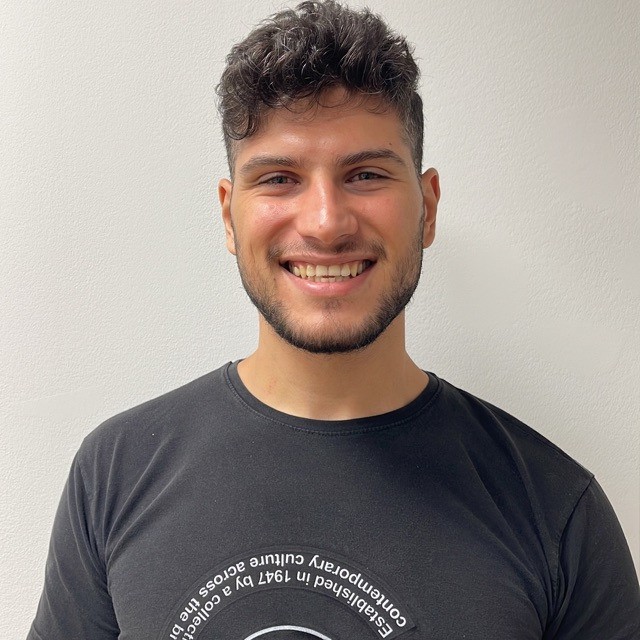
All photographs · 2
In the media
Articles
- Binyamin (Benny) Assoulin, of blessed memory • A new computer room in Haifa, in his memory – Hai Po – the Haifa and surrounding area news corporation
haipo.co.il ·
- Quatre des 5 soldats tués lors de l’attaque à Beit Hanoun ont été enterrés
The Times of Israël ·
- “He told me: ‘I’m going to save the homeland, and if I die, I’ll die a hero’” | Israel Hayom
ישראל היום ·
- The bandaged deputy company commander delivered a eulogy: "We evacuated the wounded. Then there was an explosion from which you never returned" | 4 funerals in one day
ynet ·
- Major General Benny Assulin from Haifa fell in fighting in Gaza
Haipo ·
- Sergeant First Class Binyamin Asulin, who fell in the Beit Hanoun disaster, laid to rest
ישראל היום
Memorial sites
- Sergeant First Class Binyamin Asulin, of blessed memory
גלעד – ליאו באק
Memorial projects
A computer room in memory of Beni was inaugurated at Shalhevet Chabad School in Haifa. His mother, brother, school staff and a representative of the company where he worked attended the ceremony.
Stories told about them
In the Leo Baeck biography, his mother says Binyamin made sure to clean his car despite his exhaustion before the final rotation. His uncle said that in their conversations, he used to reassure him that he was protecting him and that he could sleep safely.
Life & service
Service
- Rank
- Sergeant first class (res.)
- Unit
- Northern Brigade
- Service Type
- Reserve Forces
- Battle Location
- In the northern Gaza Strip
Family
- Father
- Shalom
- Mother
- Ayda
Burial
Tributes & remembrance
תנוח בשלום בן יקר - לא יאומן יום הולדת ראשון בלעדיך והחיוך הענק שלך - אוהבים ומתגעגעים
בני, אחי הקטן, האור הגדול שלך ממשיך
להאיר את העולם.
אוהבים אותך לנצח,
אבא, אמא ומירית.
Dear Mom, how are you?
Source:ישראל היום
Read the Hebrew original
אמא יקרה, מה שלומך?
To me, Binyamin embodies all that is good and noble in us
Source:ישראל היום
Read the Hebrew original
בנימין מגלם בעיניי את כל הטוב והנאצל שיש בנו
A beloved, modest and kindhearted boy
Source:ישראל היום
Read the Hebrew original
נער אהוב, צנוע וטוב לב
You always found solutions and helped everyone
Source:ישראל היום
Read the Hebrew original
תמיד פתרת ועזרת לכולם
A smiling, positive man with an enormous heart and a strong desire to contribute and make a difference.
Source:ישראל היום
Read the Hebrew original
איש חייכן, חיובי, עם לב ענק ורצון גדול לתרום ולהשפיע.
Your enormous heart filled
Source:ynet
Read the Hebrew original
הלב האדיר שלך מילא
There is a strong desire to act and to remember
Source:haipo.co.il
Read the Hebrew original
יש רצון גדול לעשייה ולזיכרון
Benny was always modest
Source:haipo.co.il
Read the Hebrew original
בני תמיד היה צנוע
He brought so much light and love to work.
Source:haipo.co.il
Read the Hebrew original
הביא לעבודה הרבה אור ואהבה.
Benny was a great light
Source:haipo.co.il
Read the Hebrew original
בני היה אור גדול
I was your big brother, but you were the one who taught me. You are our hero
Source:ישראל היום
Read the Hebrew original
הייתי האח הגדול שלך אבל אתה זה שלימדת אותי אתה הגיבור שלנו
Binyamin was the kind of graduate you are simply proud of
Source:וואלה
Read the Hebrew original
בנימין היה מסוג הבוגרים שאתה פשוט גאה בהם
He was a wonderful boy until his very last day.
Source:וואלה
Read the Hebrew original
הוא היה ילד נפלא עד היום האחרון שלו.
Remembrance Day addresses
יום הזיכרון לחללי מערכות ישראל התשפ"ה – 2025
בכל יום שעובר, אזכור יותר! אזכור, את אלו שיצאו עימי לקרב ולא שבו, ולהם אין מי ידמה ומי ישווה. אזכור, שהכאב לא יעבור לעולם, והזמן, הוא לא מרפה ולא מרפא. אזכור, את שיברון הלב הגובר ואת הבית שבוער. אזכור, את צדקת הדרך, ואשבע שוב, שמה שהיה לא יהיה יותר. אזכור, שיותר מכל דבר אחר – אני חסר! ביום הזה, אני נתקף געגוע לדמותם, לחיתוך דיבורם, לחיוכם, ומדליק נר לזיכרון דרכם ומורשתם!
משרד הביטחון
אגף משפחות, הנצחה ומורשת
יום הזיכרון לחללי מערכות ישראל התשפ"ה – 2025
בכאב, בהצדעה ובתקווה אני מתכבד להדליק נר זיכרון זה. השנה, כשאנו נלחמים במלחמה ארוכה, רב זירתית וצודקת, הזיכרון נושא משמעות עמוקה. ביום זה נעצור ונתייחד עם זכרם של טובי בנינו ובנותינו שנפלו בהגנה על המדינה. מורשתם היא המצפן שמתווה את דרכינו, והיא המעניקה לנו כוח להמשיך ולהגן על מדינת ישראל ותושביה. משפחות יקרות, אנו מרכינים ראשנו ומתחייבים שנעמוד לצידכן תמיד. יהי זכר הנופלים ברוך.
אלוף דדו בר כליפא
ראש אגף כוח האדם, צה"ל
יום הזיכרון לחללי מערכות ישראל התשפ"ה – 2025
בשעה שאנו זוכרים את גודל תרומתם ועומק מסירות נפשם של טובי בנינו ובנותינו, נופלי מערכות ישראל לדורותיהן, ממשיכים צה"ל וכוחות הביטחון במימוש המשימה למענה לחמו ועבורה נפלו: הכרעת אויבינו מדרום, מצפון, ביהודה ובשומרון, וגם בזירות רחוקות יותר. בהערכה רבה ובגאווה אדירה אנו מרכינים ראש בפני הנופלים והנופלות, מאמצים את משפחותיהם אל לבנו, וממשיכים במשימה להבטחת קיומה של ישראל לדורי דורות. יחד נעשה ונצליח.
רב אלוף אייל זמיר
הרמטכ"ל, צה"ל
יום הזיכרון לחללי מערכות ישראל התשפ"ד – 2024
כאשר דגלינו מורדים לחצי התורן וראשינו מורכנים לזכר הנופלים והנופלות במערכות ישראל, ממשיכים לוחמי צה"ל ומפקדיו בלחימה בדרום, בצפון, ביהודה ובשומרון ובזירות נוספות. על כל דור מוטלת המשימה של הגנת העם והארץ – משימה שאף פעם אינה פוסקת. נצדיע בגעגוע ובגאווה לנופלים ולנופלות, נחבק את משפחותיהם, ונמשיך ברוח הציווי שהותירו לנו. עם ישראל חי.
רב ניצב יעקב שבתאי
המפקח הכללי, משטרת ישראל
יום הזיכרון לחללי מערכות ישראל התשפ"ד – 2024
אחיי הנופלים, כל נר הוא זיכרון יחיד ומיוחד, על חיים שהיו ואינם, געגוע שנצרב עמוק בלב, עולם ומלואו. הנרות כולם הם זיכרון של אומה כי לעולם לא עוד, בשורת הציונות וקוממיות ישראל. זיכרון כי הדרך לעם חופשי בארצנו עוברת דרך מסדר הנופלים. אור הנר יזכיר לנו את מסירות נפשכם להציל חיים, להגן על הבית. הנרות מסמנים לנו נתיב גבורה ערכי מחייב שאנו מצווים ללכת לאורו. נמשיך להילחם ולהוסיף אור מתוך אמונה בנצח ישראל.
יואב גלנט
שר הביטחון
יום הזיכרון לחללי מערכות ישראל התשפ"ד – 2024
בהצדעה ובכאב, בשם צה"ל כולו, אני מדליק נר זיכרון. בעיצומה של מלחמה, הזכרון נושא משמעות יום-יומית, שעבר והווה מתלכדים בה. לאורם של הנופלים נמשיך לצעוד, חיילי הסדיר והמילואים. לאורם של הנופלים נמשיך להגן על ארצנו ועל מולדתנו, גם כשהמחיר כבד. להבת-הזכרון תבער בנו בעודנו ממשיכים להלחם ונזכור את הנופלים ואת אומץ ליבם. משפחות יקרות, צה"ל מרכין היום ראש, מצדיע לכן וכואב איתכן. יהי זכר הנופלים ברוך.
אלוף יניב עשור
ראש אגף כוח האדם, צה"ל
יום הזיכרון לחללי מערכות ישראל התשפ"ד – 2024
בהוקרה, בגאווה ובכאב שאין לו סוף, אני מתכבד להדליק נר לזכרם של הנופלים והנופלות במערכות ישראל. סיפור חייהם בארץ הזאת, מסכת שירותם, גבורתם והקרבתם – הם סיפורה של הארץ הזאת, אך גם סיפור המחיר הכבד שהיא תובעת מאוהביה. מחויבותנו לזכר הנופלים ולדרך שהותירו לנו ניצבת תמיד לנגד עינינו. את המשימה שלא זכו להשלים, משלימים כיום, וישלימו, אנשי כוחות הביטחון, הממשיכים בדרכם ולאורם. יהי זכרם של הנופלים ברוך.
משרד הביטחון
אגף משפחות, הנצחה ומורשת
יום הזיכרון לחללי מערכות ישראל התשפ"ד – 2024
בחרדת קודש אני מתכבד להדליק נר לזכרם של חללי מערכות ישראל, חברנו שנפלו, מראשית היציאה מהחומות ולאורך כל שנות עצמאותנו המדינית והציונית, מהווים תמרור זיכרון לדרך חיינו ולמחוייבות הלאומית להנצחת זכרם. דרכם נותרה דרכנו ומורשתם נר להמשך עשייתנו. יהי זכרם ברוך!
בני גנץ
שר הביטחון
יום הזיכרון לחללי מערכות ישראל
נזכור אותם, כולנו יחד. כל אחד ואחת מהם, מדי יום ביומו, והיום ביתר שאת, כך – לנצח. "כי מדי דברי בו זכור אזכרנו עוד"
משרד הביטחון
אגף משפחות, הנצחה ומורשת