The story
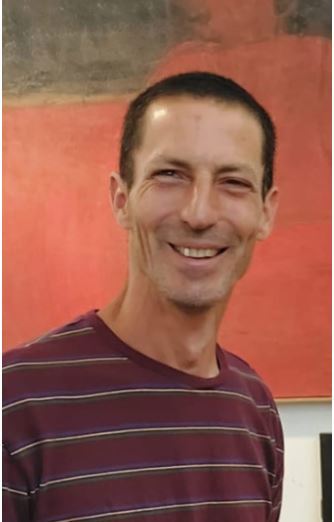
A summer morning sun, just as the hot harvest days were receding, on the 20th of June 1974, enveloped the modest kibbutz homes of Nir Oz, as the news of Aviv Atzili's birth echoed through the corridors of the central dining hall. Yosef and Thelma, his parents, embraced him with a blend of stubbornness and optimism, a characteristic mix of the founding generation who had transformed the Gaza Envelope into a fertile strip of land. The home where Aviv grew up was an open house, one whose doors were always slightly ajar to the desert wind and the sounds of children playing outside, imbued with the smells of shared lunches, of wet earth after irrigation, and of fresh newspaper laid out on the kitchen table. He was born into a community that was like an extended family, where every adult was an educational figure and every child a potential heir to the pioneering spirit. Yiftach and Ronen, his older brothers, already knew the kibbutz paths by heart, and soon young Aviv became an inseparable part of their adventure crew, running after them between vegetable beds, hiding among pecan trees, and trying to imitate their rolling laughter.
In his early childhood, Nir Oz was a world unto itself for Aviv. He learned to walk on the grooved concrete paths between the children's houses and the dining hall, his small feet already accustomed to feeling the different textures of winter mud and summer dust. The communal education in the children's houses was for him a space of endless discovery and play. He remembered the smells of gouache paints on his hands, the feel of large wooden blocks stacked into wobbly towers, and the sweet taste of bread with chocolate at morning snack. Even then, a keen curiosity for how things worked was evident in him. Often, when a toy broke apart, instead of crying, he would try to reassemble the pieces, his small fingers carefully examining the plastic and metal mechanisms. He was a child who loved to draw, not necessarily on paper, but on any available surface – sand, dust, and even on the muddy earth after rain, sketching lines and shapes whose precise meaning only he understood, but which formed the basis for a talent that would develop over the years. He loved spending hours in front of the agricultural garage, watching the adults repair giant tractors, captivated by the roar of the engines, the smell of diesel and oil, and the sight of sooty hands performing wonders. He would approach cautiously, observing with such intense interest that the adults would notice him, a smile spreading across their faces as they saw his sparkling eyes. "Child, step back so nothing happens to you," they would say, but their voices also conveyed an appreciation for his tireless curiosity.
His teenage years brought new challenges and the crystallization of Aviv's personality. He was no longer the small child running after his brothers, but a young man with his own backbone, with well-formed opinions and clear interests. His love for the land, instilled in him by his parents and the kibbutz environment, transformed into active involvement. He didn't just observe from the sidelines; he was already working in the fields, feeling the damp earth between his fingers at six in the morning, when the dew still covered the leaves and the sun began to climb above the eastern horizon. He learned to recognize the smell of the earth after rain, the sense of satisfaction from a straight row he had sown, and the sweet exhaustion at the end of a day's work in the sun. He loved the roar of the old tractor's engine, the feeling of power and control as he drove it along the dusty paths, his face tanned and his hair soaked with sweat. Working the land was not just a task for him; it was a continuous dialogue with nature, a deep understanding of life's cycles, and a connection to the place where he grew up. Alongside his manual labor, Aviv continued to develop his artistic talents. He began to paint more seriously, attempting to capture on canvas or paper the colors of the sunset over the fields, the contours of ancient trees, and the faces of his kibbutz friends. He also developed a keen interest in sculpture, and his golden hands, which had begun repairing toys in his childhood, now started to bring to life small metal sculptures from old spare parts he found in the garage, or from wood he discovered in the orchard. He loved the challenge of transforming simple raw material into a meaningful creation, the feel of the substance beneath his hands, the scent of scorched metal or carved wood.
He was also an enthusiastic cyclist. Not just for sport or training, but cycling was a form of meditation for him, a way to connect with the landscape, to feel the wind on his face, and to think. He would head out on his bike in the twilight hours, riding the narrow paths between the fields, accompanied by the chirping of birds and the sounds of the night beginning to awaken. These rides were moments of quiet and clarity, where he could process his thoughts, plan his next steps, or simply enjoy the simple beauty of his surroundings. In all these interests, his love for people and for the land was evident. He was a sociable, attentive person, one whom people felt comfortable approaching. Whether it was for help fixing something, for advice about a garden, or just for a chat about life. He was always there, with a wide smile and kind eyes, ready to listen and offer help. The values of community, hard work, creativity, and a deep connection to the environment, which were inherent in the kibbutz spirit, merged within him and became an inseparable part of who he was.
Upon completing his studies, it was Aviv's turn to enlist in the army. The choice was natural for him – to serve the country, to protect his home. He enlisted in the IDF, where he served in roles that demanded high responsibility and technical abilities, positions that were a direct continuation of his technical talent and golden hands. He completed his regular service as a Staff Sergeant Major, a rank indicative of a significant and highly contributory service path, and continued to serve faithfully in the reserves for many years. Each time he was called for reserve duty, he reported without hesitation, driven by a deep sense of commitment to the country and the security of its residents, a feeling that had been forged in him since his childhood in the border kibbutz. He understood well the meaning of defending his home, his community, his family.
Aviv's adult life began to take shape upon his return to Nir Oz, where he found his natural place within the communal fabric. He married Liat, a beautiful and strong woman, and their love blossomed within the familiar landscape of the kibbutz. Their home quickly became a center of warmth and love, a place where children's laughter filled the space, and cooking aromas mingled with the scents of flowers in the garden. Liat and Aviv built their own world together, founded on the same values of love for people and land, of giving, and of family. They brought three children into the world – Ofri, Neta, and Aya – who were the light of their eyes. Aviv was a present father, involved in every single detail of his children's lives. He taught them to love nature, to read the paths, to feel the earth. He read them bedtime stories in his soft voice, and taught them to ride bicycles on the kibbutz paths, accompanying them in their first steps in the world. He was there to celebrate their small successes and to comfort them in their disappointments, always with a kind word, a warm hug, and an encouraging smile. He made sure to pass on his love for creation, sitting with them for long hours, drawing, sculpting with clay, or building small models from wood and metal parts. He believed in the power of creation to unleash imagination, develop curiosity, and connect them to their inner world.
Alongside his rich family life, Aviv found his professional calling in the kibbutz. He managed Nir Oz's agricultural equipment garage, a role that was much more than just a job for him. He was the pillar of kibbutz agriculture, the man without whom the tractors wouldn't run, the combines wouldn't harvest, and the sprinklers wouldn't irrigate. In the garage, he felt at home. The smell of oil, iron, and diesel was a familiar and comforting scent. His hands, truly golden hands, knew how to touch every screw, every pipe, every engine, and bring it back to life. He didn't just fix malfunctions; he solved problems, improvised creative solutions, and ensured that every tool functioned optimally. Kibbutz members would come to him with broken tractors, pumps that wouldn't work, or irrigation equipment that had given up the ghost, and they always knew Aviv would find the solution. He would greet everyone with a smile, engaging in short conversations about the weather, the children, and life, all while delving into the belly of an engine or soldering a delicate metal part. He was the go-to person for any technical matter, not just in the garage, but also in private homes – from a broken water heater, through a stuck lock, to a complex electrical system problem. He was a first-rate professional, but also a people person, who understood the importance of every job, big or small, for the entire community.
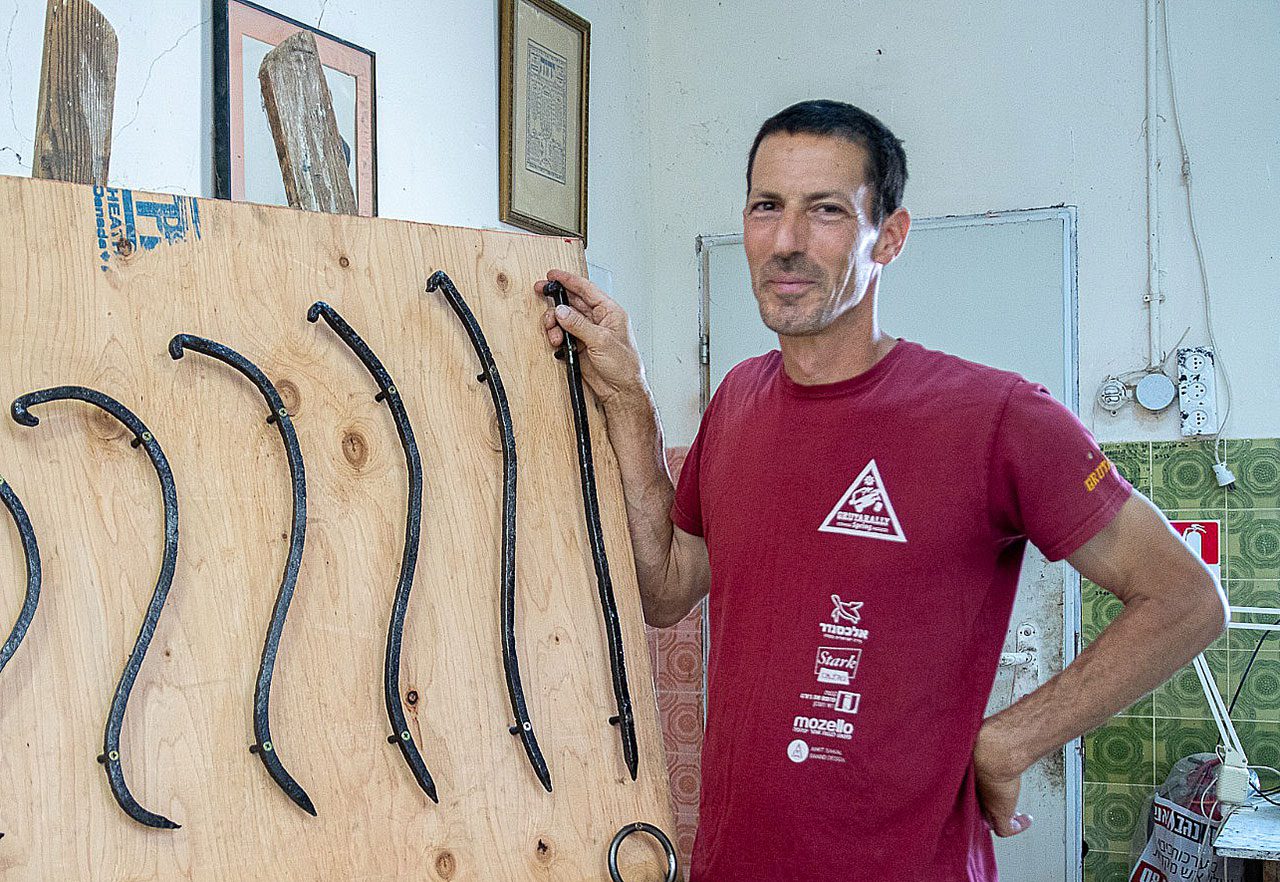
The garage was his kingdom, but not his only one. Aviv continued to paint and sculpt, developing his art to high levels. He was a talented artist who created wonderful sculptures, sometimes from old metal parts he found in the garage, and sometimes from natural materials like wood and stone. His creations were not just objects; they were stories, an expression of his rich soul, his connection to the land, to nature, and to people. He could spend many hours in the small studio he set up for himself, entirely focused on his creation, polishing, carving, or welding. His sculptures were scattered throughout the kibbutz, some proudly displayed in gardens and public areas, serving as living testaments to his great talent and the creative spirit that pulsed within him. His love for cycling also grew stronger. He would ride long distances, alone or with friends, exploring the hidden paths of the Western Negev, feeling the freedom and immersion in nature with every pedal stroke. These rides were an escape for him, a way to clear his head, recharge his batteries, and return home with renewed energy. He was a true humanitarian, one who believed in the good in people, who saw beauty in simplicity, and who always strived to contribute and help. He was one of the pillars of the Nir Oz community, not only in his professional role, but also in his warm presence, his willingness to assist, and the communal spirit he radiated. He was an integral part of every social event, every holiday, every gathering, always with a smile, a kind word, and a shoulder to lean on.
Over the years, Aviv also joined the kibbutz's standby squad, not out of a search for adventure, but from a deep sense of responsibility. He knew that the kibbutz's security depended on the readiness of its members, and he, having grown up on the border, understood the meaning of being prepared and ready. He participated in regular training, learned the emergency procedures, and knew his squad members well. For him, this was another way to serve the community, to protect his family, and to guard his home. He was a quiet, level-headed man, who acted out of a deep love for his home and his people.
Saturday morning, the 22nd of Tishrei 5784, October 7, 2023, began like any other Saturday morning in Nir Oz. A relative calm hung in the air, broken only by the chirping of birds and the distant sounds of children who had woken early. Aviv and Liat, along with their children, Ofri, Neta, and Aya, were asleep in their home, as dreams of a peaceful, family Saturday drifted above their heads. The sun began to rise, painting the sky in gold and orange hues over the slumbering kibbutz fields.
Then, at approximately 06:29 AM, everything changed. A rising and falling siren wailed, tearing through the quiet, announcing another barrage of rockets. This wasn't an unusually rare siren for the residents of the Gaza Envelope, but something in the air felt different. A heavy sense of unease began to gnaw at the deceptive calm. Aviv and Liat immediately rose, as they always did, and ushered the children into the *mamad*, the protected room, a small fortress designed to provide security from external threats. They were accustomed to this scenario, having learned to manage it efficiently, without unnecessary panic. But this time, the sirens didn't stop. They continued to blare repeatedly, and to them were added sounds of close gunfire, louder than anything they had ever known. Sounds that left no room for doubt – something terrible was happening.
Aviv's phone began to vibrate frantically. WhatsApp messages from the standby squad began to flood in at dizzying speed. "Terrorist infiltration," "There's shooting inside the kibbutz," "Arm yourselves and get to the assembly point." These short, sharp words changed the face of reality in an instant. Aviv looked at Liat, his gaze determined, yet also filled with deep concern. She understood immediately. This was no longer another round of escalation; it was an existential threat to their home, their community, their family. "I have to go," he told her in a quiet but firm voice. Liat, his strong and brave wife, knew there was no way to stop him. She and Aviv parted ways in a moment of painful understanding: she rushed to lock herself and the children in the *mamad*, to bolt the doors, press them against the wall, and pray; he, literally, sprang into action with the standby squad.
He quickly grabbed his personal weapon, his magazines, his vest, and ran outside. The air was saturated with the smell of gunpowder, and with sounds of screams and gunfire from all directions. This was not the drill they had practiced; this was a cruel, almost inconceivable reality. Aviv ran to the assembly point, his heart pounding, his eyes scanning the surroundings in search of his squad members. He met them there, their faces tense, determined, each one understanding the gravity of the moment. They were a small handful of civilians, most of them working people, farmers, teachers, managers, artists, who that morning transformed into fighters, into defenders of their home. They knew it was a battle for life, for home, for everything they knew and loved.
They organized quickly, each knowing his place, his role. Aviv, with his military experience as a Staff Sergeant Major in the reserves, and his deep familiarity with the kibbutz, was an invaluable asset. They began to move throughout the kibbutz, trying to understand the extent of the invasion, to protect the most vulnerable points, and to halt the terrorists' advance. They encountered terrorists face-to-face, heavily armed, filled with hatred. The battle was fierce, bloody, and unequal. Aviv and his comrades fought with supreme bravery, not out of prolonged military training, but out of an intense love for their families, their homes, and their entire community. He fired, took cover, maneuvered, all while thinking of Liat and the children in the *mamad*, of the fields he cultivated, of the sculptures he created, of everything he held dear. He was not a superhero from books, but a man of flesh and blood, a father, a husband, a friend, who on that terrible morning chose to stand in the breach, to protect everything that was sacred to him. He fought so that his children could continue to grow up in his kibbutz, on the land he loved so deeply.
During the fierce battles, under relentless fire and against a vastly superior force, Aviv Atzili fell, forty-nine years old at the time of his death, on the kibbutz land he loved and wanted to protect above all else. He fell while physically defending his home, his family, and the entire community. His fall was part of a larger campaign, a campaign in which civilians, armed with light weapons and an immense sense of mission, stood against thousands of terrorists.
With his fall, a long ordeal of suffering began for his family. Aviv's body was abducted to Gaza, and he was designated as a 'fallen soldier with the status of a hostage'. For one year and eight long months, 614 painful days, his family and friends lived in agonizing uncertainty. Liat, his wife, who survived the inferno and managed to escape the horrific captivity of Hamas, returned to their children – Ofri, Neta, and Aya – but Aviv's absence was palpable every moment. She stood firm, a pillar for her children, trying to rebuild their lives in the shadow of disaster and loss, but also in the shadow of a faint hope for his return, even if lifeless. This hope, mingled with deep pain and an incomprehensible longing, accompanied them every day and every night.
Finally, on the 15th of Sivan 5785, June 11, 2025, one year and eight months after his fall, the bittersweet news arrived. Following a daring operational activity, Aviv's body was recovered from Gaza and returned to Israel, alongside Yair Yaakov. It was a painful yet essential closure, granting the family the opportunity to bring him to a dignified burial, to accompany him on his final journey to the land he loved so dearly and on which he fell. He was laid to rest in the civilian cemetery of Nir Oz, his kibbutz, his home, back to the familiar and beloved landscape. He was buried alongside his friends, who also fell on that Black Saturday, a burial that symbolized his return home, even if in the most painful way.
Aviv Atzili left behind a wife, three children, parents, and two brothers, an entire community that misses him, and an immense, irreplaceable void. But he also left behind a rich legacy of love, giving, creativity, and heroism. His children, Ofri, Neta, and Aya, will carry his memory, his values, and his spirit. They will remember the loving father, the talented artist, the man of the earth, and the brave defender. His sculptures and creations will continue to tell his story, serving as a testament to his talent and his sensitive soul. Nir Oz's agricultural garage, even if managed by others, will always bear his imprint, the legacy of his golden hands, his dedication, and his professionalism. He was a pillar not only for the community but also for the Israeli spirit – a spirit of hard work, of connection to the land, of creativity, and of an uncompromising readiness to defend one's home.
Aviv's life story, brutally cut short, is a story of a full life, of deep love for family and place, of endless devotion. His fall in battle for his home and his values is an act of pure heroism, an act that transformed him into a symbol of steadfastness and resurgence. The memory of Aviv Atzili, a man of Nir Oz, a man of the land and of creation, the husband, the father, and the protector, will continue to live in our hearts, in the spirit of the renewing community of Nir Oz, and in the story of heroism of the entire State of Israel. He fell so that others might live, so that the kibbutz dream might continue to exist, and so that future generations might live in peace and security on the land that was so precious to him. May his memory be a blessing.
Moments of a life
All photographs · 1
In the media
Articles
- Aviv Atzili was an artist, even without calling himself one
מגזין פורטפוליו ·
- The family of Aviv Atzili, who was abducted with his wife Liat from Kibbutz Nir Oz on the morning of October 7, has been informed of his death
ישראל היום ·
- The Family of Aviv Atzili, Who Was Abducted to Gaza, Was Informed of His Murder
N12 ·
- The Mechanic from the Gaza Border Communities Who Became an Acclaimed Artist — and Was Abducted on the Exhibition’s Closing Day
N12 ·
- A letter to Aviv Atzili, of blessed memory, from Rawi Peleg
ynet
- Liat Atzili’s first interview after returning from captivity
N12
Videos
Podcasts
- One Israeli Hostage’s Unusual Experience in Gaza
The Atlantic ·
Memorial sites
- Aviv Atzili — memorial page
כאן
- Liat and Aviv Atzili
קיבוץ ניר עוז
Memorial projects
Postcards of a picture he painted on a tractor piston were handed out at the memorial service, according to Rovi Peleg.
Aviv’s portrait is included in the "Artist. Portrait. Artist" series created by Yigal Ozeri following Yad Ben-Zvi’s Eretz Hefetz initiative. According to Globes, the portraits are intended for the families, and other works are to be sold to fund the preservation of the murdered artists’ work.
Stories told about them
Liat told CNN that Ofri wrote at an event in Aviv’s memory about how he was a bad dancer. After speaking with the children, the family chose to dance in his memory, against the background of earlier conversations between the couple about the music they would want at their funerals.
Shimon Ben Shabbat came to Aviv’s garage while looking for scrap for another sculpture. The visit led him to discover Aviv’s works and bring him into the gallery; the exhibition’s closing day was set for October 7.
Ravi Peleg tells how he invited her to an ’80s party in the kibbutz before the massacre. A postcard based on his painting on a tractor piston was distributed at the memorial, and she placed it on a dresser in her home alongside objects connected with loss.
Life & service
Service
- Rank
- Warrant officer (res.)
- Service Type
- Reserve Forces
Family
- Father
- Yosef
- Mother
- Talma
Burial
Cemetery
Nir Oz
Tributes & remembrance
אביב אצילי ז"ל נרצח ב-7 באוקטובר כשלחם כחבר כיתת הכוננות בניר עוז ונחטף כחלל לעזה. אביב ז"ל הוחזק מעל 600 ימים בשבי, היום הותר לפרסום שגופתו של אביב חולצה במסגרת מבצע צבאי בשבוע שעבר יחד עם יאיר יעקב ז"ל. אביב, בן קיבוץ ניר עוז עשה שנת י"ג בתנועה במשלחת תשנ"ג. בשנים האחרונות ניהל את המסגרייה בקיבוץ והיה פסל, צייר ואמן בחסד בסטודיו המלא ביצירותיו. אנו מחבקים בשעה מורכבת זו את המשפחה, תלמה ויוסי הוריו, ליאת זוגתו, עפרי, נטע ואיה ילדיו, רונן ויפתח אחיו. את משלחת תשנ"ג שפעלו רבות לחזרתם של אביב וליאת, ואת כל קהילת ניר עוז. גם בימים הקשים שעוברים על כולנו, ודווקא עכשיו, נזכיר ש53 חטופים עדיין בשבי. כל רגע בשבי מסכן את חייהם של החטופים שעודם בחיים. תנועת השומר הצעיר קוראת לשחרור מיידי של כל החטופים בפעימה אחת, החיים לשיקום, והמתים לקבורה ראויה חזק ואמץ!
שמעתי עכשיו את הבדיחה שלך על הקואלה והאיגואנה, צחקתי וחשבתי עליך. אני מקווה שאתה במקום טוב. יהי זכרך ברוך!
יהי זכרו ברוך גיבור ישראל
"כל כך רציתי לחזור למוסך של ניר עוז, לפגוש את האיש האציל הזה, איש של אדמה, יצירה ועבודת כפיים, עם החיוך הגדול והשובב, להיכנס איתו לטרקטור אחרי ההופעה ולצאת איתו למסע בשדות האור של ערבות הנגב. היום אני יודע שהמסע עם אביב יתקיים רק באופק אחר, במציאות חלומית, מעבר לזמן." אהוד על אביב אצילי ז"ל מתוך מוסף גיבורים 2023, ידיעות אחרונות 8.12.23.
למשפחה של אביב,
האובדן הוא קשה, ובנסיבות של השביעי באוקטובר מזעזע.
עבורכם מתפללת לכח היחד התומך ומחזק. ושתהה לכם היכולת להכיל את האובדן של אביב. מתפללת לנשמתו
יהי זכרו ברוך
יהי זכרו ברוך
אנחנו קרובי משפחה דרך שטמפפר. לא זכיתי להכירך.
אביב, אתה חסר.
אוהבת לעד
ת.נ.צ.ב.ה
חבר לעד ניזכור אותך
אתה חסר חבר, מתגעגע..
תשמור על כולם למעלה,
איזו נבחרת אתם, פשוט לא להאמין
מחכים לשובך, לא שוכחים עד שכולם חוזרים.
יחיד ומיוחד. תמיד הארת את סביבתך - אהוב, רך, מחמם לב ומשמח.
דמותך תישאר חקוקה בזיכרוננו - דמות להערכה ולחיקוי.
אתה חסר לנו מאוד.
איש עבודה ויצירה, מוכשר, טוב לב ואוהב כל.
נשמתך צרורה לנו בצרור החיים יום יום.
גיבור, אתה חסר.
אביב אוהבת ומתגעגעת
He was always calm, and nothing would upset him
Source:ישראל היום
Read the Hebrew original
הוא תמיד היה רגוע ולא מתעצבן מכלום
it’s very difficult for me to give up on the place that Aviv lost his life to protect,
Source:The Atlantic
he's a wonderful and very, very special person.
Source:CNN
We tend to praise and glorify all the dead, but Aviv Atzili truly was a one-of-a-kind person
Source:N12
Read the Hebrew original
אנחנו נוטים לפאר ולהאדיר את כל המתים, אבל אביב אצילי באמת היה איש מיוחד במינו
I was very scared, but it was clear to me that, for him, there was no other option, that he would not stay home when there were terrorists in the kibbutz
Source:כאן
Read the Hebrew original
פחדתי מאוד אבל זה היה לי ברור שמבחינתו אין שום אפשרות אחרת, שהוא לא ישאר בבית כשיש מחבלים בקיבוץ
A man with such a gentle soul, creating such delicate and beautiful works from such hard iron.
Source:ynet
Read the Hebrew original
איש עם נפש כל כך רכה, שיוצר בברזל כל כך קשה יצירות כל כך עדינות ויפות.
Aviv was one of the pillars of the Nir Oz community,
Source:N12
Read the Hebrew original
אביב היה מעמודי התווך של קהילת ניר עוז,
I had a premonition — when it is someone close, you feel it
Source:Вести
Remembrance Day addresses
יום הזיכרון לחללי מערכות ישראל התשפ"ה – 2025
בכל יום שעובר, אזכור יותר! אזכור, את אלו שיצאו עימי לקרב ולא שבו, ולהם אין מי ידמה ומי ישווה. אזכור, שהכאב לא יעבור לעולם, והזמן, הוא לא מרפה ולא מרפא. אזכור, את שיברון הלב הגובר ואת הבית שבוער. אזכור, את צדקת הדרך, ואשבע שוב, שמה שהיה לא יהיה יותר. אזכור, שיותר מכל דבר אחר – אני חסר! ביום הזה, אני נתקף געגוע לדמותם, לחיתוך דיבורם, לחיוכם, ומדליק נר לזיכרון דרכם ומורשתם!
משרד הביטחון
אגף משפחות, הנצחה ומורשת
יום הזיכרון לחללי מערכות ישראל התשפ"ה – 2025
בכאב, בהצדעה ובתקווה אני מתכבד להדליק נר זיכרון זה. השנה, כשאנו נלחמים במלחמה ארוכה, רב זירתית וצודקת, הזיכרון נושא משמעות עמוקה. ביום זה נעצור ונתייחד עם זכרם של טובי בנינו ובנותינו שנפלו בהגנה על המדינה. מורשתם היא המצפן שמתווה את דרכינו, והיא המעניקה לנו כוח להמשיך ולהגן על מדינת ישראל ותושביה. משפחות יקרות, אנו מרכינים ראשנו ומתחייבים שנעמוד לצידכן תמיד. יהי זכר הנופלים ברוך.
אלוף דדו בר כליפא
ראש אגף כוח האדם, צה"ל
יום הזיכרון לחללי מערכות ישראל התשפ"ה – 2025
בשעה שאנו זוכרים את גודל תרומתם ועומק מסירות נפשם של טובי בנינו ובנותינו, נופלי מערכות ישראל לדורותיהן, ממשיכים צה"ל וכוחות הביטחון במימוש המשימה למענה לחמו ועבורה נפלו: הכרעת אויבינו מדרום, מצפון, ביהודה ובשומרון, וגם בזירות רחוקות יותר. בהערכה רבה ובגאווה אדירה אנו מרכינים ראש בפני הנופלים והנופלות, מאמצים את משפחותיהם אל לבנו, וממשיכים במשימה להבטחת קיומה של ישראל לדורי דורות. יחד נעשה ונצליח.
רב אלוף אייל זמיר
הרמטכ"ל, צה"ל
יום הזיכרון לחללי מערכות ישראל התשפ"ד – 2024
כאשר דגלינו מורדים לחצי התורן וראשינו מורכנים לזכר הנופלים והנופלות במערכות ישראל, ממשיכים לוחמי צה"ל ומפקדיו בלחימה בדרום, בצפון, ביהודה ובשומרון ובזירות נוספות. על כל דור מוטלת המשימה של הגנת העם והארץ – משימה שאף פעם אינה פוסקת. נצדיע בגעגוע ובגאווה לנופלים ולנופלות, נחבק את משפחותיהם, ונמשיך ברוח הציווי שהותירו לנו. עם ישראל חי.
רב ניצב יעקב שבתאי
המפקח הכללי, משטרת ישראל
יום הזיכרון לחללי מערכות ישראל התשפ"ד – 2024
אחיי הנופלים, כל נר הוא זיכרון יחיד ומיוחד, על חיים שהיו ואינם, געגוע שנצרב עמוק בלב, עולם ומלואו. הנרות כולם הם זיכרון של אומה כי לעולם לא עוד, בשורת הציונות וקוממיות ישראל. זיכרון כי הדרך לעם חופשי בארצנו עוברת דרך מסדר הנופלים. אור הנר יזכיר לנו את מסירות נפשכם להציל חיים, להגן על הבית. הנרות מסמנים לנו נתיב גבורה ערכי מחייב שאנו מצווים ללכת לאורו. נמשיך להילחם ולהוסיף אור מתוך אמונה בנצח ישראל.
יואב גלנט
שר הביטחון
יום הזיכרון לחללי מערכות ישראל התשפ"ד – 2024
בהצדעה ובכאב, בשם צה"ל כולו, אני מדליק נר זיכרון. בעיצומה של מלחמה, הזכרון נושא משמעות יום-יומית, שעבר והווה מתלכדים בה. לאורם של הנופלים נמשיך לצעוד, חיילי הסדיר והמילואים. לאורם של הנופלים נמשיך להגן על ארצנו ועל מולדתנו, גם כשהמחיר כבד. להבת-הזכרון תבער בנו בעודנו ממשיכים להלחם ונזכור את הנופלים ואת אומץ ליבם. משפחות יקרות, צה"ל מרכין היום ראש, מצדיע לכן וכואב איתכן. יהי זכר הנופלים ברוך.
אלוף יניב עשור
ראש אגף כוח האדם, צה"ל
יום הזיכרון לחללי מערכות ישראל התשפ"ד – 2024
בהוקרה, בגאווה ובכאב שאין לו סוף, אני מתכבד להדליק נר לזכרם של הנופלים והנופלות במערכות ישראל. סיפור חייהם בארץ הזאת, מסכת שירותם, גבורתם והקרבתם – הם סיפורה של הארץ הזאת, אך גם סיפור המחיר הכבד שהיא תובעת מאוהביה. מחויבותנו לזכר הנופלים ולדרך שהותירו לנו ניצבת תמיד לנגד עינינו. את המשימה שלא זכו להשלים, משלימים כיום, וישלימו, אנשי כוחות הביטחון, הממשיכים בדרכם ולאורם. יהי זכרם של הנופלים ברוך.
משרד הביטחון
אגף משפחות, הנצחה ומורשת
יום הזיכרון לחללי מערכות ישראל התשפ"ד – 2024
בחרדת קודש אני מתכבד להדליק נר לזכרם של חללי מערכות ישראל, חברנו שנפלו, מראשית היציאה מהחומות ולאורך כל שנות עצמאותנו המדינית והציונית, מהווים תמרור זיכרון לדרך חיינו ולמחוייבות הלאומית להנצחת זכרם. דרכם נותרה דרכנו ומורשתם נר להמשך עשייתנו. יהי זכרם ברוך!
בני גנץ
שר הביטחון
יום הזיכרון לחללי מערכות ישראל
נזכור אותם, כולנו יחד. כל אחד ואחת מהם, מדי יום ביומו, והיום ביתר שאת, כך – לנצח. "כי מדי דברי בו זכור אזכרנו עוד"
משרד הביטחון
אגף משפחות, הנצחה ומורשת