
The story
The Jerusalem sun poured generously through the large window of the old apartment, calling forth a new day. In this home, in the heart of a city steeped in thousands of years of stories, Aner Elyakim Shapira was born on the 17th of Adar, 5761, March 12, 2001. He was the eldest, the son of Shira and Moshe Chaim Betzalel, and immediately upon his arrival, he filled the space with new light, with anticipation and joy mixed with a profound sense of awe. He was an older brother whom all six of his siblings – Talia, Ayala, Ariel, Tamara, Alma, and Hila – would come to see as an anchor, an example, and often, the mischievous one who knew how to defuse any tension with a smile or a witty remark. The house was always bustling with life, filled with children's laughter, the aromas of homemade meals, and the sounds of conversations that unfolded in the kitchen and living room—conversations where Aner learned from a young age to listen, to question, and to build his inner world.
Aner's childhood unfolded in the streets of Jerusalem, between ancient stones and new buildings, between the smells of Mahane Yehuda market and the quiet of green neighborhoods. He attended Efrata Elementary School, where he already stood out as a sharp, intelligent child with insatiable curiosity. Nothing could captivate him more than a good book or a deep conversation with a teacher who managed to challenge his mind. At Himmelfarb High School, he continued to flourish, and there was no doubt then—Aner was a multi-talented child, a creative soul constantly seeking ways to express himself. He didn’t just learn the material; he explored it, deconstructed it, and reassembled it in his unique way. When he returned home from school, instead of tossing his bag in a corner and running off to play soccer (which he also loved wholeheartedly), he would often immerse himself in his notebooks. There, between the ruled pages, he built entire worlds. Stories of dragons that were more than just mythical creatures, but symbols of internal and external forces, and monsters that weren’t necessarily evil but often reflected fears and longings. He didn't stop at words—he also knew how to convey his rich and intricate inner world onto the page through illustrations. Sharp lines, vibrant colors, astonishingly complex details that expressed his feelings and mood unequivocally. When he showed his mother, Shira, one of his drawings, she would gaze at it with sparkling eyes, recognizing the depth and sensitivity behind every line and brushstroke, knowing that her eldest child was a creative soul.
At the age of six, when his small hands barely reached the ends of the keys, Aner began to play the piano. The first sounds were hesitant, but soon they transformed into lively melodies. He was drawn to the worlds of classical music, sitting for hours upon hours at the instrument, trying to decipher the secrets of the great composers, to understand complex harmonies, and to master technique. His fingers moved over the keys gently but resolutely, producing tunes that filled the house. As he grew older, his musical world expanded. He fell in love with electronic music, with its fast rhythms, its original beats that opened new avenues of creation for him. From there, the path to rap and hip-hop was natural. He discovered the power of words, when combined with the right rhythm, to become a potent tool. Aner didn't write empty words—his lyrics were incisive, penetrating, full of social commentary that reflected his highly developed sense of justice. He could not stand by when he saw injustice. When he witnessed a situation where someone was hurt or marginalized, his blood would boil. He would rise up, his voice clear and distinct, and intervene immediately, unafraid to stand his ground and that of others, even if it meant going against the current. His father, Moshe, remembers him as "a man of justice and love for humanity," a trait that developed in him from childhood into adulthood.
Alongside all of this, Aner was also an athlete at heart. Not just a painter and musician, but also a person who connected body and soul. He especially loved soccer and was a devoted fan of Hapoel Jerusalem. The red and black colors were an inseparable part of his identity. He would attend games, standing in the stands with his friends, shouting and getting excited, experiencing every pass and every kick as if it were the last. Soccer was for him not just a game, but an expression of community, loyalty, and intense emotions released in shared energy. He learned the rules of the game, the strategies, and saw it as another way to understand the world and the people in it.
After finishing high school, Aner, seeking meaning and challenge, joined the pre-military academy "HaAmak" (City, Settlement, Kibbutz) in Kibbutz Kfar Rupin. This was a period of disconnecting from the big city, from the familiar environment, and of a deeper connection to the land, to the community, and to questions of identity and belonging. There, between the kibbutz fields and late-night soul-searching conversations, he met Shelly Smolyarenko. Their connection quickly ignited. They found in each other a kindred spirit, a partner on the journey, and love blossomed between them. They would spend long hours talking about life, dreams, and the future. Shelly remembered him as the funniest person she knew, her best friend, caring and kind-hearted. She saw the depth of his soul in his kind and loving eyes and always wanted to engrave those memories in her mind, to imagine him as real as possible, as much with her as possible. At the academy, Aner sharpened himself even further. He learned about manual labor, mutual responsibility, and the accountability he bore towards the community and the state.
Aner's military aspiration was clear: he wanted to join Sayeret Matkal. He saw this unit as the pinnacle of excellence, the place where he could contribute most significantly. He went through the tryouts, determined to prove his abilities. But fate intervened. During the tryouts, he was injured and required surgery. This was a severe blow, but Aner was not one to give up easily. After a period of arduous recovery and rehabilitation, during which he worked hard on his body and spirit, he returned for another tryout. Again, the injury recurred, and again he was hurt. These injuries led to a significant delay in his enlistment, by more than a year. For a person with his determination, this was a challenging period of waiting, of frustration, but also of opportunity. Instead of sinking into bitterness, Aner used the time to build a home studio. It was a project of passion, of dismantling and reassembling, of learning about materials and electronics. In the small studio, where he personally assembled every cable and microphone, he created an entire world of sounds. He wrote songs, composed beats, recorded himself singing and rapping, and deepened his mastery of electronic music. There, within four walls, in front of the computer screen and microphone, he fulfilled another part of his dream. During that time, on one of the pages where he wrote his thoughts, the chilling sentence was found: "If I die, publish this." He already knew then that his inner world was rich and worthy of exposure, and he left a kind of artistic will, out of a deep understanding of the transience of life and the importance of legacy. One of the songs he planned to release was called "Just a Believer." Its chorus lyrics were seemingly simple, yet deeply meaningful, as if reflecting his worldview: "I am a person who believes in change / Forget change / Enough of being a person who just believes / Good / So I am a believing person / Forget believing / Just be a person." This was Aner—seeking simple humanity, the essence beyond slogans and grand words.
On August 15, 2021, after a long delay, the moment Aner had so eagerly awaited finally arrived. He enlisted in the IDF, in the Nahal Brigade. Here too, the goal was clear: he wanted to join the Nahal Reconnaissance Unit "Orev." But the late enlistment caused him to miss the tryouts. Again, an obstacle. But Aner did not let this break him. He underwent basic training, a challenging period of physical and mental exercises, high demands, and adapting to a new environment. He completed it with excellence, proving his exceptional abilities and unwavering determination again and again. At the end of basic training, as he stood with the other soldiers in formation, the battalion commander approached him with a wide smile. He informed Aner that his dream, despite everything, was coming true – out of hundreds of soldiers, he was chosen to join the reconnaissance unit. This was a huge surprise, a moment of deep satisfaction. The path he had traveled, the injuries, the waiting, all gained meaning in that moment. He joined the anti-tank company of the reconnaissance battalion, where he also excelled.
The path in the reconnaissance unit was difficult and demanding. It included grueling training, long navigations, complex exercises, and intensive learning of infantry combat and advanced fighting techniques. Aner not only met the requirements—he did so with excellence, proving himself again and again. He was not content with the minimum required, but demanded a lot from himself, above and beyond. He did not give up until he met the high standards he set for himself, standards of excellence, professionalism, and dedication to the mission. This determination, combined with his modesty and humility, made him a role model and admired figure. His soldiers saw him as a true leader, his commanders saw him as an example and paragon. He went to a squad commander's course, and also completed it with distinction. His commander in the unit, "Tzfoni," remembered the moment when the commanders came into his office "with a sparkle in their eyes" and told him: "Tzfoni, there's one special soldier who absolutely must join the reconnaissance unit, especially 'Orev.' I didn't understand why they were so excited, only two or three days in the army, but they were determined: 'Tzfoni, there's something special about him, unusual. A soldier who today could replace any of us, including you.'" When Aner arrived for the unit's intake interview, the commander met "a modest and quiet guy, but I also clearly saw before me a serious guy with his head on his shoulders. And in the fifteen-minute interview, I understood what the commanders had picked up in the first days of pre-basic training." He continued to note that Aner demonstrated "personal, leadership, and social abilities of the highest caliber, to the point where I envied you. You had so many qualities I always wanted to have. You carried out every task assigned to you with modesty and humility, with endless professionalism, and you didn't rest until you completed it to the best of your ability."
Amidst all the military demands, Aner remained a man of truth and emotion. He was a lover of humanity, a believer in people, and saw the world with open eyes, full of curiosity and passion. He never lost touch with his rich inner world. His creativity also continued to flourish, stemming from great passion and intense emotions. Hundreds of texts, drawings, melodies, and beats flowed from him, works in which he expressed his original, critical, humane, and sober thoughts. He also created his own logo and built an entire visual language intended to accompany the music he would release. He continued to work on several songs he planned to share with the world, works in which he combined his inner world with poignant social statements. His father, Moshe, described him as "a musician, painter, athlete, man of letters, poet, man of justice and love for humanity. How many qualities in one person, how much modesty. A man of truth, without pretense. Loyal to family, friends, his people." His mother, Shira, added: "You are a wizard of words. From the moment you learned to speak, you loved language so, so much, and words and phrases, and the double and triple meanings within words. Words were your home. You walked within words with pleasure and created countless words and passages and songs, and more songs and more songs and more and more. Original, amazing, critical, humane, sober, true, honest, and moving thoughts, for which you found words and wrote them down. And then you also created music for the words. And the words found the rhythm and meaning, and then you rolled and kneaded the words, and then you sang them and created the total works that are yours, from A to Z." Aner was a complete person, with many worlds that all connected to form a wonderful personality.
On Saturday, the 22nd of Tishrei, Simchat Torah 5784, October 7, 2023, Aner was on leave from the army, just one month before the end of his regular service. He arrived at his parents' home in Jerusalem, anticipating a joyful holiday, a family holiday meal, long conversations with his siblings, and the familiar Jerusalem quiet. After the holiday meal, as the sun began to set and the atmosphere was light and festive, Aner went with some friends to the Supernova music festival held near Kibbutz Re'im, in the heart of a quiet desert landscape. About three thousand revelers danced there, under the open sky, to the sounds of electronic music, disconnected from all worries. The atmosphere was one of absolute freedom, pure joy, of moments where time seemed to stand still.
But the quiet shattered abruptly. At 6:30 in the morning, as the first rays of sun began to rise above the horizon, and many of the revelers were still immersed in the rhythm of the music or sleeping in their tents, air raid sirens wailed, rising and falling. Black smoke rose from the horizon. The Hamas terrorist organization launched a brutal surprise attack on Israel. Massive barrages of missiles and rockets from the Gaza Strip covered wide areas of the country, and under their cover, thousands of terrorists—by land, sea, and air—infiltrated and began a murderous attack on the Gaza envelope communities, on Sderot, Ofakim, and Netivot, and also on the revelers at the nature festival near Re'im and Nir Am, on IDF bases, and on those traveling on the roads. Aner's phone rang loudly. His commander, in an agitated voice, called him to the Sufa base. Without hesitation, without question, Aner knew what he had to do. He was a combat soldier, and he was needed. He quickly gathered three of his friends, and the four of them rushed out of the party complex, towards the road, with the sounds of close gunfire already audible in the background.
When they reached the entrance junction to Re'im, the heavy barrage of rockets exploding around them left them no choice. They had to stop, to seek shelter. Their eyes fell upon a concrete shelter – a small, solid concrete structure designed to protect against rocket fire. They ran towards it, hoping to find temporary refuge from the incessant fire. Inside the shelter, there were already over twenty young men and women, most of them party-goers, terrified, clinging to each other, their faces white with dread. Aner was the last to enter. He stepped into the chaos, into absolute panic, but maintained an astonishing composure. He calmed those present, his voice steady and clear. "I am a combat soldier in 'Orev Nahal'," he said, trying to instill hope and confidence in them. He pulled out his phone, and tried again and again to contact his unit, to call for rescue, to understand what was happening.
Time inside the small shelter stretched like gum. Every moment felt like an eternity. The sounds of gunfire outside grew closer. No longer just rockets—but small arms fire, shouts in Arabic, the sound of heavy footsteps. Aner understood. He knew this wasn't just a random rocket barrage—the terrorists had arrived. He looked around for something he could use as a weapon, something that would give him some advantage against the imminent danger. His eyes fell on an empty beer bottle. Without thinking twice, he broke it. The sharp shards became a formidable tool in his hands. He stood at the entrance to the shelter, his back to the dozens of terrified young people, his face towards the approaching threat. His composure was unfathomable. "Most likely," he explained to those present in a quiet but firm voice, "the terrorists will throw grenades at us." He instructed them to move away from the opening, to crouch down, to try to protect themselves as much as possible. And then, he added, in a voice that held not a drop of despair but only supreme determination: "I will throw them back out. And if something happens to me, one of you will replace me." With these words, he not only gave instructions, he gave hope. He took upon himself the impossible task, and was willing to pay the highest price for it. His grandfather, Hanina, described this essence in one word: "Hineni" (Here I am). Aner heard the question "Whom shall I send, and who will go for us?" and answered without hesitation, "Hineni, send me."
Shortly thereafter, exactly as he had described, terrorists surrounded the shelter. They were armed and full of malice. Through the opening of the shelter, they began to throw hand grenades inside, one after another, with the clear intention of massacring its occupants. The first grenade was thrown in. Aner, standing firm, caught it with his bare hands. He did not hesitate, did not think twice. The few seconds the grenade was in the air, from the moment it was thrown until the moment he seized it, were moments of fateful decision. He threw it back out, far from the shelter. A loud explosion was heard outside. The second grenade was thrown. Again, Aner caught it, and again threw it out. Five, six, seven grenades. Each time, Aner caught death in his bare hands, and threw it back at his enemies. He stood there alone, a soldier in civilian clothes, unarmed, with only a broken bottle and unfathomable determination, protecting the lives of dozens of strangers. He was a human wall, a dam against the flood of evil.
The eighth grenade arrived. Aner caught it too, but this time, fate intervened. The grenade exploded in his hand. The powerful blast tore through the quiet of the moment, killing him instantly. Staff Sergeant Aner Elyakim Shapira fell in battle, twenty-two years old at his death. In his death, he saved many lives. His actions delayed the terrorists for many long minutes, precious minutes that allowed others to survive. His commander eulogized him: "Today I heard your heroic story of bravery and was not surprised that even in your last moments you were simply you – a leader, cool-headed, humane, and brave. You saved many lives, you calmed them in those terrible moments, you fought unarmed, with great courage, and for that, I salute you."
After he was killed, when they failed to subdue the shelter with grenades, the terrorists fired an RPG barrage at it, and then stormed inside. They abducted four people from the shelter, violently dragged them out and loaded them onto pickup trucks on the way to the Gaza Strip, among them Aner's good friend, Hersh Goldberg-Polin. Afterwards, they shot at those remaining, killing and wounding many. Long hours passed until the first rescuers arrived at the shelter. When they entered, into the scene of horror, the survivors, with trembling voices and tears, told them that they owed their lives to a combat soldier from Orev Nahal who stood at the entrance to the shelter and repelled all the grenades thrown at it. They did not know his name, only his deeds. Aner's story of heroism, of the eight grenades he blocked with his bare hands, quickly spread. The entire event was even filmed by a car's dashboard camera that was parked nearby, and the video was circulated online, spreading the amazing story of a man who chose to stand alone against death for the sake of others.
Aner Elyakim Shapira, of blessed memory, was laid to rest in the military cemetery on Mount Herzl in Jerusalem. He left behind heartbroken parents, five sisters and one brother, and a beloved partner. His father, Moshe, eulogized him with heart-wrenching words: "Our sweet Anerchuk, what a talented child. Musician, painter, athlete, man of letters, poet, man of justice and love for humanity. How many qualities in one person, how much modesty. A man of truth, without pretense. Loyal to family, friends, his people. You were born in the joy of Purim and fell in the joy of Simchat Torah. Joy has been lost to us... Our sweet Aner, of you it will be said: Kindness and truth have met, justice and peace have embraced. In your last hour, when weapons of war fail, you succeeded with your spirit, your wisdom, and your bravery to turn the difficult hour from an hour of fate into an hour of destiny. Righteous Judge, you took from us a man of truth, you deprived your world of a man of truth." His mother, Shira, added: "Anerchuk, our heart's beloved, our soul's beloved... How much we loved to talk together. How many conversations and how many thoughts and how many words. You are a wizard of words... And now you are not here, and we don't have your words. And we have no words at all... We have no words that can describe your wonderful personality, joyful, complex, sensitive, and deep, we have no words to describe the sincerity in your heart and the sincerity in your actions. Your absolute dedication and your ability to go all the way. We have no words to describe your endless creation and creativity... We have no words to tell you how happy we are that you saved so many lives. There are no people like you."
His grandmother, Yemima, looked at his last photograph, unintentionally taken by one of the survivors, in which Aner is seen standing alone in civilian clothes with bare hands at the entrance of the shelter. She wrote: "The unfathomable power of Aner's spirit, who with clear mind, open eyes, and without hesitation made the heroic decision... A mere glance at this moment and a thought about what transpired in Aner's soul in the moments preceding it, is enough to understand who Aner was and how sublime the content he poured into the concept of 'being human'." Shelly, his partner, delivered a eulogy in which she described the depth of her love: "'What do you see when you look at me?' you ask. If I try to describe it in words, then when I look at you I see the person who makes me laugh the most, my best friend, caring and kind-hearted... When I look at you I see your kind and loving eyes, and I simply cannot help but reach out to caress your face... When I look at you I try to engrave the memory in my mind to retrieve it in moments when we are not next to each other, and to imagine you as real as possible, as much with me, Aner. When I look at you, I don't want to stop. When I look at you, I realize how deep the level is to which I love you."
Aner's family, faithful to his last will, fulfilled his request. In March 2024, after his death, they released an album of his songs titled "Introduction to Anerchism." The album included six songs he wrote, composed, produced, and performed himself, works into which he poured his soul. One of the songs, "Brotherly Hatred," featured a moving collaboration with the lead singer of the band "Hadag Nahash," Shaanan Streett, who, after Aner's fall, wrote and recorded an additional verse for the song, as a tribute and memorial. The song became a symbol, was nominated for "Song of the Year" in the annual Hebrew chart of Galgalatz and Walla website, and resonated across the country, its melodies and words touching many hearts.
Aner's legacy did not remain only in the world of music. His beloved football team, Hapoel Jerusalem, took to the field against Hapoel Tel Aviv to the sound of his song "Jeruz," as he accompanied them from the eternal stands. Simultaneously, his complex and beautiful drawings were projected onto the screens at Teddy Stadium, showcasing his rich inner world to the world. His story of heroism was included in the collection of heroic stories "One Day in October," and he serves as an inspiration to many. Even overseas, in the city of Béziers in southern France, a statue in his likeness was erected, with a description of his heroic story, a universal testament to his courage and human spirit. A website in his memory was established under the name "Aner Shapira – The Official Website," which includes his life story, links to listen to his music, and descriptions of clothing and products based on his drawings, allowing everyone to touch his legacy. His songs are available for listening on various music applications and on the YouTube channel "Aner – ANER," so that his voice continues to be heard, his words continue to touch, and his spirit continues to live.
Aner Elyakim Shapira, the boy from Jerusalem who became a soldier, an artist, a man of truth and justice, left behind a huge void, but also an immense legacy of love for humanity, uncompromising creativity, and boundless human heroism. He was a person who found simple humanity, the essence beyond slogans and grand words, and proved that in a moment of trial, when weapons of war run out, the human spirit is the strongest weapon. Aner's story is not just a story of loss, but a story of resurgence, of an Israeli spirit that does not surrender, and of deep pride in a man who sought only to be human – and in his actions, was much, much more. His memory is forever etched in the hearts of all who knew him, and in the national memory of the people of Israel, as a symbol of unparalleled courage and self-sacrifice.
Moments of a life
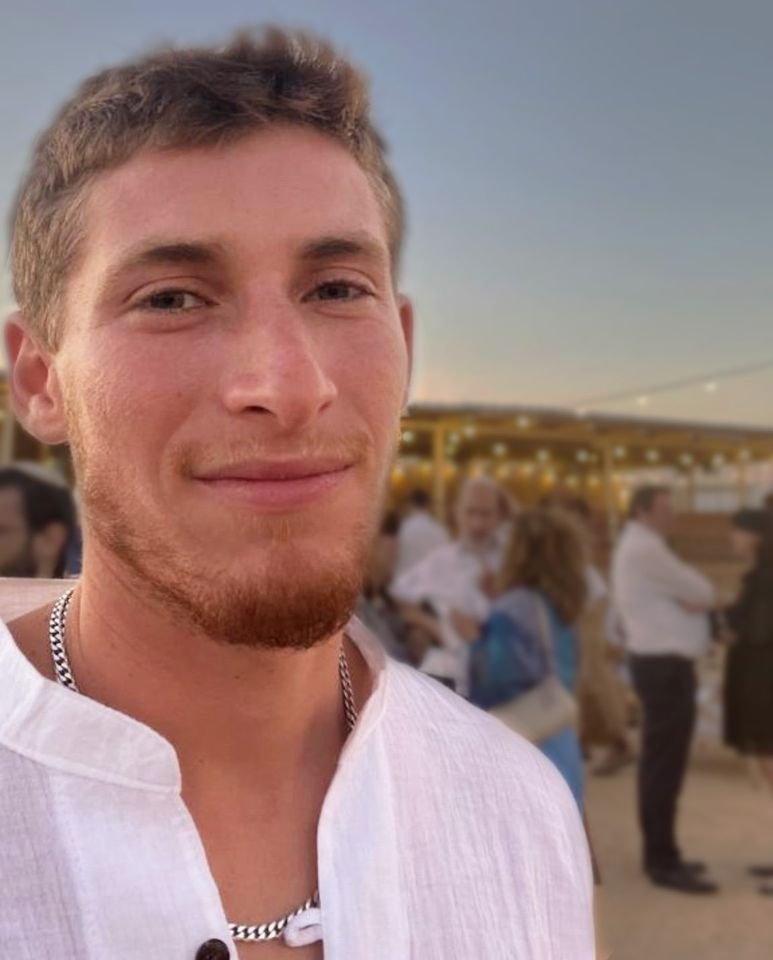
All photographs · 5
Videos and links
In the media
Articles
Videos
- Staff Sergeant Aner Elyakim Shapira, of blessed memory — Zikaron LaChaim
Zohar's Advent Calendars 20 / Vimeo
Memorial sites
Memorial projects
A memorial event at Hansen House on October 4, 2026, included performances and the playing of his song “Half,” produced after his death.
A Russian-language preview article describes the VERSE program at the Jerusalem Arts Campus on August 11–12, 2026, in cooperation with the Aner Shapira association, the Israel Festival and JDC-Israel. The program includes a hackathon for ten artists and ten social organizations in memory of his values; this does not prove that the event actually took place.
His full album “Mehapes Ahava” was launched in Jerusalem in March 2025 in the presence of survivors from the shelter and his family members; progress beyond the album plan documented in pass 1.
His family and friends released the EP Anerchism after his death, including “Sinat Achim” with an additional verse by Shaanan Streett. The 2024 article describes a plan to produce a double album and establish a youth music center; this does not verify that the plans were completed.
Talia established a website displaying and selling Aner’s art and drawings and products based on his work.
A statue in his likeness depicting the story of his heroism was installed in Béziers, France.
Ot.Haim presents the OH AnerShapiro font in three weights, designed by Hila Shchori and Shuki Dayan based on Aner's handwriting.
The Bnei Akiva Arnona branch in Jerusalem is raising funds for a Torah scroll dedication in memory of Aner, a neighborhood resident. The page describes a fundraising target and a planned project; there is no confirmation that the dedication took place.
Stories told about them
During the shiva, the family marked the birthday of his sister Alma early in the morning, before the prayer service. Shira describes the choice as a continuation of the family tradition and a way to keep living alongside the loss.
Aner built a home studio while waiting to enlist because of injuries, and continued making music during his service. On the morning of the attack, he left Nova, took cover in a shelter near Re’im, and stood at the entrance to protect those inside and repel grenades.
Life & service
Burial
Place of rest
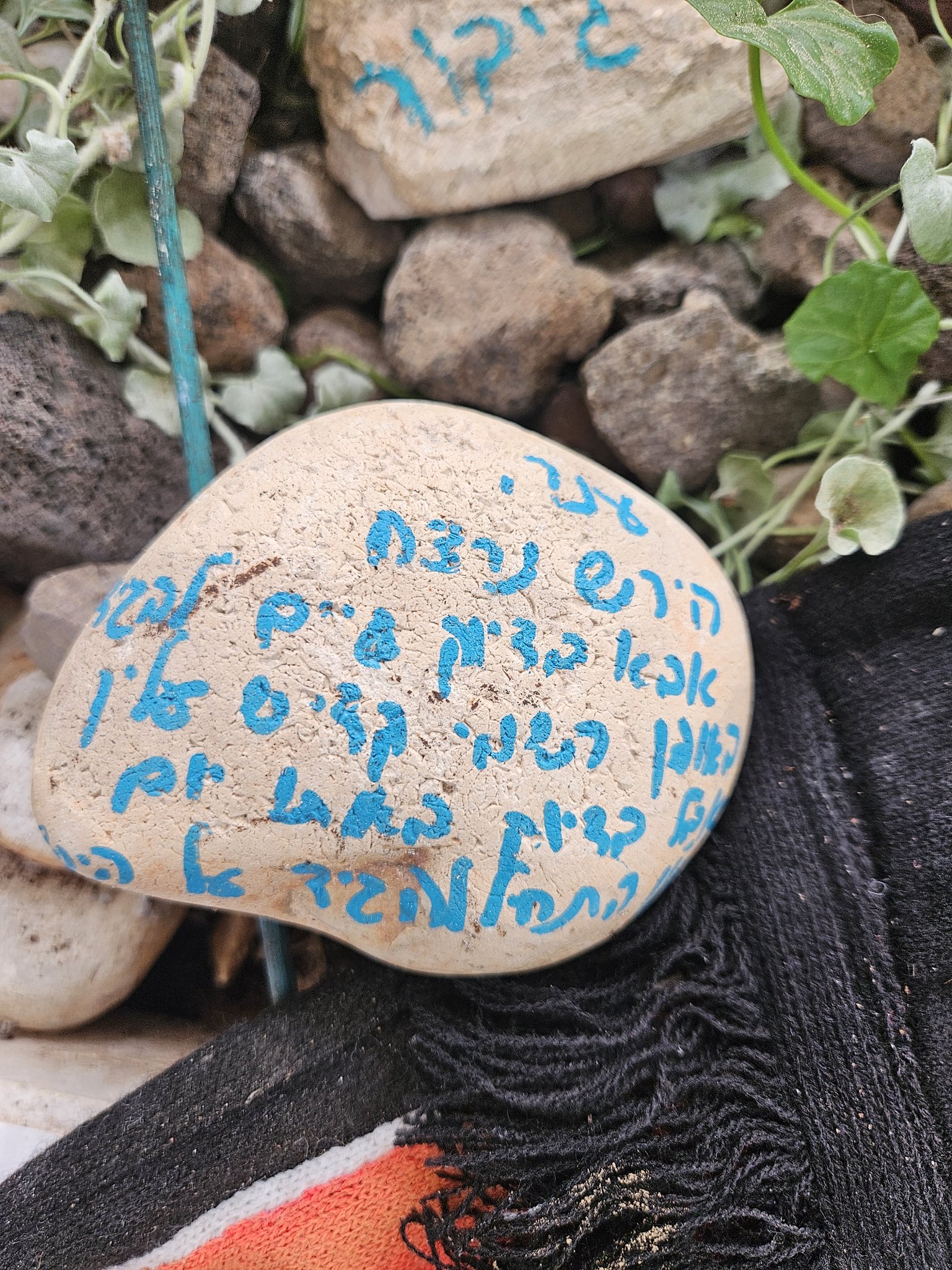
All photographs · 1
Tributes & remembrance
במותם ציוו לנו חיים
נזכור אתכם תמיד
יהי זכרם ברוך
נזכור אתכם תמיד
פורטרט
תודה ענר ותודה להורים שלו שחינכו אותו להיות כל כך אמיץ ומעורר השראה עם ערכים טובים יהי זכרו ברוך
משתתפת בצער המשפחה אני אמא של רסן דביר דוד פימה
חיבוק??דניאלה פימה
גיבור. גיבור אמיתי. עצובה ושמחה שיצא לי ללמוד על הסיפור שלך. מתארת לעצמי כמה כוח ואומץ צריך להיות בבן אדם כמוך. לוקחת את זה רק לתשומת ליבי והלוואי שלי ולאחרים יהיה רק חצי מהרגש והחוזק שיש לך. יהי זכרך ברוך.
יהי זכרו ברוך
שמחה שיצא לי להכיר את הסיפור
ואעביר הלאה
ענר שפירא ז"ל, שהציל 8 איש לפני שנרצח במסיבה ברעים, חי ונשם מוזיקה. ביום השביעי למותו הוציאה משפחתו שיר ראשון מתוך אלבום משיריו. השיר "ג'רוז" על ירושלים, עירו האהובה, נפתח במילים הכל כך מוכרות "אם לא אעלה את ירושלים על ראש שמחתי". ״ענר שפירא מפלוגת עורב של הנח״ל הציל לנו את החיים. מגיע לו צל״ש. הוא היה המלאך השומר שלנו״, כך נכתב באחת מהודעות הניצולים שתיארו את הגבורה שגילה סמל ראשון ענר שפירא. 6 רימונים הצליח ענר שפירא ז"ל להדוף החוצה מתוך המיגונית אליה נמלט ממסיבת הטבע ברעים, עם 30 צעירים וצעירות ועם חברו הרש גולדברג-פולין. מיד התחיל להרגיע את האנשים במיגונית והסביר להם את תוכנית הפעולה – הוא יהדוף את הרימונים שייזרקו אליהם, ואם יקרה לו משהו, ביקש שמישהו אחר יעשה את זה אחריו, ואף הסביר איך לעשות זאת. 6 רימונים הצליח לזרוק בחזרה מתוך המיגונית ולהציל נפשות רבות שהיו איתו שם. הרימון השביעי התפוצץ, ואיתו התנפצו תקוותיו של עלם צעיר ומוכשר – לחיות, ליצור, לחלום. ענר נפצע קשה, וכאשר המחבלים חטפו חלק מיושבי המיגונית לעזה, הותירו אותו מאחור. הרש חברו הטוב נחטף לעזה כשהוא פצוע. בן 22 היה, חודש לפני מועד שחרורו משירות בסיירת הנח"ל, כשהגיעו המחבלים למסיבה ברעים. לאחר שחרורו תכנן לעסוק באהבת חייו – המוזיקה – אותה יצר באולפן הביתי שבבית הוריו. הוא כתב והלחין עשרות שירים: "כל דקה פנויה הוא היה יוצר, במין התמסרות ותשוקה כזאת". לאחר מותו סרקו הוריו את ספריית השירים העשירה שיצר, וגילו גם טקסט שכתב על ילדים מתים בעוטף עזה. את "ג'רוז" כתב על ירושלים, העיר בה גדל ואותה אהב. אותה ואת קבוצת הכדורגל שלה "הפועל ירושלים". את חלומו הגדול, להוציא אלבום משיריו, הוא לא זכה להגשים בעצמו. אבל הוריו הופכים זאת למשימת חייהם – להפיץ את המוזיקה של בנם המוכשר והגיבור. כשהוציאו את השיר הראשון מאלבומו של שפירא ז"ל, כתבו בני משפחתו וחבריו: "מוזיקה תמיד הייתה בענר, ענר תמיד היה עם מילים. בשנתיים האחרונות ענר עמל על תוצר סופי שאותו רצה להוציא, לשתף את העולם בקסם שבליבו, מהטקסטים לביטים. ענר אהב את ירושלים, נשם אותה, חלם אותה, ניגן אותה ודיבר אותה. מתוך תשוקה גדולה, מתוך כאב גדול השאיר אחריו מאות יצירות בכתב, בציור ובמנגינות. בשמחה גדולה מלווה בכאב בלתי נתפס אנחנו נרגשים להוציא את שירו הראשון." להאזנה לשיר לחצו על הקישור שבתגובה הראשונה.
ענר שפירא ז"ל, יפה תואר מלח הארץ , שימך וסיפורך ילך עימי עד יום מותי , גאווה, משתייך לסיירת נח"ל האלופים בעולם, עצוב נשבר הלב על עלם חמודות מלא כישרון ורצון להציל.
עצוב, נוח לך ענר על משכבך בשלום .
יהיי זכרו ברוך. גיבור ישראל.
יהי זיכרו ברוך
יהי זכרו ברוך
גיבור נוח בשלום
נר לענר הי"ד
גיבור ישראל
יהי זיכרו ברוך
איש קדוש ,מלח הארץ!!!! הי"ד
תנצבה גיבור ישראל צדיק
בעזרת ה מחר אני אספר את הסיפור שלך ענר. תודה.
גיבור ישראל, אדם מדהים , יהיה זכרך ברוך!!!
מצדיעים לך!!!
יהי זכרו ברוך לעולם ועד!!!
גיבור ישראל. הי"ד. יהי זכרו ברוך.
גיבור.
בס"ד
לעילוי נשמת ענר, ילד הקטן והחכם שנגע בנו עמוק בליבנו עם והמעשים שלו בסיום השליו הזה בעולמנו.יהיה זכונו לברכה לעד, אמן
ענר הגיבור שלנו
גיבור אמיתי ששמו חקוק בזיכרון כמו שאר הגיבורים מהמלחמה הארורה הזאת .
הלב נישבר פעןם אחר פעם על האבדות הגדולות על הגיבורים האדירים שבזכותם אנחנו עוד פה הם אלו ששומרים עלינו .
תודה לך ותודה לעוד גיבורים כמוך . הי"ד
ת.נ.צ.ב.ה
עם ישראל חי
גיבור ישראל!
ענר אתה גיבור ישראל.בזכותך ניצלו הרבה אנשים במיגונית המוות.
בידיך ידי הזהב שלך השלכת מהמגונית 7 רימונים ו ב-8 הרג אותך.
תנוח על משכבך בשלום.ותן נחמה להוריך ואחיך
ילד אהוב
אתה גיבור
סיפור הגבורה שלך הוא בלתי נתפס.. תודה מכולנו, גיבור על!
בליבנו תמיד
גיבור ישראל
עלם חמודות
סיפור גבורתך יסופר לדורי דורות
אחד האנשים שנחרטו בליבי מבלי להכיר
יהי זכרך ברוך לעד
ענר לא הספיק להיפרד.
"הוא בכלל לא היה בתודעה של להיפרד. הוא היה בתודעה של לחימה. הוא היה כל הזמן בעשייה. שאלנו את אחד הניצולים שהיה לידו אם היה לו פחד בעיניים אבל נאמר לנו ששום דבר, הוא היה מפוקס, חדור מטרה. הוא כן אמר להם שאם יקרה לו משהו, שמישהו יחליף אותו. אבל זה לא היה מתוך תודעת פרידה".
שירה: "בן אדם שעומד בכניסה למיגונית, כמו שהוא עמד, יכול לקחת את הטלפון ולהיפרד? הוא נלחם".
הרגע שבו ענר עמד בכניסה למיגונית, כשכולם מסתתרים מאחוריו, תועד והפך לתמונה איקונית. בתמונה מבחינים בשני כיתובים על קיר המיגונית: "אזור לא מוגן" ו"אזור מוגן", והאופן שבו הם מחלקים את התמונה הופך סימבולי וממשי ומתאר את שאירע שם. משה: "זאת תמונה שקיבלנו מאיתמר, שניצל מהמיגונית, הוא הביא לנו אותה שבוע אחרי השבעה. מבחינתנו היא חזקה יותר מתיעוד הרימונים העפים. למרות שמההתחלה אמרתי שיש לנו חסד של אמת".
לכתבה המלאה כנסו:
הוריו של גיבור ישראל ענר שפירא הציבו את תמונתו האחרונה בסלון ביתם בירושלים.
עומד זקוף כשכולם שפופים, הודף רימונים בידיים חשופות, מציל אנשים רבים שלא הכיר ברגעיו האחרונים.
אבל מה שהכי תפס אותי כאן זו דווקא שפת הגוף של ההורים עצמם, שירה ומשה. תראו את העמידה הזו:
הם לא נראים כמו 'הורים שכולים'.
הם עומדים ליד תמונת בנם כמו זוג אמנים בסטודיו, מציגים בגאווה את יצירת המופת של חייהם.
https://www.facebook.com/search/top/?q=%D7%A2%D7%A0%D7%A8%20%D7%A9%D7%A4%D7%99%D7%A8%D7%90
ענר שפירא ז"ל, שהציל 8 איש לפני שנרצח במסיבה ברעים, חי ונשם מוזיקה. ביום השביעי למותו הוציאה משפחתו שיר ראשון מתוך אלבום משיריו. השיר "ג'רוז" על ירושלים, עירו האהובה, נפתח במילים הכל כך מוכרות "אם לא אעלה את ירושלים על ראש שמחתי".
״ענר שפירא מפלוגת עורב של הנח״ל הציל לנו את החיים. מגיע לו צל״ש. הוא היה המלאך השומר שלנו״, כך נכתב באחת מהודעות הניצולים שתיארו את הגבורה שגילה סמל ראשון ענר שפירא.
6 רימונים הצליח ענר שפירא ז"ל להדוף החוצה מתוך המיגונית אליה נמלט ממסיבת הטבע ברעים, עם 30 צעירים וצעירות ועם חברו הרש גולדברג-פולין. מיד התחיל להרגיע את האנשים במיגונית והסביר להם את תוכנית הפעולה – הוא יהדוף את הרימונים שייזרקו אליהם, ואם יקרה לו משהו, ביקש שמישהו אחר יעשה את זה אחריו, ואף הסביר איך לעשות זאת.
6 רימונים הצליח לזרוק בחזרה מתוך המיגונית ולהציל נפשות רבות שהיו איתו שם. הרימון השביעי התפוצץ, ואיתו התנפצו תקוותיו של עלם צעיר ומוכשר – לחיות, ליצור, לחלום. הרש חברו הטוב נחטף לעזה כשהוא פצוע.
בן 22 היה, חודש לפני מועד שחרורו משירות בסיירת הנח"ל, כשהגיעו המחבלים למסיבה ברעים. לאחר שחרורו תכנן לעסוק באהבת חייו – המוזיקה – אותה יצר באולפן הביתי שבבית הוריו. את "ג'רוז" כתב על ירושלים, העיר בה גדל ואותה אהב (אותה ואת קבוצת הכדורגל שלה "הפועל ירושלים).
אני מזמין אתכם לכבד את ענר בהאזנה לשיר שהספיק להוציא בחייו הקצרים מדי, ויהי זכרו ברוך:
משה, אביו של ענר שפירא ז"ל: "אין צד פרטי, אי אפשר לנתק את האישי ממה שקורה במדינה"
בשבת השחורה של ה-7/10, ענר שפירא הפך לסוג של גיבור לאומי, כשלחם בידיים חשופות מול מחבלי החמאס במיגונים הדמים בסמוך לרעים. כיום, במרחק שנה אחרי, אביו משה מתקשה לנתק את האירועים מסביב ולשקוע באובדן האישי: "עברה שנה, אבל אנחנו עדיין בעיצומו של האירוע - אנחנו בשבעה מתמשכת בהרבה היבטים"
את השם ענר שפירא אין אחד שלא מכיר. הוא הפך, בעל כורחו, לאחד מסמלי המלחמה הארורה. והוא בכלל לא כזה. אמנם כן, הוא לוחם ללא חת, כפי שחזו כולם במיגונית המוות בשבת השחורה של שמחת תורה. הוא היה לוחם בנח"ל בחופשת שחרור, כשנקלע ביחד עם חברו הטוב הירש גולדברג-פולין ז"ל, למיגונית אחרי שבילו במסיבת הטבע 'נובה' ברעים.
הילד מארנונה, שלמד במגמת מוזיקה בבית הספר הימלפרב, הפך כאמור לגיבור על. סופרמן אנושי, אחרי שבידיים חשופות נלחם על החיים של העשרות שהצטופפו במיגונית והחזיר לא פחות מ-7 רימונים חיי שהשליכו פנימה המחבלים בני הבליעל.
העדויות על גבורתו של ענר מגיעות מכל עבר, מסוג הסיפורים שיהפכו למיתוסים ועוד ילמדו רבות על מעשיו בעתיד הקרוב והרחוק. במעשיו, כאמור, הוא הציל רבים שהצליחו לשרוד את הטבח במיגונית, כולל חברו הטוב הירש, שנפצע באורח קשה (איבד את ידו), נחטף לעזה ונרצח על ידי המחבלים במנהרות ברפיח לפני כחודש.
לא רק שמו של ענר הפך לשגור כמעט בכל בית. גם אביו, משה שפירא, הפך לדמות בולטת. הוא מרבה לפרסם קריקטורות ברשתות החברתיות, מרבה לדבר על ענר, עסוק בהנצחתו – כמו למשל השירים פרי עטו של ענר שפורסמו לפני מספר חודשים וניתן לשמוע את חלקם בפלייליסטים השונים של תחנות הרדיו – וגם לקח חלק פעיל בהפגנות למען החטופים והחטופות בעזה. בקריאה לשחרורם.
כעת, בציון שנה למתקפה הרצחנית בשמחת תורהה, שוחח "כל העיר" עם משה שפירא, שמסכם את השנה הקשה ביותר בחייו, וגם את זו הקשה ביותר של מדינת ישראל. "עברה שנה, אבל אנחנו עדיין בעיצומו של האירוע – יש לנו שבעה מתמשכת בהרבה היבטים", אומר שפירא, אדריכל במקצועו, שממשיך ומשתף את התחושות הקשות: "אנחנו עם שלם באבל, יש חטופים שלא חזרו, תושבים עקורים, מלחמה בצפון, משפחות שכולות שלא מפסיקות להתווסף מדי שבוע למעגל הגדול מדי הזה. אנחנו לא רואים את האופק. במובן הזה יש תחושה של שבעה ארוכה, אין שגרה בריאה".
וברמה האישית?
"אין צד פרטי ואין צד ציבורי. אי אפשר להתאבל באופן אישי, אי אפשר לעשות חלוקה כזאת ולנתק את האישי ממה שקורה לנו במדינה. אנחנו עדיין באירוע, אין אפשרות להסתכל על זה מהצד. אין לנו פרספקטיבה אחרת, המצב הנוכחי באמת קשה לכולם. לא מזמן קיבלנו את הבשורה הנוראית על הירצחו של הירש, חברו הטוב של ענר. הכל מתחבר אחד בשני".
***
ואכן – הסיפור של ענר והירש הוא חצי סיפור, מסיפור שלם של שני חברים טובים שרק רצו להנות במסיבה ביחד. כמעט שנה עברה מאז נפילתו של ענר ז"ל, לוחם בפלוגת עורב של סיירת הנח"ל שהיה חודש לפני שחרור, לבין הירצחו של הירש ז"ל בשבי החמאס.
"הירש היה בן בית אצלנו", מציין משה שפירא ומוסיף, "הם היו חבורה של 5 בנים ו-2 בנות. חברים מהתיכון. כשענר נעדר תחילה, החברים שלו רצו בין הבתים וליוו אותנו. הם ממש גרו אצלנו. כשהחלו שמועות שאולי הירש נרצח, הם שוב רצו מהבית שלנו לבית של הוריו של הירש. ג'ון, אבא של הירש שלח לנו הודעה לפנות בוקר, והדבר הכי מדהים שהוא שאל, איפה נמצא אחד החברים שהיה חבר ממש טוב של ענר והירש. גם ברגעים הקשים הוא חשב על האחר. המשפחות מחוברות, היינו איתם המון בשבעה. זה אירוע שטלטל את המשפחה שלנו והחזיר אותנו אחורה".
לקריאת הכתבה המלאה כנסו:
בעוד מספר ימים, ביום העשירי של חודש תשרי, יחול יום הכיפורים. ביום הזה, כפי שכולנו מכירים, אנחנו נמנעים מאכילה ושתייה ומרבים בוידוי ותפילה. על פי חז״ל זהו יום חשוב של חשבון נפש, תפילה וסליחה. יום שנועד לכפר על חטאי ועוונות העם.
על פי המסורת של בית ישראל, יהודי אתיופיה, אנחנו לא צמים ומתענים על החטאים והעוונות שלנו ביחס לאל אלא על החטא של האחים במכירת יוסף. יום הכיפורים, אסתראי, זה היום שהאחים הראו את כתונת הפסים של יוסף טבולה בדם ליעקב אביהם. מאז, במשך אלפי שנים, מדי שנה ושנה, אנחנו מנסים לכפר על שנאת האחים והמעשה הנורא שהאחים עוללו ליוסף אחיהם. על המשך הסיפור, הגלות והשיעבוד במצרים, אין צורך להרחיב.
ענר שפירא, בדומה לתפיסה של בית ישראל, מבקש להתריע ולהזהיר מפני השנאה שמקלקלת את השורה. אותה שנאה ששלחה אותנו לגלות היא זו שמתדלקת דעות קדומות ועוינות, קנאה ורגשות איבה, עימותים ואלימות ולבסוף גם לפירוק התשתית החברתית. בחלוף שנה לאסון השביעי באוקטובר כדאי שנטה אוזן לבקשתו של ענר שפירא, נחשוב על הקורבנות, נתפלל למען החטופים והשבויים, נלמד מהעבר, נשנא פחות, נאהב יותר ונבנה עתיד בטוח יותר.
למענם, למעננו!
https://www.facebook.com/search/top/?q=%D7%A2%D7%A0%D7%A8%20%D7%A9%D7%A4%D7%99%D7%A8%D7%90
Harrowing documentary to screen in BBC2 Storyville slot on 26 September
The tormented faces of the young survivors of the Nova festival massacre last October stay with the viewer, long after the conclusion of Yariv Mozer’s painful and powerful film, Surviving October 7th: We Will Dance Again.
Scheduled to be screened in the prime time Storyville strand on BBC2 on September 26, the film tracks the joy of the young, peace-loving party-goers as the music festival begins. And then the sun rises on the morning of October 7, and the celebrants see what they initially think are fireworks on the horizon.
But of course, these are not fireworks, but Hamas rockets, the harbinger of pure evil.
https://www.jewishnews.co.uk/moments-from-hell-nova-festival-horrors-to-be-shown-on-bbc/
״ענר שפירא מפלוגת עורב של הנח״ל הציל לנו את החיים. מגיע לו צל״ש. הוא היה המלאך השומר שלנו״.
כך נכתב באחת מהודעות הניצולים שתיארו את הגבורה שגילה סמל ראשון ענר שפירא בתופת המסיבה ברעים. על פי עדויות נוספות ״ענר הציל חצי מהאנשים במיגונית, כשזרק החוצה את רוב הרימונים שהושלכו אלינו״.
ענר בן ה-23 גדל בארנונה. בשנתיים האחרונות התאהב ביציע, במועדון ובקהילה, והפך לבן בית בהפועל ירושלים. הכאב בלתי נתפס. יהי זכרך ברוך, כולנו מצדיעים לך.
https://www.facebook.com/photo.php?fbid=896088085257893&id=100045701300096&set=a.829988465201189
Aner Shapira never dreamed of becoming a tragic hero. He was a creative artist, a musician, composer, and a writer starting to find his way in the world. In notebooks, on scattered pages, or in computer files – his work filled his home. But he never got to show it to the world. “If I die, publish this,” he wrote to his family, and since his heroic death on October 7, they’ve been doing just that, working to tell not just the story of Aner’s death, but also the story of his life’s work: an album of his songs was released months after his death, and another is on the way.
The young man’s head rests on the window pane. It’s raining outside, but he doesn’t see the drops pouring on the glass beside his cheek, nor does he hear the groan of wheels on broken asphalt as the bus makes the long way north. Large headphones cover his ears, and he is busy with his phone. He isn’t idly scrolling through social media posts, he’s writing. Fragments of thoughts, shards of his soul being formed into words. This is his art. His songs.
He is young, but he already has great dreams of the musician he wants to become in the future.
*
Aner Elyakim Shapira was born and raised in Jerusalem by a family with deep Zionist roots, the eldest of seven children born to Moshe and Shira.
He was born on the 17th of the Jewish month of Adar, which was also the birthday of his grandfather – Haim-Moshe Shapira, one of the leaders of the religious Zionist Mizrahi party and a signatory to Israel’s Declaration of Independence. In an unsettling coincidence, his great-grandfather was seriously injured by a grenade thrown into the Knesset building, the same month that Aner was killed by a grenade on October 7, 67 years later.
Already as a small child, Aner was creating and writing. In those early years, he wrote stories rather than songs: piles of notebooks filled with imagination and hair-raising tales of monsters and dragons, accompanied by lively illustrations. He also played classical piano from the age of six and was exposed to the works of the great composers.
A bit later on, during his early adolescence, Aner began to combine his creative imagination with his musical talent. This is when he found his way into the world of hip-hop and rap. The youth possessed a serious mind, walking this earth with a sense of justice and social awareness which burned within him. Having been exposed to entirely different types of music at home, Aner discovered that this musical genre, with its biting social commentary, fit him like a glove.
When he enlisted in the army, he dreamed of serving in the IDF’s elite Sayeret Matkal unit, but was wounded during tryouts. Twice. The injuries led to a year and a half of rehabilitation at home. During this period, he bought recording equipment, researched how to build a home studio and then proceeded to build one for himself. He started recording the texts he wrote and composed using his own voice, and also began to dream and plan how he would one day release them.
Alongside music, Aner continued to work on drawing and art, designing a logo and a visual language for himself which was meant to accompany his future music career.
On October 6, 2023, on the eve of Simchat Torah, Aner – then a soldier in the Nahal Brigade’s Orev Company, came home for holiday leave. After the family holiday dinner, he joined a group of friends, including his good friend Hersh Goldberg-Polin, and made his way to the Nova festival – a dance rave being held near Kibbutz Re’im.
When the attack began, he got a phone call from his army commander – it’s war, come quickly. Aner gathered his friends and they left the rave, but then came under heavy fire while on the road to Re’im, which would later become known as the “road of death.” Then they stopped and entered a public bomb shelter placed beside a bus stop, which already contained almost 30 other young people.
Hours later, most of these panicked young men and women were murdered. Three of them, including his good friend Hersh, who was wounded by the grenade which killed Aner, were taken captive to the Gaza Strip.
But in the meantime, as they huddled in fear in the small space, terrified at the sounds of shooting and shouting in Arabic, Aner took charge. He stood at the entrance, with a broken bottle as his improvised means of defense, and tried to calm the terrified people around him. “I’m in the army,” he said, penetrating the fog of anxiety behind him, “I spoke with my commander, and they’re on their way.”
He explained to them very simply, as though he was doing something entirely routine, what he was going to do: When the terrorists throw the grenades inside, I will grab them and throw them back out. If something happens to me, someone else will have to do it instead of me. A picture that was published later on shows people lying on the ground, protecting their heads with their hands, with Aner standing tall and waiting for whatever comes.
He managed to throw back seven grenades with his bare, stable hands. The eighth took his life.
Aner left behind hundreds of texts and dozens of recorded songs at various stages of completion and production. These were complex, sensitive, soul-baring texts. In them, he never spared himself or the world any criticism, but he also imbued these writings with hope and faith.
Aner never admired anyone blindly, but he greatly appreciated art itself. In his work, he drew from an enormous range of influences and inspirations. His songs, full of intelligence and wordplay, contain a heartening and amazing mixture of musical, cultural, and historical references from a range of genres and periods – Psalms alongside Jerusalem hip-hop slang, classical French composers alongside sentences like “children in the [Gaza] Perimeter, in the shelter on their butts.”
Among the songs he left behind, his parents found a simple sentence which became his will and testament: “If I die, publish this.”
The first single to be released was Jerus, just weeks after his death. This is a song entirely devoted to the city which was Aner’s great love, Jerusalem.
בסרטון שעלה לרשת לפני עשור, עת היו השלושה יחד בכיתה ז בחטיבת הביניים, הם נראים במהלך טקס אמירת משניות שהכיתה למדה בעל פה. בסרטון, נראים השלושה צמודים זה אל זה בזמן אמירת הפרקים. שלושה בוגרים נוספים איבד כאמור בית הספר במהלך המלחמה: סגן אריאל רייך, סמ"ר שחר פרידמן, סמ"ר דביר ברזני ז"ל וסמ"ר אוריה איימלק גושן ז"ל.
https://www.kipa.co.il/%D7%97%D7%93%D7%A9%D7%95%D7%AA/1188497-0/
כשאימא אמרה שנוסעים לקבר של ענר, חייכתי חיוך ענק": הצוואה של ענר שפירא, גיבור המיגונית, הפכה לדואט עם אחותו בת ה-8
Inauguration à #Béziers du buste d’Aner Shapira, soldat de la brigade Nahal d’#Israel, décédé lors de l’attaque du #Hamas le 7 octobre 2023
Translated from French by
Inauguration at #Béziers of the bust of Aner Shapira, soldier of the Nahal brigade of #Israel , who died during the attack of #Hamas on October 7, 2023
בקור רוח מדהים, מנהיגות ראויה להערצה ונחישות בלתי נתפסת, ענר ז"ל הגן על ישראלים רבים בסביבותו. הוא עמד זקוף ודרוך בפתח עם סכין מאולתרת משברי בקבוק בירה, כאשר יתר אנשי המיגונית נשכבו וכך מנע את כניסת המחבלים למיגונית.
מחבלים, שפחדו להכנס, החלו לזרוק רימונים למיגונית. ענר עוד הספיק לתדרך את אנשי המיגונית כי ינסה לתפוס ולזרוק רימונים ובאם יפצע ביקש כי ימשיכו. וכך ללא חשש ובידיים חשופות הוא השליך 7 רימונים אחד אחרי השני החוצה לעבר המחבלים. הרימון ה-8 התפוצץ בידיו והוא נפל חלל.
ניצולי המיגונית ההיא סיפרו כיצד נוכחותו של ענר השרתה עליהם רוגע ברגעים האיומים ההם. הם, שחבים לו את חייהם, היו אלה שהעבירו את פרטי סיפור גבורתו. צילומים וסרטים מהשטח הוכיחו את אמיתות העדויות לכל העולם. אנחנו נמשיך ונספר ונזכור אותו לתמיד.
ידידי האמן והפסל Arik Weiss הגיע לביתנו היום עם רעיונות עיצוביים להנצחת ה7.10
אריק אמן הפיסול באותיות חשב אתמול איך להנציח את ענר והיום (יום הולדתו של אריק )
ניגש לסטודיו ופיסל את היצירה הנפלאה הזו ע+נר ובא הערב להביא לנו אותה
אריק יקר ריגשת אותנו מאוד מזל טוב לך שתמשיך להפליא ביצירותייך עוד שנים ארוכות וטובות🙏🙏
https://www.facebook.com/search/top/?q=%D7%A2%D7%A0%D7%A8%20%D7%A9%D7%A4%D7%99%D7%A8%D7%90
To take this fateful hour we find ourselves in and turn it into an hour of purpose
Source:ערוץ 7
Read the Hebrew original
לקחת את שעת הגורל הזו שאנחנו נמצאים בה ולהפוך אותה לשעת ייעוד
He repelled 10–11 grenades, two of them after being hit by an RPG — his heroism is beyond comprehension
Source:גלי צה״ל / Omny
Read the Hebrew original
הוא הדף 10-11 רימונים, שניים מהם לאחר שנפגע מ-RPG - הגבורה שלו בלתי נתפסת
A musician, a painter, an athlete, a man of letters, a poet, a man of justice and love for people. So many qualities in one person, so much modesty.
Source:עמותת הנח״ל
Read the Hebrew original
מוזיקאי, צייר, ספורטאי, איש ספר, משורר, איש צדק ואהבת אדם. כמה איכויות יש באיש אחד, כמה צניעות.
Words were your home.
Source:עמותת הנח״ל
Read the Hebrew original
המילים היו הבית שלך.
Aner truly believed it was a duty to fight against hatred and division among our people,
Source:ynetnews
A Jerusalem boy
Source:N12
Read the Hebrew original
ילד ירושלמי
And he catches him
Source:N12
Read the Hebrew original
והוא תופס אותו
And I see heroism
Source:N12
Read the Hebrew original
ואני רואה גבורה
So much to say
Source:N12
Read the Hebrew original
מלא מה לומר
Music was his soul
Source:N12
Read the Hebrew original
המוזיקה זאת הייתה הנשמה שלו
Always.
Source:N12
Read the Hebrew original
תמיד.
We loved Aner.
Source:N12
Read the Hebrew original
אהבנו את ענר.
I have never done a duet
Source:N12
Read the Hebrew original
אף פעם לא עשיתי דואט
The decision was intuitive.
Source:פנימה
Read the Hebrew original
ההחלטה הייתה אינטואיטיבית.
We have taken his values, and they will live forever.
Source:Сегодня
Music is forever, and it allows us to continue hearing your voice
Source:The Times of Israel
Remembrance Day addresses
יום הזיכרון לחללי מערכות ישראל התשפ"ה – 2025
בכל יום שעובר, אזכור יותר! אזכור, את אלו שיצאו עימי לקרב ולא שבו, ולהם אין מי ידמה ומי ישווה. אזכור, שהכאב לא יעבור לעולם, והזמן, הוא לא מרפה ולא מרפא. אזכור, את שיברון הלב הגובר ואת הבית שבוער. אזכור, את צדקת הדרך, ואשבע שוב, שמה שהיה לא יהיה יותר. אזכור, שיותר מכל דבר אחר – אני חסר! ביום הזה, אני נתקף געגוע לדמותם, לחיתוך דיבורם, לחיוכם, ומדליק נר לזיכרון דרכם ומורשתם!
משרד הביטחון
אגף משפחות, הנצחה ומורשת
יום הזיכרון לחללי מערכות ישראל התשפ"ה – 2025
בכאב, בהצדעה ובתקווה אני מתכבד להדליק נר זיכרון זה. השנה, כשאנו נלחמים במלחמה ארוכה, רב זירתית וצודקת, הזיכרון נושא משמעות עמוקה. ביום זה נעצור ונתייחד עם זכרם של טובי בנינו ובנותינו שנפלו בהגנה על המדינה. מורשתם היא המצפן שמתווה את דרכינו, והיא המעניקה לנו כוח להמשיך ולהגן על מדינת ישראל ותושביה. משפחות יקרות, אנו מרכינים ראשנו ומתחייבים שנעמוד לצידכן תמיד. יהי זכר הנופלים ברוך.
אלוף דדו בר כליפא
ראש אגף כוח האדם, צה"ל
יום הזיכרון לחללי מערכות ישראל התשפ"ה – 2025
בשעה שאנו זוכרים את גודל תרומתם ועומק מסירות נפשם של טובי בנינו ובנותינו, נופלי מערכות ישראל לדורותיהן, ממשיכים צה"ל וכוחות הביטחון במימוש המשימה למענה לחמו ועבורה נפלו: הכרעת אויבינו מדרום, מצפון, ביהודה ובשומרון, וגם בזירות רחוקות יותר. בהערכה רבה ובגאווה אדירה אנו מרכינים ראש בפני הנופלים והנופלות, מאמצים את משפחותיהם אל לבנו, וממשיכים במשימה להבטחת קיומה של ישראל לדורי דורות. יחד נעשה ונצליח.
רב אלוף אייל זמיר
הרמטכ"ל, צה"ל
יום הזיכרון לחללי מערכות ישראל התשפ"ד – 2024
כאשר דגלינו מורדים לחצי התורן וראשינו מורכנים לזכר הנופלים והנופלות במערכות ישראל, ממשיכים לוחמי צה"ל ומפקדיו בלחימה בדרום, בצפון, ביהודה ובשומרון ובזירות נוספות. על כל דור מוטלת המשימה של הגנת העם והארץ – משימה שאף פעם אינה פוסקת. נצדיע בגעגוע ובגאווה לנופלים ולנופלות, נחבק את משפחותיהם, ונמשיך ברוח הציווי שהותירו לנו. עם ישראל חי.
רב ניצב יעקב שבתאי
המפקח הכללי, משטרת ישראל
יום הזיכרון לחללי מערכות ישראל התשפ"ד – 2024
אחיי הנופלים, כל נר הוא זיכרון יחיד ומיוחד, על חיים שהיו ואינם, געגוע שנצרב עמוק בלב, עולם ומלואו. הנרות כולם הם זיכרון של אומה כי לעולם לא עוד, בשורת הציונות וקוממיות ישראל. זיכרון כי הדרך לעם חופשי בארצנו עוברת דרך מסדר הנופלים. אור הנר יזכיר לנו את מסירות נפשכם להציל חיים, להגן על הבית. הנרות מסמנים לנו נתיב גבורה ערכי מחייב שאנו מצווים ללכת לאורו. נמשיך להילחם ולהוסיף אור מתוך אמונה בנצח ישראל.
יואב גלנט
שר הביטחון
יום הזיכרון לחללי מערכות ישראל התשפ"ד – 2024
בהצדעה ובכאב, בשם צה"ל כולו, אני מדליק נר זיכרון. בעיצומה של מלחמה, הזכרון נושא משמעות יום-יומית, שעבר והווה מתלכדים בה. לאורם של הנופלים נמשיך לצעוד, חיילי הסדיר והמילואים. לאורם של הנופלים נמשיך להגן על ארצנו ועל מולדתנו, גם כשהמחיר כבד. להבת-הזכרון תבער בנו בעודנו ממשיכים להלחם ונזכור את הנופלים ואת אומץ ליבם. משפחות יקרות, צה"ל מרכין היום ראש, מצדיע לכן וכואב איתכן. יהי זכר הנופלים ברוך.
אלוף יניב עשור
ראש אגף כוח האדם, צה"ל
יום הזיכרון לחללי מערכות ישראל התשפ"ד – 2024
בהוקרה, בגאווה ובכאב שאין לו סוף, אני מתכבד להדליק נר לזכרם של הנופלים והנופלות במערכות ישראל. סיפור חייהם בארץ הזאת, מסכת שירותם, גבורתם והקרבתם – הם סיפורה של הארץ הזאת, אך גם סיפור המחיר הכבד שהיא תובעת מאוהביה. מחויבותנו לזכר הנופלים ולדרך שהותירו לנו ניצבת תמיד לנגד עינינו. את המשימה שלא זכו להשלים, משלימים כיום, וישלימו, אנשי כוחות הביטחון, הממשיכים בדרכם ולאורם. יהי זכרם של הנופלים ברוך.
משרד הביטחון
אגף משפחות, הנצחה ומורשת
יום הזיכרון לחללי מערכות ישראל התשפ"ד – 2024
בחרדת קודש אני מתכבד להדליק נר לזכרם של חללי מערכות ישראל, חברנו שנפלו, מראשית היציאה מהחומות ולאורך כל שנות עצמאותנו המדינית והציונית, מהווים תמרור זיכרון לדרך חיינו ולמחוייבות הלאומית להנצחת זכרם. דרכם נותרה דרכנו ומורשתם נר להמשך עשייתנו. יהי זכרם ברוך!
בני גנץ
שר הביטחון
יום הזיכרון לחללי מערכות ישראל
נזכור אותם, כולנו יחד. כל אחד ואחת מהם, מדי יום ביומו, והיום ביתר שאת, כך – לנצח. "כי מדי דברי בו זכור אזכרנו עוד"
משרד הביטחון
אגף משפחות, הנצחה ומורשת