
The story
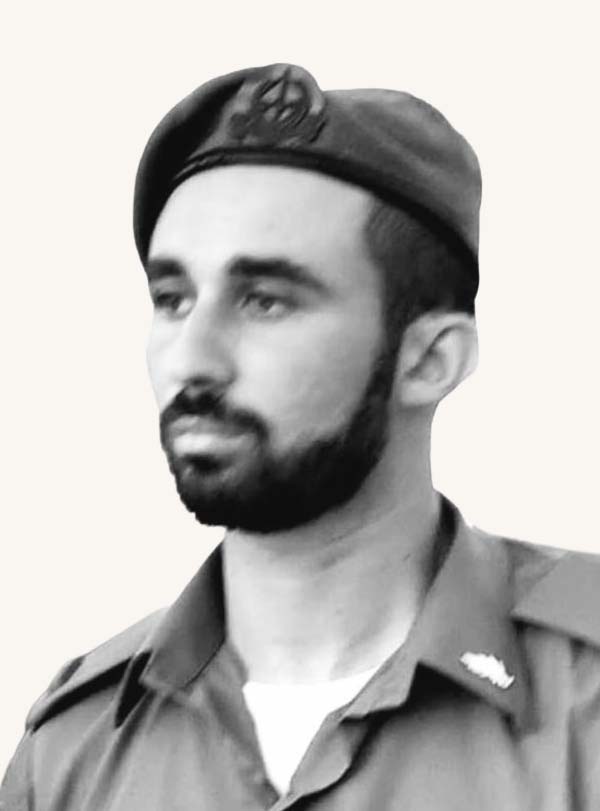
In Yanuh-Jat, a small Druze village nestled between the verdant ridges of the Galilee, where ancient olive trees, their roots deeply anchored in the rocky soil, stood as silent sentinels, Amir Saad was born on the sixteenth day of Tammuz, 5763, which corresponded to July 15, 2003. The mid-summer sun, a warm, golden presence, flooded the rooms of Hala and Oved’s home, and the air, thick with the scents of jasmine and thyme from the small garden that kissed the entrance path, promised a season of growth and vibrant life. Amir was the second child in the family, a younger brother to Ayham, who already scampered through the house on quick, tiny feet, and his arrival filled their lives with a new kind of laughter, a quiet sense of wonder, and a rhythm that shifted, subtly yet profoundly. Hala, his mother, remembered vividly the immediate rush of closeness, the soft weight of his body against her chest, and the sweet, innocent scent of a newborn. Oved, his father, would often sit for hours by the cradle, observing the delicate features of his youngest son’s face, even then imagining the long and winding path that would unfold before him. Their home was the pulsating heart of a large, extended family, one where the door was always open, where the echoes of conversation and laughter resonated between the stone walls, and the rich aroma of home-cooked meals drifted through the air, an unspoken invitation to all who passed by.
Amir grew into an intensely curious child, his small feet seemingly incapable of stillness. He loved to wander the dusty paths of the village, often hand-in-hand with Ayham, their shared adventures involving chasing iridescent beetles or attempting to scale the low fences of their neighbors to pluck ripe, sweet figs directly from the branches. More than just an explorer, he was a child who loved to observe. He could spend long, quiet hours in the courtyard, utterly absorbed, watching ants meticulously gather crumbs, or birds meticulously building their intricate nests in the leafy branches of the mulberry tree. His curiosity, however, wasn't confined to the natural world; he possessed an innate desire to dismantle things, to peer into their inner workings and understand their mechanisms. Old toys, broken watches, small electrical appliances – all of these would find their way into his small, capable hands, taken apart with focused determination. And often, they would be reassembled, though not always with complete success, yet always with a bright sparkle in his eyes and an unyielding desire to grasp the mechanics behind the visible surface. Oved, his father, a man of working hands himself, recognized this nascent spark of ingenuity and would often provide him with miniature tools and spare parts, gently encouraging him to learn and explore. "You see, Amir," Oved would say in his quiet, steady voice, "anything broken can be fixed, if you only understand how it works and are willing to invest your time and effort." Ayham, the older brother, would sometimes join Amir on these voyages of mechanical discovery, and at other times, he would grow a little exasperated by his younger brother's stubborn refusal to abandon a mechanical puzzle until he had unraveled its secrets. Between them, a relationship of deep brotherhood was forged, one that encompassed both the small, passionate arguments over who would get the last doll and the perfect, synchronized cooperation in improvised football games on the asphalt patch near the school.
At the elementary school in Yanuh-Jat, Amir stood out not only for his keen intelligence and insatiable curiosity but also for his genuinely good spirit and his remarkable ability to connect with people from all walks of life. The teachers adored his wide, open smile and his unwavering willingness to extend a helping hand to his classmates. He was one of those rare children who were always ready to share their lunch sandwich, to patiently explain a difficult concept to a struggling friend, or simply to listen with genuine empathy. His friends felt an immediate sense of ease and comfort in his presence; there was something in his quiet inner calm and self-assuredness that radiated trustworthiness. He was never boastful, never sought the center of attention, but when he spoke, everyone instinctively listened. He possessed an uncanny ability to recall small, seemingly insignificant details about his friends – he knew whose birthday was coming up and when, and he would always inquire about the well-being of their family members. This deep-seated consideration was an integral part of the upbringing he received at home, rooted in the profound importance of community, the intricate web of connections woven between people, and the inherent value of every individual, regardless of their background. Hala often used to tell him: "Amir, always remember – respect for a person, simply because they are a person, is the fundamental key to a good and meaningful life." And Amir internalized this wisdom, not as a mere slogan, but as a living, breathing philosophy that guided his every interaction. He loved his village deeply – its tranquil quietude, its familiar, comforting smells that lingered in the air, the recognizable faces he encountered at every turn. He understood himself to be an inseparable part of this delicate, interconnected fabric, and he felt a profound sense of responsibility towards it. Surrounded by the warm and supportive Druze community, he was imbued with a strong sense of belonging, absorbing values of unwavering loyalty to family, to his village, and to the state, alongside a deep reverence for elders and an open acceptance of others. He avidly absorbed the stories of past heroism, of steadfast resilience in the face of daunting challenges, and of an unyielding commitment to their shared heritage.
The years of adolescence brought with them inevitable changes, but they did not alter the fundamental core of Amir's being. He grew taller, his voice deepened into a resonant baritone, and he began to develop a much greater interest in sports, particularly football, where he demonstrated impressive ability as a field midfielder who simply refused to concede any ball. He might not have been the most brilliant or flashy player on the field, but he was undeniably the most diligent, the one who ran tirelessly, who constantly encouraged his teammates, and who never gave up, even when his team was trailing significantly. He continued to nurture his love for mechanical challenges, spending long, focused hours in a small, makeshift garage that Oved had set up for him in the courtyard, where he would meticulously repair friends' motorcycles, bicycles, and even an assortment of old, temperamental washing machines. His hands were perpetually smudged with oil and grease, tangible evidence of his tireless work, but his eyes, bright and alert, shone with understanding and a deep sense of satisfaction. "Amir, you will be a great engineer," his Uncle Hamed would often declare, whenever he came for coffee in the courtyard and observed his nephew at work. "You see things that others miss, and you possess the patience of a monk." Amir would simply offer a shy, slightly embarrassed smile, wipe a smudge of oil from his cheek, and return to his intricate task. He pursued his studies at a nearby technological high school, where he further deepened his knowledge in the fields of electronics and mechanics, distinguishing himself as an outstanding student, not only in his academic achievements but also in his spirit of volunteerism and his ready willingness to assist his classmates. He actively participated in science and technology clubs, where he developed small yet remarkably complex projects, consistently demonstrating an exceptional talent for solving intricate problems with elegant simplicity.
During his high school years, as the date of his enlistment into the army drew nearer, conversations about military service began to take on a more prominent role both at home and within the village. For young Druze men, military service is regarded not merely as a civic obligation but as a profound honor, a sacred duty. Amir, who had witnessed numerous relatives and older friends serve with distinction and meaning, knew instinctively that his place would not be behind a desk in some administrative office. He aspired to contribute his part in the most significant and impactful way possible. Lieutenant Colonel Aleem Saad, his older cousin, was a familiar and highly respected figure in the village, a senior officer who served as the Deputy Commander of Brigade 300. Aleem would visit occasionally, always in his crisp military uniform, and his very presence filled the space with an air of dignity and immense pride. Amir listened intently to his stories, observed him with profound admiration, and came to view him as an undeniable role model. "You see, Amir," Aleem had told him during one of these visits, his voice firm yet gentle, "the army isn't solely about fighting. It's also about responsibility. Responsibility for your people, for your equipment, for the successful execution of your mission. Every soldier, every screw, every tool – they are all equally important, each playing a critical part." Aleem's words resonated deeply within Amir's mind, strengthening his conviction that he must integrate his exceptional technical abilities with his fervent aspiration to serve in a combat role, a role that would be truly meaningful. He dreamed of joining an elite unit, one that would demand the very best of him, engaging both his sharp mind and his skilled hands.
On June 13, 2023, the day of his enlistment, Amir bid farewell to his family with long, lingering hugs. Hala, his mother, struggled valiantly to conceal her tears, while Oved, his father, clapped him warmly on the shoulder, a silent gesture of pride and encouragement. Ayham, who by then was a young man himself, gave him a small, brotherly punch on the shoulder. "Take care of yourself, brother," Ayham said, his eyes glinting with a mixture of concern and affection. Amir journeyed to the induction center with a hopeful smile on his face, brimming with anticipation yet also harboring a touch of apprehension, much like any young man on his very first day in the military. He was assigned to the Golani Brigade, a unit whose name resonated with a long and storied history of bravery and combat heritage. He underwent a challenging basic training regimen, during which he was required to contend with formidable physical and psychological difficulties, to master military discipline, to function effectively as part of a cohesive team, and to push himself to the absolute limits of his endurance. He quickly found his footing, once again thanks to his easygoing nature, his burgeoning technical capabilities that began to shine through, and his innate willingness to assist anyone who needed help. His commanders swiftly recognized his leadership potential, and before long, he was offered the opportunity to attend officer training school. This was a natural and obvious decision for him. He yearned to make a tangible impact, to lead, and to contribute his utmost to the collective effort.
During the officer training course, Amir distinguished himself as a serious and profoundly dedicated cadet. He meticulously absorbed the fundamental principles of command, the critical importance of personal example, and the weighty responsibility that rested upon the shoulders of every commander. He was not one of those officers who resorted to shouting or bluster; rather, he was the type who spoke softly, who listened attentively, who analyzed complex situations with a calm and collected demeanor, and who led with quiet, unwavering confidence. He possessed an extraordinary ability to integrate his deep technical knowledge with a keen tactical understanding, and he was adept at explaining complex operational principles to his soldiers with remarkable clarity and simplicity. When he successfully completed the course and was subsequently posted as a Technology and Maintenance Officer in the Golani Reconnaissance Unit, he felt an immense sense of satisfaction and purpose. This was precisely the unit he had aspired to serve in – an elite, front-line unit where his specialized technical skills would be absolutely indispensable to the successful execution of every mission. He understood with crystal clarity that in such a unit, any malfunction, any mechanical failure, could potentially cost human lives. The responsibility for the vast array of equipment – ranging from intricate communication systems and advanced weaponry to heavily armored vehicles – was immense, and he approached it with the utmost seriousness and unwavering dedication.
His life as an officer in the Golani Reconnaissance Unit was intensely demanding. He spent long, arduous days and even longer nights in the field, at the base, and on the firing ranges, often under the relentless glare of a scorching sun or amidst the relentless deluge of pouring rain, his hands perpetually smudged with oil and soot. He learned to intimately know every single screw, every intricate electrical circuit, every powerful engine. The pungent aroma of diesel, the metallic tang of hot metal, the acrid smell of burnt dust – these became an intrinsic part of his daily existence. He was solely responsible for the operational readiness of all the combat materiel, for the flawless integrity of the communication devices, for the seamless operation of generators in the field, and for the meticulous maintenance of all the unit's vehicles. Frequently, he found himself grappling with and expertly repairing complex malfunctions under immense time pressure, with the collective gaze of his unit fixed upon him, and every passing moment critically important. He remembered his father's words about fixing broken things, and Aleem's profound insights about the paramount importance of responsibility. "Amir," his unit commander would often tell him, his voice laced with respect, "when you fix something here, you're not merely restoring it to operational status. You are instilling confidence in the soldiers who will rely on it. You are, in essence, protecting them." And he fulfilled this duty with boundless dedication. He was not merely a technician; he was a commander who genuinely saw his soldiers, who cared deeply for their well-being, and who meticulously ensured that each and every one of them would return home safely, thanks in no small part to the flawlessly maintained equipment in their hands.
The seventh of October 2023 sent shockwaves through the entire nation, and through Amir’s unit in particular. The horrifying news of the terrible massacre, of the brutal infiltration into civilian communities, of the thousands slaughtered and abducted, reached him while he was stationed at the base. The atmosphere shifted instantaneously, irrevocably. Everything became urgent, tense, deadly. The Golani units, and the Golani Reconnaissance Unit among them, were among the very first to be thrust into the ferocity of the fighting. Amir, who was still a Lieutenant at that time, found himself working relentlessly, around the clock, meticulously ensuring that all the equipment was prepared for immediate deployment, that every weapon was fueled and ready, that all communication systems were functioning flawlessly. He felt the immense weight of his responsibility pressing down on him. Less than two days later, on October 9th, the bitter news arrived: Lieutenant Colonel Aleem Saad, his beloved cousin and mentor, had fallen in battle against terrorists who had infiltrated from Lebanon in the Western Galilee. The news struck Amir like a thunderbolt on a clear day, shattering his world. The pain was immense, raw, and it mingled with a burning rage and a profound sense of vengeance. Aleem, his role model, the man who had spoken to him about the sacred trust of responsibility, had fallen while defending their very home. Aleem's death only sharpened Amir's already profound sense of mission, deepening his understanding that this brutal conflict was fundamentally about their home, their family, their very existence. He whispered to himself, a silent vow, "I will continue your path, Aleem. I will not let this happen again."
The months that unfolded after the seventh of October were saturated with relentless battles, complex missions, and extended deployments deep within the Gaza Strip. Amir's unit, the Golani Reconnaissance, operated in diverse and dangerous areas, taking an active part in a multitude of intricate operations. Amir, in his crucial role as the Technology and Maintenance Officer, frequently found himself far beyond the front lines, deep within enemy territory, often under direct fire, meticulously repairing vehicles that had become stranded, communication devices that had been disabled, or weapons systems that had malfunctioned under the intense pressure of combat. He was there, not merely as a technician, but as a full-fledged combatant, his weapon held at the ready, prepared to defend himself and his soldiers at a moment's notice. He witnessed the brutal face of war up close – the widespread devastation, the palpable fear that gripped everyone, but also the extraordinary courage that shone through, the unwavering camaraderie that bound the fighters together, and their unshakeable determination to prevail. He would return home for brief, fleeting visits, his uniform soiled, his body utterly exhausted, but with an unmistakable sparkle of resolve in his eyes. Hala and Oved would observe the subtle yet profound changes in him, the rapid maturation, the heavy mantle of responsibility that now rested upon his young shoulders. He would offer them a reassuring smile, calming their anxieties, "Don't worry, Mom, Dad. Everything is okay. We are protecting you." He would call Ayham, sharing snippets of his experiences, but primarily inquiring about his brother's well-being and that of the rest of the family. The conversations were invariably short, often punctuated by static due to the weak reception in the combat zone, but they were always brimming with love. "I love you all," he would say, just before the connection inevitably broke.
In July 2025, as the war continued with unrelenting intensity, and IDF units remained deeply entrenched within the Gaza Strip, the Golani Reconnaissance Unit embarked on yet another operational mission in the southern part of the Strip, in the vicinity of Khan Yunis. This particular area was notoriously known as a veritable hornet's nest, riddled with an intricate network of tunnels, hidden explosive devices, and dangerous snipers. Amir, who had by then been promoted to the rank of Lieutenant, was there with his unit, meticulously ensuring the operational readiness of all their equipment in preparation for another entry into this perilous territory. He had entered Gaza countless times before, and each entry was invariably accompanied by the same acute sense of alertness and the heavy weight of responsibility. On July 26, 2025, the first day of Av, 5785, a Friday morning, the sun had already begun its ascent above the shattered rooftops, casting a dim, hazy light through the lingering dust and smoke. Amir and his unit found themselves embroiled in a complex and brutal battle, their mission to clear a specific building of entrenched terrorists and to systematically destroy critical terror infrastructure. The air itself was thick, heavy with the acrid smell of gunpowder and the damp earth. The staccato rattle of small arms fire mingled with the dull, concussive thuds of distant explosions and urgent, clipped commands over the radio. Amir, who was responsible for the vital communication system that enabled seamless coordination between the various forces, stood relatively exposed, his focus entirely consumed by the critical task of trying to repair a sudden, severe malfunction in the radio device, all while under intense enemy fire. He knew, with absolute certainty, that every fraction of a second was crucial. The integrity of their communication was paramount for coordinating fire support and for orchestrating emergency extraction if it became necessary. He leaned intently over the device, his skilled fingers working with desperate urgency to stabilize a loose connection, as the sounds of gunfire grew ominously closer. Suddenly, a violent, deafening explosion ripped through the air, shaking the very ground beneath their feet. Shrapnel, hot and deadly, flew indiscriminately in every direction. Amir fell.
The sudden, profound silence that descended upon the battlefield for a fleeting moment was utterly deafening, a stark contrast to the chaos that had just reigned. Then, urgent shouts pierced the stillness: "Wounded! Wounded!" Amir's soldiers, their faces etched with shock and desperation, rushed towards him, frantically attempting to administer first aid, but the impact had been catastrophic, the injury fatal. He had fallen in battle, a mere twenty-two years old. His death left an immense void, a deep, pervasive shock that reverberated through the unit's tent, across the dusty, blood-stained battlefield, and most profoundly, in the quiet home nestled in Yanuh-Jat. The devastating news reached his family in the late afternoon, as the sun began its slow, mournful descent towards the horizon. IDF officers, their faces grim and solemn, arrived at Hala and Oved's home, bearing with them the unspeakable tidings. The anguished screams, the heart-wrenching sobs, the sounds of utter devastation, filled their home and spilled out into the narrow alleys surrounding it. The entire village plunged into a collective, profound mourning. Amir, their beloved son, their cherished brother, their adored grandson, the hero who was loved by all, had fallen. He had gone forth to defend his nation and his people, and he had not returned.
Amir's funeral was held in the military plot within the Yanuh cemetery. Thousands accompanied him on his final journey – his grieving family, his heartbroken friends, his commanders and fellow soldiers, residents of the village, and people who had traveled from all corners of the country. The heavy, oppressive silence that hung over his fresh grave, broken only by the raw sounds of weeping and the heartfelt eulogies, bore poignant witness to the sheer magnitude of their loss. Oved, his father, stood stoically, his shoulders unbowed, yet silent, unchecked tears streamed down his weathered face. Hala, his mother, was supported by close female relatives, her body almost collapsing under the crushing weight of her profound grief. Ayham stood motionless beside the grave, his gaze distant, empty with pain, his mind replaying vivid memories of their childhood games, the small, intricate repairs in their makeshift garage, the brief, loving phone calls that had become so precious. Following his fall, Amir was posthumously promoted to the rank of Captain, a poignant token of appreciation and recognition for his extraordinary service and unwavering dedication. This promotion, however, could not bring him back, but it stood as an enduring testament to the fact that he was a leading, highly professional officer, a person of remarkable stature and character, who had so much more to give, so much more life to live.
Amir Saad, who fell defending his homeland at the age of twenty-two, left behind his parents and brother, and a deeply grieving community that felt the immense void he had created. Yet, he also left behind an indelible legacy. He was an exemplary figure, a rare and powerful combination of a brilliant technologist and a fearless, unwavering fighter. He was the man who meticulously ensured that the weapons systems functioned flawlessly, that every soldier had the best chance of returning home safely, that every mission was executed with precision and success. He was a loyal son of his village, a loving family man, and a devoted friend. The story of Amir’s life, intricately woven with threads of love, dedication, profound responsibility, and immense courage, is the story of human heroism, a heroism that blossoms from the harsh realities of conflict and the conscious choice to defend what is most precious. The memory and the deeds of Amir, alongside the memories of thousands of others who have fallen in this War of Rebirth, are indelibly etched into the heart of the nation. They are the steadfast pillars upon which rest the hope, the unyielding determination, and the enduring pride of Israel. Amir Saad will continue to live on in the stories that will be told about him, in the warmth of his smile, in the skilled touch of his capable hands, and in the indomitable fighting spirit he left behind – a spirit as eternal as the ancient olive trees of Yanuh-Jat. May his memory be a blessing.
Moments of a life
All photographs · 1
In the media
Articles
- Amir Fell in Gaza: “At First We Thought It Was a Rumor — Then They Knocked on the Door”
חדשות 13 ·
- مقتل جنديين إسرائيليين في اشتباك شرق خان يونس
القناة 7 ·
- Two IDF soldiers killed when armored vehicle hit by explosive in Khan Younis
The Times of Israel ·
- Amir, who fell in Gaza, was buried: “Only a few days ago, he put on his lieutenant’s rank”
ynet
- “Nothing prepared me for the knock at the door”: Stories of the fallen | N12
N12
- Crowds Accompanied Captain Amir Abdullah Saad, Killed in Battle in the Gaza Strip | Walla News
וואלה
Podcasts
- Captain Amir Saad’s uncle on fulfilling the dream of serving in Golani
רדיו קול רגע / מדברים ברדיו
Memorial sites
- Yizkor - Captain Amir Saad
משרד הביטחון - יזכור
- Amir Saad | IDF Website
אתר צה״ל
Stories told about them
At age eleven, Amir opened a bicycle repair shop and repaired the neighborhood children’s bikes. He later joined his grandfather’s work with heavy engineering equipment and aspired to establish his own garage or construction business.
Life & service
Profile
Service
- Rank
- Captain
- Honours
- Posthumously Promoted
- Battle Location
- South Gaza Strip
Family
- Father
- Oved
- Mother
- Hala
Burial
Tributes & remembrance
אחין שלי אמיר היקר אתה תמיד תשאר בלבי חרוט עמוק. וזה פצע שלו מחלים
גדלנו אותך על נתינה ואהבה ועזרה עד אין סוף. האמנתה שהשלום יגע .כל הזמן שאלת אותך
מה קורה . אמרת יהיה טוב עד הגורל אכזרי בגד בך .
אני זוכר את החיוך שלך לעד
יהי זכרו ברוך
אמיר היקר
השם שלך אמיר שזה נסיך בעברית ואתה יקירי נסיך אמיתי, אדם ערכי ותלמיד למופת .
הצניעות שלך והחיוך המקסים שלך עוד חרוטים בזכרוני..הנחישות שלך ודבקותך במטרה הציבו אותך תמיד ראשון בכל דבר.
מבטיחה לך שלא נשכח אותך לעד.
נוח על משכבך בשלום יקירי
אמירי,
מלח הארץ, האור והצחוק.
התמזל מזלי ולקחנו חלק יחד בקורס קצינים, אתה לנצח תהיה חקוק בליבי, טוב הלב שלך, הענווה והחתירה לניצחון.
אנחנו עדים לימים טובים בזכותך,
מתגעגעת הכי בעולם
רק לפני כמה ימים אמיר סעד קיבלת דרגות ותראו את האושר והגאווה שלו. אמיר הוא קרוב משפחה גם של סגן-אלוף עלים עבדאללה שנפל בתחילת המלחמה, ובימים האלה שהעדה הדרוזית כואבת על הקורבנות שלה מהטבח בסוריה, עכשיו גם כואבים על גיבור ישראל קצין גולנצ'יק שנפל בעזה אתמול וכל המדינה שלנו בוכה איתם. שנהיה ראויים!!!
אמיר ,,, היקר שלי אהוב שלי דוד בן אחותי הנסיך
שיהיה זכרך ברוך חביבי אללה ירחמק , בלב שלנו תמיד דוד (
Tonight, the family lost the one dearest to us all.
Source:וואלה
Read the Hebrew original
הערב המשפחה איבדה את היקר לנו מכל.
Our Amir, beloved boy, dear son, our pain has no end
Source:ynet
Read the Hebrew original
אמיר שלנו, ילד אהוב, בן יקר, הכאב שלנו - אין לו סוף
His parents raised him with the values of excellence and giving.
Source:ynet
Read the Hebrew original
ההורים גידלו אותו על ערכי מצוינות ונתינה.
a moment of pride now turned to searing pain
Source:ynetnews.com
He was a smiling boy who loved life and was appreciated for what he did.
Source:חדשות 13
Read the Hebrew original
הוא היה ילד חייכן שאהב את החיים, והיה מוערך על העשייה שלו.
He always wanted to be a combat soldier, was quiet and smiling, everyone loved him, a polite boy who treated young and old with respect
Source:רדיו קול רגע
Read the Hebrew original
הוא תמיד רצה להיות לוחם, היה שקט וחייכן, כולם אהבו אותו, ילד מנומס שנתן כבוד לקטן ולגדול
Amir, a charming and amazing young man, handsome
Source:N12
Read the Hebrew original
אמיר נער קסום ומדהים, יפה תואר
Amir was a brave commander, a beloved son of his family and his village
Source:N12
Read the Hebrew original
אמיר היה מפקד אמיץ, בן אהוב למשפחה ולכפרו
Remembrance Day addresses
יום הזיכרון לחללי מערכות ישראל התשפ"ה – 2025
בכל יום שעובר, אזכור יותר! אזכור, את אלו שיצאו עימי לקרב ולא שבו, ולהם אין מי ידמה ומי ישווה. אזכור, שהכאב לא יעבור לעולם, והזמן, הוא לא מרפה ולא מרפא. אזכור, את שיברון הלב הגובר ואת הבית שבוער. אזכור, את צדקת הדרך, ואשבע שוב, שמה שהיה לא יהיה יותר. אזכור, שיותר מכל דבר אחר – אני חסר! ביום הזה, אני נתקף געגוע לדמותם, לחיתוך דיבורם, לחיוכם, ומדליק נר לזיכרון דרכם ומורשתם!
משרד הביטחון
אגף משפחות, הנצחה ומורשת
יום הזיכרון לחללי מערכות ישראל התשפ"ה – 2025
בכאב, בהצדעה ובתקווה אני מתכבד להדליק נר זיכרון זה. השנה, כשאנו נלחמים במלחמה ארוכה, רב זירתית וצודקת, הזיכרון נושא משמעות עמוקה. ביום זה נעצור ונתייחד עם זכרם של טובי בנינו ובנותינו שנפלו בהגנה על המדינה. מורשתם היא המצפן שמתווה את דרכינו, והיא המעניקה לנו כוח להמשיך ולהגן על מדינת ישראל ותושביה. משפחות יקרות, אנו מרכינים ראשנו ומתחייבים שנעמוד לצידכן תמיד. יהי זכר הנופלים ברוך.
אלוף דדו בר כליפא
ראש אגף כוח האדם, צה"ל
יום הזיכרון לחללי מערכות ישראל התשפ"ה – 2025
בשעה שאנו זוכרים את גודל תרומתם ועומק מסירות נפשם של טובי בנינו ובנותינו, נופלי מערכות ישראל לדורותיהן, ממשיכים צה"ל וכוחות הביטחון במימוש המשימה למענה לחמו ועבורה נפלו: הכרעת אויבינו מדרום, מצפון, ביהודה ובשומרון, וגם בזירות רחוקות יותר. בהערכה רבה ובגאווה אדירה אנו מרכינים ראש בפני הנופלים והנופלות, מאמצים את משפחותיהם אל לבנו, וממשיכים במשימה להבטחת קיומה של ישראל לדורי דורות. יחד נעשה ונצליח.
רב אלוף אייל זמיר
הרמטכ"ל, צה"ל
יום הזיכרון לחללי מערכות ישראל התשפ"ד – 2024
כאשר דגלינו מורדים לחצי התורן וראשינו מורכנים לזכר הנופלים והנופלות במערכות ישראל, ממשיכים לוחמי צה"ל ומפקדיו בלחימה בדרום, בצפון, ביהודה ובשומרון ובזירות נוספות. על כל דור מוטלת המשימה של הגנת העם והארץ – משימה שאף פעם אינה פוסקת. נצדיע בגעגוע ובגאווה לנופלים ולנופלות, נחבק את משפחותיהם, ונמשיך ברוח הציווי שהותירו לנו. עם ישראל חי.
רב ניצב יעקב שבתאי
המפקח הכללי, משטרת ישראל
יום הזיכרון לחללי מערכות ישראל התשפ"ד – 2024
אחיי הנופלים, כל נר הוא זיכרון יחיד ומיוחד, על חיים שהיו ואינם, געגוע שנצרב עמוק בלב, עולם ומלואו. הנרות כולם הם זיכרון של אומה כי לעולם לא עוד, בשורת הציונות וקוממיות ישראל. זיכרון כי הדרך לעם חופשי בארצנו עוברת דרך מסדר הנופלים. אור הנר יזכיר לנו את מסירות נפשכם להציל חיים, להגן על הבית. הנרות מסמנים לנו נתיב גבורה ערכי מחייב שאנו מצווים ללכת לאורו. נמשיך להילחם ולהוסיף אור מתוך אמונה בנצח ישראל.
יואב גלנט
שר הביטחון
יום הזיכרון לחללי מערכות ישראל התשפ"ד – 2024
בהצדעה ובכאב, בשם צה"ל כולו, אני מדליק נר זיכרון. בעיצומה של מלחמה, הזכרון נושא משמעות יום-יומית, שעבר והווה מתלכדים בה. לאורם של הנופלים נמשיך לצעוד, חיילי הסדיר והמילואים. לאורם של הנופלים נמשיך להגן על ארצנו ועל מולדתנו, גם כשהמחיר כבד. להבת-הזכרון תבער בנו בעודנו ממשיכים להלחם ונזכור את הנופלים ואת אומץ ליבם. משפחות יקרות, צה"ל מרכין היום ראש, מצדיע לכן וכואב איתכן. יהי זכר הנופלים ברוך.
אלוף יניב עשור
ראש אגף כוח האדם, צה"ל
יום הזיכרון לחללי מערכות ישראל התשפ"ד – 2024
בהוקרה, בגאווה ובכאב שאין לו סוף, אני מתכבד להדליק נר לזכרם של הנופלים והנופלות במערכות ישראל. סיפור חייהם בארץ הזאת, מסכת שירותם, גבורתם והקרבתם – הם סיפורה של הארץ הזאת, אך גם סיפור המחיר הכבד שהיא תובעת מאוהביה. מחויבותנו לזכר הנופלים ולדרך שהותירו לנו ניצבת תמיד לנגד עינינו. את המשימה שלא זכו להשלים, משלימים כיום, וישלימו, אנשי כוחות הביטחון, הממשיכים בדרכם ולאורם. יהי זכרם של הנופלים ברוך.
משרד הביטחון
אגף משפחות, הנצחה ומורשת
יום הזיכרון לחללי מערכות ישראל התשפ"ד – 2024
בחרדת קודש אני מתכבד להדליק נר לזכרם של חללי מערכות ישראל, חברנו שנפלו, מראשית היציאה מהחומות ולאורך כל שנות עצמאותנו המדינית והציונית, מהווים תמרור זיכרון לדרך חיינו ולמחוייבות הלאומית להנצחת זכרם. דרכם נותרה דרכנו ומורשתם נר להמשך עשייתנו. יהי זכרם ברוך!
בני גנץ
שר הביטחון
יום הזיכרון לחללי מערכות ישראל
נזכור אותם, כולנו יחד. כל אחד ואחת מהם, מדי יום ביומו, והיום ביתר שאת, כך – לנצח. "כי מדי דברי בו זכור אזכרנו עוד"
משרד הביטחון
אגף משפחות, הנצחה ומורשת