
The story
In the bustling streets of Rahat, a vibrant Bedouin city nestled in the heart of the Negev, Ahmed Abu Latif was born on a cold November day, November 12, 1997. The house, with its bare walls and large yard that had echoed with countless laughs and shouts, was always brimming with life. Ahmed wasn't the only one filling it – he was the seventh of twelve siblings. Before him came Rita, Qaid, Taghreed, Salama, Ashraf, and Wafaa, and after him, Ali, Abed, Azhar, Zohar, and Raghadah. Within this buzzing space, where someone was always at the door, by the table, or playing in the yard, Ahmed learned his first lessons about community, sharing, and family. The dynamics of such a large household shaped him from his earliest days; he learned to share the few sweets that came home, to quiet small squabbles between siblings, and to find his unique place within such a large group. Dinner was an event in itself, a long table laden with bowls of rice, fragrant stews, and fresh pita bread, where conversations and laughter mingled with the clatter of plates and the calls of his parents, Mansoura and Tawfiq, who tried to maintain some semblance of order. Mansoura, his mother, was the pillar of the home, a warm and steady figure who always found a way to feed everyone, listen to everyone, and offer advice, even when weariness showed on her face. Tawfiq, his father, was a hardworking man, thoughtful and honest, who raised his children with values of respect, hard work, and loyalty. They instilled in Ahmed and his siblings a deep sense of belonging, not just to their nuclear family, but to the extended family, the tribe, and the entire Bedouin community.
Ahmed's childhood was woven with the dusty scents of the Negev, the sounds of the muezzin's calls blending with the noise of cars passing on the main road, and the sights of plowed fields stretching to the horizon, waiting for rain. He loved spending long hours outdoors, playing impromptu football with his brothers and cousins in the dirt streets, under the scorching sun. His hands, even then, knew the feel of the earth, the warmth of the sand beneath his shoes, and the slight sting of dry grass. He wasn't a quiet child, but there was something observant about him, a silent curiosity that allowed him to learn from those around him. He listened to his grandparents' stories of bygone days, of wandering and tradition, and learned to appreciate his deep roots. Even at a young age, there was a spark of responsibility in him, a trait that developed within the sweet chaos of a large home. He often found himself helping his mother with household chores, fetching water, sweeping the yard, or looking after his younger siblings. He vividly remembered one day, when he was about eight, helping his older sister, Rita, tend a small vegetable garden they had set up in the backyard. He felt the moist earth between his fingers, the herbaceous smell rising from the tender seedlings, and the satisfaction of pulling out weeds. "Look, Ahmed," Rita told him, "everything you plant with a full heart will grow and flourish." This sentence was etched into him, becoming a kind of internal mantra. He came to understand that nothing comes easily, that everything good requires investment, patience, and working hands, and that the results, in the end, are rewarding. He loved the simplicity of this life, the direct connection to the land and family, the encompassing sense of community that was an inseparable part of his being.
Adolescence brought with it the usual changes, but also deepened Ahmed's sense of belonging and identity. He attended schools in Rahat, met new friends, and established his place in society. He was a sociable teenager, with a captivating smile and joyful eyes, who always knew how to find the right word or the appropriate joke to ease tension. He particularly excelled in history and civics, where he was exposed to the profound complexity of Israeli society. These lessons were not just dry academic material for him, but an opportunity to understand his own place, as a Bedouin Israeli, within this human mosaic. He listened intently to teachers who spoke of rights and duties, of partnership and the challenges of shared existence, and the classroom discussions, sometimes stormy, only sharpened his thoughts. He often found himself arguing with friends about the place of the Bedouin community, about the discrimination they experienced, but he always championed a path of partnership and mediation, with a deep belief that only through unity could a better future be built. "We must prove ourselves," he once told a close friend, as they sat on a school bench watching the sun set over the Negev, painting the sky in shades of red and orange. "Not just with words, but with actions. To show that we are an integral part, that we contribute, that we are true partners." These words were not just idle talk from a teenager, but an expression of a deep desire, which had matured in him over the years, to contribute to the country where he was born and lived, to prove his loyalty and love.
The decision to enlist in the IDF, and particularly in the Bedouin Reconnaissance Battalion (Gadsar), was not a given for all his peers in Rahat, but for Ahmed, it felt like a natural continuation of the values he absorbed at home and his worldview. He saw it as a real opportunity to put his belief in partnership into practice, to turn words into deeds. When the draft notice arrived, he felt intense excitement, mixed with slight apprehension, but also a clear sense of mission. He remembered the conversation with his father a few days before his enlistment. Tawfiq sat opposite him, his face etched with lines of work and worry, but his eyes radiated pride. "Ahmed," his father said softly, "you are embarking on an important path. Remember where you came from, but also remember where you are going. Be true to yourself, to your family, and to this place we all call home." These words accompanied him throughout his military service. He enlisted in the infantry, in the Bedouin Gadsar, a unit in which he saw a clear representation of the path he believed in – a combination of tradition and modernity, of community loyalty and national loyalty. Basic training was tough, physically and mentally. The long days in the field, the grueling exercises under a scorching sun or in freezing cold, the foot marches with heavy weight on his back, all demanded supreme effort from him. But Ahmed did not break. He found strength in his comrades in the unit, in the boys who came from different Bedouin communities, all of whom shared the same sense of purpose. They became a second family, a group of brothers in arms who trusted each other implicitly. He learned not only to shoot a weapon and navigate terrain, but also to rely on his instincts, to cope with unexpected challenges, and above all – to discover the strengths within him. "I was privileged to protect and guard in meaningful service that I will never forget," he recounted years later, eyes sparkling. "During my service, I discovered my strengths and abilities to cope with challenges and met amazing people who became lifelong friends." The endless dunes of the Negev became his second home, the sounds of training fire and short commands became the soundtrack of his life, and the sense of mission filled every cell of his body. He knew he was doing the right thing, that he was doing his part, and that he was honorably representing his community.
Upon completing his regular service, Ahmed returned to Rahat, but he was no longer the same young man. He was now a young man, with broad shoulders and a mature consciousness, carrying with him the experience and wisdom he had gained in the army. He integrated into community life, working in security, where he could continue to apply his skills and the sense of responsibility he had developed. But in his heart, he knew that the military chapter of his life was not truly over. He continued to serve in the reserves, and was a combat soldier in Battalion 8208, Brigade 261, an integral part of the country's fighting force. His civilian life was characterized by the same dedication and love for people that had defined him since childhood. He was a good friend, a loyal son to his parents, and a devoted brother to his siblings. He was always the first to offer help, whether fixing something at home, assisting with a move, or simply offering a supportive ear to a friend in need. He forged deep connections with people from all walks of Israeli society, Jews and Arabs alike, and was a living bridge between worlds. In conversations with colleagues or neighbors, he always emphasized the importance of mutual respect and shared life. "We have no other country," he used to say, when discussing politics or social tensions, "and we must learn to live here together, not side by side, but with each other. Like a large family, with all the arguments and disagreements, in the end, we are together."
The pinnacle of his personal life arrived with his marriage to Zahara, his beloved. She was a beautiful, intelligent, and supportive woman who saw his unique qualities and appreciated his kind heart, his sense of humor, and his devotion. Their wedding was a joyous and moving event, attended by the entire extended family, friends, and neighbors, who came to celebrate their union. The sounds of traditional Bedouin music filled the air, the aromas of delicious dishes wafted far and wide, and the dancing continued late into the night. Ahmed and Zahara built their home in Rahat, a warm and loving nest where they dreamed of a shared future. And then, one bright day, the greatest gift arrived – the birth of their only daughter, Mansoura, named after Ahmed's mother. The moment he held his tiny daughter for the first time was a moment of revelation for him. He felt the softness of her skin, her sweet scent, and saw his future reflected in her small eyes. "Welcome to the world, my soul," he whispered to her, his voice choked with emotion. "I promise you I will do everything to ensure you grow up in a better, safer world." Mansoura became the center of his world. He loved spending hours with her, playing in the yard, telling her stories before bed, and teaching her the names of the stars in the scattered Negev sky. She was his reason to smile, his reason to work hard, and the deepest reason for his hope for the future. With every step, every decision he made, Mansoura's tiny figure was before his eyes, a sweet and present reminder of all that was good and beautiful in the world. He was a family man through and through, and all his aspirations and dreams revolved around building a good and safe life for Zahara and Mansoura.
And then came October 7, 2023. That morning, a Saturday, Simchat Torah holiday, began quietly and calmly in Rahat, as in all of southern Israel. But soon, rumors spread, followed by shocking news, of an unprecedented murderous attack. Ahmed's phone wouldn't stop vibrating. WhatsApp messages streamed in from various groups – friends, family, reserve groups. Horrific images and videos began to surface, and the sounds of gunfire and explosions could be heard even from a distance. Ahmed could not sit idly by. Just two days later, on October 9, he was already on his way, with friends, to distribute food and drinks to exhausted soldiers and residents in Beit Kama, a nearby community. It was the least they could do, a simple and touching act of solidarity. Along the way, the roads were crowded with police cars and ambulances speeding by. His phone vibrated again, this time with a message about terrorists infiltrating the Mishmar Hanegev area, right next to Rahat. His military instincts immediately kicked in. He and his friends, all professional and armed security guards, did not hesitate for a moment. "We have to go there," he told his friends, his voice resolute. "We cannot stand by." They immediately rushed to the scene, joined the police forces already there, and participated in searches to locate the terrorists. Adrenaline surged through his veins, mixed with an immense sense of mission. He felt the weight of the weapon in his hands, the alertness of every step, the tension in the air. "It was the least we could do," he later recounted, "and we had the privilege of taking part in protecting our home." On that day, and in the weeks that followed, Ahmed not only protected the physical home, but also the idea of home – of partnership, of shared life, of the values upon which the country was built.
The terrible events of October 7 and the days that followed resonated deeply in his heart. Ahmed, who was proud of his dual identity as a Bedouin and an Israeli, felt an urgent need to express his feelings and his beliefs. He opened his heart in a Facebook post that went viral and touched thousands of people. His words were honest, strong, and clear. He wrote about the determination to fight the murderous terrorist organization, Hamas, which had transformed Gaza into an entirely different place. "There is a murderous terrorist organization there that does not distinguish between Jew and Arab," he clarified, expressing his deep understanding of the pure evil that indiscriminately harmed everyone. He did not stop there, but continued to weave a message of pride and belonging. "My community has contributed greatly to the state; we have proven who we are and what we are worth. Bedouins have been killed. Regular and career soldiers gave everything to the state. It is important to show that we are part of Israeli society." He did not ignore the pain and frustration felt by many in the Bedouin community due to discrimination, but refused to let them divide. "Many Bedouins are pained by discrimination, but we feel an inseparable part of Israeli society... I am proud to be Bedouin-Israeli!" This call was more than words – it was a declaration of faith. He saw his colleagues and friends as "my brothers and sisters," and emphasized that "we all live together and respect each other in our land." He reiterated his pride in his service as a combat soldier in the Bedouin Gadsar, "I was privileged to protect and guard in meaningful service that I will never forget." His post was not just a personal expression, but a call for social mobilization. "Since the outbreak of the war, much has been heard about the involvement of Arab citizens," he wrote, "unfortunately, among the fallen are Bedouin and Druze soldiers, Muslims and Christians, who fell as heroes while defending the state, and there is nothing greater than that… We all share the same fate and we must be together and united." His words served as a beacon of hope and unity, especially in the face of attempts at division. "Unfortunately, there are people who do not believe in cooperation between sectors, trying to instill fear, provoke, and destroy relationships, destroy trust. Do not believe them and do not let this happen." He concluded with a message of identification with the victims of the massacre, regardless of religion, and called for maintaining trust and partnership. "The Bedouin community mourns the civilian victims who were murdered for no fault of their own – Jews, Christians, or Muslims." These words, written from his heart, reflected the depth of his soul and his unwavering belief in unity.
On October 29, 2023, about a month after October 7, Ahmed received his reserve duty order. There was no hesitation in him. He knew it was his role, his right, and his duty. The farewell to Zahara and little Mansoura was unbearable. He hugged Mansoura tightly, breathed in her sweet scent, and tried to engrave every detail of her smiling face in his heart. "Daddy will be back soon," he whispered to her, though he knew he had no idea how long it would take. He promised Zahara he would take care of himself, and she, with tearful but strong eyes, promised him she would take care of the home and Mansoura. "Come back to us safely, Ahmed," she said, her voice trembling, "we are waiting for you." He donned his olive uniform for the umpteenth time, this time under such different circumstances, with the air thick with tension and dread. He joined his comrades in Battalion 8208, Brigade 261, an infantry unit, and soon found himself in the maelstrom of fighting in the southern Gaza Strip. The reality on the ground was brutal. The destroyed homes, the close-quarters combat, the dangers lurking at every corner – all created an atmosphere of incessant tension and alertness. But Ahmed, by nature, did not let fear overwhelm him. He focused on the mission, on the safety of his comrades, and on the protection of the civilians back home. He was a professional, goal-driven fighter, who remembered well the words he had written on Facebook – about the murderous terrorist organization, about the need to defend the country, and about unwavering partnership. In brief conversations with his friends, between missions, he repeatedly emphasized the importance of unity. "We are fighting here not only for the borders," he once told a friend, as they hid behind a destroyed wall, "we are fighting for who we are, for the right to live here together, without fear." He never stopped being proud of his service, his unit, and his friends, and even more so since the events of October 7. His pride was not arrogant, but stemmed from a deep sense of mission, from an understanding that everyone contributes their part to a greater cause.
Days turned into weeks, and weeks into months, and Ahmed continued to serve deep within the Gaza Strip. He undertook many missions, operated in various areas, and saw the face of war up close. On Monday, the 12th of Shvat 5784, January 22, 2024, Ahmed and his comrades were on a mission in the southern Gaza Strip, in the Al-Maghazi area in the central Strip. They were engaged in routine activity of securing forces and dismantling terrorist infrastructure, an operation designed to allow the advance of forces and clear the area. The buildings in the area were booby-trapped by Hamas, and the forces operated with great caution. On that day, during a complex operation to detonate a tunnel shaft, a terrible disaster occurred. Two three-story buildings, containing IDF forces, collapsed on the soldiers. The explosion, which was likely the result of a thermal failure or a chain reaction, caused the buildings to collapse like a deck of cards. Dust and smoke covered the area, and within seconds the battlefield turned into a complex rescue scene. Cries for help were heard from all directions, and the uninjured soldiers immediately began heroic rescue operations, under fire. Ahmed, a Staff Sergeant (res.), a dedicated and experienced combat soldier, was in one of the collapsed buildings. He was killed on the spot, along with twenty other soldiers, in one of the most difficult incidents the war had known. He was twenty-six years old when he fell. He fell in the line of duty, in the way he believed, protecting his home, his family, and his people. His death left an enormous void, not only in the hearts of his family and friends, but in the heart of the entire nation.
The devastating news of Ahmed's fall hit Rahat like a thunderbolt on a clear day. The home that had always been filled with laughter and life was now filled with heavy mourning. Mansoura and Tawfiq lost a son, Zahara lost a beloved husband, and little Mansoura lost a father. She would never get to see his wide smile, hear his stories, or feel his warm embrace. The entire community rallied behind the family, enveloping them in warmth and support, and together grieved the terrible loss. Ahmed was laid to rest in the civilian cemetery in Rahat, his funeral procession becoming a demonstration of unity and shared pain. Thousands accompanied him on his final journey – family members, friends from Rahat and the region, his army comrades, Jews and Arabs, all together, mourning the brave warrior who paid the ultimate price. Above his fresh grave, everyone vowed to remember his path, his words, and the message he left behind. After his fall, Ahmed was promoted from the rank of Sergeant (res.) to Staff Sergeant (res.), in recognition of his dedication and sacrifice. But more than a rank, he left behind a legacy – a legacy of love for humanity, of partnership, of pride in his dual identity, and of an uncompromising belief in a shared future.
The legacy of the late Ahmed Abu Latif lives and breathes in everyone who met him, everyone who read his words, and everyone who believes in his path. The void he left behind is immense, but along with it, a sense of resurgence also sprouts. Ahmed was a symbol of that deep Israeli spirit, combining different shades and identities into one whole. He proved through his actions and words that love of homeland is not limited by religion, community, or origin, and that all of us, Jews, Bedouins, Druze, Christians, share the same fate in this land. His story is a story of a person who chose to live a life of meaning, a life of contribution, and a life of building bridges between worlds. Little Mansoura will grow up and learn about a heroic father, who loved her boundlessly, and who fell defending the home where she will grow up. She will learn about a father who did not settle for words, but acted out of deep faith, and whose voice, a voice of unity and hope, continues to echo even after his passing. The memory of Staff Sergeant (res.) Ahmed Abu Latif, a son of Rahat, a combat soldier in Battalion 8208, Brigade 261, who fell in battle in the southern Gaza Strip, will remain forever etched in the annals of the State of Israel, as a testament to human heroism, dedication, and an uncompromising commitment to shared life and a better future for all of us. May his memory be a blessing.
Moments of a life
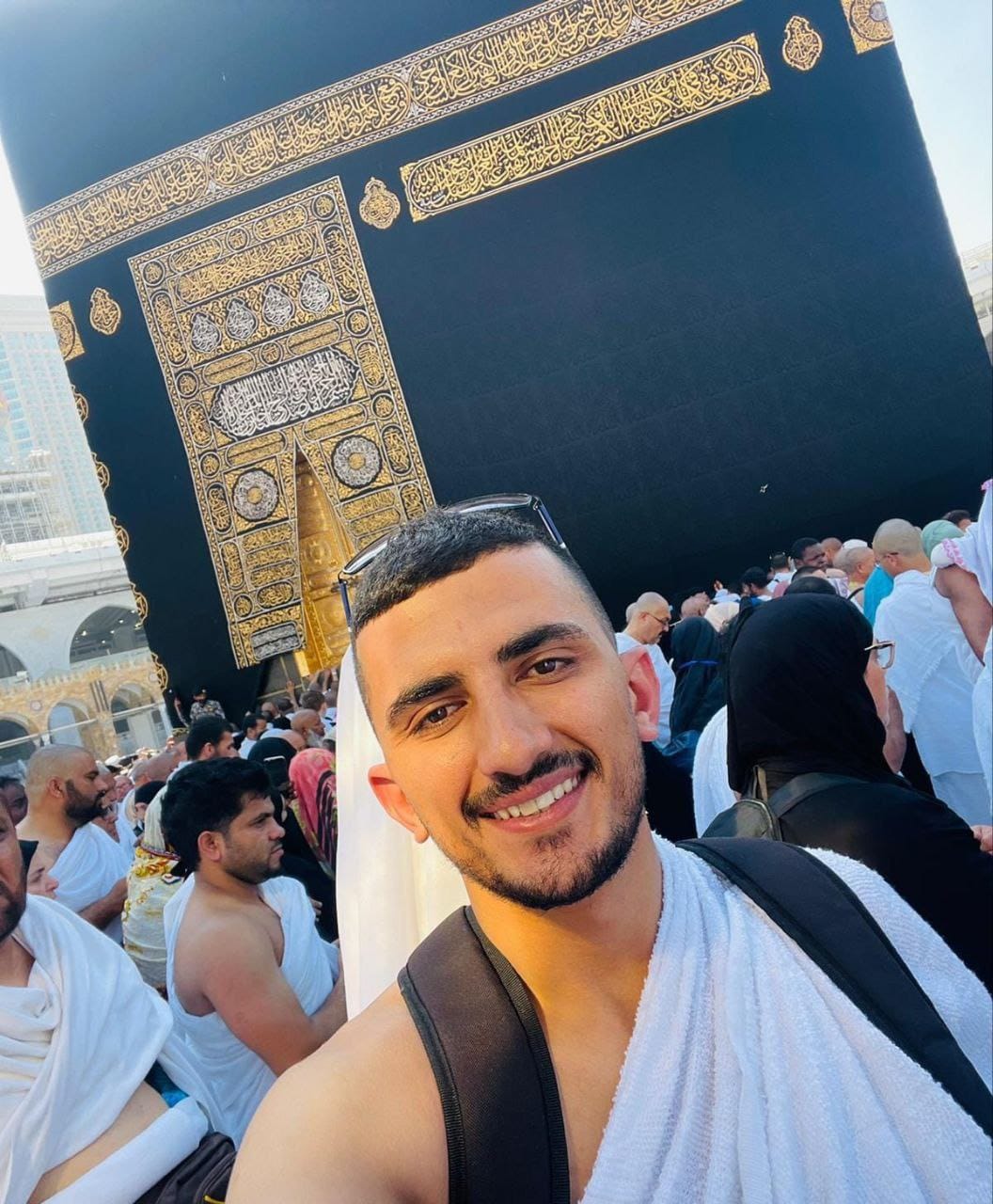
All photographs · 2
In the media
Articles
- Remembering Ahmad Abu Latif: A Bedouin soldier killed by Hamas
The Jerusalem Post ·
- HaTzel says goodbye in grief: “I had the privilege of knowing you.”
אייס ·
- “He Used to Say, ‘I Have No Other Country’ Is Not a Song, It Is Reality”: Ahmed Abu Latif Laid to Rest
ישראל היום
- "His Death Was a Defining Moment": Ahmad Abu Latif’s Legacy of Coexistence - Davar News Website
www.davar1.co.il
- Ahmed Abu Latif, of blessed memory, carried the flag of partnership: we must carry it on – Walla Real Estate
nadlan.walla.co.il
- Ahmed Abu Latif: Continuing the path of Ahmed Abu Latif, of blessed memory — visit “Commemorate Me Through Action — Fill the Void”
male-halal.co.il
Memorial sites
- Yizkor — Sergeant First Class Ahmed Abu Latif
משרד הביטחון — יזכור
Memorial projects
His personal page reports that his friends commemorated him with murals of The Giving Tree.
Stories told about them
His brother Abed said Ahmad transformed a muddy, stone-filled yard into a space planted with trees. After October 7 there was no one to tend it, but the rain brought the greenery back and reminded the family of his efforts.
Hagai Reznik said that Ahmad approached him for help enlisting in reserve service. When he received the order, he called joyfully, and later sent photographs and updates from the front.
Life & service
Service
- Rank
- Sergeant first class (res.)
- Unit
- Brigade 261
- Service Type
- Reserve Forces
- Honours
- Posthumously Promoted
- Battle Location
- Southern Gaza Strip
Family
- Father
- Tawfiq
- Mother
- Mansoura
Burial
Cemetery
Rahat
Tributes & remembrance
רס״ל (מיל׳) אחמד אבו לטיף עשה הכל כדי להצטרף ללחימה - עד שהצליח. רבים הגיעו להלווייתו ולבית המשפחה כדי לנחם - דתיים וחילונים, יהודים וערבים. כך בדיוק רצה אחמד לראות את מדינת ישראל, מאוחדת ומגובשת. חובתנו לוודא שהיא תהיה גם בטוחה יותר ושוויונית יותר. ביקרתי היום בבית משפחתו ברהט, והכרתי משפחה שחינכה את ילדיה לאהבת הארץ ולתרומה למדינה. הם כואבים – וגאים. ויש להם על מה. מנסורה הקטנה תכיר את אבא רק מהסיפורים - אבל כשהיא תגדל, גם היא תהיה גאה. יהי זכרו ברוך.
יהי זכרך ברוך
יהי זיכרך ברוך
בגיל 10, כך סיפר לי אבא שלו, אמר אחמד אבו לטיף לאביו ״אני רוצה להיות לוחם בצה״ל״ כמה אבא שלו היה גאה בו. אחמד אהב את אשתו ואת בתו, ואהב את מדינת ישראל, ושמח להילחם למענה. והוא נפל למען המדינה ולמען כולנו. יהי זכרו ברוך.
יהי זכרו ברוך
הייתי עכשיו ברהט בניחום אבלים אצל משפחתו של לוחם צה״ל אחמד אבו לטיף שנפל השבוע ברצועה. אבא שלו סיפר שהיה מסתובב בעיר וכשראה נערים חסרי מעש בבתי קפה היה נוזף בהם: תתגייסו לצבא! עשרות עשו זאת בזכותו. בשבעה באוקטובר שבר את דלת חדר הארונות שבו היו המדים כדי לא לבזבז זמן על מציאת מפתח
אללה ירחמו
שיהיה זכרו ברוך , אחמד החתן שלי אללה ירחמו אחמד זה אחמד אחרי הנפילה הכרתי את הגדולה שלך ואת מעשיך אתה גדול מהכל
אח יקר שלי אחמד למדנו באותו בית ספר והתגייסנו לאותו יחידה הייתה חבר ואח שיהיה זכרך ברוך
אבו מנצורה יקיר הלב, מרימים את הזיכרון שלך על הכתפיים לעד עם גאווה ועוז נפש. בדיוק את מה שראינו בך אחינו היקר. שכב במנוחה גיבור ישראל.
אחמד בן דוד שלי היקר כמה שאנחנו התגעגענו אליך אנחנו אוהבים אותך שיהיה זכרונו לברכה
יהי זכרך ברוך
לזכרוו אחמד אהובייי .. הכרתי אתכם מגיל 15 גדלנו ביחד יש לך לב זהב אחלה גבר בעולם מלא מלא התגעגעתי לך כמה אתה חסר ליי מותק שליי התגעגעתי תגיד לי רנים בחיים שלך לא תבכי אפילו עלי אם קרה לי משהו אבל לא חשבתי זה ככה היה חיבוק אחרון אחמד אני אוהבת אותך
לזכרו של אחמד אבו לטיף , שחיזק אותנו ההורים המתנדבים בערב על האש בכיסופים כשבאנו להרים להם טיפה את המוראל ויצאנו בעצמנו מחוזקים ולאחר מספר ימים נפל ביחד עם 20 מחבריו באסון קריסת הּמבנים בעזה .יהי זכרו וזכרם של הנופלים ברוך .
חבר יקר עם חיוך בלתי נשכח.
אדם עם נתינה אינסופית ואהבת הזולת.
מודה לך על כל מה שהיית בשבילי!
גיבור, אוהב ישראל יהי זיכרו ברוך
יהי זכרו ברוך,גיבור ישראל שנלחם באומץ ובגבורה למען ביטחונה וחוסנה של מדינת ישראל
תודה רבה נזכור לנצח
ת ו ד ה.
יהי זכרך ברוך אחי
חבר ואח יקר בן אדם זהב שאוהב לתת את הנשמה בשביל לעזור ולהושיט יד. פעם אחרונה שראיתי אותו זה היה באוניברסיטה בן גוריון כשהיה עובד כאחראי באגף הביטחון. אמר לי מוחמד אם תצטרך משהו רק חייג אליי. לא ידעתי שזהו יהיה המפגש האחרון שבו אני אראה אותו. מקווה שינוח על משכבו בשלום ושהשם יקום דמו.
תודה מעומק הלב על הזכות להכיר אותך דרך המילים שלך והסיפורים של אוהביך, ללמוד מהאדם המאיר המיוחד והטוב שהיית על שותפות והיכולת להרגיש ולראות את האחר. תנחומים למשפחתך היקרה והחברים. תמיד נזכור ותמיד נספר אודותיך. יהי זכרך ברוך לעד.
גם היום לא שוכחים את הקורבן העצום שלכם.
איתכם בכאבכם הגדול.
שולח חיזוק לכל המשפחה
אחמד היקר
תודה לך חבר יקר על הזכות להכיר אותך. מעריך אותך המון. אוהב ומוקיר.
יהי זכרו ברוך
היי אני תלמיד שלומד עכשיו על אחמד אבו לטיף ואנחנו צריכים להסוף מידע אז אנו משתתפים בצערכם ויהי זכרו ברוך
אללה ירחמו
יהיה זכרו ברוך
שמור עלינו מלמעלה יאח
יהי זכרך ברוך
ת.נ.צ.ב.ה.
בעלי היקר
אין כמוך יקרי אתה היית מקור הכוח שלי ומקור האושר שלי אתה החיוך שלי והאור של חיי, בעלי המושלם
אני מאוד גאה בך
ומתגעגעת אליך הרבה אני צריכה אותך בכל רגע ותמיד זוכרת אותךהילדה היפה שלנו תווי פניה הם שלך הי כמוך יפה וחזקה תמיד אני מספרת לה על אביה היקר
שיהיה זכרך ברוך
אלאה ירחמק
שיהיה זכרך ברוך אחי הגיבור
אחי אין יום שעובר קל בלעדך , נזכור אותך בכל רגע
אוהבים אותך ותשאר בלבינו עד ימינו האחרון
נמשיך בדרך שתמיד האמנת וביחד ננצח
I will always be here for the country, to contribute and give wherever I am needed.
Source:www.israelhayom.co.il
Read the Hebrew original
אני תמיד אהיה פה בשביל המדינה, לתרום ולתת בכל מה שצריך אותי.
Ahmed is an exceptional soldier, a man of principle.
Source:www.israelhayom.co.il
Read the Hebrew original
אחמד לוחם מיוחד, אדם ערכי.
He did not say anything, did not tell us, did not want to worry us
Source:www.davar1.co.il
Read the Hebrew original
לא אמר, לא סיפר, לא רצה להדאיג אותנו
His friends who survived said he never missed a single prayer; that comforts me greatly
Source:www.davar1.co.il
Read the Hebrew original
החברים שנשארו בחיים סיפרו שלא ויתר על אף תפילה, זה מאוד מרגיע אותי
Rest in peace, my dear Ahmed.
Source:nadlan.walla.co.il
Read the Hebrew original
נוח על משכבך בשלום אחמד יקירי.
I will remember Ahmed as the ambitious young man who had dreams and wanted to do good.
Source:ישראל היום
Read the Hebrew original
אני אזכור את אחמד הבחור השאפתן שהיו לו חלומות ורצה לעשות טוב.
I had the privilege of knowing you!
Source:אייס
Read the Hebrew original
היה לי את הזכות להכיר אותך!
He was a flower picked much too early.
Source:The Jerusalem Post
Remembrance Day addresses
יום הזיכרון לחללי מערכות ישראל התשפ"ה – 2025
בכל יום שעובר, אזכור יותר! אזכור, את אלו שיצאו עימי לקרב ולא שבו, ולהם אין מי ידמה ומי ישווה. אזכור, שהכאב לא יעבור לעולם, והזמן, הוא לא מרפה ולא מרפא. אזכור, את שיברון הלב הגובר ואת הבית שבוער. אזכור, את צדקת הדרך, ואשבע שוב, שמה שהיה לא יהיה יותר. אזכור, שיותר מכל דבר אחר – אני חסר! ביום הזה, אני נתקף געגוע לדמותם, לחיתוך דיבורם, לחיוכם, ומדליק נר לזיכרון דרכם ומורשתם!
משרד הביטחון
אגף משפחות, הנצחה ומורשת
יום הזיכרון לחללי מערכות ישראל התשפ"ה – 2025
בכאב, בהצדעה ובתקווה אני מתכבד להדליק נר זיכרון זה. השנה, כשאנו נלחמים במלחמה ארוכה, רב זירתית וצודקת, הזיכרון נושא משמעות עמוקה. ביום זה נעצור ונתייחד עם זכרם של טובי בנינו ובנותינו שנפלו בהגנה על המדינה. מורשתם היא המצפן שמתווה את דרכינו, והיא המעניקה לנו כוח להמשיך ולהגן על מדינת ישראל ותושביה. משפחות יקרות, אנו מרכינים ראשנו ומתחייבים שנעמוד לצידכן תמיד. יהי זכר הנופלים ברוך.
אלוף דדו בר כליפא
ראש אגף כוח האדם, צה"ל
יום הזיכרון לחללי מערכות ישראל התשפ"ה – 2025
בשעה שאנו זוכרים את גודל תרומתם ועומק מסירות נפשם של טובי בנינו ובנותינו, נופלי מערכות ישראל לדורותיהן, ממשיכים צה"ל וכוחות הביטחון במימוש המשימה למענה לחמו ועבורה נפלו: הכרעת אויבינו מדרום, מצפון, ביהודה ובשומרון, וגם בזירות רחוקות יותר. בהערכה רבה ובגאווה אדירה אנו מרכינים ראש בפני הנופלים והנופלות, מאמצים את משפחותיהם אל לבנו, וממשיכים במשימה להבטחת קיומה של ישראל לדורי דורות. יחד נעשה ונצליח.
רב אלוף אייל זמיר
הרמטכ"ל, צה"ל
יום הזיכרון לחללי מערכות ישראל התשפ"ד – 2024
כאשר דגלינו מורדים לחצי התורן וראשינו מורכנים לזכר הנופלים והנופלות במערכות ישראל, ממשיכים לוחמי צה"ל ומפקדיו בלחימה בדרום, בצפון, ביהודה ובשומרון ובזירות נוספות. על כל דור מוטלת המשימה של הגנת העם והארץ – משימה שאף פעם אינה פוסקת. נצדיע בגעגוע ובגאווה לנופלים ולנופלות, נחבק את משפחותיהם, ונמשיך ברוח הציווי שהותירו לנו. עם ישראל חי.
רב ניצב יעקב שבתאי
המפקח הכללי, משטרת ישראל
יום הזיכרון לחללי מערכות ישראל התשפ"ד – 2024
אחיי הנופלים, כל נר הוא זיכרון יחיד ומיוחד, על חיים שהיו ואינם, געגוע שנצרב עמוק בלב, עולם ומלואו. הנרות כולם הם זיכרון של אומה כי לעולם לא עוד, בשורת הציונות וקוממיות ישראל. זיכרון כי הדרך לעם חופשי בארצנו עוברת דרך מסדר הנופלים. אור הנר יזכיר לנו את מסירות נפשכם להציל חיים, להגן על הבית. הנרות מסמנים לנו נתיב גבורה ערכי מחייב שאנו מצווים ללכת לאורו. נמשיך להילחם ולהוסיף אור מתוך אמונה בנצח ישראל.
יואב גלנט
שר הביטחון
יום הזיכרון לחללי מערכות ישראל התשפ"ד – 2024
בהצדעה ובכאב, בשם צה"ל כולו, אני מדליק נר זיכרון. בעיצומה של מלחמה, הזכרון נושא משמעות יום-יומית, שעבר והווה מתלכדים בה. לאורם של הנופלים נמשיך לצעוד, חיילי הסדיר והמילואים. לאורם של הנופלים נמשיך להגן על ארצנו ועל מולדתנו, גם כשהמחיר כבד. להבת-הזכרון תבער בנו בעודנו ממשיכים להלחם ונזכור את הנופלים ואת אומץ ליבם. משפחות יקרות, צה"ל מרכין היום ראש, מצדיע לכן וכואב איתכן. יהי זכר הנופלים ברוך.
אלוף יניב עשור
ראש אגף כוח האדם, צה"ל
יום הזיכרון לחללי מערכות ישראל התשפ"ד – 2024
בהוקרה, בגאווה ובכאב שאין לו סוף, אני מתכבד להדליק נר לזכרם של הנופלים והנופלות במערכות ישראל. סיפור חייהם בארץ הזאת, מסכת שירותם, גבורתם והקרבתם – הם סיפורה של הארץ הזאת, אך גם סיפור המחיר הכבד שהיא תובעת מאוהביה. מחויבותנו לזכר הנופלים ולדרך שהותירו לנו ניצבת תמיד לנגד עינינו. את המשימה שלא זכו להשלים, משלימים כיום, וישלימו, אנשי כוחות הביטחון, הממשיכים בדרכם ולאורם. יהי זכרם של הנופלים ברוך.
משרד הביטחון
אגף משפחות, הנצחה ומורשת
יום הזיכרון לחללי מערכות ישראל התשפ"ד – 2024
בחרדת קודש אני מתכבד להדליק נר לזכרם של חללי מערכות ישראל, חברנו שנפלו, מראשית היציאה מהחומות ולאורך כל שנות עצמאותנו המדינית והציונית, מהווים תמרור זיכרון לדרך חיינו ולמחוייבות הלאומית להנצחת זכרם. דרכם נותרה דרכנו ומורשתם נר להמשך עשייתנו. יהי זכרם ברוך!
בני גנץ
שר הביטחון
יום הזיכרון לחללי מערכות ישראל
נזכור אותם, כולנו יחד. כל אחד ואחת מהם, מדי יום ביומו, והיום ביתר שאת, כך – לנצח. "כי מדי דברי בו זכור אזכרנו עוד"
משרד הביטחון
אגף משפחות, הנצחה ומורשת